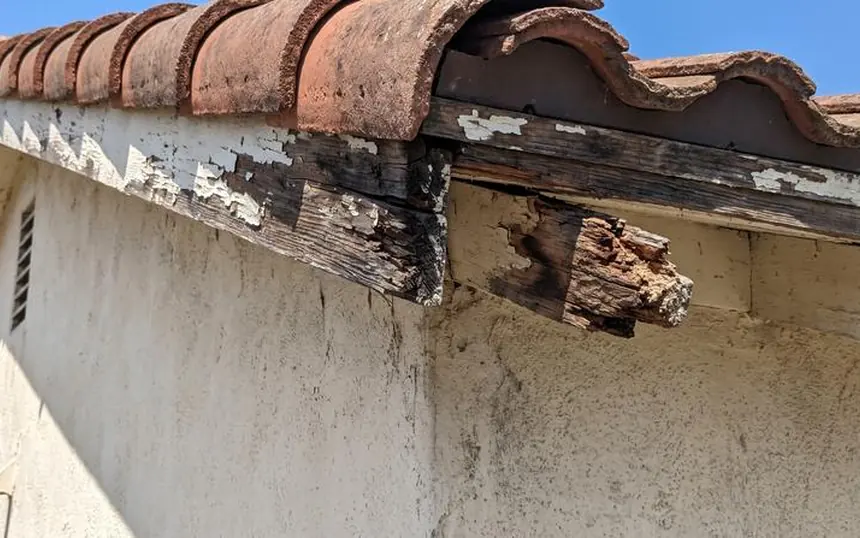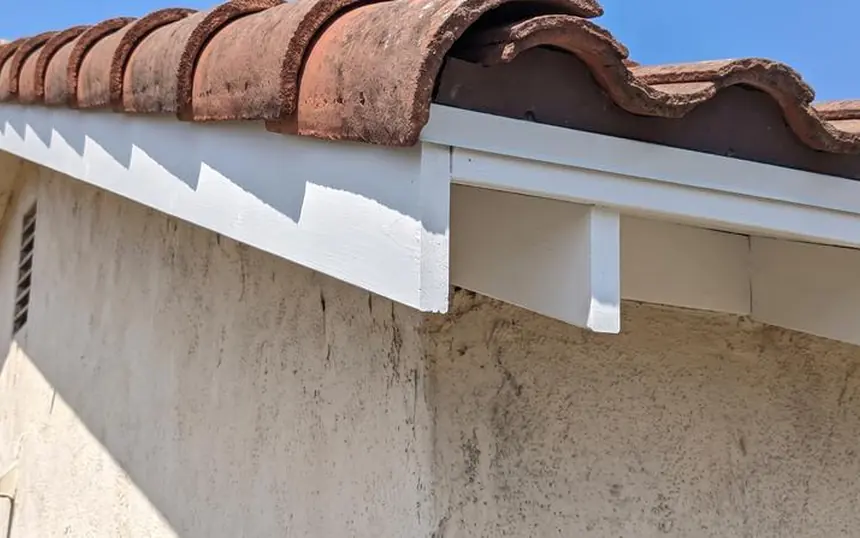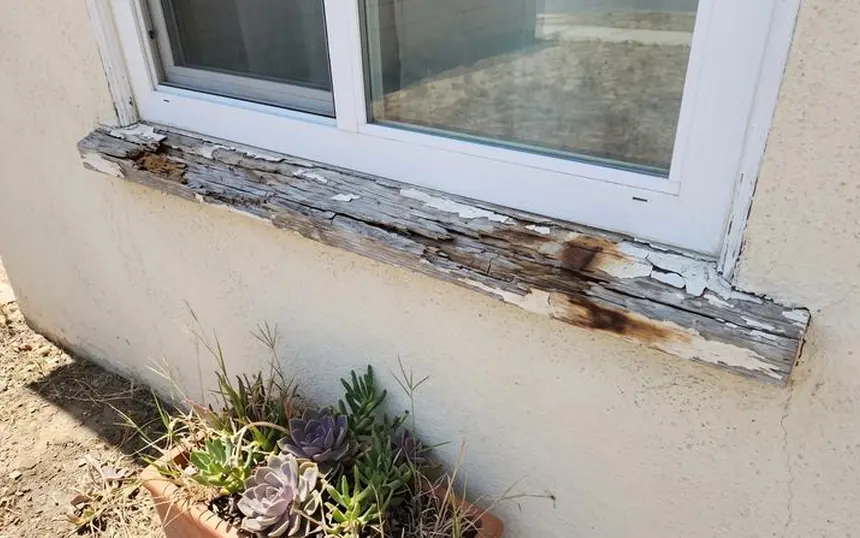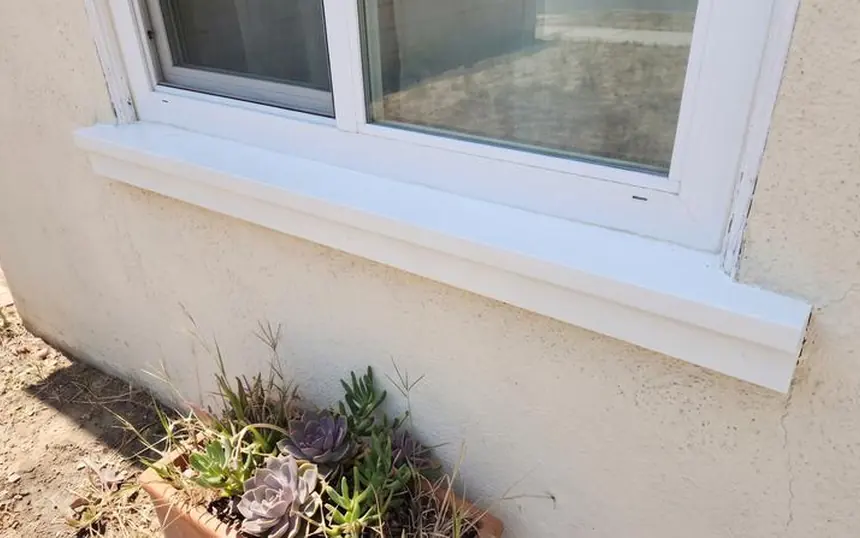
Porch posts, siding, fascia, sills and deck boards cut out and rebuilt with sound wood, Downtown to the hills. Priced in writing before we start.
 BBBAccredited Business
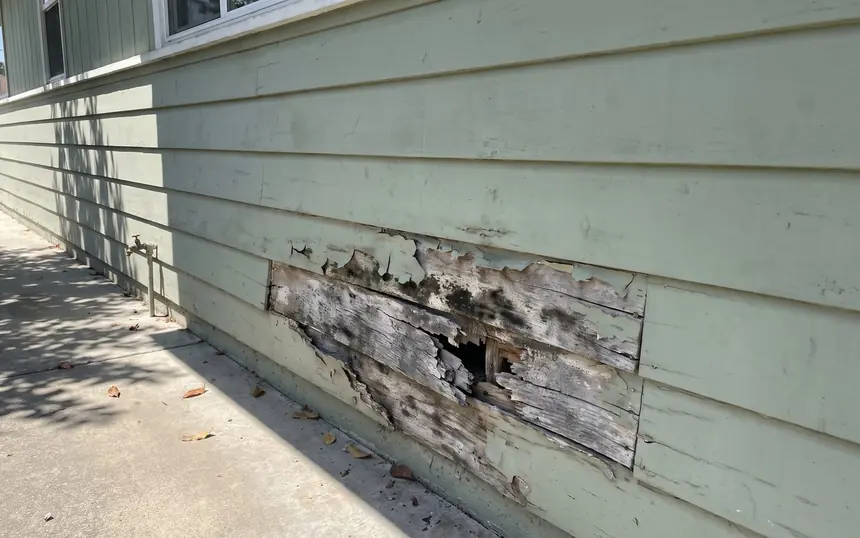
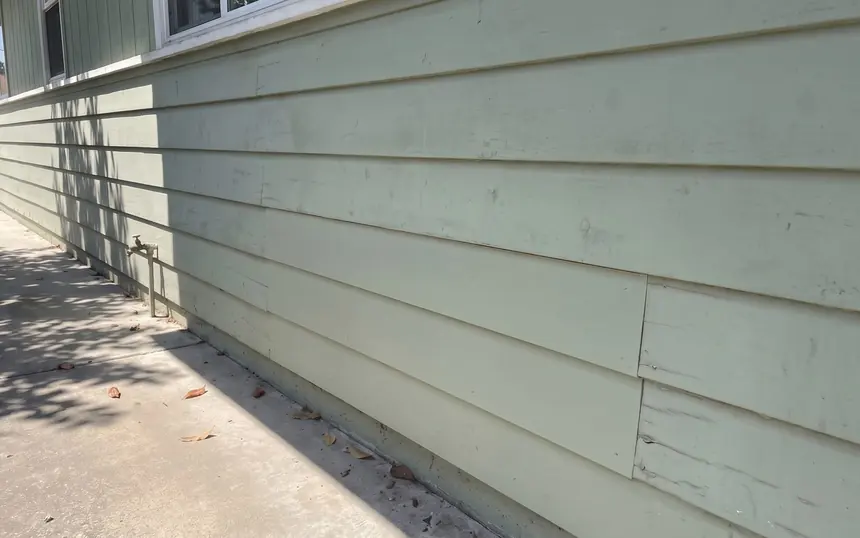
Kaminskiy Care and Repair rebuilds rotted and termite-damaged wood across Pleasanton: the porch posts, wood siding and sills on the century-old houses around Main Street, the fascia and eave trim on the 1960s and 1970s ranches in Del Prado and Pleasanton Valley, the deck boards, rails and wood-clad sills in Vintage Hills, Kottinger Ranch and Ruby Hill. Each is cut back to sound wood, rebuilt with the same profile, primed on every face, painted to match and sealed, with the sprinkler or the gutter end that caused it fixed. Termite treatment is the pest company's trade; the rebuild is ours. The price is in writing before anything starts. Since 2023 we have completed 143 repair visits on 51 Pleasanton homes.
 Eight repairs, one crew, priced in writing before we start.
Pleasanton summers bake the paint off the fascia and the sills, the winter rain runs into the open end grain, and the clay underfoot holds the wet around every post and bottom board for months. We cut back to sound wood, rebuild, prime and paint, and fix what let the water in.
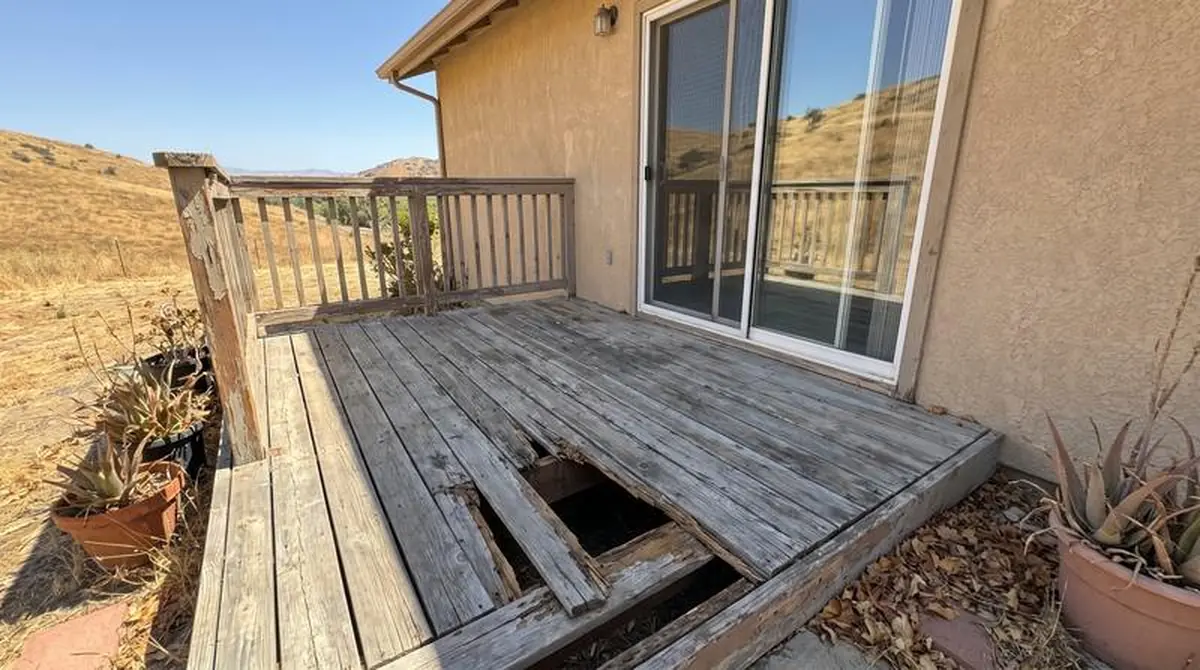
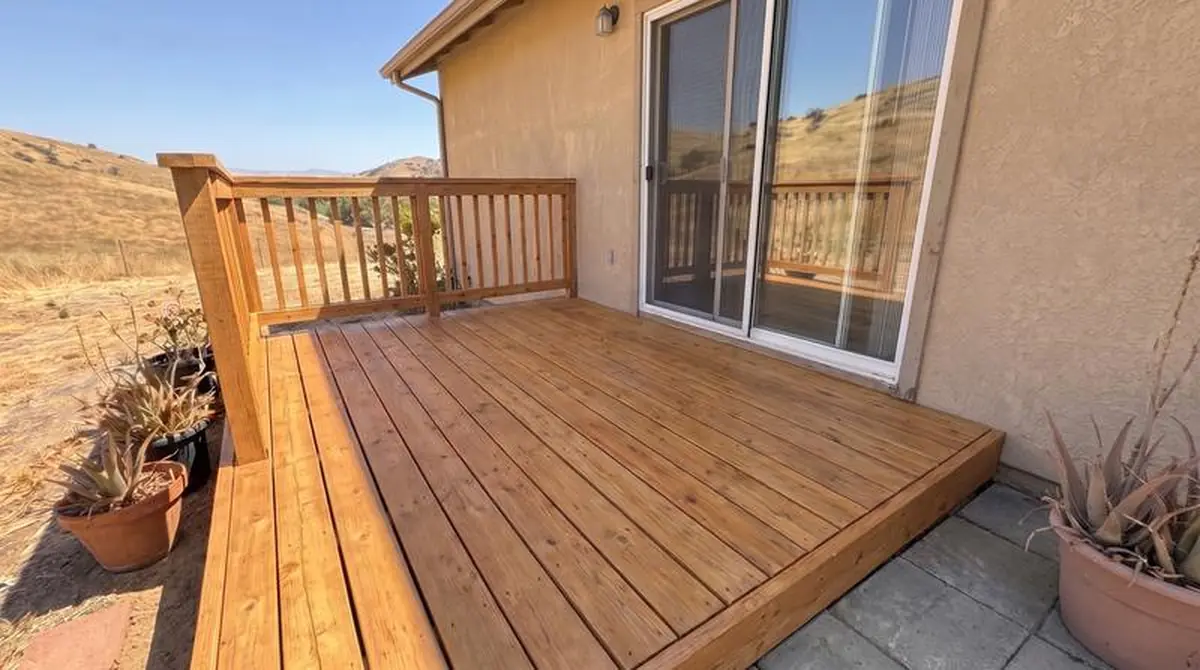 AFTERBEFORE
 Fascia & Eaves
 Window Sills
 Door Jambs & Casings
 Trim & Siding
 Termite Damage Rebuilds
 Deck Boards & Railings
 Stairs & Posts
 Primed, Painted & Sealed
Tri-Valley heat turns a soft corner into a rotted board in a season, so call while it is small. A Kaminskiy-certified technician prices most Pleasanton fascia, sill, jamb and post repairs on the call, in writing; a deck or a rebuild into framing gets a written scope first.

We answer in under three rings and get you priced and scheduled in minutes.

A clear, written quote with upfront pricing. You approve before work begins.

Kaminskiy-certified pros finish the job with a workmanship warranty.
Every rot and termite damage repair carries our one-year workmanship warranty, in writing, and is done by a Kaminskiy-certified, background checked technician.
Heat, rain and clay. The Tri-Valley sun checks the paint on fascia, eave trim and sills until the caulk pulls away from the stucco, the first winter storm runs water into the end grain, and much of Pleasanton sits on clay that holds the wet against every post base and bottom board well into spring. Around Main Street the houses are a century old and the wood meets the ground at the porch; on the ranch streets it meets a sprinkler. We look at the sunny walls, the porch bases and the bottom boards first.
The termite here is the western subterranean one, the most common kind in California: it lives in the soil, needs the moisture, and builds mud tubes up a stem wall or a porch post to reach the wood, swarming on a clear afternoon after a soaking rain. The pellet-leaving drywood termite of Southern California is rare in the valley. A licensed pest company treats the colony; we rebuild the wood after, in the right order.
Filler over soft wood holds the water in and the rot keeps going behind it. We cut the board or the post back until the probe stops sinking, splice or replace with the same profile, back-prime the new piece, set it on a proper base, caulk the joint and paint to match, so the repair reads as original and holds.
Move the sprinkler heads that hit the house, and keep soil, bark and clay below the weep screed or the bottom board. Clear the gutters before the first storm and run the downspouts past the foundation. Repaint the south and west walls before the paint fails, and keep a Downtown porch post off the wet step with a standoff base.
Victorians, bungalows and cottages from the 1890s through the 1930s with wood siding, porch posts, columns, wood-framed windows and wide trim. The rot starts where the wood meets the step or the ground: porch post bases, the bottom courses of siding, sills and jamb bottoms. We splice new wood into the old, match the profile and keep the repair to what was there, which is what the town's downtown design rules expect.
1960s to 1980s ranch and tract homes with wood fascia, eave trim, pop-out sills, patio covers and garage door jambs on the slab, with sprinklers along every wall. The sun splits the paint on the west faces, the rain follows it into the fascia, and the jambs crumble at the concrete. We rebuild the boards, match the finish and fix the drip edge or the caulk line that let the water in.
Newer stucco homes with foam trim, strict association standards and hillside lots with decks and railings facing the weather. The rot hides where wood is still used: wood-clad sills, door jambs at the stucco line, deck boards and rail posts. We photograph the profile and the color, match both, and name a ledger problem before anyone opens a wall.
Pleasanton is the south end of our East Bay run; the Bay Area dry rot and wood rot repair page has the whole Bay in one place, from the Tri-Valley heat to the Peninsula fog, with every city's permit rule and the termite report explained.
A fascia board, a sill or a trim piece is priced on the call, in writing. A bigger rebuild gets a look first and a written price before anything starts.
We cut back to sound wood and probe how far the rot really goes. If it runs further than the photo showed, you hear it before we go further, with the price.
New wood primed on all sides, caulked, painted to match, and the water path that caused it fixed: the drip edge, the flashing, the gutter end, the sprinkler.
The work area is cleaned before we leave, and every rot repair carries our one-year workmanship warranty.
Pleasanton's own permit handout says it plainly: application or notice to the building official is not required for ordinary repairs to structures, and painting and similar finish work need no permit at all. The same sheet draws the line where the state code does, at cutting away a wall or a structural beam or load-bearing support, and at anything touching plumbing or wiring. A rebuilt sill, fascia board, jamb or porch post base is an ordinary repair; a deck attached to the house, or rot that has reached a beam, is a permit, and we tell you which on the call.
A Pleasanton sale comes with a termite report from a licensed structural pest control company: Section 1 for the visible evidence of active infestation and the damage from it, Section 2 for the conditions that invite it, such as earth against the siding or a sprinkler on the wall. The pest company treats and certifies; we rebuild the fascia, siding, sills and porch posts on the list, and they reinspect. Send the report with the address and the repairs come back priced from it.
On the Downtown Specific Plan streets, exterior changes to a building go through the town's design review, and the historic houses around Main Street are held to their original look. A like-for-like rot repair that changes nothing visible is how we work there: the same profile, the same paint, and we photograph before and after for the file. In the hills, Ruby Hill, Kottinger Ranch and most of the newer streets have associations; a repair painted to the scheme rarely needs a form, a changed profile or color sometimes does, and we put the materials and finish in writing for it.
Can't find your answer? Call 925-302-5955 and ask us anything.
Call 925-302-5955We answer in under three rings and price most fascia, sill, jamb and porch post repairs on the call; scheduling is usually within days from Walnut Creek. A deck or a rebuild into framing is sized after a look, with the scope in writing before anything starts.
Yes. A licensed pest company treats the colony first; then we cut out the eaten sill plates, trim, siding and the framing we can reach, and rebuild it. Treatment and the report are theirs; the rebuild is ours.
Yes. We cut the post back to sound wood or replace it, set it on a standoff base so it stays dry, match the profile and paint it. Kaminskiy is licensed, bonded and insured. If the post carries a porch roof that has sagged, we tell you what it needs before anyone lifts it.
What comes out once the wood is opened, how high and how reachable it is, and the finish it has to match: a turned Downtown porch post is not a plain fascia board. Text a photo and the price is in writing before anything is scheduled.
Not for an ordinary repair. Pleasanton's own handout says ordinary repairs to a structure need no application and painting needs no permit; a sill, a fascia board or a run of siding is that. A deck attached to the house, or rot that has reached a beam or a load-bearing support, is a permit and we tell you on the call.
A like-for-like repair that changes nothing visible is the rule we work to there: same profile, same paint, photographed before and after. Anything that would change the look of the house goes to the town's design review first, and we say so before we price it.
All of Pleasanton, including Downtown, Del Prado, Pleasanton Valley, Val Vista, Vintage Hills, Kottinger Ranch, Bridle Creek, Ruby Hill, Laguna Oaks and Stoneridge, plus Dublin, Livermore, San Ramon and Sunol. Call 925-302-5955 to confirm your address.
Tell us where the wood has gone soft, or text us a photo. We'll call you back with a price and a time. Calling is still the fastest way: 925-302-5955.
Priced in writing before we start. Kaminskiy-certified technicians. A one-year workmanship warranty on every job.
We answer in under three rings, 24/7.No price games. You get a clear written quote before any work begins, backed by our workmanship warranty.