 BBBAccredited Business

Kaminskiy Care and Repair repairs water damage and mold damage on drywall, ceilings, trim and cabinets: the leak confirmed stopped, wet material removed, the area dried and treated, then rebuilt and painted to match. Large scale remediation and air testing are referred to a licensed specialist, and we handle the rebuild after. We serve Pleasanton and the surrounding California communities.
The south end of our East Bay run. Window sills and slider tracks lead the Pleasanton water list.
In Pleasanton the water usually comes in at a window or a slider. The clay under the house swells with the winter rain and racks the frames, the flashing at a pop-out sill opens a hair, and the first storm of November runs down inside the wall. We find the way in, book the licensed trade that closes it, cut out the wet drywall, insulation, baseboard and subfloor, dry the cavity and meter it, treat the framing, and rebuild, texture and paint so the room reads as one.
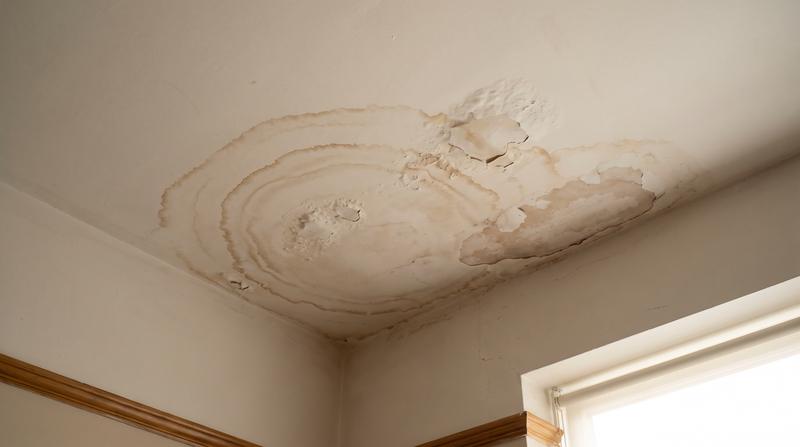
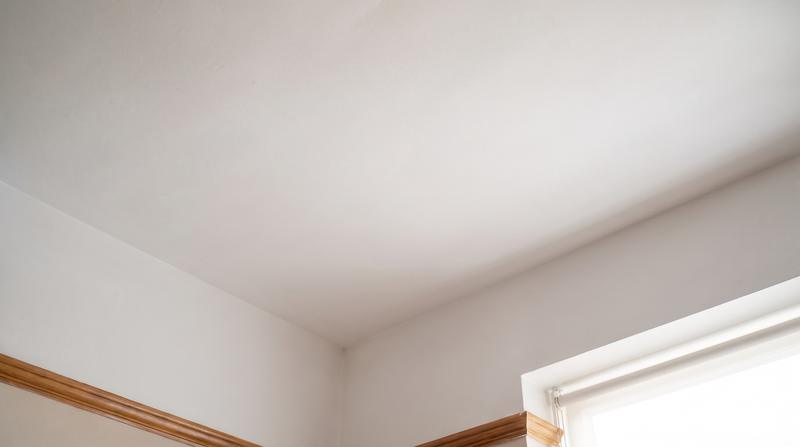 AFTERBEFORE
Each of these is a Kaminskiy-certified technician's regular morning, dispatched from Quail Court in Walnut Creek. One look, the source named, a written scope.

Priced and on the calendar during the first call.

A written quote you approve before anyone drives out.

One crew, the whole list, warranty in writing.
A one-year workmanship warranty, in writing, on every Pleasanton water damage repair.
Paint is not a repair. A water stain on drywall or plaster is tannin and mineral pulled to the surface by water that is still there or still coming, and primer alone holds it for a few weeks. In Pleasanton the water that keeps coming is almost always seasonal: the clay swells in December, the frame moves, the flashing opens and the stain grows every storm, then dries out by June and fools you. We find the way in before anything is closed, prove the cavity dry with a meter, and only then seal, texture and paint.
Drywall that is stained but firm, with no growth on the back, can be dried, sealed with a stain-blocking primer and refinished. Drywall that is soft, sagging, crumbling or has been wet more than a couple of days comes out, along with the insulation behind it and any baseboard or casing that swelled. Subfloor that has delaminated comes out to the joists. We probe before we promise, and the written scope says which boards stay and which go, so there is no surprise at the house.
California licenses no mold trade, so the line is the EPA's: growth on about ten square feet or less is a surface the technician can remove, treat and rebuild; more than that, growth inside the wall cavities of more than one room, a sewage source or anyone in the home with breathing trouble means a remediation company with containment and a written protocol, and that is not our lane. Air and surface testing is a separate specialist too. They clear it, then we rebuild.
Walk the house after the first big storm each November: look at the ceiling under every upstairs bath, the drywall below every window on the weather side, the slider track and the floor of each sink cabinet. Clear the gutters, extend the downspouts past the clay, recaulk the sill corners before the rain, run the bath fan, and tighten the supply nuts under the sinks. Most of the water damage we rebuild in Pleasanton started as a drip somebody meant to look at.
Houses from the 1890s to the 1930s with wood windows, lath and plaster, raised floors over a crawl space and roofs that have been patched more than once. The water gets in at a wood sill, a valley in the roof or a bath that was added to a house that never had one, and shows as a plaster stain or a soft spot in the floor at the tub. We cut the plaster back to sound lath, rebuild the subfloor over the joists, and keep the trim profile the design review wants to see.
Slab-on-grade ranch and tract homes from the 1960s to the 1980s with aluminum sliders set at the slab, pop-out stucco sills, hall baths with original shower pans and sprinklers hitting the walls. The slider track and the sill corner are where the winter rain comes in; the shower pan and the sink supply are where the house leaks from the inside. We open the wall at the stain, dry the slab edge and the bottom plate, and rebuild the drywall, the baseboard and the cabinet floor with the texture matched.
Two-story stucco homes from the 1990s on with foam trim, French doors, decks on ledgers and second-floor baths over living rooms. The deck ledger and the French door threshold let the rain into the wall, and the upstairs tub lets it into the ceiling below. We find which, bring the licensed trade that reflashes or replumbs it, dry the ceiling cavity from below, and put the ceiling, the crown and the paint back to the association's scheme.
Call 925-302-5955 or text a photo of the stain and the room above or outside it. Small repairs get a range on the call and a date for the look.
A technician meters the wall, the ceiling and the floor, traces the water to a window, a roof, a supply line or a shower pan, and writes a scope: what comes out, what the licensed trade closes, what we rebuild, the price.
The licensed plumber or roofer we schedule stops the water, we cut out the wet drywall, insulation, baseboard and subfloor, set the fans and dehumidifier, treat the framing and meter it until it reads dry.
New drywall or plaster patch, texture, trim and paint matched to the room, the dust gone with us, and the one-year workmanship warranty on the invoice.
California lets a small repair under a set amount go without a license when it needs no permit and nobody is employed to do it; a water damage rebuild, drywall, insulation, subfloor, trim and paint in one job, is past that line. Kaminskiy Care and Repair holds License #1120648, is bonded and insured, and its technicians are Kaminskiy-certified and background checked. The plumbing that caused the leak is the licensed plumber's, the roof and the flashing the licensed roofer's, and we schedule both so the rebuild follows the fix.
Pleasanton's own permit handout says no application is needed for ordinary repairs to a structure and that painting and similar finish work is exempt, which covers replacing wet drywall in the same place, baseboard and casing, and a patch of subfloor between the joists. The same sheet draws the state's line: no cutting of a wall, a beam or a load-bearing support, and nothing that replaces or moves water supply, drain or waste piping, which is why the licensed plumber pulls the plumbing permit when a line is replaced. A rotted joist or a rim board is a permit and an engineer's look, and we say so before it is opened.
Most homeowner policies in California pay for sudden water, a burst supply line or a failed valve, and exclude slow seepage, wear and flood, which is its own policy. We photograph before and after, meter the readings, keep the cut-out pieces until the adjuster says, and write the scope so it reads as a claim; we do not adjust claims or argue coverage, and a public adjuster is a licensed job of its own. In Ruby Hill, Kottinger Ranch and the association streets the rebuild inside the house is yours and the roof or the deck may be the association's under the governing documents, so we put the source in writing for the board.
The south end of our East Bay run. Your Pleasanton crew dispatches from our East Bay office on Quail Court in Walnut Creek, half an hour down the 680, so most calls are scheduled within days. Call 925-302-5955, text a photo, or send the form.
Can't find your answer? Call 925-302-5955 and ask us anything.
Call 925-302-5955Not ours; that is a remediation company's trade. We remove and treat small surface growth on drywall, trim and framing as part of the rebuild, about the EPA's ten square feet or less. Anything larger, growth through the wall cavities of more than one room, a sewage source or a household with breathing trouble goes to a remediation company with containment and a written protocol, and air testing to a testing specialist. California licenses neither trade, so we name companies we have rebuilt behind, and we come back when they clear it.
Almost always. A technician meters the wall and the ceiling, follows the wet path to its high point and matches it to what is there: a window or slider flashing, a roof valley, a deck ledger, a supply line, a tub drain or a shower pan. In Pleasanton the seasonal ones, the window and the slider, are the easy tell because they grow with the rain and dry by summer. The scope names the source and the licensed trade that fixes it.
Yes. We match the texture, orange peel, knockdown, the hand-troweled finish in the old houses or a plaster patch, feather the joint past the cut, prime with a stain blocker and paint corner to corner so the eye has no edge to find. Trim is matched to the profile, and in the hill communities the paint is the association's scheme.
It depends on how much is wet and for how long. A firm stain that only needs drying, sealing and paint is a short visit; a ceiling that comes down with its insulation, or a subfloor at a tub, is a few days with fans in between. Text a photo and you get a range on the call; after the look you get a written scope with the demolition, the drying, the licensed trade and the rebuild priced before anything starts.
Often, when the water was sudden: a burst supply line, a failed valve, an overflow. Slow seepage from a window that has leaked for three winters, and flood, usually are not, and your policy and your adjuster decide, not us. We give you what a claim needs, dated photos, meter readings, the cut-out material kept until the adjuster has seen it, and a scope written line by line. We do not adjust claims.
Because much of Pleasanton sits on clay that swells with the rain and shrinks in the heat, so the door and window frames move a little every year and the flashing at a sill or a slider opens just enough. The stain grows with each storm, dries by June and comes back in November. We reseal or have the licensed trade reflash the opening, then rebuild the wall once, dry.
Not for drywall, baseboard, casing or a patch of subfloor in the same place; Pleasanton's handout calls that an ordinary repair and exempts finish work. A replaced supply or drain line is the licensed plumber's permit, and a joist or a rim board the water rotted is a permit and an engineer's look. We tell you which at the look, before anything is cut.
All of Pleasanton from our Walnut Creek office, including Downtown, Del Prado, Pleasanton Valley, Val Vista, Stoneridge, Vintage Hills, Kottinger Ranch, Bridle Creek, Ruby Hill and Laguna Oaks, plus Dublin, Livermore, San Ramon and Sunol. Call 925-302-5955 to confirm your address.
Tell us where the stain or soft spot is. We'll call you back with a price and a time. Calling is still the fastest way: 925-302-5955.
Dried out, rebuilt and painted to match, warranted in writing.
We answer in under three rings, 24/7.No price games. You get a clear written quote before any work begins, backed by our workmanship warranty.
