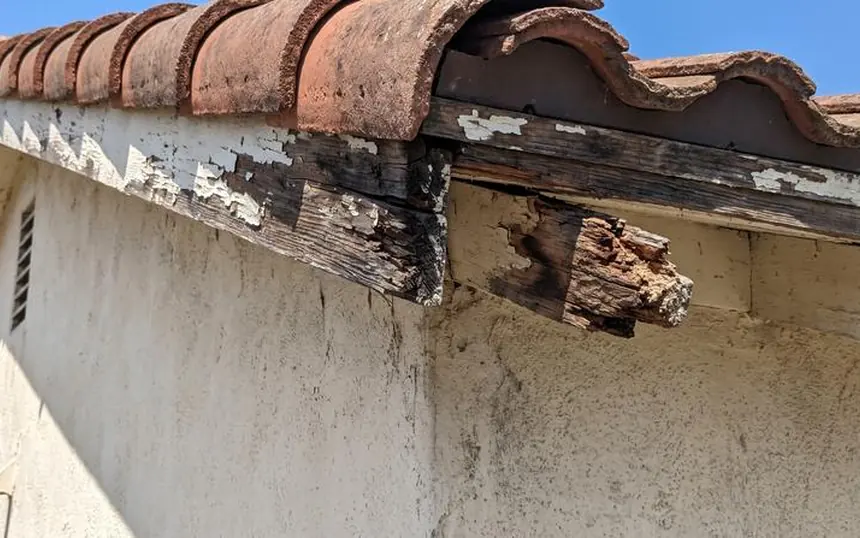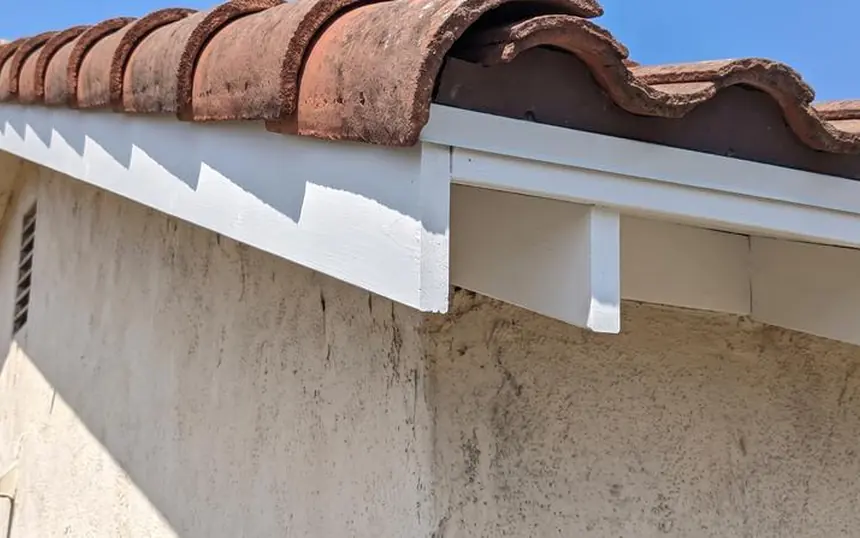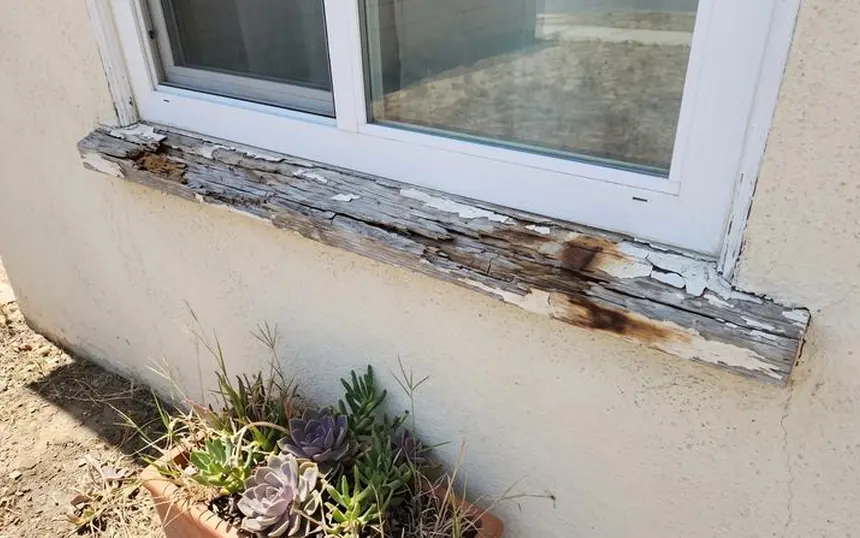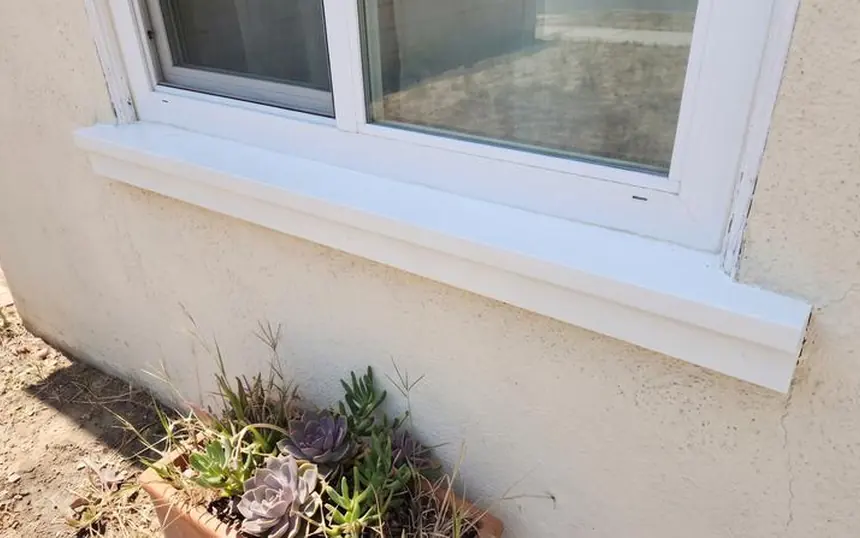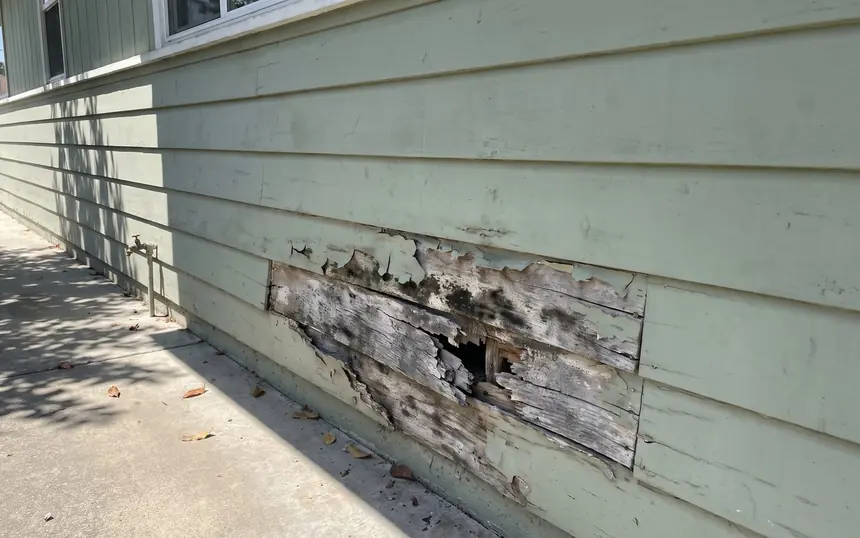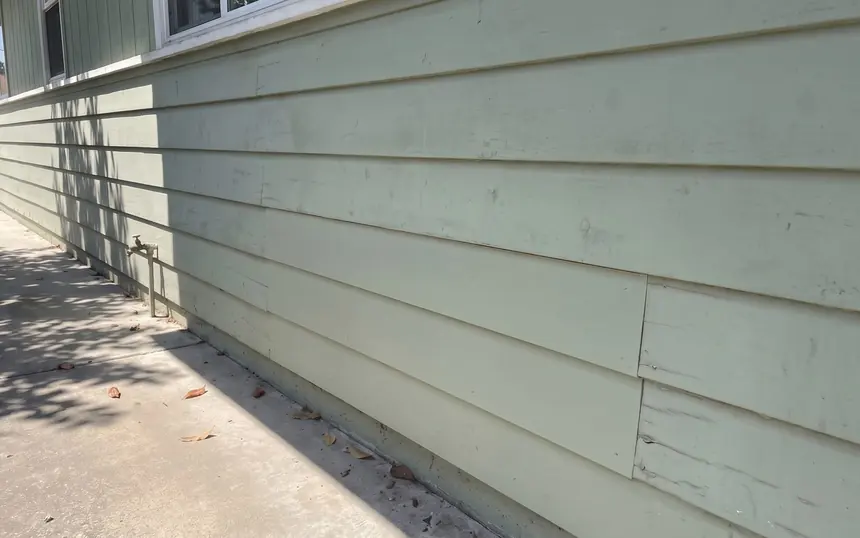
Shaded siding, fascia, sills and redwood decks cut out and rebuilt with sound wood under the oaks. Priced in writing before we start.
 BBBAccredited Business
Lafayette rots in the shade. Kaminskiy Care and Repair rebuilds the wood the oaks keep damp on Lamorinda homes: the north-wall siding on a Happy Valley ranch house, the fascia under a roof that never sees sun, the sills and door jambs on the uphill side of a hillside lot, the redwood deck boards and rail posts over the creek in Burton Valley. Each is cut back to sound wood, rebuilt with the same profile, primed on every face, painted or stained to match and sealed, with the downspout or the drip line that caused it fixed. The pest company treats termites and carpenter ants; we rebuild after them. The price is in writing before anything starts, from our office in Walnut Creek. Since 2023 we have made 166 repair visits to 72 Lafayette homes, many of them under the oaks.
 Eight repairs, one crew, priced in writing before we start.
Oaks over the roof, a creek at the bottom of the lot and a hillside that drains toward the house: Lafayette wood stays wet from the first November storm into late spring, and the north and uphill walls go first. We cut back to sound wood, rebuild, prime and paint, and open the wall to the air and the light where we can.
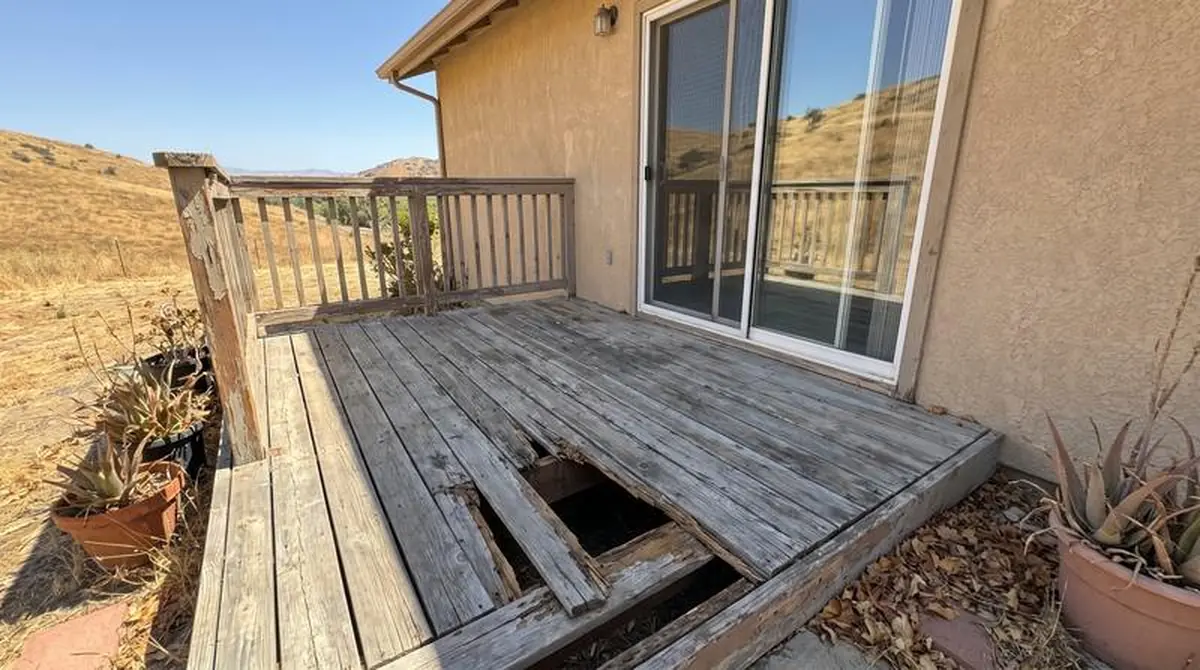
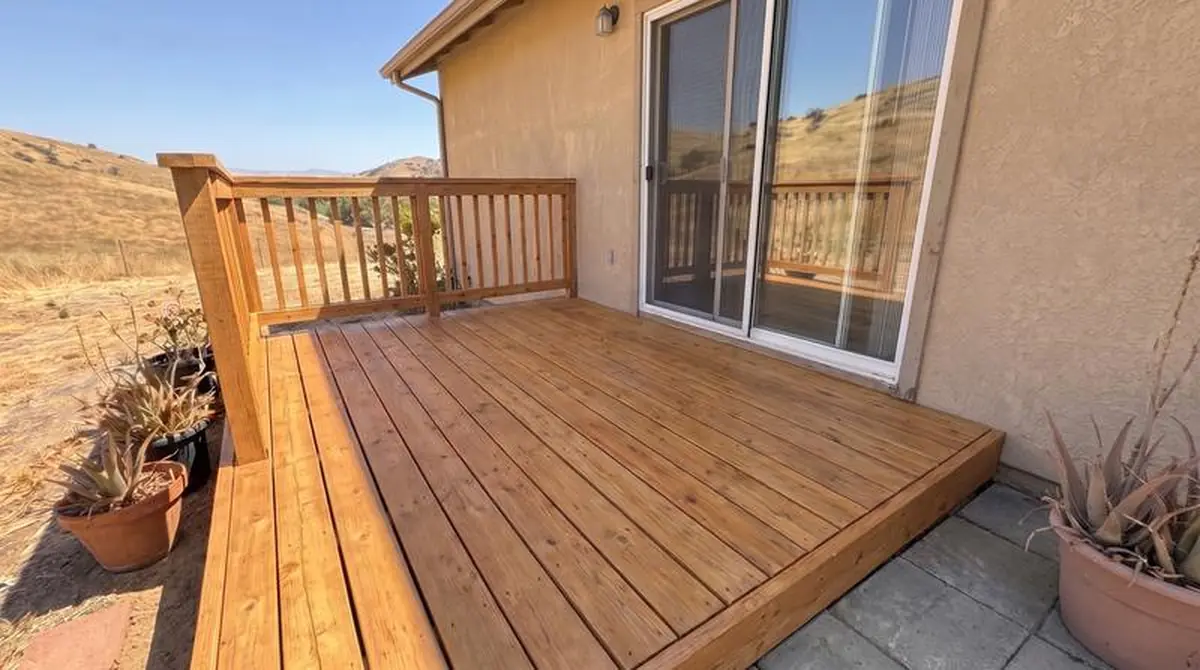 AFTERBEFORE
 Fascia & Eaves
 Window Sills
 Door Jambs & Casings
 Trim & Siding
 Termite Damage Rebuilds
 Deck Boards & Railings
 Stairs & Posts
 Primed, Painted & Sealed
Shade does not dry a board on its own, and a Lafayette repair put off to summer is a bigger one by then. A Kaminskiy-certified technician prices most siding, fascia and sill repairs on the call, in writing; a deck or a rebuild into framing gets a written scope first.

Priced and on the calendar during the first call.

A written quote you approve before anyone drives out.

One crew, truck stocked, warranty in writing.
A one-year workmanship warranty, in writing, on every Lafayette rot and termite damage repair.
Shade and slope. Lamorinda's oaks keep the north walls and the uphill sides of a house out of the sun for months, the winter rain drips off the canopy onto the same stretch of siding every storm, and hillside lots drain toward the foundation. Wood that never dries rots even when the paint looks fine, which is why a Lafayette siding board can be soft under an intact skin. We look at the shaded walls, the uphill side and the bottom courses first.
Under the oaks, the insect you find in rotting trim is often the carpenter ant, which moves into wood that is already wet and decayed, hollows it for a nest and pushes out sawdust; it does not eat the wood. The western subterranean termite is the other one: it lives in the soil, needs the moisture, and builds mud tubes up a foundation or a post to reach the sill plate. Drywood termites are rare this far north. A licensed pest company treats the colony; we rebuild the wood after, in that order.
Filler in a shaded Lafayette board lasts until the next wet winter. We cut back until the probe stops sinking, splice in sound wood with the same profile, back-prime it, set it, caulk the joint and paint or stain to match, so the repair reads as original and holds.
Thin the canopy over the roof and cut back what touches the house, so the sun reaches the wall. Keep the downspouts carrying water past the foundation, not onto a deck or the base of a wall. Keep soil, leaf litter and bark below the bottom course of siding, and let the deck boards breathe between them.
Big hillside lots with 1950s and 1960s ranch houses and newer custom homes, long runs of wood siding and redwood trim, oaks over most of it. The uphill wall and the north wall never dry; siding goes soft under the paint, fascia rots under the canopy drip line, and the deck on the downhill side carries the weather. We rebuild the rotted runs, match the siding profile and the stain, and name a ledger problem before anyone opens a wall.
Smaller older lots, shaded by mature trees and kept damp by the creek, with wood-framed windows, wood siding and porch posts from the 1940s through the 1960s. Sills and jamb bottoms go first, then the bottom courses of siding and the base of every post. We splice new wood into the old, replace the bottom boards and get the grade back below the wood line.
Family streets from the 1960s and 1970s with redwood decks, pool yards, patio covers and fences along the creek. Deck boards go soft at the ends over the water, rail posts rot at the base, and patio cover beam ends check in the summer and soak in the winter. We rebuild boards, rails and beam ends where they stand, matched to the existing profile and finish.
Lafayette's crew comes from Walnut Creek and works the whole Bay; the Bay Area dry rot and wood rot repair page explains how rot differs from Lamorinda's shade to the Peninsula's fog, and what each city asks before a repair.
A fascia board, a sill or a trim piece is priced on the call, in writing. A bigger rebuild gets a look first and a written price before anything starts.
We cut back to sound wood and probe how far the rot really goes. If it runs further than the photo showed, you hear it before we go further, with the price.
New wood primed on all sides, caulked, painted to match, and the water path that caused it fixed: the drip edge, the flashing, the gutter end, the sprinkler.
The work area is cleaned before we leave, and every rot repair carries our one-year workmanship warranty.
Lafayette's own exempt list puts termite or dry rot repair that adds no square footage outside the Planning Department's zoning plan check, and the building permit side is handled for the city by Contra Costa County's Building Inspection Department under the state residential code, which asks no application for ordinary repairs to a structure, never the cutting of a structural beam or a load-bearing support. A sill, a fascia board or a run of siding is that kind of repair. A deck rebuild, or rot into framing, takes a county permit, and in the hillside and fire zones the fire district looks too; we tell you which on the call.
Selling in Lafayette means a termite report from a licensed structural pest control company, and under the oaks the Section 2 list is often the longer one: earth against the siding, a leaking gutter, wood kept wet by shade. Section 1 is the active damage. The pest company treats and certifies; we repair the wood on both lists, siding to sills to deck boards, and they reinspect. Send us the report with the address and the price comes back from it.
Lafayette's 2025 fire hazard map puts most of the hills in the High zone and a few streets in Very High. California's wildfire building standards for eaves, siding, vents and decks are written for the design and construction of new buildings in those zones; a like-for-like fascia or trim repair on an existing house is not new construction, and we rebuild it to match what is there. A whole eave or a deck rebuilt in the zone is a different question, and we ask the fire district before we price it. Native oaks of twelve inches and up are protected in Lafayette, so we trim what touches the house and leave the tree alone.
Can't find your answer? Call 925-302-5955 and ask us anything.
Call 925-302-5955We answer in under three rings and our Walnut Creek office is ten minutes down Highway 24. Most siding, fascia, sill and jamb repairs are priced on the call and scheduled within days; a deck over the creek or a rebuild into framing gets a look first and a written scope.
Yes. After a licensed pest company treats the colony, we cut out the hollowed trim, siding, sill plates and the framing we can reach, and rebuild it. Treatment and the report are theirs; the carpentry is ours, scheduled after them so the wall opens once.
Siding, fascia, sills, jambs, trim and deck boards are carpentry, which is what our technicians do every day, and Kaminskiy is licensed, bonded and insured, so a splice into a stud or a rafter tail is fine too. If a beam or a ledger is involved, you hear that before anyone opens a wall.
The reach and the depth: how much of the board has to come out once it is opened, how high and how steep the lot is, and the siding profile or stain it has to match. Text a photo of the soft spot and the price comes back in writing before anything is scheduled.
Not for an ordinary repair: Lafayette lists termite or dry rot repair that adds no square footage as exempt from its zoning check, and the state code the county inspects to asks no application for a repaired sill, fascia board or run of siding. A deck rebuild, or rot into a beam or a load-bearing support, takes a county permit, and we tell you on the call.
Shade. Under the oaks the wood stays wet for months at a time and rots from the back and the bottom edge, so the paint skin is the last thing to go. Press the lowest boards on the north wall with a screwdriver; if it sinks, call us before the next wet season.
Close, and closer as it weathers. We use the same species and profile, prime or seal every face, and stain to match the boards around it; new wood always starts a shade different and settles in over a season.
All of Lafayette, including Happy Valley, Upper Happy Valley, Reliez Valley, Acalanes Ridge, Burton Valley, Springhill, the Trail neighborhood and the Reservoir streets, plus Orinda, Moraga, Walnut Creek and Pleasant Hill. Call 925-302-5955 to confirm your address.
Tell us where the wood has gone soft, or text a photo, and we call back with a written price and a time. Calling is still faster: 925-302-5955.
Priced in writing before we start, rebuilt to last, warranted in writing.
We answer in under three rings, 24/7.No price games. You get a clear written quote before any work begins, backed by our workmanship warranty.