Victorian plaster downtown, orange peel and pre-1980 ceilings in Del Prado, knockdown in the hill villages, and the summer crack along the upstairs ceiling, all repaired by a crew that drives down the 680 from Walnut Creek with the price already agreed.
 BBBAccredited Business
Kaminskiy Care and Repair repairs walls and ceilings in Pleasanton homes, and in Pleasanton the decade the house was built decides the job. A 1970s Pleasanton Valley ranch house means a sprayed ceiling that a licensed lab samples before anyone sands it and sixty summers of popped nails. A Val Vista two-story means the crack along the upstairs ceiling line that opens when the attic bakes in August. Vintage Hills or Ruby Hill means knockdown, ten-foot ceilings and a laundry over the family room. A bungalow off Main Street means plaster. Our technicians carry the compound for all four, texture the repair to match the wall beside it and prime it, and a wet ceiling is replaced only after the plumber has been and the meter reads dry. You get the number in writing on the first call, before the van leaves Walnut Creek. That adds up: since 2023, 143 repair visits on 51 Pleasanton homes.
 Eight repairs, one crew, priced in writing before we start.
Pleasanton is the hot, dry end of our run, and its walls crack from the heat as much as the ground: roof trusses in the 1970s and 1980s two-stories bow in the August attic and pull the ceiling tape off the upstairs walls, framing in the 1960s ranch streets has shrunk for sixty summers and popped its nails, and the clay under much of the city still does its winter swell. Downtown adds plaster, the hills add knockdown and ten-foot ceilings, and our technicians match every finish from the same van.
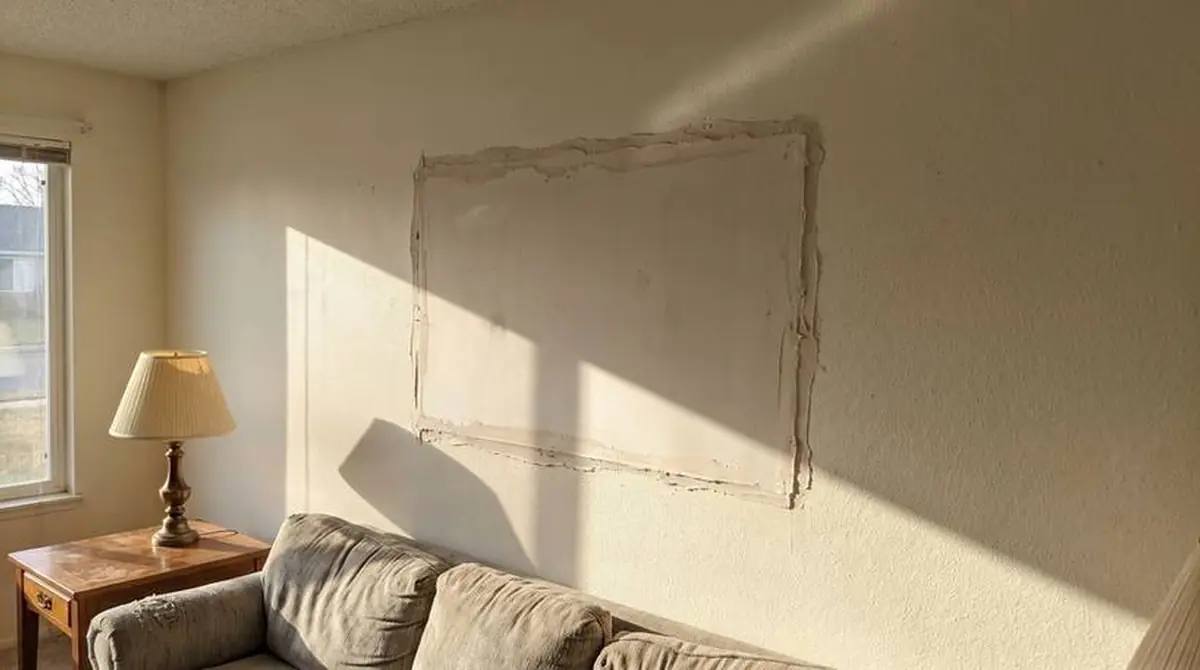
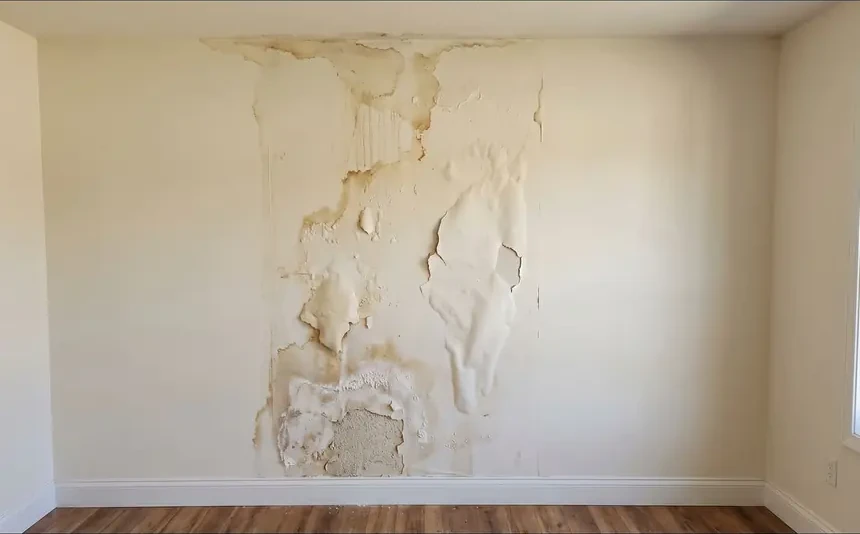
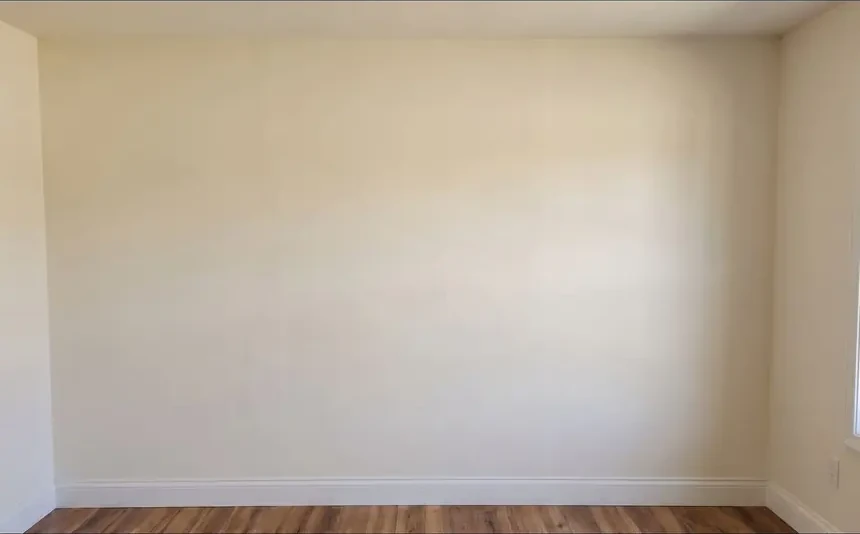
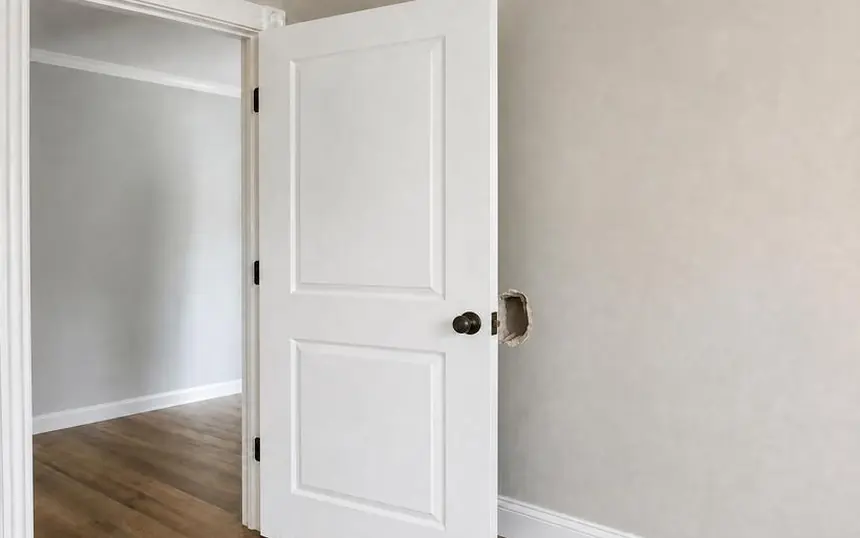
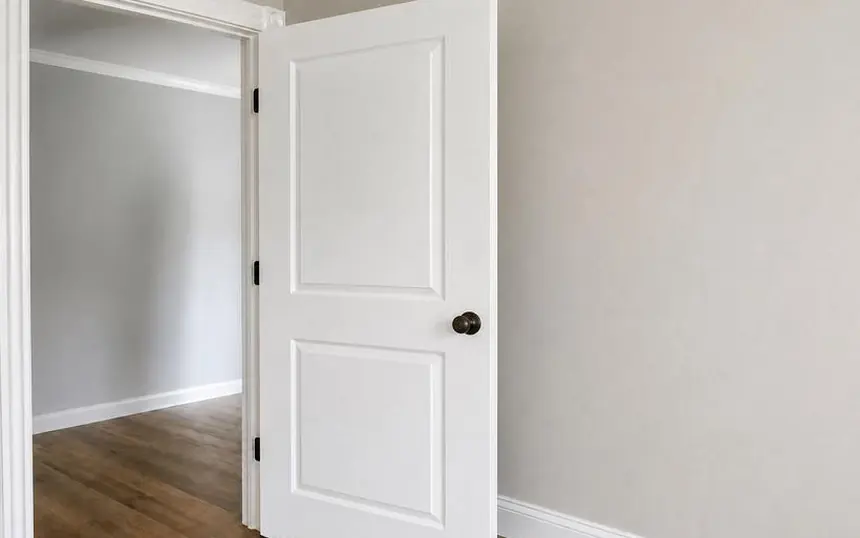
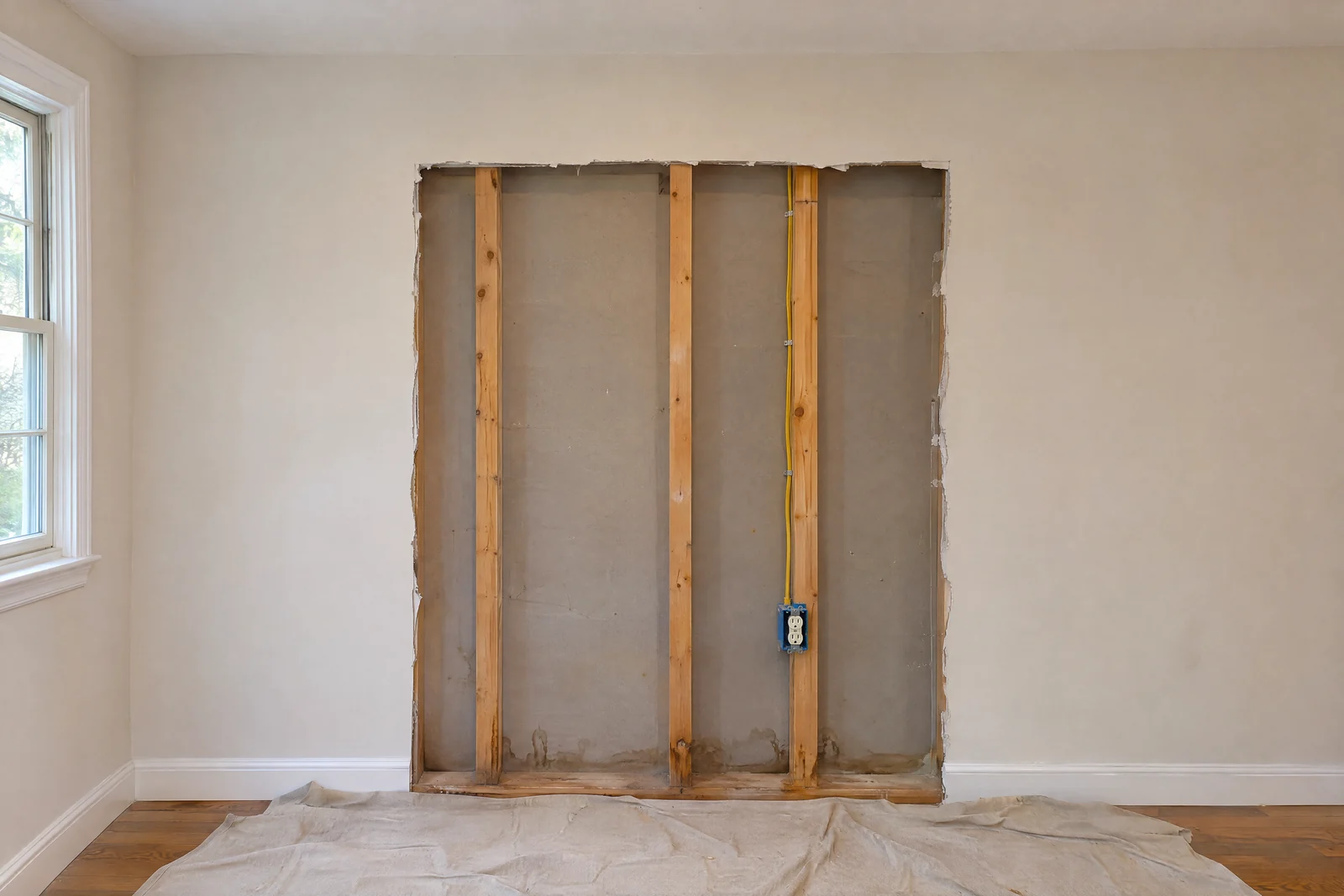
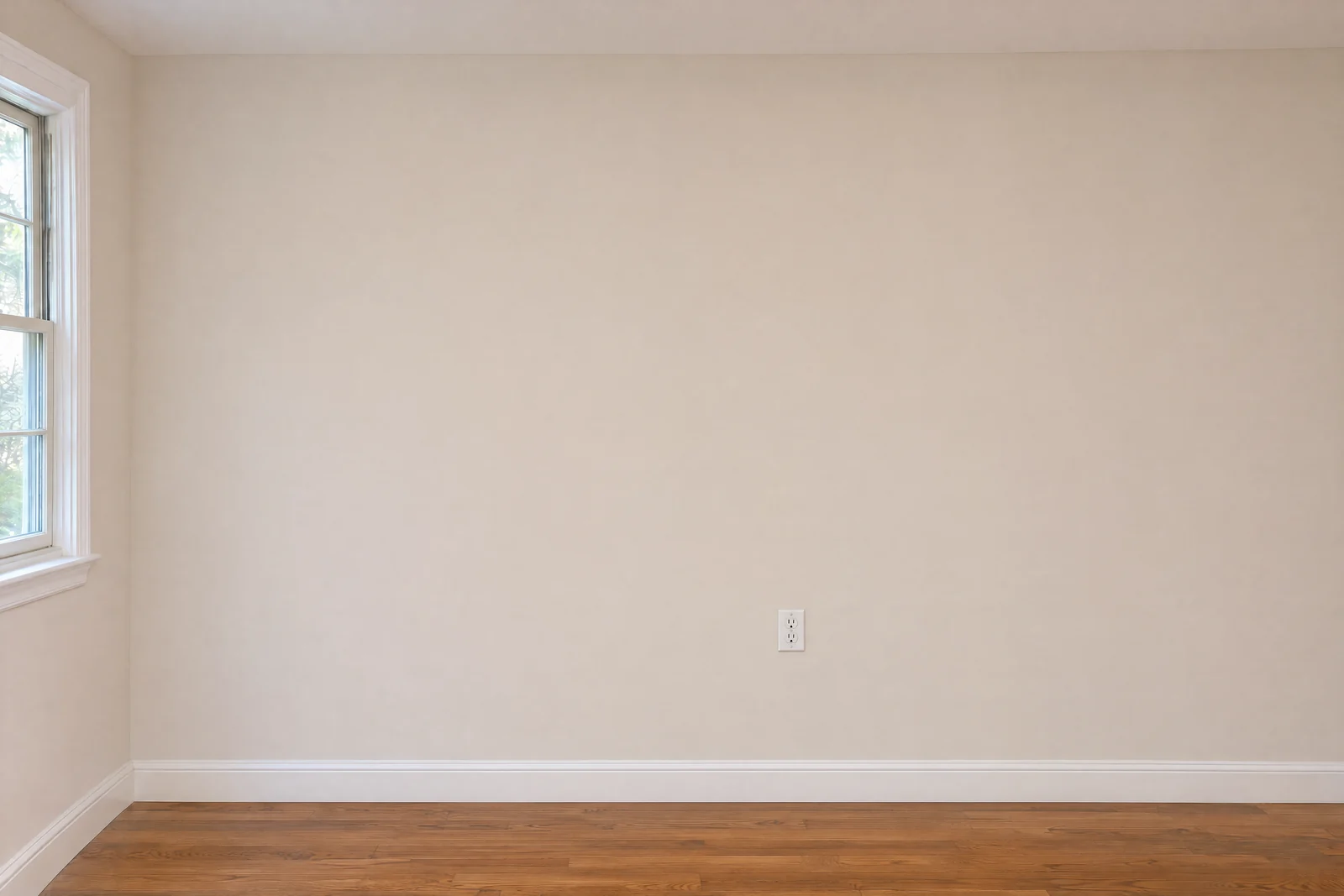
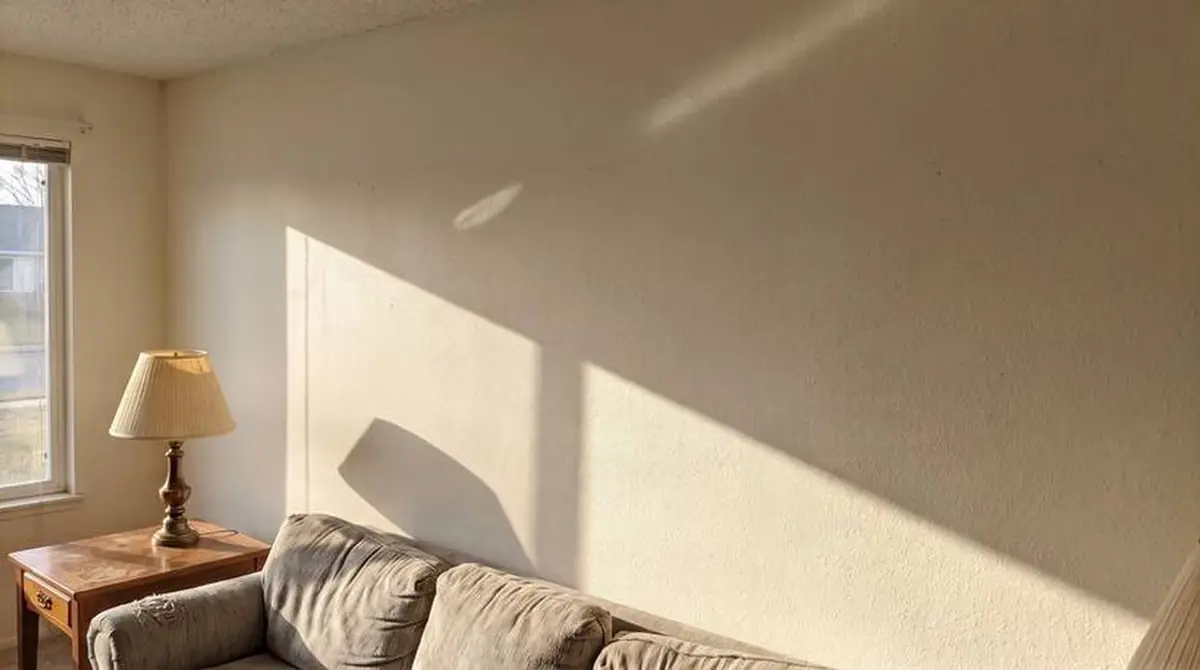 AFTERBEFORE
 Hole & Crack Repair
 Water Damage Repair
 Ceiling Repair
 Texture Matching
 Big Patches & Full Sheets
 Nail & Anchor Holes
 Corner Bead & Cracks
 Primed & Ready for Paint
Downtown bungalow or Ruby Hill two-story, our technicians have patched the same wall somewhere in Pleasanton this month. Tell us the decade the house was built and how the damage measures against your hand, and a written number is on your phone before the van leaves Walnut Creek.

Priced and on the calendar during the first call.

A written quote you approve before anyone drives out.

One crew, truck stocked, warranty in writing.
A one-year workmanship warranty, in writing, on every Pleasanton drywall repair.
Val Vista, Pleasanton Meadows, the Hacienda-side streets and the first hill tracts went up in the 1970s and 1980s with engineered roof trusses, and a Tri-Valley August cooks the attic until the top chord of each truss dries, shortens and bows the whole truss upward. The ceiling goes with it, a fraction of an inch off the upstairs walls, and the tape in that corner splits every summer and heals by winter no matter how much caulk goes in. We rebuild the corner so it can move, holding the ceiling board back from the wall or running a crown line over the joint, and the split does not return.
Del Prado, Pleasanton Valley and the older Stoneridge streets were finished before 1980, and a sprayed ceiling or joint compound from those years can hold asbestos, while the paint on the walls can hold lead. So a licensed lab takes a sample of the ceiling before any scraping or sanding starts; if it comes back positive, a licensed abatement contractor deals with it ahead of our patch; and a certified crew disturbs pre-1978 paint lead-safe. One extra appointment, planned on the first call, and not a reason to live with the stain.
Vintage Hills, Kottinger Ranch, Bridle Creek, Ruby Hill and Laguna Oaks were finished in knockdown from the 1990s on, often under ten-foot ceilings and two-story entries that we look at before we price. Knockdown is all timing: how big the splatter is sprayed, how many minutes it sits, how wide a knife flattens it. A patch where somebody skipped the waiting reads flat from the doorway. Our technicians dial in all three on a scrap of board held up to your wall, texture the repair, prime it, and the HOA color goes on over the top.
The hill homes put the laundry and the baths on the second floor, over the family room, so a split supply hose, a tired shower pan or a toilet seal announces itself as a ring on the ceiling below, weeks after it started. The plumber ends the leak, the ceiling dries until the meter agrees, and then the stained board comes out and new board goes in, taped, three coats, knockdown matched and primed. A ceiling that sags, or a stain gone dark and wider than a dinner plate, is looked at by a licensed mold remediation company before we open it, and we say that on the call.
Victorians, bungalows and cottages from the 1890s through the 1930s, lath and plaster inside with sand or smooth coats, and pre-1978 paint that a certified crew disturbs lead-safe. New plaster is keyed to the lath with a bonding agent and a setting-type compound and brought up to the coat around it. An interior repair changes nothing the town's downtown design rules can see, and we keep it that way.
Ranch and tract houses from the 1960s to the 1980s in a tight orange peel, with pre-1980 ceilings that a licensed lab samples before we patch, nails popped by sixty dry summers, the August truss split along the upstairs ceiling, and the first attached garages, whose wall to the house is a fire wall and is patched with the board the code names. The ceiling corner gets room to move.
Villages from the 1990s and 2000s in knockdown under association rules: ten-foot ceilings and two-story entries we look at before pricing, hairlines at the window corners while a young house settles into hillside clay, laundries over family rooms, and rentals turned over with anchor holes by the room. Knockdown timed on a test board, the HOA color left alone, the repair primed for it.
Pleasanton is the south end of our East Bay run; the Bay Area drywall repair page has the whole Bay in one place, from the Tri-Valley heat to the Peninsula fog, with every city's permit sheet and the water-damage paperwork explained.
Hold your hand over the damage and tell us: smaller than your hand, bigger than your hand, poster-sized, or a whole sheet. We price it on the call, in writing, in under ten minutes.
Water damage is repaired after the source is fixed. If the stain is still wet we tell you who fixes the leak, and we schedule the drywall for when it is dry.
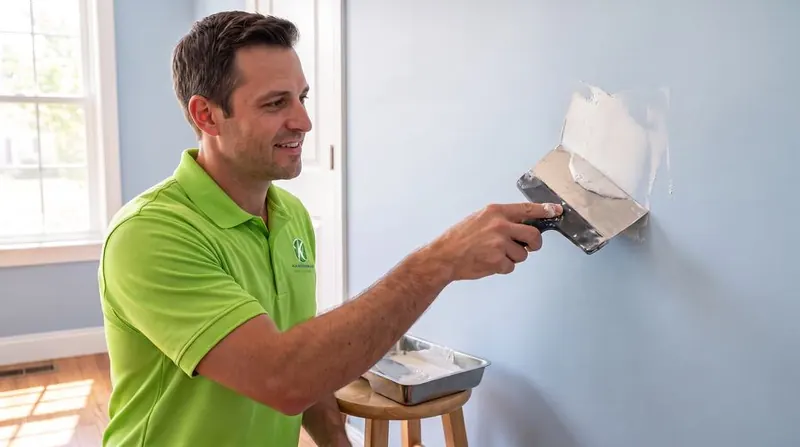
Backing where it needs it, new board cut to fit, every seam taped, three coats of compound sanded smooth, your texture matched, then primer.
Dust contained and the room left clean. Most patches are finished in one visit; a full sheet may need a short second visit for the final coat, scheduled before we leave.
Pleasanton's own permit handout says it plainly: painting, papering, carpeting and similar finish work need no permit, and application or notice to the building official is not required for ordinary repairs to structures. Patching a wall, hanging a new sheet inside an existing wall or repairing a ceiling is exactly that. The same sheet draws the line where the state code does, at cutting away a wall or a structural beam or load-bearing support, and at anything touching plumbing or wiring, so a new doorway or a wall coming out means a permit and we say so up front. The sheet adds that a planning permit may still apply; an interior repair does not trip one.
A supply hose that split on a Sunday and a shower pan that has wept for two years are different claims. California's insurance department tells homeowners that a sudden and accidental discharge is the water loss a policy usually pays for, and that seepage, a long leak and plain wear usually come out of the owner's pocket, which is why the adjuster's first question is the date. Take dated photos of the ring and of the hose or pan behind it, keep the plumber's invoice, and our drywall scope arrives as its own line item that can go straight into the file. Plumber first, dry meter second, new board third.
Any Pleasanton ceiling or wall finished before 1980 is sampled by a licensed lab before it is sanded or cut, because the sprayed texture and the joint compound of those years can hold asbestos; a licensed abatement contractor handles a positive result ahead of us. In the hill villages an interior drywall repair needs no word from the association, and water arriving from the unit above in an attached home is sorted out by the CC&Rs under California Civil Code 4775, with our scope written on its own line. Between the house and an attached garage the wall and ceiling are a fire wall under the state code, and a full-sheet repair there is hung with the same half-inch or five-eighths Type X board.
Can't find your answer? Call 925-302-5955 and ask us anything.
Call 925-302-5955Half an hour down the 680 from Walnut Creek, so a Pleasanton hole, crack or ceiling ring is normally on the calendar within days of the call that priced it. Most patches are done in one visit; a whole sheet or a tall entry ceiling sometimes needs a short second trip for the last coat.
Truss lift. A Tri-Valley August dries the attic, the roof trusses bow upward and lift the ceiling off the upstairs walls, and the tape in that corner splits on schedule no matter how much caulk goes in. The cure is a corner built to move, or a crown line over the joint, and we tell you which suits your ceiling on the call.
It gets sampled before it gets patched. A ceiling sprayed before 1980 can hold asbestos, so a licensed lab takes a sample first; a positive result goes to a licensed abatement contractor ahead of our repair. No untested older ceiling is scraped or sanded by us.
Yes. Knockdown is timing: the splatter size, the minutes it sits, the width of the knife that flattens it. Our technicians set all three on a scrap of board held up to your wall before the repair is textured. The old patch reads flat because somebody did not wait; ours will not.
Once the plumber has replaced the hose or the pan and the meter says the ceiling is dry, yes: the stained board comes out, the joists get a look, new board goes up, taped, three coats, knockdown matched and primed. A ceiling still wet or starting to sag is priced after we have seen it, not from the menu.
Not for patching a wall, hanging a new sheet inside an existing wall or repairing a ceiling: the city's own handout puts finish work outside the permit and says ordinary repairs need no application. A new doorway, a wall coming out or any framing means a permit, and we tell you on the call.
By four things you can read off the wall yourself: how the damage measures against your hand, whether it got wet or sits in an untested older ceiling, which finish has to be matched and how high it is. Give us those on the call and the number comes back in writing inside ten minutes.
All of Pleasanton, Downtown, Del Prado, Pleasanton Valley, Val Vista, Vintage Hills, Kottinger Ranch, Bridle Creek, Ruby Hill, Laguna Oaks and Stoneridge, plus Dublin, Livermore, San Ramon and Sunol. Call 925-302-5955 to confirm your address.
Describe the wall or ceiling, or text a photo, and we call back with a written price and a time. Calling is still faster: 925-302-5955.
Priced in writing before we start, matched to the wall, warranted in writing.
We answer in under three rings, 24/7.No price games. You get a clear written quote before any work begins, backed by our workmanship warranty.