 BBBAccredited Business

Kaminskiy Care and Repair patches stucco cracks and chips and matches the existing texture so the repair blends in. Hairline cracks are cosmetic; widening or bulging ones deserve a call, and the quote is free either way. We serve Lake Oswego and the surrounding Oregon communities. Wood, fiber cement, T1-11 and vinyl siding, fascia and trim have their own page: siding repair in Lake Oswego.
Our office is on Centerpointe Drive. Tudor cottages, hill houses and the lake weather make the stucco list.
Lake Oswego's stucco comes in two ages. The English and Tudor cottages of Old Town and First Addition from the 1920s to the 1950s carry hard-coat stucco over wood lath between their half-timbers, some of them on the city's Landmark List, and the hill houses of the Palisades and Forest Highlands from the 1990s and 2000s wear stucco or a synthetic face on tall walls that take the weather off the lake. Shade and fir needles keep both wet. We cut and fill the cracks, re-lath and rebuild the hollow sections in three coats, match a ninety-year-old texture or a builder's sand float, and keep a landmark repair to identical materials and appearance, which is what the city asks.
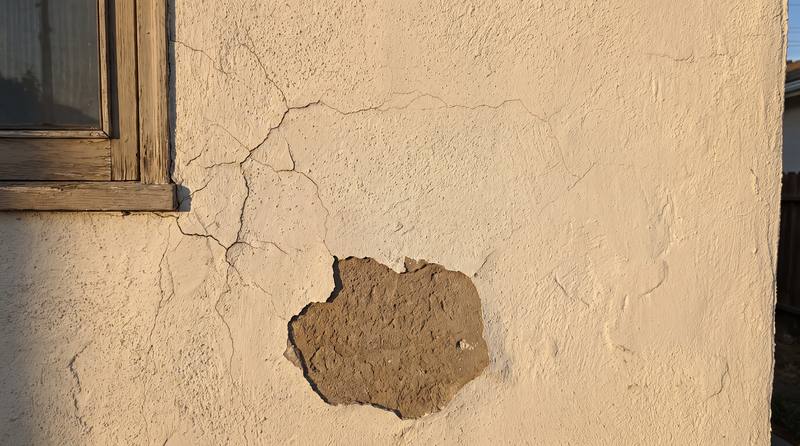
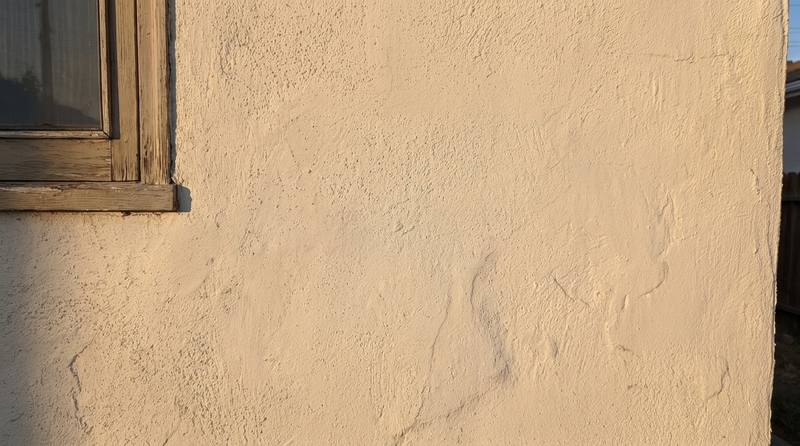 AFTERBEFORE
All of it is a Kaminskiy-certified technician's work from our office on Centerpointe Drive, minutes from any Lake Oswego street, which makes the three visits a patch needs easy to schedule. The written scope says how many.

Priced and on the calendar during the first call.

A written quote you approve before anyone drives out.

Three coats, each one cured, warranty in writing.
A one-year workmanship warranty, in writing, on every Lake Oswego stucco repair.
Shade, needles and age. Under the firs a wall stays wet from October to June, moss grows on the shaded stucco, and needles pile against the base and hold the water there. The cottages by the lake are approaching a century, their frames have settled, and the stucco between the half-timbers cracks where the two materials meet and move differently. The hill houses take the weather for the whole lot: wind off the lake drives the rain into the sills and the deck-door corners of walls built before the drainage rule. Caught early it is a crack and a patch; left for years it is lath and sheathing.
A hairline on a painted wall with no stain beside it is a seal-and-repaint item; watch it through one winter. Call about a crack that widens, a crack with a water or rust stain beside it, stucco that sounds hollow when you knock, a panel that has pulled away from the timber, bubbling paint, or a bottom edge that crumbles under a screwdriver. A straight diagonal crack running from a window corner toward the foundation on a house that is also cracking inside is a foundation question, and an engineer looks before we patch over it.
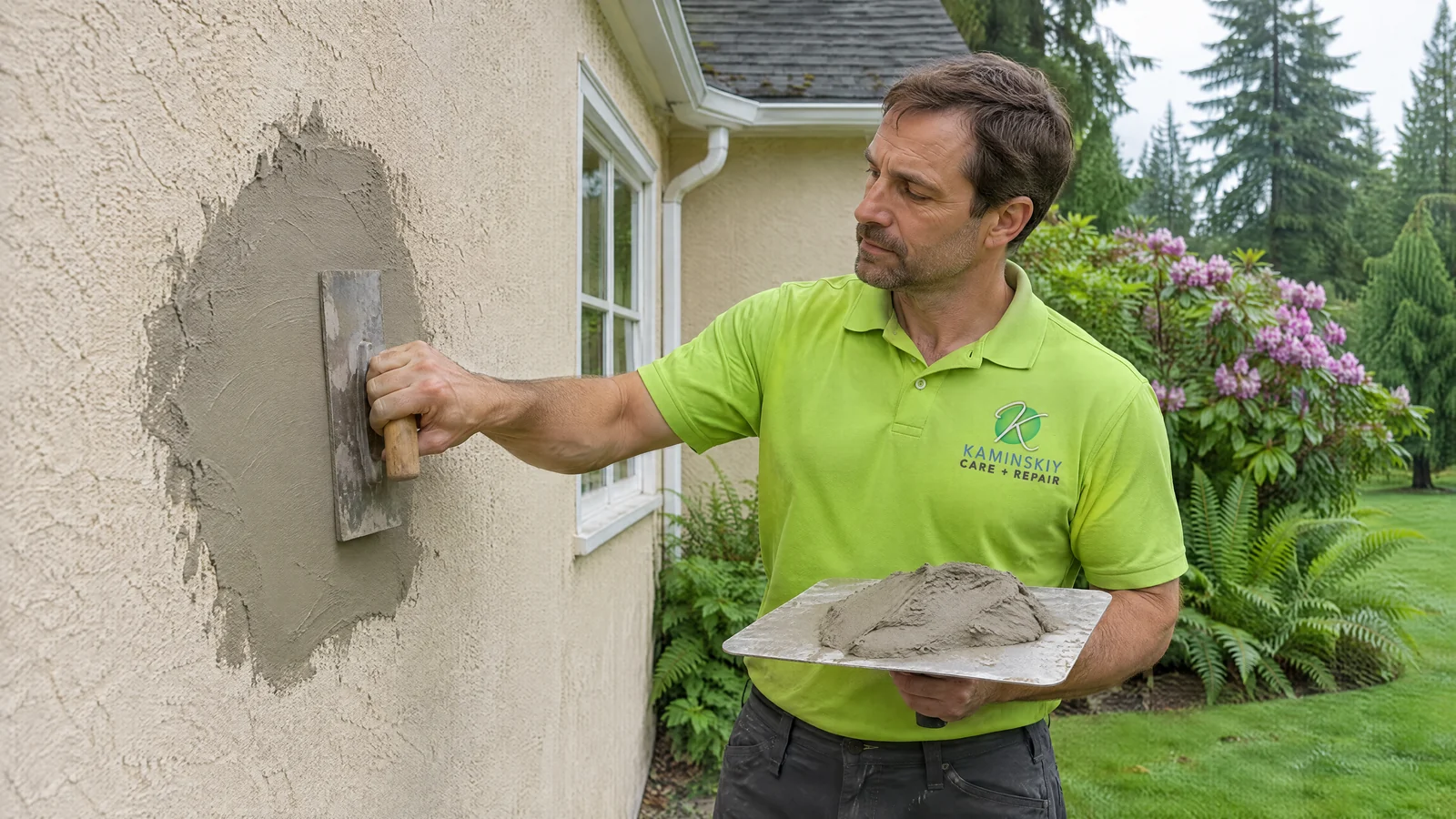
The failed section is cut back to stucco that rings solid and lath that still holds, the paper and lath are replaced where they rotted or rusted, and the wall is rebuilt in three coats: a scratch coat keyed into the lath, a brown coat that brings it flush, and a finish coat that carries the texture and the color. Each coat has to set and cure before the next, so a patch is a day of work spread across several visits, more of them in a wet month than a dry one. Our office across town makes the return trips easy, but the coats take the time they take.
Rake the needles off the base of the wall and keep the beds below the weep screed so the wall can drain. Keep the gutters clear so the wall below them is not a waterfall all winter, hose moss off in a dry week instead of blasting it, and recaulk where the stucco meets the half-timbers, the windows and the doors when the bead splits. Repaint with a breathable masonry or elastomeric coating before the old paint fails; on a landmark cottage, repainting a painted surface needs no approval, and it is the cheapest protection the wall has.
Cottages and houses from the 1920s to the 1950s, many cedar-shingled, with English and Tudor cottages among them carrying hard-coat stucco over wood lath between the half-timbers, and about seventy properties on the city's Landmark List. The stucco cracks where it meets the timber, the lath has rusted where water sat behind it, and the bottom edge has chipped above the walk. We cut the cracks open, re-lath and rebuild the failed panels in three coats, match a finish laid up by hand ninety years ago, and keep a landmark repair to identical materials and appearance.
Streets from the 1970s to the 1990s with association standards, mostly cedar and hardboard, with stucco on some entries, chimneys and the townhome blocks of Mountain Park, installed before Oregon's moisture rules. Water behind the wall shows at a window corner or the garage jamb, cracks follow the control joints, and the chimney cap lets water into the stucco under it. We open the corner, flash it, rebuild the stucco in three coats and match the association's color.
Steep lots under tall firs with large homes from the 1990s and 2000s, some faced in stucco or a synthetic system on walls two and three stories tall facing the lake wind. Rain driven across the slope finds every sill and deck-door corner, the shaded faces grow moss, and a stain below a window means water behind the cladding. We tell you first whether the wall is hard-coat stucco or synthetic; the stucco we repair and flash, and the synthetic system goes to its certified installer.
Call 503-912-7872 or text pictures of the crack, the hollow panel and the base of the wall. A crack repair is usually priced on the call; a patch gets a date for the look, which is easy from an office in the city.
A technician knocks on the wall, checks the half-timber joints or the window flashing, the weep screed and the chimney cap, and tells you whether the wall is hard-coat stucco or a synthetic system. The written scope lists the repair, the coats and the visits, the price, and whether the house is on the Landmark List.
Cracks are cut open and filled. Failed panels and sections are cut back to sound lath, re-papered and re-lathed, and rebuilt in a scratch coat, a brown coat and a finish coat, each cured before the next, in identical materials on a landmark.
The finish coat is textured by hand to the wall around it and painted or tinted to match, the debris leaves with us, and the one-year workmanship warranty is on the invoice.
Oregon requires a Construction Contractors Board license of anyone who is paid to repair, improve or build a home, and it draws no line between a contractor and a handyman or between a wall and a crack; the single exception is a casual one-off by someone outside the trade who does not advertise. Kaminskiy Care and Repair holds CCB #252813, is bonded and insured, with Kaminskiy-certified, background checked technicians. A whole wall re-stuccoed is the licensed stucco contractor's, a synthetic system is its certified installer's and a foundation crack is the engineer's, and those are hand-offs, not guesses.
Lake Oswego's Building Department administers Oregon's statewide residential code: no permit to repair or replace cladding that is not fire-rated or to paint, and no application for an ordinary repair with like materials. Cracks filled, a section patched in three coats, a chimney cap rebuilt and the wall repainted are that kind of repair. Stripping a wall to the sheathing and re-lathing a large area is where the city's alteration-and-repair permit and the state's moisture rules come into it, and we say so on the call before anything like that is quoted.
About seventy Lake Oswego properties are on the city's Landmark Designation List, many in Old Town and First Addition, and the designation governs the exterior. The city's own guide says ordinary maintenance and minor repairs using identical materials and appearance need no application, and painting a painted surface needs no approval; a stucco crack filled and a panel rebuilt in matching texture is exactly that. Changing the texture, covering the stucco or altering the half-timbering goes to the city first, and we tell you when a repair is near that line. Mountain Park, Westlake and the hillside associations rarely need a form for a patch painted to match.
Our office is in Lake Oswego. The crew starts the day on Centerpointe Drive, off Kruse Way, so a Lake Oswego call is usually on the calendar within days and a second look is easy. Call 503-912-7872, text a photo, or send the form.
Can't find your answer? Call 503-912-7872 and ask us anything.
Call 503-912-7872Three coats, each cured before the next, so a patch is spread over several visits even though the work itself is about a day. Scratch coat, then cure; brown coat, then cure; finish coat with the texture and the color. A wet Lake Oswego month stretches the cure and a dry one shortens it. With the office across town the return visits are easy to schedule, and the written scope lists them before we start. A crack repair alone is a much shorter job.
We match the texture by hand to the finish beside it first, from a 1920s hand-troweled cottage panel to a builder's fine sand float on the hill, and then the color. On a painted wall the patch is primed and the area repainted so the edge disappears. On a wall with the color in the finish coat the new coat is tinted to match, and we show you a sample on the wall before it goes on. On a landmark, identical materials and appearance is the rule and the goal.
Hairlines alone, no. Stucco shrinks as it cures and a frame moves with the seasons, so a few hairlines on a ninety-year-old cottage or a twenty-year-old hill house are normal and get sealed at the next repaint. Call when a crack widens, when there is a stain or rust beside it, when a panel sounds hollow or has pulled from the timber, or when a straight crack runs from a window corner toward the ground on a house that is also cracking inside; that one is for an engineer first.
No. EIFS and the other synthetic systems are foam and mesh under a thin finish, and a repair has to use the system's own materials and its certified installer, so we refer it. Some of the hill houses from the 1990s and 2000s have one rather than hard-coat stucco. Knock on the wall: stucco sounds like stone, a synthetic system sounds light and hollow. We tell you which you have at the look and point you to the right trade if it is synthetic.
It depends on how many cracks, how large the failed panel or section is, and whether the lath behind it has to be replaced. Send photos of the crack, the panel and the bottom of the wall and you get a sense of it on the call; after the look the price is written out with the coats and the visits, and the invoice matches it.
Yes. Every Lake Oswego stucco repair carries a one-year workmanship warranty in writing and is done by Kaminskiy-certified, background checked technicians under Oregon CCB #252813, bonded and insured. Fine shrinkage hairlines in a new finish coat are part of stucco, and the scope says so before we start.
Yes, and the city asks for exactly what we do. Its homeowner's guide says ordinary maintenance and minor repairs using identical materials and appearance need no application, and that repainting a painted surface needs no approval; a crack filled and a panel rebuilt in hard-coat stucco to the same texture is that. Changing the texture, covering the stucco with another material or altering the half-timbering goes to the city first, and we say so before anything is ordered.
All of Lake Oswego from our Centerpointe Drive office, including Old Town, First Addition, Evergreen, Lake Grove, Westlake, Mountain Park, the Palisades, Forest Highlands and Blue Heron, plus West Linn, Tualatin, Tigard and Portland's southwest. Shingles and lap siding are on our Lake Oswego siding repair page. Call 503-912-7872 to confirm your address.
Send a photo of the wall and the address. We call back with a written price and the visits it takes. Calling is still fastest: 503-912-7872.
Priced on the call, blended to match, warranted in writing.
We answer Monday to Friday, 8 to 4:30.No price games. You get a clear written quote before any work begins, backed by our workmanship warranty.
