Lath plaster in the 1920s houses, furring-and-block walls in Flagami, a Brickell tower wall after the riser upstairs, the handler ceiling and the everyday knob hole, each repaired in its own material. A written price on the first call.
 BBBAccredited Business
Kaminskiy Care and Repair repairs walls and ceilings across the City of Miami from an office on Ponce de Leon Boulevard: the crack along the lath in a Morningside house from the 1920s, the wet wall in a Brickell tower after the unit above lost a washer hose, the ceiling ring under the air handler closet in a Flagami block house, the doorknob hole in a Shenandoah bedroom, the stain at the base of a Little Havana wall where the humidity drives through the block every summer, the anchor holes after a lease in the Roads. Plaster is repaired as plaster and drywall as drywall, each brought back to the finish of the room and primed; a wet wall is opened only after its source is fixed and the meter reads dry. The number is written down on the first call, and a single visit finishes most patches.
 Eight repairs, one crew, priced in writing before we start.
Miami has three kinds of wall and we carry the trowels for all of them: plaster over hollow tile in the 1920s to 1940s houses of Morningside, the Grove and the Roads; drywall over block furring in the 1940s to 1960s ranches of Flagami and Little Havana; and smooth drywall on steel studs in the towers from Brickell to Edgewater, where every leak travels down a riser. The humidity, the storms and the air handler do most of the damage. We match a sand plaster, an orange peel, a knockdown or a smooth skim on a test board first.
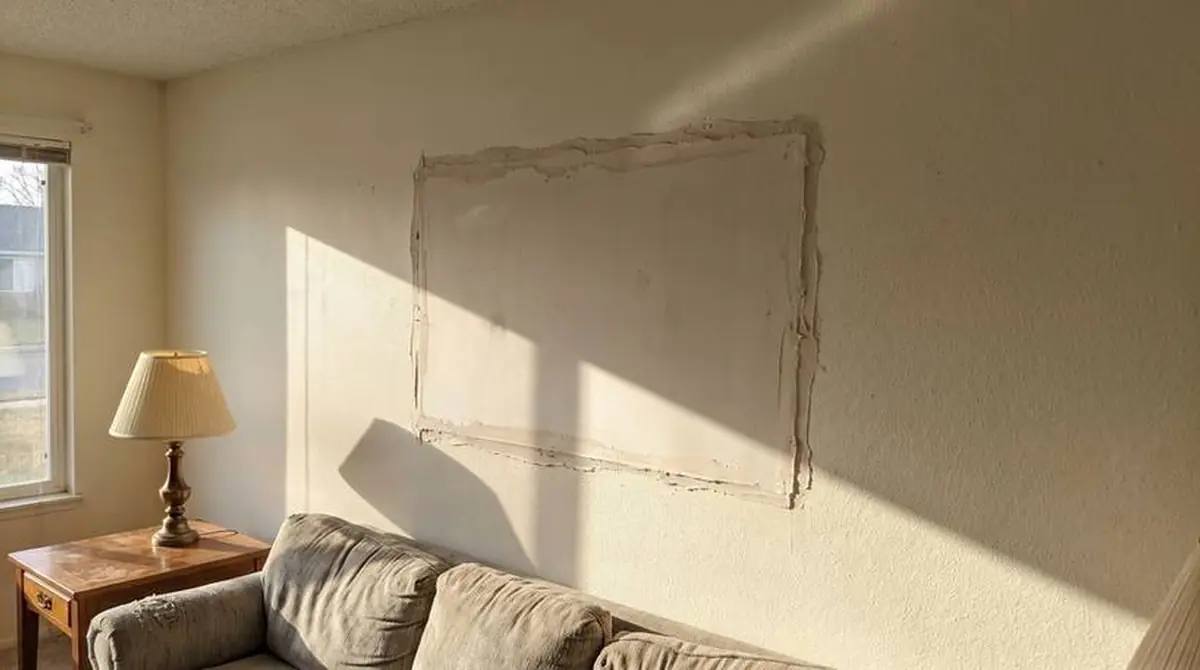
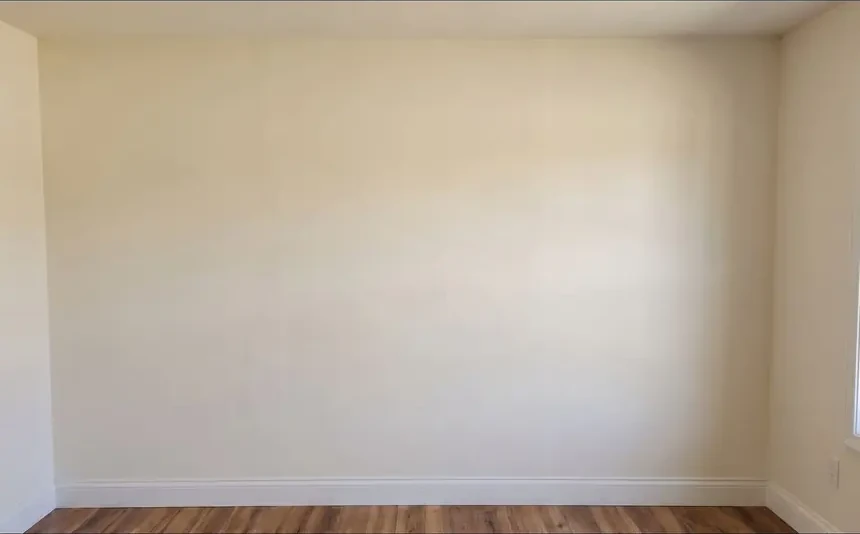
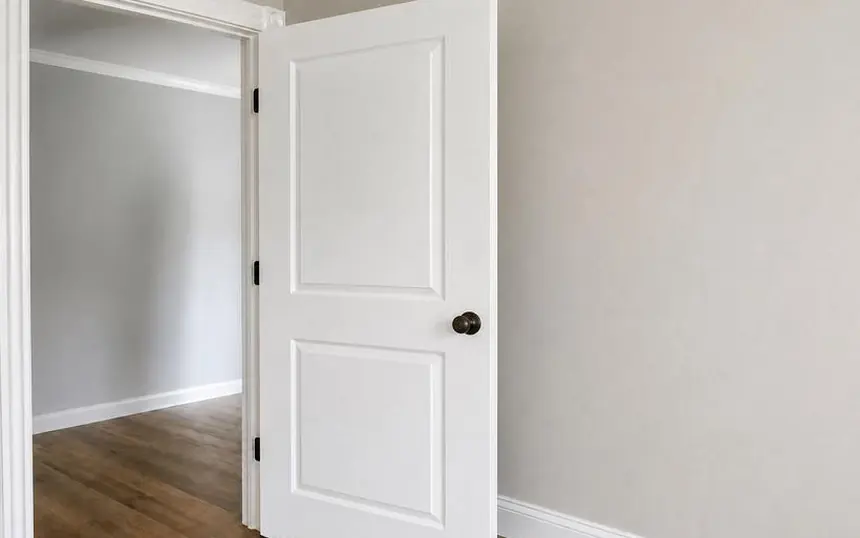
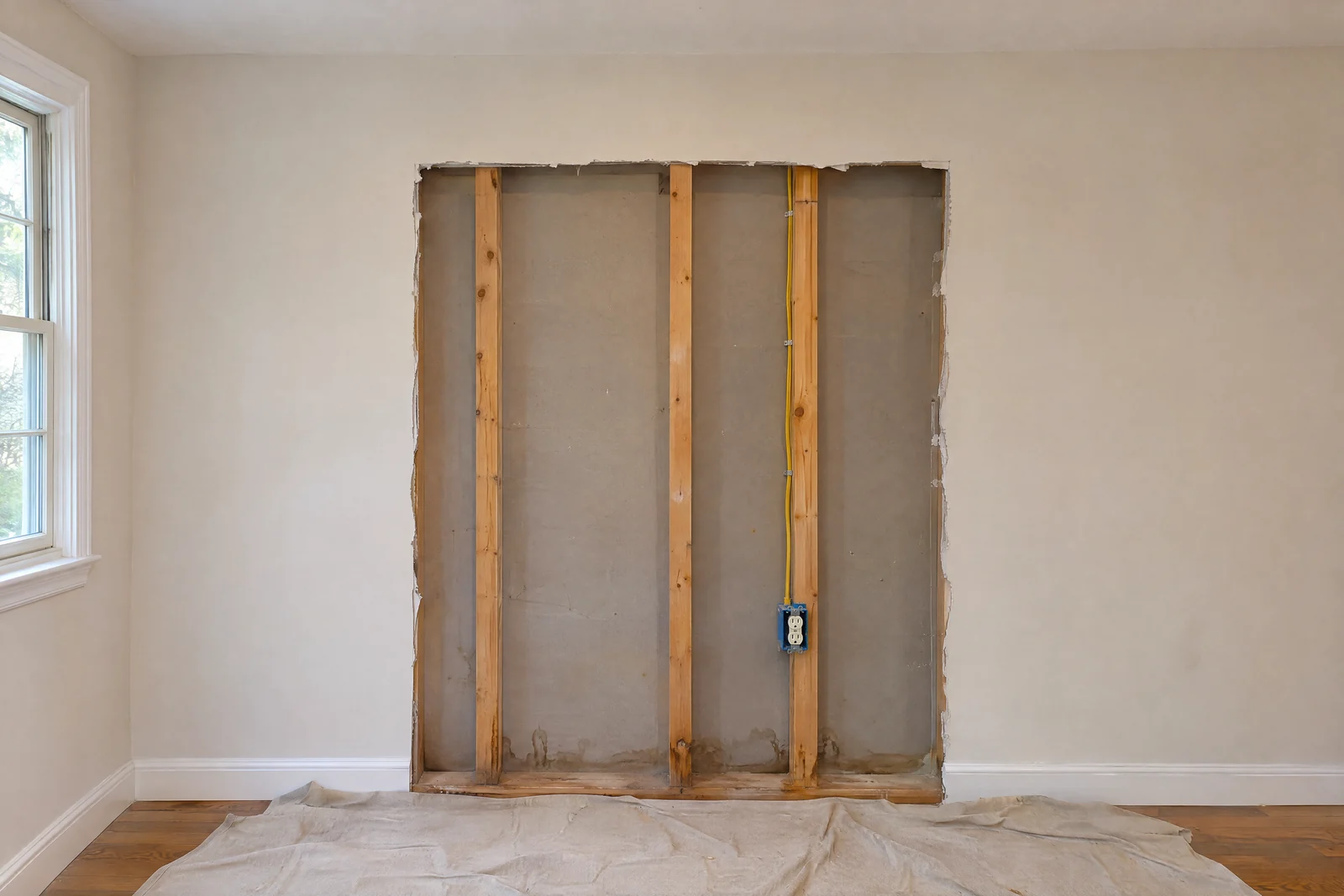
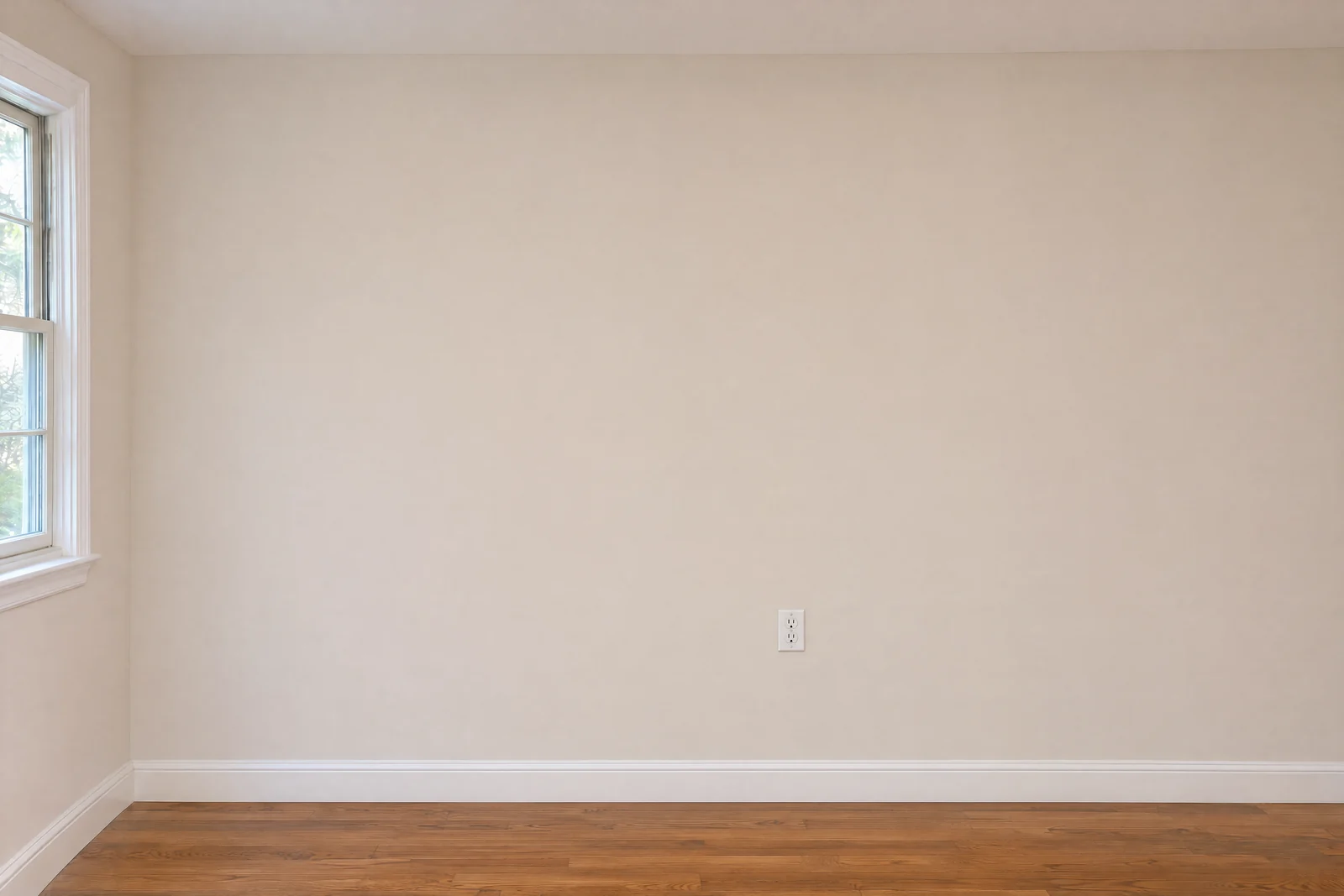
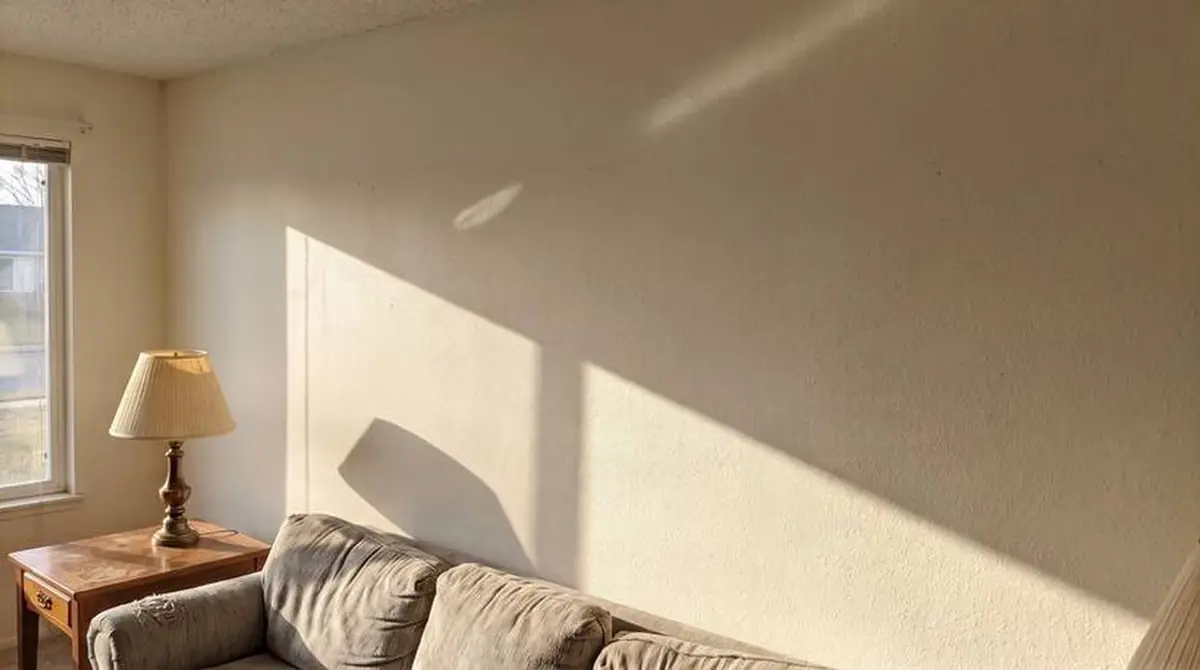 AFTERBEFORE
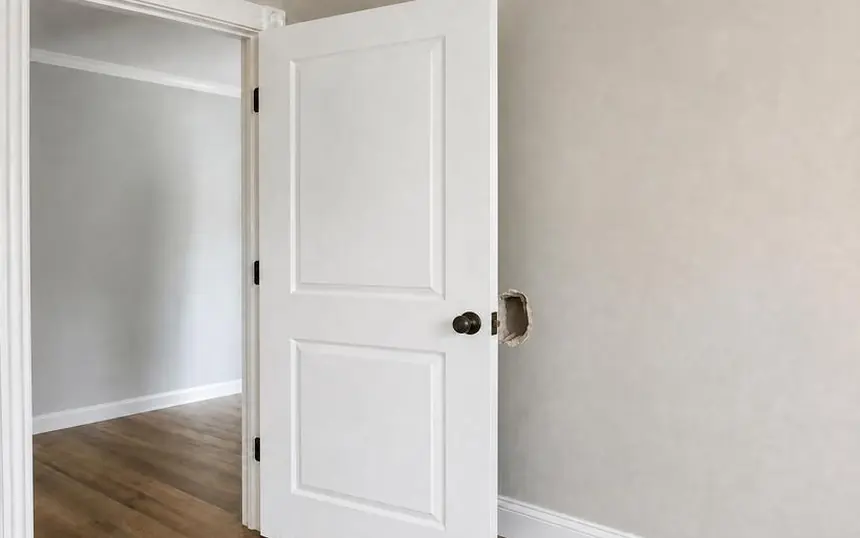
 Hole & Crack Repair
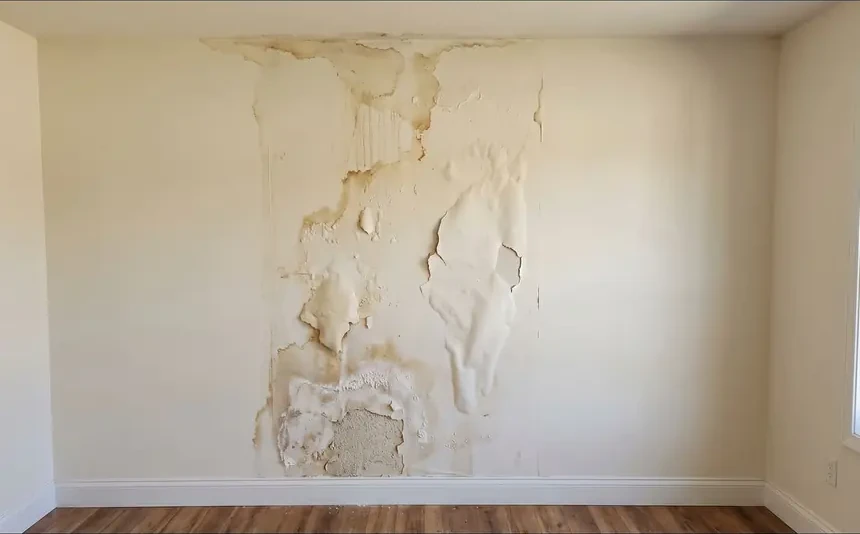
 Water Damage Repair
 Ceiling Repair
 Texture Matching
 Big Patches & Full Sheets
 Nail & Anchor Holes
 Corner Bead & Cracks
 Primed & Ready for Paint
Plaster house, block ranch or bayfront tower, our technicians see all three every week, and Ponce de Leon Boulevard is minutes from most of the city. Describe the wall, cover the damage with your hand and tell us how much shows past it, and the written number comes back before a van is dispatched.

Priced and on the calendar during the first call.

A written quote you approve before anyone drives out.

One crew, truck stocked, warranty in writing.
A one-year workmanship warranty, in writing, on every Miami drywall repair.
The 1920s to 1940s houses in Morningside, the Grove, the Roads and Shenandoah are plaster over hollow tile or lath: the crack follows the lath, a section rings hollow where the keys broke, and plaster is patched with a bonding agent and a setting compound, not screwed shut with a drywall patch. The 1940s to 1960s block ranches west of the river carry drywall on furring with three quarters of an inch behind it, so a backer is fixed to the furring. The towers run smooth board on steel studs, where every edge of a patch shows in the light off the bay. We tell you which you have on the first look.
In the wet season humidity drives through a block wall from outside and shows inside as a chalky, soft band at the base of the wall that paint will not hold on; a storm pushes rain under the roof edge or through a window frame and the ceiling rings a week later; the air handler in a closet or attic drips onto the ceiling below when its condensate drain clogs in July. Whichever trade owns the source goes first, the stucco crew, the roofer or the air conditioning company, and our part starts when the meter reads dry: the stained section out, new board in. Growth wider than a dinner plate on the old board goes to a licensed mold remediation company before that.
Brickell, Edgewater, downtown and the bayfront condos are stacked twenty and forty high, and a washer hose or a supply line on thirty shows as a wet wall on twenty-eight. The association and the declaration sort out who pays; Florida's condominium statute puts the drywall on the association's policy and the paint on the owner's. Once the riser is fixed and your wall meters dry we open it, hang new board on the steel studs, feather the smooth finish wider than a textured wall would need, and hand the board a scope written as its own line.
Cover the damage with your hand. If nothing shows past it, a backed patch; if it is bigger than your hand but would hide under a laptop, a paper patch; poster-sized means a backer and a new section cut in; larger than that, or soft from water, means a full sheet with every seam taped. The three coats, the sanding, the matched finish and the primer do not change with the size, and plaster brings its own compound and its own keying into the lath.
Houses from the 1920s to the 1950s near the bay, part of it a historic district, with plaster over tile or lath and a century of patches. Cracks follow the lath, corners crumble, the damp band shows at the base of a wall after a king tide. Plaster is rebuilt as plaster and brought back to the surrounding skim; where the house predates 1978 its paint is treated as lead-bearing and worked lead-safe under the EPA's RRP rule; a sprayed ceiling in a later addition gets a licensed lab's sample before anyone touches it.
The oldest houses in the city under a canopy that never lets them dry: plaster walls, wood-framed windows that let a storm in, and 1920s masonry homes with the air handler added later in a closet. The window stain, the ring under the handler, the lath crack and the knob hole, plus the rental turnover by the room along the Grove's apartment streets. Plaster as plaster, drywall as drywall, each matched to its own finish.
Block homes from the 1940s to the 1960s with drywall over furring, orange peel walls, sprayed ceilings from the asbestos years that a licensed lab samples before any sanding, and the humidity band at the base of a wall every summer. The furring-seam crack, the knob hole, the handler ring, and the full sheet after the plumber opened the wall. Backers fixed to the furring, the orange peel matched on a test board.
Hold your hand over the damage and tell us: smaller than your hand, bigger than your hand, poster-sized, or a whole sheet. We price it on the call, in writing, in under ten minutes.
Water damage is repaired after the source is fixed. If the stain is still wet we tell you who fixes the leak, and we schedule the drywall for when it is dry.
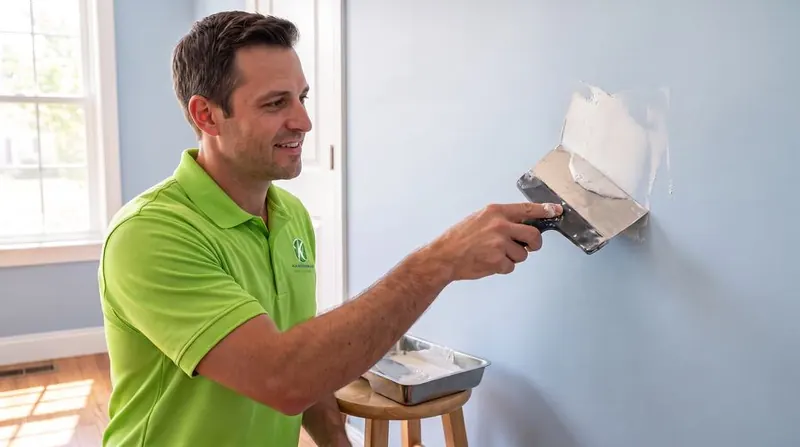
Backing where it needs it, new board cut to fit, every seam taped, three coats of compound sanded smooth, your texture matched, then primer.
Dust contained and the room left clean. Most patches are finished in one visit; a full sheet may need a short second visit for the final coat, scheduled before we leave.
The City of Miami publishes a list of work that needs no permit; interior painting and wallpaper are on it and drywall is not mentioned either way, so a patch falls under the Florida Building Code's minor-repairs clause, which lets the building official approve an ordinary repair without a permit provided no wall is cut away and no beam or load-bearing support is removed. A replaced sheet inside an existing wall and a ceiling repair sit there too. Since July 2026 the city will also exempt a single-family job under a set value when asked in advance: the approval arrives by email and has to be posted on site before the first screw goes in, and it is refused for a lot in a flood hazard area or for anything electrical, plumbing or structural. Cutting a new opening or taking a wall out is a permit, and we tell you which bucket your job is in before the van comes.
Miami adjusters sort water into three piles. A supply line that burst, a handler that overflowed or a storm that got under the roof is the homeowner policy and usually paid; the chalky band that has been creeping up a block wall for years is maintenance and usually not; water that rose off the street or the bay is a separate flood policy with its own adjuster, and a named storm brings the hurricane deductible into the conversation. Date-stamp photos of the stain and of whatever failed before the cleanup starts, hold on to the plumber's or roofer's paperwork, and expect to be asked when it began. Our drywall scope is written apart from theirs, and we hang nothing until the meter says the framing is dry.
From Brickell to Edgewater the wet wall and the failed riser belong to different owners, and the state condominium statute decides the split: the association insures the board as it was originally installed, the owner insures the paint, wallpaper and whatever else covers it, and an owner whose carelessness caused the loss pays what no policy will. The declaration settles anything the statute does not. Put the association on notice in writing the day the wall goes wet, and keep the building engineer's report on the riser. Once the source is fixed and the wall meters dry we repair your side and hand the board a scope it can read on its own.
Can't find your answer? Call 786-527-2055 and ask us anything.
Call 786-527-2055Ponce de Leon Boulevard is minutes from the Grove, the Roads, Flagami and Brickell, so a Miami patch is usually scheduled within days of the call, with the number already written down. One visit finishes most of them; a lath-plaster repair or a smooth tower wall sometimes needs a second short visit for its last coat and the raking-light check.
Knock on it. A pre-1950 Morningside or Grove wall that sounds dense and dead is plaster over tile or lath, and that changes the repair: a bonding agent and a setting compound keyed into what is there, finished to the skim around it, never a drywall patch screwed into plaster, which is the one that falls out. Our technicians do both and name the wall on the first look.
Your side of the wall is ours, as soon as the riser is fixed and the board meters dry. Paying for it is the statute and your declaration: the association carries the board, you carry the paint, and the neighbor whose line failed may owe the rest. We write our scope as a separate line so the board and both adjusters can read it without calling us.
In Miami it is usually the wet-season humidity driving through the block, not a pipe, and the test is simple: it stops in winter and returns in summer. Someone has to deal with the stucco or the grade outside first; once the wall reads dry on the meter we cut the band out, fix new board to the furring, finish, texture and prime. Patched while it is still damp, it is back by August.
Yes. Those houses carry a medium orange peel over furring, matched by the mix, the pressure and the distance from the wall; we test on a scrap board held against your wall before the repair is sprayed, then feather it so there is no edge.
Four answers you already have: how much damage shows past your hand (none, some, a poster's worth, or a whole sheet), whether water did it, whether the wall is plaster or drywall and what finish it carries, and how far the ceiling is from the floor. Give us those on the call and the written number is back in under ten minutes.
A patch, a sheet replaced inside an existing wall or a ceiling repair is an ordinary minor repair the building official can approve without a permit; the city's own no-permit list covers interior painting, and a small single-family job can be exempted on request with the approval posted on site. Opening a new doorway, removing a wall or touching framing is a permit, and we say so before the job, not after.
All of the City of Miami from the office on Ponce de Leon Boulevard: Morningside, Belle Meade, Shorecrest, Buena Vista, Coconut Grove, the Roads, Silver Bluff, Shenandoah, Flagami and Little Havana, plus Coral Gables, Miami Beach, Key Biscayne and Miami Shores. Call 786-527-2055 to confirm your address.
Describe the wall or ceiling, or text a photo, and we call back with a written price and a time. Calling is still faster: 786-527-2055.
Priced in writing before we start, matched to the wall, warranted in writing.
We answer in under three rings, 24/7.No price games. You get a clear written quote before any work begins, backed by our workmanship warranty.