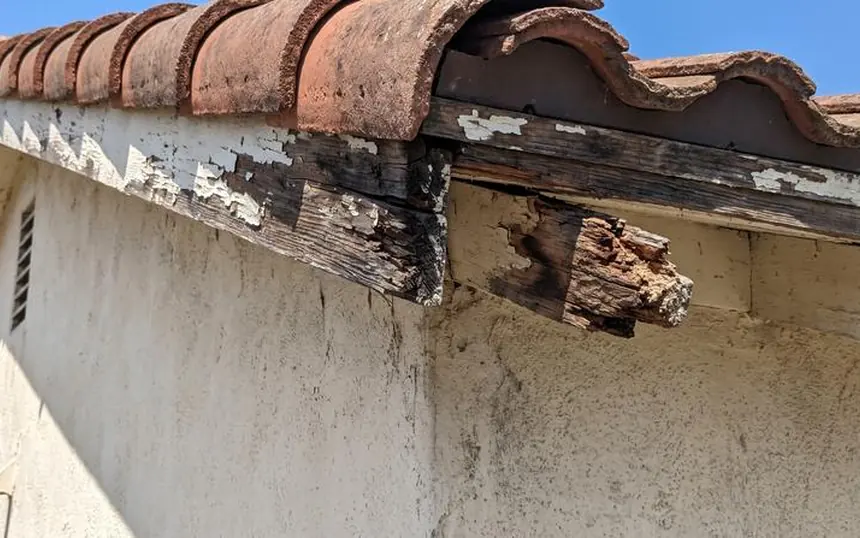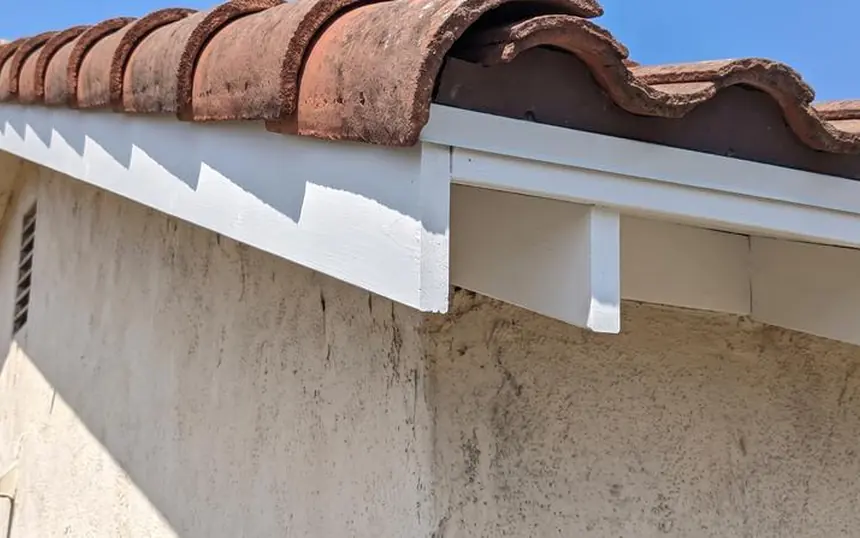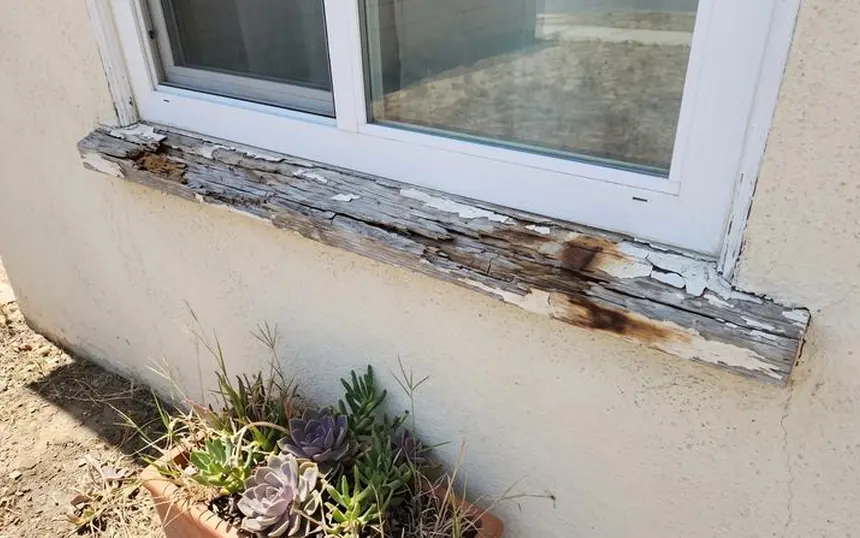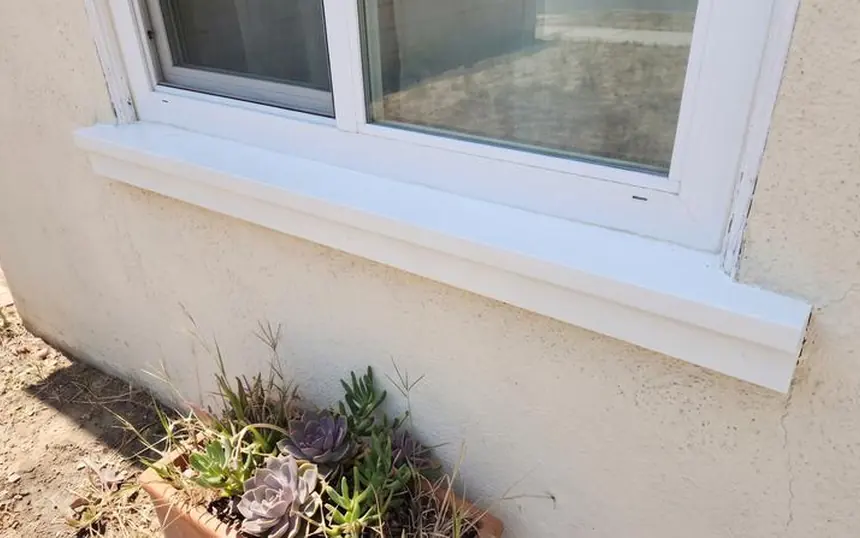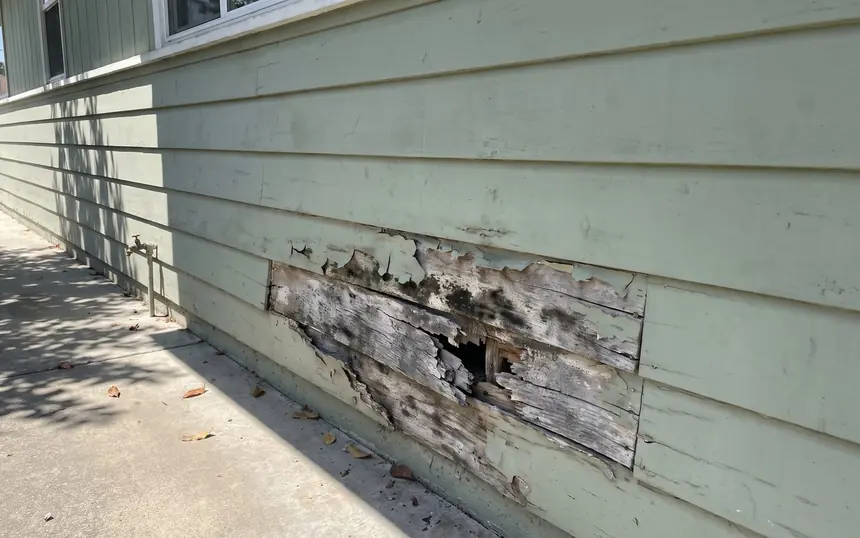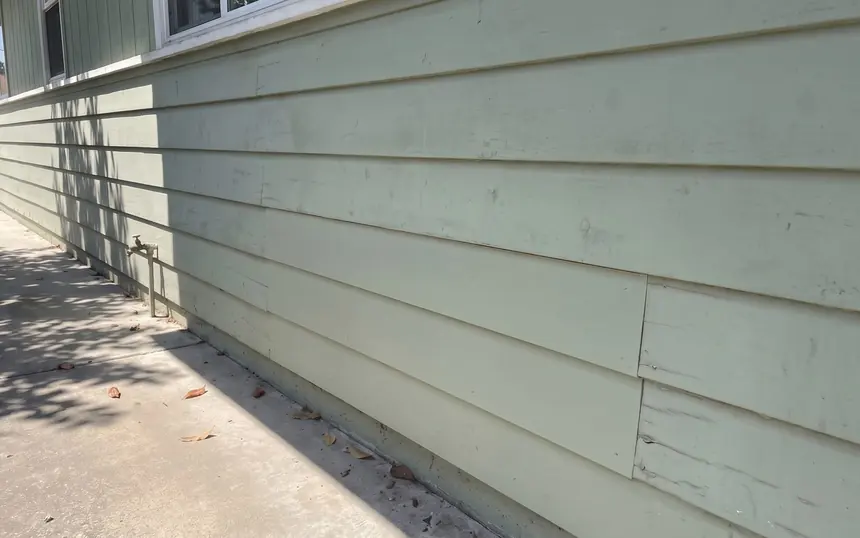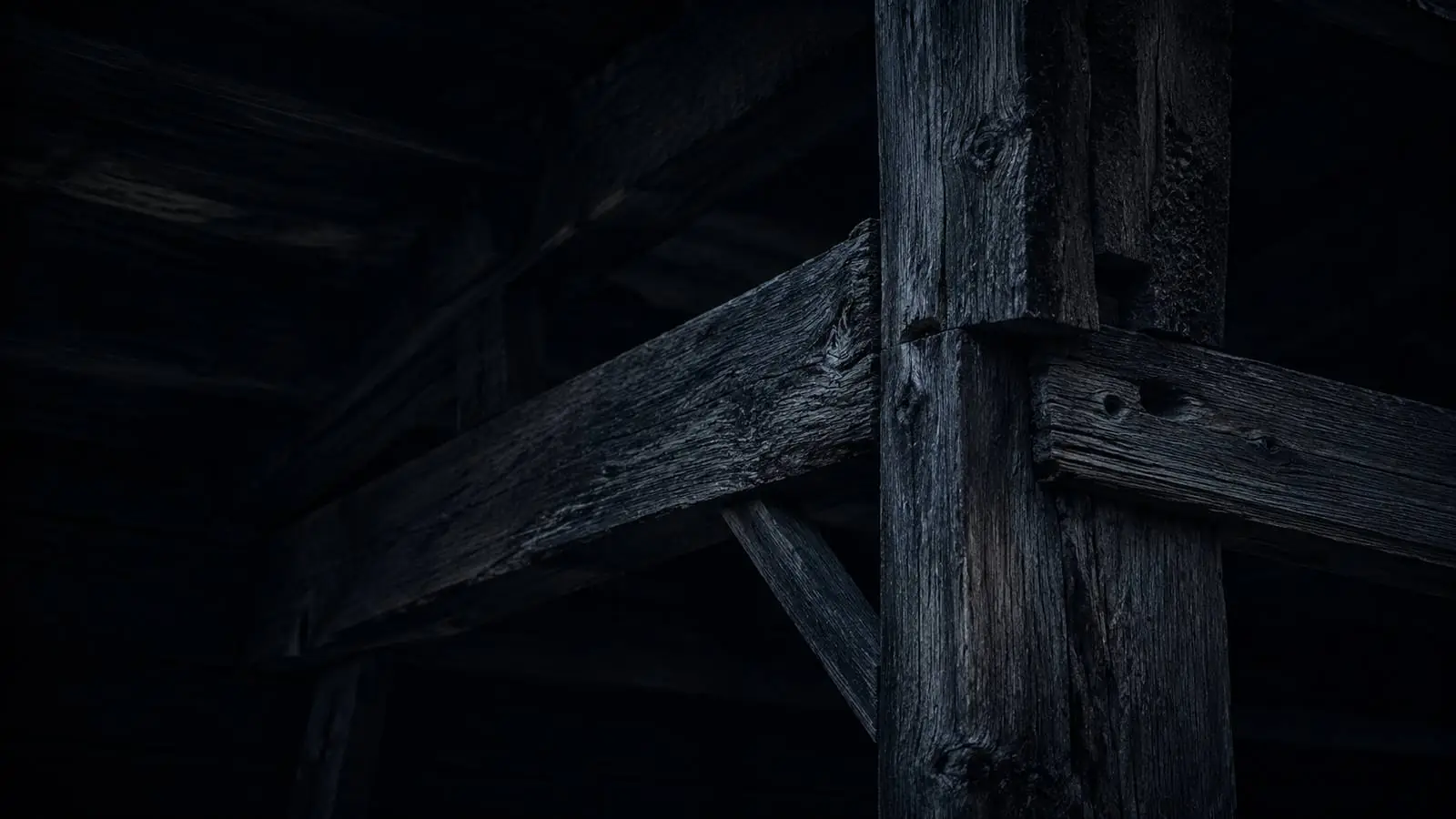
Fascia, soffits, Grove siding, sills, door jambs and deck boards cut out and rebuilt with sound wood. Priced in writing before we start.
 BBBAccredited Business
Kaminskiy Care and Repair rebuilds rotted and termite-eaten wood across the City of Miami from an office on Ponce de Leon Boulevard: the fascia and soffits on the 1920s houses in Morningside and The Roads, the clapboard, porches and window frames on the Coconut Grove cottages, the door jambs and trim on the block homes of Flagami and Little Havana, the balcony trim and deck boards on the bay side. Each piece is cut back to clean wood, rebuilt to the same profile, primed on every face, painted to match, and the water path is closed. A licensed pest company treats the termites and writes the report; the carpentry after is ours, priced in writing before anything starts.
 Eight repairs, one crew, priced in writing before we start.
Nine wet months, a dew point that sits on the wood all night, salt air on the bay side and the two subterranean termites that live together only here and in Broward: Miami wood rots because it never dries. We cut it out, rebuild it with sealed new wood, paint it and fix what fed it.
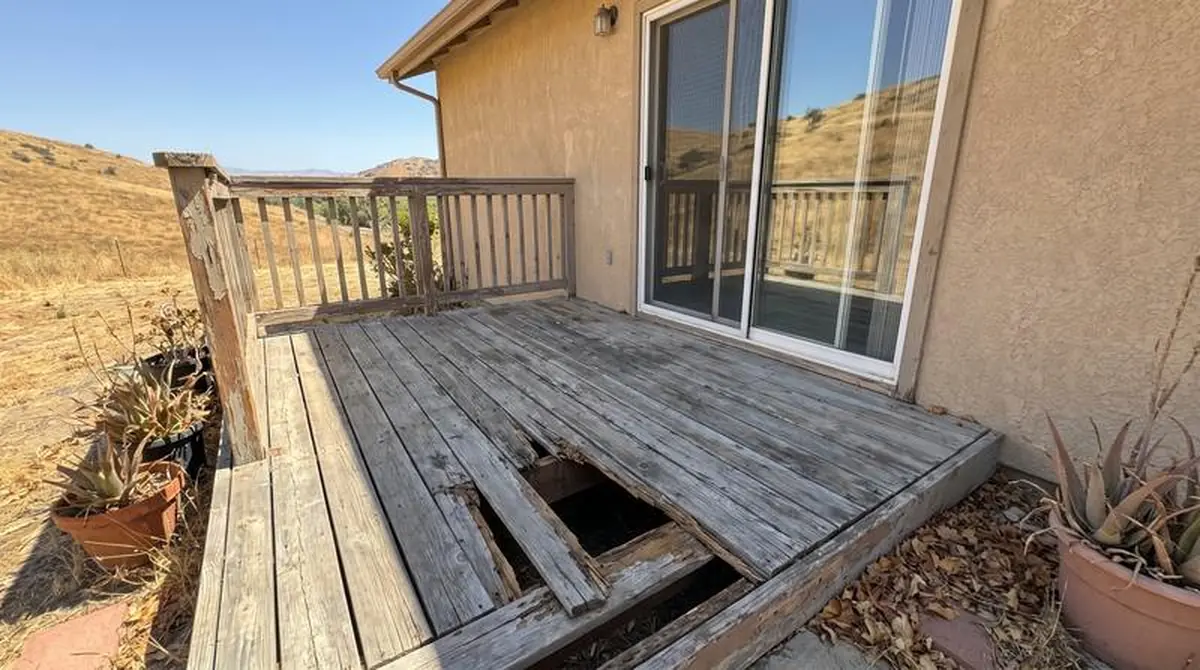
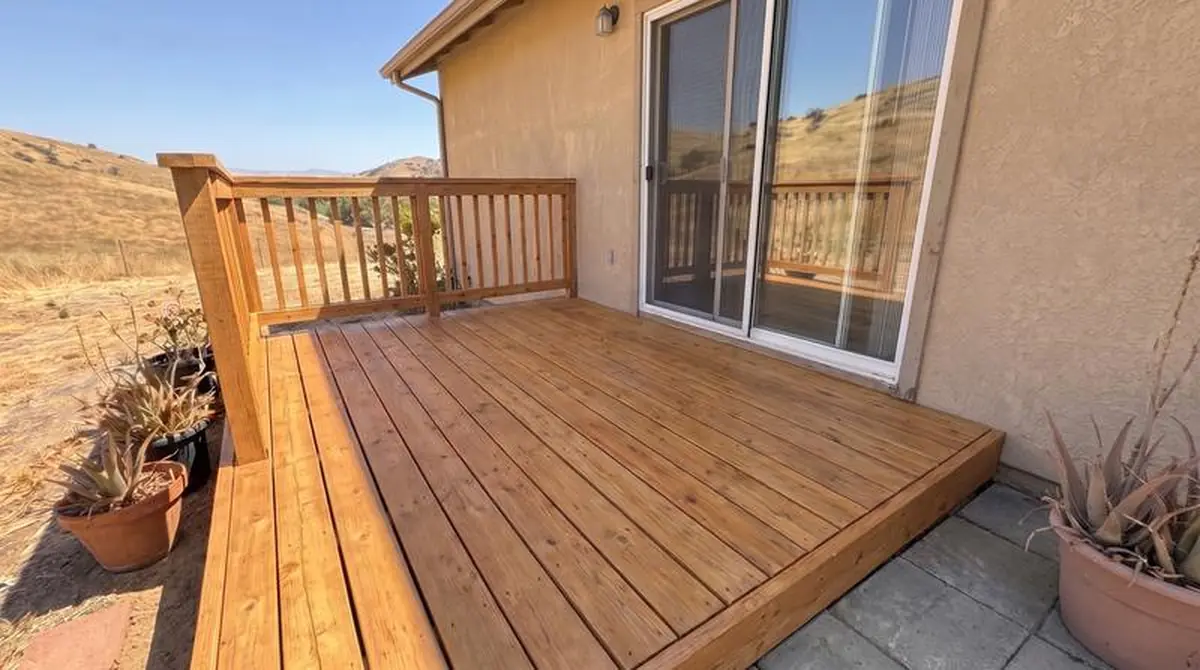 AFTERBEFORE
 Fascia & Eaves
 Window Sills
 Door Jambs & Casings
 Trim & Siding
 Termite Damage Rebuilds
 Deck Boards & Railings
 Stairs & Posts
 Primed, Painted & Sealed
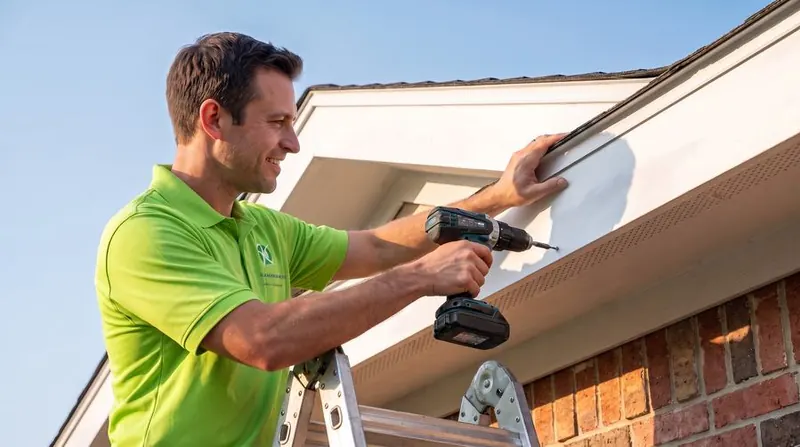
A soft spot in Miami does not wait for the dry season. A Kaminskiy-certified technician prices most fascia, soffit, sill and jamb repairs on the first call, in writing; a porch, a deck or a wall of Grove siding gets a look and a written scope first.

We answer in under three rings and get you priced and scheduled in minutes.

A clear, written quote with upfront pricing. You approve before work begins.

Kaminskiy-certified pros finish the job with a workmanship warranty.
Every rot and termite damage repair carries our one-year workmanship warranty, in writing, and is done by a Kaminskiy-certified, background checked technician.
Because it is never dry. From May into October it rains most afternoons, the humidity stays near saturation all night, and wood behind a clogged gutter or against a splashing walkway stays wet for weeks at a time. On the bay side in Morningside and Shorecrest the salt air strips the paint that was keeping the water out. Under the Grove canopy the shade keeps the siding damp all year. The fungus that eats wet wood does the rest, and the termites arrive when it is soft.
Miami-Dade and Broward are the only counties in the country where the Formosan and the Asian subterranean termite are both established; the Asian termite was first found in the continental United States in Miami in 1996. Both swarm at dusk in the warm months, come up from the soil in mud tubes and pack carton into the wood they hollow. The West Indian drywood termite needs no soil at all and lives in old door frames and trim, leaving hard six-sided pellets under a pinhole. A licensed pest company identifies and treats whichever it is; we rebuild after, in that order.
A rotted fascia or jamb is opened, the soft wood is cut away past where the probe sinks, and a new section with the same profile is let in, back-primed, caulked and painted to the house. Then the thing that fed it gets fixed: the gutter outlet, the drip edge, the sprinkler head. Smearing filler over the soft spot and painting it buys one wet season.
Gutters first: a clogged outlet is behind most Miami fascia rot, so clear them in April and again after the first tropical storm. Then the irrigation: no head should wet a jamb, a post or a run of siding. Pull the mulch back from the stucco line and the cottage siding. On the bay side, repaint on a schedule rather than when it peels, and under the Grove canopy thin the shade where you can. A screwdriver pressed into the fascia each spring finds rot the paint hides.
Houses from the 1920s to the 1950s near the bay, part of it a historic district, with wood fascia, soffits, window frames and porches taking the salt air. The paint goes first on the water side, then the sills and jambs, then the fascia behind the gutters. We rebuild in kind, match the profile and keep the paperwork simple where the district applies.
The oldest wood in the city: frame cottages with clapboard, porches and wood windows under a canopy that never lets them dry, and 1920s masonry homes with wood eaves and trim. Rot runs along the bottom courses, the porch post bases and the sills; drywood termites take the old frames. We splice new wood into old and match the lap and the reveal.
Concrete-block homes from the 1940s to the 1960s, where the wood is the fascia, the soffits, the door jambs on the slab and the pergola out back. Gutters clog, soffits stay wet, jambs wick off the walkway, and termites find the posts. We rebuild the boards and get the water off the wood.
A fascia board, a sill or a trim piece is priced on the call, in writing. A bigger rebuild gets a look first and a written price before anything starts.
We cut back to sound wood and probe how far the rot really goes. If it runs further than the photo showed, you hear it before we go further, with the price.
New wood primed on all sides, caulked, painted to match, and the water path that caused it fixed: the drip edge, the flashing, the gutter end, the sprinkler.
The work area is cleaned before we leave, and every rot repair carries our one-year workmanship warranty.
The City of Miami lists what needs no permit, and painting is on the list as long as the stucco is left alone; a fascia board, a soffit section, a sill or a jamb is a minor repair under the Florida Building Code, which lets a building official approve ordinary minor repairs without a permit as long as no wall is cut and no beam or load-bearing support is removed, and the county's own rule puts non-structural repair work by a licensed contractor under a set cost in that bucket. The 2026 state exemption for small single-family jobs must be approved and posted on site before work starts, never in a flood zone, so we do not promise it. Rot in a rafter tail, a header or a beam is a permit and an engineer, and we say so before anyone opens a wall.
Florida sales run on the wood-destroying organism inspection report, a state form only a licensed pest control company may issue: it lists live termites or beetles, the evidence of them, the damage the inspector could see, and says in capital letters that it is not a structural report. Treatment is the pest company. The damaged fascia, siding, trim, door frames and deck boards it lists are our carpentry, and the inspector re-inspects at the buyer or lender's request. Email it with the address and we price the repairs from it.
Morningside and the designated parts of Coconut Grove are historic districts: changing the look of a listed house means historic review, while a repair that matches what is there is the simplest case, so we photograph the profile and build to it. Along the bay and the river the condo towers of three stories or more carry the state milestone inspection; the rotted railings, soffits, trim and stair stringers it turns up are our carpentry, and the structural report belongs to the engineer. A parcel in a flood zone changes what a big repair needs, and we raise it on the call.
Can't find your answer? Call 786-527-2055 and ask us anything.
Call 786-527-2055Call with a photo and a fascia board, a sill or a jamb is usually priced the same call and on the schedule within days; the office is on Ponce de Leon Boulevard, a short drive from anywhere in the city. A Grove porch, a deck or an elevation of siding is sized after a look, with the scope in writing before anything starts.
We do the rebuild, and only after a licensed pest company has treated the colony. The eaten fascia, soffits, door frames, siding and whatever framing we can reach come out, new wood goes in, primed and painted. Treating, tenting and writing the report stay with the pest company.
This is carpentry, and it is what our technicians do: clapboard, trim, sills, porch posts, fascia, deck boards. Kaminskiy is licensed, bonded and insured, so a splice into a porch beam or a rafter tail is within reach. If the rot has gone into a beam that carries the roof, you hear that before anyone opens a wall.
Three things set it: the length of wood that has to come out, the reach (a ground-floor jamb against a two-story bayside fascia from a lift), and the match, since Grove clapboard and 1920s eave trim take more care than a plain fascia board. Send a photo and the number is in writing before anything is scheduled.
It will hide it for a season. The rot keeps working under the paint, the water that caused it is still getting in, and by next summer the paint lifts again over a bigger soft spot. Rebuild first, with primed wood and a sealed joint, and the paint lasts.
Usually not for a like-for-like minor repair, which covers most fascia, soffit, sill and jamb work. The 2026 state exemption is a request the city approves and posts before work starts, never in a flood zone, so we do not count on it. Anything that reaches a beam, a header or a load-bearing wall takes a permit and an engineer, and we tell you on the call.
The City of Miami from our office on Ponce de Leon Boulevard in Coral Gables, including Morningside, Belle Meade, Shorecrest, Coconut Grove, The Roads, Silver Bluff, Shenandoah, Flagami and Little Havana, plus Coral Gables, Miami Beach, Key Biscayne and Miami Shores. Call 786-527-2055 to confirm your address.
Tell us where the wood has gone soft, or text us a photo. We'll call you back with a price and a time. Calling is still the fastest way: 786-527-2055.
Priced in writing before we start. Kaminskiy-certified technicians. A one-year workmanship warranty on every job.
We answer in under three rings, 24/7.No price games. You get a clear written quote before any work begins, backed by our workmanship warranty.