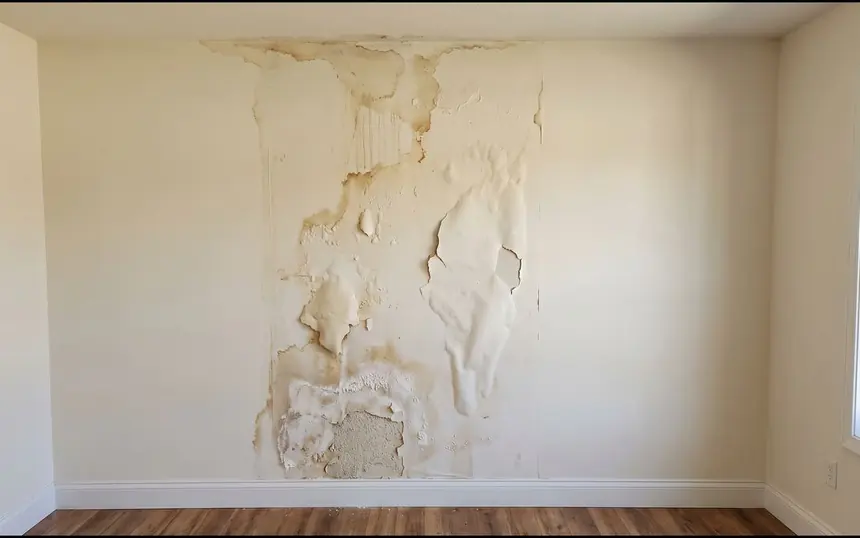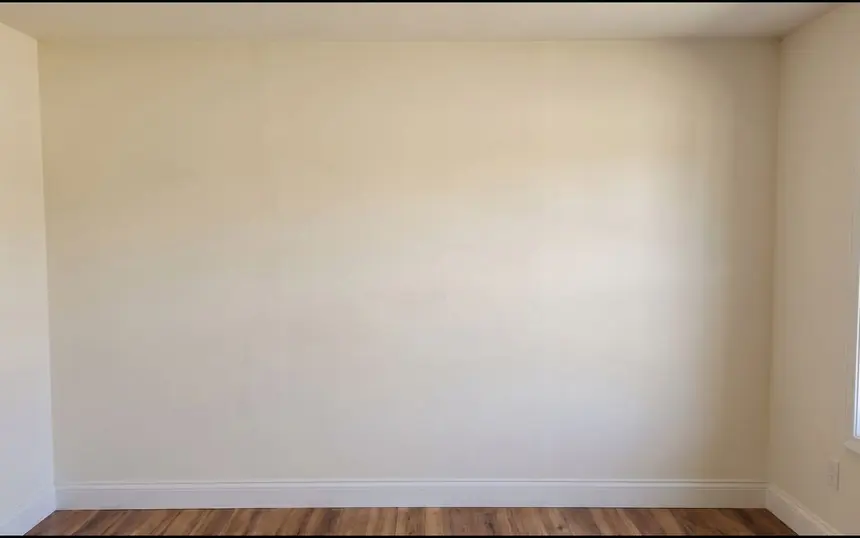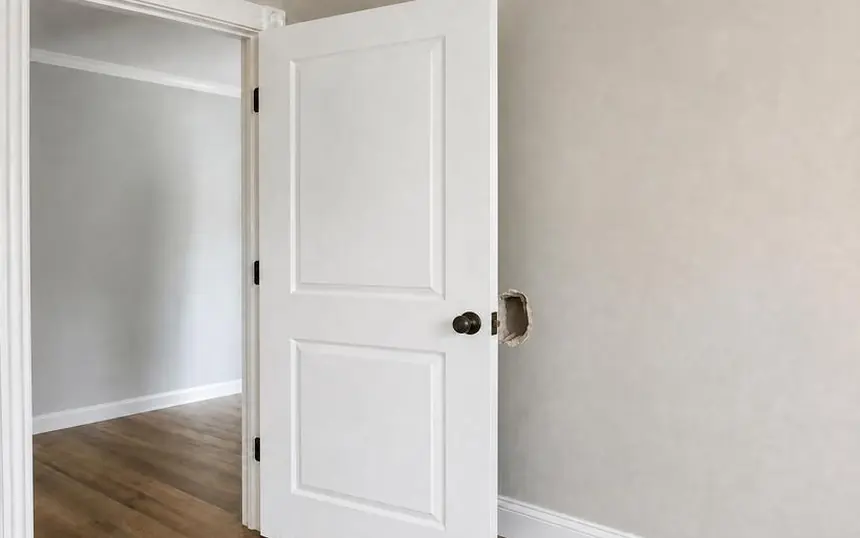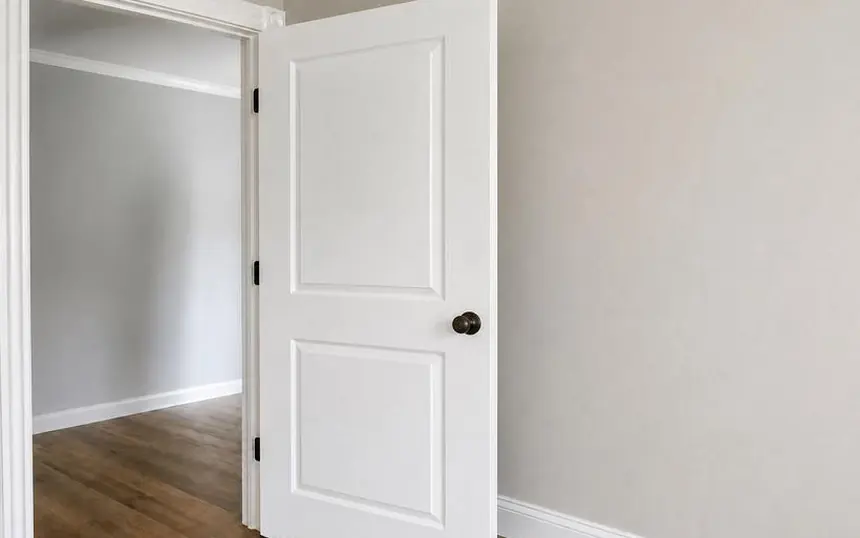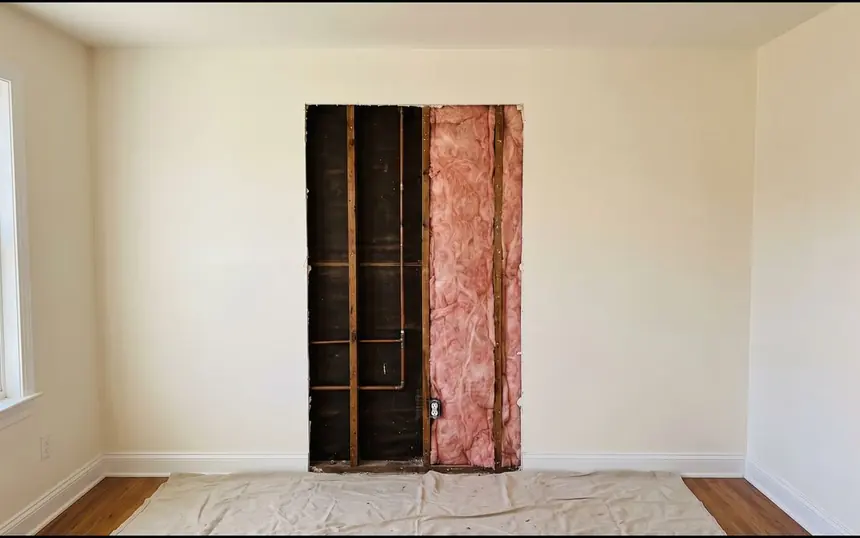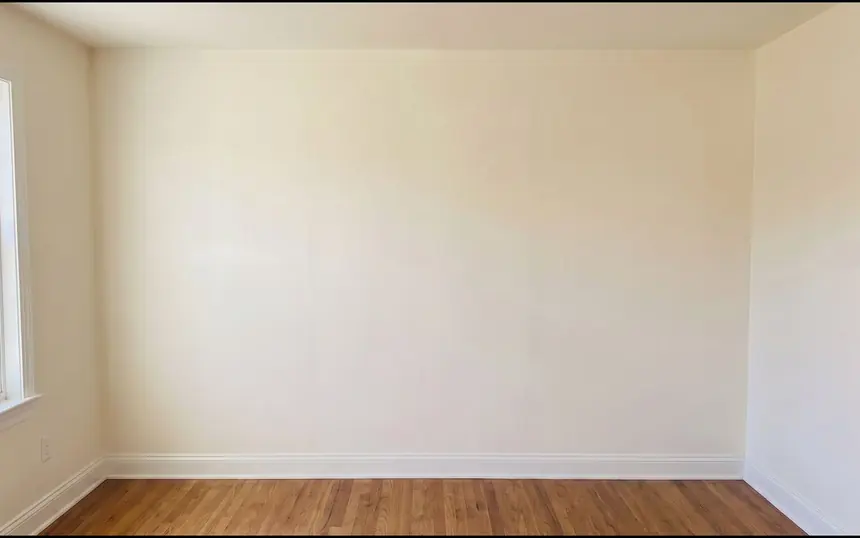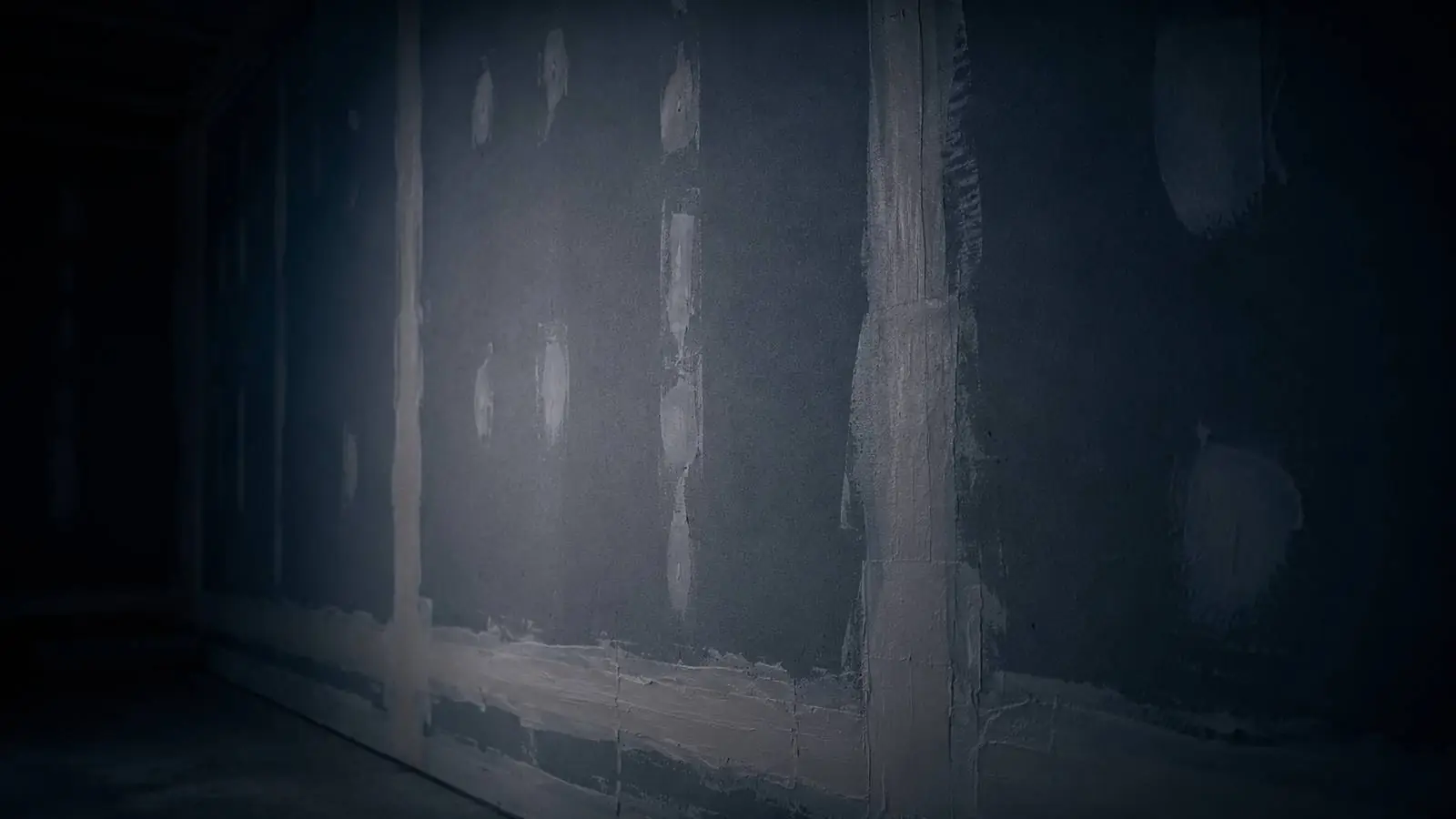
Plaster in the Art Deco houses, the condo wall after the unit above, the rusted corner bead on the water side, the king-tide band and the knob hole, patched and matched. Priced in writing on the call.
 BBBAccredited Business
Kaminskiy Care and Repair repairs walls and ceilings in Miami Beach from its office across the causeway in Coral Gables: the crack following the lath in a 1930s Flamingo Park house, the wet wall in a Collins Avenue condo after the unit two floors up lost a supply line, the rust blister down an outside corner on a Venetian Islands house facing the bay, the damp band at the base of a Normandy Isles wall after a king tide, the doorknob hole, the anchor holes after a season's lease. Plaster gets plaster, drywall gets drywall, each finished to the wall around it and primed; a wet wall is repaired only after the source is fixed and the meter reads dry. You get the price in writing on the call, and most patches are done in a single visit.
 Eight repairs, one crew, priced in writing before we start.
Miami Beach is salt air, stacked condos and a century of plaster, and the walls show all three: the corner bead rusts and lifts the compound on the water side, a leak on twelve is a wet wall on ten, and the Deco and MiMo houses are plaster over tile that is patched as plaster or not at all. We bring the trowels for both, match a smooth skim, a sand finish or a knockdown on a test board, and leave it primed.
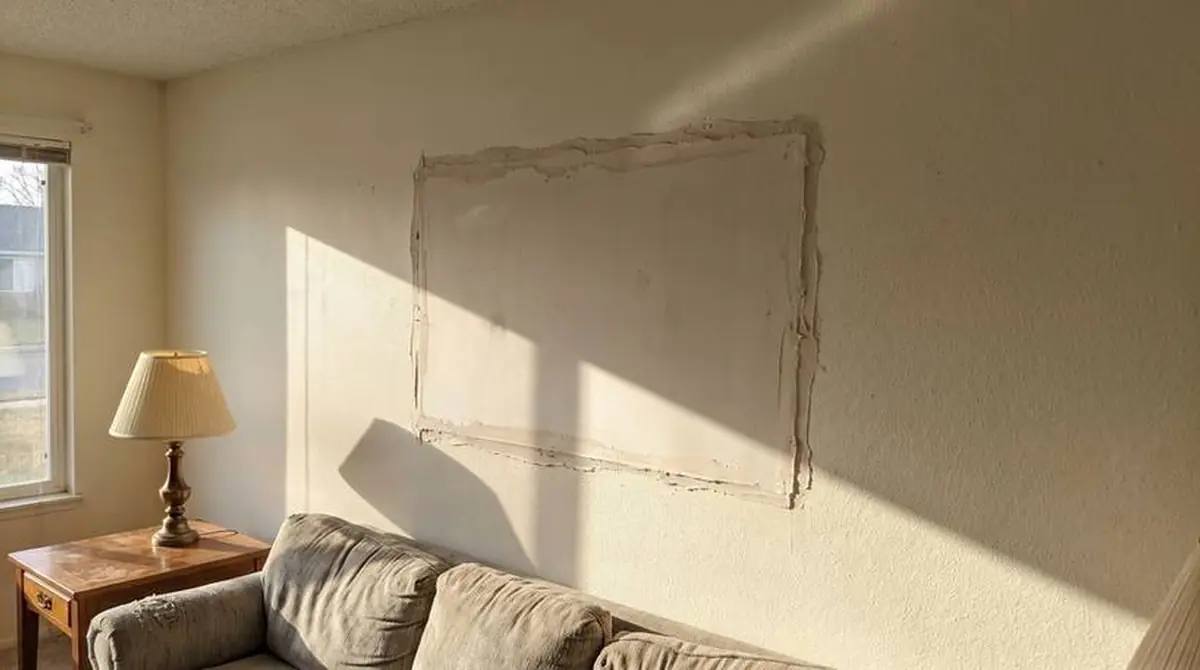
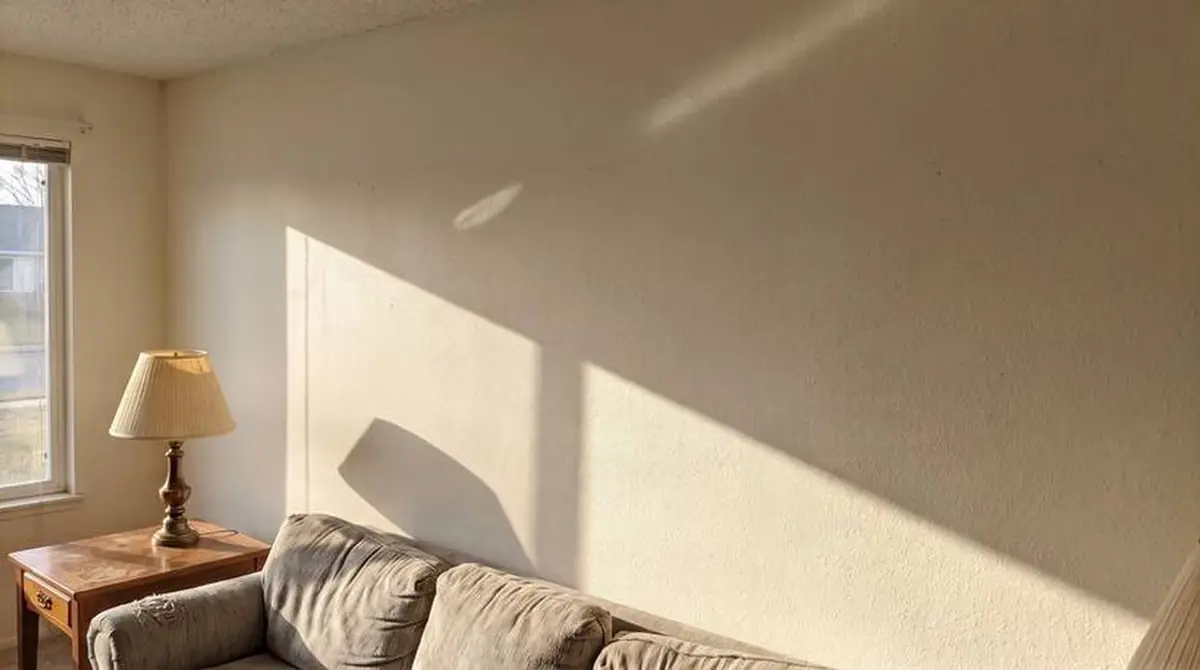 AFTERBEFORE
 Hole & Crack Repair
 Water Damage Repair
 Ceiling Repair
 Texture Matching
 Big Patches & Full Sheets
 Nail & Anchor Holes
 Corner Bead & Cracks
 Primed & Ready for Paint
Plaster and drywall are different jobs and our technicians do both, across the causeway in minutes. Tell us what the wall is made of if you know and the size against your hand, and the price is in writing before anyone drives over the bridge.

Priced and on the calendar during the first call.

A written quote you approve before anyone drives out.

One crew, truck stocked, warranty in writing.
A one-year workmanship warranty, in writing, on every Miami Beach drywall repair.
On the water the steel corner bead under the drywall rusts, lifts the compound and blisters the paint in a line down the corner; the fix is new vinyl or galvanized bead, finished and textured. The king tides push damp into the base of a ground-floor wall and it shows as a soft, chalky band that paint will not hold on; the wall dries and meters dry after the tide season, then the band comes out and new board goes in. Much of the island sits in a flood zone, which matters for the claim and the permit, and we say so on the call.
The houses and small apartment buildings of Flamingo Park, the Art Deco districts, Nautilus and North Beach from the 1920s to the 1950s are plaster over hollow tile or block: the crack follows a tile joint or the lath of a partition, a section goes hollow where the plaster lost its key, a cove or a curved corner chips. Plaster is patched with a bonding agent and a setting compound keyed into what is there and finished to the surrounding skim or sand texture; a drywall patch screwed into plaster is the repair that fails. Painted surfaces in a pre-1978 house are handled lead-safe under the RRP rule.
A high-rise on Collins Avenue or the bay is a column of bathrooms and laundries stacked forty deep, and a supply line on a high floor is a wet wall several floors down a week later, usually found by the smell before the stain. The building's engineer or plumber traces the riser, the association decides who is paying, and our part starts when the board reads dry: cut out the wet section, new board on the steel studs, taped, three coats, a smooth finish feathered wide enough to survive the light off the water, primer. Dark growth beyond a dinner plate goes to a licensed mold remediation company before any of that.
Smaller than your hand: a backed patch. Bigger than your hand, smaller than a laptop: a paper patch. Poster-sized: a backer and a new section. Soft from water, or a whole sheet: new board with every seam taped, on steel studs in a tower or on furring over block in a house. Three coats, sanding, the finish matched and primer on all of them; plaster gets its own compound and its own keying.
The oldest streets on the island, most of them in historic districts, plaster over tile in the 1920s to 1940s houses and apartment buildings, and island lots with water on every side. Lath cracks, hollow plaster, chipped coves, rust at the corner bead on the bay side, the damp band after a king tide. Plaster patched as plaster and finished to the original skim; painted surfaces in a pre-1978 house handled lead-safe under the RRP rule; nothing changed on the outside.
Larger waterfront and golf-course lots with block homes from the 1940s to the 1960s, drywall over furring, orange peel and sprayed ceilings that are tested by a licensed lab before anyone disturbs them, and the remodels with smooth walls and tall ceilings priced after a look. The ceiling under the air handler, the furring-seam crack, the knob hole, the smooth-wall patch finished with the wider feather and checked in raking light.
Smaller lots from the 1940s and 1950s with the ocean on one side and the bay on the other, and the condo buildings along Collins Avenue. The king-tide band at the base of a ground-floor wall, the condo wall after the unit above, the plaster crack in a MiMo duplex, the rental turnover by the room every season. The source first, then the wall, then the finish matched and primed.
Miami Beach is covered from the Ponce de Leon Boulevard office across the causeway, and the Miami drywall repair page has the county-wide picture: the Miami permit rule, the storm-water claim and the condo statute in plain words.
Hold your hand over the damage and tell us: smaller than your hand, bigger than your hand, poster-sized, or a whole sheet. We price it on the call, in writing, in under ten minutes.
Water damage is repaired after the source is fixed. If the stain is still wet we tell you who fixes the leak, and we schedule the drywall for when it is dry.
Backing where it needs it, new board cut to fit, every seam taped, three coats of compound sanded smooth, your texture matched, then primer.
Dust contained and the room left clean. Most patches are finished in one visit; a full sheet may need a short second visit for the final coat, scheduled before we leave.
Miami Beach publishes its own no-permit list under the Florida Building Code's minor-repairs clause, and on a single-family house it names a small drywall repair or replacement, below a set area, as needing none; beyond that, or in a condominium unit, the city's permit counter decides, and the code lets the building official approve an ordinary minor repair without a permit as long as no wall is cut away and nothing structural is touched. A patch in an existing wall is that; we ask before a bigger job rather than guess. The 2026 state exemption for small single-family work is never available in a flood hazard area, which is most of the island, so we do not promise it. A new opening or a removed wall is a permit.
Water that came up with a king tide or a surge is a flood claim, under a flood policy, with its own adjuster; water from a burst line, a failed handler or a storm through the roof is the homeowner policy, and a named storm may carry the hurricane deductible. Photograph the stain and the source before cleanup, keep a piece of any flooded board with the waterline on it, keep every invoice, and expect the adjuster to ask when it started; a damp band that has been at the base of a wall for years usually reads as maintenance. We replace the wall after the source is fixed and the board meters dry, and our scope is its own line.
Most Miami Beach walls are inside a condominium, and the state statute that governs them divides a wet wall two ways: the board as originally installed belongs on the association's policy, the paint and wallpaper on yours, and whoever let the water out pays what no policy does if the declaration says so. Put the association on notice in writing the day the wall goes wet, keep the plumber's report from the unit above if you can get it, and we repair your side after the source is fixed, with the scope written for the board. The historic district rules are written for the outside of a designated building; an interior patch finished to match is not what they regulate.
Can't find your answer? Call 786-527-2055 and ask us anything.
Call 786-527-2055Usually within days, across the causeway from the office in Coral Gables. The price is in writing on the call; most drywall patches are finished in one visit, and a plaster repair or a smooth-wall finish may need a short second visit for the final coat.
A Miami Beach house or apartment from the 1920s to the 1950s is almost always plaster over hollow tile, and you can hear it: a knock sounds dense and dead rather than hollow. It matters because plaster wants a bonding agent and a setting compound keyed into the tile, with the cove or the curved Deco corner rebuilt in the same material; a drywall patch screwed into it is the one that falls out. We carry both trades and say which wall it is on the first look.
Usually the steel corner bead under the compound rusting in the salt air and pushing the paint off. The fix is new vinyl or galvanized bead, finished, textured and primed, and the paint holds afterward.
The wall on your side is ours to repair once the riser is fixed and the board meters dry. Paying for it is a declaration question: the statute puts the board on the association's policy and the paint on yours, and the neighbor whose line failed may owe the rest. Our scope is written as a separate line so the board and both adjusters can read it without a phone call.
After the tide season, once the wall reads dry on the meter and whatever let the water in is dealt with: the band comes out, new board goes in, finished, textured and primed. Patched wet, it is back by the next October.
Size, water, material and finish: hand-sized, poster-sized or a whole sheet; dry, leak-damaged or tide-damaged; plaster or drywall; smooth, sand finish or knockdown; eight feet or a tall tower ceiling. Say which on the call and the price is in writing in under ten minutes.
Not for a small patch in a single-family house: the city's own no-permit list names a small drywall repair, and the state code leaves ordinary minor repairs to the building official. A bigger repair, or one in a condominium unit, is a question for the permit counter, and we ask before the job. New openings or removed walls are a permit.
All of Miami Beach, South Beach, Flamingo Park, the Venetian Islands, Nautilus, La Gorce, the Sunset Islands, Normandy Isles, Biscayne Point and North Beach, plus Surfside, Bay Harbor Islands, North Bay Village and Miami. Call 786-527-2055 to confirm your address.
Describe the wall or ceiling, or text a photo, and we call back with a written price and a time. Calling is still faster: 786-527-2055.
Priced in writing before we start, matched to the wall, warranted in writing.
We answer in under three rings, 24/7.No price games. You get a clear written quote before any work begins, backed by our workmanship warranty.