 BBBAccredited Business

Kaminskiy Care and Repair repairs water damage and mold damage on drywall, ceilings, trim and cabinets: the leak confirmed stopped, wet material removed, the area dried and treated, then rebuilt and painted to match. Large scale remediation and air testing are referred to a licensed specialist, and we handle the rebuild after. We serve Miami and the surrounding Florida communities.
Our office is on Ponce de Leon Boulevard. Stained ceilings, swollen baseboards and wet drywall lead the Miami list.
Miami water damage is a wet-season problem that shows up as a ceiling stain, a swollen baseboard or a soft wall under a window. We find where the water came in, a window, a roof joint, a supply line, a clogged condensate line, and get the licensed plumber or the licensed roofing contractor on it. Then we cut out the wet drywall, insulation and trim, dry the cavity, treat the framing and rebuild and paint to match. Mold past a small patch goes to a licensed mold remediator first.
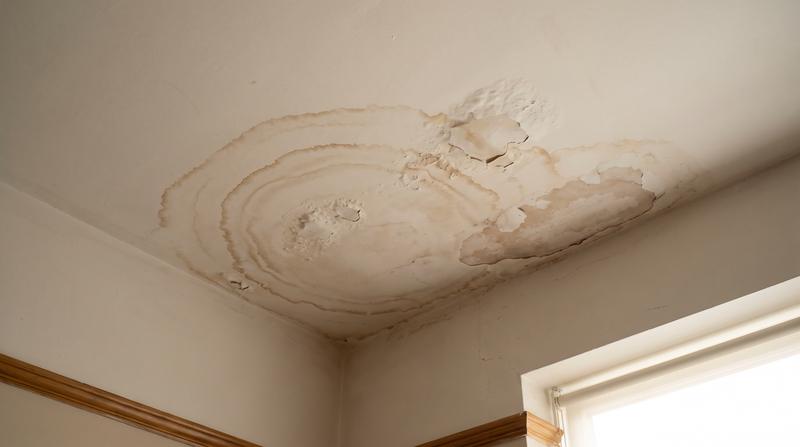
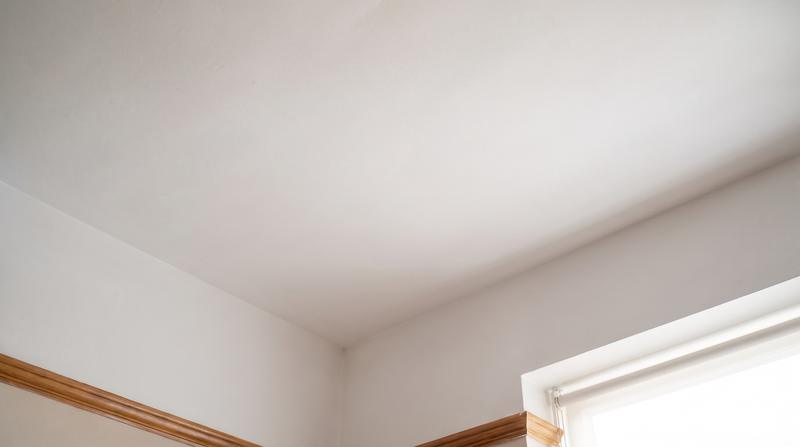 AFTERBEFORE
Each of these is a dry-out and a rebuild for a Kaminskiy-certified technician based on Ponce de Leon Boulevard, after the right licensed trade has stopped the water. One look, one written scope.

Priced and on the calendar during the first call.

A written quote you approve before anyone drives out.

One crew, the whole list, warranty in writing.
A one-year workmanship warranty, in writing, on every Miami water damage repair.
A water stain that returns after it was painted means the water still comes in, or the drywall was painted wet. Miami rains most afternoons from May into October and the air stays near saturation at night, so a wall that is not dried with air movement and a meter reading stays damp under the new paint and the stain bleeds through. We find the source first, dry to a reading, prime with a stain-blocking primer and then paint, and the ceiling stays white.
Drywall that got wet once and dried fast can sometimes be saved; drywall that stayed wet for days, swelled or grew a bloom is replaced, along with wet insulation, the baseboard and any particleboard cabinet bottom that drank it. Plaster on masonry dries slower and is usually cut back to sound material and patched. Wood framing that is wet but sound is dried and treated; framing that is punky is cut out and sistered. We tell you which before the cut.
Florida makes mold cleanup above about ten square feet a licensed mold remediator's work, and the assessment that goes with it a licensed mold assessor's. We do neither. A small surface patch on a hard surface we can clean and prime; anything larger, or anything inside a wall cavity, stops the job while you call the licensed remediation company, and we come back to rebuild once they have cleared the space.
The condensate line gets flushed, the licensed air conditioning contractor adds a float switch to the air handler pan, the window and door caulk is renewed before the wet season, the roof-to-wall joints get looked at every spring, and the main shutoff is found and marked before you need it. In a condo, know where the unit's stop valves are. Most Miami water damage we rebuild had a warning sign a season earlier.
Mediterranean and MiMo houses from the 1920s to the 1950s near the bay, with plaster on masonry, wood windows and flat or low roofs that pond in a storm. Water comes in at the window sills and the roof-to-wall joints and runs down inside the plaster, so the first sign is a bubble in the paint a foot below the leak. We trace it to the opening, get the licensed roofing contractor or a window repair on it, cut back the plaster to sound material, dry the furring and rebuild to match the old finish.
Frame cottages and 1920s masonry homes under a canopy that never lets a wall dry. Here water damage and rot travel together: a window that leaked for years, a shower pan on a wood floor, a supply line in an exterior wall. We open the wall, cut out what is wet or rotten, dry the cavity, treat the framing and rebuild, and the licensed plumber we schedule replaces the line before the wall closes.
Concrete-block homes from the 1940s to the 1960s where the block does not rot but the drywall on furring strips, the baseboards and the kitchen cabinets do. The air handler closet, the water heater and the kitchen supply lines cause most of it, and a clogged condensate line can run for a week before anyone notices. We dry the furring, replace the drywall and base, reset or replace the cabinet bottoms and paint, with the licensed plumber and the licensed air conditioning contractor booked for the lines.
Call 786-527-2055 or text a photo of the stain, the wall and anything wet under it. We tell you on the call whether a licensed plumber or the licensed roofing contractor should go first and get them scheduled.
A technician traces the source, reads the wall and the floor with a moisture meter, photographs everything for your insurance file and writes the scope: what comes out, how it dries, what goes back and the price.
The wet drywall, insulation, baseboard and any swollen cabinet bottom come out, the cavity dries with air movers to a reading, the framing is treated, and then new drywall, texture, trim and paint go in to match.
Dust leaves with us, the file goes to you with before-and-after photos, and the one-year workmanship warranty is on the invoice. The licensed trades carry their own on their repairs.
Florida has no handyman license and calls anyone paid to repair a structure a contractor, with an exemption only for casual, minor work under a set small amount. Mold remediation above about ten square feet and mold assessment are licensed professions of their own, plumbing, roofing, electrical and air conditioning are state-licensed trades, and even a licensed building contractor must subcontract them. Kaminskiy Care and Repair, bonded and insured with Kaminskiy-certified, background checked technicians, does the tear-out, the dry-out and the rebuild and schedules the licensed trades around it.
Miami-Dade treats non-structural repair work by a licensed contractor under a set cost as a minor repair, and the Florida Building Code lets the building official approve ordinary minor repairs without a permit as long as no wall is cut and no beam or load-bearing support is touched. A patched ceiling, a run of replaced drywall or a new baseboard is that kind of work; a subfloor cut down to the joists, a rotted joist or anything in the block wall itself is a permit and sometimes an engineer, and in the City of Miami we check the counter before a bigger job rather than guess. The 2026 state exemption is a request the city decides, and we do not promise it.
We photograph, meter and itemize the damage for your claim and write the scope your adjuster can read; we do not adjust the claim, and we take no assignment of benefits, which Florida ended for new policies in 2023. In the bay towers the association's policy generally insures the unit down to the bare drywall while the paint, the flooring and the cabinets are on your own policy, and the association's rules say what a unit repair needs filed, usually the scope and our insurance certificate. A leak from the unit above is the association's and that owner's question before it is a rebuild, and we help you document it.
Our South Florida office is in Coral Gables. The Miami crew works out of the office on Ponce de Leon Boulevard, a short drive from the Grove, the Roads, Little Havana and the Upper Eastside, and covers the county from Miami Beach to Kendall. Call 786-527-2055, text a photo of the stain, or send the form, and we answer in under three rings.
Can't find your answer? Call 786-527-2055 and ask us anything.
Call 786-527-2055No, that is a licensed mold remediator's work in Florida once the growth is past about ten square feet, and the testing is a licensed mold assessor's. A small surface patch on a hard surface we can clean and prime. Anything larger stops the job while you call the licensed remediation company, and we come back for the rebuild once the space is cleared.
Usually, yes. A stain tells a story: a ring that grows after rain is the roof or a window, a stain under a bathroom is a shower pan or a supply line, a wet air handler closet is a condensate line. We trace it with a moisture meter and a look inside the wall, and we tell you which licensed trade has to fix it before anything is rebuilt.
Yes. We match the drywall thickness, the texture and the paint sheen, and on a plaster wall in Morningside or the Grove we cut back to sound plaster and patch to the same finish. The seam disappears after primer and two coats, and we paint corner to corner where a touch-up would show.
It depends on how far the water went. Text a photo of the stain and the wall under it and you get a range on the call; after the look you get a written scope with the tear-out, the drying, the rebuild and the licensed trades priced before anything starts. The price you approve is the price at the house, and if we open the wall and find more, you hear it before we go further.
Most Florida policies cover sudden and accidental water damage, a burst line or an overflow, and not long-term seepage, a roof that leaked for years or flood, which is a separate policy. Some Florida policies put a limit on water damage or send you to the insurer's own repair program, so read yours. We document everything with photos, meter readings and an itemized scope so the adjuster has what the claim needs; we do not adjust claims and we do not take an assignment of benefits.
A few days as a rule, longer in the wet season when the air is near saturation and the cavity gives up water slowly. We dry to a meter reading, not a calendar, because drywall closed up over a damp stud is how the stain comes back. You get the schedule in writing.
Not for a patch or a run of drywall and baseboard replaced in kind; that is a minor repair under the Florida Building Code and the county's set-cost rule for non-structural work by a licensed contractor. A subfloor cut, a rotted joist or anything in the block wall itself is a permit and sometimes an engineer, and in a condo the association's paperwork comes first. We tell you at the look.
The City of Miami from our Ponce de Leon Boulevard office, including Morningside, Belle Meade, Shorecrest, Buena Vista, Coconut Grove, The Roads, Silver Bluff, Shenandoah, Flagami and Little Havana, plus Coral Gables, Miami Beach, Key Biscayne, Miami Shores and Kendall. Call 786-527-2055 to confirm your address.
Tell us where the stain or soft spot is. We'll call you back with a price and a time. Calling is still the fastest way: 786-527-2055.
Dried out, rebuilt and painted to match, warranted in writing.
We answer in under three rings, 24/7.No price games. You get a clear written quote before any work begins, backed by our workmanship warranty.
