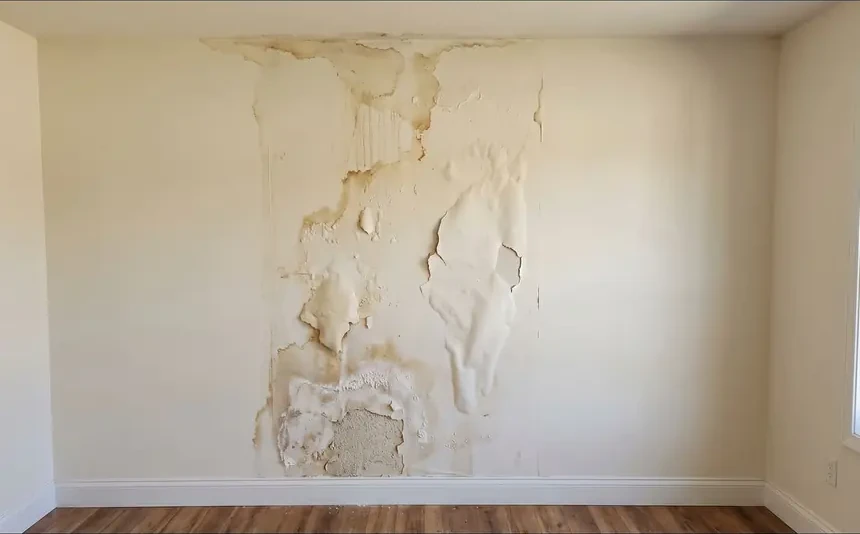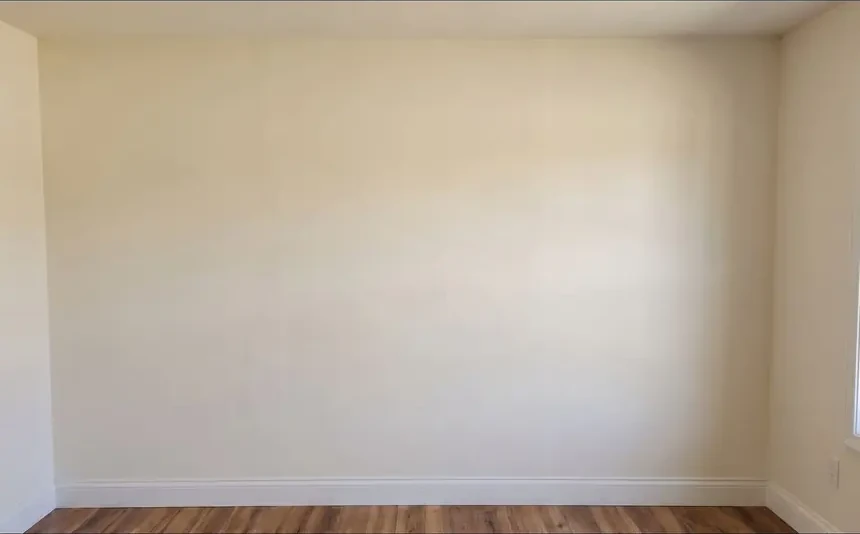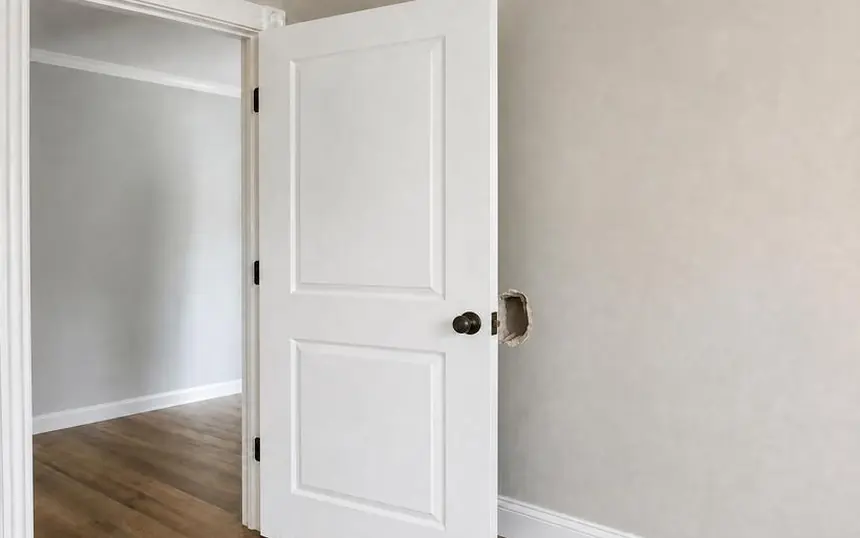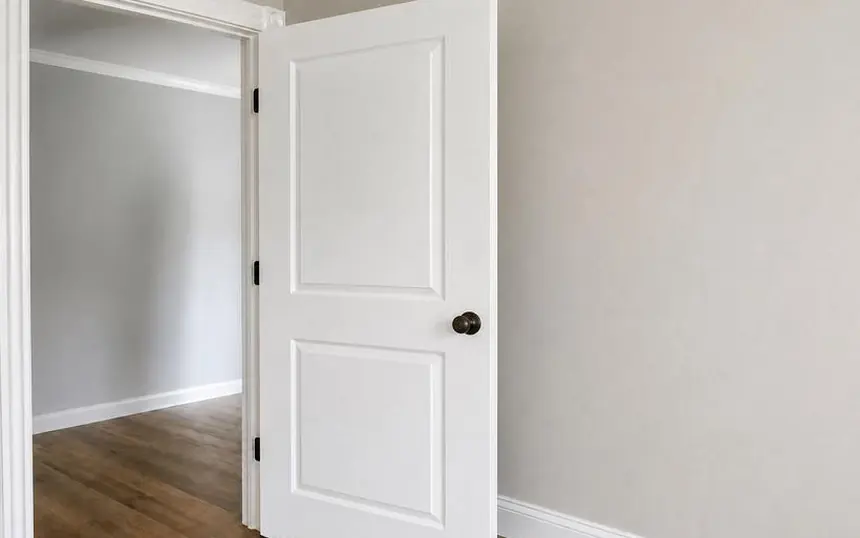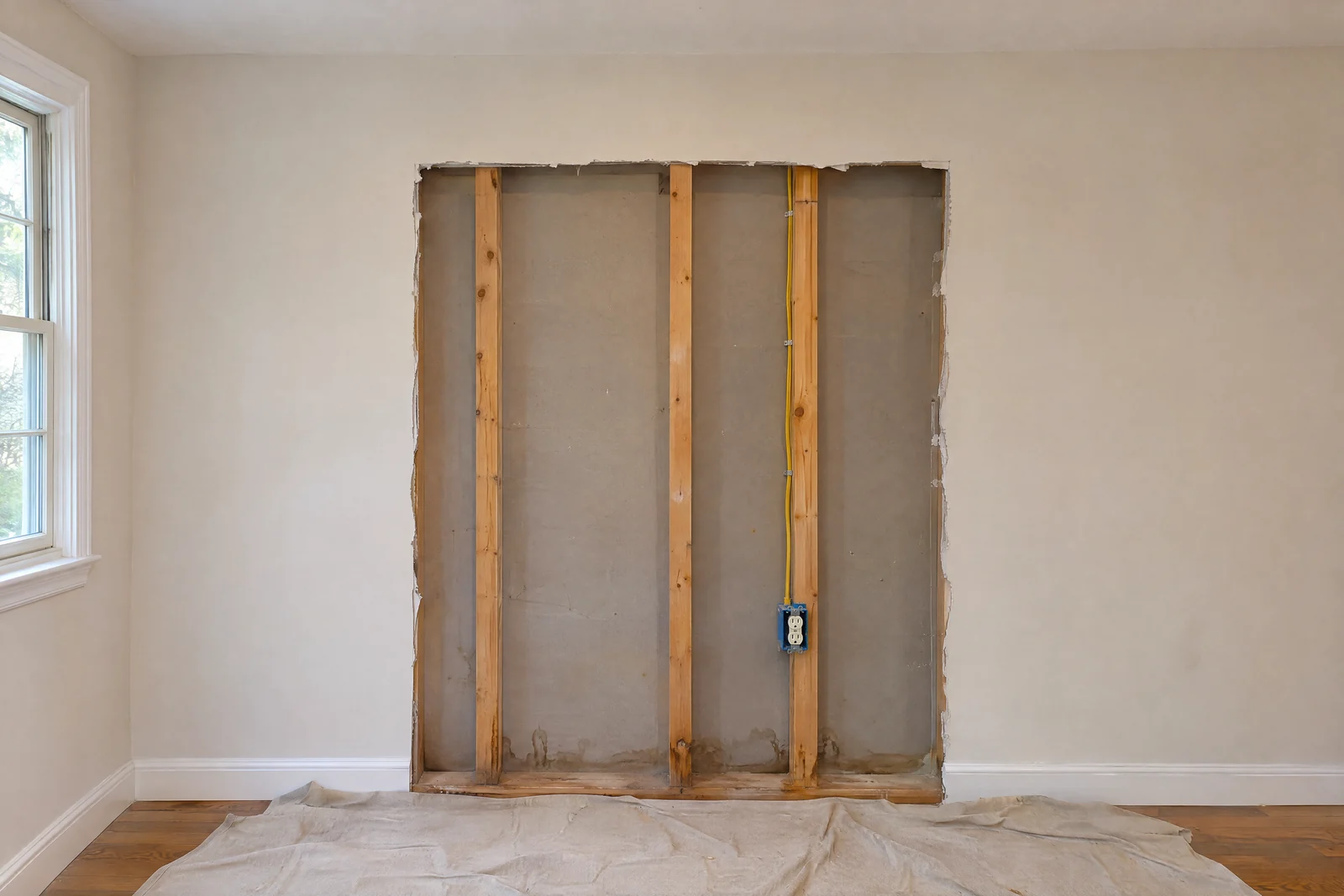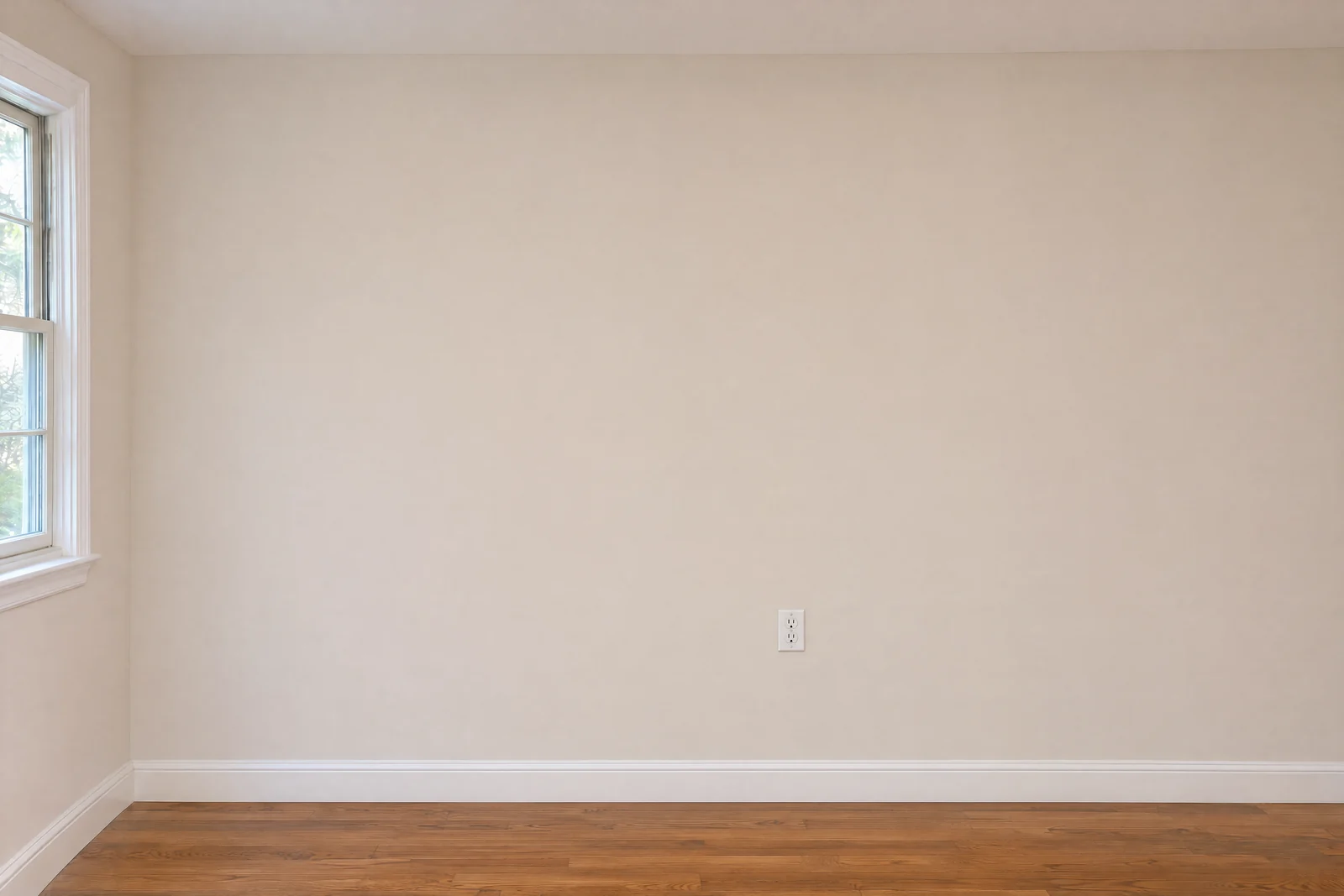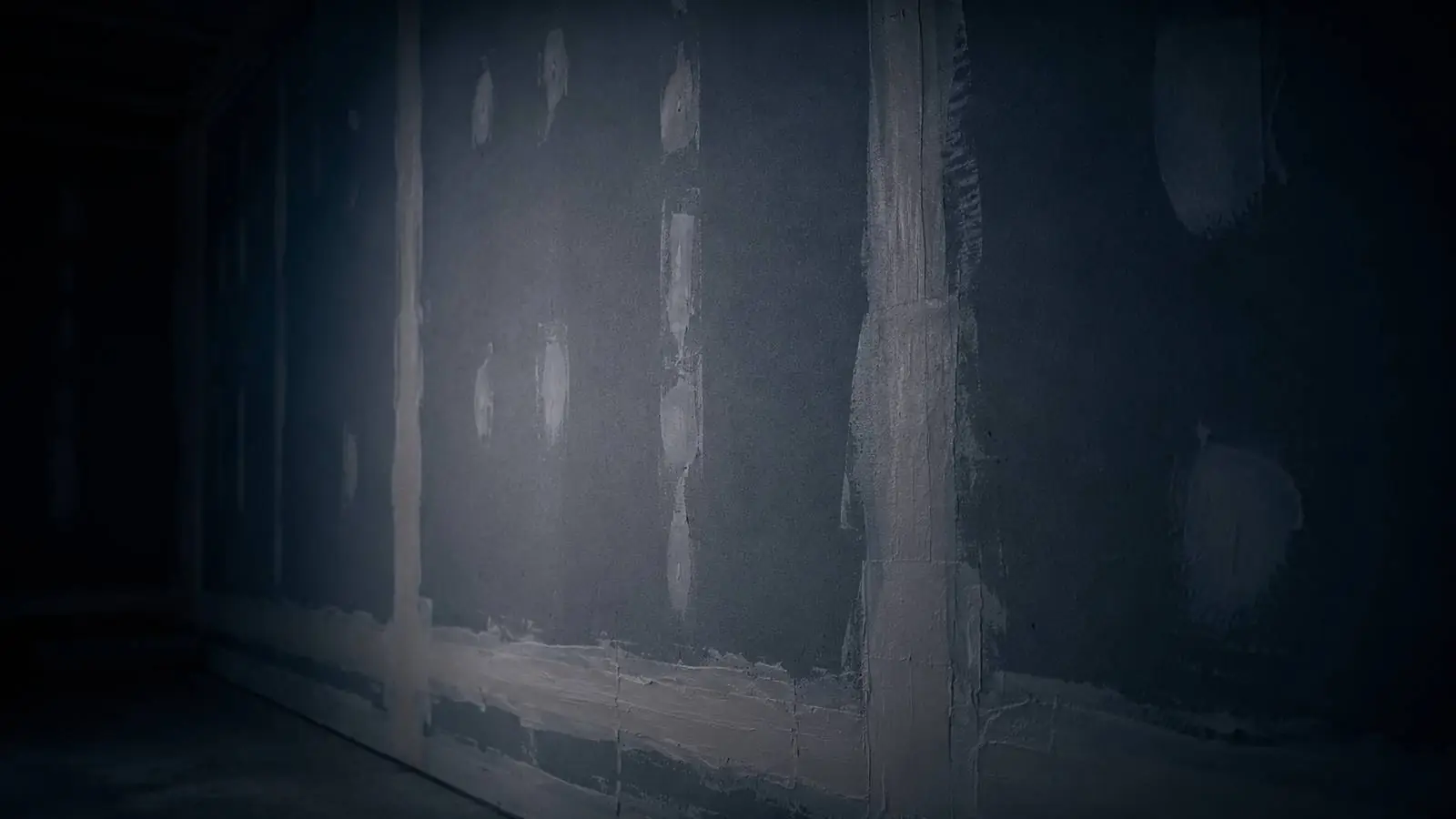
Plaster cracks in the houses below Crown Park, the stained vault in a Prune Hill great room, the knob hole and the move-out wall, patched and matched. Priced in writing on the call.
 BBBAccredited Business
Camas is two kinds of house and Kaminskiy Care and Repair repairs the walls in both. In the mill-town blocks below Crown Park the walls are lath and plaster from the 1900s to the 1930s, cracked along the lath and hollow where the keys have broken, and they are patched as plaster, with the paint in a pre-1978 house handled lead-safe by a certified firm. On Prune Hill and around Lacamas Lake the walls are newer drywall under tall ceilings, with a stain in the vault where the roof or the upstairs bath let go, settling cracks at the tall window corners and knockdown or smooth to match. Both get sound board or sound plaster, three coats, the finish matched and primer, with the price in writing on the call.
 Eight repairs, one crew, priced in writing before we start.
A century-old plaster wall and a twenty-foot great room ceiling are different jobs, and our technicians bring both: the bonding agent and the setting compound for the mill-town houses, the scaffold and the hopper for the hill. The lake fog and the shade keep the north walls of Camas damp into summer, so the meter comes out before the mud, every time.
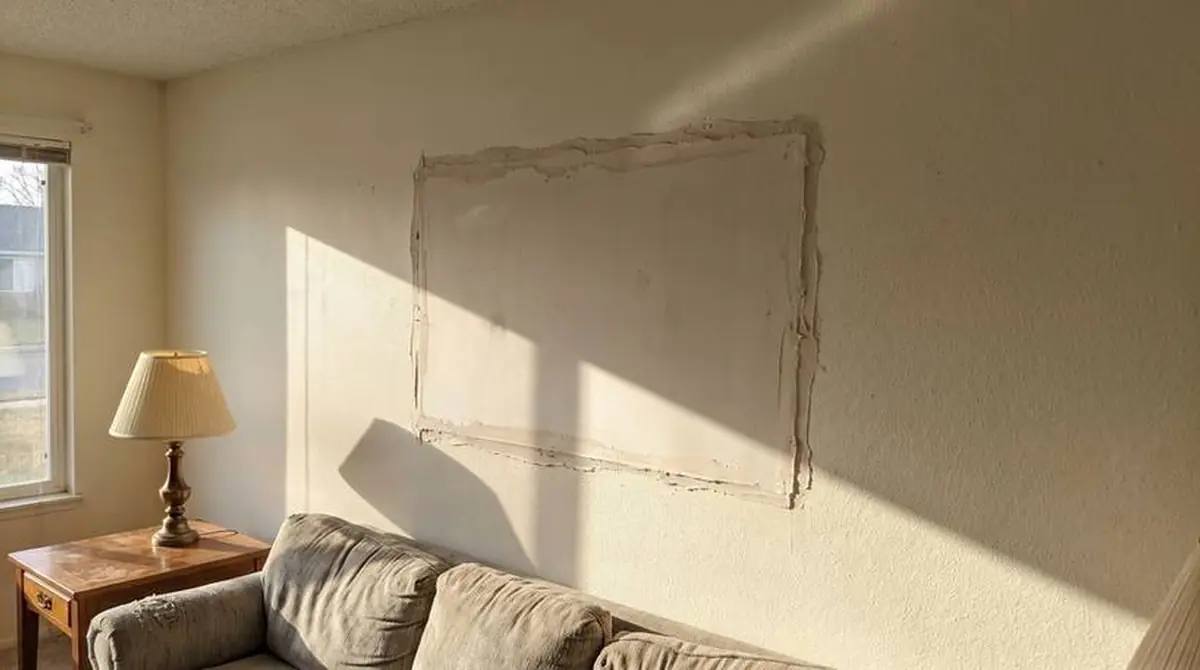
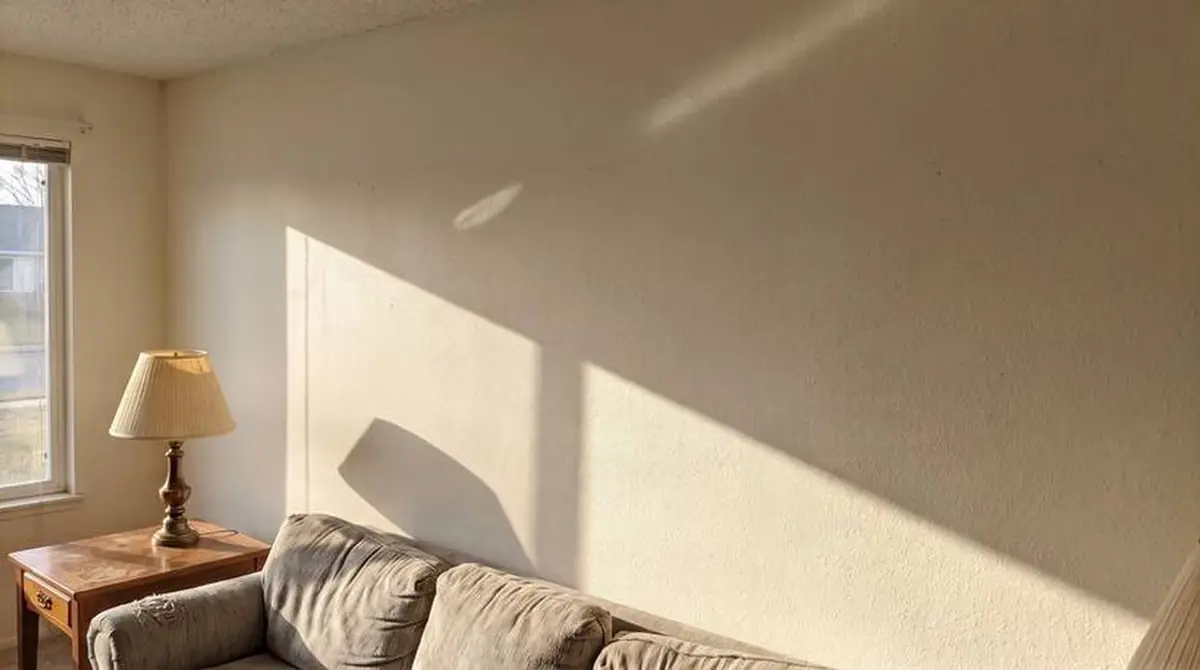 AFTERBEFORE
 Hole & Crack Repair
 Water Damage Repair
 Ceiling Repair
 Texture Matching
 Big Patches & Full Sheets
 Nail & Anchor Holes
 Corner Bead & Cracks
 Primed & Ready for Paint
Downtown or on the hill, say which house you have and the size against your hand, and a Kaminskiy-certified technician gives the price in writing on the call. A tall ceiling gets a look first; a plaster wall gets the plaster trade, not a drywall patch.

Priced and on the calendar during the first call.

A written quote you approve before anyone drives out.

One crew, truck stocked, warranty in writing.
A one-year workmanship warranty, in writing, on every Camas drywall repair.
The houses built for the paper mill carry lath and plaster, and plaster fails its own way: a crack along the lath, a section gone hollow where the keys broke, a corner that crumbles. The repair is a bonding agent, a setting compound pressed into the lath and a finish coat matched to the skim or the sand finish around it. A drywall patch screwed into plaster is the repair that fails. In a house built before 1978 the paint may carry lead, so the surface is handled lead-safe by a certified firm, which we build into the plan on the call.
Prune Hill, Lacamas Shores and the view streets have the great rooms and two-story entries of the 1990s and 2000s, and a ceiling over eight feet changes the job: scaffold or a taller ladder, more feather on a smooth finish, a longer dry time between coats. The stain in the vault is usually a roof flashing, an ice dam or the upstairs bath, and it waits for the roofer or the plumber. These are priced on the call after a look, and the price is still in writing before anything starts.
The lake fog sits on the north-shore streets until late morning and the firs keep whole walls in shade, so the drywall behind a north-facing window or at the base of a wall in a shaded room wicks damp and stains, and a bathroom without a fan that works grows a soft spot on the ceiling. The window or the flashing is sealed first and the wall reads dry on the meter before new board goes in. Dark growth bigger than a dinner plate is a licensed mold remediation company's job first, and we say so.
Downtown, a skim or a sand finish over plaster. The 1970s and 1980s streets, a light orange peel or a sprayed ceiling that gets tested before anyone sands it. The hill and the lake, knockdown from the 1990s and smooth or a light skip trowel in the newest and remodeled homes, which show every edge of a careless patch. Each is matched on a test board against the wall, and a smooth wall gets the wider feather and the raking-light check before primer.
Houses from the 1900s to the 1940s with lath and plaster walls, picture rail, wood-sash windows that let the rain in at the sill, and a hundred years of patches in three different materials. Plaster cracks along the lath and crumbles at the corners; the sill wall stains from the window. We patch plaster as plaster, dry the sill wall first, handle a pre-1978 surface lead-safe as a certified firm, and have a licensed contractor test an old sprayed ceiling before anyone touches it.
Homes from the 1990s and 2000s on steep lots with tall ceilings, two-story entries and big windows on the view side. The damage is settling cracks from the tall window corners as the fill side of the lot settles, the stain in the vault after a winter storm, and knockdown and smooth finishes that forgive nothing. Tall work is priced after a look; the finish gets the extra coat.
Planned streets from the 1990s to the 2010s under association standards: the upstairs bath over the family room, the north wall in the lake fog, nail pops down the stairwell, the garage wall that was never finished properly, and the turnover rental with anchor holes by the room. Matched texture, primer, and the association scheme untouched.
The same technicians work Camas from the Vancouver office twenty minutes down Highway 14, and the Vancouver drywall repair page carries the county-wide picture, the City of Vancouver permit rule and the water-damage paperwork in plain words.
Hold your hand over the damage and tell us: smaller than your hand, bigger than your hand, poster-sized, or a whole sheet. We price it on the call, in writing, in under ten minutes.
Water damage is repaired after the source is fixed. If the stain is still wet we tell you who fixes the leak, and we schedule the drywall for when it is dry.
Backing where it needs it, new board cut to fit, every seam taped, three coats of compound sanded smooth, your texture matched, then primer.
Dust contained and the room left clean. Most patches are finished in one visit; a full sheet may need a short second visit for the final coat, scheduled before we leave.
Camas says an interior remodel needs a permit depending on the scope, and the Building Department on NE 4th Avenue is the one to ask. The state residential code the city builds on draws the line for us: painting, papering and similar finish work need no permit and ordinary repairs no application, and a plaster or drywall patch, a replaced sheet or a ceiling repair in an existing wall is that. Moving a wall, adding an opening or touching framing is the scope the city means, and we say so before the job and put the permit in the written scope.
A sudden leak reported quickly is usually a covered loss; a stain that has been growing in the vault for two winters is what the state's insurance commissioner calls a maintenance problem, and the adjuster will ask when it started. Photograph the stain and the source the day you find them, report it, keep the roofer's or plumber's invoice, and we write the drywall scope as its own line. The source is fixed first, the ceiling dries and reads dry, then the board comes out.
A mill-town house built before 1978 may carry lead in its paint, and Washington runs its own rule for that: a firm disturbing painted surfaces in that house holds the state's lead-safe firm certification and works lead-safe as a certified firm. A ceiling sprayed or a wall mudded before about 1980 may carry asbestos, and a licensed contractor tests first; abatement, if it is needed, is that trade's job before our patch. Plaster itself is patched as plaster, and we tell you which wall you have on the first look.
Can't find your answer? Call 360-347-2002 and ask us anything.
Call 360-347-2002Usually within days from the Vancouver office, twenty minutes down Highway 14. The price is in writing on the call, and most drywall patches are finished in one visit; a plaster repair, a tall ceiling or a full sheet may need a short second visit for the final coat.
Yes, and as plaster: a bonding agent, a setting compound keyed into the lath, and a finish coat matched to the skim or sand finish around it. In a house built before 1978 the painted surface is handled lead-safe by a certified firm. A drywall patch screwed into plaster is the one that fails.
Yes, after the roofer or the plumber has fixed the source and the ceiling reads dry. A ceiling over eight feet is priced on the call after a look, because the scaffold, the feather on a smooth finish and the dry time between coats all change. The price is still in writing before anything starts.
Both. Knockdown is sprayed, waited and knocked down with the same width of knife the original finisher used; a smooth wall gets a wider feather, an extra coat and a check in raking light before primer, because a view window shows every edge. Our technicians test on a scrap board first.
A ceiling sprayed before about 1980 may carry asbestos, so a licensed contractor tests it before anyone scrapes or sands; if abatement is needed that trade does it before our repair. We never sand an untested older ceiling, and the step goes into the plan on the call.
By the size against your hand, whether water is involved and the wall has to dry first, the material and finish to match, and the ceiling height. Say those on the call, or text a photo, and the price is in writing in under ten minutes.
Not for a patch, a replaced sheet or a ceiling repair in an existing wall: the state code treats finish work and ordinary repairs as permit-free, and the city's scope question is about moved walls and new openings. If your job is one of those, we tell you first and the permit goes into the written scope.
All of Camas, downtown, Prune Hill, Lacamas Shores, North Shore, Camas Meadows, Grass Valley and Fern Prairie, plus Washougal, Fisher's Landing and east Vancouver. Call 360-347-2002 to confirm your address.
Describe the wall or ceiling, or text a photo, and we call back with a written price and a time. Calling is still faster: 360-347-2002.
Priced in writing before we start, matched to the wall, warranted in writing.
We answer in under three rings, 24/7.No price games. You get a clear written quote before any work begins, backed by our workmanship warranty.