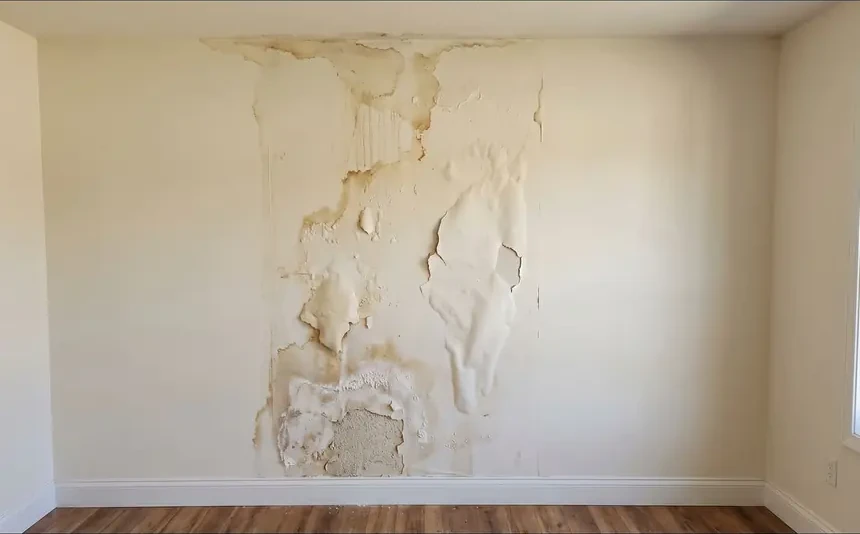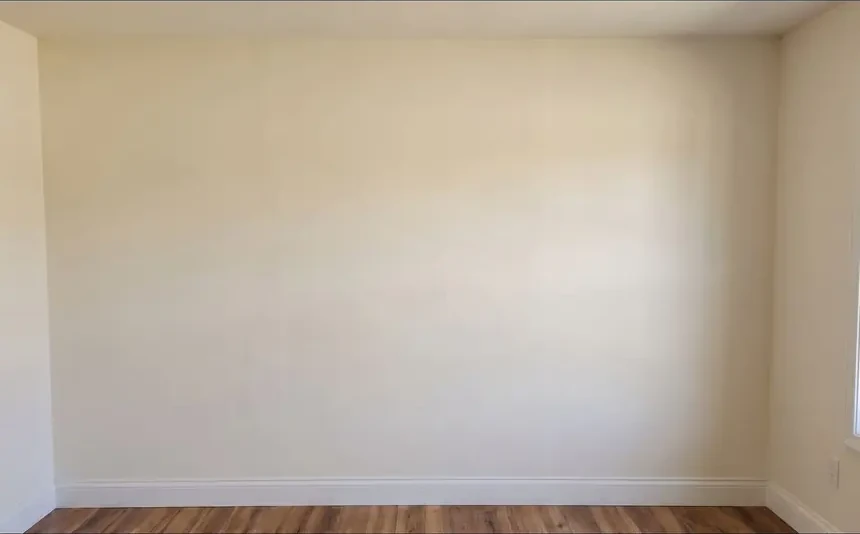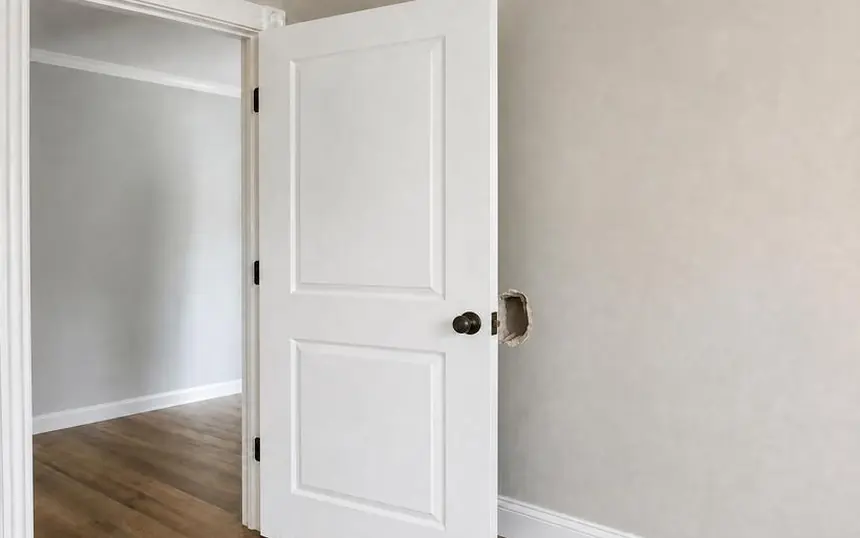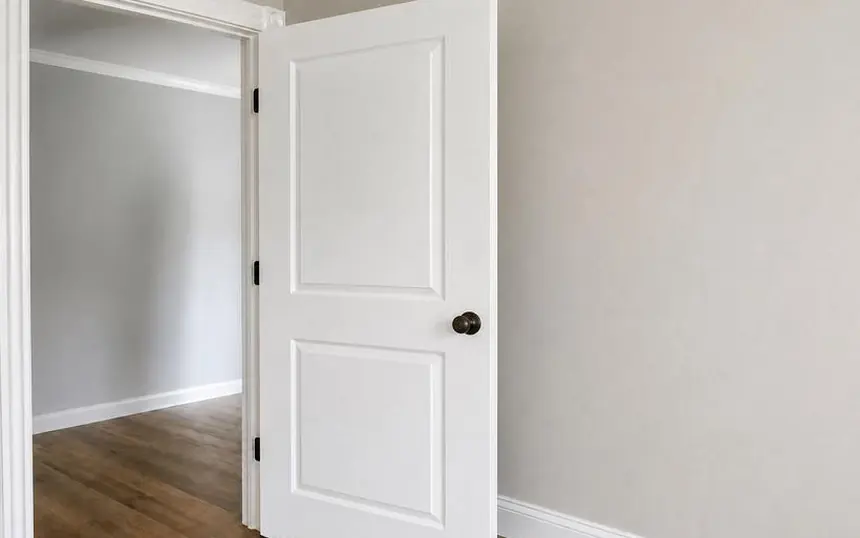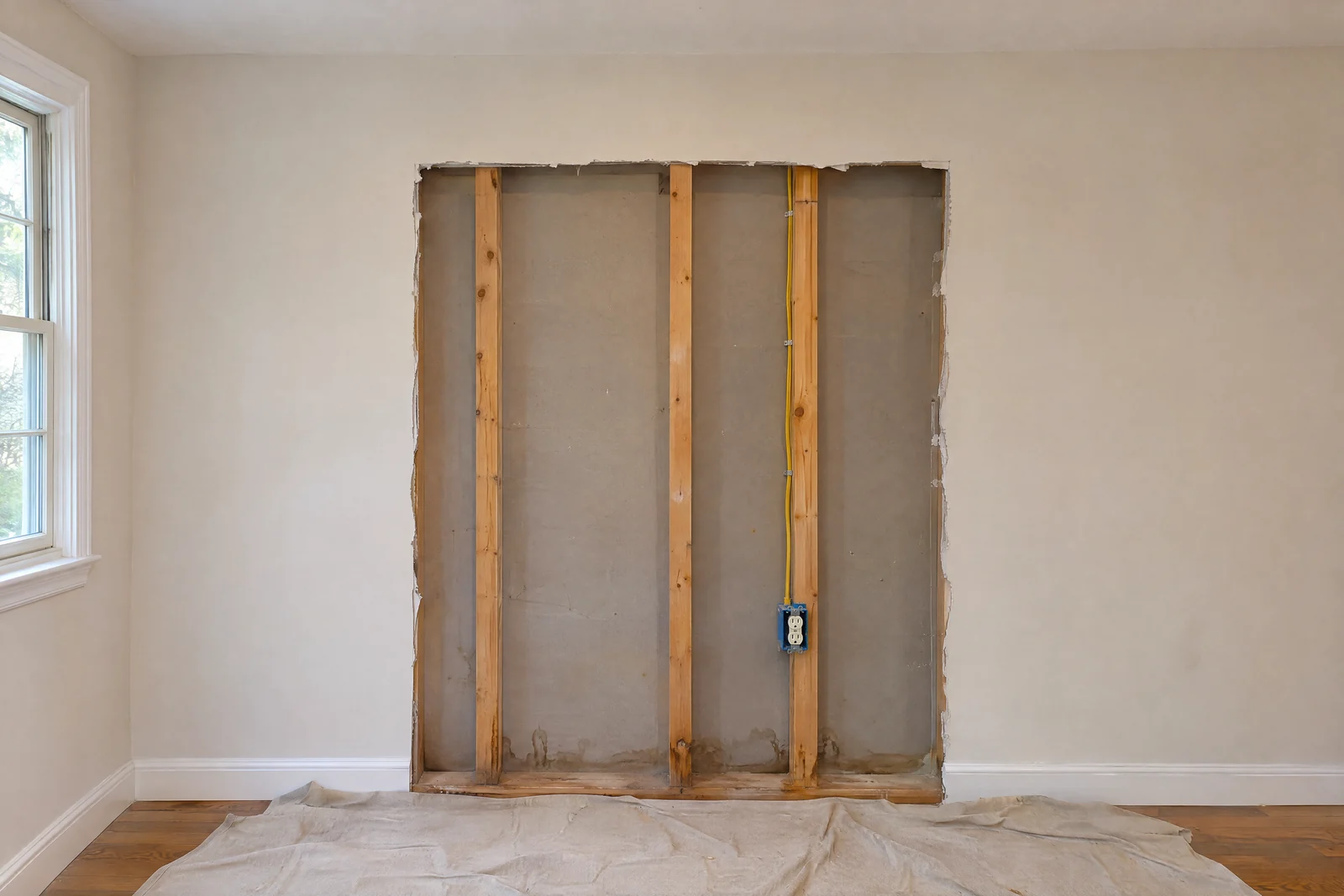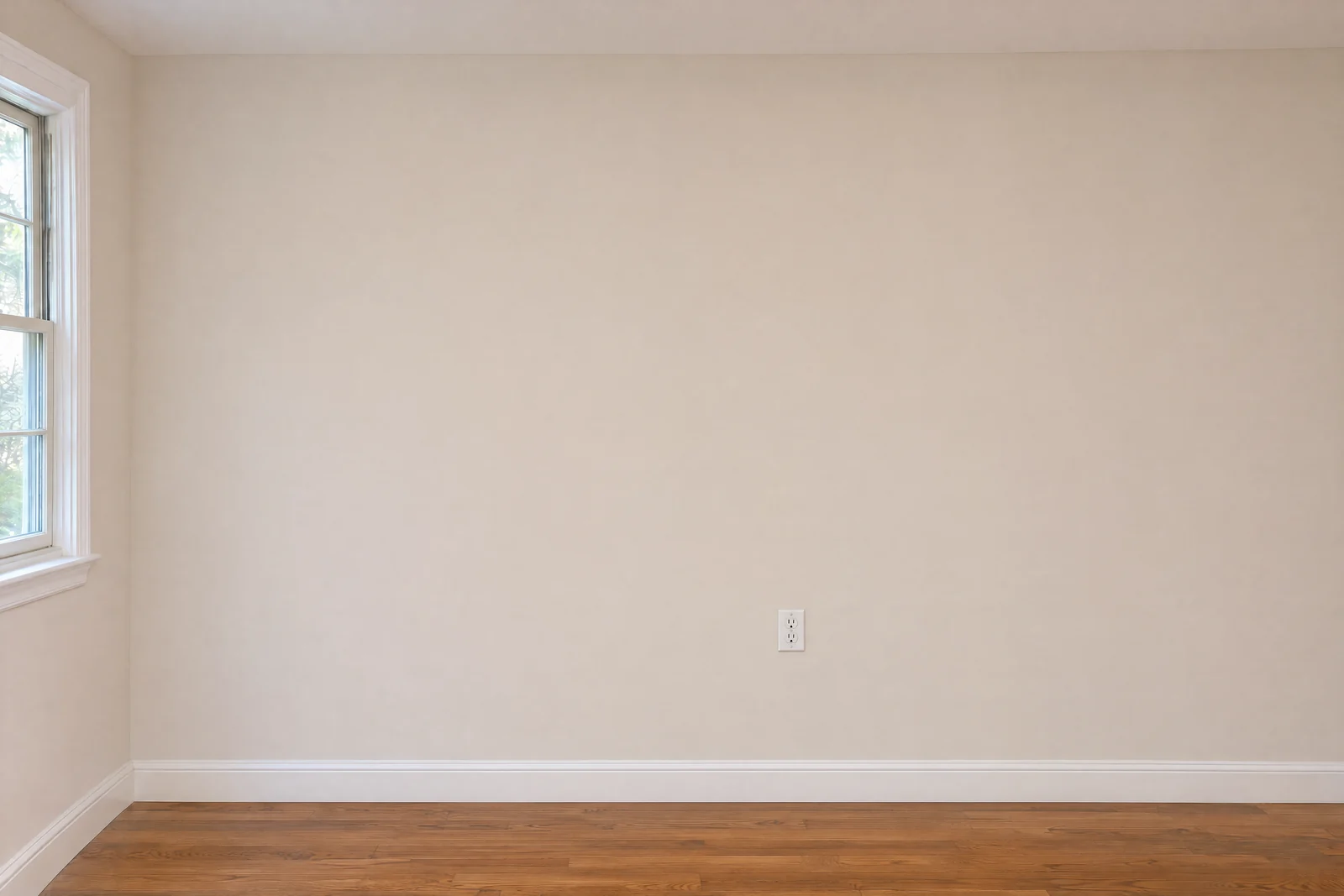
The 1960s ceiling with a water ring, tested before anyone touches it; the sill that sweats every winter; the knob hole and the addition seam, patched and matched. Priced in writing on the call.
 BBBAccredited Business
Hazel Dell is mid-century Clark County, ranches and split-levels from the 1950s to the 1970s, and Kaminskiy Care and Repair repairs the walls those seventy winters have left: the ring on a sprayed ceiling under a roof that lost a shingle, which gets tested by a licensed contractor before anyone scrapes it because a ceiling from before 1980 may carry asbestos; the stain under an aluminum window that sweats onto the sill every January; the soft bathroom ceiling over a shower that never had a fan; the crack along the seam where the 1970s addition meets the original house; the knob hole, the nail pops, the anchor holes after a tenant. Dried and metered first, then taped, three coats, the light finish matched and primed, with the price in writing on the call.
 Eight repairs, one crew, priced in writing before we start.
A house that has stood since Eisenhower has walls with history: the first drywall, a sprayed ceiling, three generations of patches and a paint film that may carry lead. Our technicians read the ceiling before they sand it, handle a pre-1978 surface lead-safe as a certified firm, match the light sprayed finish on a test board, and dry the sill wall before the new board goes in.
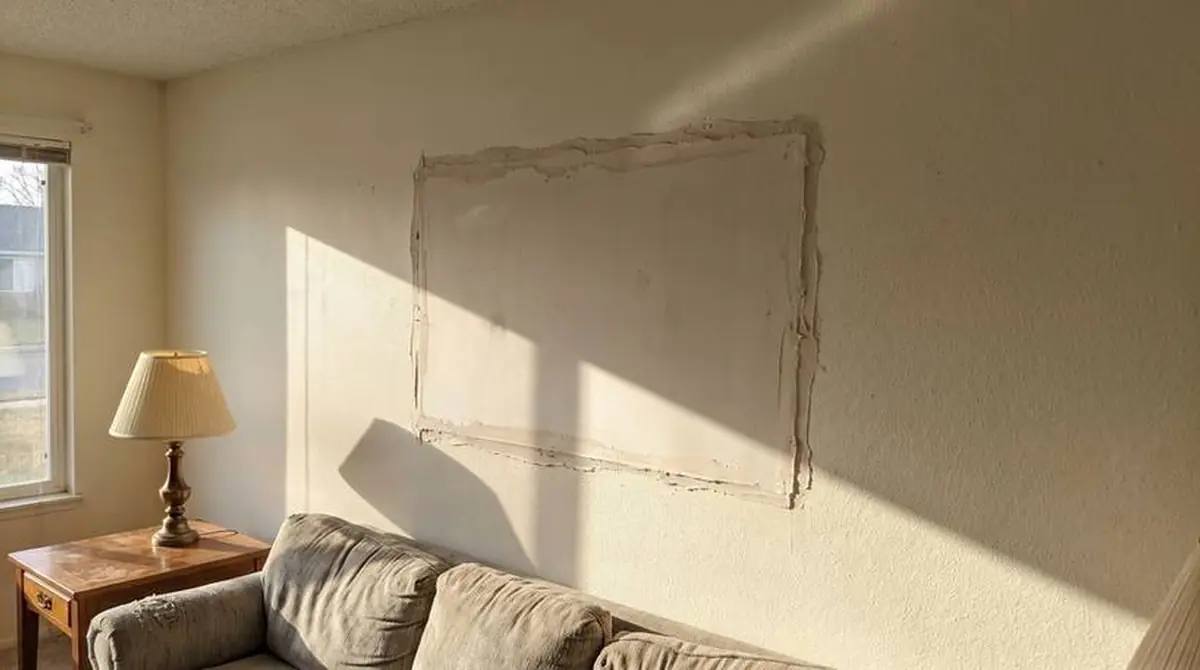
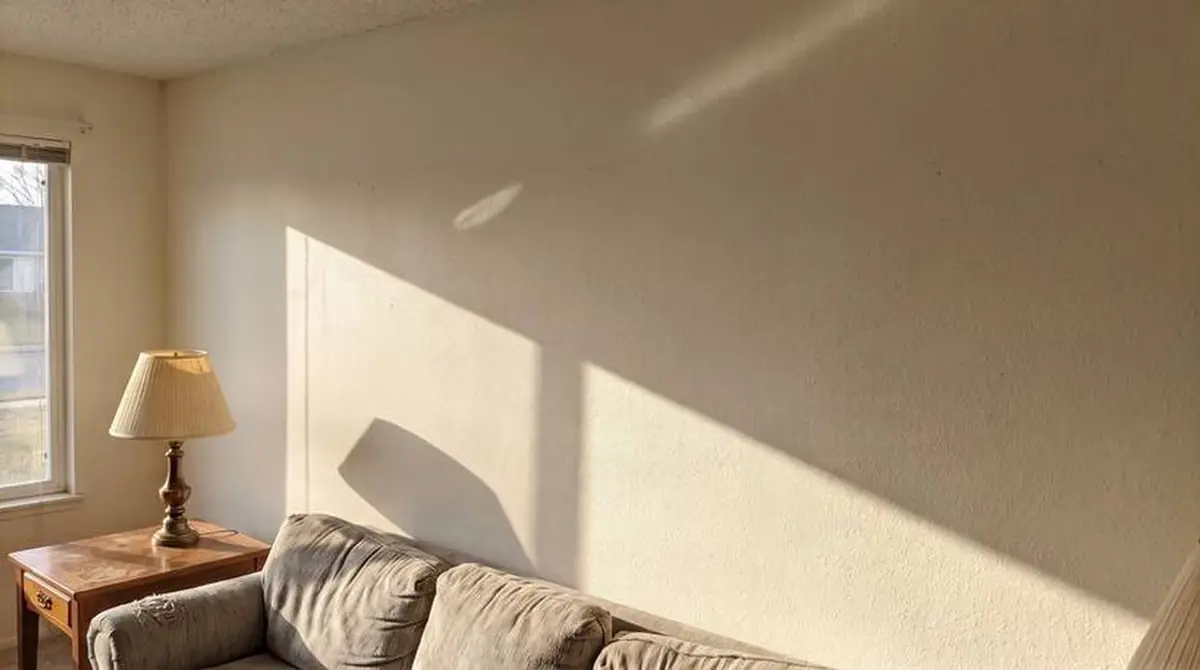 AFTERBEFORE
 Hole & Crack Repair
 Water Damage Repair
 Ceiling Repair
 Texture Matching
 Big Patches & Full Sheets
 Nail & Anchor Holes
 Corner Bead & Cracks
 Primed & Ready for Paint
None of this is unusual on a mid-century house and none of it fixes itself. A Kaminskiy-certified technician prices the patch on the call, in writing, from the office across I-5, and an older ceiling goes on the schedule after it is tested.

Priced and on the calendar during the first call.

A written quote you approve before anyone drives out.

One crew, truck stocked, warranty in writing.
A one-year workmanship warranty, in writing, on every Hazel Dell drywall repair.
Condensation as much as leaks. The single-pane aluminum windows of the 1950s to 1970s sweat all winter, the water runs onto the sill and into the drywall below it, and by March the paint has bubbled and the board is soft. Bathrooms without a fan that works put the same moisture on the ceiling over the shower. Add the leaks a seventy-year-old roof and gutter produce, and the ice dam in a cold snap. The window, the fan or the roof is the fix; we dry the wall, meter it and replace the board.
Most Hazel Dell ceilings were sprayed when the house was built, before 1980, and sprayed finishes and some joint compound from those years may carry asbestos. A licensed contractor tests a sample before anyone scrapes, sands or cuts, and abatement, if it is needed, is that trade's job before our patch. In a house built before 1978 the paint may carry lead, and Washington runs its own certification for firms that disturb it: the surface is handled lead-safe by a certified firm. Neither step is unusual here; both go into the plan on the call.
Half of Hazel Dell has an addition: a family room off the back, a garage turned into a bedroom, a second bath. The drywall where the addition meets the original house is two walls of two ages on two framings, and the seam cracks as they move differently. Caulk fails every year. The crack is taped with paper, filled, feathered wide and textured so it stays closed; if the seam keeps widening it is a foundation question for the addition, and we say so instead of patching it twice.
Smaller than your hand: a backed patch. Bigger than your hand and smaller than a laptop: a paper patch. Poster-sized: a framed backer and a new section. Soft from water, or anything larger: a full sheet on the studs with every seam taped. Three coats, sanding, the light sprayed or orange peel finish matched, primer. The 1960s drywall is half-inch, often with the old nails popping; we screw the new board and set the pops while we are there.
The oldest lots, with 1950s and 1960s ranches on the first drywall: sprayed ceilings that are tested before anyone touches them, aluminum windows that sweat onto the sill, paint that may carry lead and is handled lead-safe by a certified firm, and sixty years of patches to match. Light finishes, half-inch board, the old nail pops set while we are there.
Busy streets, rental houses and additions: the seam crack where the family room was added, the garage conversion with a wall that was never finished, the move-out wall with anchor holes by the room, the soft bathroom ceiling over a shower with no fan. Taped seams, matched finish, primed for the turnover paint.
Family streets from the 1960s to the 1980s with the first orange peel, the first two-story homes with a bath over the kitchen, and the newer infill with knockdown. The ceiling ring under the bath, the ice-dam stain at the eave in a cold snap, the knob hole in the hallway and the attached garage wall that has to go back with the right board.
Hazel Dell is served from the Vancouver office across I-5, and the Vancouver drywall repair page has the county-wide picture, the city permit rule and the water-damage paperwork in plain words.
Hold your hand over the damage and tell us: smaller than your hand, bigger than your hand, poster-sized, or a whole sheet. We price it on the call, in writing, in under ten minutes.
Water damage is repaired after the source is fixed. If the stain is still wet we tell you who fixes the leak, and we schedule the drywall for when it is dry.
Backing where it needs it, new board cut to fit, every seam taped, three coats of compound sanded smooth, your texture matched, then primer.
Dust contained and the room left clean. Most patches are finished in one visit; a full sheet may need a short second visit for the final coat, scheduled before we leave.
Hazel Dell is unincorporated, so Clark County issues the permits, and the county's own list says painting, carpeting, cabinets, countertops and similar finish work need none. A drywall patch, a replaced sheet or a ceiling repair in an existing wall is that finish work, and the state residential code the county builds on asks no application for an ordinary repair. Opening a wall between the house and an addition, removing a wall or touching framing is a question for the Permit Center on Franklin Street before the job, with the permit in the written scope when one applies.
Washington's insurance commissioner says home policies are for sudden disasters. A pipe that burst and was reported quickly is usually covered; a window that has sweated onto the sill for ten winters, or a roof that dripped for two, is treated as maintenance, and delaying the repair can cost the coverage. Photograph the stain and the source the day you find them, report it, keep the roofer's or plumber's invoice, and we write the drywall scope as its own line, after the wall is dried and metered.
Before anyone sands a Hazel Dell ceiling from before 1980, a licensed contractor tests it, because sprayed finishes and some joint compound of those years may carry asbestos; Washington requires that inspection before a renovation, and abatement is that trade's work before our patch. In a house built before 1978 the paint may carry lead, and a firm disturbing it holds the state's lead-safe firm certification and works as a certified firm. We build both into the plan on the call, and we never scrape an untested ceiling.
Can't find your answer? Call 360-347-2002 and ask us anything.
Call 360-347-2002Usually within days from the Vancouver office across I-5. The price is in writing on the call, and most patches are finished in one visit; an older ceiling goes on the schedule after it is tested, and a full sheet may need a short second visit for the final coat.
Not until it is tested. A ceiling sprayed before 1980 may carry asbestos, so a licensed contractor samples it first; if abatement is needed that trade does it before our repair. Then the roof is fixed, the ceiling dries and reads dry on the meter, and we replace the stained section, finish and prime it.
Usually condensation: a single-pane aluminum window sweats onto the sill and the water runs into the drywall below. A new window or a storm pane is the fix for the cause; once the wall reads dry on the meter we replace the stained board, match the finish and prime it so it holds paint.
Yes. The mid-century houses carry a light sprayed or sand finish that is sprayed finer and thinner than the later tracts, and we test it on a scrap board against your wall before texturing the repair. Orange peel and knockdown in the newer streets are matched the same way.
Mostly. Two framings of two ages move differently, so the seam cracks through caulk every year. Taped with paper, filled, feathered wide and textured, it stays closed. If the seam keeps widening year on year, the addition's foundation is the question, and we tell you that instead of patching it a second time.
Yes. One knob hole, one crack, a row of nail pops is a welcome call, and a rental with a room of nail and anchor holes is a menu item of its own, every hole filled flush and the room primed for the turnover paint.
Size against your hand, water and whether the wall has to dry first, the finish to match, the ceiling height, and whether an older ceiling needs a test before the work. Say which on the call, or text a photo, and the price is in writing in under ten minutes.
All of Hazel Dell, West Hazel Dell, the Highway 99 streets and NE Hazel Dell, plus Salmon Creek, Felida, Minnehaha, Lakeshore and Vancouver. Call 360-347-2002 to confirm your address.
Describe the wall or ceiling, or text a photo, and we call back with a written price and a time. Calling is still faster: 360-347-2002.
Priced in writing before we start, matched to the wall, warranted in writing.
We answer in under three rings, 24/7.No price games. You get a clear written quote before any work begins, backed by our workmanship warranty.