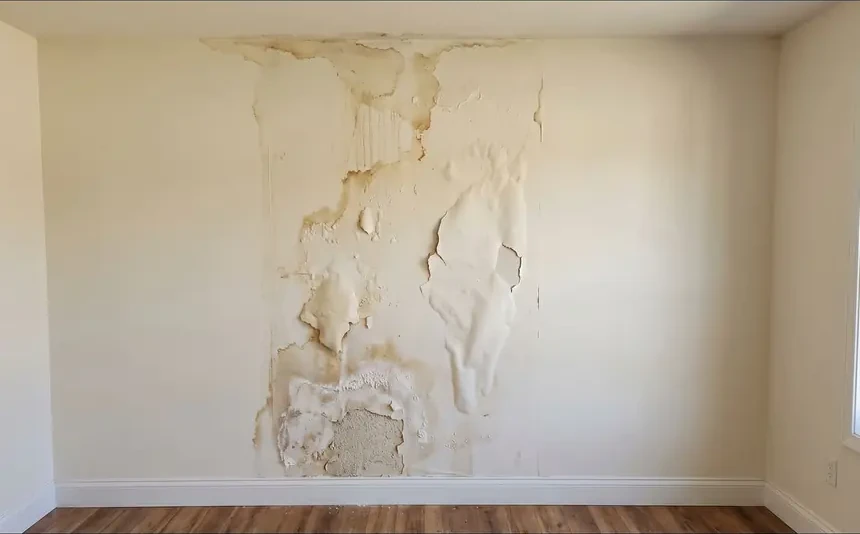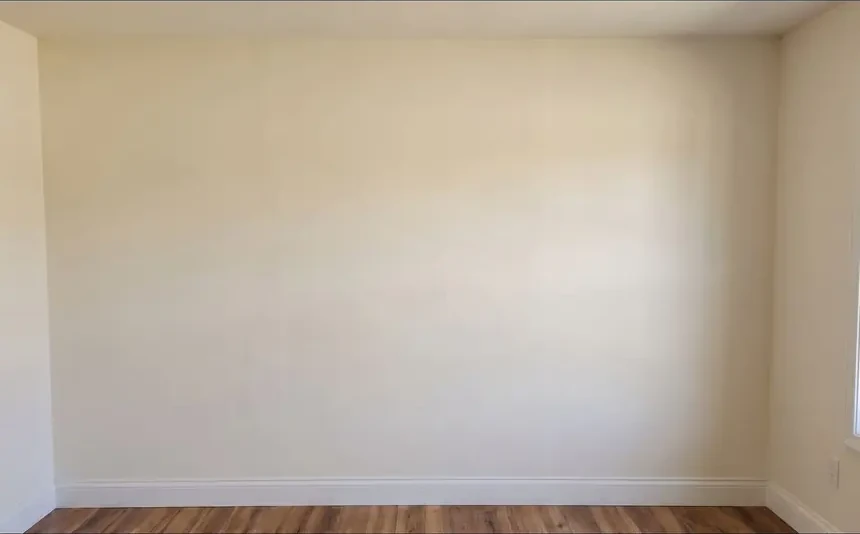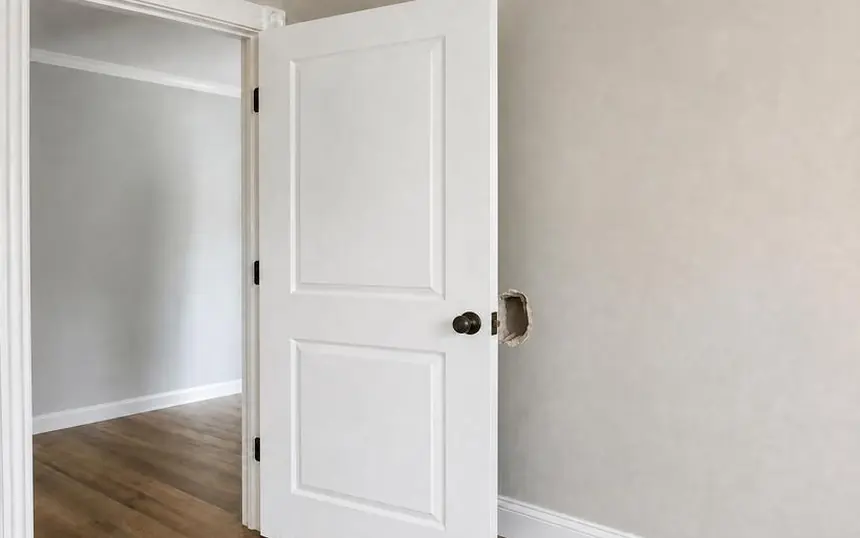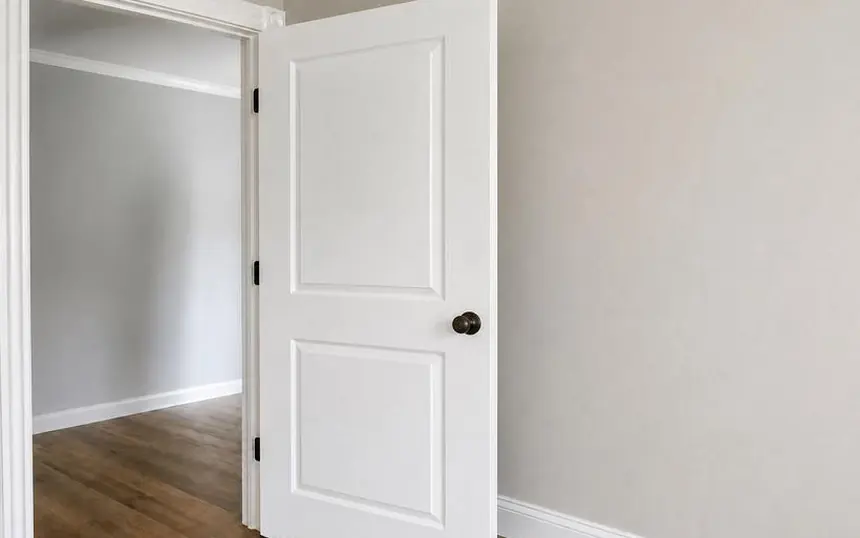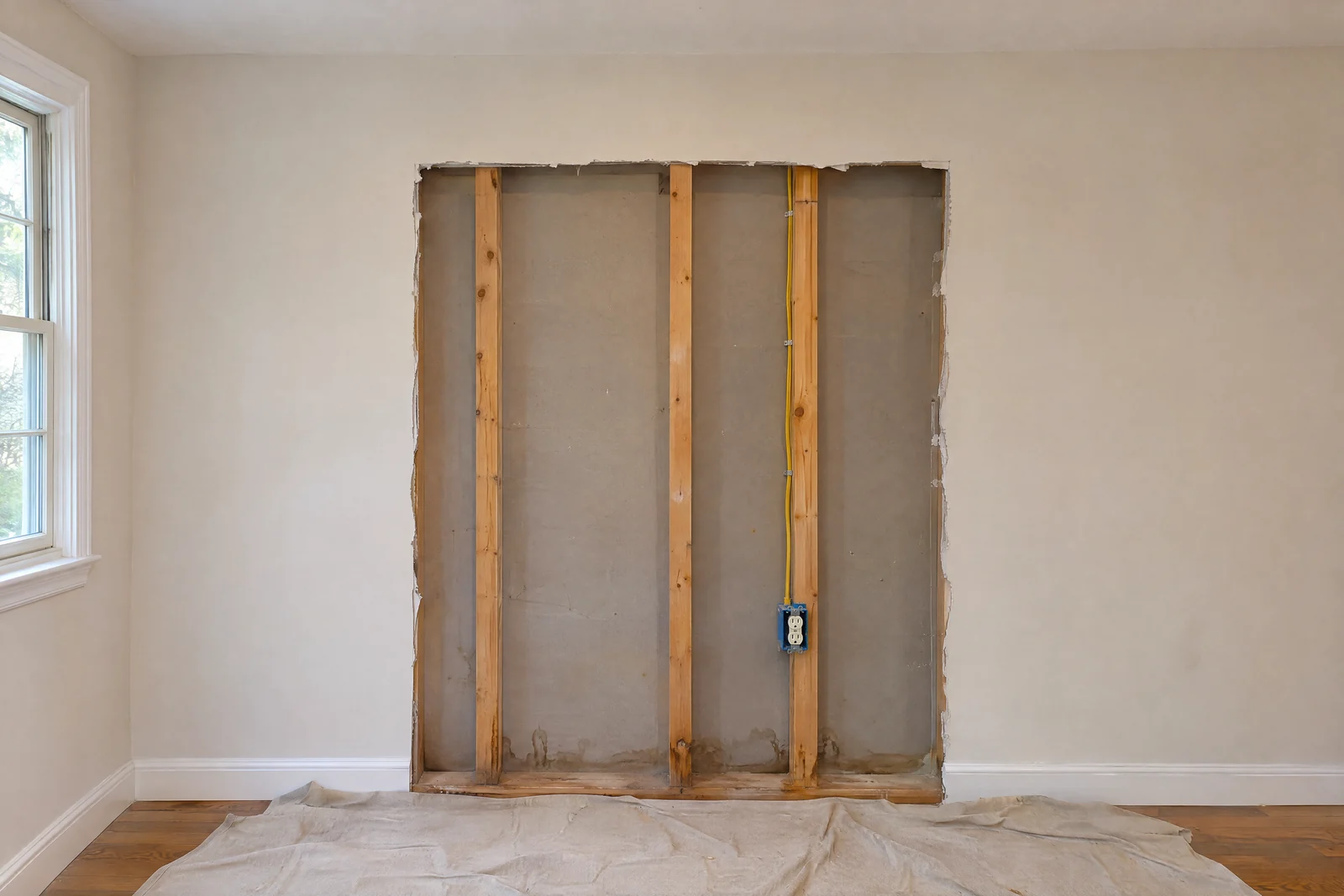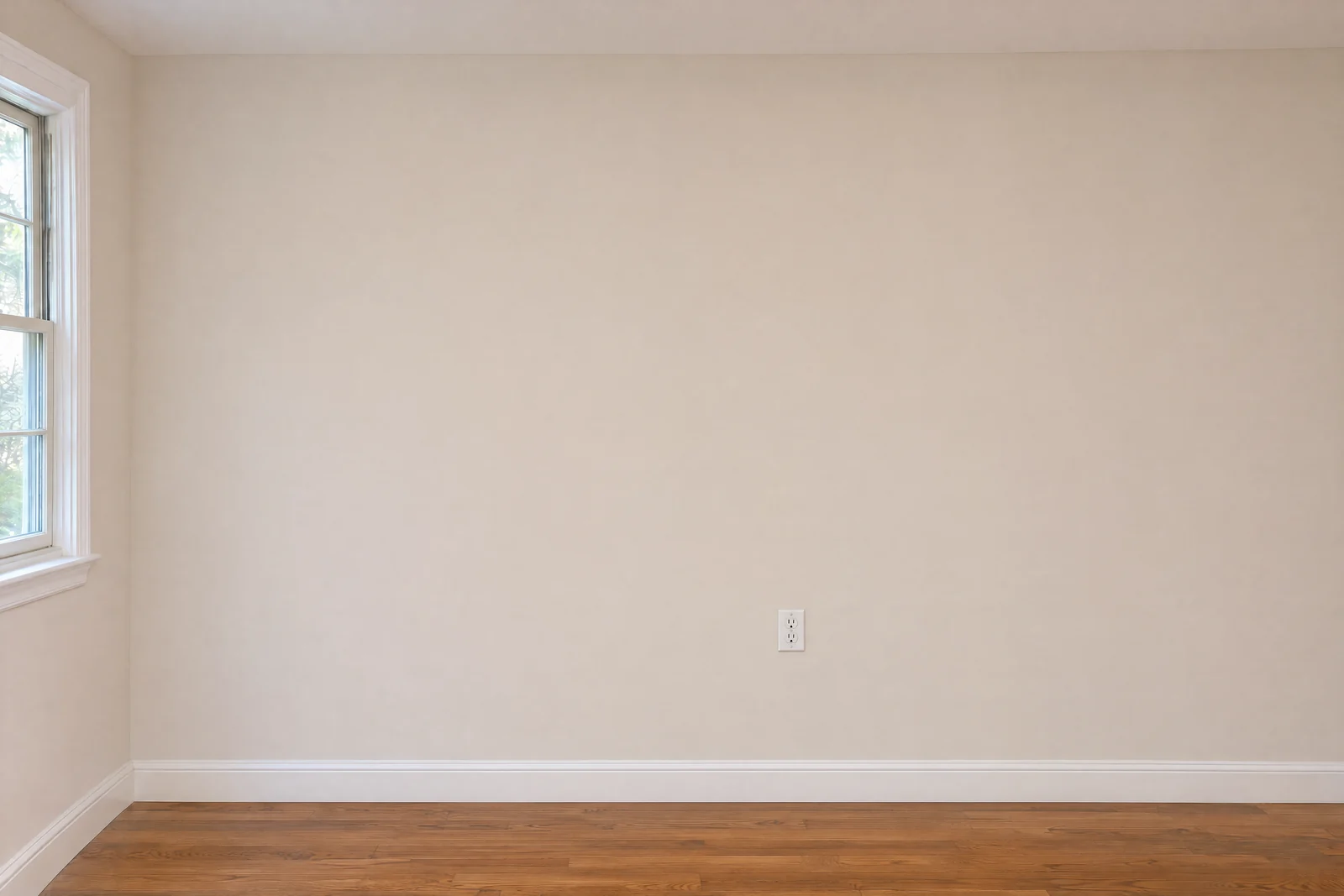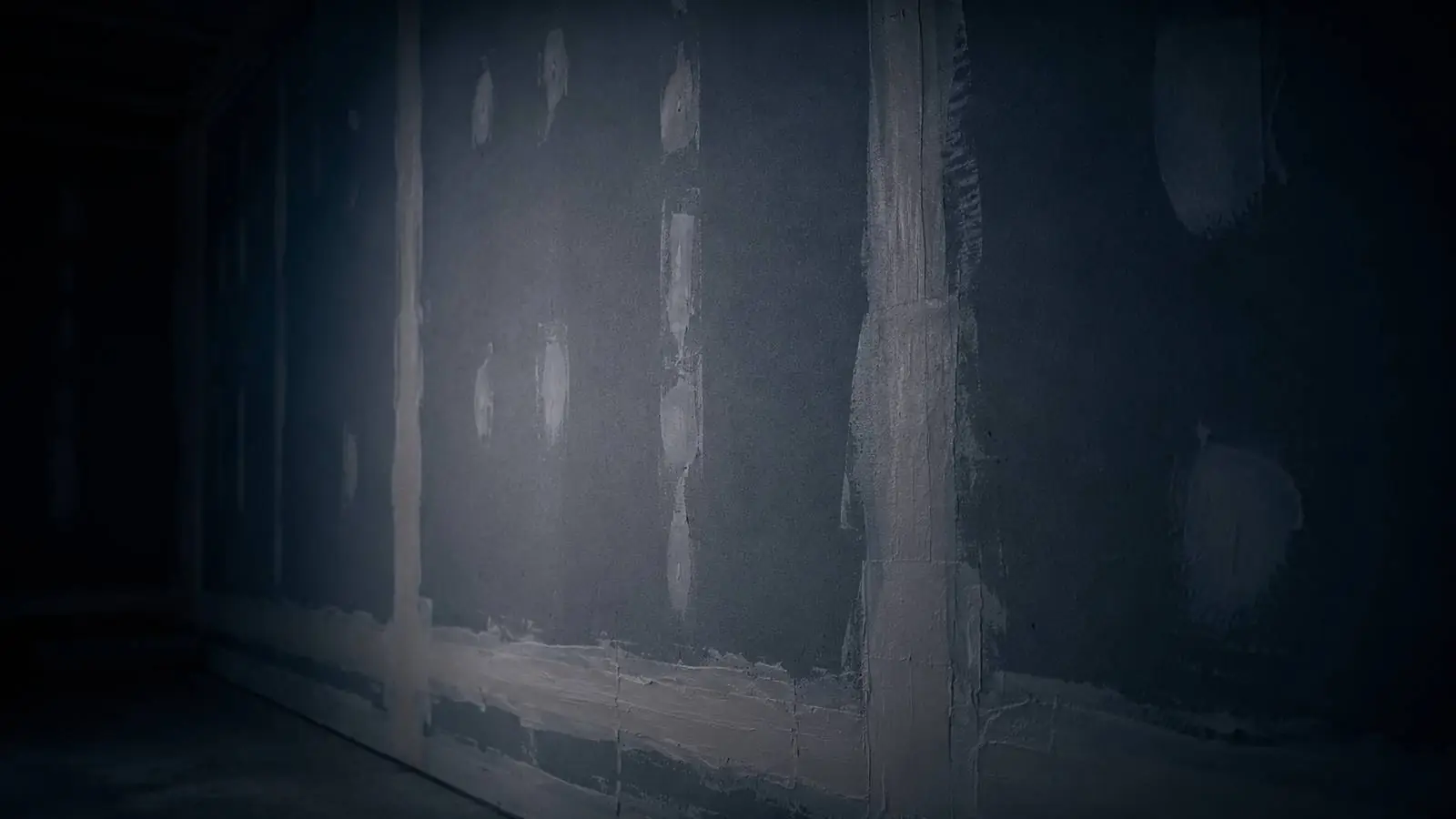
The damp wall on the low streets, the sill stain under a wood-clad window, the crack along the upstairs ceiling and the knob hole, patched, textured and primed. Priced in writing on the call.
 BBBAccredited Business
Salmon Creek was built mostly in the 1980s, 1990s and 2000s in subdivisions that put the same wood-clad windows, the same trusses and the same orange peel on every lot, and the creek that names the place keeps the low streets damp most of the year. Kaminskiy Care and Repair repairs the drywall that follows: the stain under a window sill where the cladding let water into the wall, the soft board at the base of a wall over a crawlspace that never dries, the crack along the upstairs ceiling line that opens every August, the ring under the hall bath, the knob hole, the nail pops, the anchor holes after a lease. A wet wall is dried and metered before new board; then tape, three coats, the texture matched on a test board, primer. Price in writing on the call, from the office in Vancouver.
 Eight repairs, one crew, priced in writing before we start.
Subdivision walls fail from house to house in the same way, so the repair that fixes yours has usually been done on your neighbor's: the sill wall below a wood-clad window, the ceiling line under a lifting truss, the garage wall that was never finished to code. Our technicians match the orange peel of the 1980s and 1990s streets and the knockdown of the newer ones on a scrap board first, and the moisture meter decides when a wet wall is ready.
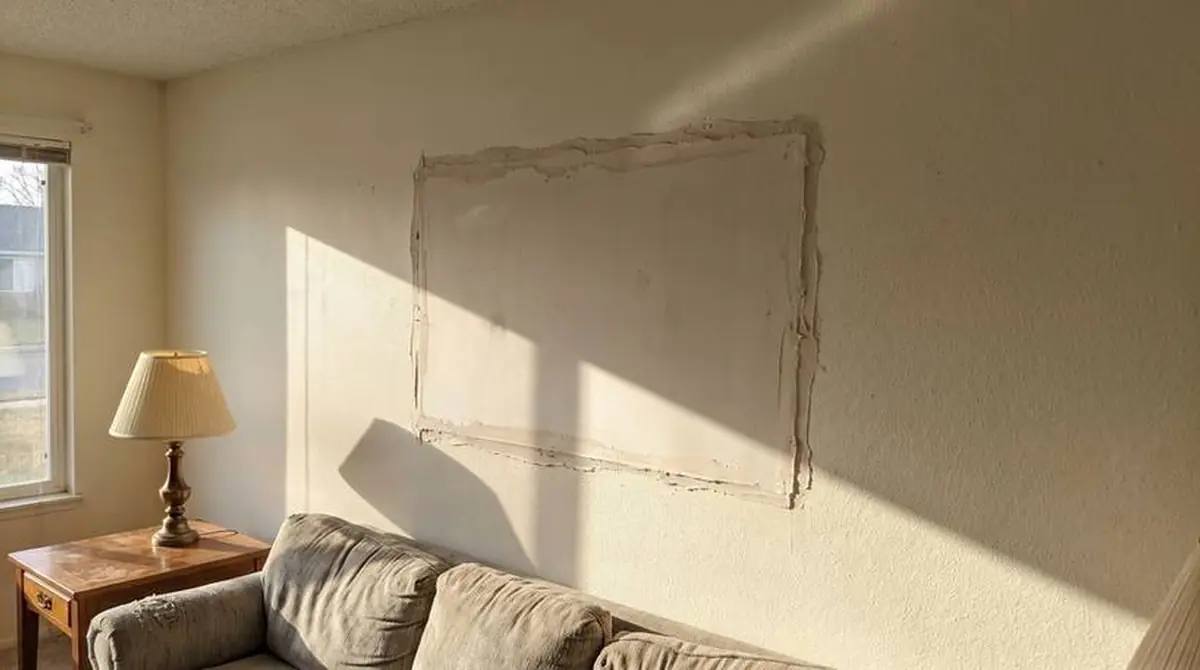
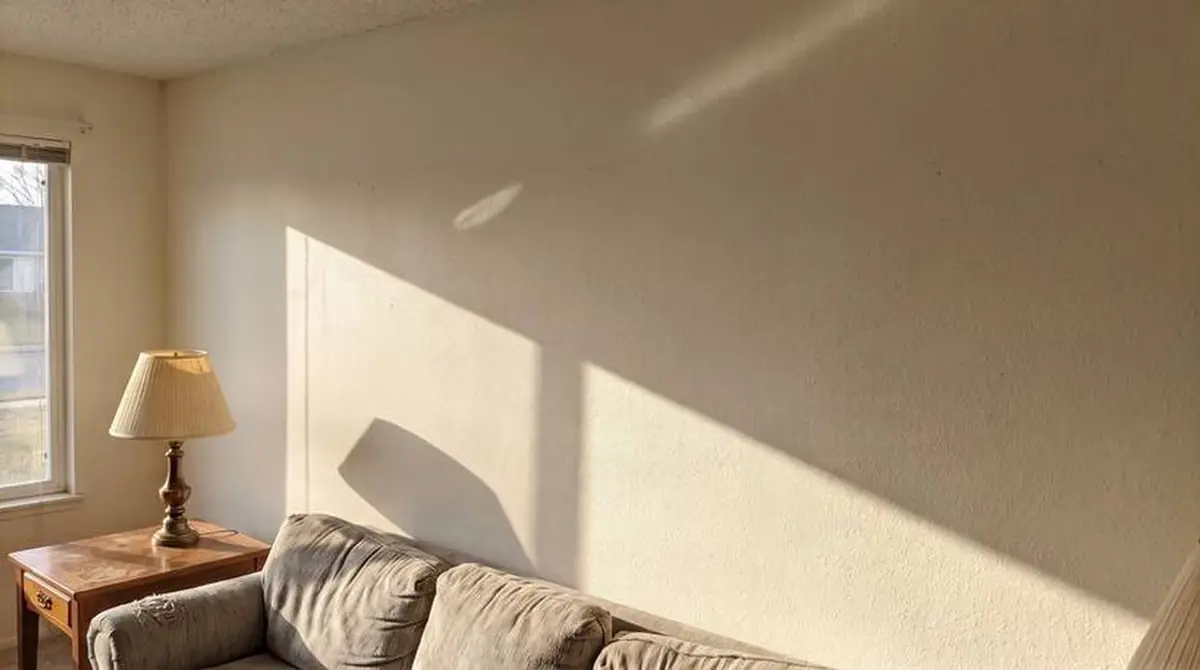 AFTERBEFORE
 Hole & Crack Repair
 Water Damage Repair
 Ceiling Repair
 Texture Matching
 Big Patches & Full Sheets
 Nail & Anchor Holes
 Corner Bead & Cracks
 Primed & Ready for Paint
Low ground by the creek or a planned street above it, each of these is routine for our technicians, and the office is a few minutes down I-5. Say the size against your hand on the call and the price is in writing before anyone comes out.

Priced and on the calendar during the first call.

A written quote you approve before anyone drives out.

One crew, truck stocked, warranty in writing.
A one-year workmanship warranty, in writing, on every Salmon Creek drywall repair.
Damp ground and builder details. The creek, Klineline Pond and the greenway keep the air on the low streets wet most of the year, the crawlspaces under those houses stay damp into June, and the damp wicks into the base of the exterior walls. Above ground, the 1980s and 1990s wood-clad windows let water in at the corner of the sill, and it runs into the wall below. The crawlspace drainage or the window is another trade's fix; once the framing reads dry on the meter we replace the board and match the texture.
The North Salmon Creek streets of the 1980s and 1990s carry a medium orange peel on half-inch board, the 2000s subdivisions toward the university a knockdown, and the remodeled kitchens smooth. Matching orange peel is the mix, the pressure and the distance from the wall; matching knockdown is the wait before the knife. Our technicians spray a test on a scrap board, compare it against the wall in raking light, then texture the repair and feather it past the edge.
Engineered roof trusses arch upward as their top chords dry in the attic heat of late summer, lifting the ceiling drywall off the upstairs walls, and the tape at that corner cracks in August and closes in winter through any amount of caulk. The repair that lasts lets the corner move: the ceiling board fastened away from the wall, or a crown line over the joint. We explain which suits your ceiling on the call, and the patch is textured and primed like any other.
Smaller than your hand: a backed patch. Bigger than your hand, up to a laptop: a paper patch. Poster-sized: a framed backer and a new section. Soft from water, or anything larger: a full sheet on the studs with every seam taped. Three coats, sanding, texture and primer are the same on all four, and a two-story entry over eight feet is priced on the call after a look. The spackle-and-paint patch from the hardware store skips every step, which is why it shows.
The lowest and dampest streets: crawlspaces that stay wet most of the year, north walls near the water and the trail, and the drywall that wicks at the base of the wall and stains below the sills. The crawlspace and the flashing are fixed by their trades; we dry the wall, meter the framing, replace the bottom of the board and match the orange peel so the repair disappears.
Family streets from the 1980s and 1990s with wood-clad windows, orange peel, trusses that lift the upstairs ceiling tape in August, the hall bath over the kitchen and the knob holes of thirty years of kids. The sill stain, the ceiling-line crack, the ring under the bath and the garage wall that has to go back with the right board.
Association streets from the 2000s with knockdown and smooth finishes, two-story entries over eight feet priced after a look, second-floor laundries over the family room, and the rental turnovers near the campus with anchor holes by the room. The association scheme untouched; the repair leaves primed for the matching color.
Salmon Creek is served from the Vancouver office down I-5, and the Vancouver drywall repair page carries the county-wide picture, the city permit rule and the water-damage paperwork in plain words.
Hold your hand over the damage and tell us: smaller than your hand, bigger than your hand, poster-sized, or a whole sheet. We price it on the call, in writing, in under ten minutes.
Water damage is repaired after the source is fixed. If the stain is still wet we tell you who fixes the leak, and we schedule the drywall for when it is dry.
Backing where it needs it, new board cut to fit, every seam taped, three coats of compound sanded smooth, your texture matched, then primer.
Dust contained and the room left clean. Most patches are finished in one visit; a full sheet may need a short second visit for the final coat, scheduled before we leave.
Salmon Creek is unincorporated Clark County, which means the county issues the permits, and the county's own list says painting, carpeting, cabinets, countertops and similar finish work need none. A drywall patch, a replaced sheet or a ceiling repair in an existing wall is that finish work, and the state residential code the county builds on asks no application for an ordinary repair. A new opening, a removed wall or any change to framing is the job we ask the Permit Center on Franklin Street about first, with the permit in the written scope when one applies.
Washington's insurance commissioner draws the line at sudden: a supply line that burst and was reported quickly is usually covered; a window that has leaked into the wall for several winters, or a damp crawlspace that has wicked for years, is a maintenance problem in the adjuster's eyes, and delaying the repair can cost the coverage. Photograph the stain and the source the day you find them, report it, keep the plumber's or window crew's invoice, and we write the drywall scope as its own line after the wall is dried and metered.
The wall between the house and the attached garage, and the garage ceiling under a bedroom, are fire separation under the residential code Washington adopts: half-inch gypsum board on the garage side, five-eighths Type X on the ceiling under a living space, and the unfinished garage-side patches we see on these streets did not keep that. A full-sheet repair there goes back with the same board, taped and finished. The associations on the newer streets need no form for interior drywall; a shared wall in the attached products is the declaration's business, and we write the scope so the board can read it.
Can't find your answer? Call 360-347-2002 and ask us anything.
Call 360-347-2002Usually within days from the Vancouver office a few minutes down I-5. The price is in writing on the call, and most patches are finished in one visit; a sill wall that had to dry first or a full sheet may need a short second visit for the final coat.
Not until the window stops letting water in: the cladding joint at the sill corner is usually where it gets in, and the window crew seals or replaces it. Then the wall cavity dries and reads dry on the meter, the stained board comes out, new board goes in, textured and primed. Patched wet, the stain is back by spring.
Truss lift. The roof trusses arch as they dry in the attic heat and pull the ceiling off the wall, so the tape cracks every August through any amount of caulk. A corner that can move, or a crown line over the joint, is the fix that holds, and we explain which suits your ceiling on the call.
Yes. We test the mix and the pressure on a scrap board against your wall before texturing the repair, then feather it past the edge so there is no line. Knockdown on the newer streets is matched the same way, with the wait before the knife timed on the test board.
On the creek side, often. Damp under the house wicks into the base of an exterior wall, usually on the shaded side. The crawlspace drainage, vents or vapor barrier are another trade's fix; once the framing reads dry we replace the bottom of the board, match the texture and prime it.
Yes: half-inch gypsum on the garage side, five-eighths Type X on a garage ceiling under a living space, taped and finished. That is what the code asks for the fire separation, and a full-sheet repair there goes back the same way.
Size against your hand, water and whether the wall still has to dry, the texture to match, and the ceiling height. Say which on the call, or text a photo of the worst spot, and the price is in writing in under ten minutes.
All of Salmon Creek, Klineline Pond, North Salmon Creek and the NE 134th Street streets, plus Felida, Hazel Dell, Ridgefield, Battle Ground and Vancouver. Call 360-347-2002 to confirm your address.
Describe the wall or ceiling, or text a photo, and we call back with a written price and a time. Calling is still faster: 360-347-2002.
Priced in writing before we start, matched to the wall, warranted in writing.
We answer Monday to Friday, 8 to 4:30.No price games. You get a clear written quote before any work begins, backed by our workmanship warranty.