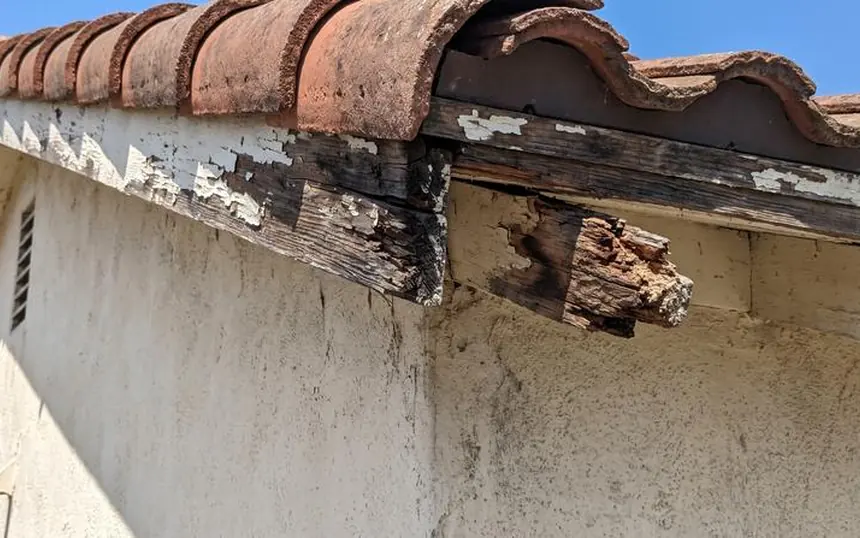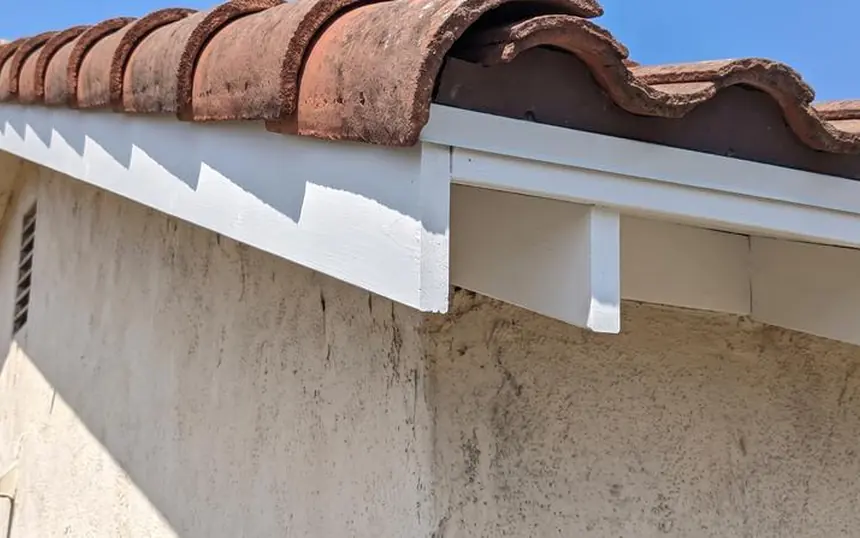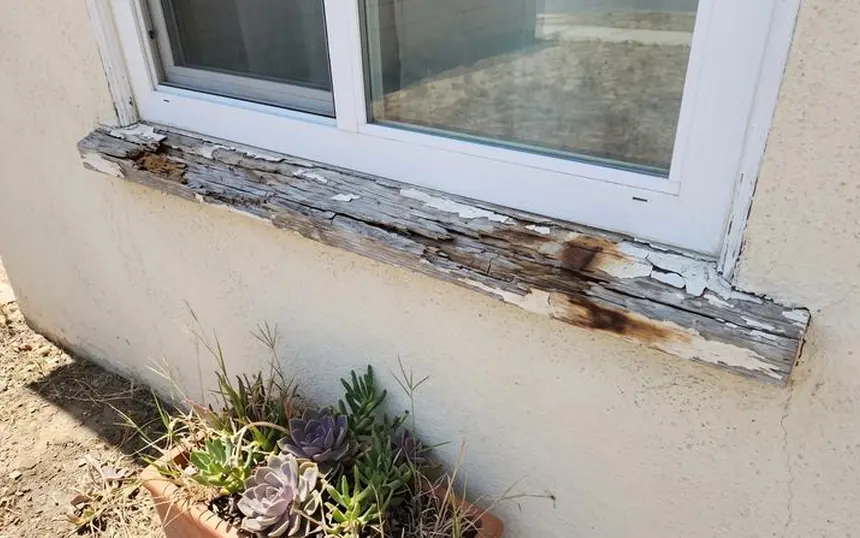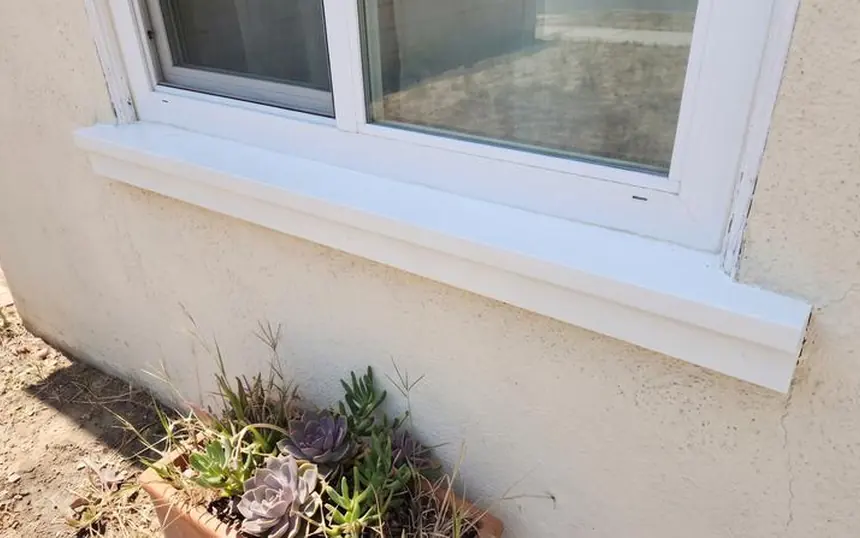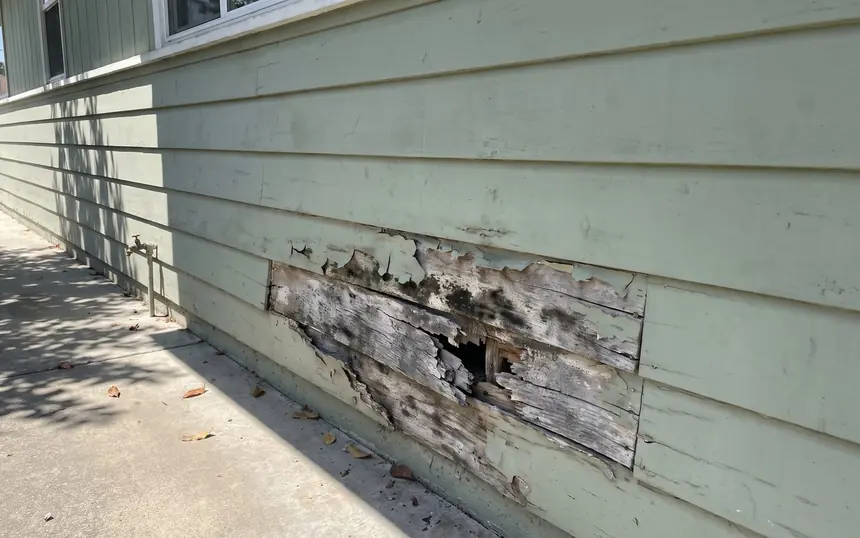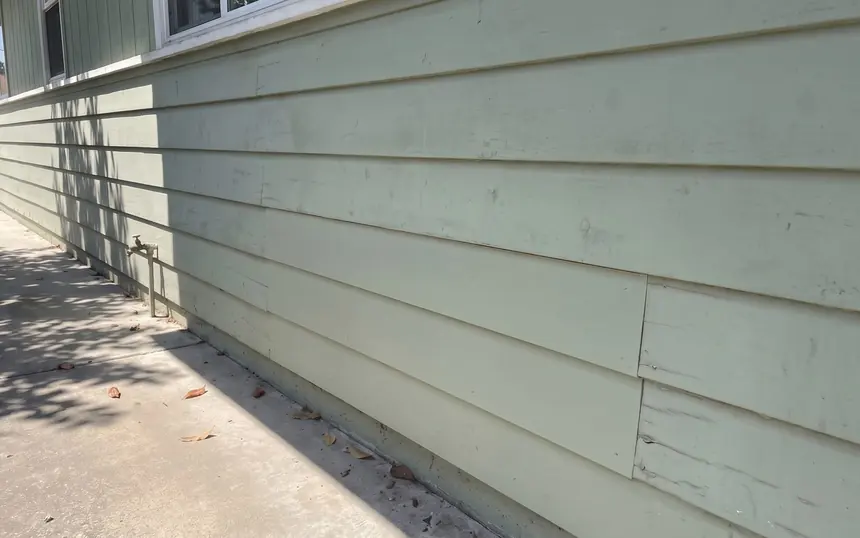
Siding, sills, trim, deck boards and railing posts cut out and rebuilt with sound wood, matched to the house or the HOA scheme. Priced in writing before we start.
 BBBAccredited Business
Camas is two kinds of house, and Kaminskiy Care and Repair rebuilds the rot in both: the cedar siding, porch posts and wood-sash sills on the mill-town streets below Crown Park, and the engineered siding, wood-clad sills and view decks on Prune Hill and around Lacamas Lake, where the lake fog and the shade keep the north and east walls wet into summer. Cut back to sound wood, rebuilt with the same profile, primed on every face, painted and sealed, with the gutter, the flashing or the grade fixed. A licensed pest company handles the carpenter ants and dampwood termites; the carpentry is ours. The price is in writing before anything starts.
 Eight repairs, one crew, priced in writing before we start.
Camas sits in the hills at the mouth of the Gorge, and the hills decide where it rots: the steep Prune Hill lots with decks hanging over the slope, the lake-side streets in fog until noon, the downtown blocks with a century of cedar. We cut back to sound wood, rebuild, prime, paint and seal, and fix what let the water in.
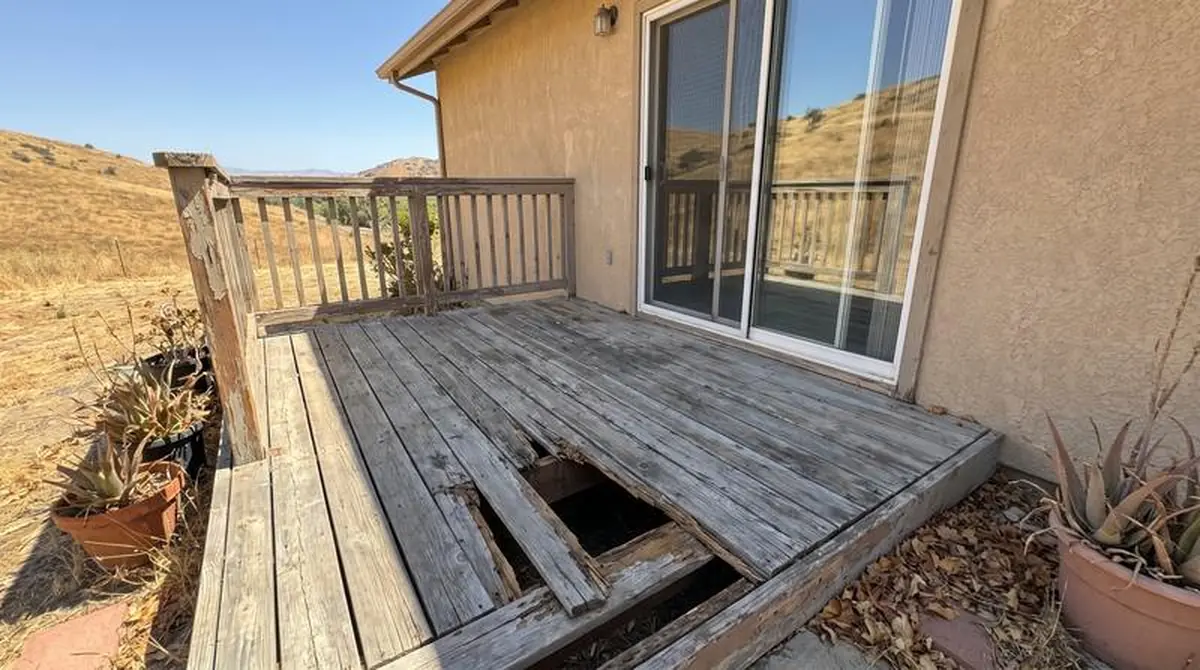
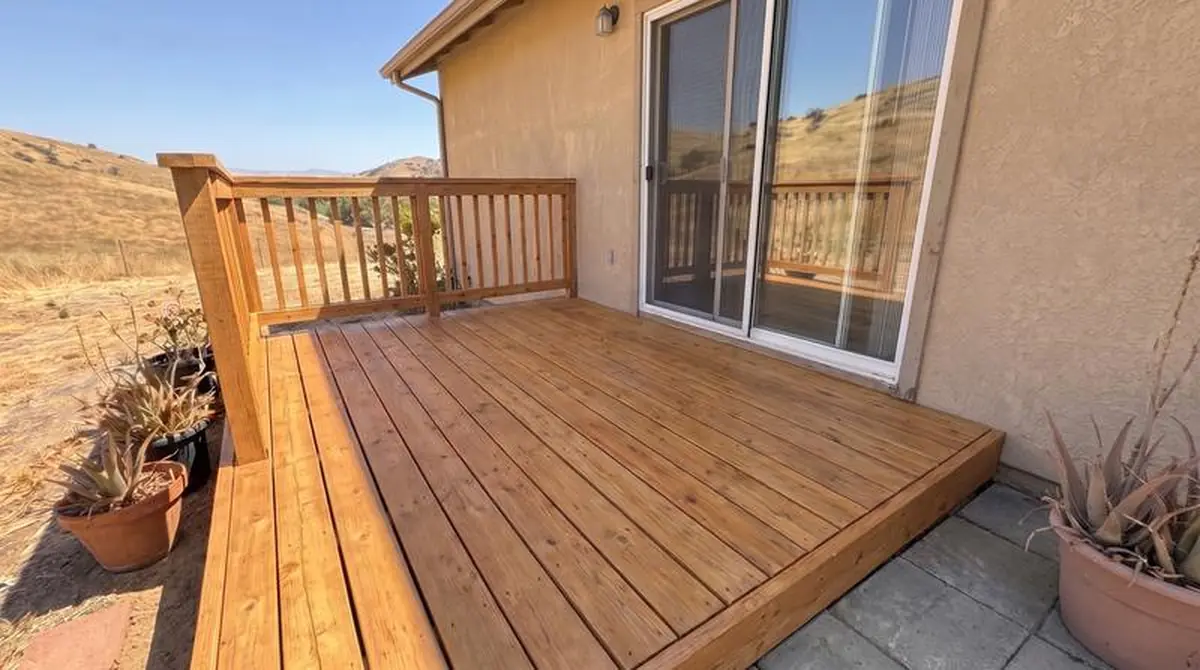 AFTERBEFORE
 Fascia & Eaves
 Window Sills
 Door Jambs & Casings
 Trim & Siding
 Termite Damage Rebuilds
 Deck Boards & Railings
 Stairs & Posts
 Primed, Painted & Sealed
On the hill a small repair becomes a big one in one wet season. Most Camas sill, trim, siding and deck-board repairs are priced by a Kaminskiy-certified technician on the call, in writing; a railing run, a ledger or a whole elevation gets a look first and a written scope.

We answer in under three rings and get you priced and scheduled in minutes.

A clear, written quote with upfront pricing. You approve before work begins.

Kaminskiy-certified pros finish the job with a workmanship warranty.
Every rot and termite damage repair carries our one-year workmanship warranty, in writing, and is done by a Kaminskiy-certified, background checked technician.
Shade, fog and slope. The firs on Prune Hill and above the lake keep whole walls in shade, the lake fog sits on the north-shore streets through late morning, and the Gorge wind arrives from the east with the rain behind it. On a hillside lot the deck is the most exposed wood on the property, and its boards, railing posts and ledger stay wet longest. Downtown, a hundred years of cedar on the mill-town houses has simply reached the end at the bottom course and the porch posts.
In Camas it is nearly always the carpenter ant, which excavates wet wood for a satellite nest and leaves frass under the sill or the deck. The dampwood termite nests only in wood that is already wet or rotting, so it is a symptom of the moisture, not the cause; subterranean termites are present on this side of the mountains but uncommon. A licensed pest company treats; we rebuild the wood and dry out the spot so the colony does not return.
We pull the soft boards, cut a rotted railing post back to sound wood or replace it, check the ledger bolts and the flashing behind it, and set the new wood on fresh flashing with the end grain sealed. A ledger that has rotted behind the siding is named before the deck is touched, because that is the piece that holds the deck to the house.
Clear the gutters when the firs drop their needles. Keep the deck swept of needles and moss, and leave a gap at the house wall. Cut back the laurel and the rhododendrons so the north wall gets air. Keep the bark dust and the soil off the bottom course. On the lake side, repaint the shaded walls on a schedule, not when the paint lifts.
Houses from the 1900s to the 1940s built for the paper mill, with cedar lap siding, fir porches, wood-sash windows and the original fascia. Rot starts at the bottom courses, the porch post bases, the sill horns and the fascia behind a gutter that stopped draining years ago. We match the siding profile and the reveal, splice the porch posts and keep every sound board.
Homes from the 1990s and 2000s on steep lots with hardboard or engineered lap siding, wood-clad sills, corner trim and decks over the slope. The trim rots at the butt joints on the weather face, the deck boards and railing posts go at the ends and the bases, and a ledger can hide behind the siding. We rebuild boards, rails and trim where they stand and name a ledger problem first.
Planned streets from the 1990s to the 2010s under association standards, with engineered siding, wood-clad windows and north walls that face the lake fog. Sills go soft at the corners, the trim at the garage door rots at the slab, and the fascia behind a gutter full of needles stains through. We photograph the profile and the color, match both, and fix the drip edge or the caulk line that failed.
The same crew works Camas from the Vancouver office, and the Vancouver dry rot and wood rot repair page has the county-wide picture, the City of Vancouver rule and the Washington WDO report in plain words.
A fascia board, a sill or a trim piece is priced on the call, in writing. A bigger rebuild gets a look first and a written price before anything starts.
We cut back to sound wood and probe how far the rot really goes. If it runs further than the photo showed, you hear it before we go further, with the price.
New wood primed on all sides, caulked, painted to match, and the water path that caused it fixed: the drip edge, the flashing, the gutter end, the sprinkler.
The work area is cleaned before we leave, and every rot repair carries our one-year workmanship warranty.
Camas keeps its own list. A like-for-like window or door swap needs a permit but no plans; a re-roof or a re-side goes on a permit, over the counter when nothing structural changes, and a Remodel, Alteration or Repair permit when framing is involved; a fence needs none. The state residential code the city builds on adds that painting and ordinary repairs need no application. A rebuilt sill or a short patch in the siding is that kind of repair; a run of new siding, a rafter tail or a deck ledger is a question we put to the Building Department on NE 4th Avenue before we open it, and the permit goes into the written scope.
A Camas sale or refinance runs on a complete wood destroying organism inspection, written by a WSDA-licensed structural pest inspector and carrying an inspection control number. The report names what it found, carpenter ants, dampwood termites or wood decay fungi, and the conducive conditions behind it: vegetation on the wall, a gutter that does not drain, earth against the siding, failed caulk. The inspector reports and the pest company treats. The damaged wood on that list, and the carpentry-side conditions, are what we fix, and the buyer gets the reinspection.
Lacamas Shores, Camas Meadows and most of the Prune Hill and Grass Valley subdivisions are association communities with exterior standards. A rot repair painted to match the scheme rarely needs a form; a changed trim profile, a new railing style or a different color sometimes does, and we put the materials and finish in writing for the board. Downtown Camas has no association to ask.
Can't find your answer? Call 360-347-2002 and ask us anything.
Call 360-347-2002Most sill, trim and siding repairs are priced on the call and scheduled within days from our Vancouver office. A deck, a railing run or a whole shaded wall is sized after a look, with the scope in writing before anything starts, and we do not name a finish date before the wood is open.
Yes. Once a licensed pest company has treated the nest, we cut out the excavated sill, trim or framing we can reach, rebuild it and take away the wet wood that drew the ants in. Treatment and the report are the pest company's; the rebuild is ours.
Deck boards, railing posts, stair stringers and post bases are carpentry, and Kaminskiy is licensed, bonded and insured. The ledger that holds the deck to the house is the exception: if it is rotted, we say so before anyone pulls a board and tell you who needs to look at it.
The reach of the rot once the trim is off, the height and the slope under the ladder, and the match: a cedar bevel downtown is a different piece of wood from an engineered lap on Prune Hill. Text a photo and the number is in writing before anything is scheduled.
Because the wood around the filler is still wet, and on a shaded Camas wall it stays wet until July. We cut back to sound wood, splice or replace, back-prime, set it over intact flashing, caulk and paint, so the paint is sitting on dry, solid wood.
Not for an ordinary repair or paint: the state code the city builds on asks for no application for those. Camas does put a re-side, a re-roof and anything structural on a permit, so a run of new siding or a rafter tail is a question we ask the Building Department first, and the permit goes into the written scope.
All of Camas, including downtown, Prune Hill, Lacamas Shores, North Shore, Camas Meadows, Grass Valley and Fern Prairie, plus Washougal, Fisher's Landing and east Vancouver. Call 360-347-2002 to confirm your address.
Tell us where the wood has gone soft, or text us a photo. We'll call you back with a price and a time. Calling is still the fastest way: 360-347-2002.
Priced in writing before we start. Kaminskiy-certified technicians. A one-year workmanship warranty on every job.
We answer in under three rings, 24/7.No price games. You get a clear written quote before any work begins, backed by our workmanship warranty.