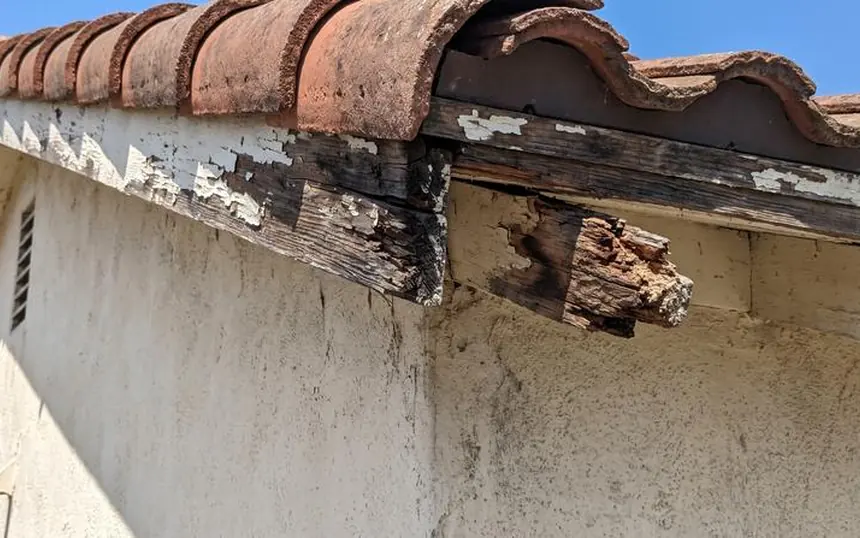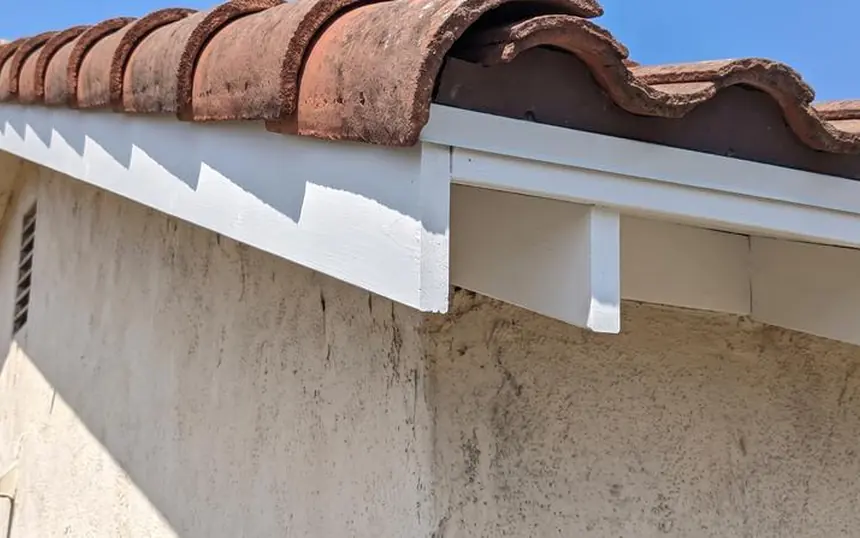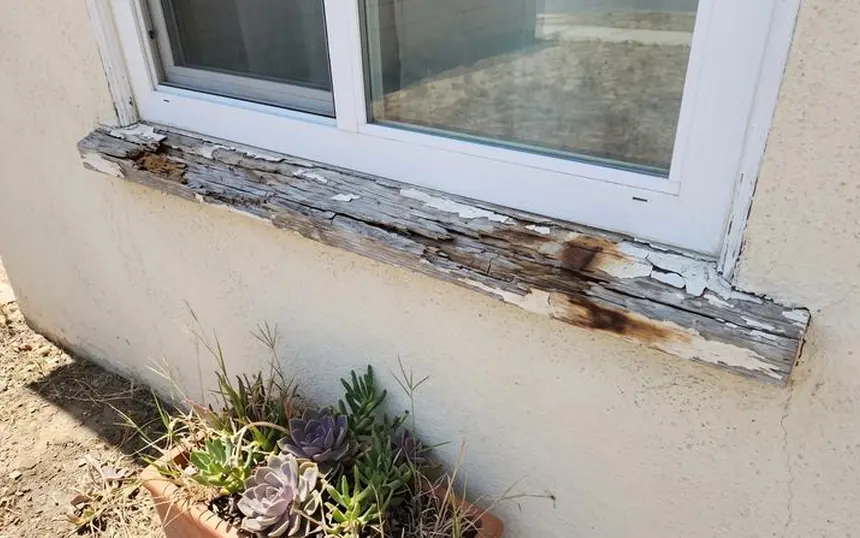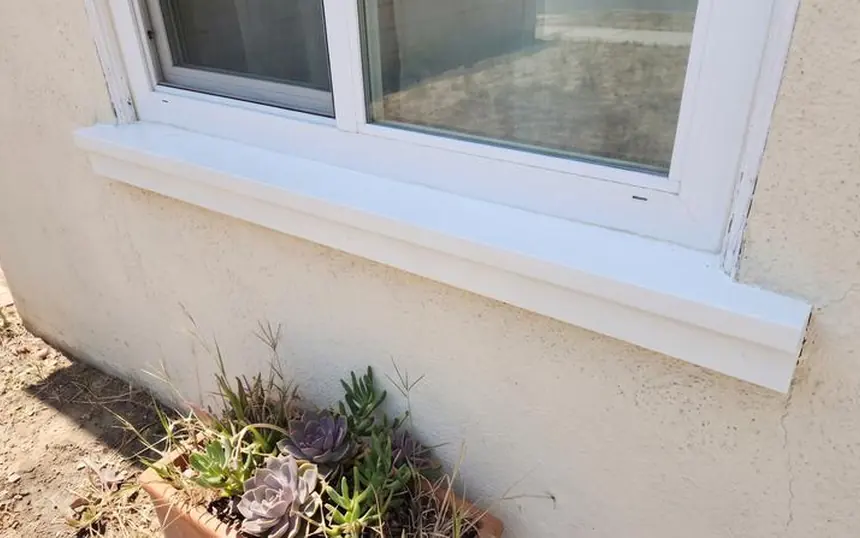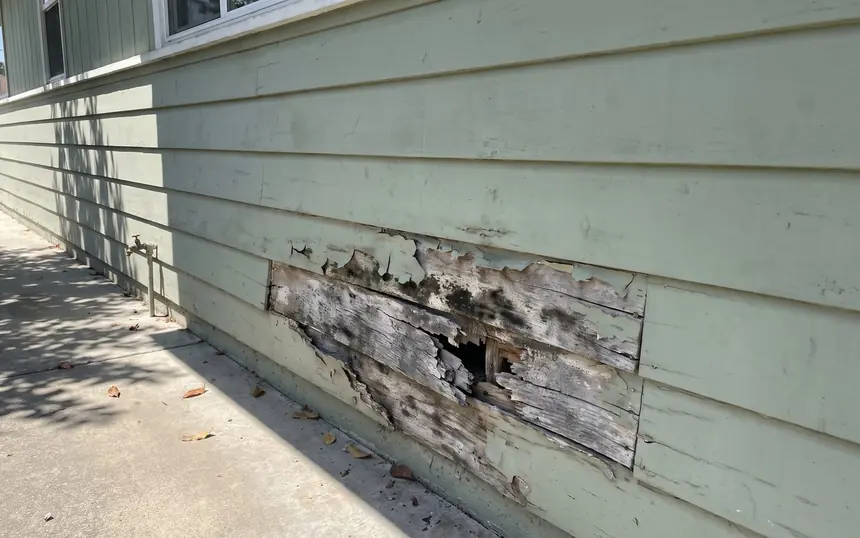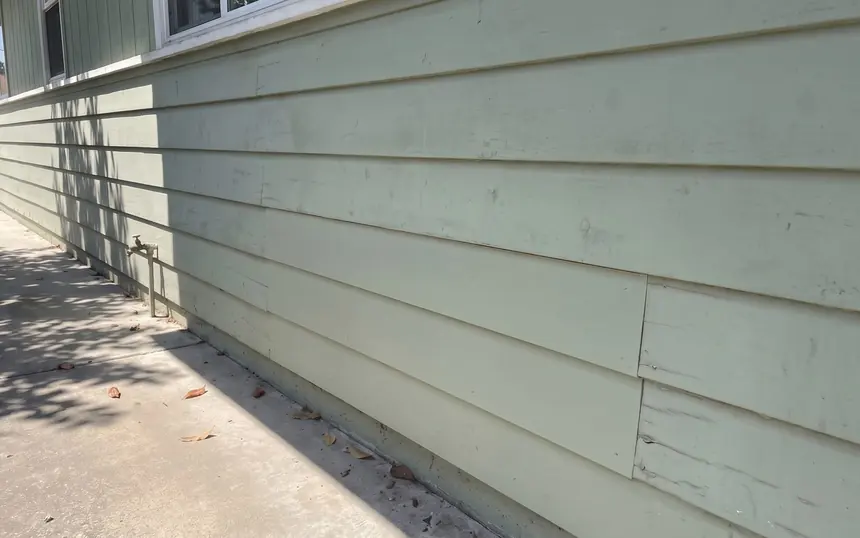
Fascia, soffit, door jambs, barn and shed trim, porch posts and deck boards cut out and rebuilt with sound wood, matched to the house. Written price first.
 BBBAccredited Business
Wellington has more wood on its lots than most of the county, and Kaminskiy Care and Repair rebuilds the wood that the wet season and the irrigation keep soft: the fascia and soffit behind the gutters, the door jambs on the slab, the porch posts and pergola beams, the siding, trim and door frames on barns and sheds in the equestrian areas, and the deck boards on the acre lots. Each is cut back to sound wood, primed on every face, painted to match the house or the approved scheme and sealed, with the gutter end, the sprinkler or the wash-rack splash that caused it fixed. A licensed pest company treats the termites; the wood is ours. The price is in writing before anything starts, from our West Palm Beach office.
 Eight repairs, one crew, priced in writing before we start.
Acre lots, horses, irrigation on a schedule and a wet season that soaks the ground for five months: Wellington wood rots at the fascia above and the posts, jambs and barn trim below. We cut it back to sound wood, rebuild with the same profile, prime, paint and seal, and move the water away.
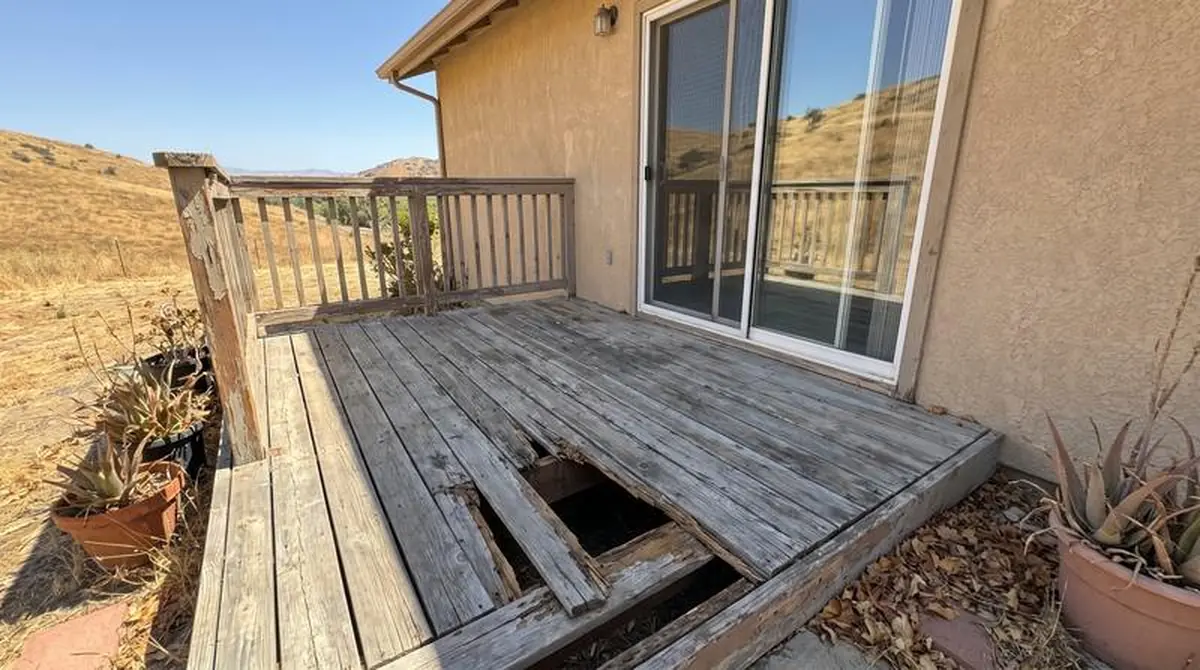
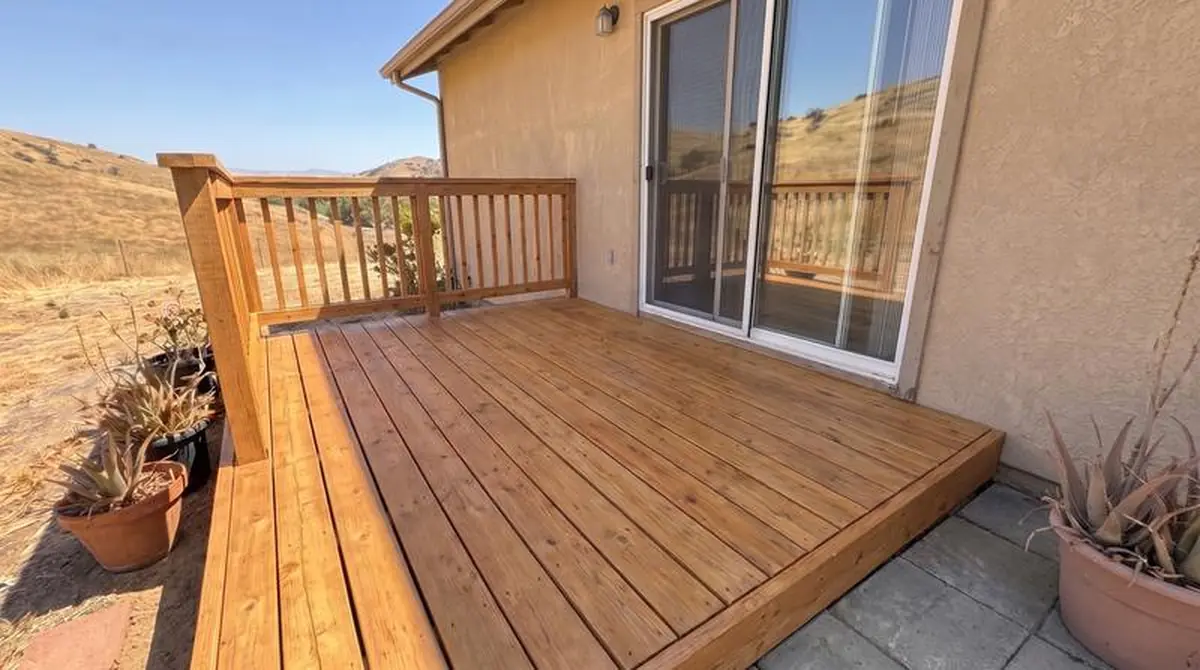 AFTERBEFORE
 Fascia & Eaves
 Window Sills
 Door Jambs & Casings
 Trim & Siding
 Termite Damage Rebuilds
 Deck Boards & Railings
 Stairs & Posts
 Primed, Painted & Sealed
A Wellington lot has a lot of wood to lose, and none of it dries out on its own in July. Fascia, soffit and jamb repairs are priced on the call, in writing; a barn wall, a porch or a deck gets a look and a written scope first.

We answer in under three rings and get you priced and scheduled in minutes.

A clear, written quote with upfront pricing. You approve before work begins.

Kaminskiy-certified pros finish the job with a workmanship warranty.
Every rot and termite damage repair carries our one-year workmanship warranty, in writing, and is done by a Kaminskiy-certified, background checked technician.
Wet ground and lots of wood. Wellington sits low and flat, the wet season keeps the ground soft from June to October, and on the acre lots the irrigation, the wash racks and the paddock hoses add water every day. The houses are block and stucco, so their wood is the fascia, soffit, trim, jambs, porches and decks; the barns and sheds behind them are wood to the ground, and the bottom foot of siding, trim and door frame takes the splash. The original village has fifty years of gutters; the newer communities have foam trim and hidden rot at the jambs. We look at the ground line and the gutter ends first.
Subterranean termites, the native kind and the Formosan kind established along this coast, come up from damp ground in mud tubes, and a barn sill, a fence post or a porch post in wet soil is a straight road to the wood. Drywood termites live inside dry fascia and trim and leave hard pellets below a pinhole. A licensed pest company identifies and treats the colony; we rebuild the eaten fascia, trim, siding and door frames after the treatment, in that order.
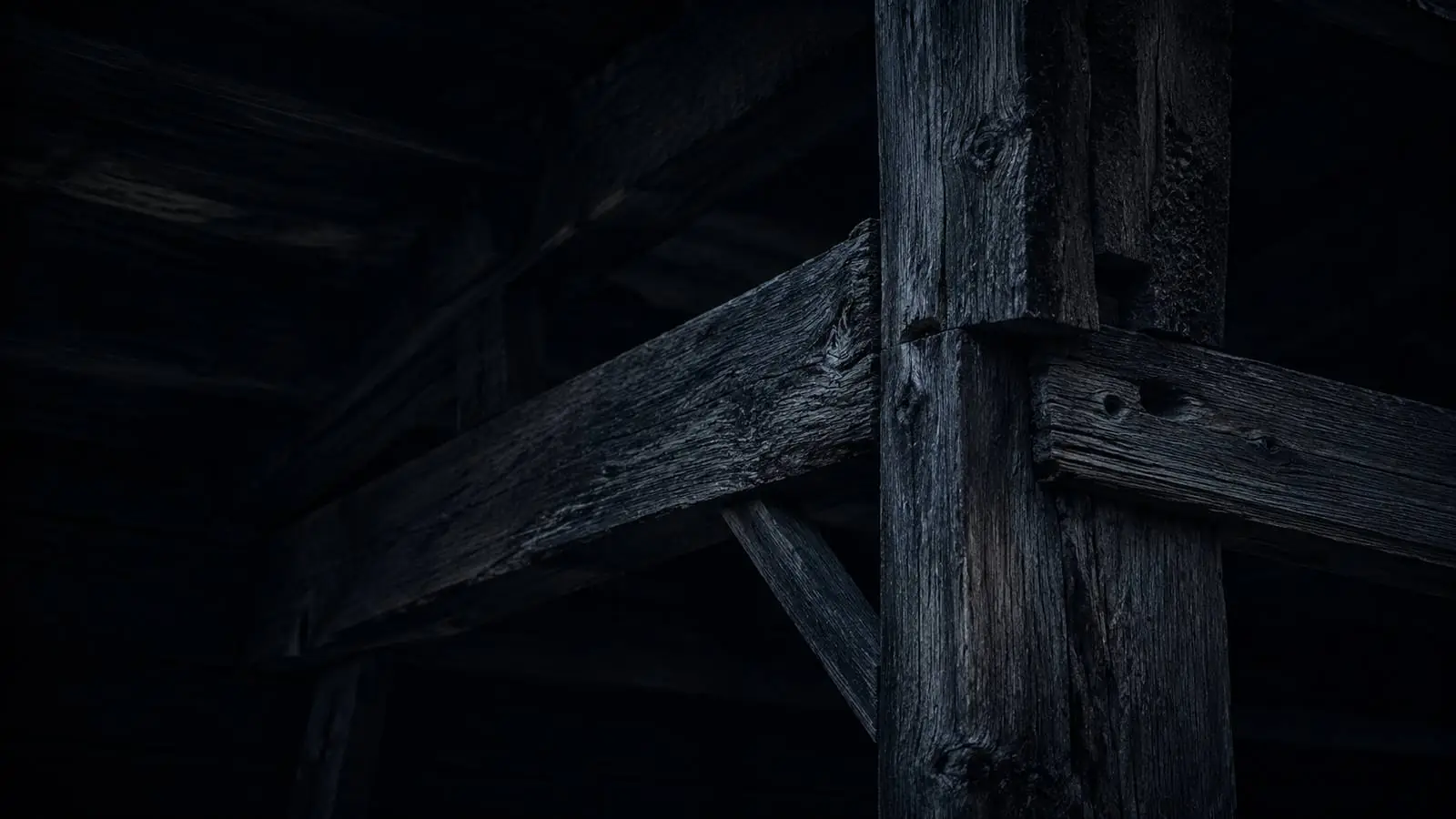
A barn door frame or a run of barn siding rotted at the bottom is cut back to sound wood and spliced with new material at the same width, primed, set and painted, the way a house jamb is, and we get the bottom of the board up off the wet ground. The structural posts and beams of a barn are not our lane: if the rot has reached one, we say so and tell you who needs to look at it.
Aim the irrigation at the turf, not the house or the barn wall. Keep the wash rack and the hose bib from splashing the siding, and keep the grade and the bedding below the bottom of the boards. Clean the gutters before June. Repaint fascia, trim and barn doors on a schedule; a peeling barn door is what the village and the association notice from the road.
Acre lots with horses, barns, sheds, wash racks and houses with porches and pergolas, some inside the Equestrian Preserve Area. The barn siding and door frames rot at the bottom where the wash water hits, the porch posts rot at the base, and the fascia on the barn goes behind a gutter nobody cleans. We rebuild the boards, splice the door frames and lift the wood off the wet ground.
Homes from the 1970s and 1980s with the original wood fascia, soffit, door frames and patio covers, and fifty years of gutters. Fascia rots behind the overflow, patio beam ends go soft, and the sprinkler keeps the jamb bottoms wet for the subterranean termites. We rebuild the boards and fix the gutter end or the sprinkler head that caused it.
Gated communities with stucco over block and foam trim, so the rot hides at wood-clad windows, door jambs on the slab, pergola beams and outdoor kitchen trim. Association standards and the village's architectural review apply, so we photograph the profile and the color and match both.
East on Forest Hill the same crew covers the county from our West Palm Beach office; the West Palm Beach dry rot and wood rot repair page explains the county permit rule, the WDO report and the historic districts in the city.
A fascia board, a sill or a trim piece is priced on the call, in writing. A bigger rebuild gets a look first and a written price before anything starts.
We cut back to sound wood and probe how far the rot really goes. If it runs further than the photo showed, you hear it before we go further, with the price.
New wood primed on all sides, caulked, painted to match, and the water path that caused it fixed: the drip edge, the flashing, the gutter end, the sprinkler.
The work area is cleaned before we leave, and every rot repair carries our one-year workmanship warranty.
Under the code Wellington enforces, repairing a structure is permitted work unless the building official agrees a job is an ordinary minor repair, and that door shuts the moment a structural beam or a load-bearing support would be cut. Painting is outside the permit world entirely. The village says the new state exemption only removes permits for the small non-trade projects it never permitted anyway, reviews each request in a few business days, and rules out any property in a flood hazard area; we do not promise it. Before a bigger job we put the question to the Building Division.
Selling in Wellington means the state WDO report, written by a licensed pest control company after a walk through the house and, on an equestrian property, the barn: live termites, evidence, damage, and wood-decaying fungi, which is rot under its proper name. The report stops at what was visible; it says itself that it is no structural damage report. We take it from there: the fascia, jambs, siding and door frames it names get priced from the report, the pest company treats, and once our work is in they look again.
Wellington keeps an architectural review board and a village code that does not allow a leaning, peeling or rotted fence, and most streets add an association on top. A rot repair painted to match the house rarely needs either; a changed profile or color sometimes does, and we put the materials and finish in writing for the form. In the Equestrian Preserve Area the barns have rules of their own, and we keep a barn repair to the siding, trim and door frames, not the structure.
Can't find your answer? Call 561-220-5884 and ask us anything.
Call 561-220-5884Phones are answered in under three rings. A fascia board, a jamb or a barn door frame gets a price on the call and a slot within days from our West Palm Beach office; a barn wall, a porch or a deck is walked first and the scope written up before a date is set.
Yes, house or barn, once the licensed pest company has finished treating. The hollowed fascia, soffit, trim, jambs and siding come out, along with any framing we can get to without opening a wall, and new wood goes in. Treatment and the report never were our job.
Yes. Siding, trim, door frames, fascia, sills, jambs and deck boards are a carpenter's work, and Kaminskiy carries the license, bond and insurance for it. A barn post, a beam or a deck ledger is structure, named before anyone goes further, along with who ought to look at it.
Quantity, mostly: an acre lot can have a hundred feet of fascia and three barn doors, and what is bad only shows once the paint is off. Height and the finish it has to match come next. A photo by text gets a written number before the visit is booked.
We cut the bottom of the siding and the door frame back to sound wood, splice in new boards at the same width, prime every face and the end grain, set them clear of the wet ground and paint to match. Then we show you where the splash has to be turned.
Painting needs no permit. A small like-for-like fascia, soffit, trim or jamb repair is the kind the building official can approve without one; a rebuild into framing takes a permit. A repair that matches the house rarely needs the architectural review board or the association; a changed profile or color may. We check before a bigger job.
All of the Village of Wellington, including Palm Beach Point, Grand Prix Village, Saddle Trail Park, Palm Beach Polo, Aero Club, Sugar Pond Manor and Olympia, plus Royal Palm Beach, Loxahatchee Groves, Greenacres and Lake Worth. Call 561-220-5884 and we confirm the lot.
Tell us where the wood has gone soft, or text us a photo. We'll call you back with a price and a time. Calling is still the fastest way: 561-220-5884.
Priced in writing before we start. Kaminskiy-certified technicians. A one-year workmanship warranty on every job.
We answer in under three rings, 24/7.No price games. You get a clear written quote before any work begins, backed by our workmanship warranty.