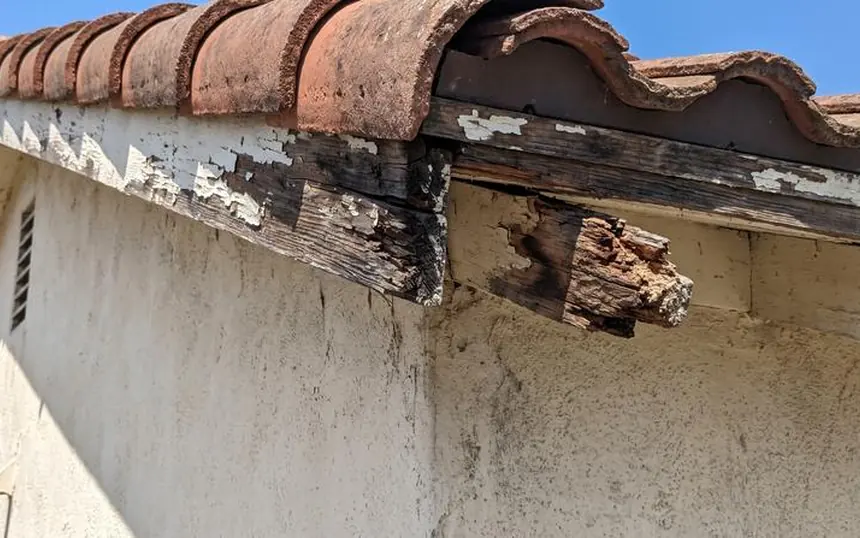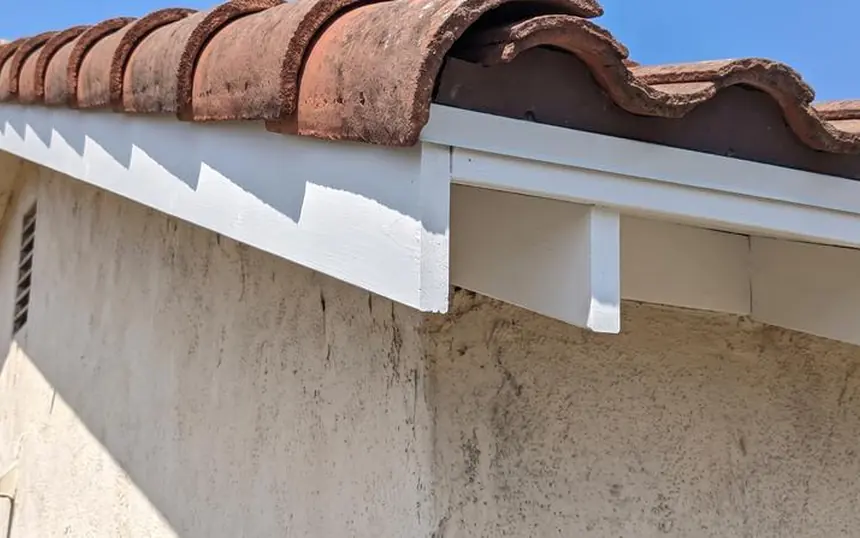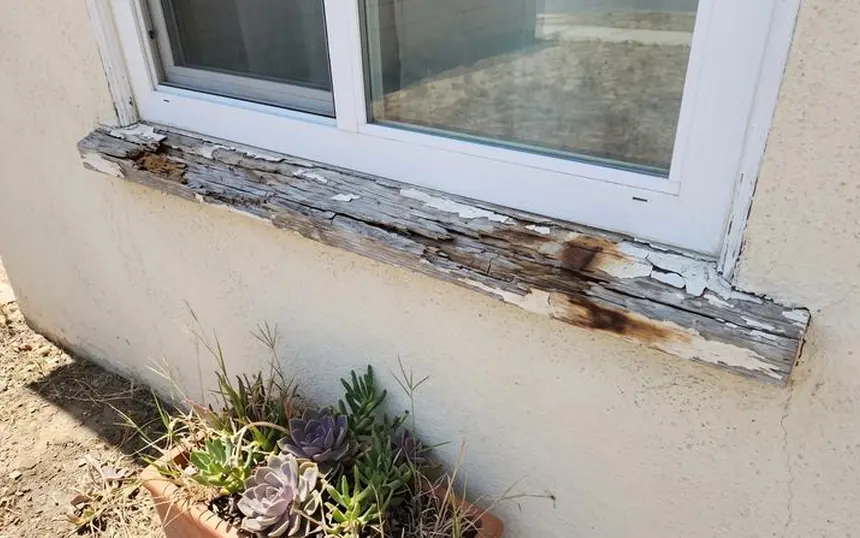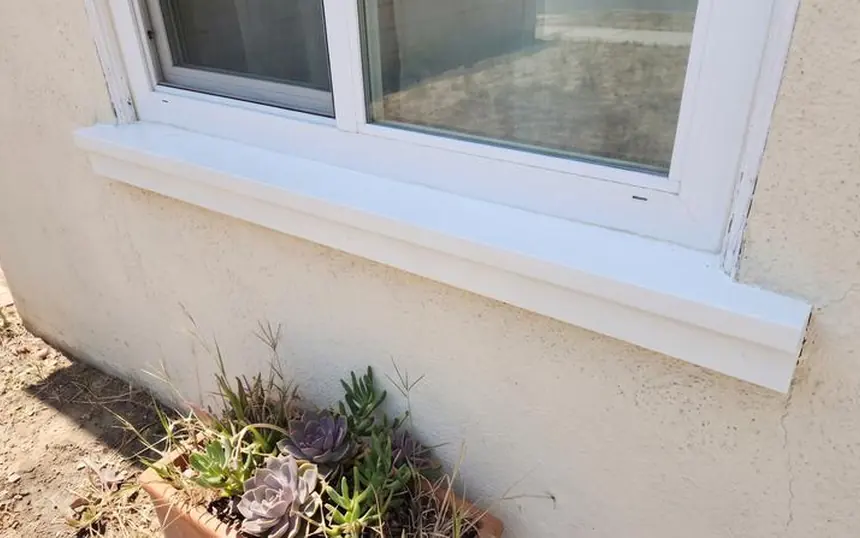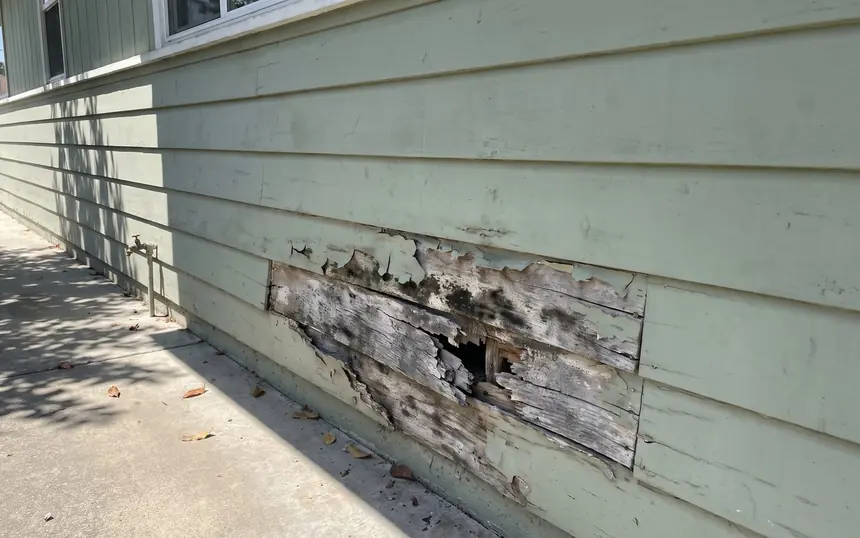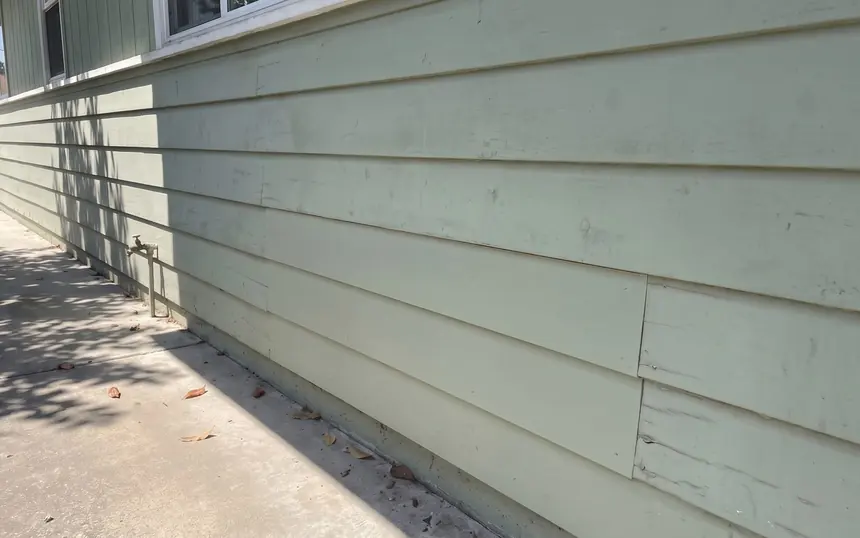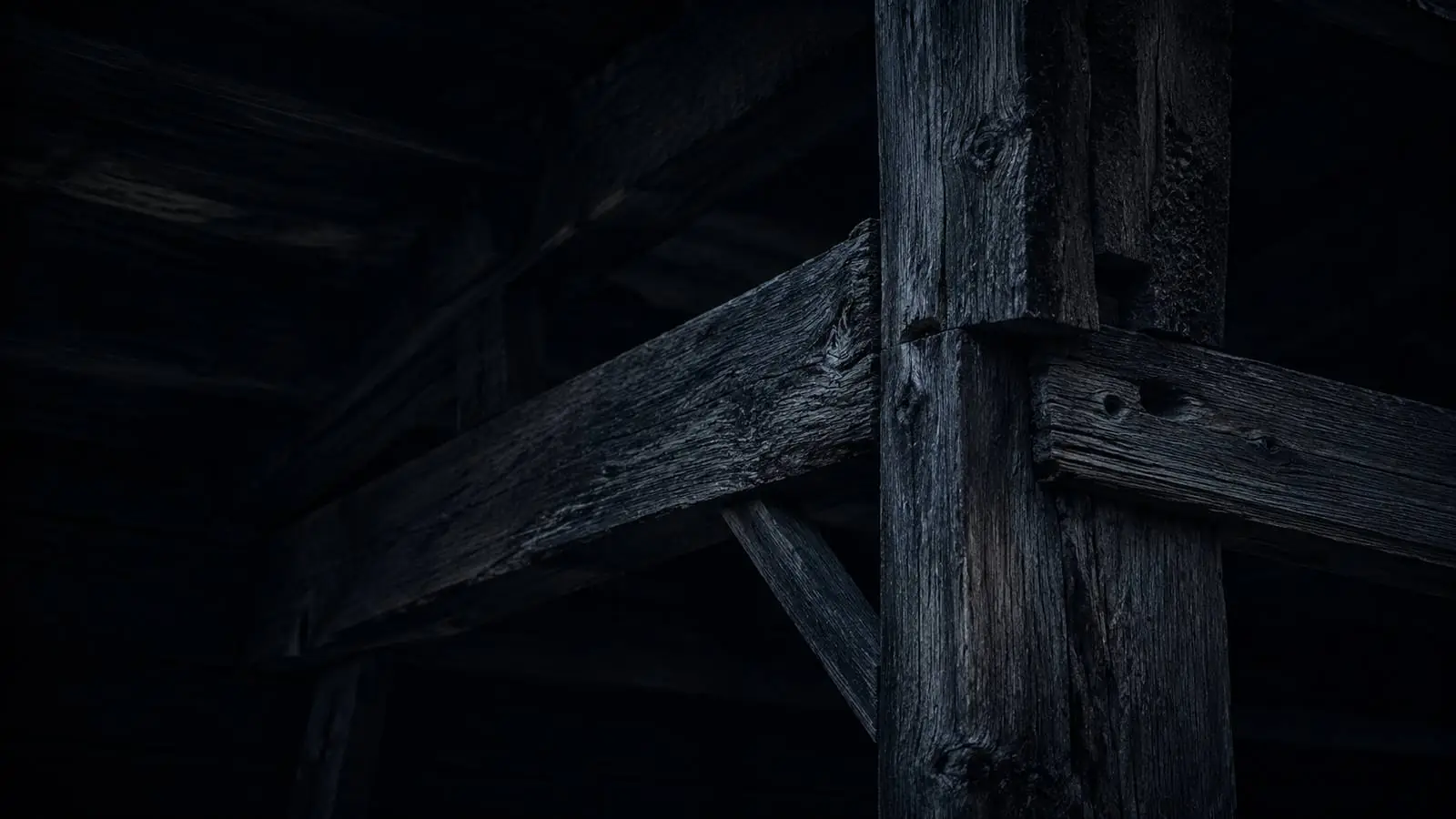
Wood siding, fascia, sills, porch posts and deck boards cut out and rebuilt with sound wood, Midtown to Natomas. Priced in writing before we start.
 BBBAccredited Business
Sacramento wood gets a hundred-degree summer and a winter of tule fog, and Kaminskiy Care and Repair rebuilds what that does to it: the wood siding, porch posts and sills on the Victorians and bungalows of Midtown, Boulevard Park and Curtis Park, the fascia and eave trim on the 1950s and 1960s ranch houses in Tahoe Park, River Park and Land Park, the deck boards and rail posts on the river streets, and the termite-eaten sill plates where the lawn meets the stem wall. Each is cut back to sound wood, rebuilt with the same profile, primed on every face, painted to match and sealed, with the sprinkler or the gutter end that caused it fixed. A licensed pest company treats the termites; we rebuild after them. The price is in writing before anything starts, from our Roseville office.
 Eight repairs, one crew, priced in writing before we start.
Four months of valley heat check the paint and open the end grain; then the tule fog settles in from November to February and keeps the wood wet for weeks without a drop of rain. We cut back to sound wood, rebuild with the same profile, prime, paint and close the gap the water used.
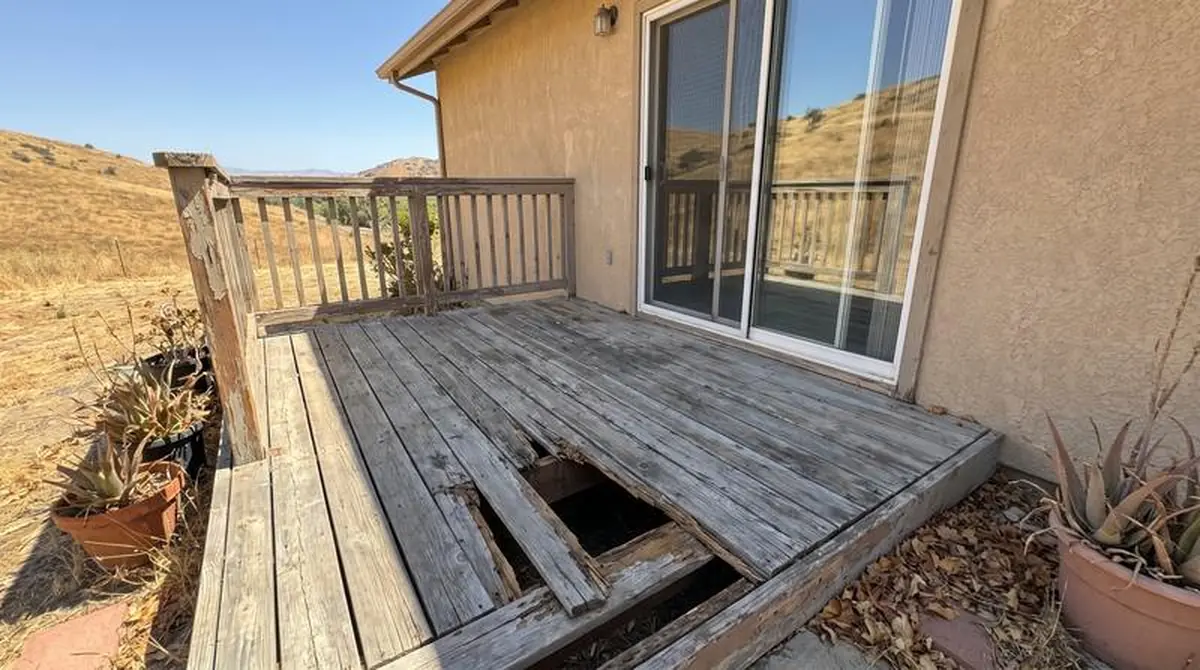
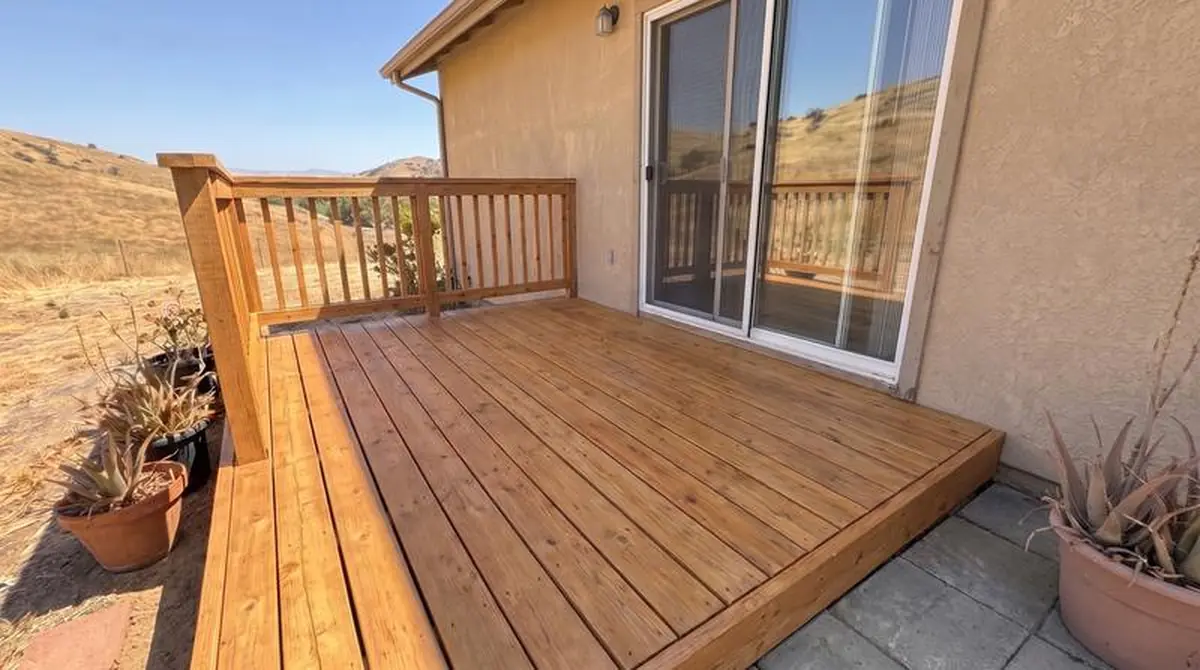 AFTERBEFORE
 Fascia & Eaves
 Window Sills
 Door Jambs & Casings
 Trim & Siding
 Termite Damage Rebuilds
 Deck Boards & Railings
 Stairs & Posts
 Primed, Painted & Sealed
Valley heat and tule fog take turns on the same board, so a soft corner in spring is a rotted run by the next fall. A Kaminskiy-certified technician prices most Sacramento fascia, sill, siding and post repairs on the call, in writing; a deck or a rebuild into framing gets a written scope first.

Priced and on the calendar during the first call.

A written quote you approve before anyone drives out.

One crew, truck stocked, warranty in writing.
A one-year workmanship warranty, in writing, on every Sacramento rot and termite damage repair.
Heat, then fog. Summer afternoons in the nineties and hundreds bake the paint on fascia, eave trim and siding until it checks and the caulk lets go; then the tule fog sits on the valley from November into February, and wood that would dry anywhere else stays damp for weeks at a time. Add winter rain, lawn sprinklers at every bottom board and clay that holds the wet, and the ranch houses of the 1950s through the 1970s, with their wood siding and wide eaves, give up their fascia and their bottom courses first. We look at the west walls and the ground line.
Sacramento's termite is the western subterranean one, the most common kind in California and the most destructive: it lives in the soil, needs the moisture there, builds mud tubes up a stem wall or a porch post to reach the sill plate, and swarms on a clear afternoon after a soaking rain, spring or fall. Drywood termites, the pellet-leaving kind, are the coast's and Southern California's story and are uncommon in the valley. A licensed pest company treats the colony; we cut out and rebuild what it ate, after them.
On a Midtown Victorian or a Curtis Park bungalow the rotted siding, trim and porch parts are replaced in kind: the same profile, the same reveal, the same material, cut back to sound wood, back-primed, set, caulked and painted to match. That is what the city's preservation standards ask for on the historic blocks, and it is how a repair lasts anywhere.
Water the lawn, not the house: move the heads that hit the siding and the posts. Repaint the south and west walls before the paint fails, because in the valley the paint is the only shade the fascia gets. Clear the gutters before the fog season and keep soil, bark and clay below the bottom board and off the porch post bases.
Victorians, Craftsman bungalows and cottages from the 1880s through the 1920s with wood siding, porches, columns, wood-framed windows and deep trim, many of them in the city's historic districts. The rot starts where the wood meets the step or the ground: porch post bases, the bottom courses of siding, sills and jamb bottoms. We replace in kind, the same profile and material, which is what the preservation standards expect on those blocks.
1920s through 1950s houses under big street trees, with wood siding, wide eaves and shade that keeps the north walls damp through the fog season, and the Pocket's 1970s and 1980s homes along the river. The fascia under the canopy, the bottom boards and the sills on the shaded side go first, and subterranean termites take the sill plate where clay has built against the wood. We rebuild the rotted runs and get the grade back below the wood line.
1940s to 1960s ranch houses with wood fascia, eave trim, board or plywood siding and patio covers in full sun all summer, and Natomas's newer stucco homes with wood-clad sills, door jambs on the slab and wood fences. The paint goes first on the west faces, the fascia and the patio cover beam ends check and soak, and the jambs crumble at the concrete. We rebuild the boards, match the finish and fix the drip edge or the caulk line.
A fascia board, a sill or a trim piece is priced on the call, in writing. A bigger rebuild gets a look first and a written price before anything starts.
We cut back to sound wood and probe how far the rot really goes. If it runs further than the photo showed, you hear it before we go further, with the price.
New wood primed on all sides, caulked, painted to match, and the water path that caused it fixed: the drip edge, the flashing, the gutter end, the sprinkler.
The work area is cleaned before we leave, and every rot repair carries our one-year workmanship warranty.
Sacramento's own list says a permit is needed for siding, window replacements, decks, patio covers and re-roofs, and not for painting and similar finish work or a small detached deck. In between sits the state residential code the city builds to, which asks no application for ordinary repairs to a structure, never the cutting of a structural beam or a load-bearing support. A fascia board, a sill, a jamb or a porch post base is that kind of repair; a run of new siding or a deck is on the city's list and gets a permit. The city adds one more line: inside a preservation district or on a landmark, even the exempt list does not apply, and we check before we price work there.
Selling in Sacramento means a termite report from a licensed structural pest control company. Section 1 is the visible evidence: active termites or fungus, or the damage they left in a sill plate, a porch post or a run of siding. Section 2 is the conditions that invite them, like clay against the siding or a sprinkler on the wall. The pest company treats and certifies; we rebuild the wood on the list and they reinspect. Send the report with the address and the repairs come back priced from it.
Boulevard Park, Newton Booth, Alkali Flat and the other central-city districts are under the city's preservation rules: an alteration to a building fifty years old or older is routed to the Preservation Director, the city's design standards ask that a historic feature be repaired before it is replaced and replaced in kind when it must be, matching material, design, proportion and finish, and the usual permit exemptions do not apply inside a district. A like-for-like rot repair is exactly that kind of work, and we photograph before and after for the file. Outside the districts most of Sacramento has no association; Natomas and the Pocket's newer streets often do.
Can't find your answer? Call 916-507-2190 and ask us anything.
Call 916-507-2190A fascia board, a sill or a porch post base is priced on the call and usually scheduled within days from our Roseville office. A run of siding, a deck or a rebuild into framing is sized after a look, with the scope in writing before anything starts.
Yes. A licensed pest company treats the colony first; then we cut out the eaten sill plates, trim, siding and the framing we can reach, and rebuild it. Treatment and the report are theirs; the carpentry is ours, scheduled after them so the wall opens once.
Yes. Siding, trim, porch posts, columns and sills are carpentry, and Kaminskiy is licensed, bonded and insured, so a splice into a stud or a porch beam end is fine too. We replace in kind on the historic blocks, and a beam or a ledger gets named before anyone opens a wall.
How much wood comes out once the board is opened, how high and how reachable it is, and the match: a turned Victorian porch post or a milled siding profile takes longer than a plain fascia board. Text a photo and the price is in writing before anything is scheduled.
Not for an ordinary repair like a fascia board, a sill or a porch post base; painting is on the city's exempt list and the state code asks no application for ordinary repairs. A run of new siding, a deck or a patio cover is on the city's permit list, and inside a preservation district the exemptions do not apply. We tell you which on the call.
A like-for-like repair, the same material and profile, is what the city's standards ask for there, and an alteration to a building over fifty years old is routed to the Preservation Director. We keep the repair to what was there, photograph it before and after, and tell you before we price anything that would change the look of the house.
All of Sacramento, including Midtown, Boulevard Park, Curtis Park, Land Park, East Sacramento, River Park, Tahoe Park, the Pocket and Natomas, plus Roseville, Carmichael, Citrus Heights, Elk Grove and West Sacramento. Call 916-507-2190 to confirm your address.
Tell us where the wood has gone soft, or text a photo, and we call back with a written price and a time. Calling is still faster: 916-507-2190.
Priced in writing before we start, rebuilt to last, warranted in writing.
We answer in under three rings, 24/7.No price games. You get a clear written quote before any work begins, backed by our workmanship warranty.