 BBBAccredited Business

Kaminskiy Care and Repair repairs water damage and mold damage on drywall, ceilings, trim and cabinets: the leak confirmed stopped, wet material removed, the area dried and treated, then rebuilt and painted to match. Large scale remediation and air testing are referred to a licensed specialist, and we handle the rebuild after. We serve Sacramento and the surrounding California communities.
Up the 80 from our Roseville office. Winter roof leaks and old plaster ceilings lead the Sacramento water list.
Sacramento gets its water damage in one season. The rain comes between October and April, the roof on a Curtis Park bungalow or a Tahoe Park ranch house has a valley that gave up in August, and the plaster ceiling shows it after the second storm. The rest of the year it is a supply line or a tub drain. We trace it, schedule the licensed roofer or plumber who closes it, cut out the wet plaster, drywall, insulation and subfloor, dry the cavity, and rebuild to match.
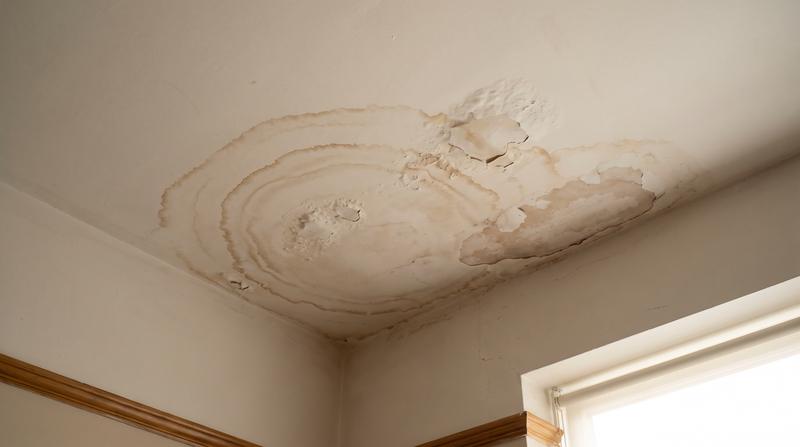
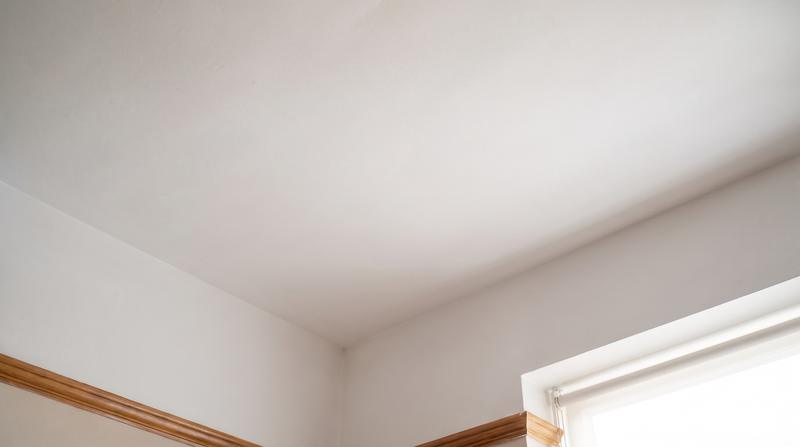 AFTERBEFORE
Every one of these is routine for a Kaminskiy-certified technician who starts the day on Highland Pointe Drive in Roseville. One look, the source named, a scope in writing.

Priced and on the calendar during the first call.

A written quote you approve before anyone drives out.

One crew, the whole list, warranty in writing.
A one-year workmanship warranty, in writing, on every Sacramento water damage repair.
A stain is water telling you it has a route. Paint it over and the tannin and the minerals bleed through in weeks, and if the route is still open, the next storm feeds it again. In Sacramento the route is usually the roof, because the leak that started in a dry August does not show until the rain comes in November, and by then it has been running down the same rafter for weeks. We find the route first, prove the cavity dry with a meter, and only then seal, texture and paint.
Firm, stained drywall or plaster with no growth behind it can be dried, sealed with a stain-blocking primer and refinished. Soft, sagging or crumbling material comes out to sound edges, with the insulation behind it and the trim that swelled. Old plaster is a judgment call: keys broken off the lath and a hollow sound mean the patch comes out, a firm stain means it stays. Subfloor that delaminated comes out to the joists. The written scope says which, board by board.
California has no mold license, so we hold to the EPA's line: surface growth of about ten square feet or less is removed, treated and rebuilt by the technician; more than that, growth inside the wall cavities of more than one room, a sewage backup or a household with breathing trouble means a remediation company with containment and a written protocol, and that is not our trade. Air and surface sampling belongs to a testing specialist. When they clear it, we rebuild what they took out.
Have the roof looked at in September, not January, and clear the gutters and valleys before the leaves come down. Replace the washer hoses and the supply lines under the sinks when they go stiff, drain the water heater pan line to daylight, caulk the wood sills on the weather side before October, and run the bath fan through the fog season. Most of the water damage we rebuild in Sacramento had been running for a month before anyone saw the stain.
Houses from the 1880s to the 1920s with lath and plaster, wood windows, raised floors over a crawl space and roofs that have been covered over more than once. The water comes down a valley, around a chimney or a vent boot and stains the plaster; the old galvanized supply lines pinhole inside the wall; a bathroom added in 1950 drains onto the subfloor. We cut plaster back to sound lath or replace it with a patch finished to match, rebuild the floor over the joists, and keep the historic district's in-kind standard on anything that shows.
1920s to 1950s houses under street trees that keep the north walls and the roofs damp all fog season, and the Pocket's two-story 1970s and 1980s homes with a hall bath over the family room. Leaves hold water in the gutters and the valleys until it finds the fascia and the ceiling below; the upstairs tub overflow and the shower pan show as a ring on the ceiling downstairs. We find which, dry the ceiling cavity from below, and rebuild the drywall or plaster with the texture matched.
1940s to 1960s ranch houses on raised floors and slabs with original tub surrounds, hardwood at the kitchen sink and a water heater in the garage, and Natomas stucco homes from the 1990s on with a laundry upstairs and window flashing in stucco. The supply line under the sink, the dishwasher, the water heater and the washer hose are the leaks here; the stucco window corner is the storm one. We cut out the swollen cabinet floor and the cupped boards, dry the subfloor, and rebuild to the association's scheme in Natomas.
Call 916-507-2190 or text a photo of the stain and the roof, the window or the bathroom nearest it. Small repairs get a range on the call and a date for the look.
A technician meters the ceiling, the wall and the floor, follows the wet path to the roof, the window, the supply line or the drain, and writes the scope: what comes out, which licensed trade closes the source, what we rebuild, the price.
The licensed roofer or plumber we schedule stops the water, we cut out the wet plaster, drywall, insulation, baseboard and subfloor, set fans and a dehumidifier, treat the framing and meter it until it reads dry.
Drywall or a plaster patch, texture or sand finish, trim and paint matched to the room, dust gone with us, and the one-year workmanship warranty on the invoice.
A California repair under a set small amount can be done without a license when no permit is needed and nobody is employed on it; a water damage job, ceiling, insulation, subfloor, trim and paint, is well past that line. Kaminskiy Care and Repair holds a California contractor license (License #1106209), is bonded and insured, and its technicians are Kaminskiy-certified and background checked. The roof is the licensed roofer's and the pipe the licensed plumber's; we schedule both and do the tear-out, drying and rebuild.
Sacramento's own permit page lists what needs one: repairs to plumbing systems, re-roofing, window replacements, and remodeling; and what does not: painting, papering, tiling and similar finish work, with a note that related work may still need one. Under the state residential code the city builds to, replacing wet drywall or plaster in the same place and patching subfloor between joists is an ordinary repair with no application, as long as no wall, beam or bearing support is cut and no supply, drain or waste pipe is replaced or moved. So our rebuild needs no permit, the licensed plumber pulls one when a line is replaced, the licensed roofer when the roof is redone, and a rotted joist or rafter is a permit and an engineer. In the preservation districts the exemptions do not apply, and we check before we price work there.
Most California homeowner policies cover sudden water, a burst line, a failed water heater, an overflow, and exclude slow seepage, neglect and flood, which in a river city is its own policy and worth knowing you have. We photograph before and after, log the meter readings, keep the cut-out material until the adjuster has seen it, and write the scope line by line so it reads as a claim; we do not adjust claims or argue coverage, and a public adjuster is a licensed trade of its own. In a condo or a Natomas association the rebuild inside your walls is usually yours and the roof or the stack the association's under the governing documents, so we put the source in writing for the board.
Up the 80 from our Roseville office. Our Sacramento crew works out of the office on Highland Pointe Drive in Roseville and covers the whole city and the suburbs around it, from the central-city districts to Natomas, Elk Grove and the foothills. Call 916-507-2190, text a photo, or send the form, and we answer in under three rings.
Can't find your answer? Call 916-507-2190 and ask us anything.
Call 916-507-2190Not ours; a remediation company does that. What we do is remove and treat small surface growth on drywall, plaster, trim and framing as part of the rebuild, the EPA's ten square feet or less. Larger growth, growth through the wall cavities of more than one room, a sewage source or anyone in the house with breathing trouble goes to a remediation company with containment and a written protocol, and sampling to a testing specialist. California licenses neither trade, so we name companies we have rebuilt behind and come back when they clear it.
Nearly always. A technician meters the ceiling and the wall, follows the wet path to its highest point and matches it to the roof above, a window, a supply line, a tub drain or a shower pan. In Sacramento a stain that grows only when it rains is the roof or a window; one that grows every week is the plumbing. The scope names the source and the licensed roofer or plumber who closes it.
Yes. Orange peel, knockdown, a sand finish or a hand-troweled plaster patch in the old houses, feathered past the cut, primed with a stain blocker and painted corner to corner so there is no edge to find. Trim is matched to the profile, and in Boulevard Park or Newton Booth the repair is in kind, the way the district asks.
It depends on how much got wet and for how long. A firm stain that needs drying, sealing and paint is a short visit; a plaster ceiling that comes down with its insulation, or a subfloor under a tub, is a few days with fans running between. Text a photo and you get a range on the call; after the look, a written scope with the tear-out, the drying, the licensed trade and the rebuild priced before anything starts.
Often, when the water was sudden: a burst supply line, a failed water heater, an overflow. A roof that has leaked for three winters, and river flooding, usually are not, and your policy and your adjuster decide that, not us. We give you what the claim needs, dated photos, meter readings, the cut-out material kept until the adjuster has seen it, and a scope written line by line. We do not adjust claims.
Either. A firm plaster ceiling with a stain is dried, sealed and refinished; a section with broken keys or a sag is cut out to sound lath and patched with plaster or a drywall insert finished to the same plane and texture, so the ceiling reads as one. In the central city the historic districts want in-kind work on what shows, and that is how we do it anyway.
Not for drywall, plaster, trim or a subfloor patch in the same place; that is an ordinary repair under the code the city builds to, and finish work is exempt on the city's own list. A replaced supply or drain line is the licensed plumber's permit, a re-roof is the licensed roofer's, and a rotted joist or rafter is a permit and an engineer. Inside a preservation district the exemptions do not apply. We tell you which at the look.
All of Sacramento from our Roseville office: Midtown, Downtown, Boulevard Park, Land Park, Curtis Park, East Sacramento, McKinley Park, River Park, Tahoe Park, the Pocket and Natomas, plus West Sacramento, Carmichael, Citrus Heights and Elk Grove. Call 916-507-2190 to confirm your address.
Tell us where the stain or soft spot is. We'll call you back with a price and a time. Calling is still the fastest way: 916-507-2190.
Dried out, rebuilt and painted to match, warranted in writing.
We answer in under three rings, 24/7.No price games. You get a clear written quote before any work begins, backed by our workmanship warranty.
