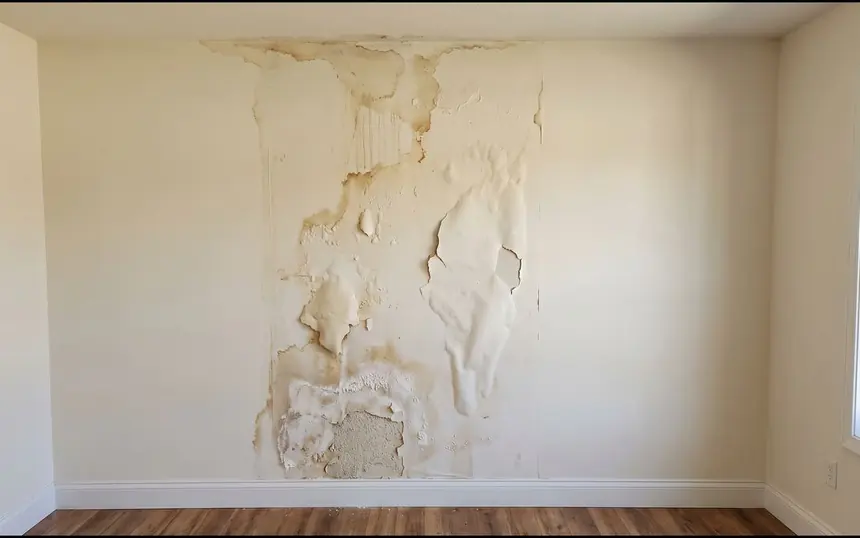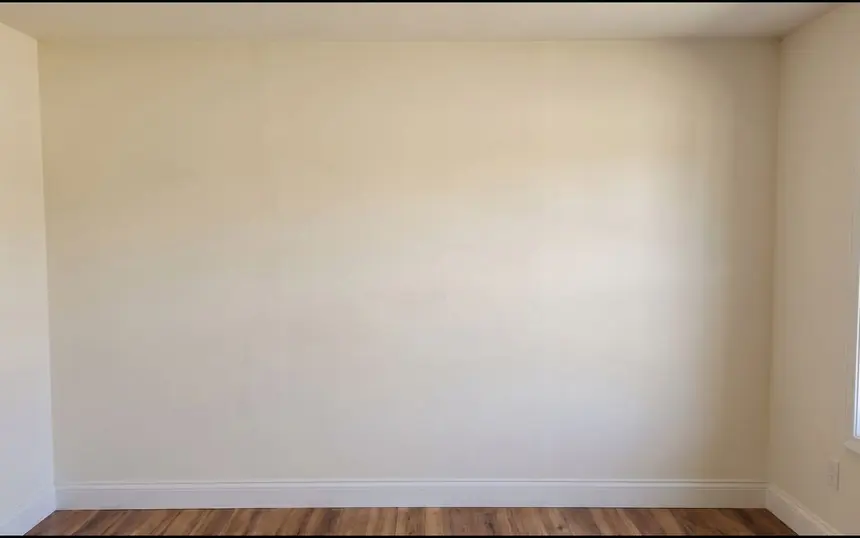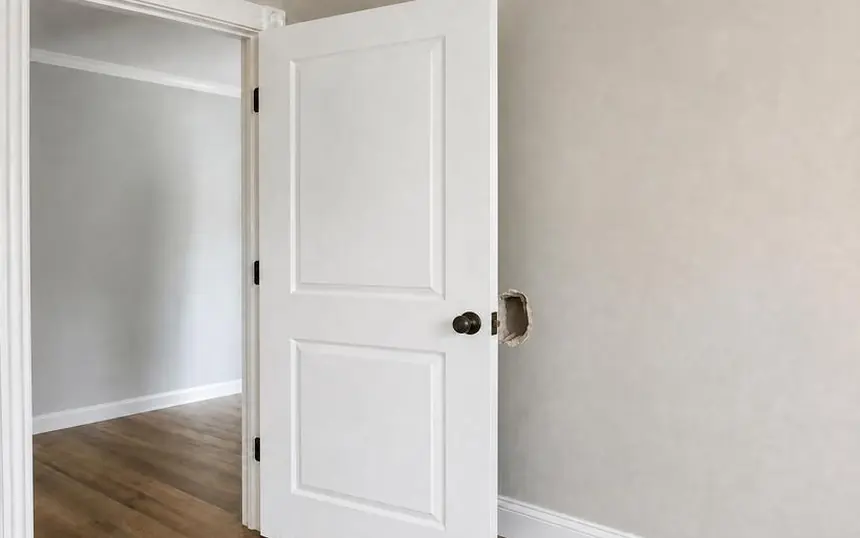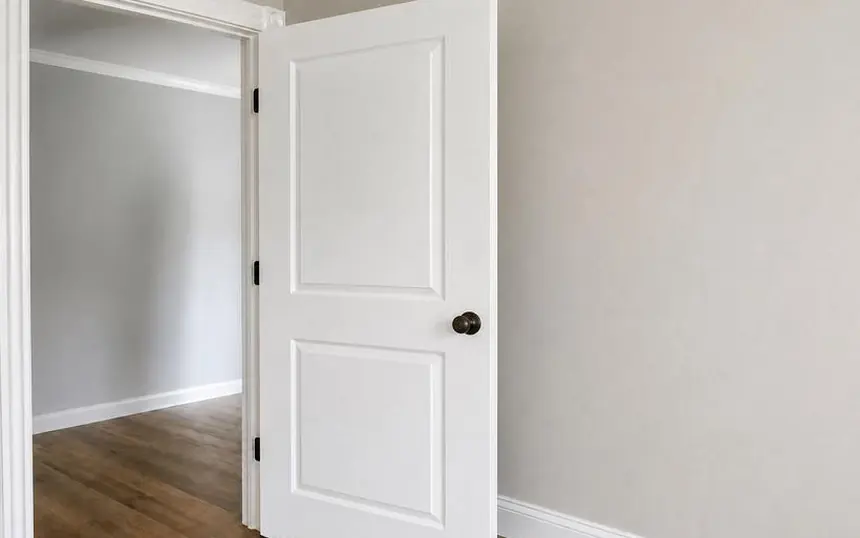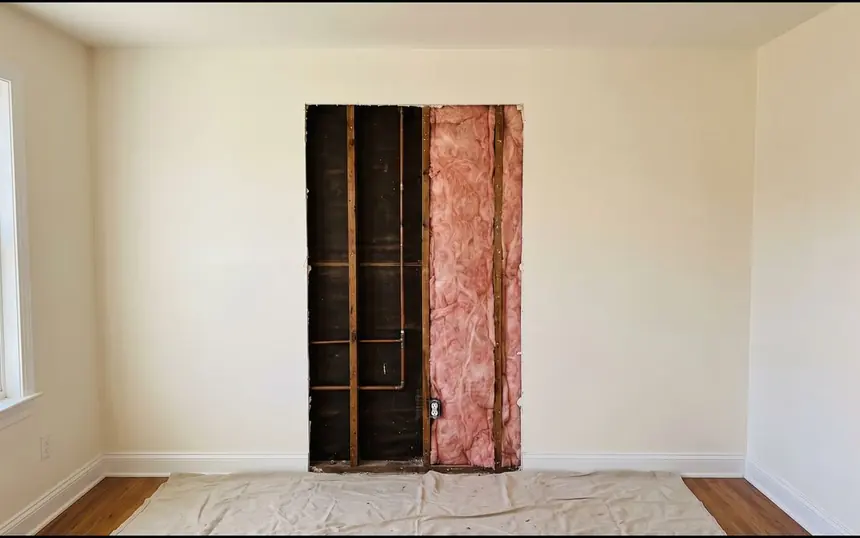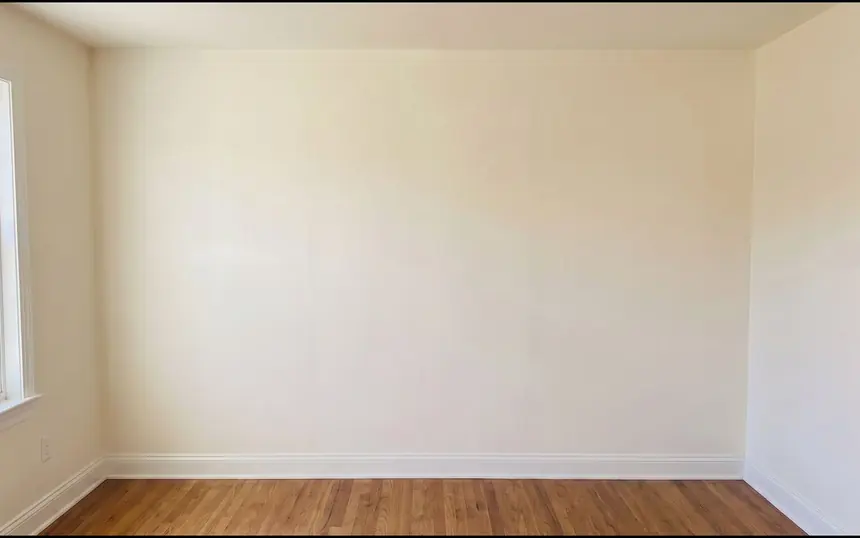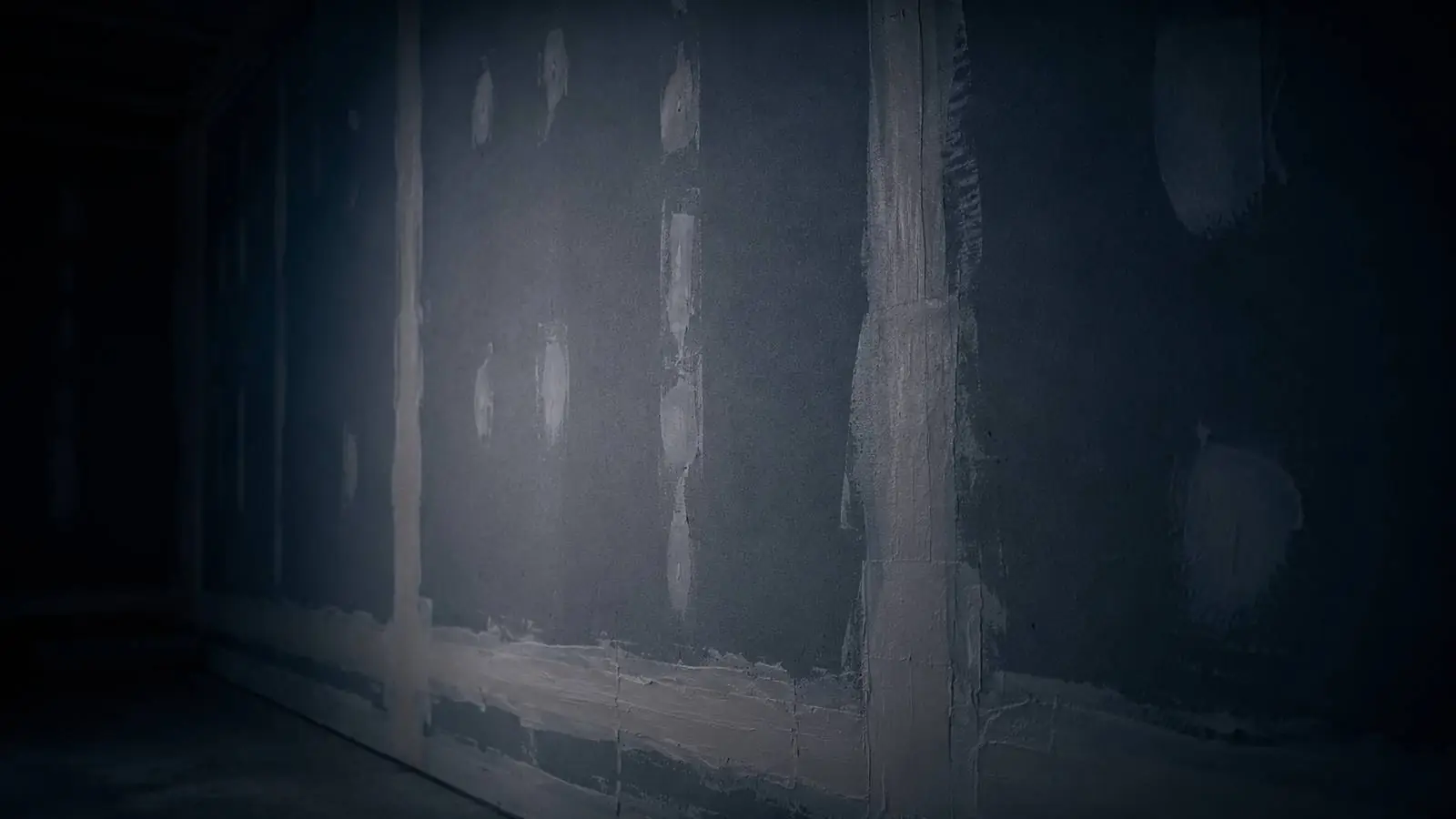
Ceiling cracks after a hundred-degree summer, knob holes, plaster in the old grid, the stained wall after a winter roof leak, a room of anchor holes: patched, matched and primed. Priced in writing on the call.
 BBBAccredited Business
Kaminskiy Care and Repair patches, finishes and texture matches walls and ceilings in Sacramento homes from the office in Roseville: the crack along the ceiling line that opens every August when the attic bakes, the knob hole in a Tahoe Park hallway, the plaster that let go along the lath in a Midtown bungalow, the brown map on a Land Park ceiling after the January storms found a roof flashing, the fifteen anchor holes a tenant left in Natomas, the lower wall a plumber opened in the Pocket. New board where it is needed, taped seams, three coats sanded flat, the texture or the plaster finish matched, then primer. Water waits for the source to be fixed and the board to dry. The price is in writing on the call and most patches are finished in one visit.
 Eight repairs, one crew, priced in writing before we start.
Sacramento is a valley with two seasons for drywall. Four months of heat dry the roof trusses and lift the ceiling tape off the walls; then October brings the rain and every tired flashing, window sill and bath above a kitchen shows up as a stain. Add a central city built of lath and plaster before anyone had heard of drywall and two river neighborhoods inside a flood zone, and you have a wall problem that changes by street. Our technicians patch plaster as plaster, match orange peel in the ranch tracts and knockdown in Natomas, and write the price before they start.
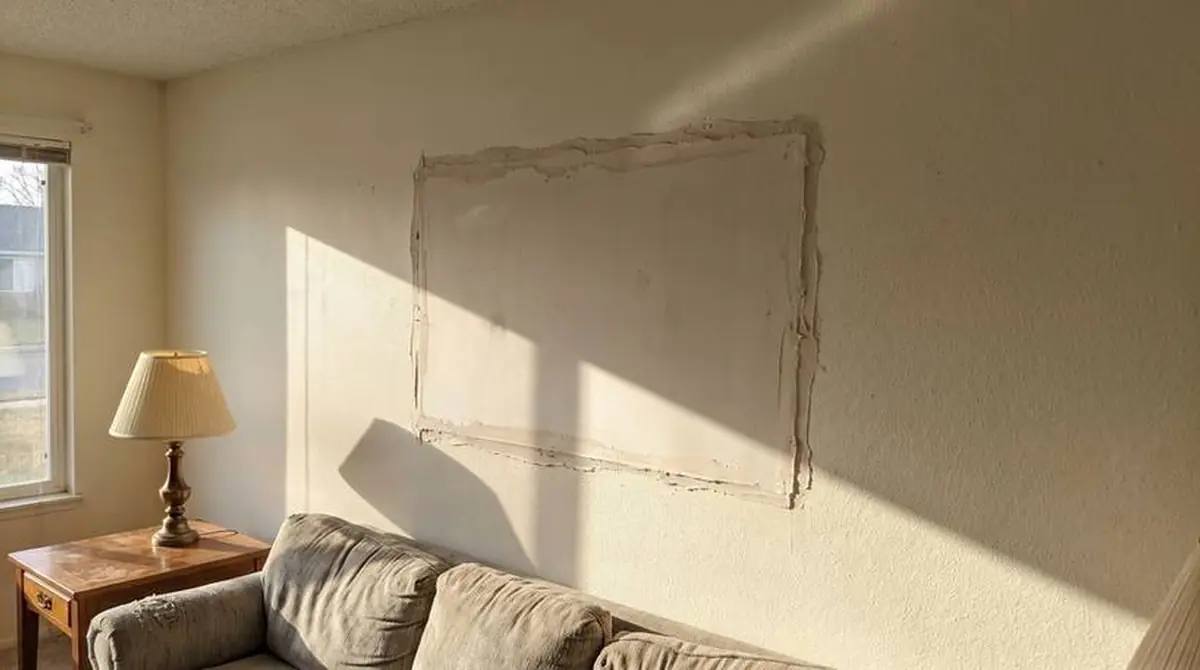
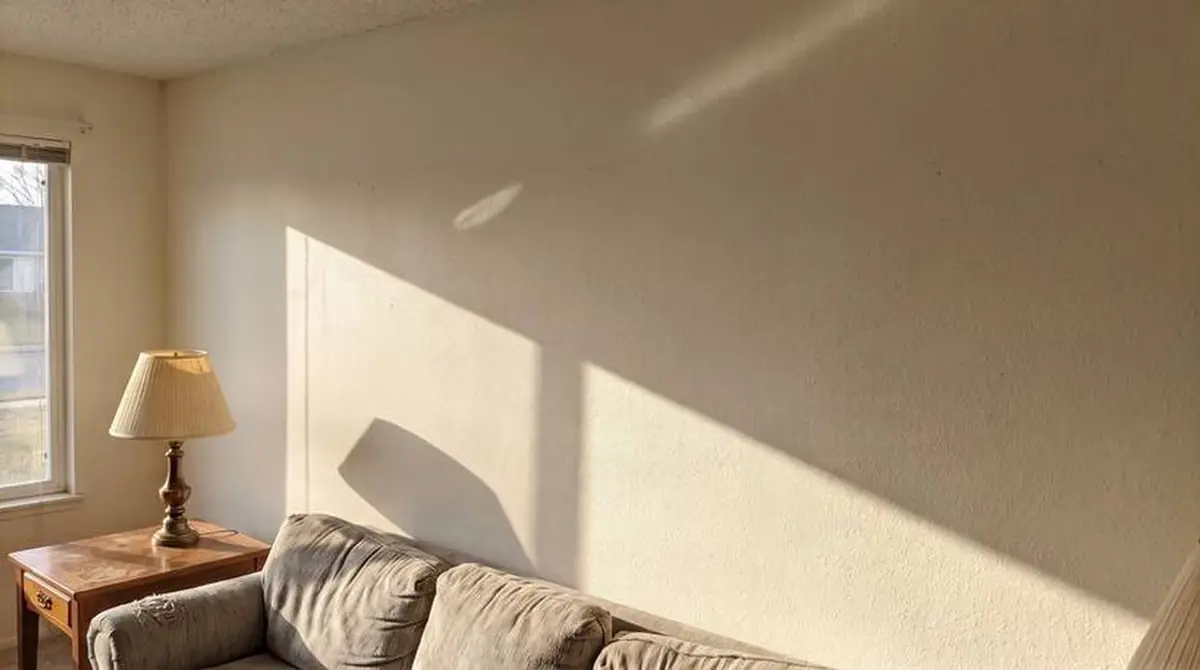 AFTERBEFORE
 Hole & Crack Repair
 Water Damage Repair
 Ceiling Repair
 Texture Matching
 Big Patches & Full Sheets
 Nail & Anchor Holes
 Corner Bead & Cracks
 Primed & Ready for Paint
Heat cracks, winter stains, old plaster and new tracts are all routine for our technicians, and the office in Roseville is a short run down the freeway. Say whether the damage is smaller than your hand, poster-sized or a whole sheet on the call, and tell us if the wall is plaster; the price is in writing before anyone drives in.

We answer in under three rings and get you priced and scheduled in minutes.

A clear, written quote with upfront pricing. You approve before work begins.

Kaminskiy-certified pros finish the job with a workmanship warranty.
Every drywall repair carries our one-year workmanship warranty, in writing, and is done by a Kaminskiy-certified, background checked technician.
Heat first. From June into September the attic of a tract house runs well over a hundred degrees, the top chord of each roof truss dries and arches, and the ceiling drywall is lifted off the interior walls; the tape at that corner cracks in late summer and closes again in the wet season, through any amount of caulk. Then settlement: the valley clay under the older neighborhoods holds water all winter and shrinks by August, and the house moves a little with it, showing at the corners of doors and windows. The truss crack gets a corner that is allowed to move; the settling crack gets tape, three coats and a wide feather.
The central grid, Land Park, Curtis Park and East Sacramento were built from the 1880s into the 1940s with lath and plaster, and a crack there follows the lath or a section goes hollow where the keys broke; plaster is patched with a bonding agent and a setting compound, never a drywall patch screwed into it. The 1950s and 1960s ranch tracts in Tahoe Park, River Park and Arden carry the first drywall, usually a fine orange peel and a sprayed ceiling from before 1980 that is tested by a licensed lab before anyone sands it. Natomas and the newer south run knockdown and smooth. We match each on a test board first.
The valley gets its rain between October and April, often in a few big storms, and that is when a roof flashing, a clogged gutter over a low-slope porch, a wood window sill in an old house or the upstairs bath in a two-story shows up on the ceiling below. The roofer or plumber fixes the source, the board dries and reads dry on the meter, then we cut out the stained section and replace it. A dark patch bigger than a dinner plate goes to a licensed mold remediation company first, and we say so on the call.
Smaller than your hand: a backed patch. Bigger than your hand and smaller than a laptop: a paper patch. Poster-sized: a framed backer and a new section. Soaked, crushed, or anything up to a whole sheet: new board on the studs, every seam taped. Plaster gets its own method. The three coats, the sanding, the texture and the primer are the same for all of them, and the spackle-and-paint patch from the hardware store skips every step, which is why it shows at four in the afternoon.
Victorians, Craftsman bungalows and cottages from the 1880s through the 1920s, most of them lath and plaster with a skim or sand finish and a hundred years of patches in three materials. Cracks follow the lath, corners crumble, a section goes hollow where the plaster keys broke, and a wood window wicks the winter rain into the wall below. We patch plaster as plaster, match the finish, and handle a pre-1978 painted surface lead-safe, with the painted layers tested first by a licensed lab.
1920s through 1960s houses under the big street trees: plaster in the older streets, the first drywall and a fine orange peel in the ranch tracts, sprayed ceilings from before 1980 that are tested by a licensed lab before anyone disturbs them, and roof-and-gutter water that shows on a hallway ceiling after the first storm. Fifty years of patches to match and corner bead rounded by generations of furniture.
Stucco tracts from the 1970s through the 2000s on flat ground behind the levees: knockdown and orange peel, truss cracks along the upstairs ceilings every August, the hall bath over the kitchen, and the flood-zone question. A wet lower wall here is cut above the water line, the cavity dried and metered, then new board goes in; patch it damp and the stain is back by spring.
Hold your hand over the damage and tell us: smaller than your hand, bigger than your hand, poster-sized, or a whole sheet. We price it on the call, in writing, in under ten minutes.
Water damage is repaired after the source is fixed. If the stain is still wet we tell you who fixes the leak, and we schedule the drywall for when it is dry.
Backing where it needs it, new board cut to fit, every seam taped, three coats of compound sanded smooth, your texture matched, then primer.
Dust contained and the room left clean. Most patches are finished in one visit; a full sheet may need a short second visit for the final coat, scheduled before we leave.
The City of Sacramento publishes its own list: painting, papering, tiling, cabinets and similar finish work need no permit, and the state residential code the city builds to asks no application for ordinary repairs to a structure. A drywall or plaster patch, a new sheet in an existing wall or a ceiling repair is that kind of work. Moving a wall, adding an opening or touching framing is a permit job, and inside a preservation district or on a landmark the exempt list does not apply, so we check before we price work on the historic blocks.
The state insurance department's homeowner guide puts sudden and accidental water damage on the covered side and seepage, slow leaks and maintenance on the other, with flood excluded altogether and carried by a separate flood policy. Photograph the stain and the source the day the storm finds it, keep the roofer's or plumber's invoice, and we write the drywall scope as its own line so it reads cleanly on the claim. The source is fixed first, the board dries and meters dry, then we replace the drywall, never the other way round.
Natomas sits in a Special Flood Hazard Area the city maps as zone A99, interim and still high risk, and the river neighborhoods carry their own zones; if your street is in one, the disclosure said flood insurance is required, and a wet lower wall after a storm is cut above the water line and dried before any board goes back. In a house built before 1978 the painted surface may carry lead and a ceiling sprayed before 1980 may carry asbestos: an older ceiling is tested by a licensed lab or abatement contractor before anyone disturbs it, and painted surfaces are handled lead-safe.
Can't find your answer? Call 916-507-2190 and ask us anything.
Call 916-507-2190The price is in writing on the call and the office in Roseville is a short run down the freeway, so usually within days. Most patches are finished in one visit; a full sheet, a plaster repair or a ceiling may need a short second visit for the final coat, scheduled before we leave.
That is the roof trusses lifting. The attic bakes from June to September, the top chord of each truss dries and arches, and the ceiling is pulled off the wall; the tape at that corner cracks in August and closes in the rain. Caulk fails every year. A corner that is allowed to move, or a crown line over the joint, stops it coming back, and we explain which suits your ceiling on the call.
Yes. Plaster is patched with a bonding agent and a setting compound keyed into the lath, then finished to the skim or sand finish around it. A drywall patch screwed into plaster is the repair that fails inside a year, and we do not do that one. Knock on the wall: dense and solid usually means plaster, hollow means drywall, and we confirm on the first look.
The roof, not the ceiling. A roofer fixes the flashing or the gutter, the ceiling dries and reads dry on the meter, then we cut out the stained section, replace the board, tape, three coats, texture and prime. Painted over wet, the ring is back by the next storm. A still-wet or sagging ceiling is priced on the call after a look.
No. One knob hole, one crack, one corner is a welcome call, and up to fifteen nail and anchor holes in a room is a menu item of its own for the move-out. The repair everyone thinks is too small to call about is the one our technicians are set up for.
Four things you can see yourself: the size against your hand (hand-sized, poster-sized or a whole sheet), whether water was involved, the finish on the wall (plaster, orange peel, knockdown or smooth) and the ceiling height. Say which on the call and the price comes back in writing in under ten minutes.
Not for a patch, a replaced sheet in an existing wall or a ceiling repair: the city lists finish work as exempt and the state code asks no application for ordinary repairs. New openings, removed walls and framing are different, and inside a preservation district the exemptions do not apply, so we say so before anyone opens a wall.
All of Sacramento from the office in Roseville: Midtown, Boulevard Park, Curtis Park, Land Park, East Sacramento, River Park, Tahoe Park, the Pocket and Natomas, plus Roseville, Carmichael, Citrus Heights, Elk Grove and West Sacramento. Call 916-507-2190 to confirm your address.
Tell us what the wall or ceiling looks like, or text us a photo. We'll call you back with a price and a time. Calling is still the fastest way: 916-507-2190.
Priced in writing before we start. Kaminskiy-certified technicians. A one-year workmanship warranty on every job.
We answer in under three rings, 24/7.No price games. You get a clear written quote before any work begins, backed by our workmanship warranty.