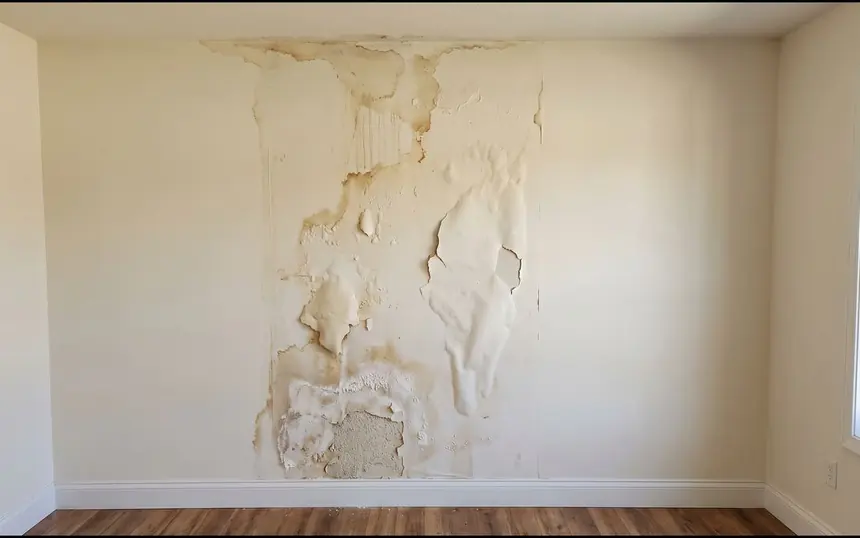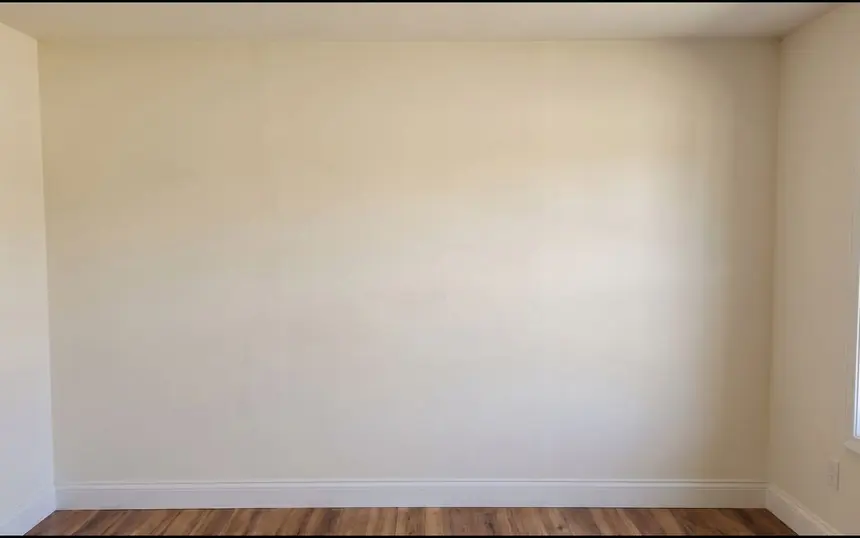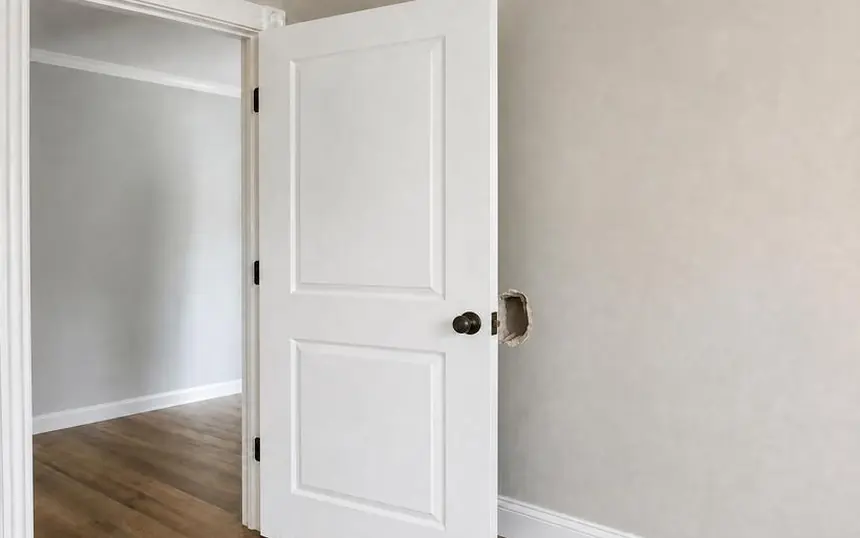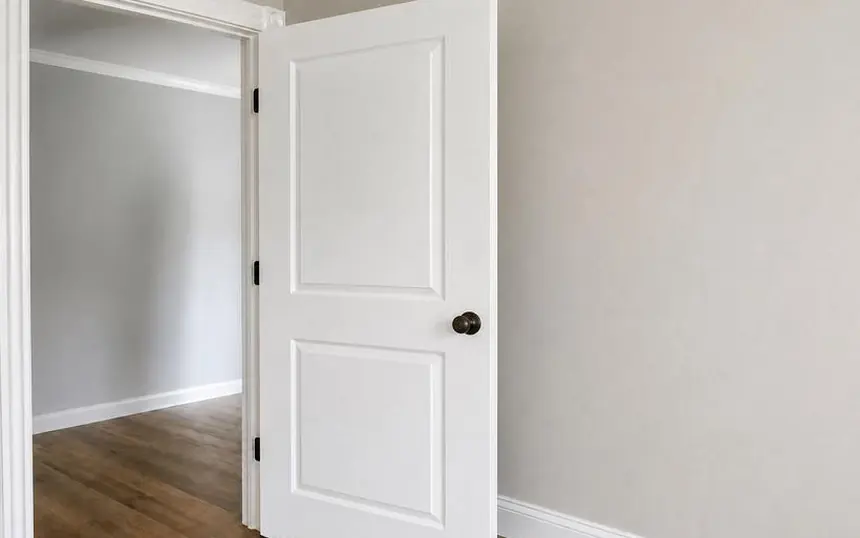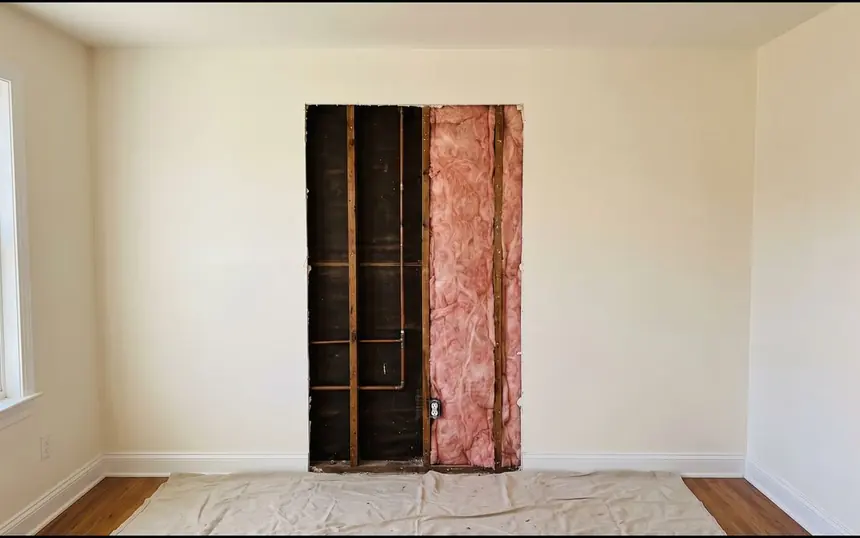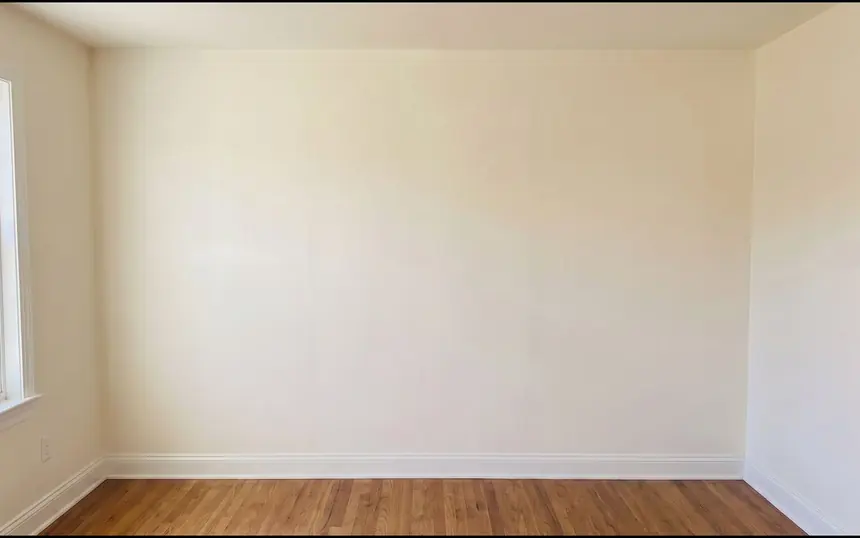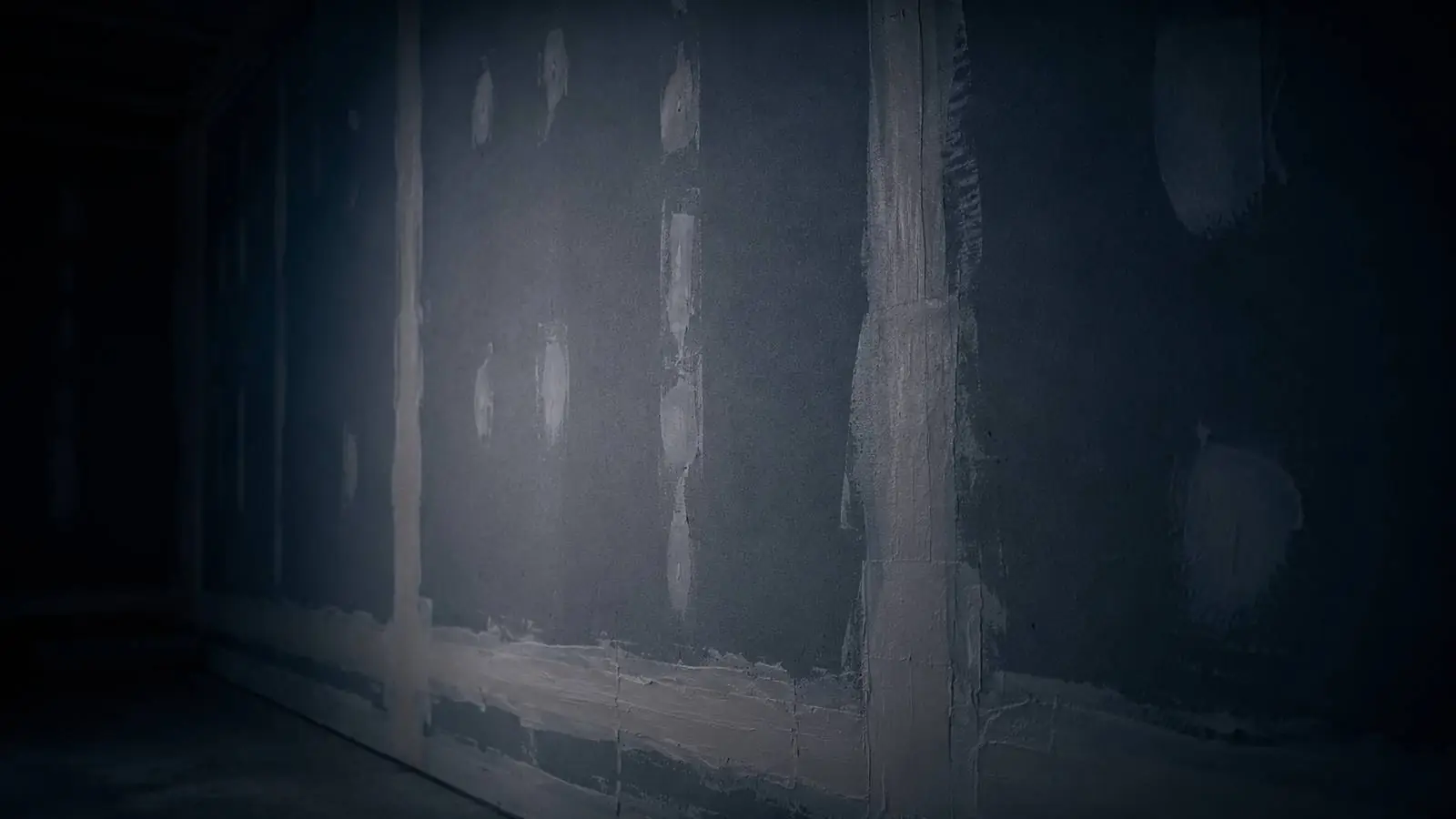
The ceiling crack in a Stanford Ranch two-story, the hairlines in a Whitney Ranch house, the knob hole, the stained ceiling and the move-out wall, patched, textured and primed, with the price written down before we start.
 BBBAccredited Business
Kaminskiy Care and Repair patches and finishes drywall in Rocklin homes from the office in Roseville, ten minutes down the road: the crack along the upstairs ceiling of a Stanford Ranch two-story that opens every summer, the hairlines off the window corners of a Whitney Ranch house on a cut lot over the granite, the knob hole in a Sunset West hallway, the ring on a Whitney Oaks ceiling under a second-floor bath, the plaster that let go in a quarry-era house near Front Street, the anchor holes in a student rental near Sierra College. Where the board is broken or soft it comes out and new board goes on the studs; every seam gets tape, the compound goes on in three coats and comes off flat, the orange peel or knockdown is sprayed to match, and primer closes it. A wet wall gets its leak fixed and its drying time before we touch it. You hear the price on the call, in writing, and a typical patch is done the day we come.
 Eight repairs, one crew, priced in writing before we start.
Rocklin sits on granite, which is why the quarries were here and why the newer hillside lots in Whitney Oaks and Whitney Ranch were cut and filled to make them flat; a house on the fill side settles a little toward the slope and tells you so at the window corners. The 1980s and 1990s tracts have the valley problem instead: a hundred-degree attic that lifts the trusses and cracks the upstairs ceiling tape by August. Our technicians know which crack is which, match the orange peel of the older streets and the knockdown of the newer ones, and put the price in writing first.
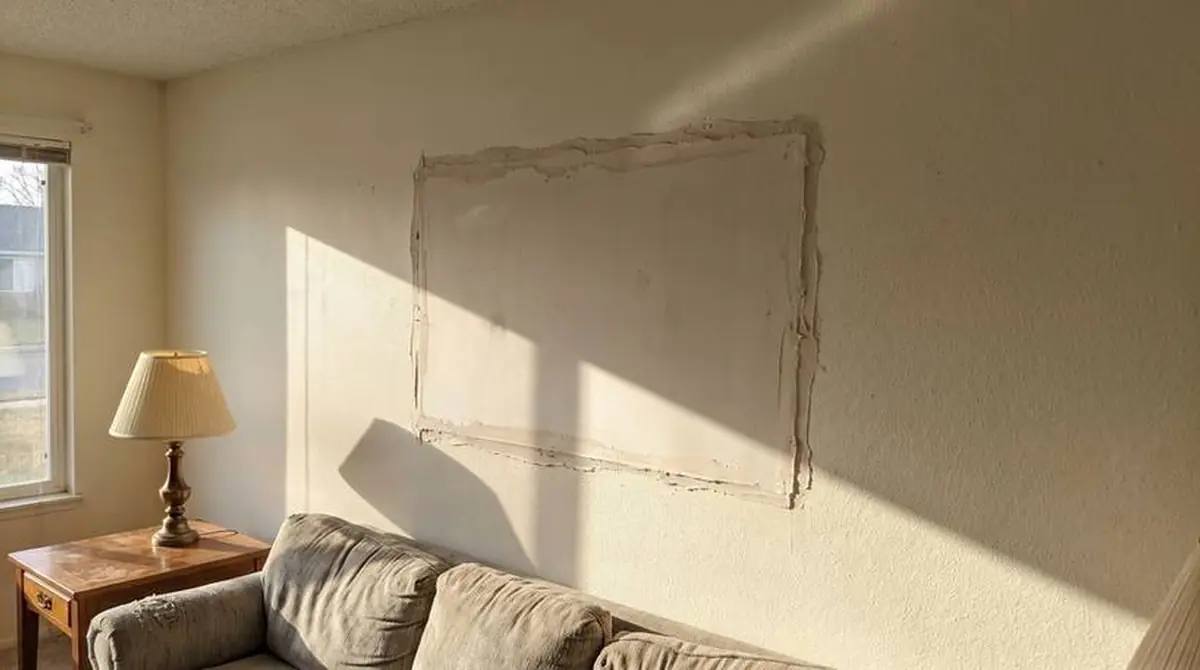
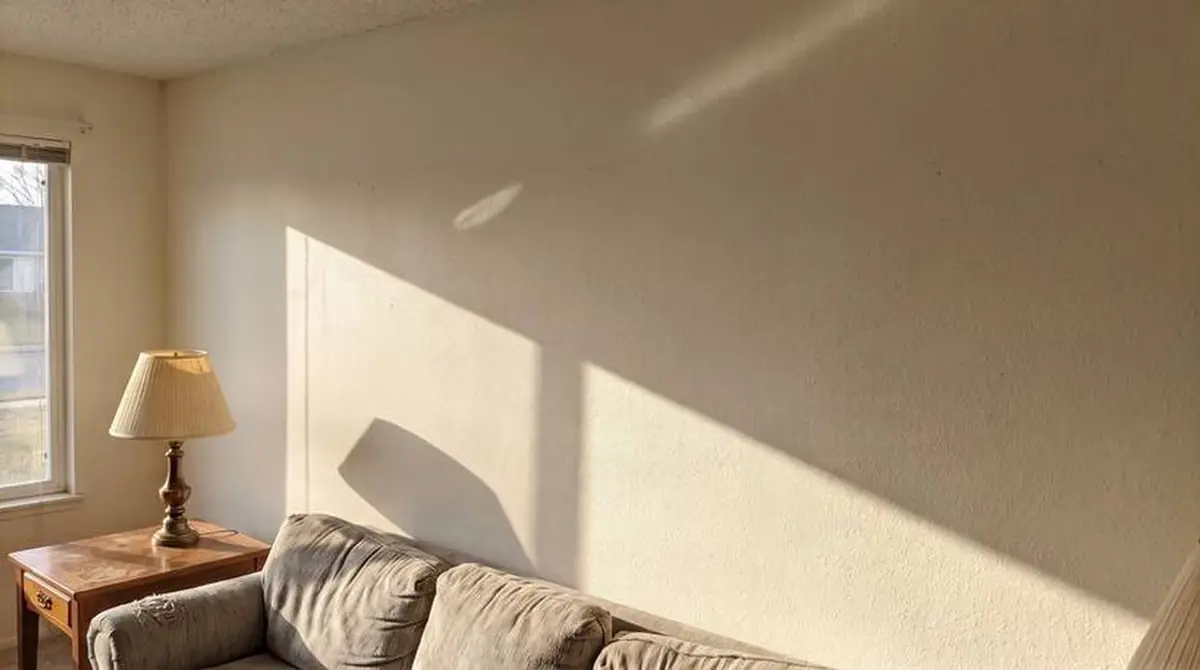 AFTERBEFORE
 Hole & Crack Repair
 Water Damage Repair
 Ceiling Repair
 Texture Matching
 Big Patches & Full Sheets
 Nail & Anchor Holes
 Corner Bead & Cracks
 Primed & Ready for Paint
From the office in Roseville the drive to any Rocklin street is minutes, so these are usually looked at the week you call. Tell us on the phone if the hole is card-sized, laptop-sized or bigger than a poster, and the written price reaches you before anyone comes out.

Priced and on the calendar during the first call.

A written quote you approve before anyone drives out.

One crew, truck stocked, warranty in writing.
A one-year workmanship warranty, in writing, on every Rocklin drywall repair.
The granite that built the state Capitol lies close to the surface across Rocklin, so the hillside villages of the 2000s and 2010s were graded hard: the uphill half of each lot cut into rock, the downhill half built up with fill, and fill keeps compacting for years. The house follows it, and the drywall reports it with a slanted crack running from a window or door corner on the low side, sometimes with a door that starts to catch. We tape that crack, fill it, feather it well past the edges and texture over it so it holds. A crack still opening in year six, or one that steps across the wall in a stair pattern, is not a drywall problem, and we tell you to have the lot looked at instead of selling a second patch.
Stanford Ranch, Sunset West and the other two-stories of the 1980s and 1990s were framed with engineered roof trusses, and a truss changes shape with the attic: when its top chord dries out in a hundred-degree attic it bows upward and carries the ceiling drywall with it, away from the interior walls. The tape at that corner splits by August and heals when the rains come, year after year, no matter how much caulk goes in. What stops it is a corner built to move: the ceiling board held back from the wall and fastened to the first joist in, or a crown molding fixed to the ceiling alone so it rides over the gap.
The 1970s and 1980s streets off Rocklin Road and Pacific Street run a medium orange peel, Stanford Ranch and the 1990s a heavier orange peel or knockdown, Whitney Oaks and Whitney Ranch knockdown and smooth, and the quarry-era houses of Old Town carry plaster or a sand finish. Orange peel depends on how thin the mud is, how much air the gun gets and how far the tip sits from the wall; knockdown depends on how long the splatter sets before the knife. We dial either in on a scrap board held against your wall before the repair gets sprayed.
In a two-story the water starts upstairs: a hall bath over the kitchen, the master shower over the family room, a washer on the second floor. By the time the ring shows on the ceiling below, the water has been running for a while. The plumber closes the source first; we meter the ceiling until it reads dry, then cut out the stained board and hang new. A ceiling that sags, or dark growth wider than a dinner plate, goes to a licensed mold remediation company before we return, and we tell you that on the call rather than on the day.
Two-story stucco homes from the 1980s and 1990s: the upstairs ceiling tape that splits each summer as the trusses lift, orange peel and knockdown that get a test board before the gun comes out, a hall bath sitting over the kitchen, popped nails down the stairwell, three decades of other people's patches on half-inch board. The rentals near Sierra College turn over every summer and bring anchor holes by the room.
The 2000s through 2010s villages on graded lots over the granite: slanted settling cracks off the window corners on the low side of the lot, knockdown and smooth finishes that show every edge of a careless patch, entries and great rooms over eight feet looked at before they are priced, laundry rooms upstairs over the family room, and gated-community paint schemes left alone, the repair primed for the HOA color.
The railroad and quarry-era houses and the 1950s through 1970s homes near the center: plaster and sand finishes in the oldest, early drywall with a tight orange peel in the others, ceilings sprayed before 1980 that a licensed lab samples before anyone sands them, and roof water rather than bath water. Plaster gets a plaster repair, drywall a drywall repair, and each gets its own finish back.
Rocklin is served by the same crew as the rest of the valley, and the Sacramento drywall page explains the City of Sacramento permit list, the Natomas flood rule and how a winter leak reads on a claim, in plain words.
Hold your hand over the damage and tell us: smaller than your hand, bigger than your hand, poster-sized, or a whole sheet. We price it on the call, in writing, in under ten minutes.
Water damage is repaired after the source is fixed. If the stain is still wet we tell you who fixes the leak, and we schedule the drywall for when it is dry.
Backing where it needs it, new board cut to fit, every seam taped, three coats of compound sanded smooth, your texture matched, then primer.
Dust contained and the room left clean. Most patches are finished in one visit; a full sheet may need a short second visit for the final coat, scheduled before we leave.
Rocklin says nearly all construction work, interior alterations and most repairs need a building permit unless the work is on the exempt list, and the exempt list carries painting, papering, tiling, cabinets and similar finish work; the state residential code the city builds to adds that ordinary repairs need no application. Patching a hole, hanging a new sheet inside an existing wall or repairing a ceiling is finish work by that definition. Cutting a new opening, taking out a wall or changing framing is not, and for that job the Building Division comes before us, not after.
Under the state insurance department's homeowner guide, a pipe that lets go without warning is the kind of water damage a policy typically pays for; a drip that seeped for months, or wear the owner should have fixed, typically is not. So the first thing an adjuster wants is a date. Take a photo of the ceiling and of the leak the day you spot them, hold on to the plumber's bill, and our drywall scope arrives as a separate line the adjuster can read on its own. Leak closed, board metered dry, then new drywall, in that order, or the stain comes back through the primer within a month.
Between the house and an attached garage the California Residential Code wants a fire separation: at least half-inch gypsum on the garage side of the wall, and five-eighths Type X on a garage ceiling with living space above. When a full sheet comes out of that wall it goes back in the same board, which is what the code asks and what we carry on the truck. A quarry-era or 1960s house raises a second question: paint from before 1978 can hold lead and a ceiling sprayed before 1980 can hold asbestos, so an older ceiling goes to a licensed lab or abatement contractor for a sample before anyone disturbs it, and painted surfaces in a pre-1978 home are handled lead-safe.
Can't find your answer? Call 916-507-2190 and ask us anything.
Call 916-507-2190Usually within days; the office is ten minutes away in Roseville. You get the price in writing while we are still on the phone, and a typical patch is finished the day we come; a whole sheet or a stretch of ceiling sometimes needs us back briefly for the final coat.
On a cut-and-fill lot in Whitney Ranch or Whitney Oaks, a slanted crack off a window corner usually means the house is easing toward the filled side of the lot. In the first few years that is cosmetic and we close it for good with tape, compound, a wide feather and texture. When it is still widening in year six, or the door beside it catches a little more each year, patching it again would be taking your money; we say so and point you to a soils engineer.
Yes. Stanford Ranch carries a medium to heavy orange peel. How thin the mud is, how much air the gun gets and how far the tip sits from the wall decide the match, so our technicians shoot a sample on scrap, hold it to your wall in low side light and adjust before the repair itself gets sprayed. The old patch on your wall shows because nobody textured it.
Truss lift. In a hot attic the top chord of each roof truss dries and bows upward, and the ceiling goes with it, away from the wall, so the tape at that corner splits every August however much caulk goes in. The cure is a corner built to move, or a crown molding fixed to the ceiling alone so it rides over the gap; we tell you which fits your ceiling when you call.
Once the plumber has closed the leak and our meter says the ceiling is dry, yes. Out comes the stained board, the joists get a look, new board goes up and is taped, finished in three coats, textured and primed. A ceiling that is still wet, or sagging, we price after seeing it rather than off the menu.
The outside of the house is priced on the same call: a cracked or patched stucco wall and the drywall inside can go on one written price from the same office. This page is the interior drywall; tell us if you have both.
Four things, all of which you can see from the doorway: how big the damage is next to your hand, whether water caused it, which texture is on the wall, and how high the ceiling is. Give us those on the call and the written price is back in under ten minutes.
All of Rocklin, Stanford Ranch, Whitney Oaks, Whitney Ranch, Sunset West, Springview, Clover Valley and Old Town, plus Roseville, Loomis, Lincoln, Granite Bay and Penryn. Call 916-507-2190 and we will confirm your street.
Describe the wall or ceiling, or text a photo, and we call back with a written price and a time. Calling is still faster: 916-507-2190.
Priced in writing before we start, matched to the wall, warranted in writing.
We answer in under three rings, 24/7.No price games. You get a clear written quote before any work begins, backed by our workmanship warranty.