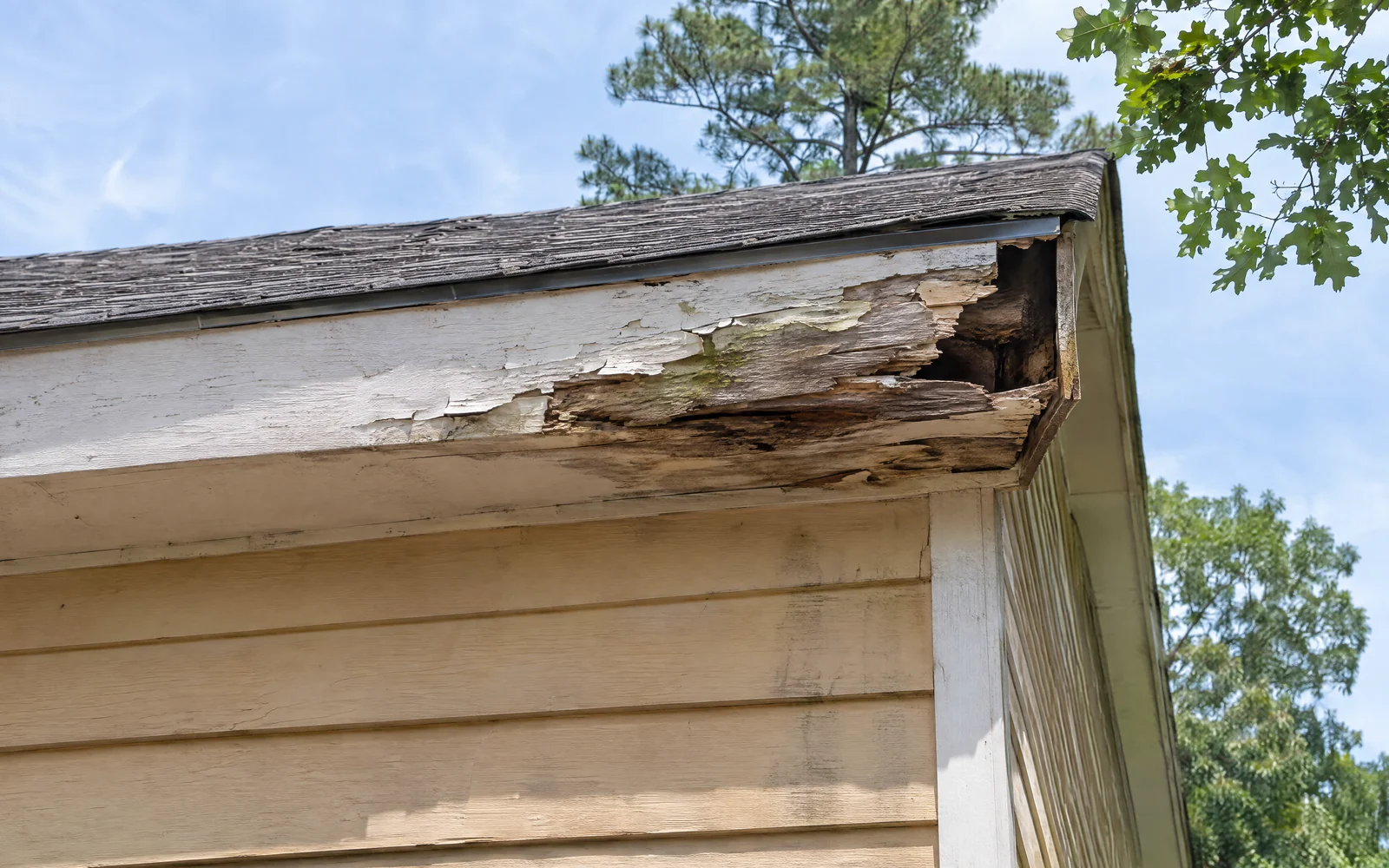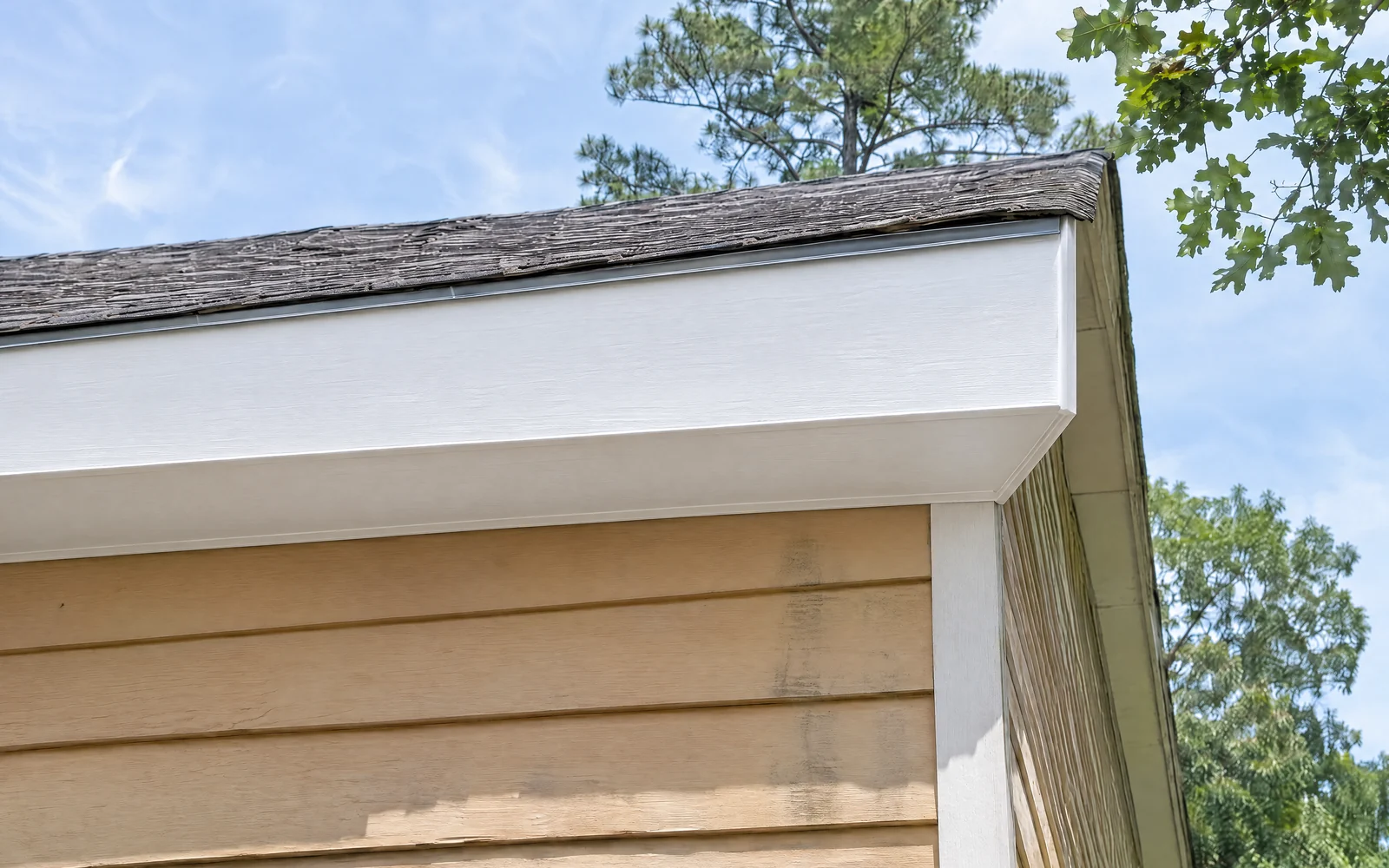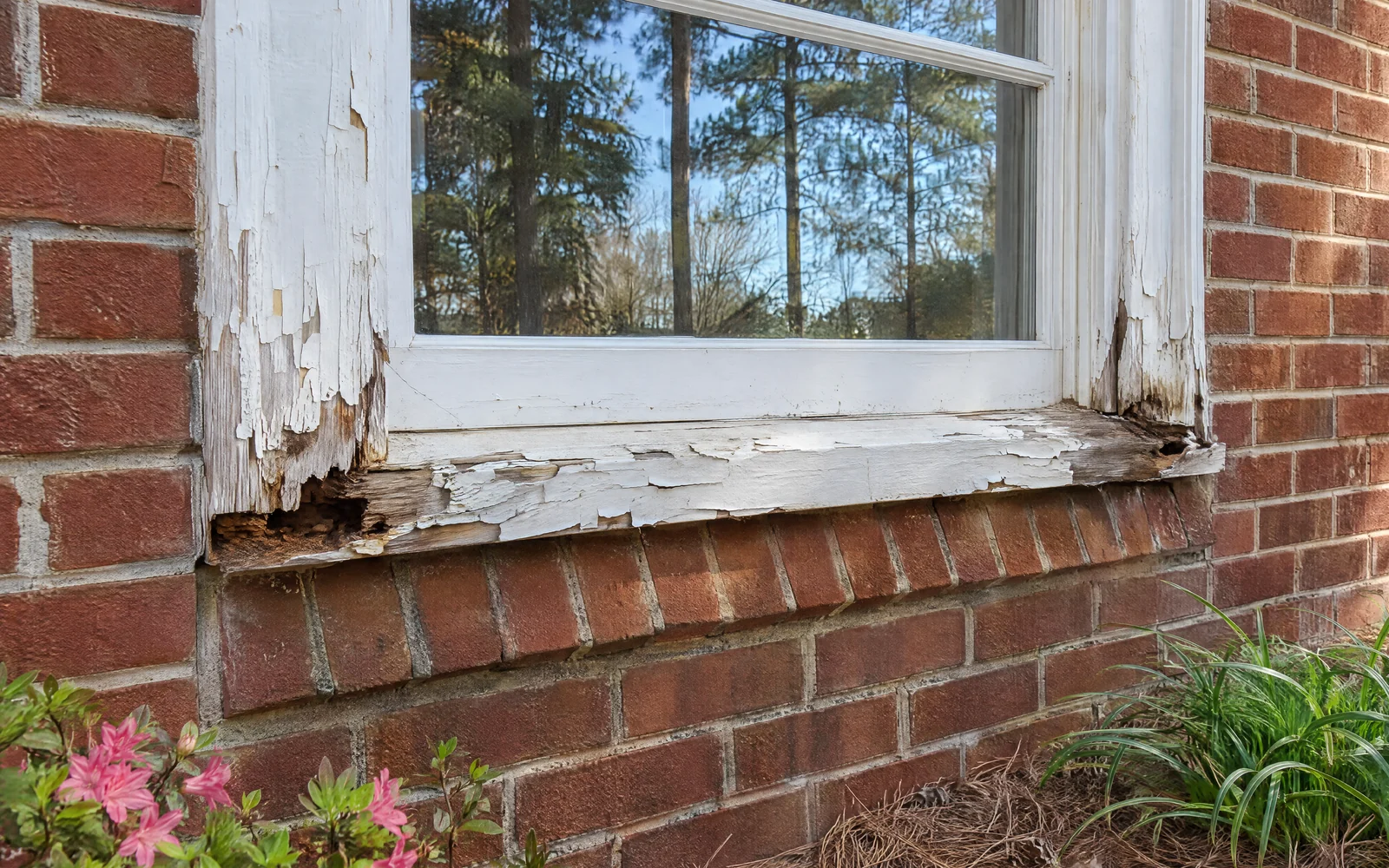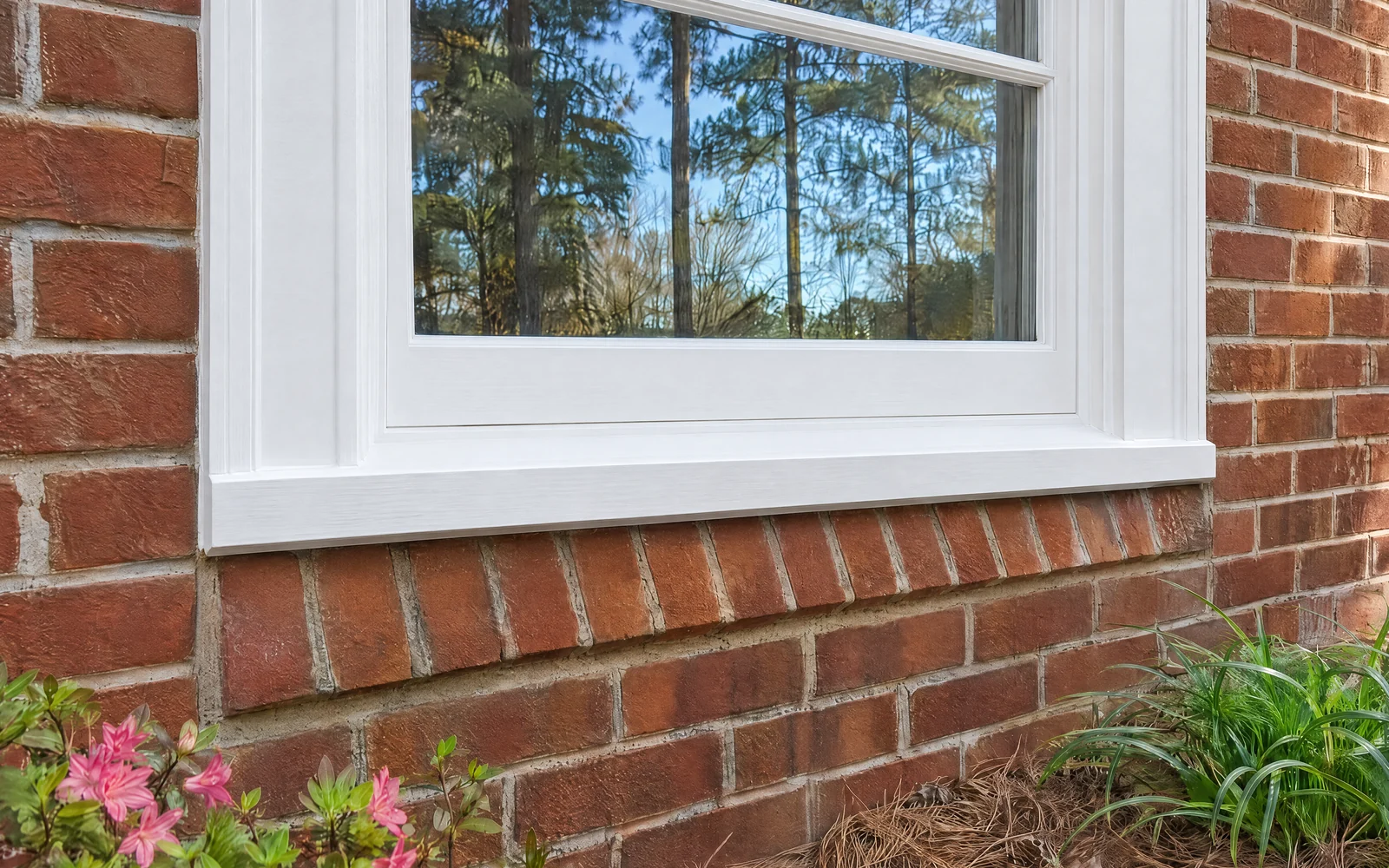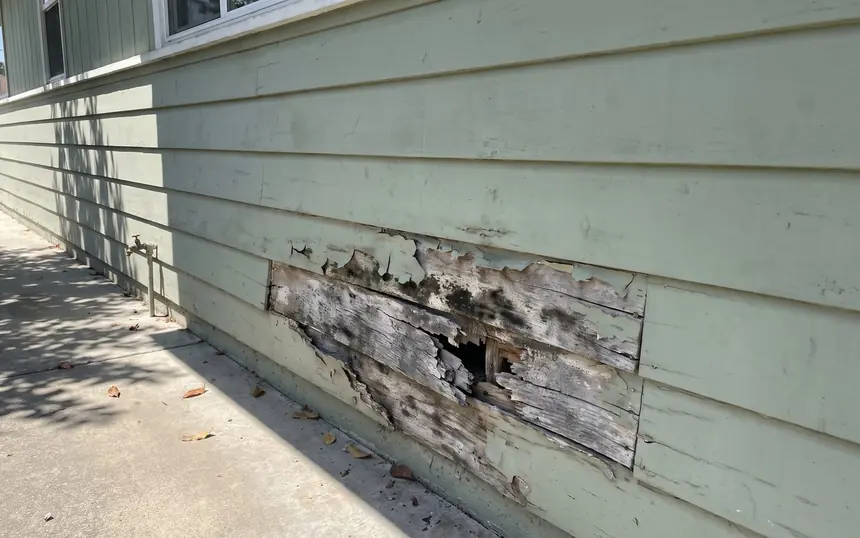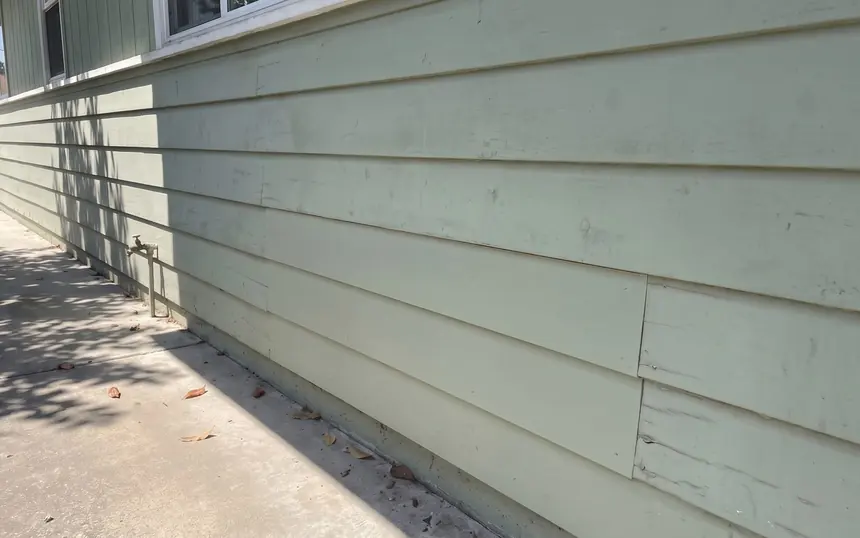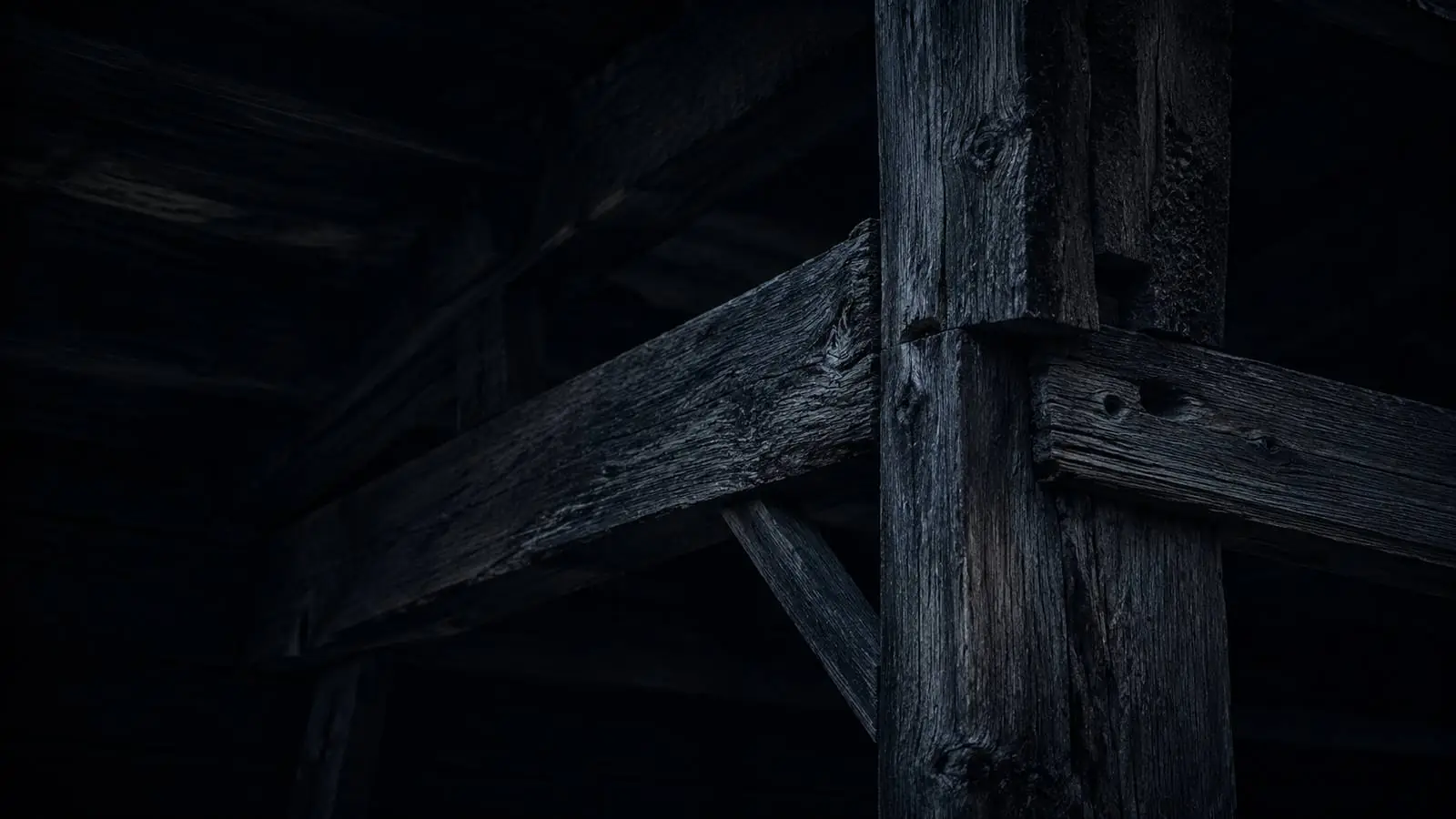
Mill-house siding, porch floors, window sills, trim and termite damage cut back to sound wood and rebuilt in matching material, downtown to Heritage. Priced in writing before we start.
 BBBAccredited Business
Wake Forest has the oldest wood in the county and some of the newest, and Kaminskiy Care and Repair rebuilds both: the lap siding and porch floors of the mill houses in Glen Royall and the college-town houses downtown, matched board for board for the historic district, and the trim, the deck ledgers and the porch posts on the planned streets of Heritage, Hasentree and Traditions, cut back to sound wood, primed, painted and sealed. Termites go to a licensed pest company first; the rebuild after is ours, priced in writing from our office in Raleigh.
 Eight repairs, one crew, priced in writing before we start.
A hundred-year-old mill house and a twenty-year-old house in Heritage rot for different reasons, the first from a century of damp under the oaks, the second from a builder detail, and the fix is the same craft: cut back to sound wood, rebuild in matching material, prime, paint and close the water path.

 AFTERBEFORE
 Fascia & Eaves
 Window Sills
 Door Jambs & Casings
 Trim & Siding
 Termite Damage Rebuilds
 Deck Boards & Railings
 Stairs & Posts
 Primed, Painted & Sealed
Old wood or new, rot in Wake Forest is a board-by-board repair if you catch it this season. A Kaminskiy-certified technician prices most siding, sill and trim repairs on the call, in writing; a porch floor or a run of siding on a historic house gets a written scope first, matched to the material the commission expects.

Priced and on the calendar during the first call.

A written quote you approve before anyone drives out.

One crew, truck stocked, warranty in writing.
A one-year workmanship warranty, in writing, on every Wake Forest rot and termite damage repair.
Age downtown, details on the new streets, humidity everywhere. The mill houses and the college-town houses near Main Street have taken a century of Piedmont rain under big oaks on vented crawl spaces, and their porch floors, column bases and bottom siding courses are at the end of their life. In Heritage, Hasentree and Traditions the wood is young and the rot is a trim board with no flashing or a ledger against the band board. We rebuild each the right way for its house.
The eastern subterranean termite is in every North Carolina county, and an old porch on brick piers over bare dirt is its ideal path: mud tubes up the pier, into the porch framing, then the sill and the siding. On the new streets it comes through the foundation mulch. Swarms come after a warm rain in late winter. Carpenter bees take the unpainted porch ceilings and fascia. A licensed pest company treats and reports; we rebuild the wood after.
On a historic house the repair has to match in material, profile and appearance, and that is how we work anyway. We splice new wood into the old siding with the same lap and reveal, rebuild a column base to the original turning, replace porch flooring in the same width, prime every face and paint to match. Matching material keeps the repair on the minor side of the town's review.
Keep the gutters clear after the oaks drop and the downspouts running away from the piers. Paint the porch floor and keep its drip edge clear. Pull the mulch and the ivy off the bottom siding course, keep the crawl space vents open or the closed crawl space dry, and look under the porch for mud tubes every spring.
The college-town houses near Main Street and the mill houses of Glen Royall: lap siding, wood porches on brick piers, box columns, wood-framed windows, all a century old under big oaks. Porch floors, column bases and the bottom siding courses rot first, and in the local historic district the repair is matched board for board so it stays a minor work. We splice new wood into old and keep the repair to what was there.
Planned communities from the 2000s with siding sides, wood trim, porches and decks over golf-course lots. The window trim rots where no cap flashing was set, the deck ledger stains the band board, and the porch posts go soft at the base. We rebuild the trim and the posts, match the association's scheme and name a ledger problem before anyone opens the wall.
Family streets from the 1990s on, with fiber cement and vinyl and wood at the porch columns, the door frames and the deck framing. The rot is a column base, a jamb bottom on the slab or a railing post in a puddle. Small fixes, sealed on the end grain and matched to the finish.
Wake Forest is served from the Raleigh office, and the Raleigh dry rot and wood rot repair page holds the Wake County version of the story: the state permit exemption, the WDIR 100 and the termite picture.
A fascia board, a sill or a trim piece is priced on the call, in writing. A bigger rebuild gets a look first and a written price before anything starts.
We cut back to sound wood and probe how far the rot really goes. If it runs further than the photo showed, you hear it before we go further, with the price.
New wood primed on all sides, caulked, painted to match, and the water path that caused it fixed: the drip edge, the flashing, the gutter end, the sprinkler.
The work area is cleaned before we leave, and every rot repair carries our one-year workmanship warranty.
North Carolina exempts the replacement of windows, doors, exterior siding and the boards, railings and stair treads of porches and decks from a building permit under a set cost, and never exempts a load-bearing structure. Wake Forest's Inspections Department enforces that code and publishes no separate exempt list that we found, so a like-for-like siding, sill or porch-floor repair sits on the statute's exempt side, a rotted joist, girder or porch beam does not, and we ask the department before a bigger job.
A Wake Forest sale comes with a Wood-Destroying Insect Information Report, the WDIR 100, written by a company licensed by the state's Structural Pest Control Division. It reports the termites, powderpost beetles and old house borers seen that day; it is not a structural damage report and does not report wood rot, which on an old house is the bigger list. The pest company treats and reports, the home inspection finds the rot, and we repair both, matched to the house, with the invoice for the file.
Any exterior work on a property in Wake Forest's local historic district or on a local landmark needs a Certificate of Appropriateness, and the town treats features replaced in kind with matching materials as a minor work that staff can approve. A siding course, a column base or a porch floor rebuilt in matching wood is that kind of job, and we write the scope so it reads that way. A change of material is the commission's call, and we tell you before we start.
Can't find your answer? Call 919-585-1114 and ask us anything.
Call 919-585-1114A sill, a trim board or a short run of siding is priced on the call and usually scheduled within days from our Raleigh office. A porch floor, a column or a historic-district elevation gets a look and a written scope first, so the material match is settled before anything starts.
Yes, after the licensed pest company has treated. On the old houses the damage is usually in the porch framing, the sill and the bottom siding; on the new streets in the band board and the trim. We cut out what was eaten, rebuild what we can reach, and tell you first if a girder or a joist needs more than a splice.
Yes. Porch flooring, column bases, siding, sills and trim are carpentry, and Kaminskiy is licensed, bonded and insured, so supporting the porch roof while we splice a column is routine. A rotted porch beam or joist is named before anyone opens the floor, and we tell you who needs to look at it.
The amount of old wood that comes out and the match it has to make. A trim board in Heritage is a short visit; a porch floor on a mill house with matching width boards is not. Text a photo and the price is in writing before anything is scheduled; if the rot runs further than the photo showed, you hear it before we go further.
Not for a like-for-like repair of siding, a sill, trim, a porch floor, deck boards or a railing under the state's cost line. Rot in a joist, a girder or a porch beam is load-bearing work and needs a permit no matter the cost, and we ask the Inspections Department before a bigger job.
Any exterior work there needs a Certificate of Appropriateness, but in-kind replacement with matching materials is a minor work that staff can sign off. We match the siding, the column and the porch boards to what is there and write the scope so it reads as a repair. If a different material is the better fix, we tell you first so the commission sees it before we start.
All of Wake Forest from our Raleigh office, including downtown, the historic district, Glen Royall, Heritage, Hasentree, Traditions, Wakefield Plantation and Holding Village, plus Rolesville, Youngsville and north Raleigh. Call 919-585-1114 to confirm your address.
Tell us where the wood has gone soft, or text a photo, and we call back with a written price and a time. Calling is still faster: 919-585-1114.
Priced in writing before we start, rebuilt to last, warranted in writing.
We answer in under three rings, 24/7.No price games. You get a clear written quote before any work begins, backed by our workmanship warranty.