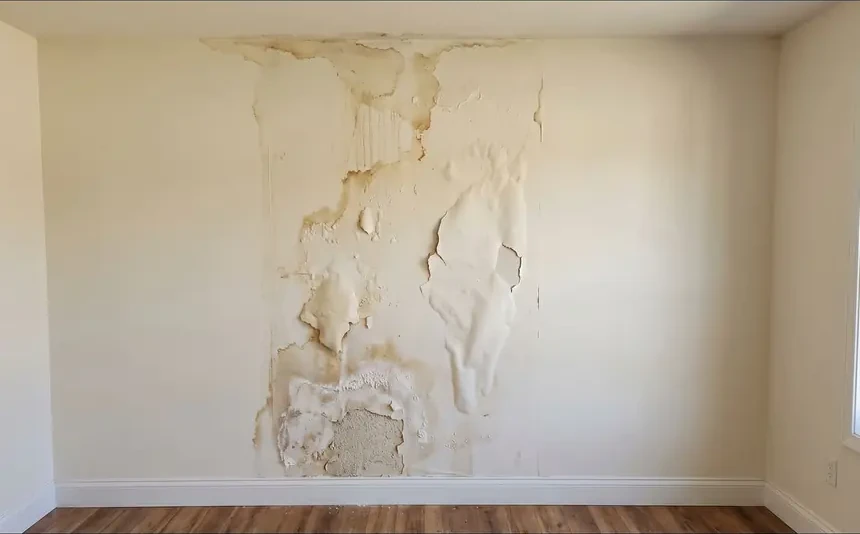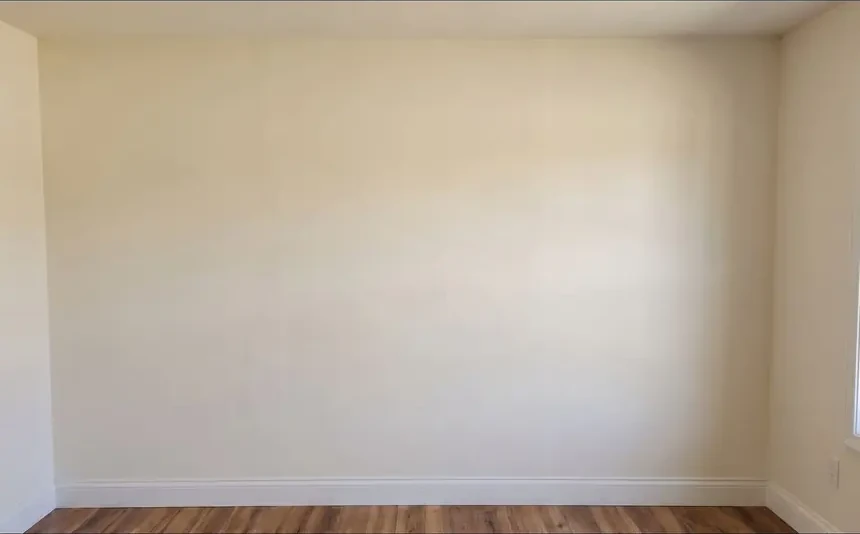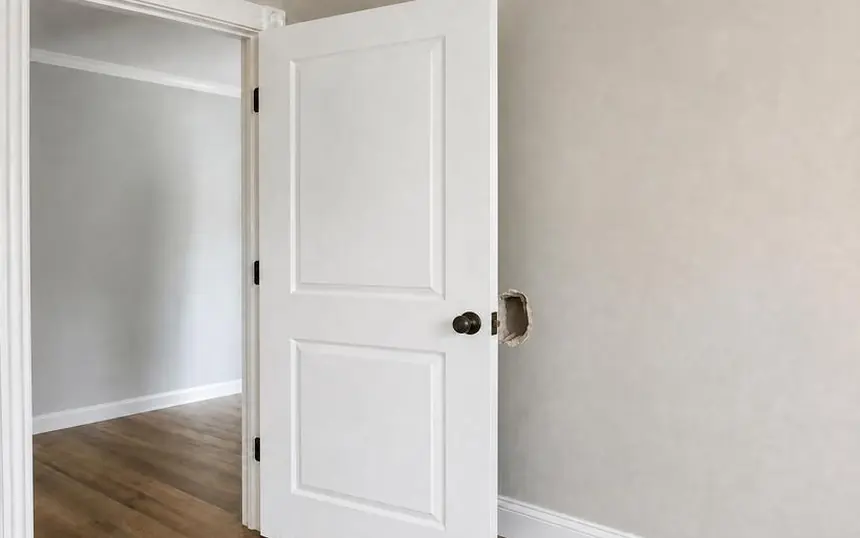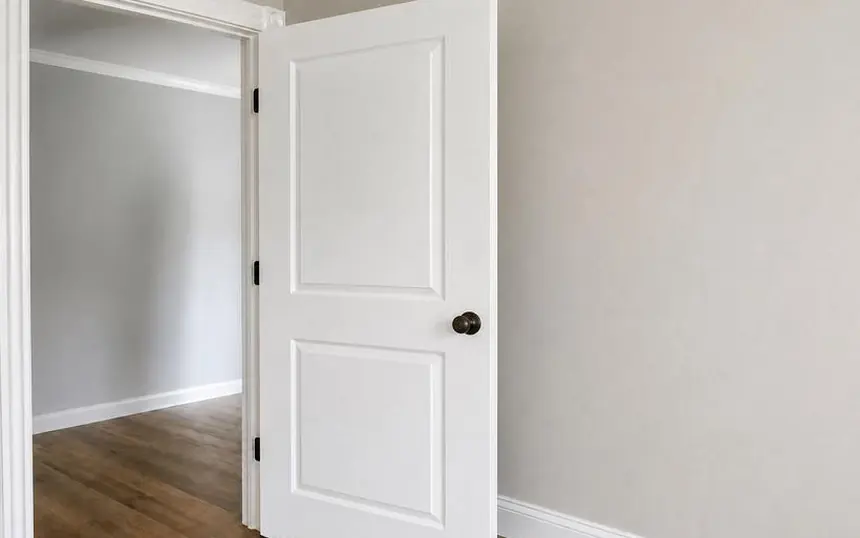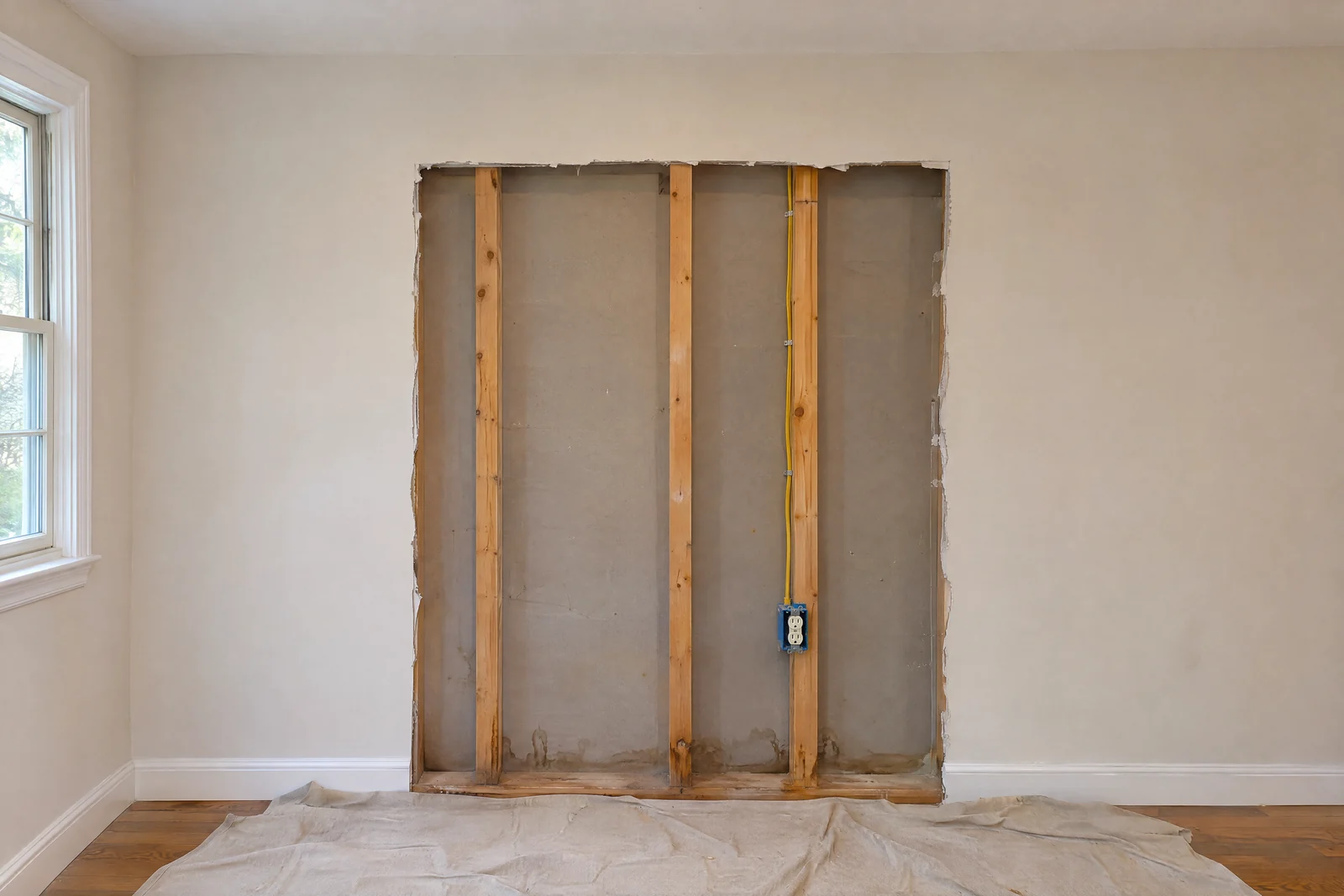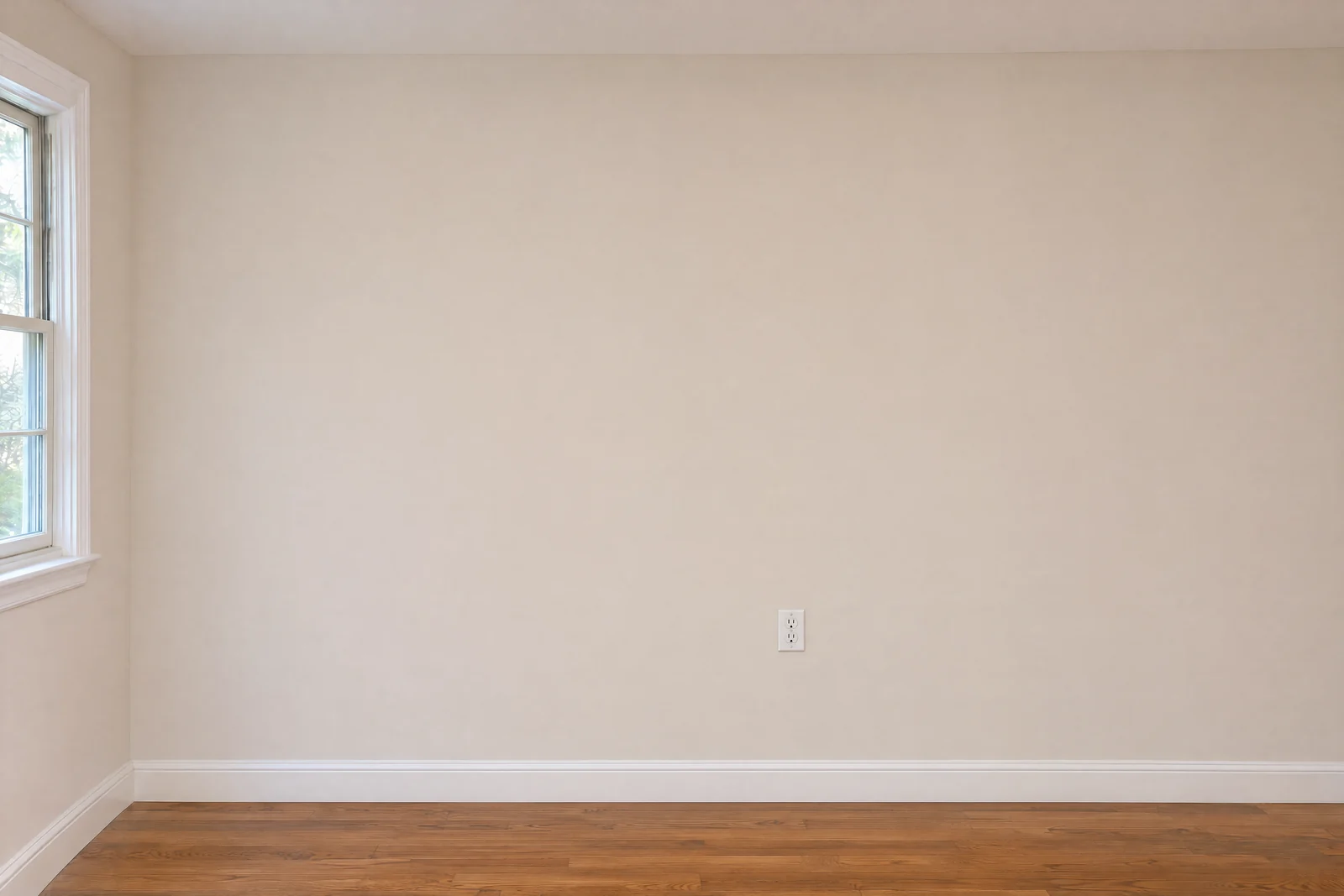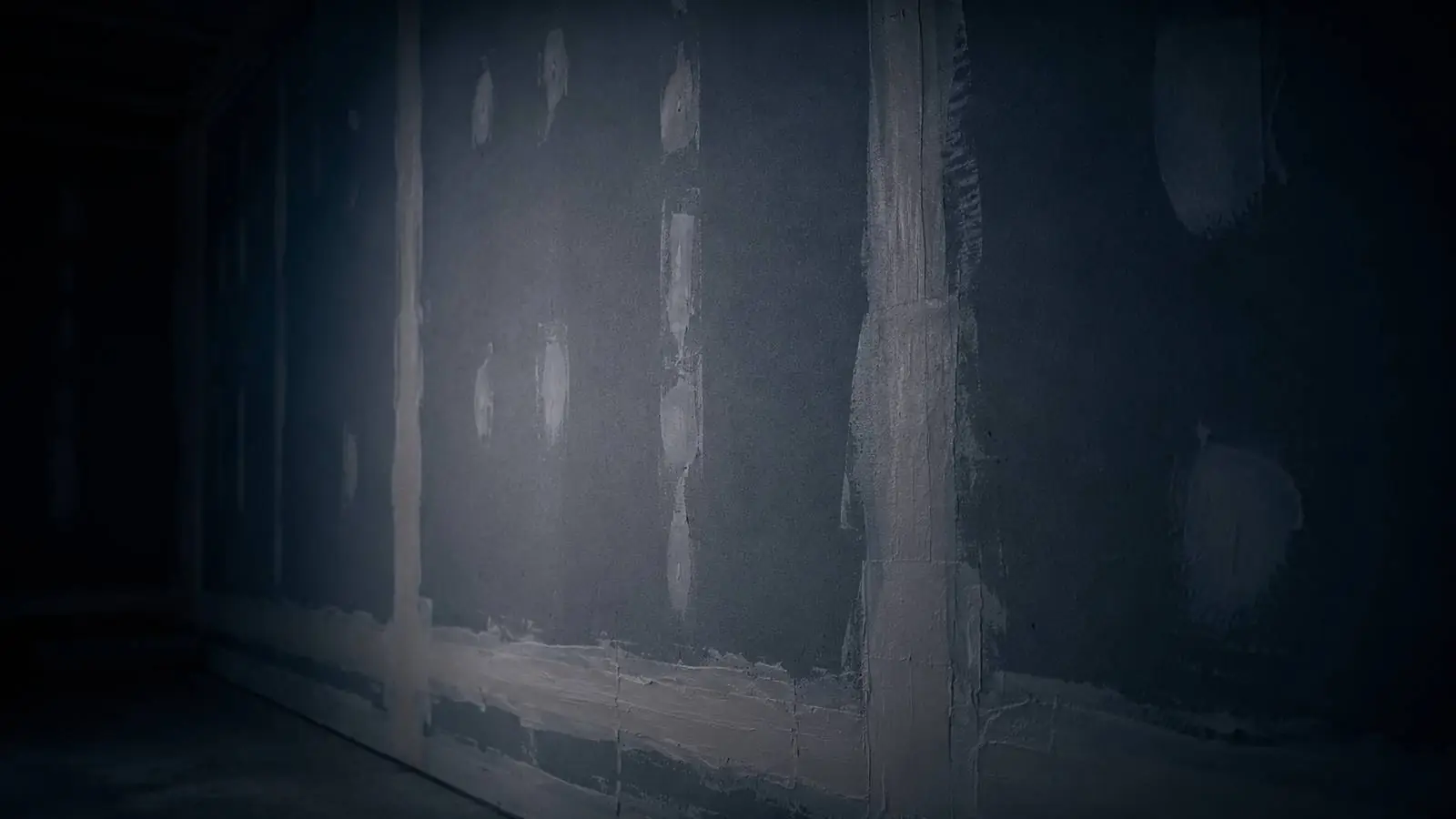
Humidity stains at the base of a wall, the January crack at the ceiling line, cracked plaster in a 1920s house, the bathroom ceiling after a pipe froze, nail holes by the room. Priced in writing on the call.
 BBBAccredited Business
Kaminskiy Care and Repair repairs walls and ceilings in Raleigh homes from an office on Centerview Drive, and the wall decides the method: lath and plaster in an Oakwood or Boylan Heights house, 1960s drywall with sprayed ceilings in the Lake Johnson ranches, orange peel and knockdown in the North Raleigh tracts, a smooth skim in a remodeled North Hills kitchen. The call list is the same across town: the stain creeping up from the baseboard over a damp crawlspace, the crack at the ceiling line that opens in January, the bathroom ceiling after a pipe froze in the attic, the knob hole, the move-out wall near NC State with forty anchor holes. Sound board or sound plaster, taped seams, three coats, the finish matched, primer. Water waits for the leak to be fixed and the board to read dry. The price is in writing on the call, and most patches are finished in one visit. That adds up: since 2025, 89 repair visits on 80 Raleigh homes.
 Eight repairs, one crew, priced in writing before we start.
Raleigh walls live between two seasons: an August so humid the crawlspace breathes damp into the base of every exterior wall, and a January so dry the roof trusses lift the ceiling off the upstairs partitions. Add red clay under the footings and the house moves a little every year. We tape the crack instead of caulking it, dry the stained wall before we open it, and match orange peel, knockdown, smooth or plaster so you cannot find the repair afterward.
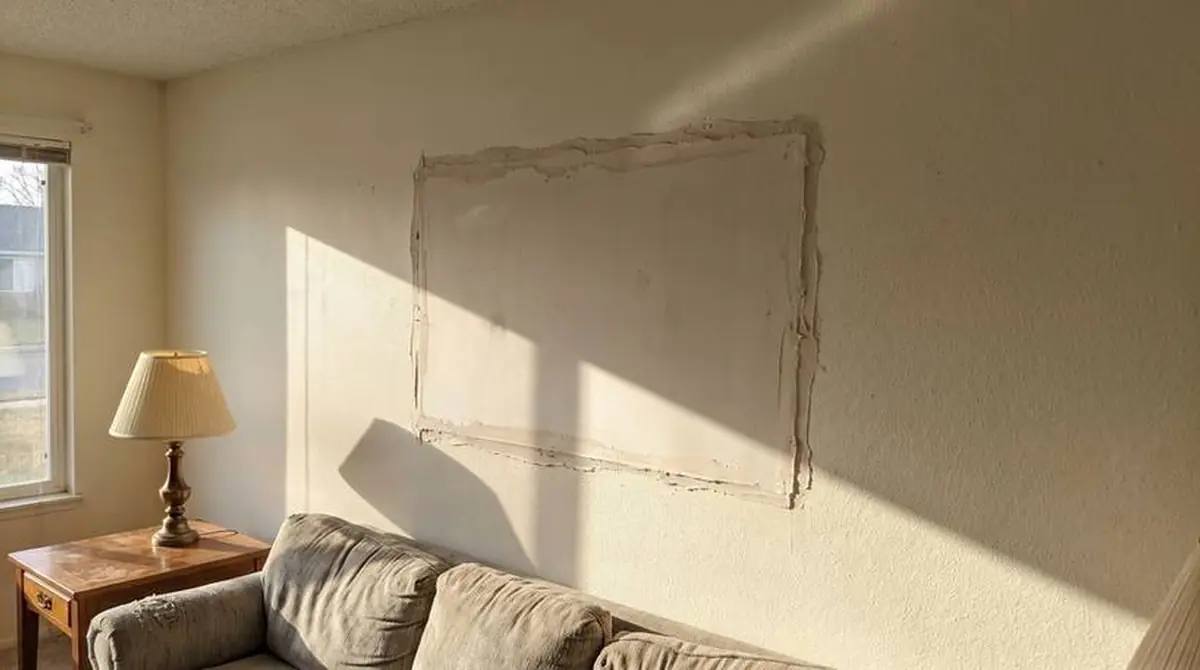
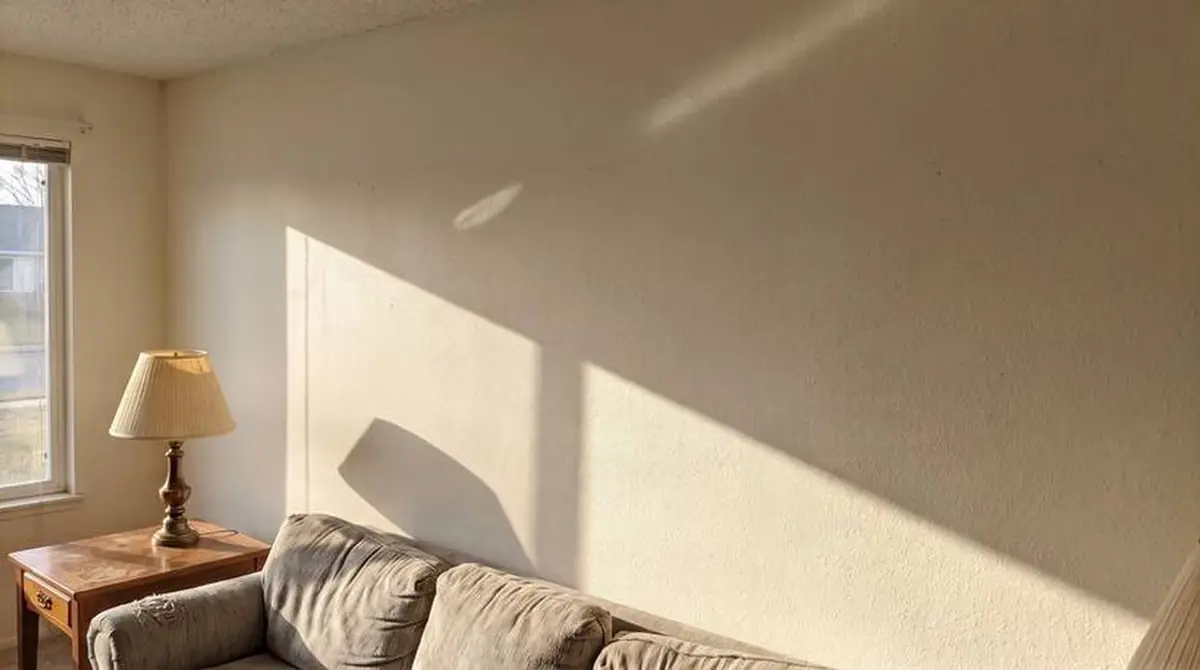 AFTERBEFORE
 Hole & Crack Repair
 Water Damage Repair
 Ceiling Repair
 Texture Matching
 Big Patches & Full Sheets
 Nail & Anchor Holes
 Corner Bead & Cracks
 Primed & Ready for Paint
Plaster, drywall and a sprayed 1960s ceiling are three different repairs and our Raleigh technicians do all three. Tell us what the house is, roughly how big the damage is against your hand, and the price is in writing before anyone leaves Centerview Drive.

Priced and on the calendar during the first call.

A written quote you approve before anyone drives out.

One crew, truck stocked, warranty in writing.
A one-year workmanship warranty, in writing, on every Raleigh drywall repair.
Three causes, three fixes. Humidity: a vented crawlspace breathes wet August air onto the floor framing and the base of the exterior walls, and the drywall there stains, softens and loses its paint from the bottom up. Dry cold: the attic trusses dry out in January, arch upward and lift the ceiling off the interior walls, so the tape at that corner cracks every winter. Clay: the red Piedmont soil under the footings swells in a wet winter and shrinks by late summer, and the diagonal cracks off the window corners open and close with it. We fix the board, and we tell you which of the three you have.
Oakwood, Boylan Heights, Five Points, Hayes Barton and Cameron Park are largely lath and plaster: a crack follows the lath, the keys break and a section goes hollow, and the repair is a bonding agent and a setting compound keyed into the lath, finished to the old surface. The 1950s to 1970s ranches around Lake Johnson and Crabtree carry the first drywall and ceilings sprayed before 1980, which a licensed lab tests before anyone sands them. North Raleigh from the 1980s on is orange peel and knockdown, matched by hopper on a test board first.
Raleigh water has three addresses. The attic, where a supply line to an upstairs bath freezes in an ice storm and the ceiling below sags by morning. The second-floor bath, where a shower pan or a toilet seal shows as a ring on the kitchen ceiling weeks later. The crawlspace, where standing water and summer humidity wick into the base of the walls above. The plumber or the crawlspace contractor fixes the source, the board dries and reads dry on the meter, then we replace the stained section. A dark patch bigger than a dinner plate goes to a licensed mold remediation company first.
Smaller than a playing card is a filled and taped patch. Bigger than the card but smaller than your spread hand is a backed patch. Up to a sheet of paper is a paper patch over a plug; poster-sized gets a framed backer and a new section; anything larger, or anything water has softened, is a full sheet screwed to the studs with every seam taped. Plaster is sized the same way and keyed into the lath instead. Three coats, sanding, the finish matched and primer are the same on all of them, which is why the hardware-store spackle patch shows and ours does not.
Houses from the 1900s to the 1940s with lath and plaster walls, plaster ceilings on wood lath, and a century of patches in three materials. Plaster cracks along the lath, crumbles at the corners and goes hollow where the keys have broken; the paint on it is often older than 1978. We patch plaster as plaster, handle the painted surface lead-safe with a certified firm where the house is that old, and finish to the sand or smooth coat around it.
Two-story homes from the 1970s through the 2000s on red clay: orange peel and knockdown, trusses that lift the upstairs ceiling tape every January, the hall bath over the kitchen, the attic supply line that freezes in an ice storm, and association schemes that stay untouched while the repair leaves primed for the matching color. Thirty years of patches in the older streets, settling cracks in the newer ones.
1950s to 1970s brick ranches on vented crawlspaces, with the first drywall, ceilings sprayed before 1980 that get tested before anyone touches them, and the stain creeping up from the baseboard where the crawlspace stays damp. Around the university the rental stock turns over every summer: knob holes, anchor holes by the room and a dented corner bead, patched and primed before the next lease.
Hold your hand over the damage and tell us: smaller than your hand, bigger than your hand, poster-sized, or a whole sheet. We price it on the call, in writing, in under ten minutes.
Water damage is repaired after the source is fixed. If the stain is still wet we tell you who fixes the leak, and we schedule the drywall for when it is dry.
Backing where it needs it, new board cut to fit, every seam taped, three coats of compound sanded smooth, your texture matched, then primer.
Dust contained and the room left clean. Most patches are finished in one visit; a full sheet may need a short second visit for the final coat, scheduled before we leave.
North Carolina exempts a repair in a single-family home from a building permit when it costs under a set cost and touches no load-bearing structure, and a drywall patch, a replaced sheet in an existing wall or a ceiling repair is that kind of repair. Raleigh's own residential permit page lists interior renovations as a permit without plans and publishes no exempt list, so we read a patch as the statute's repair and ask Development Services before anything that moves a wall, cuts a new opening or touches framing, which is a permit no matter the cost.
The state insurance department's homeowner guide lists sudden discharge from a plumbing system and a frozen pipe among the covered perils on standard forms, and says the policy is not a maintenance policy; a slow leak or crawlspace seepage that ran for months is usually the other kind. Photograph the stain and the source before anyone opens the wall, keep the plumber's invoice, and do not make extensive repairs before the adjuster has seen it. We write the drywall scope as its own line, and the board is dried and metered before new drywall goes in.
In a house built before 1978, which is most of the Beltline and the ranch streets, the painted surface may carry lead, and North Carolina runs its own certification for paid renovation and repair that disturbs it, so painted surfaces are handled lead-safe by a certified firm. A ceiling sprayed before 1980 may carry asbestos and is sampled by a licensed lab first; abatement, if it is needed, is an accredited contractor's job before our patch. We build both steps into the plan on the call.
Can't find your answer? Call 919-585-1114 and ask us anything.
Call 919-585-1114The office is on Centerview Drive, so usually within days anywhere inside the Beltline or up to Wakefield. The price is in writing on the call; most patches are finished in one visit, and a full sheet, a plaster repair or a ceiling may need a short second visit for the final coat.
Yes, as plaster. A bonding agent and a setting compound are keyed into the lath and finished to the sand or smooth coat around it. A drywall patch screwed into plaster is the repair that fails, and we do not do that one. In a house that old the painted surface is handled lead-safe by a certified firm.
Truss lift. The attic trusses dry in the January cold, arch upward and pull the ceiling off the wall, so the tape at that corner cracks on schedule and closes in summer. Caulk fails every year. A floating corner or a crown line lets the joint move, and the crack stops coming back; we say which suits your ceiling on the call.
The plumber fixes the frozen line first and the ceiling dries. Then the soft section comes out, the joists are checked, new board goes up, taped, three coats, textured and primed. Photograph it the day it happens for the claim; a burst pipe is on the covered list in most policies, and we write our scope as its own line.
Not until the crawlspace or the leak has a reason to stop. A tide line along the baseboard is water from below, and a patch over it is back in a season. The source is fixed, the wall dries and reads dry on the meter, then the stained board comes out and new board goes in.
Every summer. Up to fifteen nail, screw and anchor holes in a room is one menu item: anchors pulled, every hole filled flush, textured and primed for the turnover paint. Knob holes, dented corners and the crack above the door are priced by size on the same call, by the room.
Four things you can see yourself: how big the damage is against your hand, whether water was involved, whether the wall is drywall or plaster and which finish it carries, and whether the ceiling is over eight feet. Say those on the call and the written price comes back in under ten minutes.
All of Raleigh from Centerview Drive: Oakwood, Boylan Heights, Five Points, Hayes Barton, North Hills, Stonehenge, Falls River, Wakefield, Brier Creek and Lake Johnson, plus Cary, Garner, Wake Forest, Morrisville and Knightdale. Call 919-585-1114 to confirm your address.
Describe the wall or ceiling, or text a photo, and we call back with a written price and a time. Calling is still faster: 919-585-1114.
Priced in writing before we start, matched to the wall, warranted in writing.
We answer in under three rings, 24/7.No price games. You get a clear written quote before any work begins, backed by our workmanship warranty.