One Kaminskiy team for the inspection, the written report and every repair it calls out. Apartments under SB 721, condominiums under SB 326.
 BBBAccredited Business
Kaminskiy Care and Repair inspects and repairs the balconies, decks, exterior stairs and walkways that California's balcony law (SB 721, Health and Safety Code 17973) requires on San Diego apartment buildings with three or more units. The inspection is performed by our sister company Kaminskiy Design & Remodeling, a general building contractor since 2008 (CSLB #922807), which is the license class and experience the law names; the written report is delivered within 45 days; and Kaminskiy Care and Repair prices and completes every repair the report calls out, permitted through the City and documented for your file. Condominium associations under SB 326 bring us the engineer's report and we do the repairs. Since 2005, from our office on World Trade Drive.
 Apartments, condos, walkways and stairs.
The law asks three things of a San Diego apartment owner: have every wood-framed balcony, deck, stair and walkway more than six feet up inspected by a qualified professional, keep the stamped report, and fix what it finds inside a fixed clock. Kaminskiy does all three. We identify every element type, inspect at least 15 percent of each, deliver the report with photos within 45 days, then price each finding in writing, pull the permit and complete the repairs for the re-inspection.
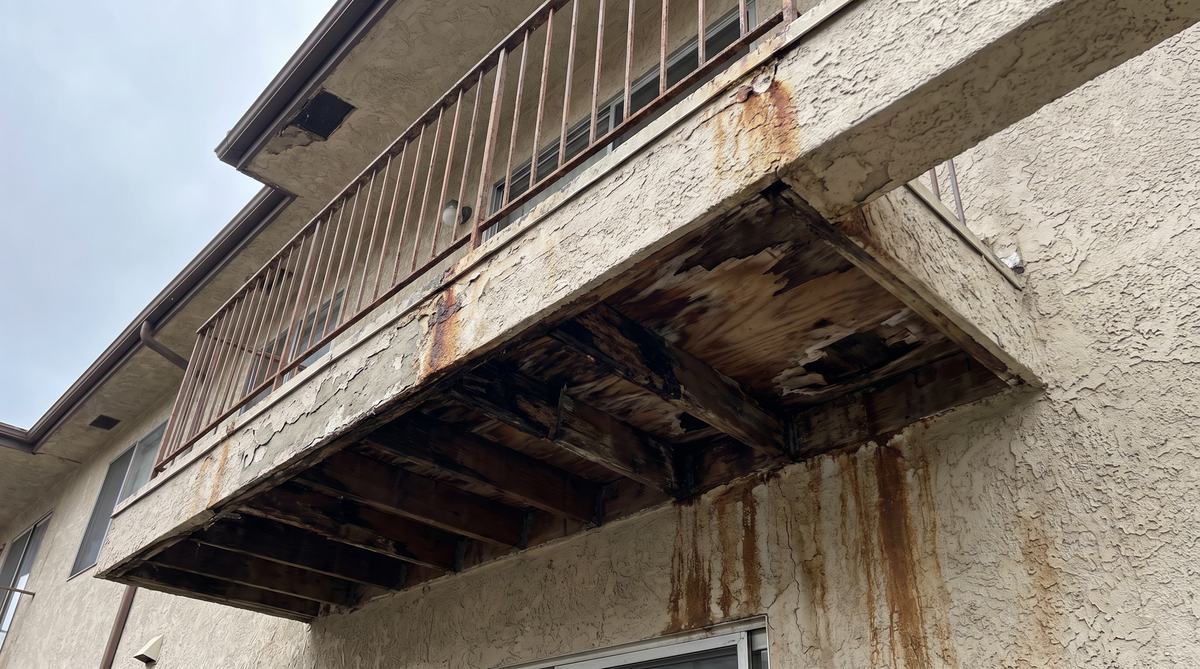
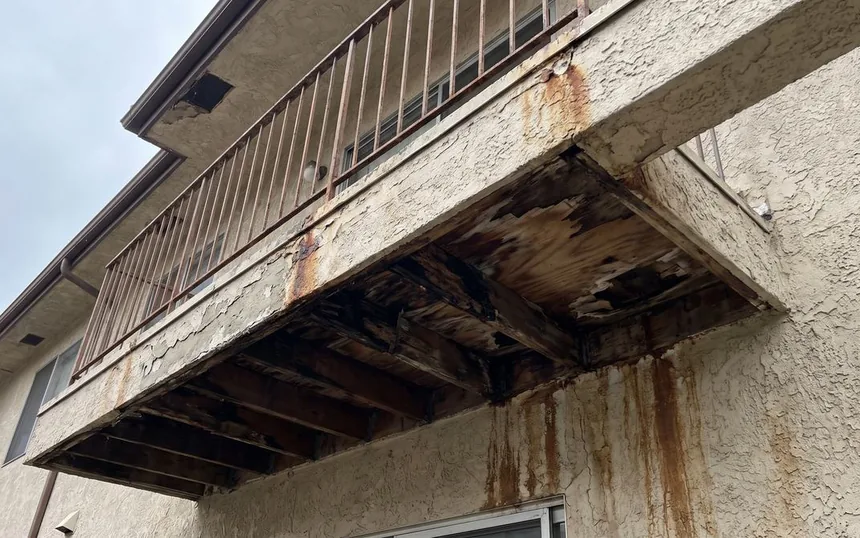
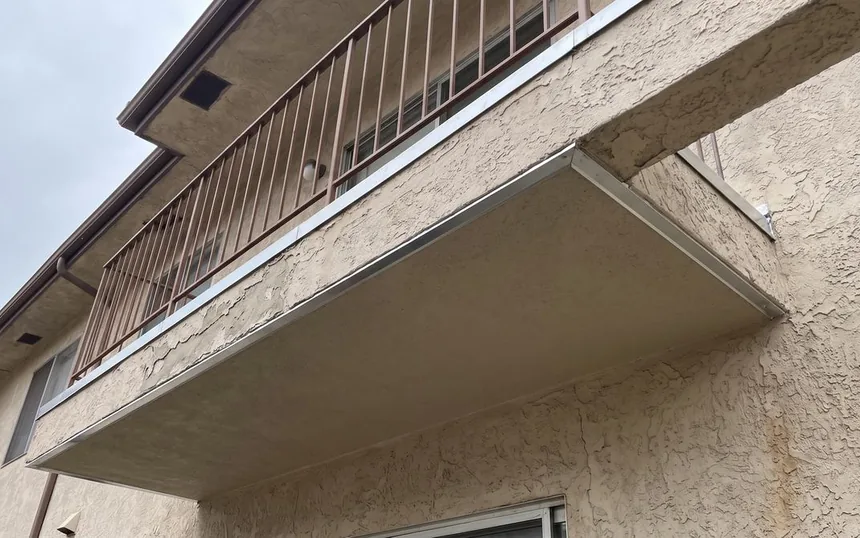
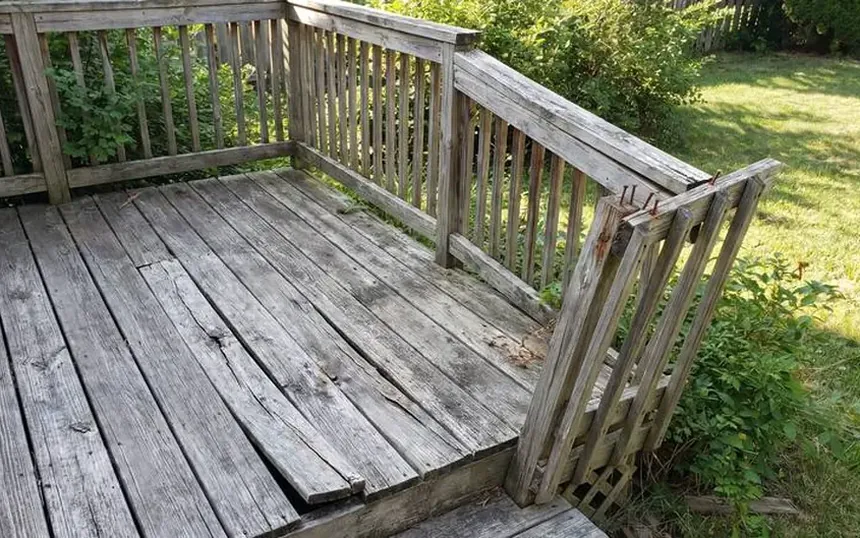
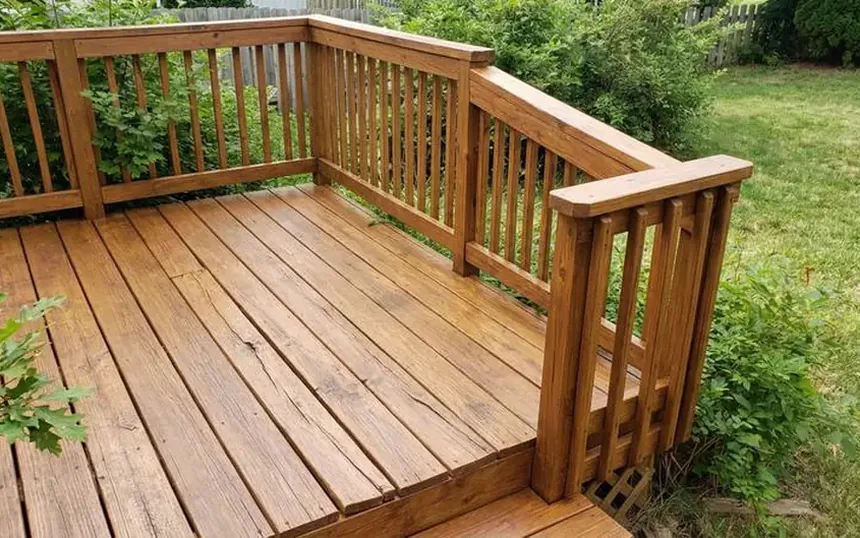
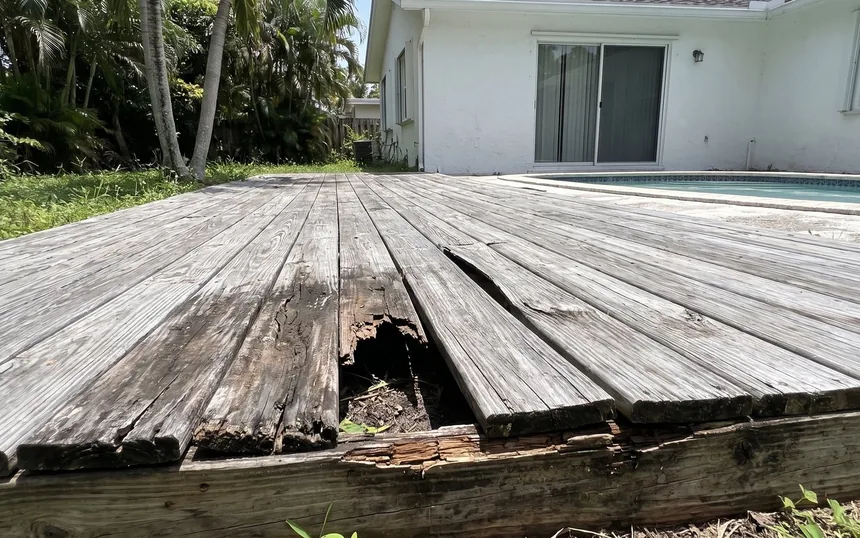
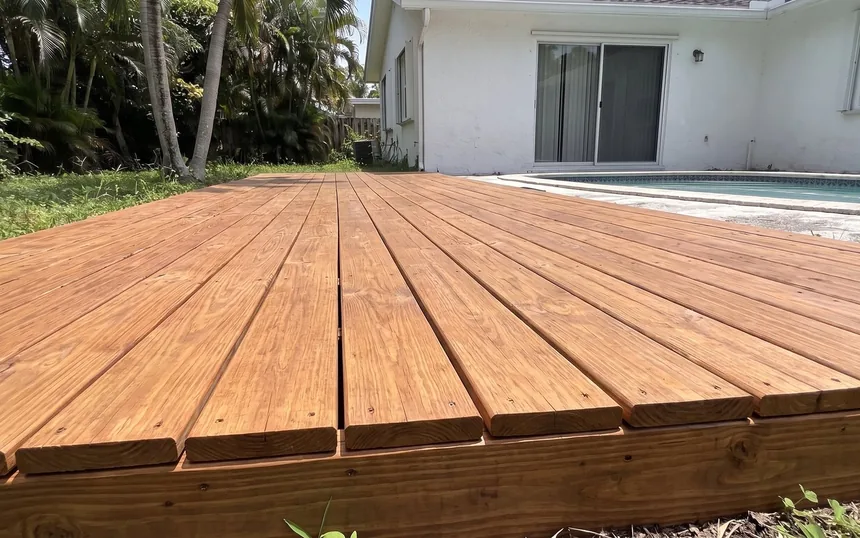
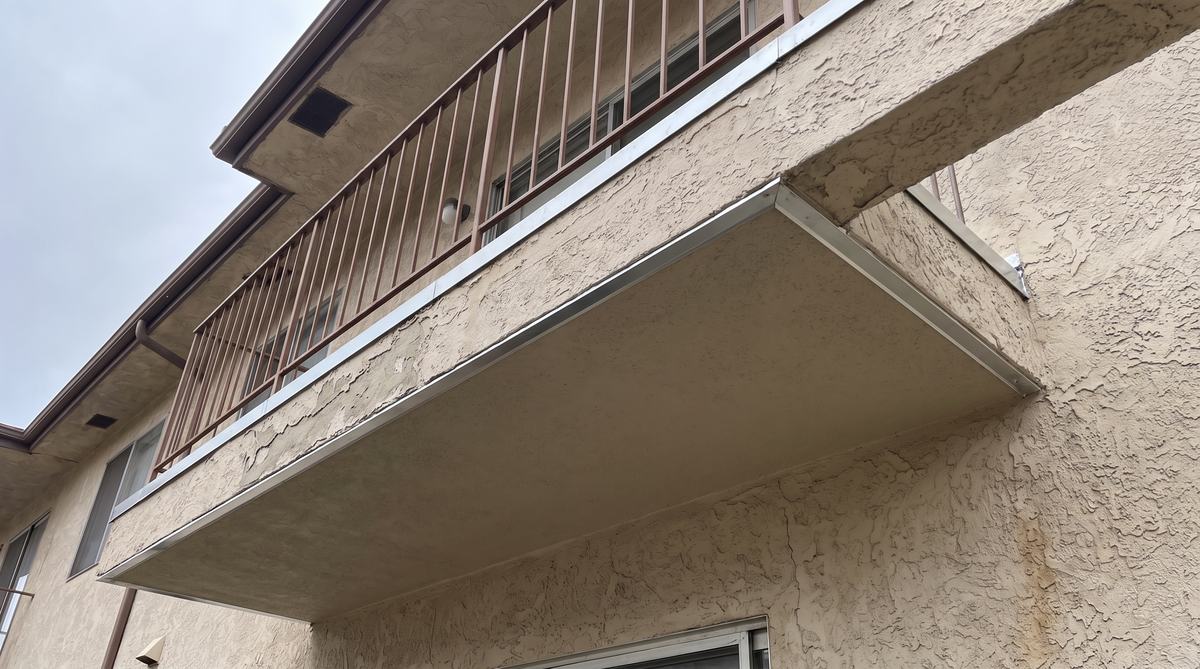 AFTERBEFOREThe SB 721 Inspection
 The Written ReportDry Rot & Framing
 Waterproofing & Coating
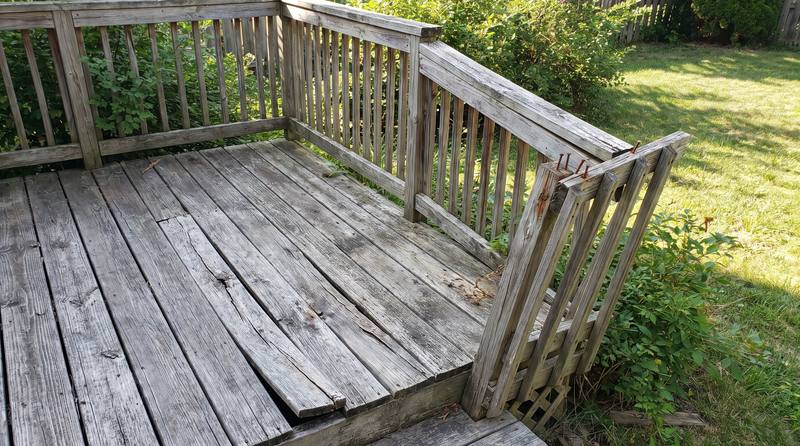 Railings & Guards
 Stairs & Walkways
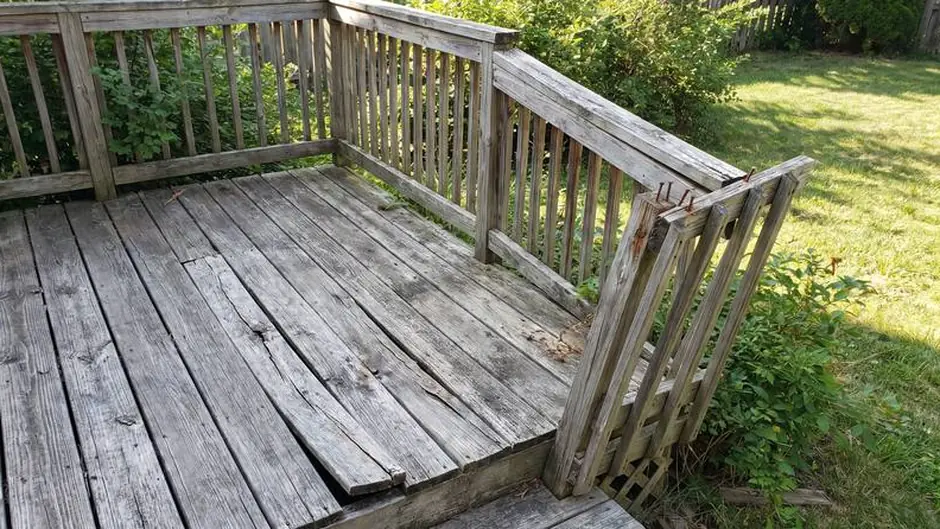 Emergency Shoring
 Re-inspection & Close-out
Every one of these is a call we take every week. The inspection is scheduled within days, a report with findings gets a written scope and a permit plan before the clock runs out, and an immediate threat is shored first.

Tell us the address and roughly how many balconies, stairs and walkways the building has. We quote the inspection on the call, in writing.

A licensed inspection of every element type, with the stamped report, photos and the repair list in your hands within 45 days, usually sooner.

Each finding priced in writing, the permit pulled inside the 120-day window, the work done and documented for the re-inspection.
Every job is backed in writing by our workmanship warranty and done by a Kaminskiy-certified, background checked technician.
Not the paint. The load-bearing wood that carries the balcony into the building (joists, ledgers, rim boards, stair stringers) and the flashing, membrane and coating that keep water off it. Rot starts where the balcony meets the wall and nothing shows until the deck feels soft or the ceiling below stains, which is why the law lets the inspector open things up and use a moisture meter, a borescope or infrared where the framing is hidden.
SB 721 (Health and Safety Code 17973) covers apartment buildings with three or more units; the first inspection was due January 1, 2026 and repeats every six years. SB 326 (Civil Code 5551) covers condominium associations; its inspection was due January 1, 2025, repeats every nine years, and must be done by a licensed structural or civil engineer or an architect. Own both kinds of building and you follow both.
An element the inspector calls an immediate threat is closed off at once, shored if needed, and the report goes to the City within 15 days. For everything else the owner applies for the permit within 120 days of the report and finishes the repairs within 120 days of the permit. Miss it by 180 days and the inspector notifies the City; 30 days after that notice the daily penalty starts.
Localized rot at a joist end or around a post is cut back to sound wood and sistered or replaced. Rot across the ledger or most of the joists means the balcony is rebuilt from the framing out. Either way the waterproofing is redone across the whole surface, because a patched membrane is the next leak, and the re-inspection expects it.
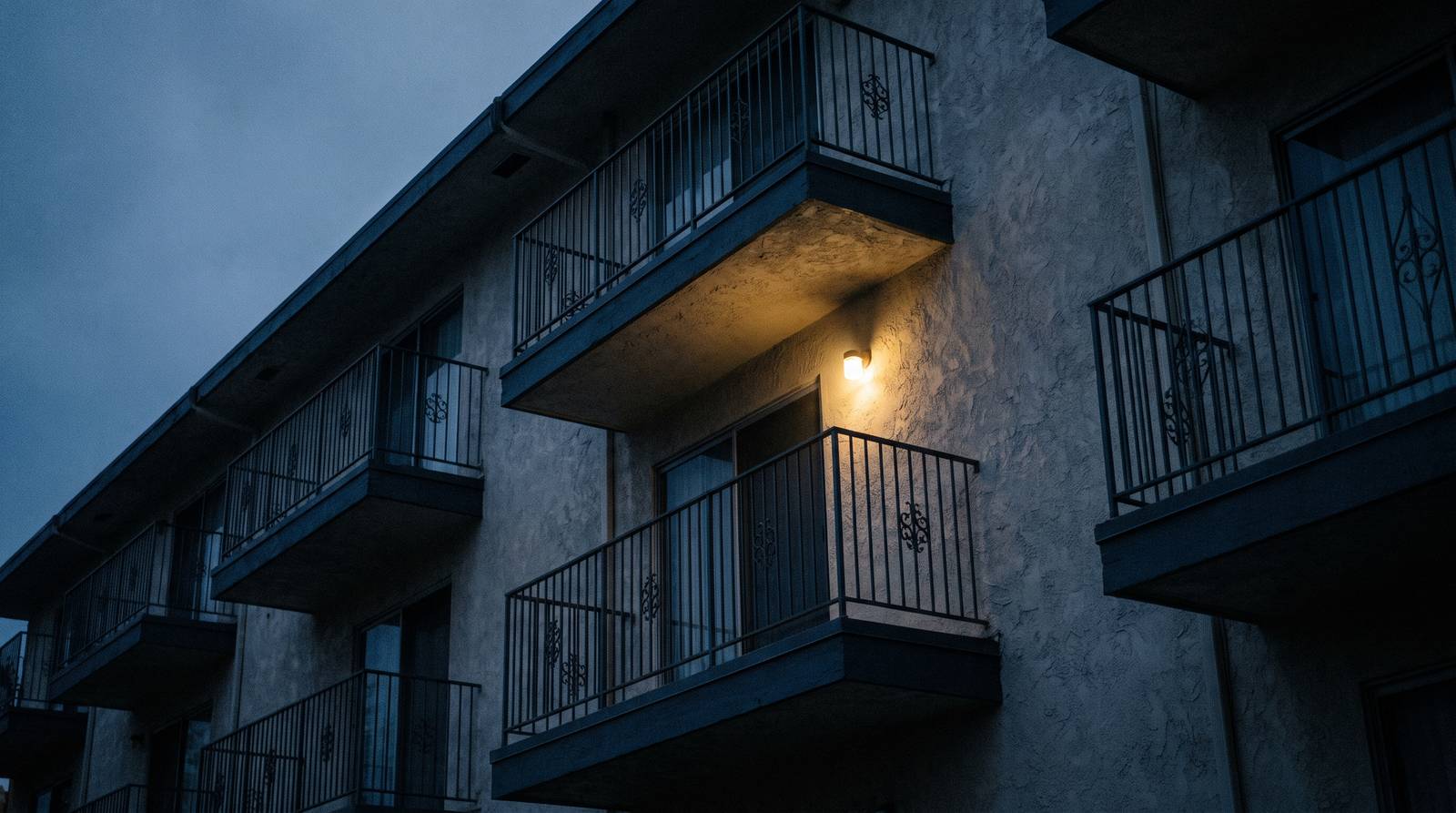
Most of the buildings SB 721 reaches in San Diego went up between the late 1950s and the early 1990s: two- and three-story wood-frame stucco walk-ups with cantilevered balconies, open stair landings and exterior corridor walkways. Where your building sits decides what the inspection finds.
Sixty years of marine air and morning fog. The deck coating cracks first, water follows the balcony-to-wall joint into the ledger, and the guardrail anchors rust inside the stucco. The common finding is rot at the joist ends behind a wall that still looks fine from the courtyard. The common repair is new joist ends and ledger, a new membrane and flashing, and guardrails re-anchored into sound wood.
The exterior corridor walkways and the stairways that serve every unit are exterior elevated elements too, and they carry more traffic than any balcony. Blocked scuppers leave standing water on the walkway coating, stair stringers rot at the bottom where they meet the landing, and the handrails loosen. These buildings have the most elements to count and the most to sample, so the inspection is planned around tenant access.
Older walk-ups sit beside the condominium conversions of the 2000s and the podium buildings of the last decade. A condominium association is under SB 326 and needs an engineer or an architect for the inspection itself; we take that report and do the repairs. A building permitted on or after January 1, 2019 is on its own clock: an inspection within six years of its certificate of occupancy.
Three or more rental units in one building, and SB 721 applies: the inspection was due January 1, 2026, then every six years. A condominium project with three or more units is under SB 326 instead: due January 1, 2025, then every nine years, by a licensed structural or civil engineer or an architect. A duplex is outside both laws, though the same water does the same damage. Not sure which you own? Send the address and we tell you on the call.
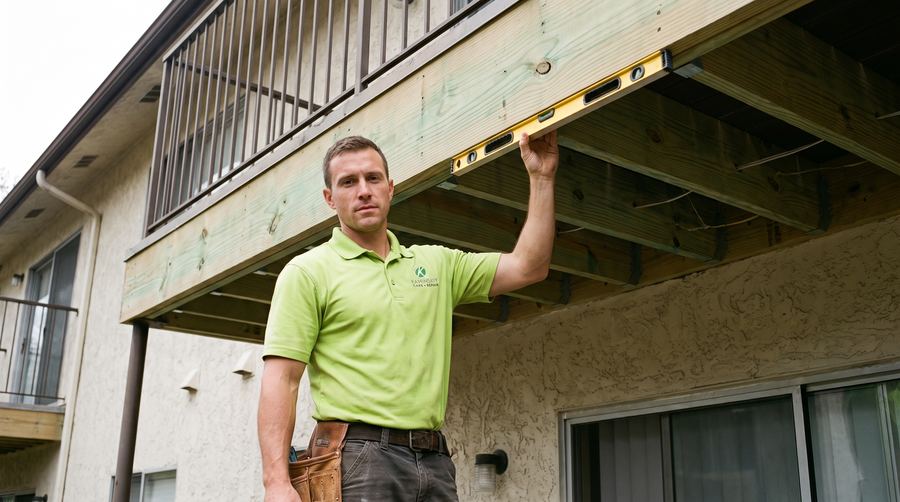
The inspector identifies each type of exterior elevated element on the building, then inspects at least 15 percent of each type by direct visual examination or comparable means: the walking surface, the coating and flashing, the guardrail anchors, and the framing underneath, opened up or read with a moisture meter where it is hidden. The report describes the current condition, the expected service life, any further inspection needed, and which elements, if any, are an immediate threat.
Health and Safety Code 17973 names four: a licensed architect, a licensed civil or structural engineer, a general contractor holding an A, B or C-5 license with at least five years as a license holder constructing multistory wood-frame buildings, or a certified building inspector. None may work for the City while inspecting. In San Diego the inspection is performed by our sister company Kaminskiy Design & Remodeling, a B general building contractor since 2008 (CSLB #922807), and the repairs by Kaminskiy Care and Repair (CSLB #1106209).
The inspection is a flat price per building, set on the call by the number of elements, how many types there are, and how the framing can be reached. Repairs are priced per finding, in writing, from the report: a joist end and a membrane patch is a small line, a rebuilt cantilever with a new guardrail is a larger one, and you see every line before any work is scheduled. No percentage markups, no surprises at the building.
We confirm which law applies, count the element types from the street and the plans, and quote the inspection in writing on the call.
Tenants get notice, the sample is inspected from the walking surface and from below, hidden framing is read with a moisture meter or opened at a soffit, and every element is photographed.
A stamped report with photos, findings, a baseline narrative and a repair list, plus the 15-day notice to the City if anything is an immediate threat. Usually in your inbox well inside the 45 days the law allows.
A written scope per finding, the permit application inside 120 days, shoring first where it is needed, the repairs inside the permit window, and the final report for your records and the re-inspection.
Health and Safety Code 17973(a) lists the qualified inspectors: a licensed architect, a licensed civil or structural engineer, a general contractor with an A, B or C-5 license and five years' experience as a license holder in multistory wood-frame construction, or a certified building inspector. The section does not bar the inspector from doing the repairs; it requires the repairs to be done by a qualified and licensed contractor, to the inspector's recommendations, the Building Standards Code and the City's rules. The owner hires the inspecting company directly, as the law requires: here that is Kaminskiy Design & Remodeling, with the repairs contracted separately to Kaminskiy Care and Repair, so the report stands on its own.
The repairs are permitted through the City of San Diego's Development Services Department. Like-for-like damage repair of a balcony, a stair or a walkway goes on the no-plan building permit with a pre-construction inspection (Information Bulletin 203); a rebuilt cantilever or a changed guardrail needs plans. An element the inspector tags an immediate threat is reported to the City within 15 days. The City publishes no separate SB 721 portal; the report stays in your records.
The first SB 721 inspection was due January 1, 2026 (AB 2579 moved it back a year from 2025) and repeats every six years. After a report, the permit application is due within 120 days and the repairs within 120 days of the permit. If the repairs are still not done 180 days on, the inspector notifies the City, and 30 days after that notice a civil penalty of one hundred to five hundred dollars per day runs until they are, with a building safety lien behind it. Reports are kept for two cycles and handed to a buyer at sale.
Where Kaminskiy started. Our San Diego crew works out of the office on World Trade Drive in Rancho Bernardo and covers the whole county, from the beach walk-ups to the inland garden complexes. Call 858-330-5590, text a photo of the letter or the balcony, or send the form, and we answer in under three rings. Since 2018 our technicians have completed 7,691 repair visits on 3,488 San Diego homes and buildings.
Can't find your answer? Call 858-330-5590 and ask us anything.
Call 858-330-5590It is the inspection California requires of the exterior elevated elements on apartment buildings with three or more units: balconies, decks, porches, stairways, walkways and entry structures that are more than six feet above the ground and supported substantially by wood, together with their railings and waterproofing. A qualified inspector identifies each element type, inspects at least 15 percent of each, and delivers a stamped written report with photos within 45 days. The first inspection was due January 1, 2026 and it repeats every six years.
Health and Safety Code 17973 names four: a licensed architect, a licensed civil or structural engineer, a general contractor holding an A, B or C-5 license with at least five years as a license holder constructing multistory wood-frame buildings, or an individual certified as a building inspector or building official. The inspector may not be employed by the City while inspecting. In San Diego the inspection is performed by Kaminskiy Design & Remodeling, our sister company, a B general building contractor since 2008 (CSLB #922807); Kaminskiy Care and Repair does the repairs.
Yes, as two companies in one group: Kaminskiy Design & Remodeling inspects and signs the report, Kaminskiy Care and Repair repairs. The statute does not bar the inspector from performing the repairs; it requires the repairs to be done by a qualified and licensed contractor to the inspector's recommendations, the Building Standards Code and the City's requirements. Our report lists every finding with photos and a baseline narrative, so you can put the repairs out to bid if you prefer, and the report stands on its own either way.
It is a flat price per building, set on the call by how many elements the building has, how many types, and how the framing can be reached, so a six-unit walk-up and a sixty-unit garden complex are different numbers. Repairs are priced per finding from the report, in writing, before anything is scheduled. Call 858-330-5590 with the address and we quote the inspection in minutes.
Book the inspection now and keep the date you booked it in writing. The penalty in the law runs against repairs that are left undone after a report, not against the booking itself, and a building department would far rather see an owner who is moving than one who is waiting. If the inspection finds an immediate threat, that element is closed off that day and reported to the City within 15 days; everything else goes on the 120-day permit clock.
For a condominium project the association is responsible for the inspection under SB 326 and, under most governing documents, for the repair of the load-bearing framing and waterproofing it maintains, with exclusive-use elements split as the CC&Rs say. The inspection itself must be done by a licensed structural or civil engineer or an architect; we take that report and do the repairs, phased so residents keep their access, and documented for the reserve study.
The inspection is usually scheduled within days of the call and the report is in your hands well inside the 45 days the law allows. Repairs follow the statute's clock: a written scope per finding, the permit application inside 120 days of the report, and the work inside 120 days of the permit. Shoring and the closure of an immediate-threat element happen first, on the day the inspector finds it.
All of San Diego County from our office on World Trade Drive, including Pacific Beach, Mission Beach, Ocean Beach, Point Loma, Clairemont, Kearny Mesa, Mission Valley, Linda Vista, North Park, Hillcrest, Golden Hill, College Area, La Jolla, La Mesa, Chula Vista and Oceanside. Call 858-330-5590 with the building's address and we confirm it on the call.
Tell us the address, the unit count and whether a report already exists. We'll call you back with a price and a date. Calling is still the fastest way: 858-330-5590.
A licensed inspection, a stamped report within 45 days, and every repair it calls out, from one San Diego team.
We answer in under three rings, 24/7.No price games. You get a clear written quote before any work begins, backed by our workmanship warranty.