 BBBAccredited Business

Kaminskiy Care and Repair repairs water damage and mold damage on drywall, ceilings, trim and cabinets: the leak confirmed stopped, wet material removed, the area dried and treated, then rebuilt and painted to match. Large scale remediation and air testing are referred to a licensed specialist, and we handle the rebuild after. We serve Temecula and the surrounding California communities.
Our office is on Remington Avenue. Slab leaks, upstairs laundries and tired supply lines write the Temecula list.
Temecula was built fast between the late 1980s and the 2000s, and the supply lines, washer hoses and water heaters that went in with the houses are wearing out together. A copper line under a Paloma del Sol slab pinholes. An upstairs laundry in Redhawk overflows into the ceiling below. A first-generation slider in Meadowview lets a February storm under the sill. We trace the water, have the licensed plumber or roofer stop it, cut out what stayed wet, dry the cavity and rebuild to the association's scheme.
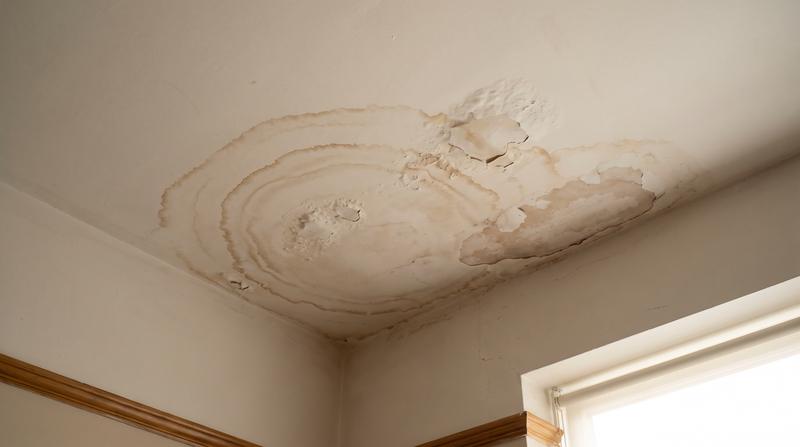
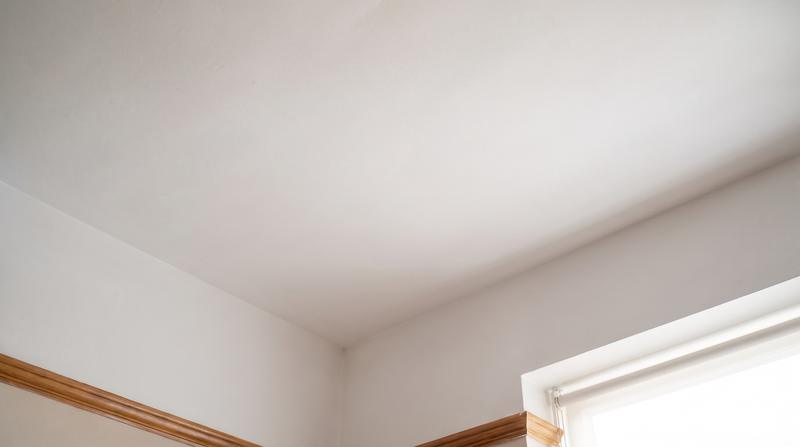 AFTERBEFORE
Each of these is a dry-out and a rebuild for a Kaminskiy-certified technician based on Remington Avenue. One call, one written scope, one crew for the tear-out, the drying, the drywall and the paint.

Priced and on the calendar during the first call.

A written quote you approve before anyone drives out.

One crew, the whole list, warranty in writing.
A one-year workmanship warranty, in writing, on every Temecula water damage repair.
Because the water is still arriving, or because the wall was closed before it was dry. Temecula's summer air dries a surface in a day, but a slab edge and a stud bay hold water long after the paint feels dry, and a damp stud bleeds a ring through new paint in a month. A slab line with a pinhole, a slider that leaks only in a west wind or a drain that backs up every third wash will wet the same spot again. We trace the source, have the right licensed trade stop it, and dry the cavity to a meter reading before anything is closed.
Drywall that got wet for a day and dried fast can often stay, sealed with a stain-blocking primer and repainted. Drywall that swelled, sagged or sat wet for days comes out with the insulation behind it, the baseboard that swelled, the carpet pad and any particleboard cabinet floor that drank the water. Laminate that lifted is replaced; a subfloor on a second story that is wet but sound is dried, and one that delaminated is cut out. Framing that is damp is dried and treated; framing that is soft goes to the engineer before we rebuild. We say which before the cut.
California issues no mold license, so the line is drawn by the size of the problem, not by a permit. A small patch on the surface of drywall, trim or grout comes out with the material and gets treated. Anything larger, anything inside a wall cavity or the ductwork, and any house where someone has breathing trouble goes to a remediation company that works to the industry standard with containment, and the air or surface testing goes with it. We are not that company. We say it plainly at the look, hand you the number to call, and return for the rebuild once they have cleared the room.
Braided steel hoses on the washer and every toilet, a pan with a drain under the upstairs washer and the garage water heater, and a look at the water bill every month for the slab leak that shows there first. Renew the caulk at the slider sills before the winter rain. Find the main shutoff at the street side of the garage and show the family. In wine country, know where the pump house shutoff is and walk the long run after a freeze. Most of what we rebuild in Temecula started as a drip nobody could see.
Old Town's wood buildings with porches and roof valleys that drain against a wall, and the 1980s and 1990s stucco homes of Meadowview and Paloma del Sol on slabs with the original copper under them, the first builder sliders at the patio and a water heater in the garage. The slab line pinholes and the floor warms; the slider sill leaks in a storm and the carpet pad along the wall stays wet for a month; the heater fails and the garage wall drinks it. We cut the drywall back to dry studs, dry the cavity and the slab edge, and rebuild the wall, the baseboard and the flooring edge once the licensed plumber has rerouted the line.
Two-story hillside tracts from the late 1990s on, in associations, with the laundry and three bathrooms upstairs and the family room under them. A washer hose or a toilet supply line fails and the water runs down inside the wall and across the ceiling below; a shower pan gives out and the drywall under it sags. We take out the wet ceiling and insulation, dry both floors, rebuild and paint to the interior scheme, and put the scope in writing so the association's manager and your insurer can read it.
Custom homes on county land with long supply runs from a well or a meter at the road, pressure tanks and pumps in an outbuilding, big roofs with many valleys and a lot of glass to the view. A line under a long driveway or a fitting in the pump house can run for weeks before the bill or a wet wall says so, and a roof valley that drains onto a parapet shows up as a ceiling stain in the next room over. We open what the licensed plumber or roofer needs, dry the cavity, and rebuild the drywall, the trim and the paint to the finish the house carries, with one visit covering more than it would in town.
Call 951-419-4481 or text a photo of the stain, the warm floor or the swollen baseboard. Most jobs get a range on the call and a date for the look, usually within days.
A technician follows the water with a moisture meter, checks the framing, and writes the scope: what comes out, how long the drying runs, which licensed trade stops the source, what goes back, and the price.
The licensed plumber or roofer we schedule closes the leak first. We cut out the wet drywall, insulation and trim, run drying equipment to a meter reading, treat the framing, then hang, tape, texture and paint.
Dated photos of the open wall and the meter log go in your file for the adjuster. We take the debris with us, and the one-year workmanship warranty is written on the invoice.
California lets a small job under a set amount go without a license when it needs no permit and nobody is employed on it; a water damage rebuild crosses that line in the first hour of tear-out. Kaminskiy Care and Repair holds a California contractor license (License #1106209), is bonded and insured, and its technicians are Kaminskiy-certified and background checked. The leak belongs to the licensed plumber, a slab reroute included; the roof to the licensed roofer; and we schedule both. Anything over the state's written-contract threshold is on paper before it starts, which for a rebuild is every job.
Temecula builds to the California Residential Code, which asks for no application or notice to the building official for ordinary repairs to a structure and exempts painting and similar finish work outright. Drywall, insulation, baseboard and a subfloor patch replaced in kind, in the same place, are that kind of work. The code draws the line at cutting a structural beam or a load-bearing support, so a joist or a rim the water softened is a permit and often an engineer, and a rerouted or replaced line is the licensed plumber's permit, not ours. The city publishes no separate exempt-work sheet we could find, so on anything in between we ask the counter rather than guess.
A burst supply line, a failed washer hose or a water heater that let go is the sudden kind of loss most policies pay for; a slab leak is often covered for the damage and the access but not the pipe, and a leak that ran for months usually is not covered at all. The policy and the adjuster decide, not us. We photograph, meter and itemize and write a scope your adjuster can read; we do not negotiate claims, which a public adjuster licensed by the Department of Insurance does. In Redhawk, Paloma del Sol, Wolf Creek and Harveston an inside rebuild painted to the scheme needs no form; in a stacked condominium the CC&Rs say whose wall it is and whose policy pays, and we settle that with the manager before the scope is final. In wine country there is no association, just a county permit counter and a well to think about.
Our office is on Remington Avenue. The Temecula crew starts the day on Remington Avenue, off Winchester Road west of the 15, which is why a Temecula call is usually on the calendar within days. Call 951-419-4481, text a photo, or send the form, any day from eight to eight.
Can't find your answer? Call 951-419-4481 and ask us anything.
Call 951-419-4481No, that is a remediation company's work, and California does not license one, so the line is drawn by size: a small surface patch on drywall, trim or grout we remove with the material and treat, and anything larger, or anything inside a wall cavity or the ducts, stops the job while you call a remediation company with industry certification. Air and surface testing is theirs as well. We come back for the rebuild once they have cleared the room.
Most of the time, yes. A warm floor and a high bill is a slab line; a ceiling ring under a bath is a supply line or a shower pan; a swollen laundry base is the washer hose or the drain box; a wall that bubbles after a storm is the slider sill or the window; a stain in the next room over is a roof valley. We follow it with a moisture meter and a look inside the wall, and the licensed plumber or roofer confirms and fixes it before we close anything.
Yes. Most Temecula houses carry the knockdown or orange peel texture the builder sprayed, and the Old Town houses are smoother, older work. We match the drywall thickness, practice the texture on a board before the wall, prime with a stain blocker and paint corner to corner where a touch-up would show. On a house from before 1980 a sample of the ceiling gets tested before we sand or cut it.
It depends on how far the water traveled and what it soaked. Text a photo of the stain and the floor under it and you get a range on the call; after the look you get a written scope with the tear-out, the drying, the rebuild and the licensed plumber priced before anything starts. If the wall opens onto more than the photo showed, you hear about it before we go further, and the scope is written so your insurer can read it.
Usually for a sudden event, a burst line, a failed hose, an overflow, and usually not for a leak that ran for months or for ground water. Slab leaks are often covered for the damage and the access and not for the line itself. The policy and the adjuster decide. We document everything with dated photos, meter readings and an itemized scope so the adjuster has what the claim needs; we do not adjust claims, and a public adjuster licensed by the state does if you want one.
A few days in a Temecula summer, longer in a wet winter, and a slab edge takes the longest. We dry to a meter reading, not to a date, because a wall closed over a damp stud is how the stain comes back. The schedule is in the written scope, and the rebuild usually runs a few visits over a week after the cavity reads dry.
All of Temecula from our Remington Avenue office: Old Town, Meadowview, Paloma del Sol, Harveston, Redhawk, Vail Ranch, Wolf Creek, Morgan Hill, Crowne Hill and the wine country estates, plus Murrieta, Menifee, French Valley and Fallbrook. Call 951-419-4481 to confirm your address.
Tell us where the stain or soft spot is. We'll call you back with a price and a time. Calling is still the fastest way: 951-419-4481.
Dried out, rebuilt and painted to match, warranted in writing.
We answer in under three rings, 24/7.No price games. You get a clear written quote before any work begins, backed by our workmanship warranty.
