
 BBBAccredited Business

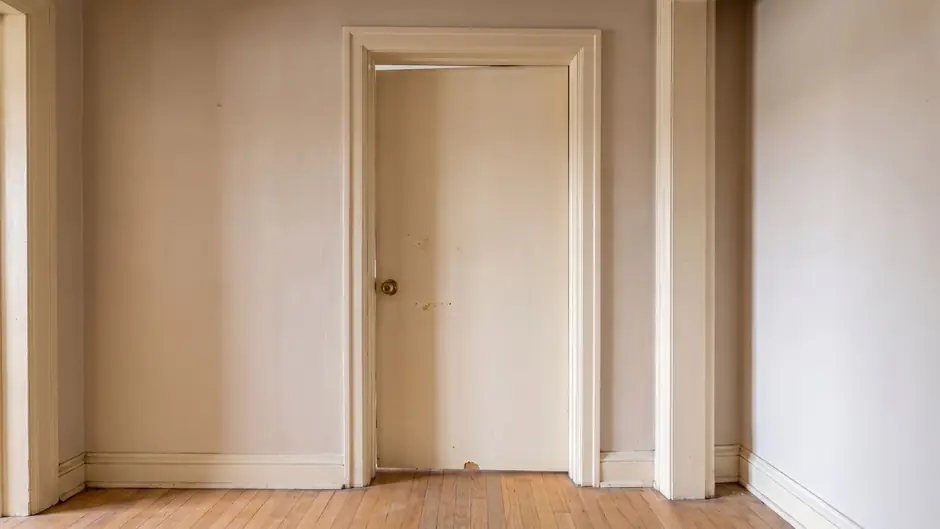
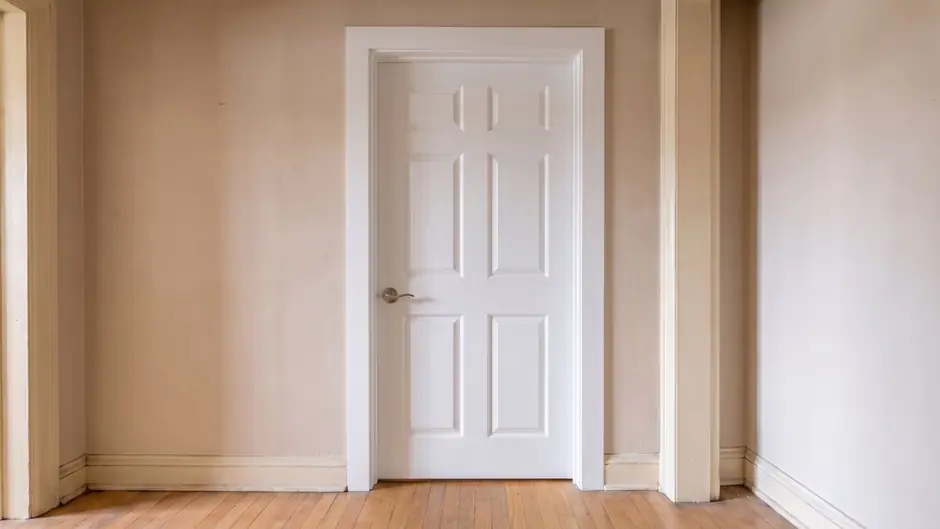
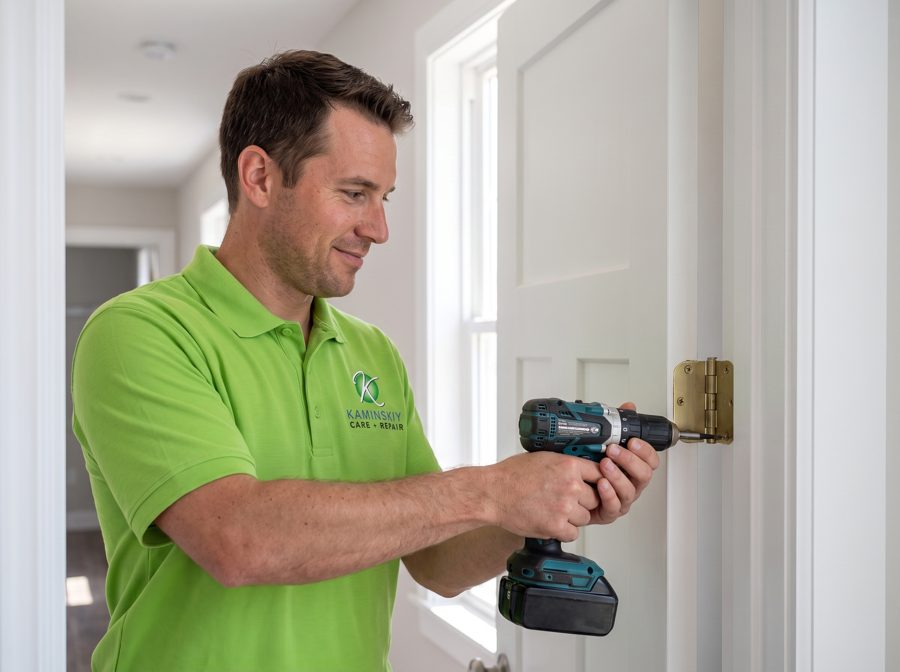
Seattle doors live in nine wet months a year. The old fir entry doors in Wallingford and Ballard swell and stick every November, the sliders to the deck drag on rollers full of grit, and the bottom of the jamb rots where the rain splashes off the porch. We plane and rehang, replace the rollers and the sill, rebuild the frame, weatherstrip the gaps, and install the new door you bought.
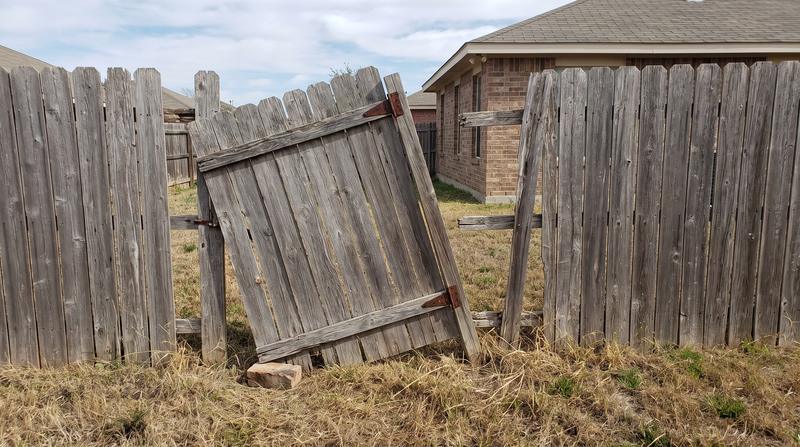
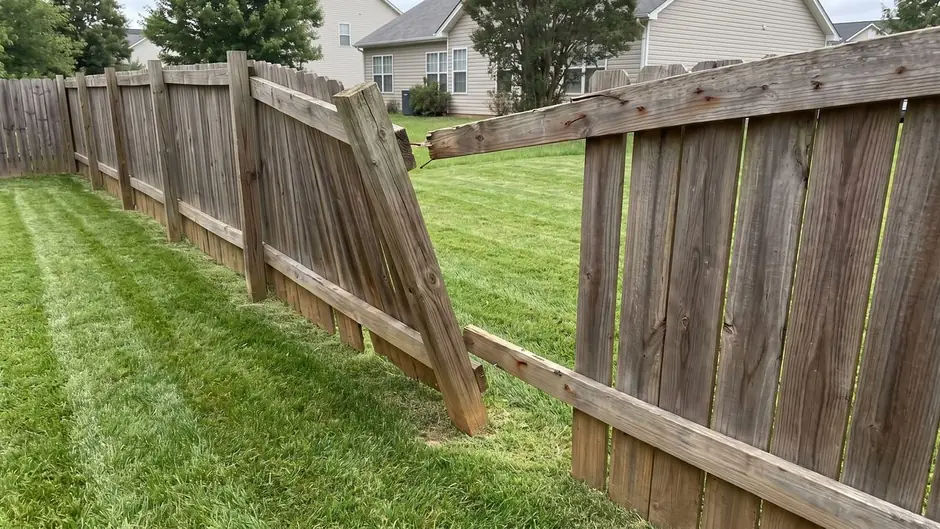
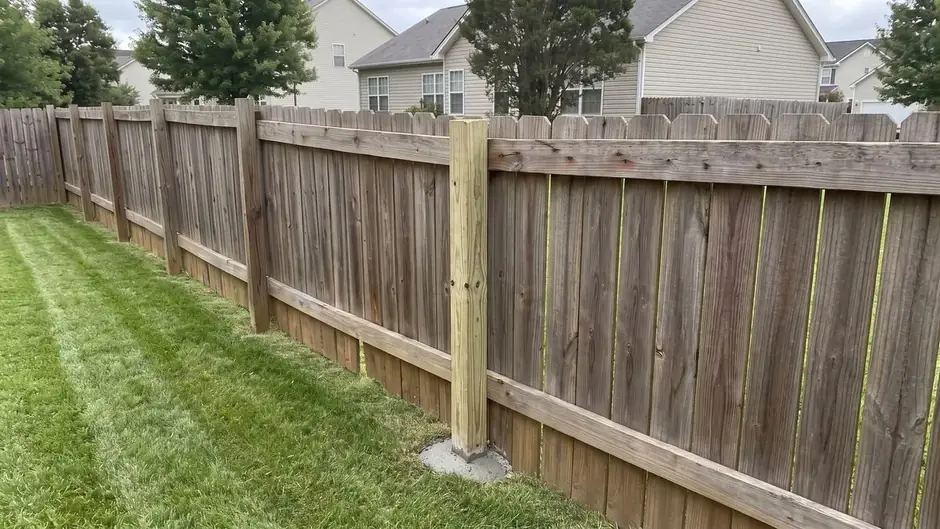
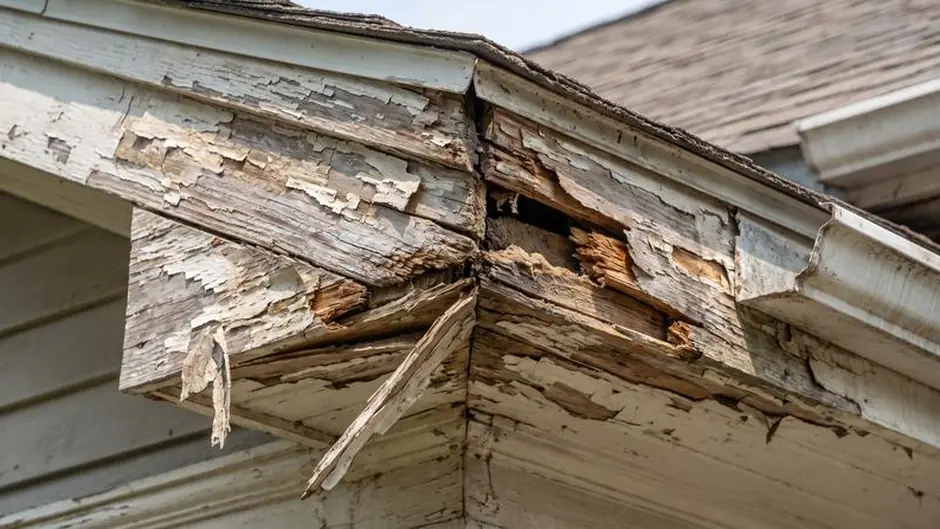
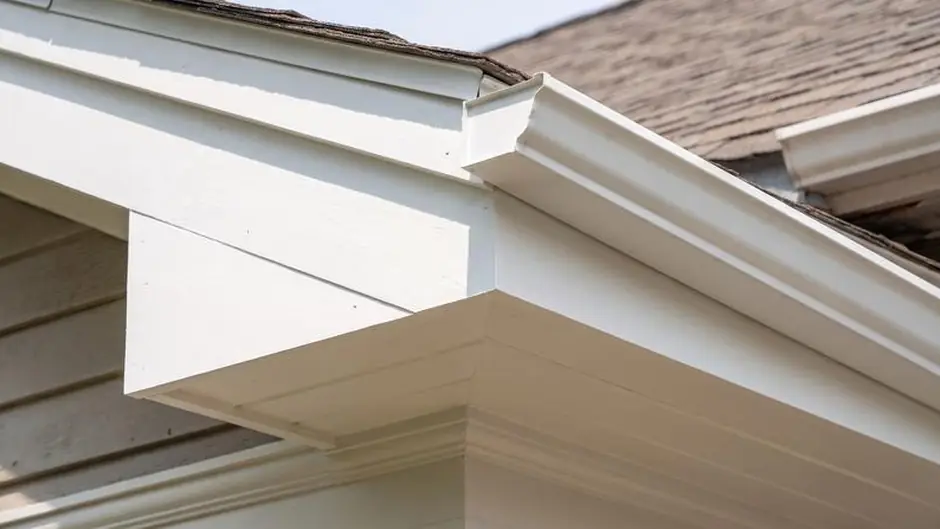
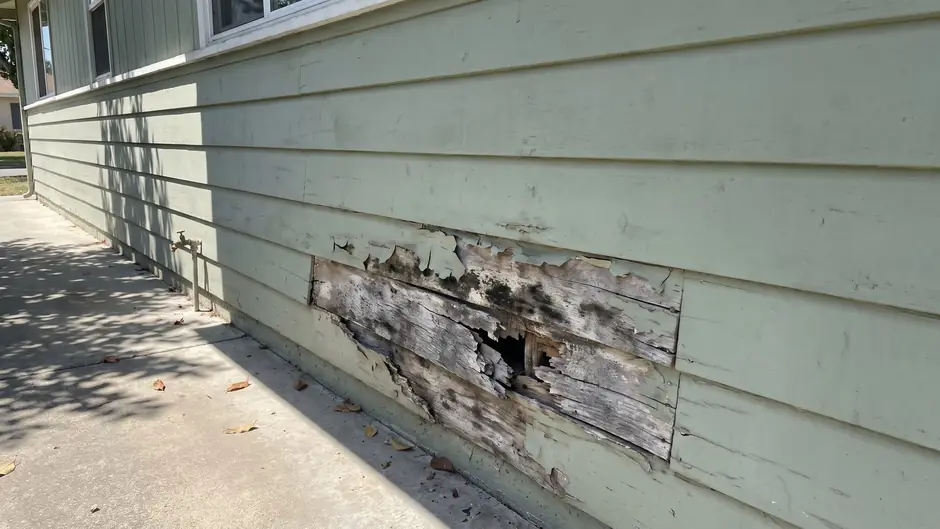
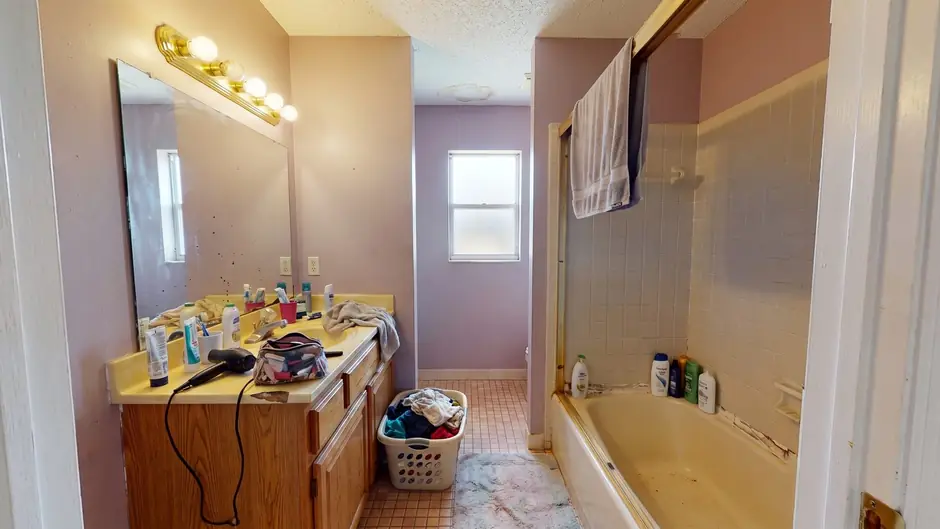
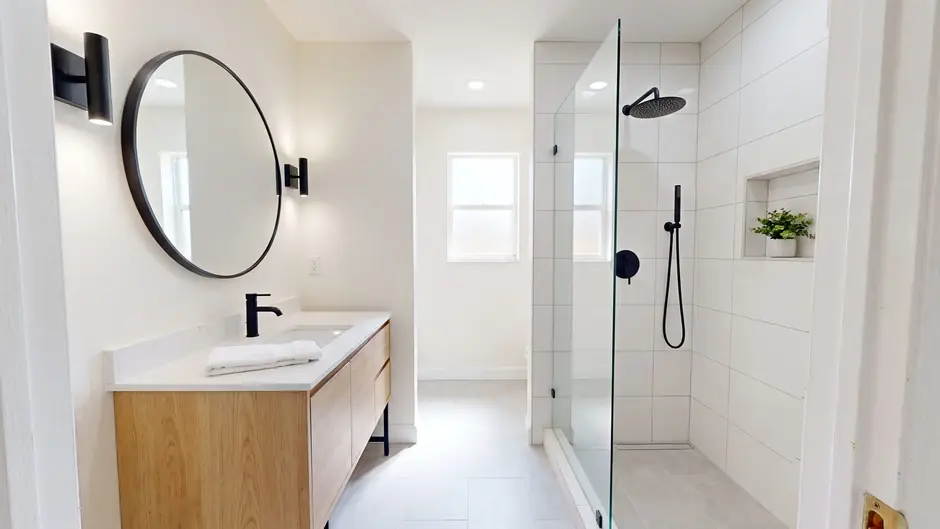
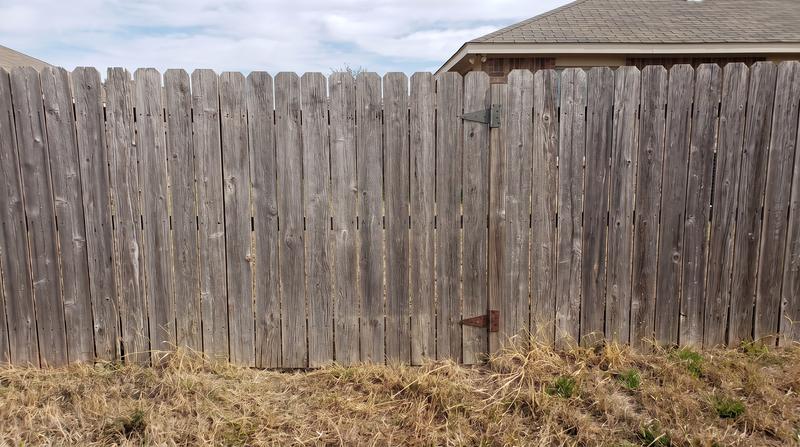 BEFOREAFTER
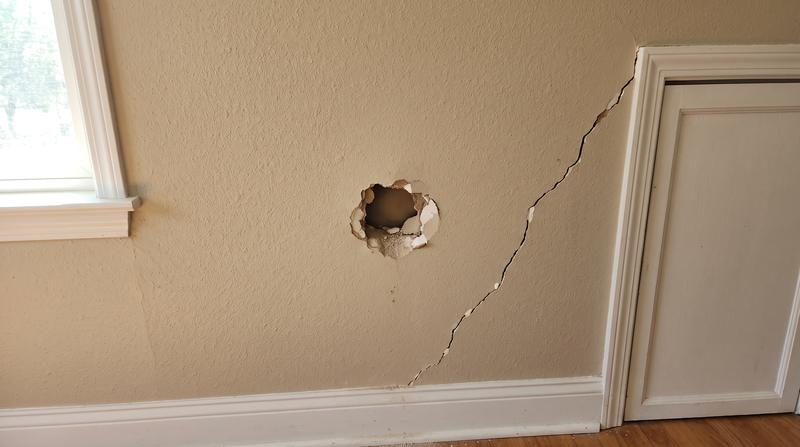
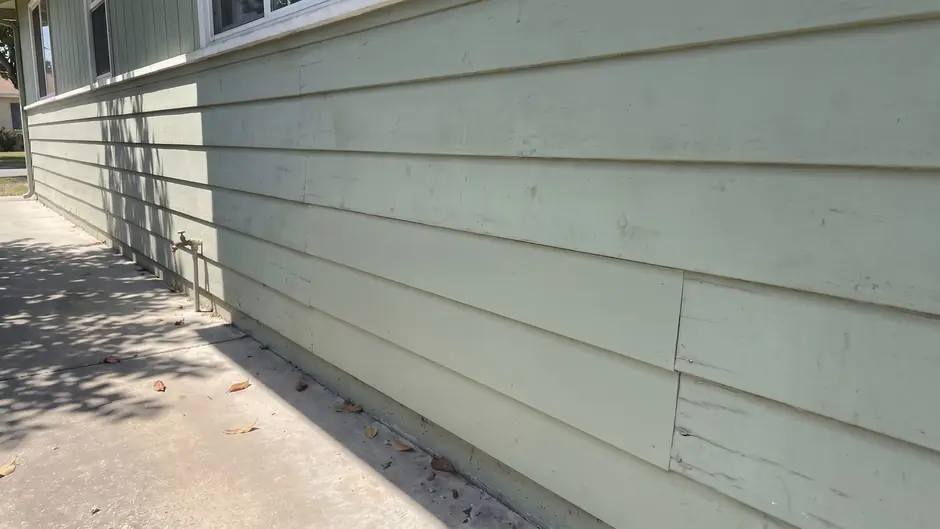
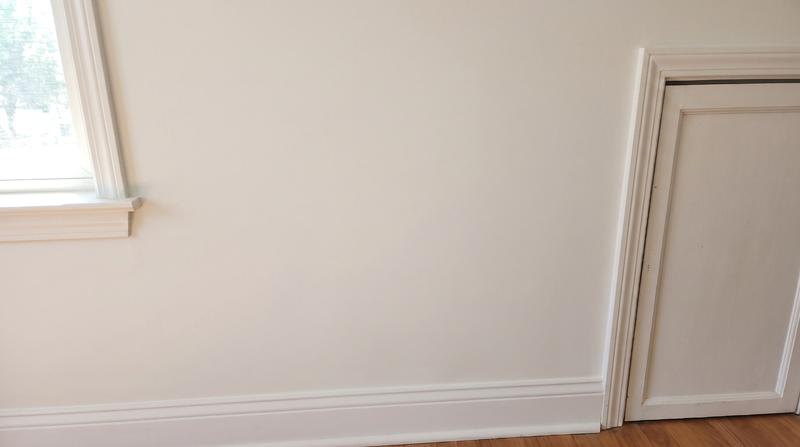 BEFOREAFTER

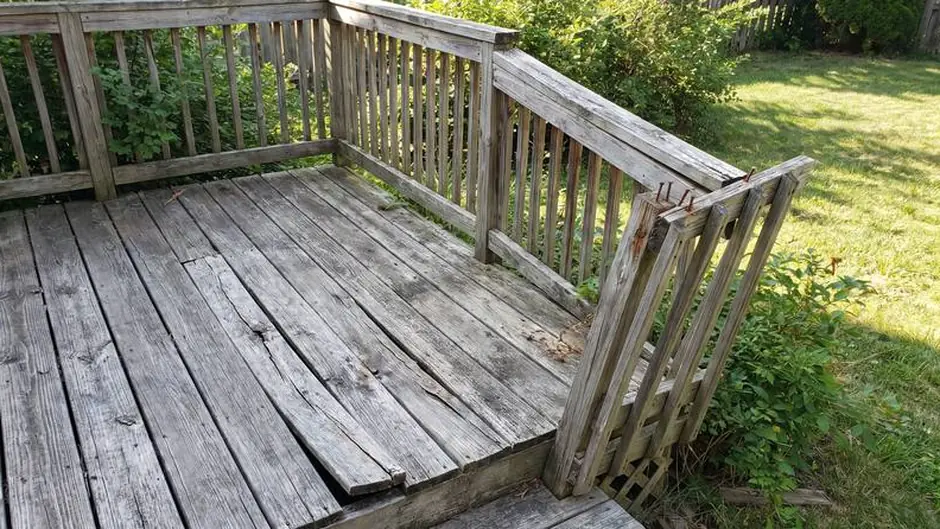
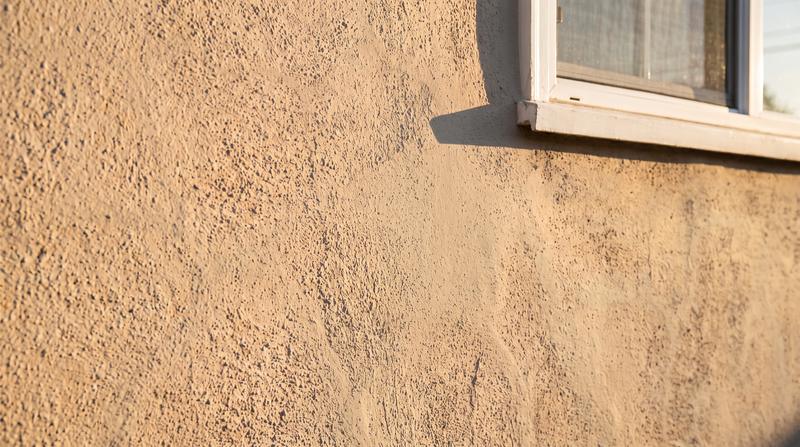 BEFOREAFTER
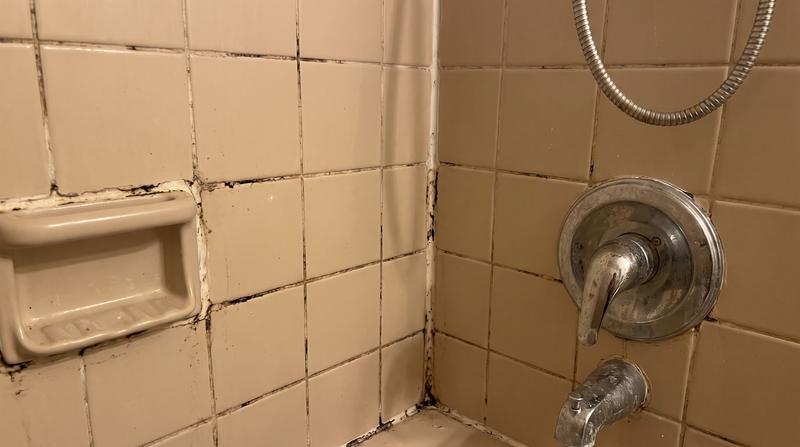
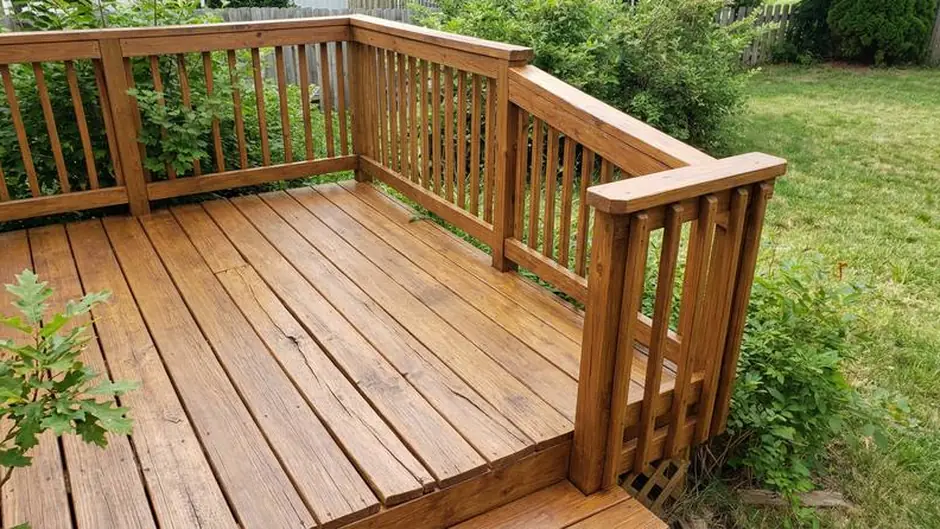
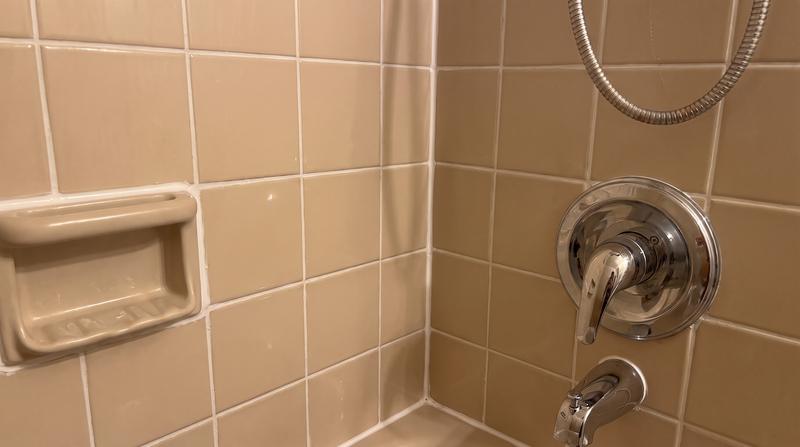 BEFOREAFTER
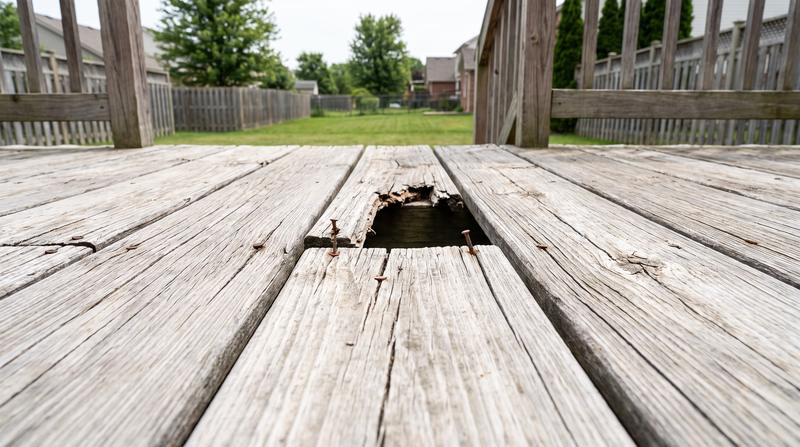
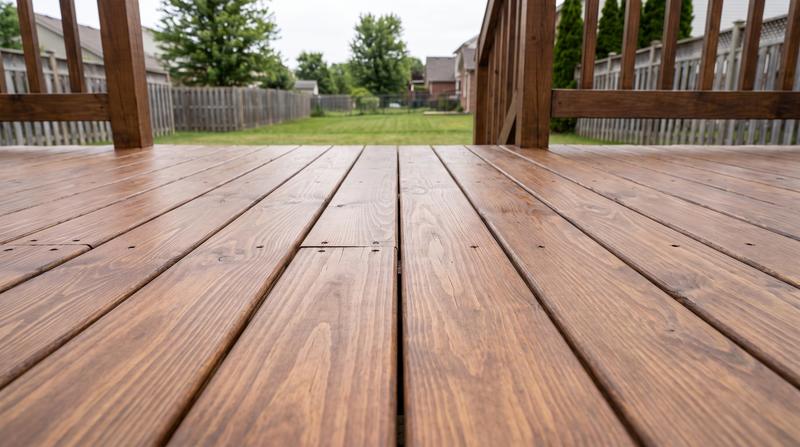 BEFOREAFTER
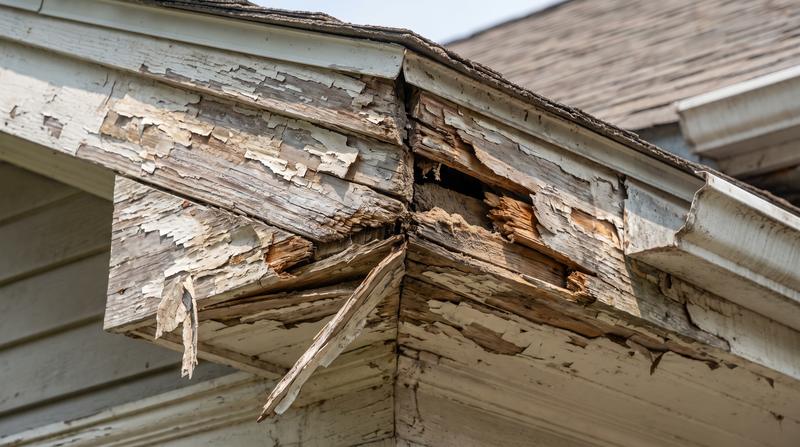
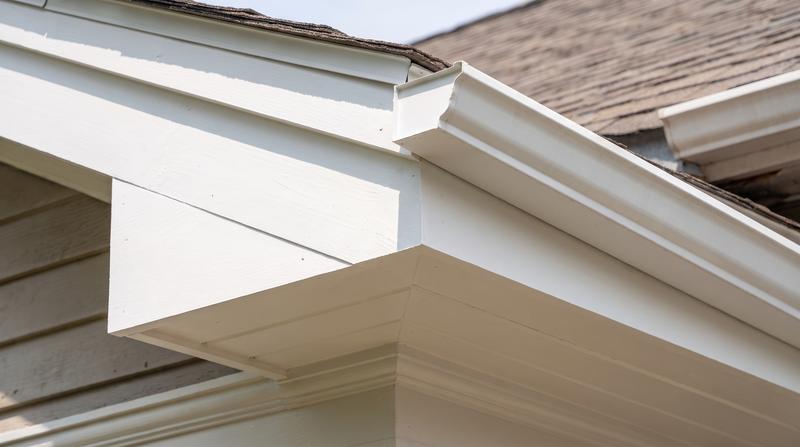 BEFOREAFTER
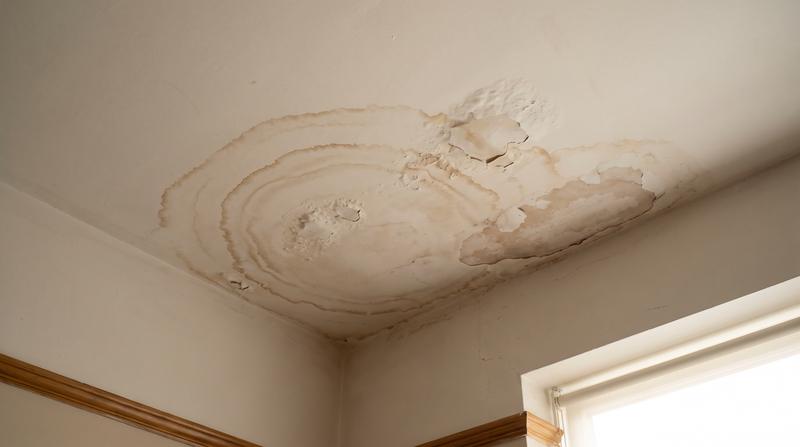
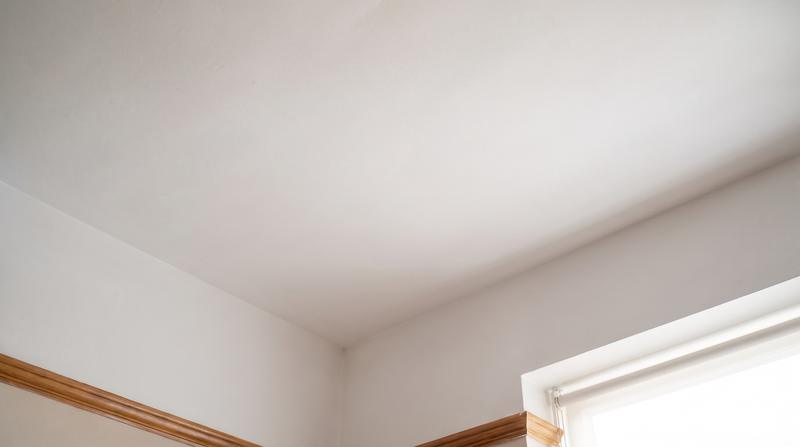 BEFOREAFTER
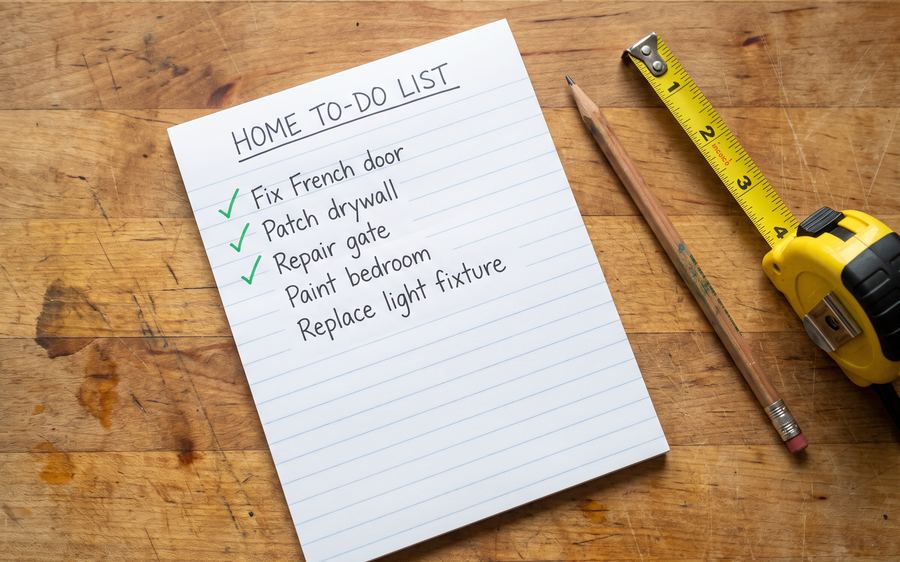
 THE LISTALL DONE
Every one of these is a job a Kaminskiy-certified technician does every week around Seattle. Make the list, call once.

We answer in under three rings and get you priced and scheduled in minutes.

A clear, written quote with upfront pricing. You approve before work begins.

Kaminskiy-certified pros finish the job with a workmanship warranty.
Every job is backed in writing by our workmanship warranty and done by a Kaminskiy-certified, background checked technician.
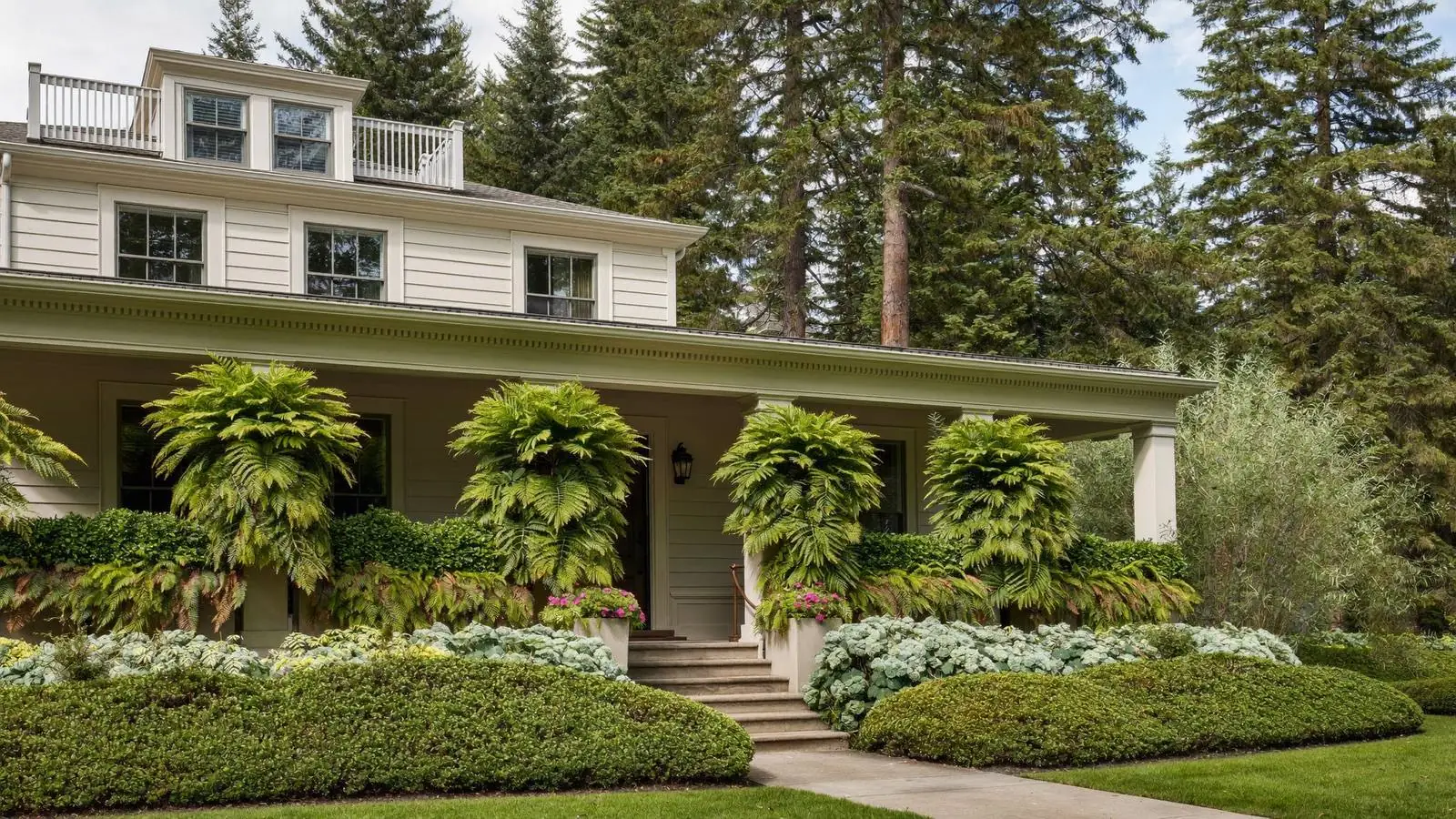
Craftsman bungalows and Seattle Box foursquares from about 1900 to the 1920s, wood framed with fir clapboards or cedar shingles, many on plaster-and-lath walls. The work is fir doors that swell, sills and porch posts that rot from the bottom, old wood windows and cracked plaster. Repairs have to match what is there, and we splice new wood into old.
Ranch homes and split-levels from the 1940s to the 1970s, many with cedar siding, low decks and carports. The list runs to sliders that drag, hardboard and T1-11 that softens at the bottom edge, deck boards gone green with moss and the fence that leans after a winter blow. Most of it is one visit with a stocked truck.
The suburbs that grew after the floating bridges opened, 1950s ramblers through 1990s and 2000s tracts, most of the newer streets in associations. Across the water, Bainbridge Island is a thirty-five minute ferry ride from downtown, with homes in the trees from Winslow to Rolling Bay and Lynwood Center. The work there is tree-shaded decks, mossy fences and siding that never fully dries.
About thirty-nine inches of rain a year, falling on roughly a hundred and fifty days, most of it from October through April, in the cloudiest corner of the country. Wood that never dries out is where the damage starts: caulk and paint fail, then the sill, the post and the bottom of the siding behind them. Add a fall windstorm with firs coming down and a few of your neighbors' jobs become yours. The jobs are small when they are caught early, and most of what we fix around Seattle waited a winter too long.
A door that sticks is planed and weatherstripped, not replaced, unless the jamb has rotted through. A deck with soft boards but sound joists gets new boards and a sealer; a soft ledger or stringer is a rebuild and a permit question. Siding comes off piece by piece where it is punky and the rest stays. We tell you which it is on the call or at the first look, and the written scope says why.
Seattle's permit office, SDCI, leaves most repair work alone: painting, cabinets, finishes over existing walls, a fence under eight feet, a deck or platform under eighteen inches off the ground, and minor repairs under a stated yearly value. Anything that touches a load-bearing wall or changes the outside shell of the house needs a permit, however small. A rebuilt deck over eighteen inches or a remodeled room is usually a subject-to-field-inspection permit, the simple kind, and we call SDCI first and tell you what it said.
Describe the job or text a photo and most Seattle repairs are priced on the call, in writing, before anything goes on the calendar. A rotted frame, a slider swap or a bathroom item gets a look first and a written scope. You approve, the local crew is scheduled by phone, and the one-year workmanship warranty is in writing too.
We answer in under three rings and most repairs are priced on the call, in writing, before anything is booked.
The technician arrives with the hardware, patching and fastening stock the usual list needs, so the first visit is the working visit.
Rot, a frame rebuild, a slider swap or a bathroom item gets a look and a written scope. You approve before work begins.
Every job is backed by our one-year workmanship warranty, and the area is clean when we leave.
In Washington every contractor, handyman work included, must be registered with the Department of Labor and Industries, with a bond and liability insurance on file, before advertising or taking a job. The only small-job exception is work under five hundred dollars all in, and it does not apply to anyone who advertises as a contractor, so in practice a paid handyman is a registered contractor or is breaking the law. Kaminskiy Care and Repair is registered, bonded and insured as a company, with Kaminskiy-certified, background-checked technicians on the local crew. Electrical and plumbing need their own state licenses in Washington, so that work goes to the licensed electrician or plumber and anything structural to the engineer; we do the carpentry, drywall, doors, decks, rot and finish work around them.
Seattle says most projects need a permit, then lists what does not: painting and cleaning, kitchen cabinets, paneling and finishes over existing walls and ceilings, patios and slabs on grade, a fence under eight feet with no masonry over six, a platform or deck under eighteen inches above grade, a shed under a hundred and twenty square feet, and minor repairs under a stated value in any six months. A deck more than eighteen inches up, a roof deck or anything in a landslide or flood area needs a permit, usually the subject-to-field-inspection kind. Work on a load-bearing wall or the building envelope always does. Exempt work still has to meet the code, and a rebuilt ledger, a new window opening or a re-side is the call we make to SDCI before we open the wall.
Seattle's zoning caps a backyard fence at six feet in the neighborhood residential zones, with two more feet of open arbor or trellis allowed, and four feet in the front setback, so a rebuilt fence goes back at the height the code allows, not the height the old one grew to. Most of the older Seattle streets have no association; many Eastside streets in Bellevue, Redmond, Newcastle and Kirkland do, and a repair painted to match rarely needs a form, while a new color, a new door style or a changed fence line usually does. We put the materials in writing for it.
A local Seattle crew, scheduled by phone. Kaminskiy has no office in Seattle. Your work is done by a local crew we dispatch through our national line, from Ballard to Bellevue and across the water to Bainbridge Island, so a Seattle call is priced on the phone and usually scheduled within days. Call 206-759-7675, text a photo, or send the form.
Can't find your answer? Call 206-759-7675 and ask us anything.
Call 206-759-7675No. Kaminskiy has no office, address or storefront in Seattle. The work is done by a local Seattle crew that we dispatch through our national line, so you call one number, the job is priced on the call and the crew is scheduled by phone, usually within days.
Tell us the list, or text a photo of the worst item, and you get the price on the call, in writing, before anything is scheduled. There is no mystery service fee waiting at the house. A bigger job, a rotted frame or a bathroom refresh, gets a look first and a written scope.
That is how Seattle homeowners use us. The swollen door, the plaster crack, the fence gate and the bathroom fan go on one list, and one Kaminskiy-certified technician works through it with a stocked truck. Anything that needs a part we do not carry gets scheduled before we leave.
Yes. Washington requires every contractor, handyman work included, to be registered with the Department of Labor and Industries, bonded and insured, before taking the job; the only small-job exception is for work under five hundred dollars and it does not cover anyone who advertises. Kaminskiy Care and Repair is registered, bonded and insured as a company. Electrical and plumbing are licensed separately in Washington, so that work goes to the licensed trade and we tell you so on the call.
Usually not. Seattle leaves painting, cabinets, finishes over existing walls, a fence under eight feet, a deck or platform under eighteen inches and minor repairs alone. A deck higher than that, a roof deck, a new window opening or anything that touches a load-bearing wall needs a permit, often the simple subject-to-field-inspection kind, and we call SDCI first and tell you what it said.
Most of the Seattle list is a house built between 1900 and 1930. Fir doors that swell, sills and porch posts that rot from the bottom, plaster-and-lath cracks and old wood windows are regular calls. We match what is there, splice new wood into old and keep the character, and we tell you when a piece has gone past repair.
Yes. Bellevue, Kirkland, Redmond, Mercer Island and Newcastle are on the regular route, and Bainbridge Island is scheduled around the ferry. The tree-shaded decks, mossy fences and siding that never dries are the same list as in the city.
All of Seattle from Ballard and Northgate to West Seattle and Rainier Beach, plus Bellevue, Kirkland, Redmond, Mercer Island, Newcastle and Bainbridge Island. Call 206-759-7675 to confirm your address and get on the schedule.
Tell us what needs fixing. We'll call you back with a price and a time. Calling is still the fastest way: 206-759-7675.
Close to one of these but not on the list? Call anyway. If we can reach you, we will.
Ready to cross it off the list? Free quotes, a local Seattle crew, and a workmanship warranty on every job.
We answer in under three rings, 24/7.No price games. You get a clear written quote before any work begins, backed by our workmanship warranty.