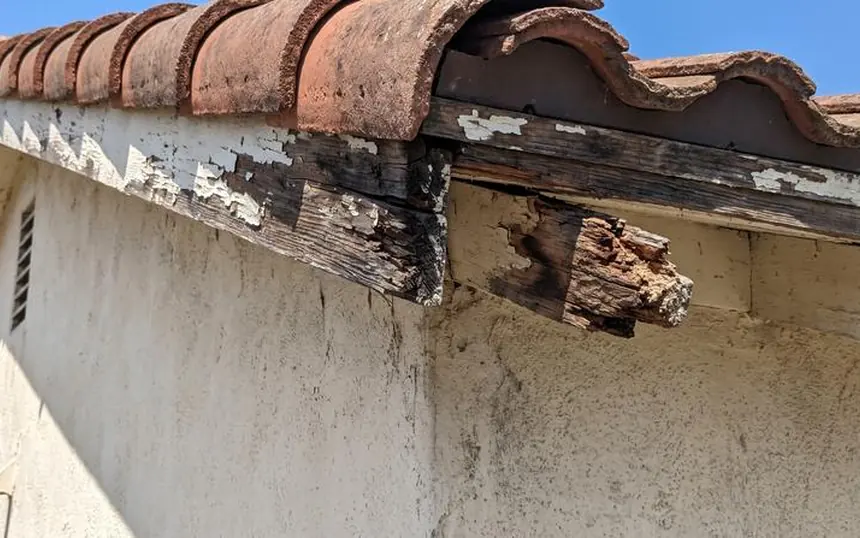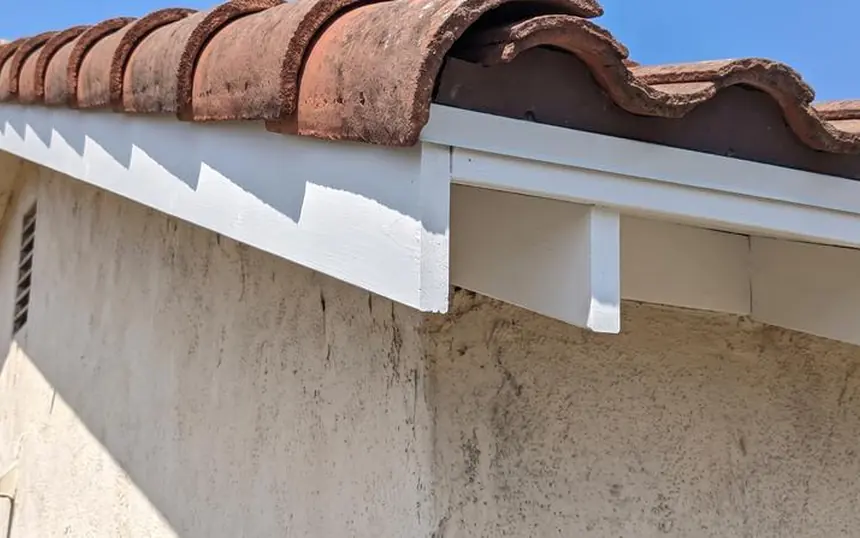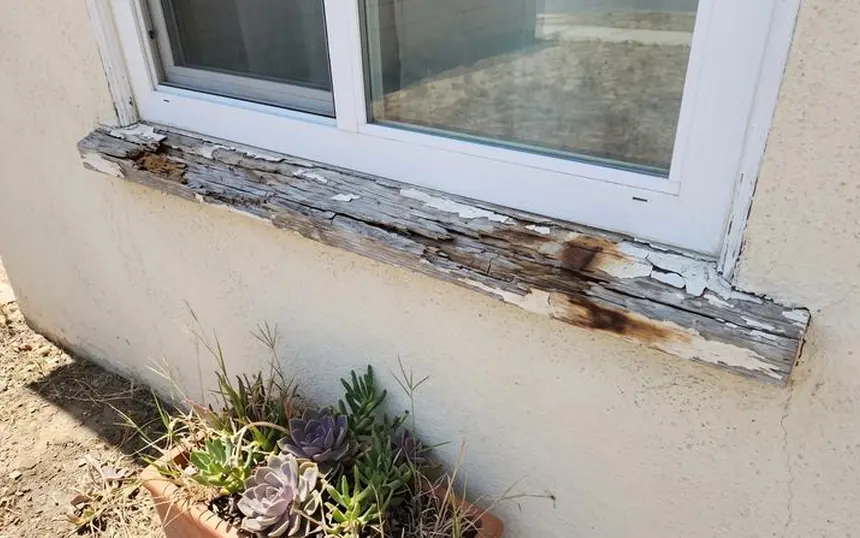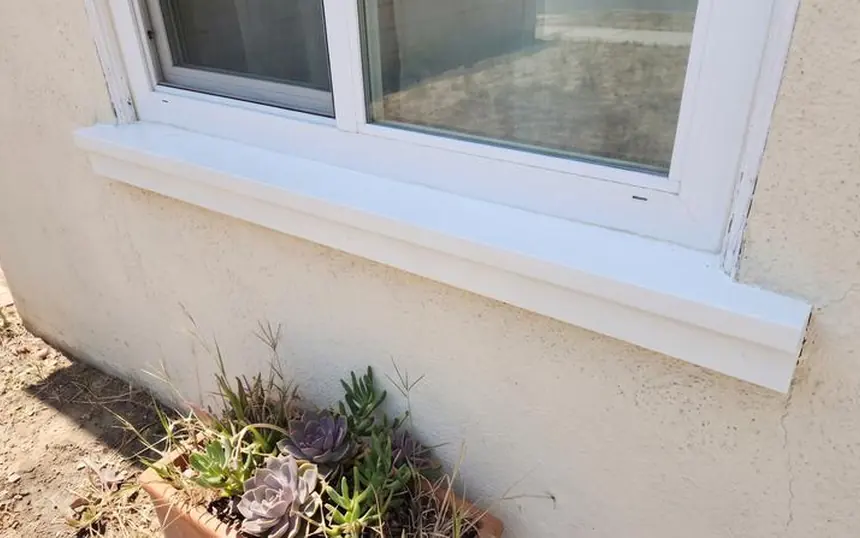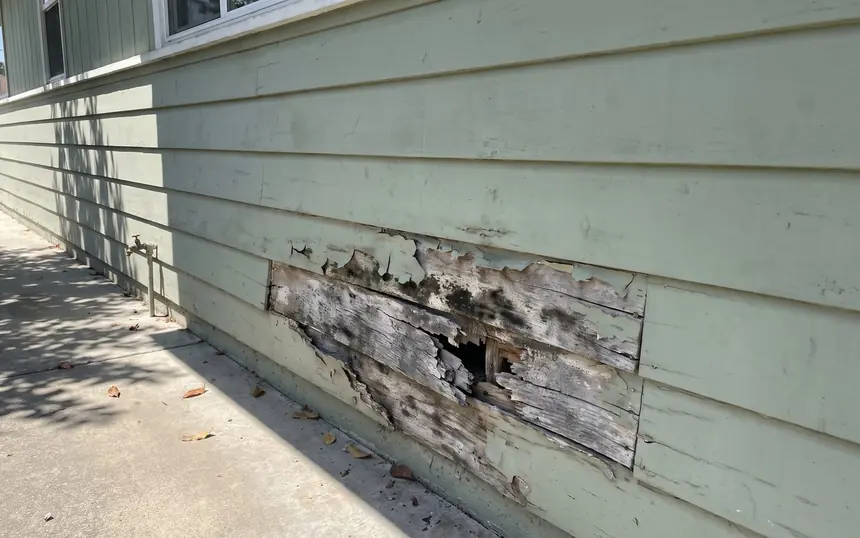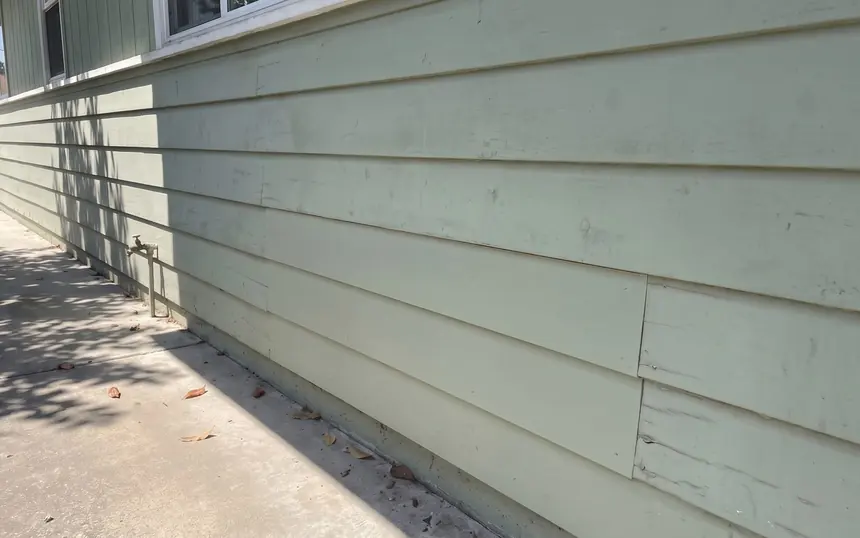
Craftsman siding, sills, porch posts, fascia and deck boards cut out and rebuilt with sound wood, matched to the house. Priced in writing before we start.
 BBBAccredited Business
Seattle is a city of wood houses in a wet climate, and Kaminskiy Care and Repair rebuilds the rot that comes with that: the cedar bevel and shingle siding on the 1900s to 1940s craftsmans and bungalows from Ballard to Columbia City, the porch posts and columns that rot at the base, the wood-sash sills on the weather side, the fascia and bargeboards under gutters that fill with needles and moss, the deck boards and railings on the hillside lots, and the trim and balcony wood on the 1990s condos. Each piece is cut back to sound wood, rebuilt with the same profile, primed on every face, painted to match and sealed, with the gutter, the flashing or the grade that caused it fixed. Carpenter ants and dampwood termites get a licensed pest company; the carpentry is ours. The price is in writing before anything starts.
 Eight repairs, one crew, priced in writing before we start.
A hundred and fifty-six rain days a year on a hundred-year-old cedar house: that is Seattle rot. It lives at the bottom courses, the porch post bases, the sill horns and the bargeboard ends, and on the slopes it lives in the decks. We cut back to sound wood, rebuild to the profile, prime, paint and seal, and fix what kept it wet.
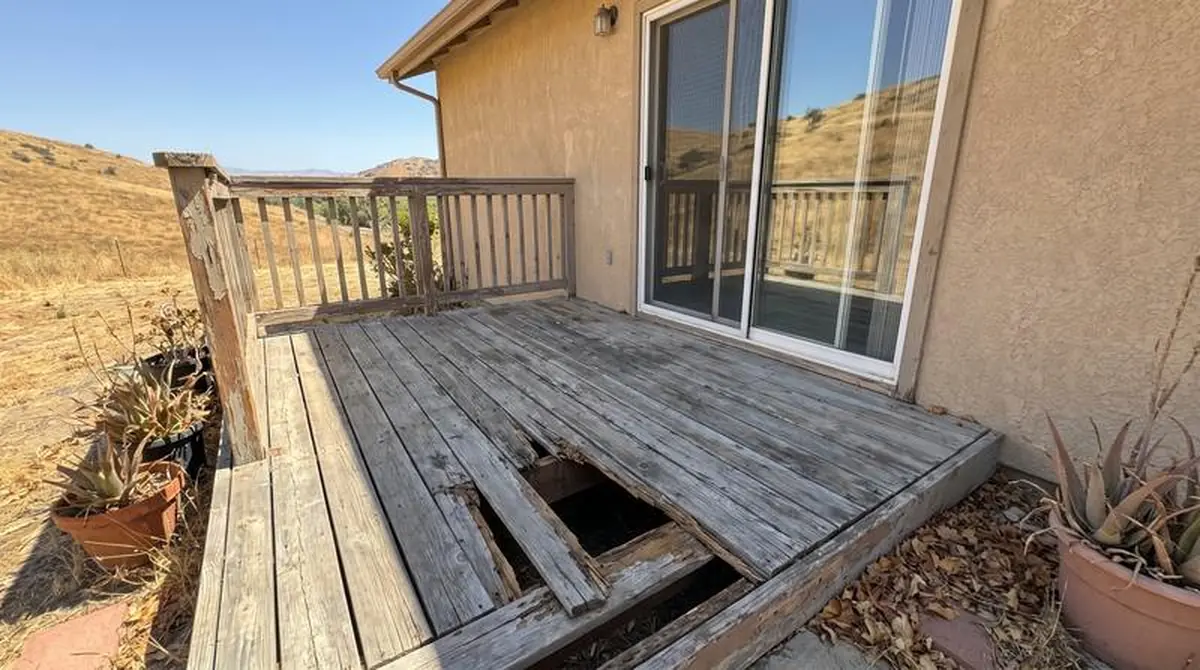
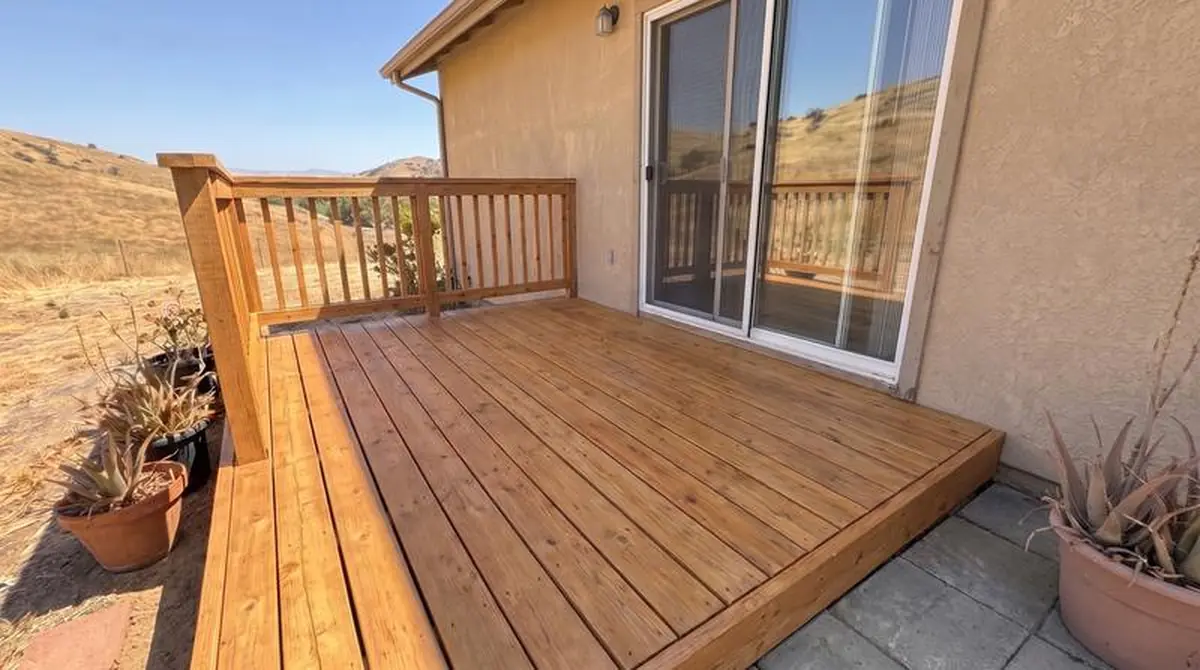 AFTERBEFORE
 Fascia & Eaves
 Window Sills
 Door Jambs & Casings
 Trim & Siding
 Termite Damage Rebuilds
 Deck Boards & Railings
 Stairs & Posts
 Primed, Painted & Sealed
Old Seattle wood forgives a lot, but not a plugged gutter for ten winters. A Kaminskiy-certified technician prices most Seattle siding, sill, post and fascia repairs on the call, in writing; a porch, a deck or a landmark-district elevation gets a look first and a written scope.

We answer in under three rings and get you priced and scheduled in minutes.

A clear, written quote with upfront pricing. You approve before work begins.

Kaminskiy-certified pros finish the job with a workmanship warranty.
Every rot and termite damage repair carries our one-year workmanship warranty, in writing, and is done by a Kaminskiy-certified, background checked technician.
Rain and age. Seattle gets more wet days than almost any big city in the country, and most of its houses were built between 1900 and 1945 with cedar siding, fir framing and wood-sash windows, all of it depending on paint, flashing and a working gutter. When the gutter fills with needles and moss, the fascia and the bargeboard ends go; when the grade creeps up, the bottom courses go; when the porch post sits on the concrete, the base goes. On the slopes of Queen Anne, Magnolia and West Seattle the deck is the wettest wood on the lot, and it goes first.
The wood destroyer on a Seattle WDO report is almost always the carpenter ant: a main colony in a stump or a rotting log, a satellite nest in the wet sill, the beam end or the porch column, frass on the ground below. Dampwood termites nest only in wood that is already wet, so they point to a leak; subterranean termites are present but uncommon west of the Cascades. A licensed pest company treats the colony; we rebuild the wood and dry out the spot.
A rot repair on a craftsman has to read as original from the sidewalk. We cut back to sound wood, match the bevel width, the shingle exposure or the trim profile, back-prime every piece, lap it into the building paper and flashing already there, caulk and paint. On a house in a landmark district that is also what the city calls repair in kind, confirmed with the district coordinator before we start.
Clean the gutters twice a year and get the moss off the roof edge and the north-side siding. Keep the soil, bark and the hydrangeas below the bottom course. Set porch posts and deck posts on standoffs. Cut back the laurel hedge so the wall can dry. Repaint the weather side before the paint fails.
Craftsmans, bungalows and Tudors from the 1900s to the 1930s with cedar bevel and shingle, fir porches, wood-sash windows and bargeboards. Rot lives at the bottom courses, the porch post bases, the sill horns and the bargeboard ends under a mossy gutter. We match the bevel and the exposure, splice the posts and keep every sound board.
Big older houses on steep lots with decks, balconies and retaining-wall stairs facing the weather, and the Harvard-Belmont landmark district on the west slope of Capitol Hill. Deck boards go soft at the ends, railing posts rot at the base, column bases go on the porches. We rebuild boards, rails and columns where they stand, name a ledger problem first, and confirm repair in kind with the district coordinator where that applies.
1920s to 1940s houses with cedar and the first hardboard, plus the condo buildings of the 1990s whose siding and decks were built before the state tightened its building-envelope rules. Single-family rot is sills, siding and porch posts; condo rot is balcony trim, railing posts and deck boards the association asks us to rebuild after the envelope consultant has looked.
A fascia board, a sill or a trim piece is priced on the call, in writing. A bigger rebuild gets a look first and a written price before anything starts.
We cut back to sound wood and probe how far the rot really goes. If it runs further than the photo showed, you hear it before we go further, with the price.
New wood primed on all sides, caulked, painted to match, and the water path that caused it fixed: the drip edge, the flashing, the gutter end, the sprinkler.
The work area is cleaned before we leave, and every rot repair carries our one-year workmanship warranty.
Seattle leaves minor repairs and alterations under a set cost in any six-month period alone, and names painting, limited in-kind repair of deteriorated parts and replacing roof sheathing on a house as work that needs no permit. Work on a load-bearing support or a change to the building envelope needs one at any size, and environmentally critical areas, the steep slopes and shorelines, have their own rules. A rebuilt sill, a run of siding or a porch post is in-kind repair; a beam, a deck ledger or a slope lot is the call we make with the city before we open anything, with the permit in the written scope when one applies.
A Seattle sale or refinance runs on a complete wood destroying organism inspection by a structural pest inspector licensed by the state Department of Agriculture, with an inspection control number on it. The report lists what it found by organism, carpenter ants and wood decay fungi on most old Seattle houses, with the conducive conditions: earth against the siding, a dead gutter, vegetation on the wall, a post in the concrete. The inspector reports and the pest company treats. We rebuild the damaged wood and fix the carpentry-side conditions, and the buyer gets the reinspection.
In Seattle's eight historic districts, Ballard Avenue, Columbia City, Harvard-Belmont and Pioneer Square among them, any change to a building's exterior takes a Certificate of Approval, even painting. Repair in kind, the same material, the same details and the same finish, does not, once the district coordinator has confirmed the scope, and that is what a rot repair is. On a condo, the association decides: Washington has required a designed and inspected building enclosure on new multiunit buildings since 2005, after a decade of lawsuits over the ones that leaked, so the envelope consultant looks first and we do the carpentry on the list.
Can't find your answer? Call 206-759-7675 and ask us anything.
Call 206-759-7675A siding course, a sill, a post base or a fascia board is priced on the call and usually scheduled within days. A porch, a deck, a condo balcony run or a landmark-district elevation gets a look first and a written scope, and the finish date comes after the wood is open.
Yes, once a licensed pest company has treated the colony. We cut out the hollowed sill, column base or trim, rebuild it, and take away the wet wood that drew the ants. Treatment and the report are the pest company's; the carpentry is ours.
Yes. Siding, sills, trim, porch posts, fascia and deck boards are carpentry, and we match the bevel, the exposure and the profile before we start. Kaminskiy is licensed, bonded and insured, so a splice into a stud or a rafter tail is fine too; a beam or a ledger is named before anyone opens a wall.
How far the rot runs once the siding is off, the height and the slope under the ladder, and the match, since a 1910 bevel on Phinney Ridge and a 1995 hardboard lap in Belltown are not the same piece. Text a photo and the price is in writing before anything is scheduled; if it runs further than the photo showed, you hear it before we go on.
It will hide it until summer. Paint over soft wood seals the water in, and with 156 rain days the wood never dries behind it. We rebuild the piece, back-prime, set it, caulk and paint, so the paint is on sound wood.
Yes, as repair in kind: the same material, the same details, the same finish. We write the scope that way and the district coordinator confirms it before we start. A change to the profile or the material would need a Certificate of Approval, and we tell you that first.
The carpentry is: rotted railing posts, deck boards, trim and the framing we can reach, rebuilt where they stand. The building envelope itself, the flashing design and the waterproofing, is the envelope consultant's call, and on a 1990s building we expect the board to have one look first.
All of Seattle, including Ballard, Green Lake, Wallingford, Ravenna, Queen Anne, Magnolia, Capitol Hill, Beacon Hill, Columbia City and West Seattle, plus Shoreline. Call 206-759-7675 to confirm your address.
Tell us where the wood has gone soft, or text us a photo. We'll call you back with a price and a time. Calling is still the fastest way: 206-759-7675.
Priced in writing before we start. Kaminskiy-certified technicians. A one-year workmanship warranty on every job.
We answer in under three rings, 24/7.No price games. You get a clear written quote before any work begins, backed by our workmanship warranty.