Lath and plaster in the 1920s houses, drywall in the postwar tracts, hillside cracks in the Verdugos and condo ceilings downtown, patched, matched and primed from an office on Brand Boulevard. Priced in writing on the call.
 BBBAccredited Business
Kaminskiy Care and Repair repairs walls and ceilings in Glendale homes from an office on North Brand Boulevard, in the middle of the city, and the wall is rarely the same twice: lath and plaster cracking along the lath in a 1920s Rossmoyne or Adams Hill house, the first generation of drywall in a 1950s Glenwood or North Glendale ranch, a diagonal crack off a window corner on a Chevy Chase Canyon fill lot, a brown ring on a Brand Boulevard condo ceiling that started in the unit above, the knob hole and the forty anchor holes after a tenant. Plaster is patched as plaster, drywall as drywall, and both leave matched and primed. A wet wall is dried before it is touched. You hear the number on the call, written down, and a patch is usually done the day we come. Since 2023 we have completed 59 repair visits on 46 Glendale homes.
 Eight repairs, one crew, priced in writing before we start.
Glendale has a century of walls in it. The 1920s Spanish and Craftsman houses carry lath and plaster that cracks along the lath and lets go at the keys; the postwar ranch tracts carry the first drywall, sprayed ceilings and sixty years of patches; the hillside streets settle toward the canyon; and every wall in the city has felt an earthquake. Our technicians on Brand Boulevard carry the trowels for plaster and the hopper for orange peel, and match the finish on a test board before the repair is textured.
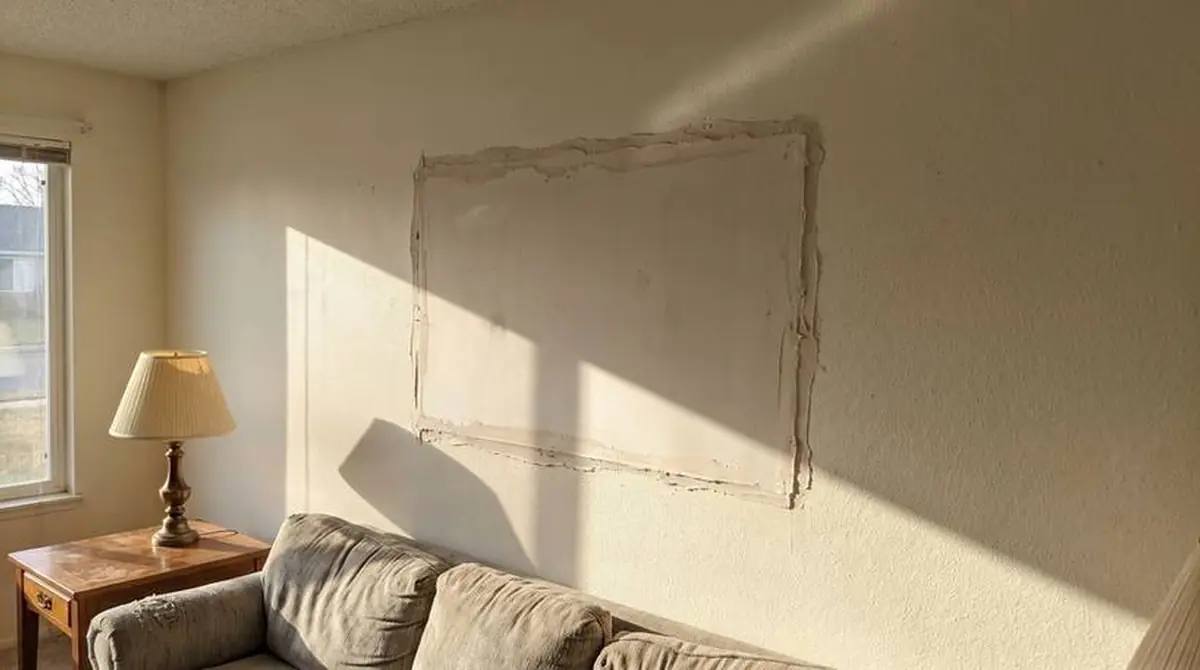
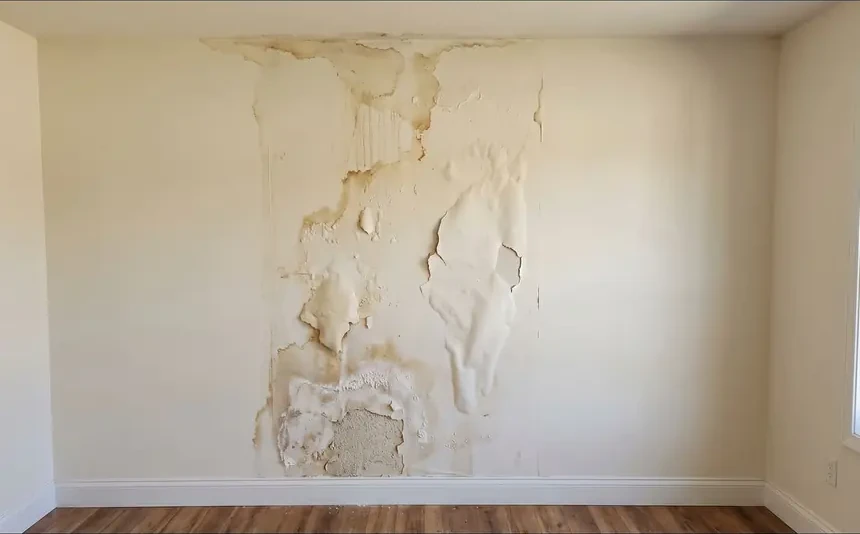
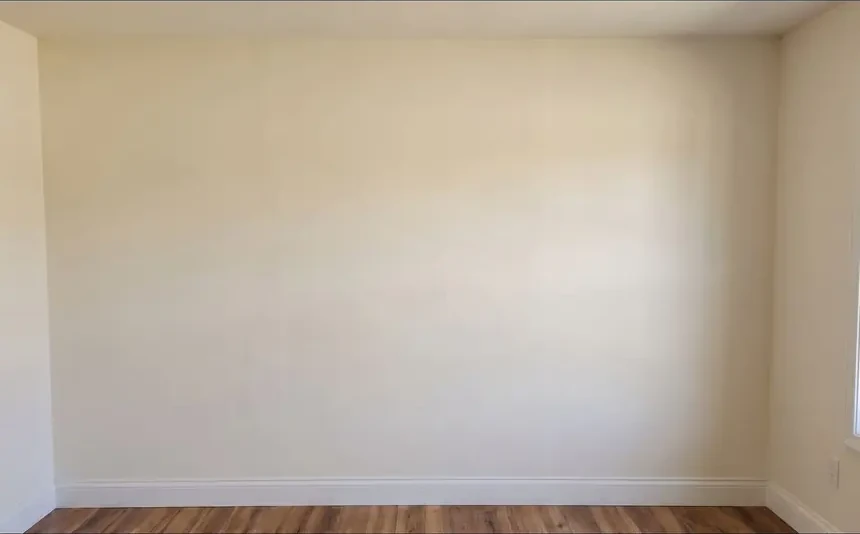
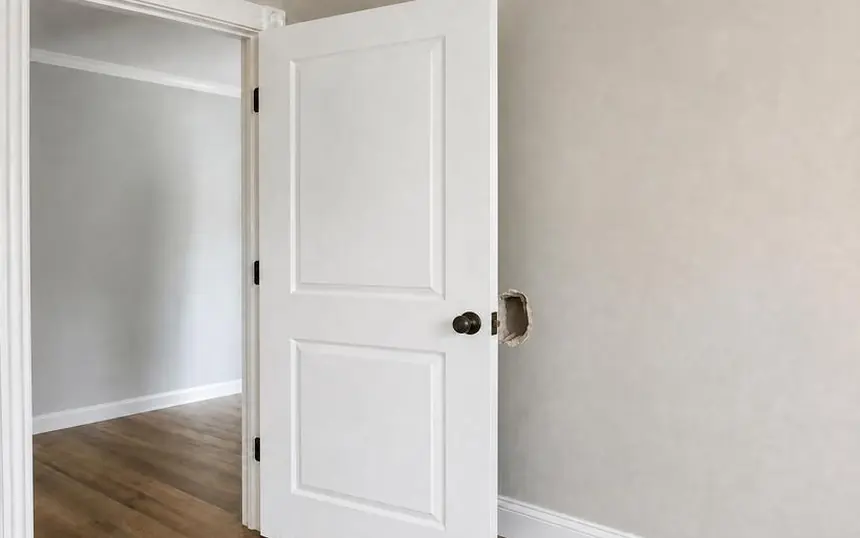
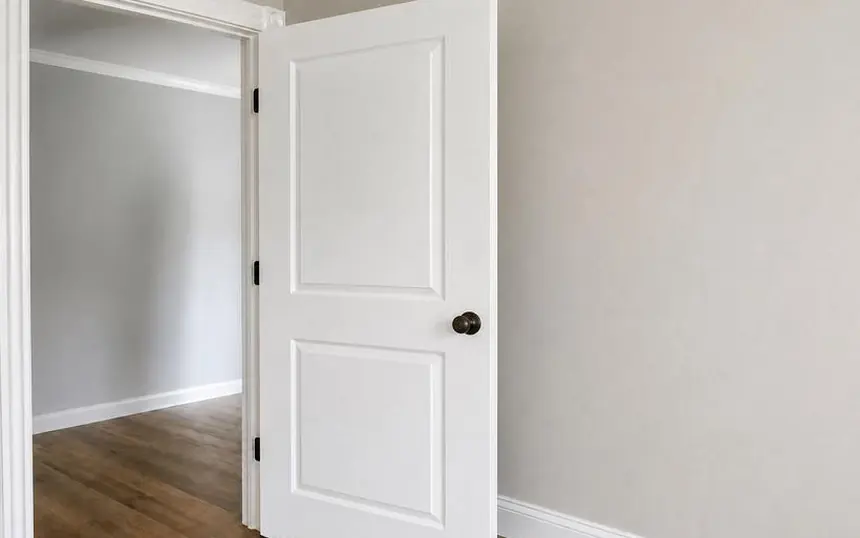
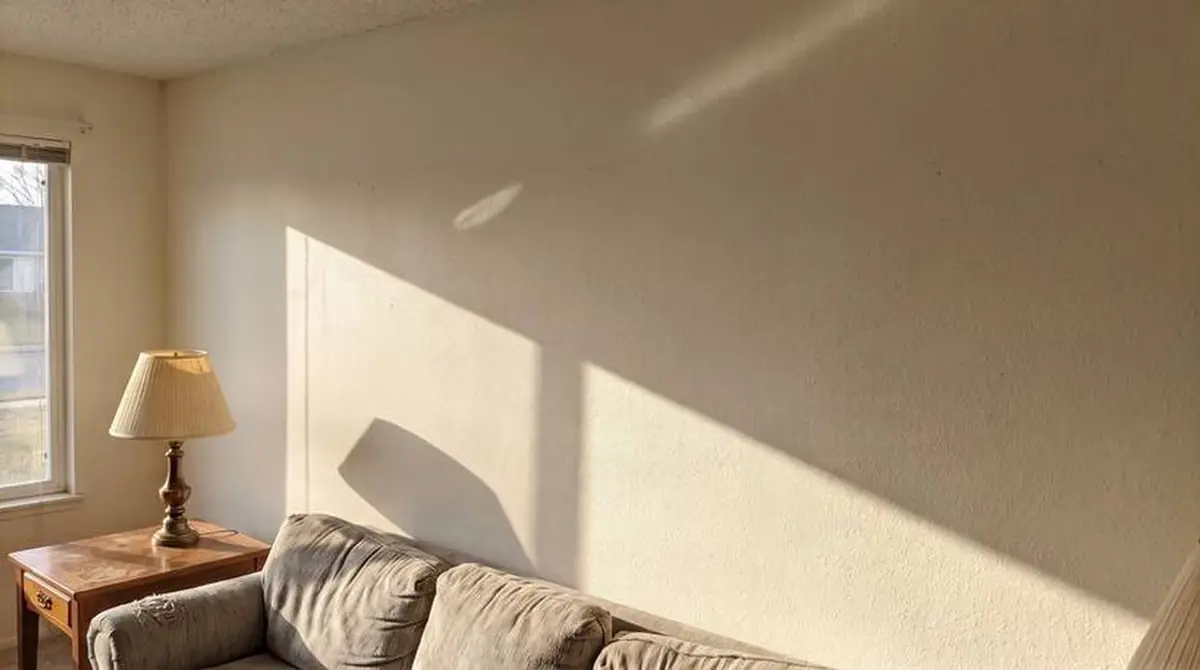 AFTERBEFORE
 Hole & Crack Repair
 Water Damage Repair
 Ceiling Repair
 Texture Matching
 Big Patches & Full Sheets
 Nail & Anchor Holes
 Corner Bead & Cracks
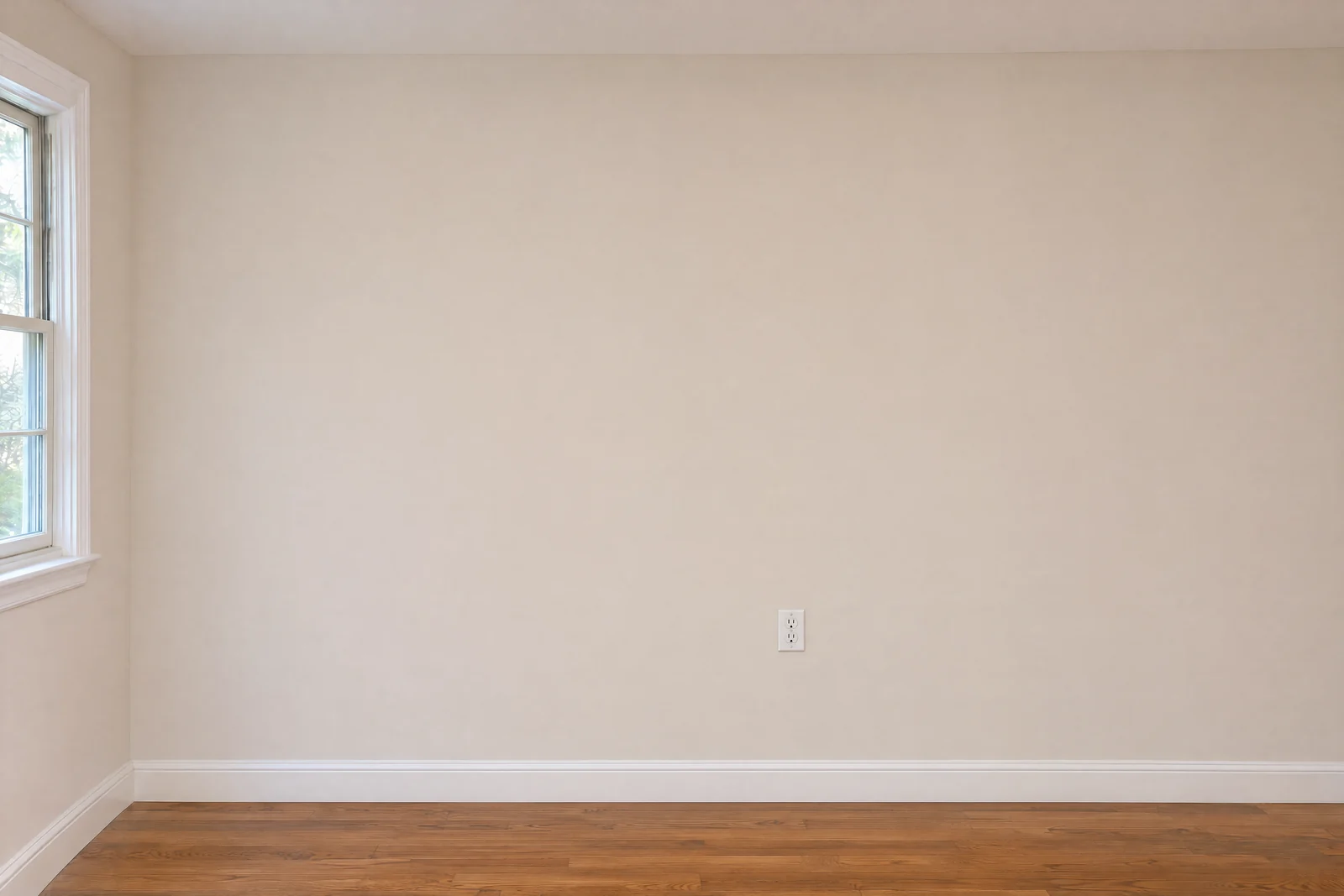
 Primed & Ready for Paint
With the office ten minutes away, a Kaminskiy-certified technician can look this week. If you know whether the wall is plaster or drywall, say so, and compare the damage with your hand on the call; the price is written before anyone drives out.

Priced and on the calendar during the first call.

A written quote you approve before anyone drives out.

One crew, truck stocked, warranty in writing.
A one-year workmanship warranty, in writing, on every Glendale drywall repair.
Three different reasons on three different streets. In the hills, from Chevy Chase Canyon to the Verdugo foothills and Glenoaks Canyon, the lots were cut on one side and filled on the other, and the house settles toward the fill, so the crack runs diagonally from a window corner on the downhill side. On the flats the lumber in a 1950s tract has dried for seventy years and the trusses lift the ceiling tape every Santa Ana season. Everywhere, an earthquake opens hairlines at the corners of doors and windows, where the board was cut. We tape and feather the cosmetic ones and tell you plainly when a crack is a drainage or foundation question instead.
Rossmoyne, Adams Hill, Glenwood and the Brand Park streets were built in the 1920s and 1930s with wood lath and three coats of plaster, and plaster fails its own way: a crack along the lath, a section that goes hollow where the keys broke, a corner that crumbles. The repair is a bonding agent and a setting compound keyed into the lath, finished to the sand or smooth finish around it, not a drywall patch screwed into plaster, which is the repair that falls out. The 1940s to 1960s ranch homes of North Glendale and Sparr Heights were the first drywall streets, with sprayed ceilings that are tested by a licensed lab before anyone sands them.
The single-story originals take their water from the roof: a flashing at a vent, worst after the January storms, showing as a ring on a hallway ceiling. The two-story homes and the downtown condos take it from the bath above. Order matters: roofer or plumber first, then a moisture meter that reads dry, and only then do we cut out the stained board and hang new; paint over a damp ring and it is back by spring. Discoloration that has spread past a dinner plate belongs to a licensed mold remediation company before it belongs to us, which we say on the call rather than at the door.
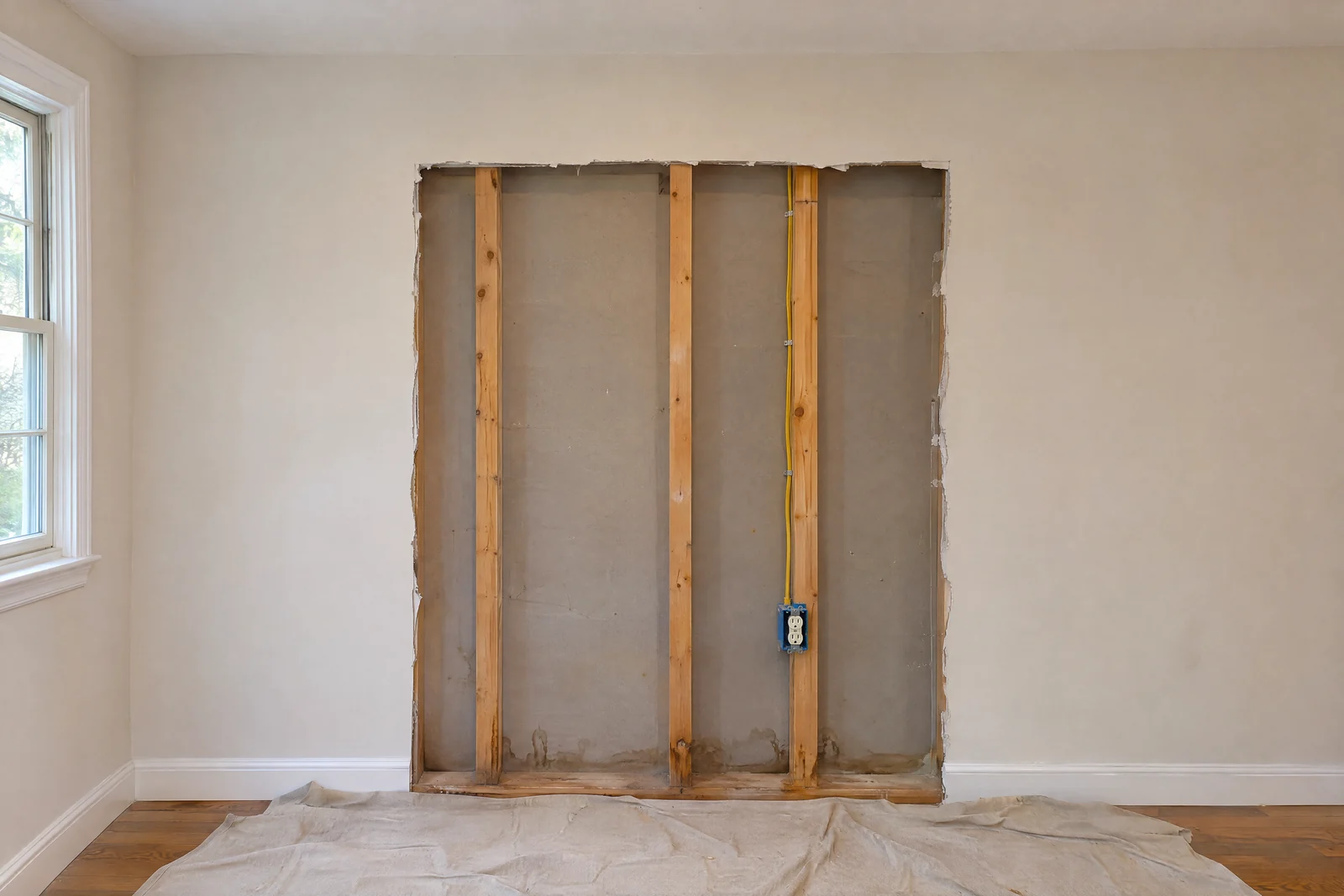
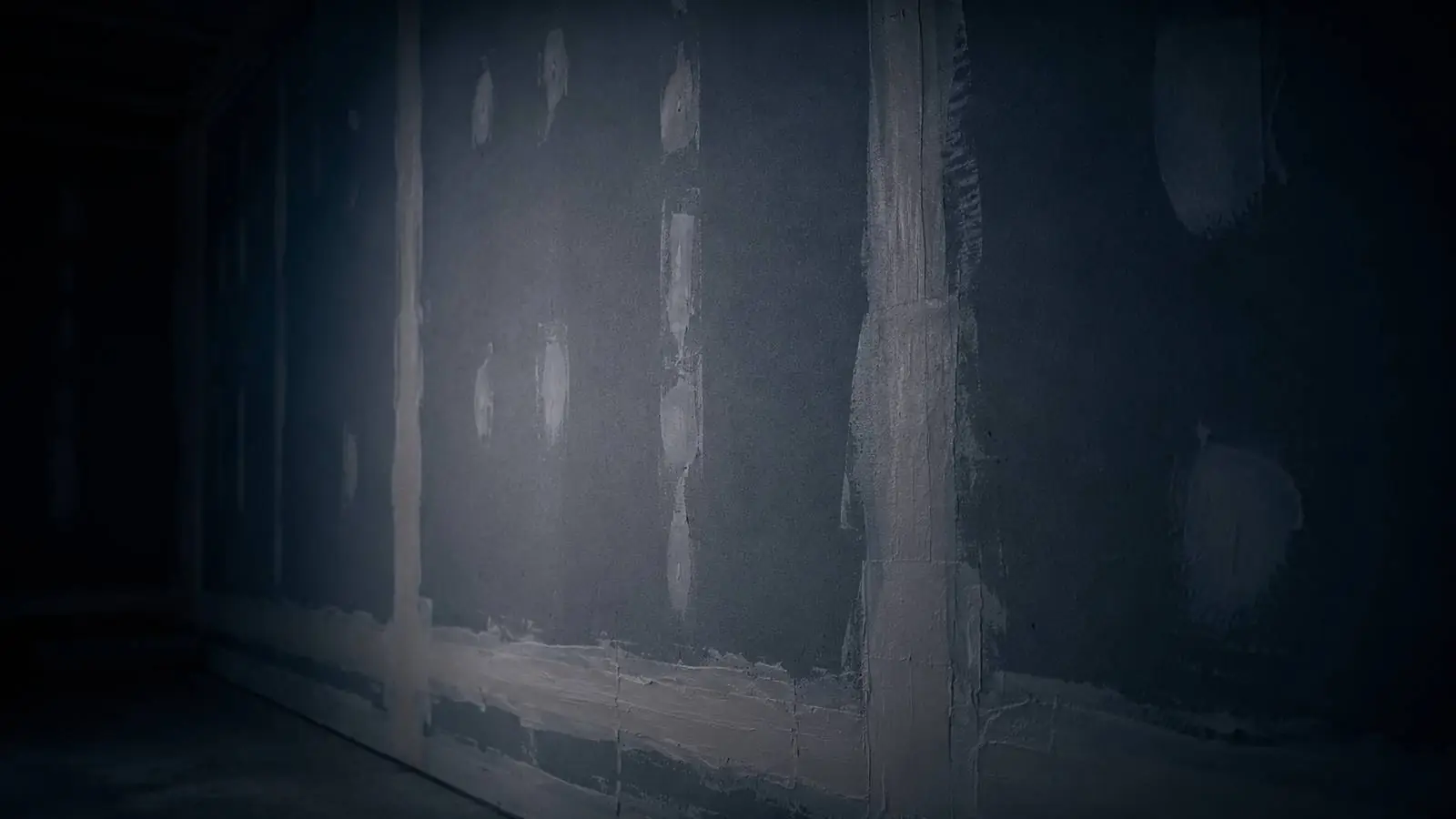
The size of the hole picks the method. A knob hole takes a backed patch; a hole you could cover with a laptop takes a paper patch; a poster-sized opening gets a wood backer and a cut section; a wall the plumber opened, or board that water has softened, is hung new from stud to stud with the seams taped. Plaster is its own trade with its own compound. What never changes is the finishing: three coats sanded flat, the texture of that wall, then primer. Spackle and paint from the hardware store do none of that, and the glossy ghost of the last patch is the proof.
Spanish and Craftsman houses from the 1920s to the 1940s with lath and plaster walls, coved ceilings and ninety years of patches in three different materials. Cracks follow the lath, corners crumble, a section goes hollow. We patch plaster as plaster, keyed into the lath and finished to the sand or smooth coat around it, and treat the paint in a pre-1978 house lead-safe under the EPA's certified-firm rule.
Homes from the 1950s through the 1980s on cut-and-fill lots that settle toward the canyon, so the cracks run diagonally from the window corners on the downhill side and the doors on that side rub. Smooth and light orange peel finishes, tall view-room ceilings priced after a look, and the Santa Ana winds that dry the attic and lift the ceiling tape every fall. We tape and feather the cosmetic cracks and say which ones deserve a soils look.
The 1940s to 1960s ranch tracts where the first drywall went up, with sprayed ceilings tested before anyone disturbs them and orange peel to match; and downtown, the condo buildings along Brand and Central with shared walls, water from the unit above and move-out walls by the room. What crosses the wall is the association's question under the CC&Rs; our side of it is the drywall in your unit, matched and primed.
The Brand Boulevard office works alongside the office on Wilshire; the Los Angeles drywall repair page has the basin-wide picture, the City of Los Angeles permit rule and the water-damage paperwork in plain words.
Hold your hand over the damage and tell us: smaller than your hand, bigger than your hand, poster-sized, or a whole sheet. We price it on the call, in writing, in under ten minutes.
Water damage is repaired after the source is fixed. If the stain is still wet we tell you who fixes the leak, and we schedule the drywall for when it is dry.
Backing where it needs it, new board cut to fit, every seam taped, three coats of compound sanded smooth, your texture matched, then primer.
Dust contained and the room left clean. Most patches are finished in one visit; a full sheet may need a short second visit for the final coat, scheduled before we leave.
Glendale keeps its own Building and Safety Code, which adopts the California codes with the city's amendments and keeps the state's list of work exempt from a permit: painting, papering and similar finish work need none, and ordinary repairs need no application, which is where a plaster patch, a drywall patch, a replaced sheet in an existing wall or a ceiling repair falls. Cutting a new doorway, taking out a wall or touching framing is a different kind of job with a permit attached, and you hear that from us before the first cut. For anything that size we ask the counter on Broadway instead of guessing.
The California Department of Insurance puts sudden and accidental water damage on the covered list of a standard homeowner policy and water damage caused by seepage or leaks on the excluded one, which is why the adjuster's first question is how long it ran. What the department tells homeowners, we repeat: find and stop the leak at the source, photograph everything, and hold the big permanent repairs until the adjuster has been through. Our drywall estimate is its own line beside the plumber's or roofer's; we fix no pipes and no flashing, and the new board waits for a dry meter reading.
A ceiling ring in a Brand or Central condo usually started in someone else's bathroom, and Civil Code 4775 is where the money question begins: the association maintains the common area, the owner maintains the separate interest, and the CC&Rs can shift either. The drywall inside your unit is ours to fix, and we write it up as a scope the board can read. In a house the rule is the garage: the residential code makes the wall and ceiling to an attached garage a fire separation, so when a full sheet comes out there, the same half-inch or five-eighths Type X board goes back in.
Can't find your answer? Call 747-298-8227 and ask us anything.
Call 747-298-8227Brand Boulevard is the office, so a Glendale call is usually scheduled within days, often that week. The number is written down before the visit, a drywall patch is normally finished the day we come, and plaster or a full sheet sometimes earns a short return for the last coat.
If it was built before about 1940 and the wall sounds dense when you knock, it is almost certainly lath and plaster, and it changes the repair: a bonding agent, then a setting compound pressed into the lath so it keys the way the original did, rather than a square of drywall screwed over the hole. Our technicians work in both and will tell you which you have the moment they see it.
Yes. Hairline cracks at the corners of doors and windows after a shake are cosmetic in most houses: taped with paper or mesh, filled, feathered wide and textured, they stay closed. A crack that is wide, stepped or still growing is a different question, and we tell you to have the foundation looked at rather than patch it twice.
The ceiling inside your unit is ours once the bathroom upstairs is fixed and the meter says the board is dry. Who ends up paying is between the CC&Rs and two insurance policies, with Civil Code 4775 as the fallback, so our estimate is written as a standalone scope that the board and both adjusters can read.
Yes. The postwar tracts were sprayed with a tight, fine orange peel, lighter than anything from the 1980s on, and our technicians thin the mix and back off the gun until a test on scrap board reads the same as your wall in raking light. One caution: a ceiling sprayed before 1980 is sampled by a licensed lab before anyone sands it.
Four things, and you can read all four off the wall: how big the damage is compared with your hand, whether a leak caused it, whether the wall is plaster or drywall, and which finish it carries. Tell us those and the price comes back written, in the same call.
No. Glendale's building code keeps the state's exempt list, and patching, finishing and replacing board in a wall that stays where it is are finish work and ordinary repair on that list. The permit cases are new openings, removed walls and framing, and we name them before the job, not after.
All of Glendale from our office on North Brand Boulevard, including Rossmoyne, Adams Hill, Glenwood, Chevy Chase Canyon, the Verdugo foothills, Sparr Heights, Montrose and Oakmont, plus Burbank, Pasadena, La Cañada Flintridge, Eagle Rock, Atwater Village and La Crescenta. Call 747-298-8227 to confirm your address.
Describe the wall or ceiling, or text a photo, and we call back with a written price and a time. Calling is still faster: 747-298-8227.
Priced in writing before we start, matched to the wall, warranted in writing.
We answer in under three rings, 24/7.No price games. You get a clear written quote before any work begins, backed by our workmanship warranty.