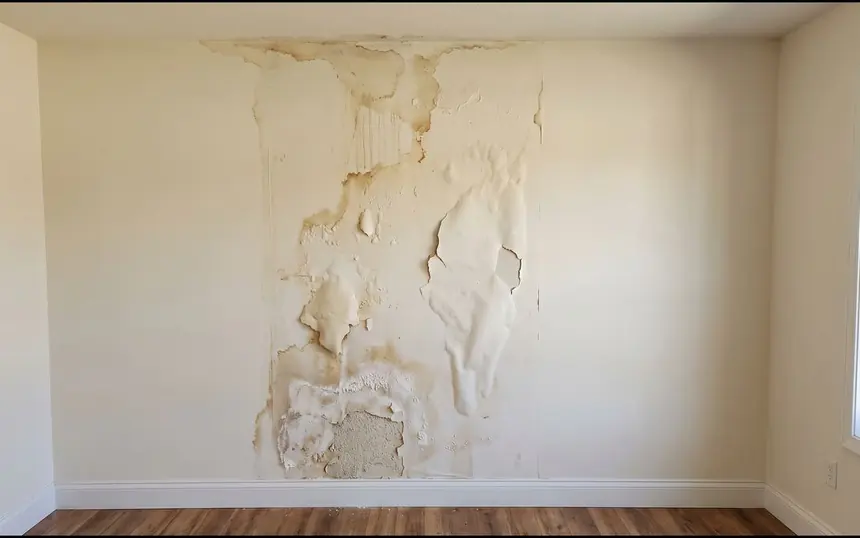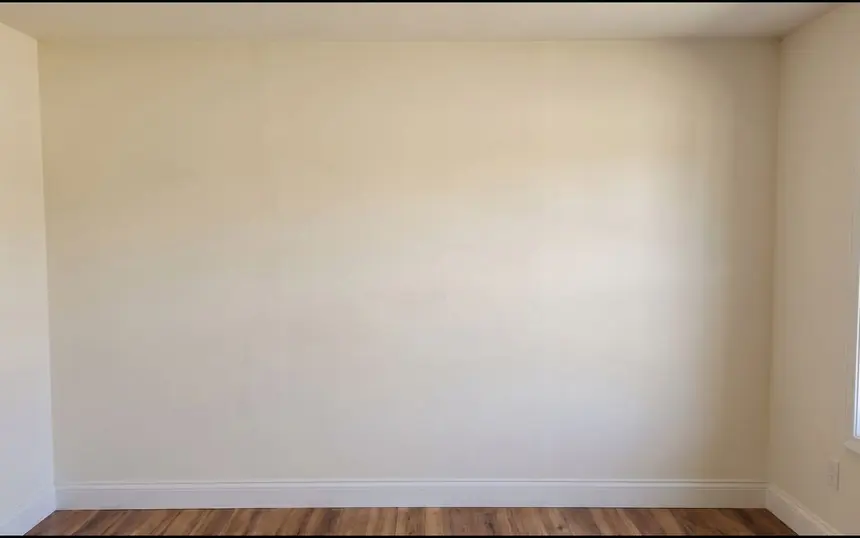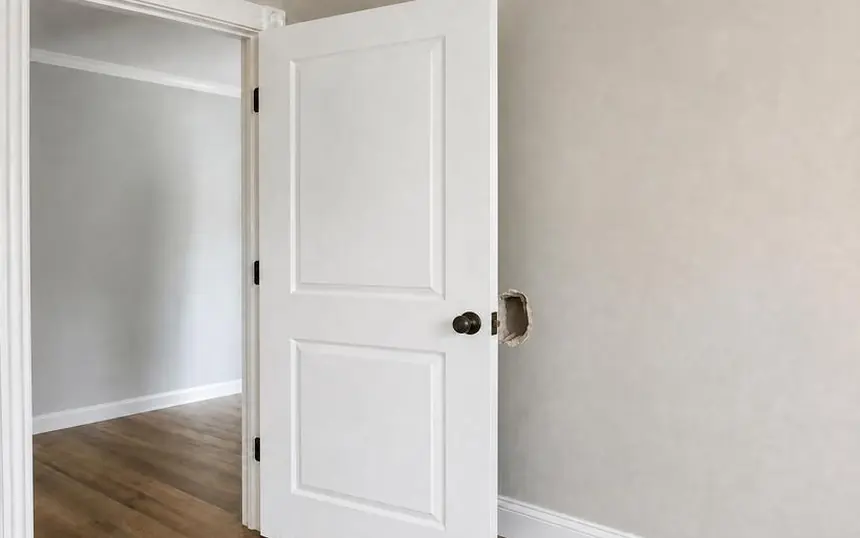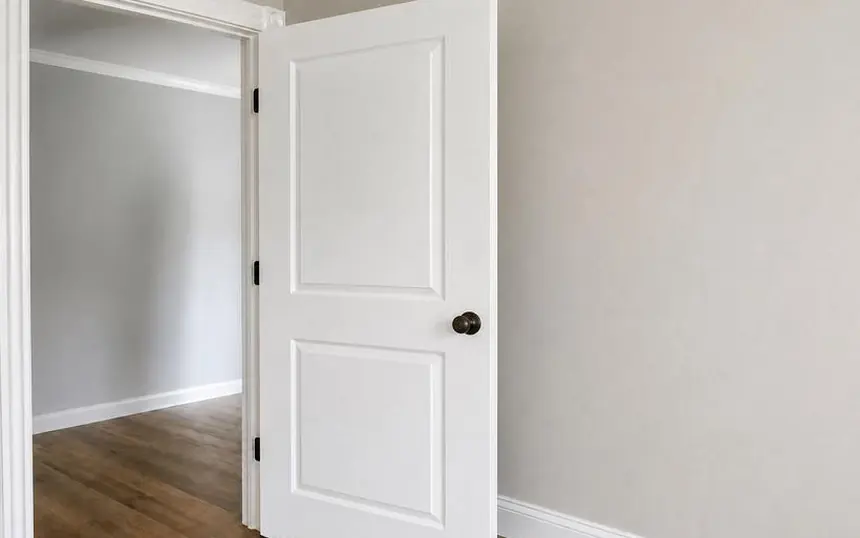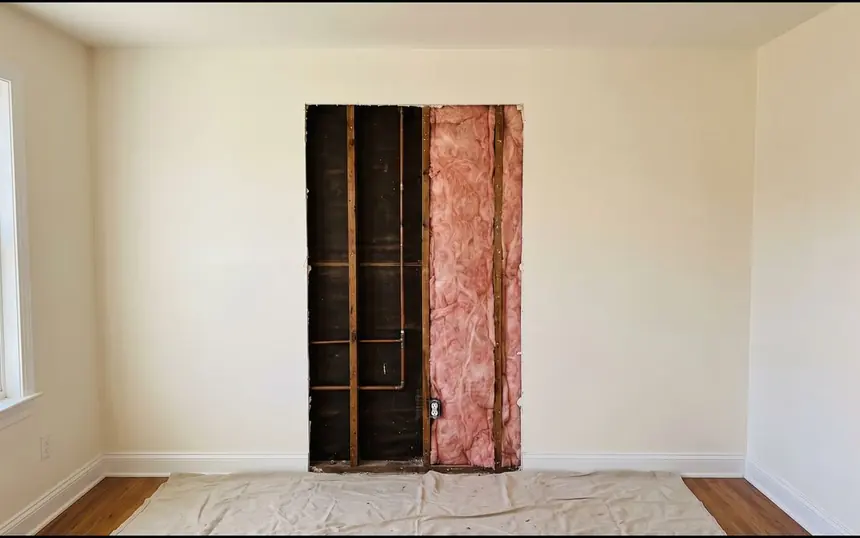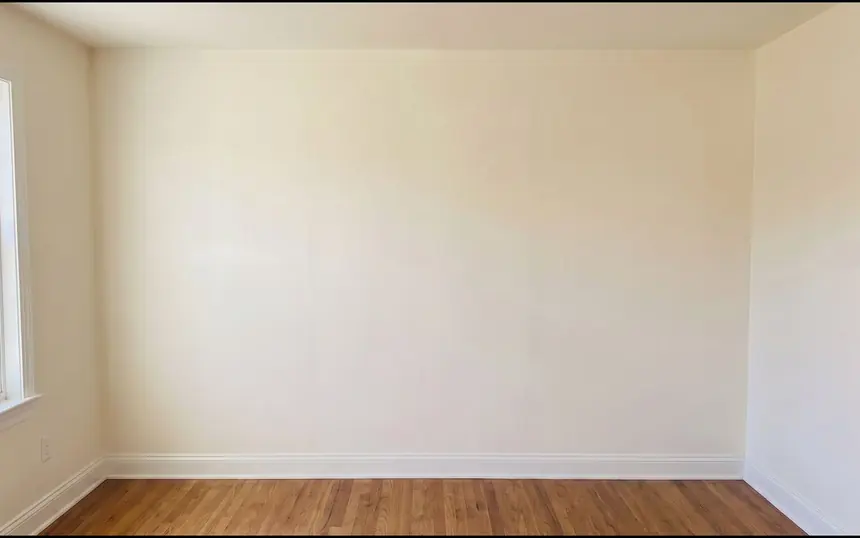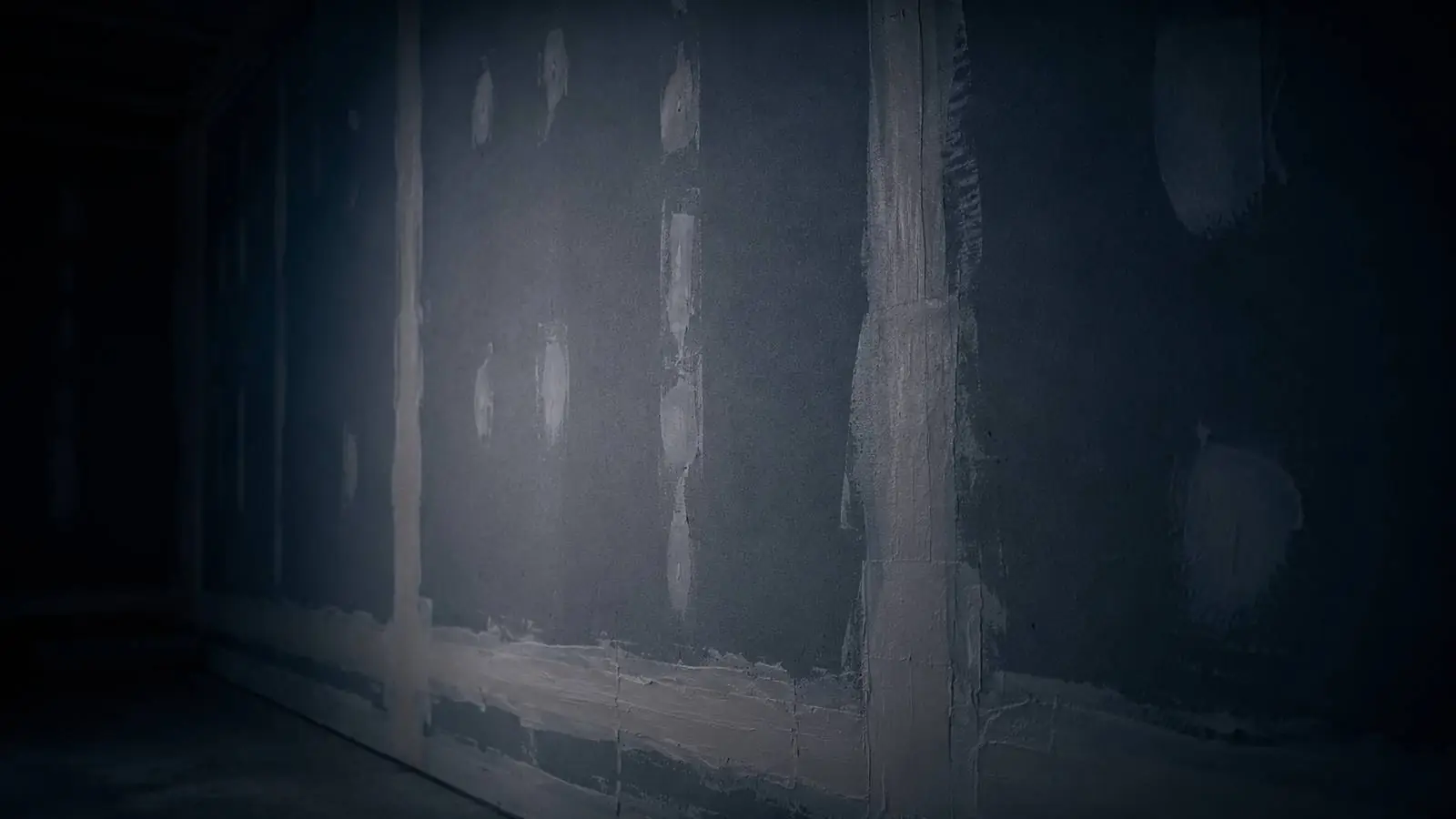
Plaster on the brick of a Capitol Hill rowhouse, the party wall that took the neighbor's water, the ceiling under a flat roof drain and the condo stain from upstairs, repaired in kind and primed. Priced in writing on the call.
 BBBAccredited Business
Kaminskiy Care and Repair repairs walls and ceilings in Washington homes, most of which are rowhouses with a neighbor on each side and a flat roof overhead. Capitol Hill, Shaw, Bloomingdale, LeDroit Park and Georgetown are brick rows from the 1870s to the 1920s with plaster on the brick party walls and on lath inside; Petworth, Columbia Heights and Brookland are porch-front rows from the 1910s to the 1930s with the same plaster and a century of patches; Takoma, Deanwood, Brightwood and Chevy Chase DC are frame houses with plaster and the first drywall side by side. Then the District's water finds them: a clogged roof drain or a failed membrane on a flat roof after a summer downpour, the neighbor's roof drain emptying into the party wall, a radiator or a riser that lets go in a January freeze, the English basement that seeps every spring, and the condo conversion where unit two's shower pan is unit one's ceiling. Each wall is repaired in the material it was built in, finished to match and primed. Water waits for the plumber or the roofer and a dry meter reading. The price is in writing on the call and most patches are finished in one visit.
 Eight repairs, one crew, priced in writing before we start.
Washington walls are plaster on brick, plaster on lath, and the drywall of a thousand flip renovations, often all three in one house, and the flat roof and the party wall decide where they fail. We repair plaster as plaster with a bonding agent and a setting compound, drywall as drywall, blend the two where a remodel meets the original, and write the scope so the condo board, the neighbor or the adjuster can read it.
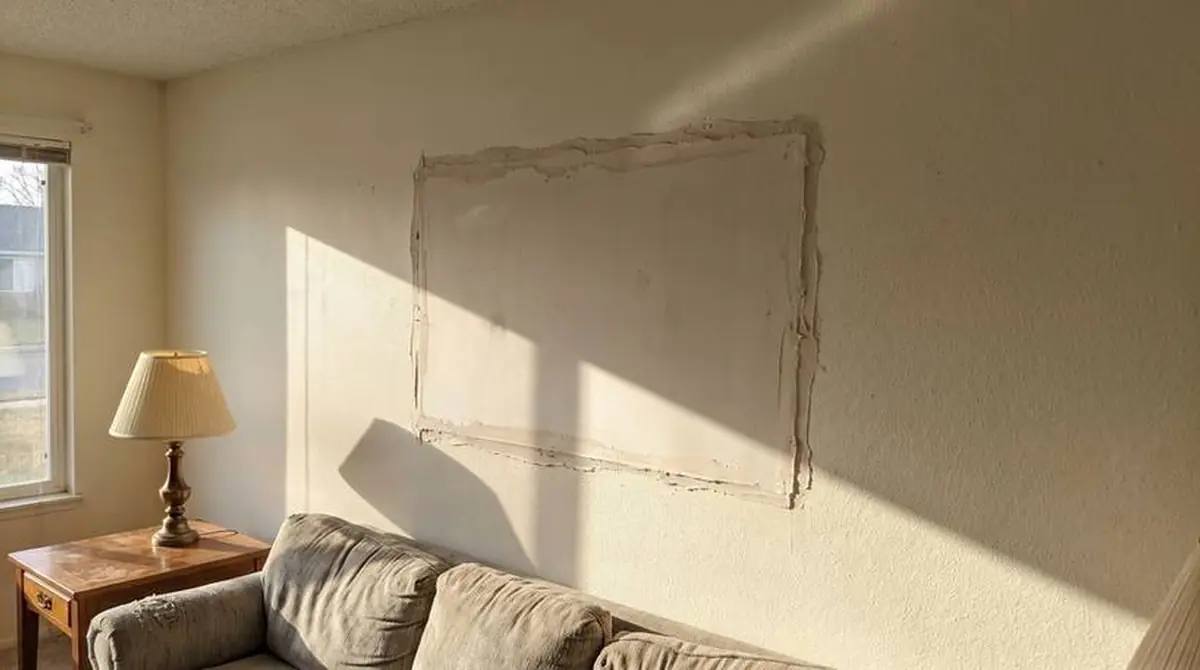
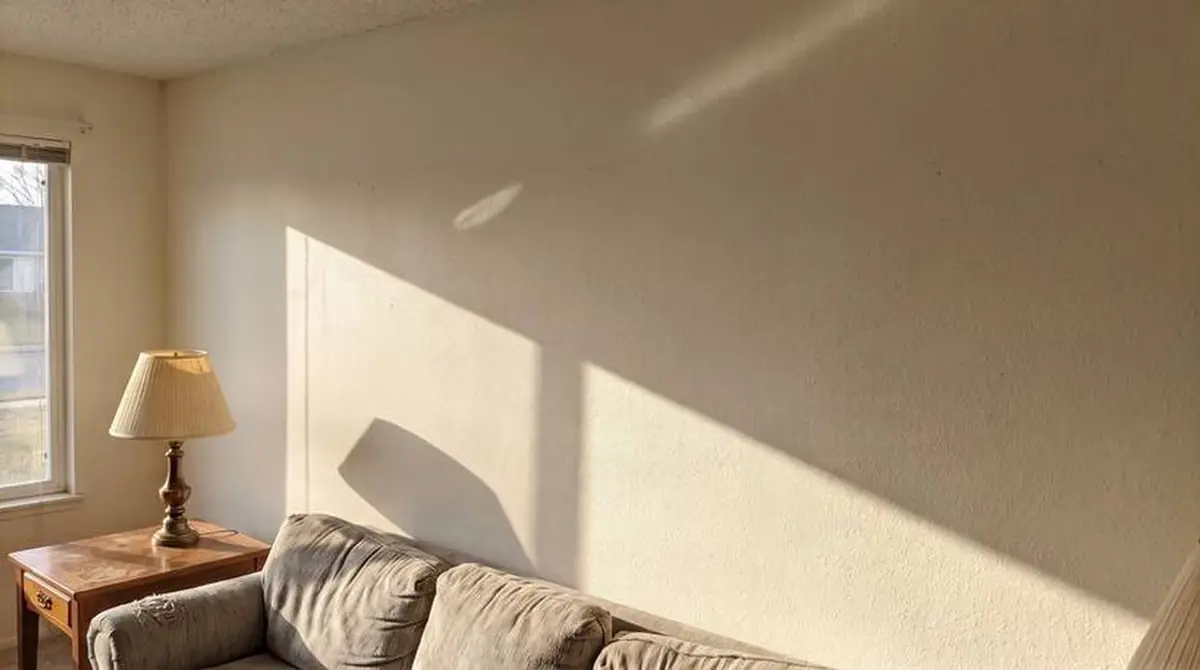 AFTERBEFORE
 Hole & Crack Repair
 Water Damage Repair
 Ceiling Repair
 Texture Matching
 Big Patches & Full Sheets
 Nail & Anchor Holes
 Corner Bead & Cracks
 Primed & Ready for Paint
Plaster on brick, plaster on lath and renovation drywall are three different repairs and our technicians do all three. Say which you think you have and the size against your hand, and the price is in writing on the call before anyone drives over.

Priced and on the calendar during the first call.
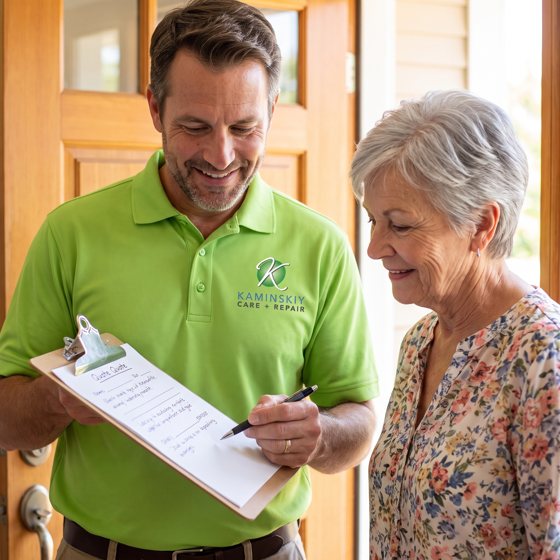
A written quote you approve before anyone drives out.
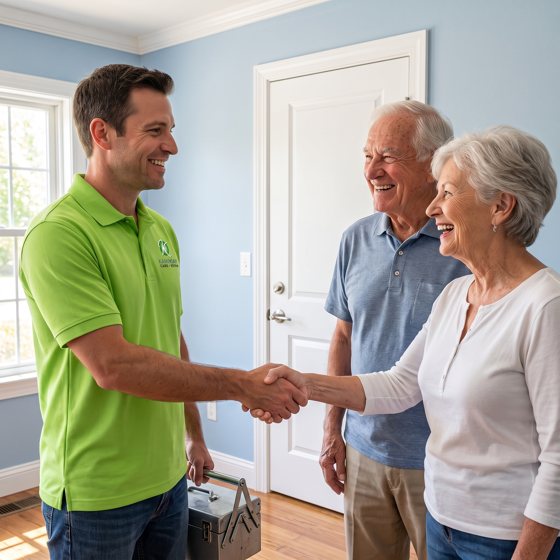
One crew, truck stocked, warranty in writing.
A one-year workmanship warranty, in writing, on every Washington drywall repair.
A District rowhouse is plastered straight onto the brick of the party walls and onto wood lath on the interior partitions. Plaster on brick blisters and powders where the wall has taken water from the roof or the neighbor's side, and plaster on lath cracks along the lath and goes hollow when the keys break. Then there is the renovation: since the 2000s thousands of rows have been opened up and refinished in drywall, often screwed over the old plaster or butted against it, and the joint between the two cracks with every season. Plaster is patched with a bonding agent and a setting compound keyed to the brick or the lath; drywall is patched as drywall; and the seam between them is taped, floated wide and blended so the line vanishes.
Most rowhouses carry a flat or low-slope roof that drains to a single scupper or an internal drain, and a summer thunderstorm that clogs the drain with leaves and seed pods puts an inch of water on the roof in an hour. It comes through the top-floor ceiling, or it runs down the inside of the party wall, sometimes from the neighbor's roof rather than yours. The roofer clears the drain and repairs the membrane or the flashing on whichever roof it is, the ceiling or the wall dries and reads dry on the meter, then we replace the stained board or cut back and re-plaster the blistered wall. Painted over wet, the stain is back after the next storm.
The rows heat with hot water and steam, and a riser or a radiator valve in a wall that was never insulated lets go in a January freeze, soaking the plaster below it. The English basement has its own water: the areaway drain that clogs, the brick foundation that seeps every spring, the drywall screwed to furring over the brick that wicks a stained band along the floor. The plumber fixes the riser, the basement is dried and the water kept out, the framing reads dry, then the soft board or the stained plaster comes out and new material goes in. A basement wall that stays wet is a licensed remediation company's job before ours, and we say so on the call.
A great many District rowhouses are now two- or three-unit condominiums, and the shower pan in the upper unit is the ceiling of the lower one. The association's declaration and the District's condominium law decide who pays for what crosses the floor; we repair the ceiling on your side after the source is fixed and the board reads dry, write the scope as its own line, and leave the question of who pays to the documents. The board or the property manager who needs the common-hall walls priced gets the list in writing on the call.
Brick and stone rowhouses of the 1870s to 1920s with plaster on the brick party walls and on lath inside, ornamental ceilings, radiators and risers in the walls, flat roofs that drain to one scupper, English basements, and condominium conversions stacking one owner's bath over another's ceiling. Plaster patched as plaster, the ornament left alone, the scope written per unit, and a pre-1978 painted surface handled lead-safe by a certified firm.
Porch-front rows and 1910s to 1930s bungalows with plaster on lath, drywall in every renovation since the 2000s, the flip seam that cracks where new meets old, the top-floor ceiling under the flat roof, the radiator wall, and landlords who need the move-out list priced by the room. Plaster cracks along the lath; the old patches show through the paint; the ceiling under the upstairs bath rings. Each repaired in its own material and blended.
Detached and semi-detached frame houses of the 1900s to 1950s with plaster in the original rooms and the District's first drywall in the additions, a pitched roof with a gutter the trees plug, a January ice dam at the eave, and 1950s ceilings that get tested by a licensed lab before anyone disturbs them. Plaster and drywall side by side, each patched as itself and blended; the gutter named as the cause.
Hold your hand over the damage and tell us: smaller than your hand, bigger than your hand, poster-sized, or a whole sheet. We price it on the call, in writing, in under ten minutes.
Water damage is repaired after the source is fixed. If the stain is still wet we tell you who fixes the leak, and we schedule the drywall for when it is dry.
Backing where it needs it, new board cut to fit, every seam taped, three coats of compound sanded smooth, your texture matched, then primer.
Dust contained and the room left clean. Most patches are finished in one visit; a full sheet may need a short second visit for the final coat, scheduled before we leave.
The DC Department of Buildings lists the work that needs no building permit, and caulking, patching and plaster repair of non-rated walls and ceilings, and painting other than fire-retardant paint, are on that list; a plaster or drywall patch, a replaced sheet in an existing wall or a ceiling repair is that work. The exemption is for non-rated assemblies, so a repair on the rated wall between two rowhouses or the wall to a garage is checked first, and a new opening, a removed wall or a framing change is a permit job. In a historic district the exterior is reviewed; ordinary interior repairs are not.
A storm that overwhelmed the roof or a riser that split in a freeze is a sudden loss and is usually covered; the drain that has backed up every summer, or the basement that seeps every spring, usually is not, and the adjuster asks when it started. Photograph the stain and the source the day you find them, keep the roofer's or plumber's invoice, and we write the plaster or drywall scope as its own line so it reads cleanly beside theirs. Water that came from the neighbor's roof is a question for their policy and yours; we repair your side and say where the water came from.
The District of Columbia Condominium Act and the association's declaration decide whether the association or the owner upstairs pays for the ceiling below in a converted rowhouse; we repair your side, write the scope separately and leave who pays to the documents. Nearly every rowhouse was painted before 1978, so the painted surface is handled lead-safe by a certified firm, and a ceiling sprayed or a compound applied before 1980 may carry asbestos: tested by a licensed lab, abatement by a licensed contractor if needed, before our patch.
Can't find your answer? Call 202-931-5740 and ask us anything.
Call 202-931-5740The written price comes back on the call in minutes and the visit is booked from there. One visit finishes most drywall patches. A plaster repair on brick, a reattached ceiling or a party wall still drying after the roofer gets a short second stop for the last coat, with the date set before our technician leaves.
Water is coming through the brick from the roof, the parapet or the neighbor's side, and the plaster is losing its bond. The roofer finds and fixes the source on whichever roof it is, the wall dries and reads dry on the meter, then the blistered plaster is cut back, the brick is checked, and new plaster is bonded and keyed to it and skimmed to match. Skimmed over wet, it blisters again.
Yes. The flip left a joint between new board and old plaster that was never taped or floated, so it cracks with every season. We cut it back, tape it, float it wide over both materials and blend the finish so the line disappears, and it stays closed.
The declaration and the association's policy under the District's condominium law decide that, not us. We repair the ceiling on your side once the source is fixed and the board reads dry, and we write the scope as its own line so the board and the adjusters can read it.
Not for patching or plaster repair of a non-rated wall or ceiling, or for painting: the Department of Buildings lists both as needing no building permit. A repair on the rated wall between rowhouses, a new opening or a framing change is a different job and we say so first.
Material first: plaster on brick, plaster on lath or drywall. Then the size against your hand, whether water was involved, and the finish, a smooth skim or a light texture. Give us those on the call and the price is in writing before anything is scheduled.
All of Washington, Capitol Hill, Shaw, Petworth, Columbia Heights, Brookland, Georgetown, Takoma and Anacostia, plus Bethesda, Chevy Chase, Silver Spring and Takoma Park in Maryland and Arlington and Alexandria in Virginia. Call 202-931-5740 to confirm your address.
Describe the wall or ceiling, or text a photo, and we call back with a written price and a time. Calling is still faster: 202-931-5740.
Priced in writing before we start, matched to the wall, warranted in writing.
We answer in under three rings, 24/7.No price games. You get a clear written quote before any work begins, backed by our workmanship warranty.