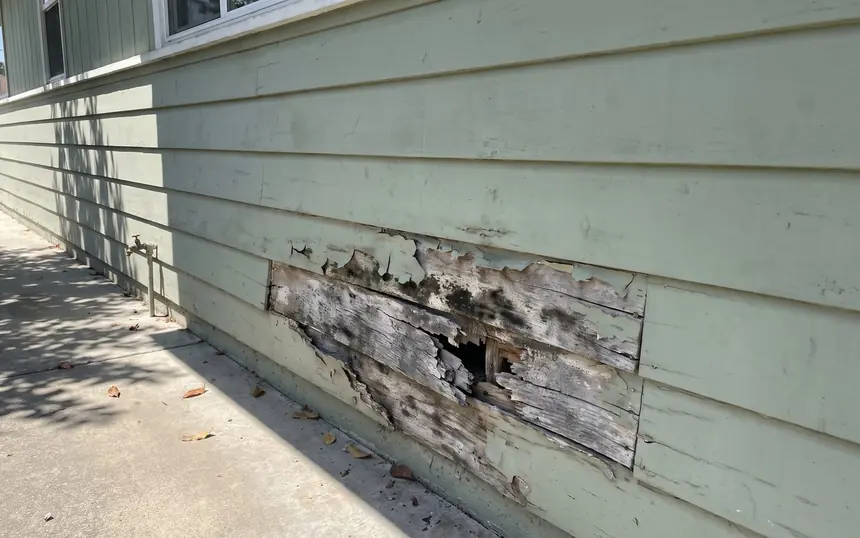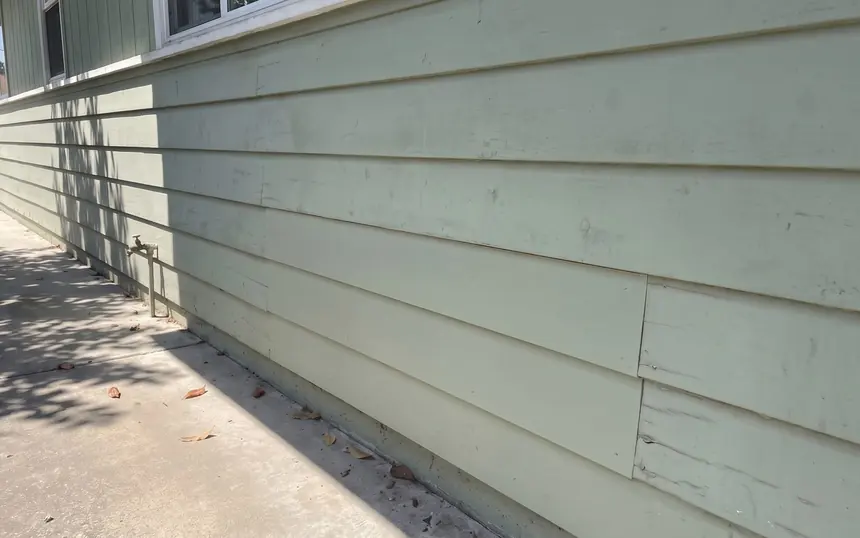
Cornices, bay window trim, porch columns, sills and siding on District rowhouses replaced in kind with sound wood. A written price before we start.
 BBBAccredited Business
The District's own building rule for a permit-free repair is replacement in kind: like material, the same proportion, appearance, detail and dimensions. That is also the only way a rowhouse repair looks right, and it is how Kaminskiy Care and Repair works. On a Capitol Hill or Shaw row the wood that fails is the cornice and its brackets, the bay window trim and sills, the roof deck; on a Petworth or Brookland porch-front it is the columns, the railings and the step stringers; on a Takoma or Deanwood frame house it is the siding, the fascia and the porch. Humid summers soak it, freeze-thaw winters open it, and the eastern subterranean termite comes up the party wall for the sill plate and the joist ends, which a licensed pest company treats before we rebuild. The new wood is milled to the old profile, primed all round, painted to match and sealed, the gutter or flashing that caused the damage is fixed, and the price is in writing before we start.
 Eight repairs, one crew, priced in writing before we start.
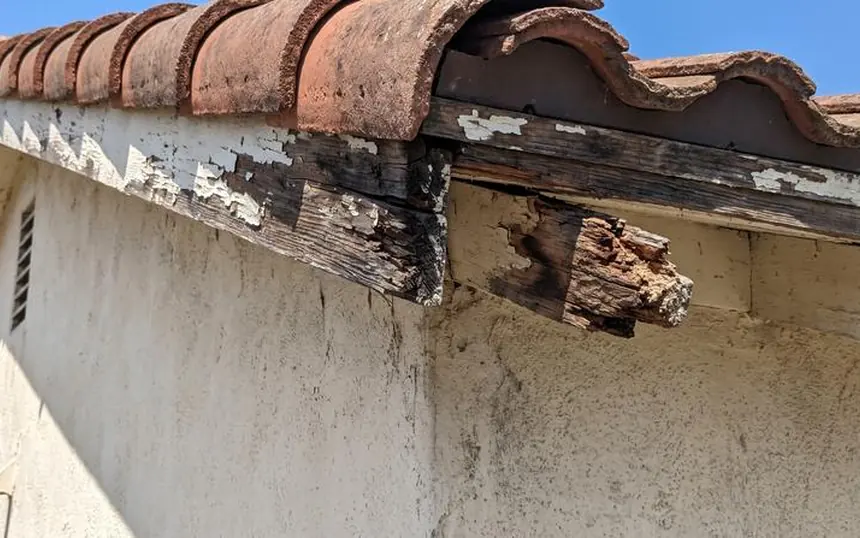
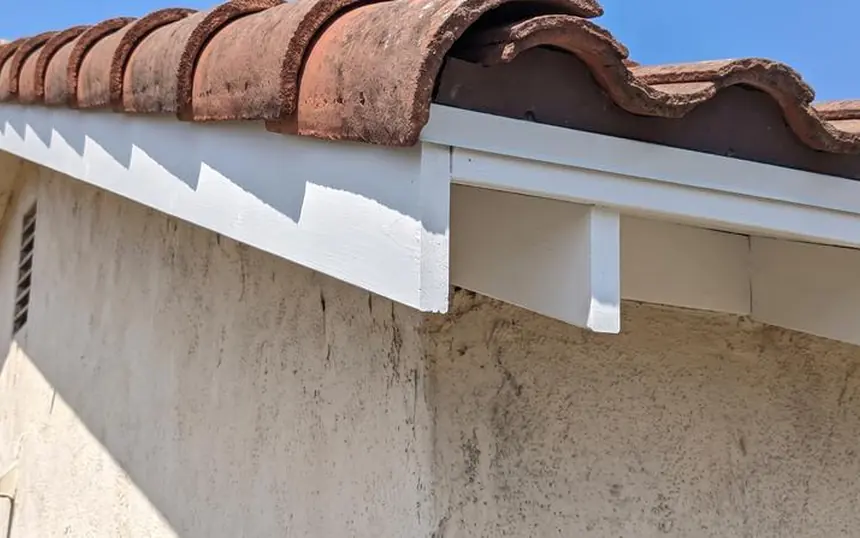
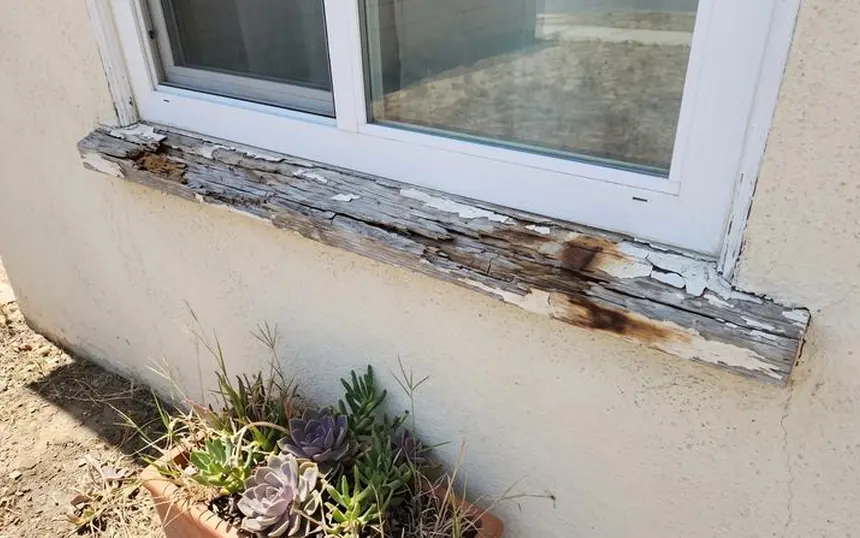
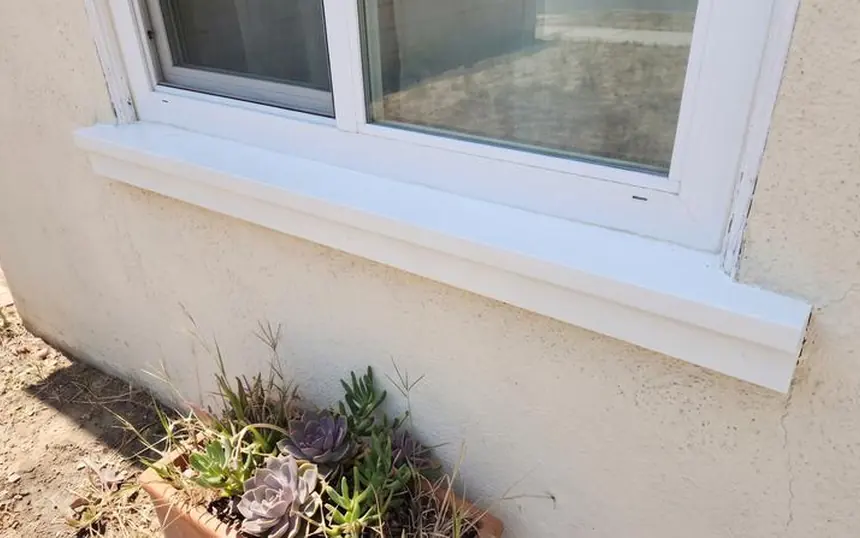
Four months of humidity, a dozen freeze-thaw cycles, ice at the parapet backing water into the cornice, and termites climbing the party wall from the cellar: that is a District rowhouse year. We take the rot out to solid wood, put the piece back in kind, prime and paint it, and close the water path from the roof edge down.
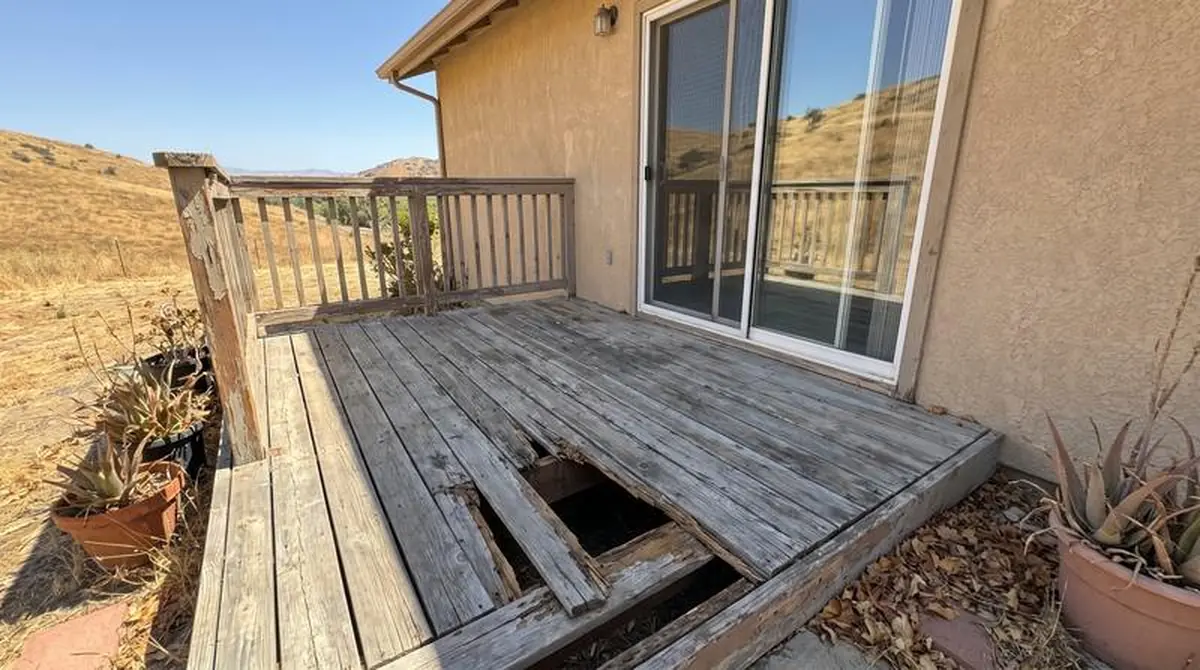
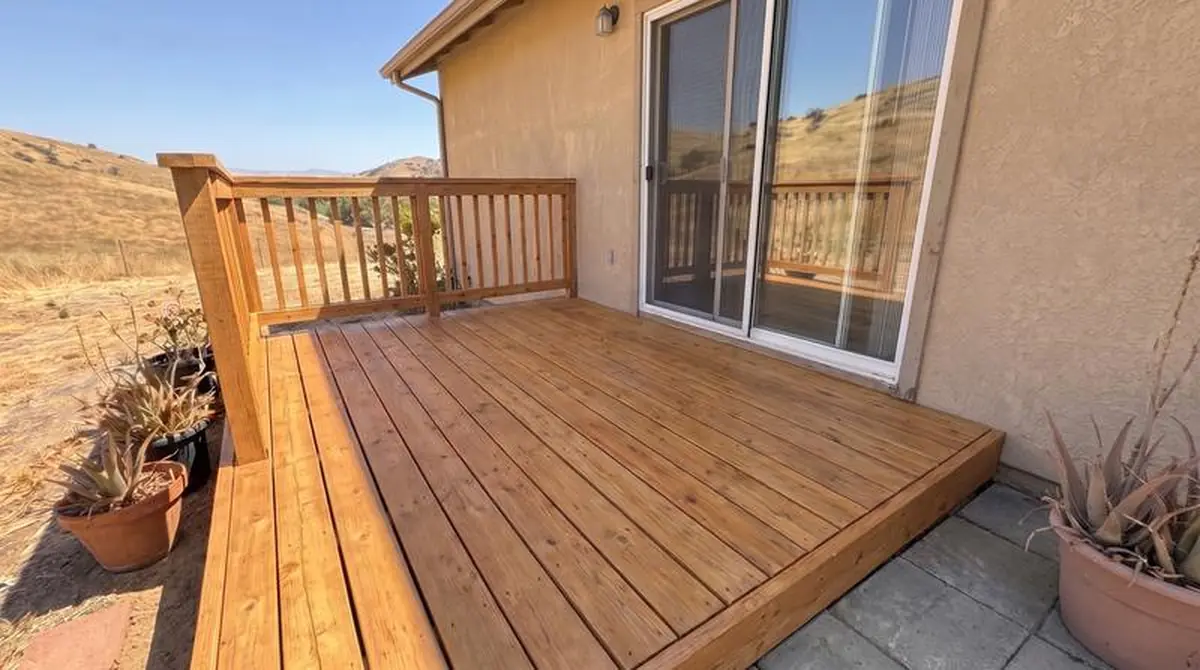 AFTERBEFORE
 Fascia & Eaves
 Window Sills
 Door Jambs & Casings
 Trim & Siding
 Termite Damage Rebuilds
 Deck Boards & Railings
 Stairs & Posts
 Primed, Painted & Sealed
None of that waits well for a settlement date. A photo gets a Kaminskiy-certified technician's price on a sill, a bracket, a column base or a siding run, in writing, on the call; a full cornice or a whole porch is walked first and then scoped.

Priced and on the calendar during the first call.
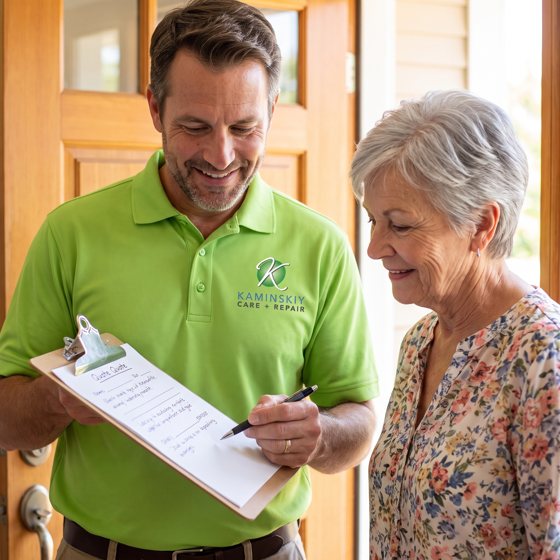
A written quote you approve before anyone drives out.
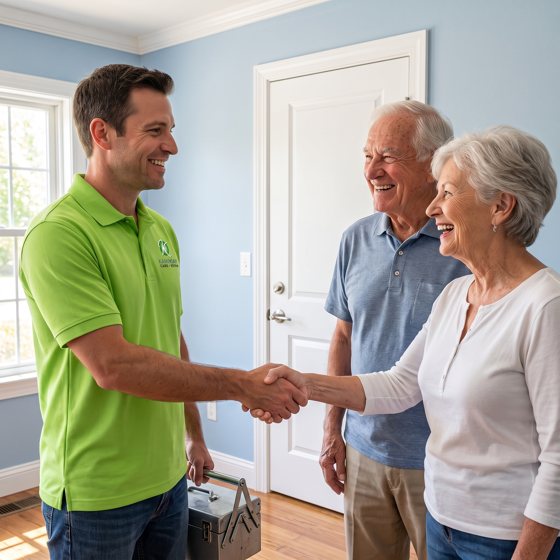
One crew, truck stocked, warranty in writing.
A one-year workmanship warranty, in writing, on every Washington rot and termite damage repair.
Summer first: from June through September the District is humid enough that painted wood never fully dries, and the north-facing fronts and the shaded porches stay damp. Then winter: a dozen freeze-thaw cycles crack every paint joint on the sills and the cornice, snow refreezes at the parapet and the roof edge and backs water into the cornice from above, and a porch post stands in salted slush. The rot starts at the roof edge and the floor line, and the fix starts with the water path.
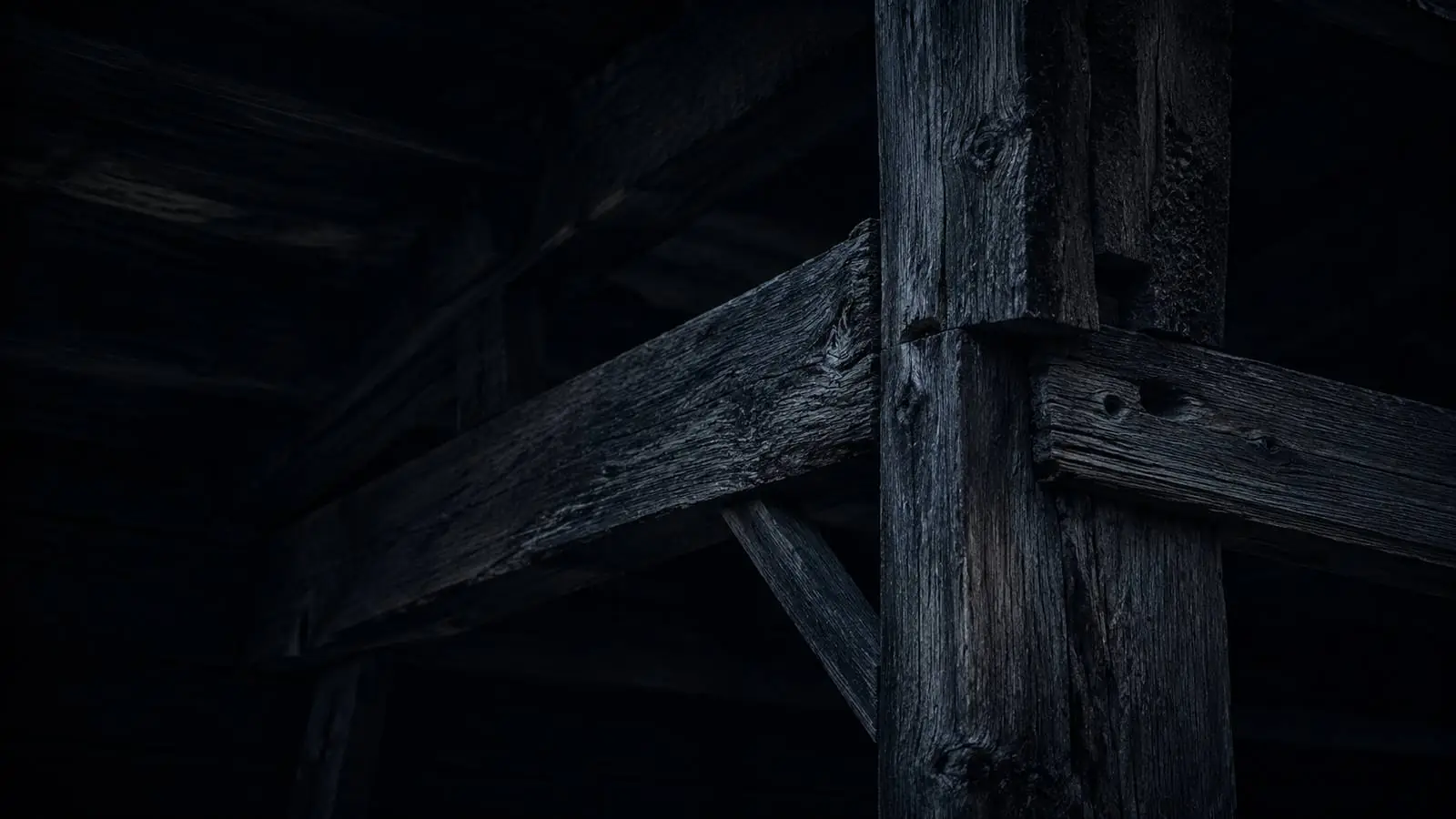
The eastern subterranean termite is in every District neighborhood. It comes up from the soil in mud tubes on the foundation, the cellar wall or the party wall it shares with the neighbor, reaches the sill plate and the joist ends, and swarms in spring. Carpenter ants take the wood a roof or gutter leak has already soaked. A licensed pest company handles either colony; we rebuild the sill, the joist end or the column base they hollowed out, after.
A square replacement board on a bracketed cornice shows from across the street, and the District's permit rule does not call it a repair anyway. We cut back to solid wood, mill or splice the bracket, the molding, the sill or the column base to the original dimensions, prime it all round, set it, caulk and paint to match. From the sidewalk it reads as original, which is the standard on both counts.
Keep the roof drains, gutters and downspouts clear and the water off the sidewalk side. Fix the cap flashing at the cornice and the parapet. Shovel snow and salt back from the porch posts. On a frame house keep mulch an inch below the siding. Keep the cellar dry and the party wall sealed at the floor. Repaint the street face on a schedule, before the paint fails.
Brick and stone rowhouses of the 1870s to 1920s whose wood is the cornice and brackets, the bay window frames and sills, the doors and the roof deck, most of them inside a historic district. Brackets and cornice boards soften at the joints, bay trim and sills rot from the face in, roof deck boards take the weather. Replacement in kind, to the old profile, with the preservation office in mind before the first cut.
Porch-front rows and 1910s to 1930s bungalows with wood columns, railings and steps, wood windows and some siding. Columns go at the floor line, stringers under the steps, railing posts in their sockets, and the porch beam can hide damage behind sound paint. We rebuild the porch where it stands and name a beam problem before it is opened.
Detached and semi-detached frame houses of the 1900s to 1950s with lap siding or shingles, wood porches, fascia and soffits and wood windows under old trees. The bottom courses of siding rot on the shady side, the fascia behind the gutter goes soft, porch posts fail at the base, and termites come up where the siding meets the dirt. New boards, a matched color, and the downspout or the grade corrected.
A fascia board, a sill or a trim piece is priced on the call, in writing. A bigger rebuild gets a look first and a written price before anything starts.
We cut back to sound wood and probe how far the rot really goes. If it runs further than the photo showed, you hear it before we go further, with the price.
New wood primed on all sides, caulked, painted to match, and the water path that caused it fixed: the drip edge, the flashing, the gutter end, the sprinkler.
The work area is cleaned before we leave, and every rot repair carries our one-year workmanship warranty.
The Department of Buildings publishes the list: outside a historic district, no building permit is needed for painting, caulking and patching, repairing an existing fence in kind, or replacement in kind of siding, roofing, gutters, downspouts and fascia, where in kind means like material that replicates the existing feature in proportion, appearance, texture, design, detail and dimensions. Porches and decks, including alterations to existing ones, do need a permit. A cornice board, a sill or a run of siding rebuilt in kind is the no-permit case; a porch rebuild or rot in framing is permit work, and we tell you which on the call. Inside a historic district the rules below apply first.
The District does not mandate a termite form for a sale. When the lender asks or the buyer orders one, a pest control company licensed in DC inspects and writes it up on the NPMA-33: termites, carpenter ants and beetles found that day, plus the conditions that drew them. Across the line in Maryland the state has its own form. Treatment belongs to the pest company; the sill plate, joist ends, porch framing and siding the report names belong to us, and we price them from the report.
Capitol Hill, Georgetown, Dupont Circle, Shaw, Mount Pleasant, LeDroit Park and the other historic districts put exterior work under the Historic Preservation Office, and the city's no-permit list stops at the district line. The Office of Planning does exempt routine exterior maintenance, ordinary repairs and painting from preservation review; an in-kind cornice or sill repair sits close to that line, and we check before a bigger job and photograph the original so the new piece matches it.
Can't find your answer? Call 202-931-5740 and ask us anything.
Call 202-931-5740A sill, a bracket, a column base or a siding run is priced from a photo and usually on the calendar within the week, spring through fall. A full cornice or a whole porch is walked first, then scoped in writing. The phone is answered in under three rings.
After a licensed pest company has treated the colony, yes. We cut out the eaten sill plate and the joist ends we can reach from the cellar, put sound wood back on a sealed base, and seal the party wall at the floor so there is no path back. Treatment and the report stay with the pest company.
The cornice, its brackets and moldings, and the porch columns, stringers and rails, yes: that is carpentry, and Kaminskiy is licensed, bonded and insured. The place we stop and talk is the roof framing behind the cornice and the beam that holds the porch roof: if the rot has reached either, you hear it before anyone cuts, along with who should look at it.
How much wood comes out once we are past the paint, how high the work is (a column base at the porch floor and a bracket three stories up over the sidewalk are different days), and how much of the old profile the new piece has to carry. A photo gets you the number in writing before anything is booked.
Not for replacement in kind of siding, fascia, gutters and downspouts, or for painting and patching, outside a historic district: that is the Department of Buildings' own list. A porch or deck alteration, or rot in framing, needs a permit, and in a historic district the preservation office comes first. We tell you which on the call.
Usually not. We cut each column back to sound wood, splice in new material on a sealed base to the same profile, prime and paint, and leave the sound ones alone. A porch alteration is permit work in the District, and we tell you that on the call. If the beam above is involved, you hear it first.
All of the District, including Capitol Hill, Shaw, Petworth, Columbia Heights, Brookland, Georgetown, Takoma and Anacostia, plus Bethesda, Chevy Chase, Silver Spring, Takoma Park, Arlington and Alexandria. Call 202-931-5740 to confirm your address.
Tell us where the wood has gone soft, or text a photo, and we call back with a written price and a time. Calling is still faster: 202-931-5740.
Priced in writing before we start, rebuilt to last, warranted in writing.
We answer in under three rings, 24/7.No price games. You get a clear written quote before any work begins, backed by our workmanship warranty.