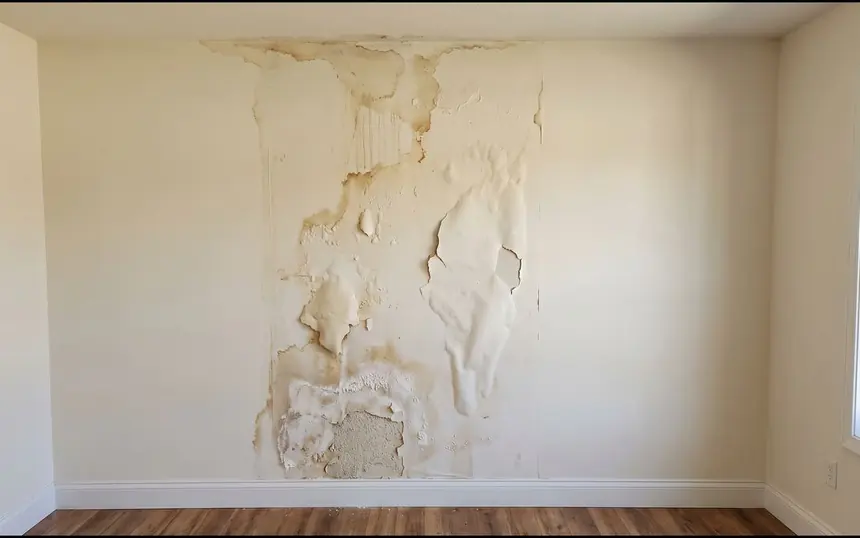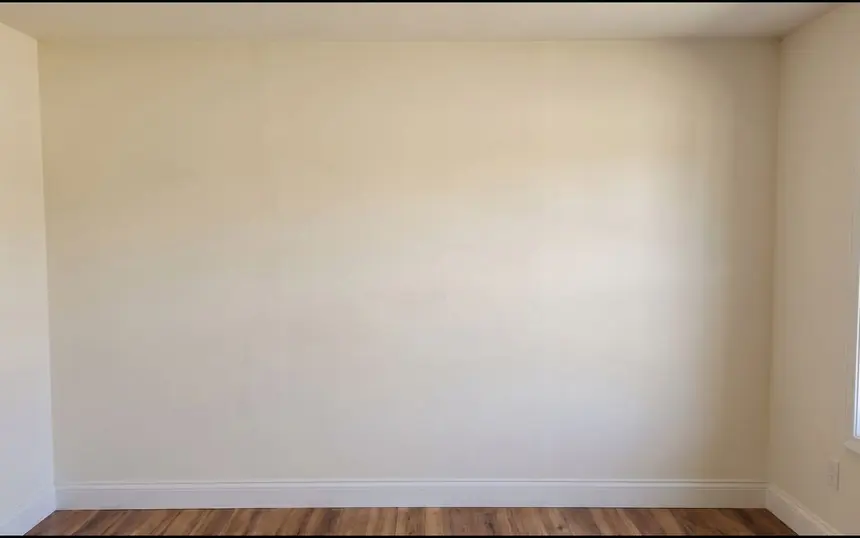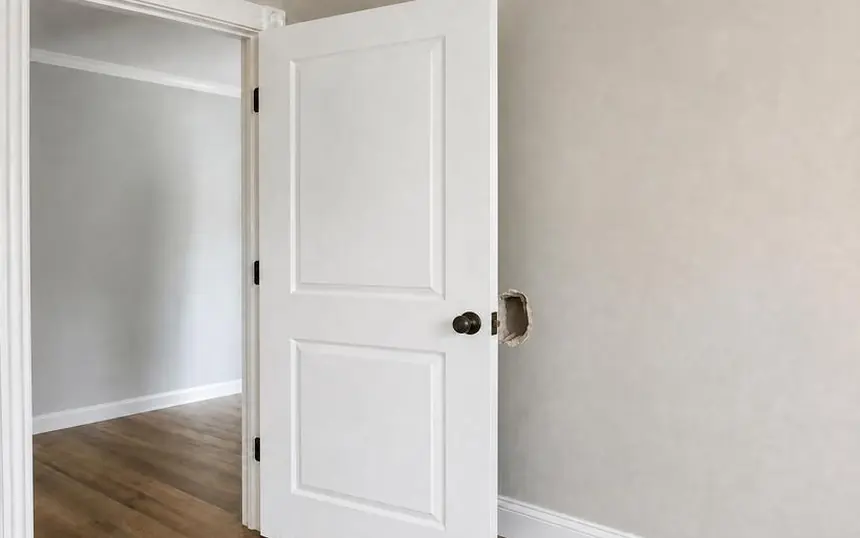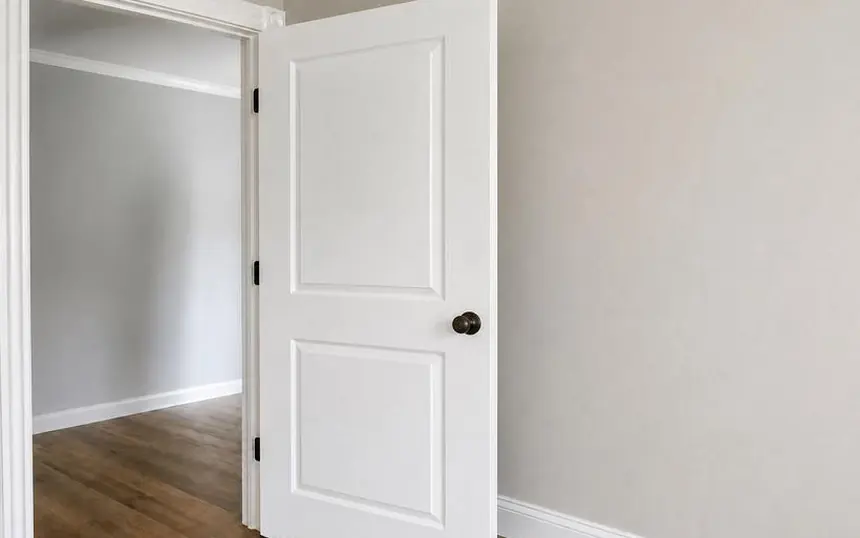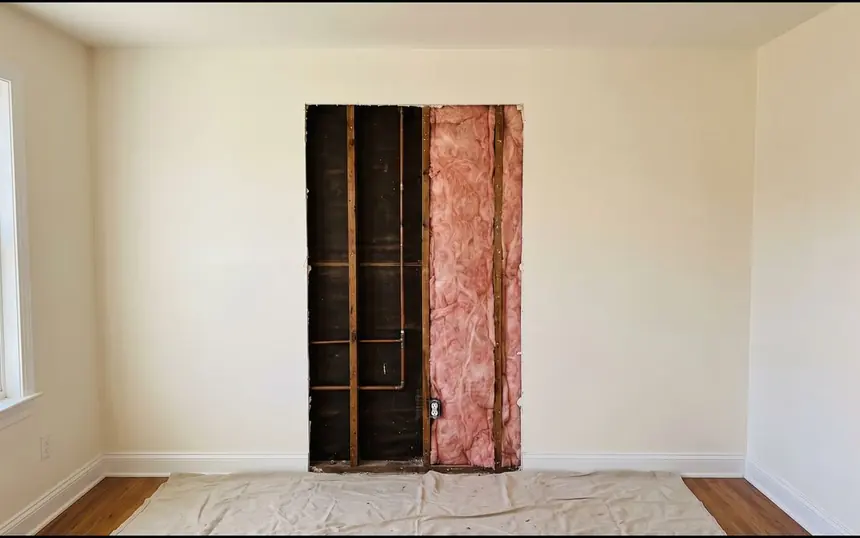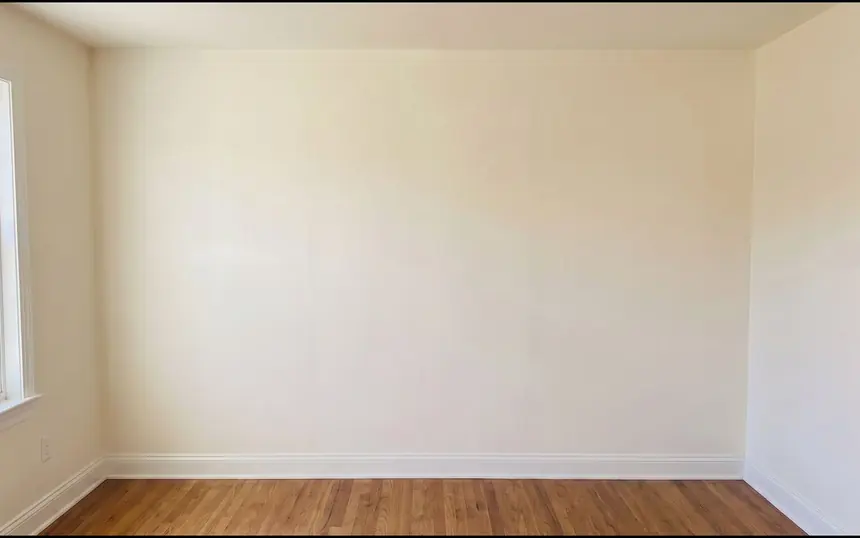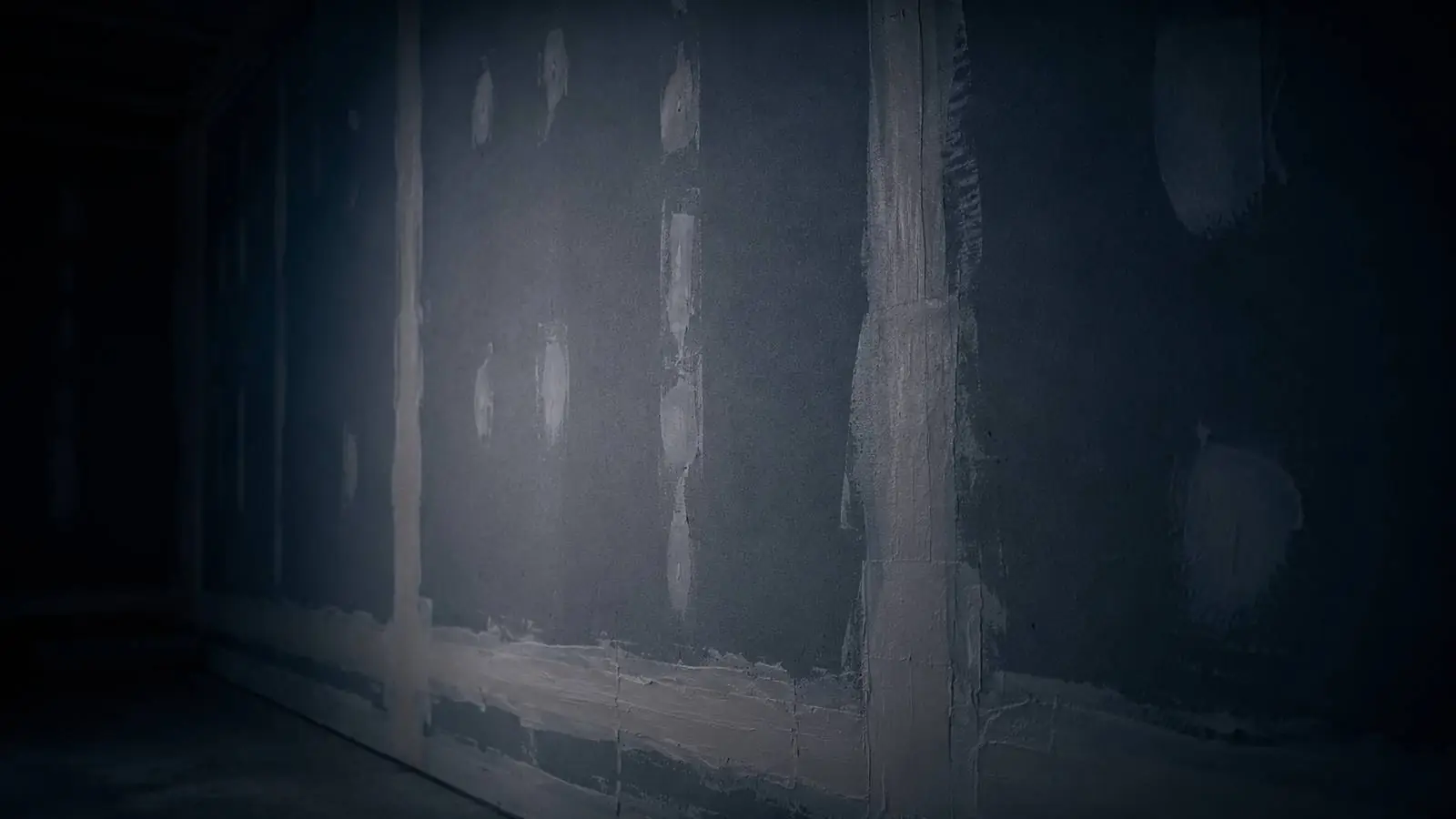
The ceiling under a leaf-dammed gutter, the wall the January pipe soaked, the August move-out holes and the plaster in the Old West Side, patched, matched and primed. Priced in writing on the call.
 BBBAccredited Business
Kaminskiy Care and Repair patches, finishes and matches walls and ceilings in Ann Arbor homes, where the trees that name the town fill the gutters every October and the ice dam that follows in February finds the ceiling below. The Old West Side, the Old Fourth Ward and Kerrytown are lath and plaster from the 1870s to the 1920s; Eberwhite, Lansdowne and the Northside are the first drywall, 1950s to 1970s ranches and colonials with sprayed ceilings; the township subdivisions out toward Saline and Dexter are the two-story homes of the 1990s on, with the baths over the family room and the trusses that lift the ceiling tape each winter. Add the supply line that froze in an outside wall in a January cold snap, the finished basement that took the spring thaw, and the student rental near campus with forty anchor holes every August. Each wall is repaired in the material it was built in, finished to match and primed. Water waits for the plumber or the roofer and a dry meter reading. The price is in writing on the call and most patches are finished in one visit.
 Eight repairs, one crew, priced in writing before we start.
Ann Arbor has a calendar for drywall: leaves in October, ice dams in February, burst pipes in the coldest week of January, wet basements in the March thaw and student move-outs in August. We repair plaster in the old districts as plaster, drywall in the mid-century streets and the townships as drywall, match the orange peel, knockdown or smooth finish, and tell you on the call which part of the calendar your wall is on.
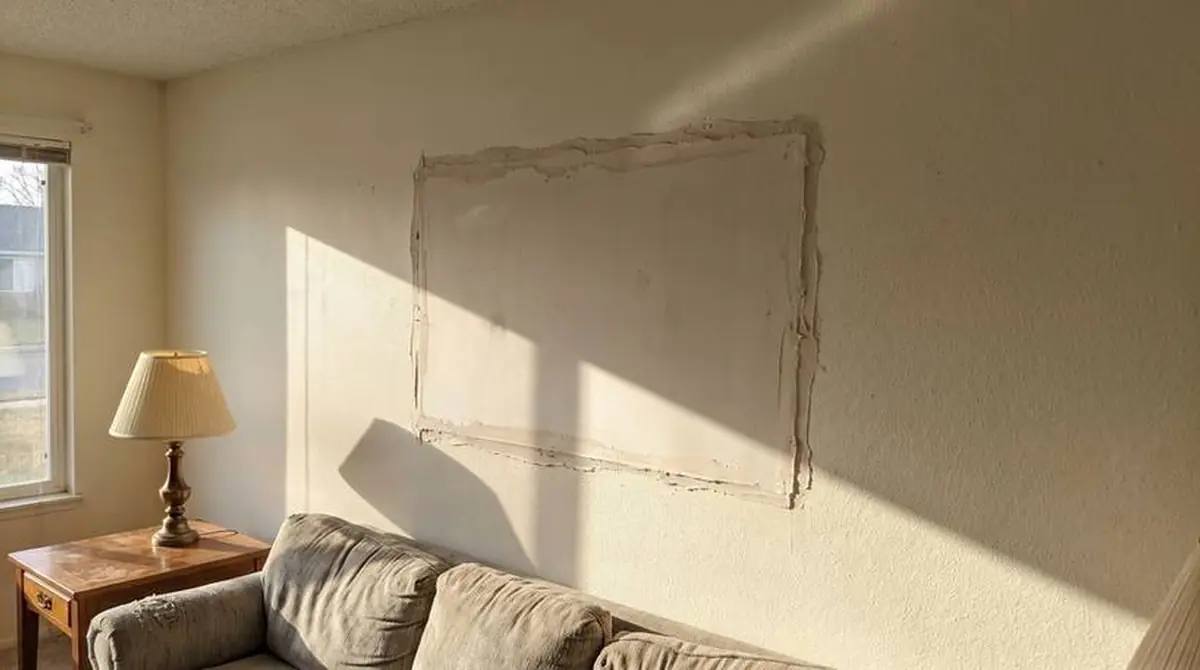
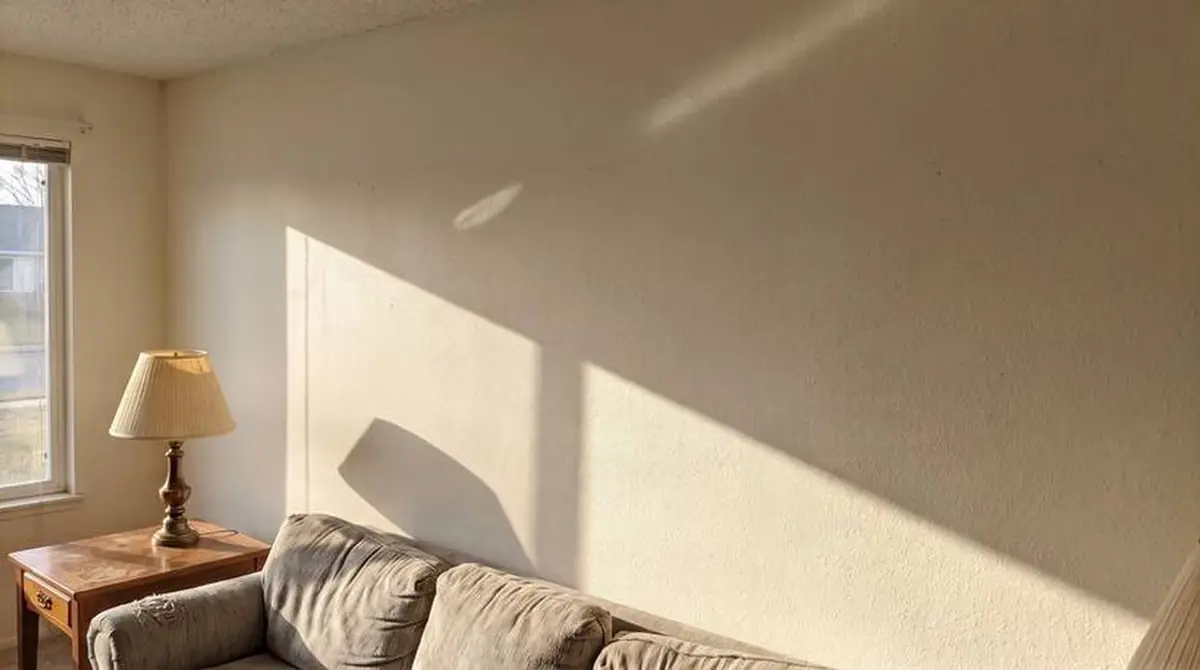 AFTERBEFORE
 Hole & Crack Repair
 Water Damage Repair
 Ceiling Repair
 Texture Matching
 Big Patches & Full Sheets
 Nail & Anchor Holes
 Corner Bead & Cracks
 Primed & Ready for Paint
Old districts, mid-century streets or township two-stories, each of these is routine for our technicians. Hold your hand over the damage and say which size it is on the call; the price is in writing before anyone drives over.

We answer in under three rings and get you priced and scheduled in minutes.

A clear, written quote with upfront pricing. You approve before work begins.

Kaminskiy-certified pros finish the job with a workmanship warranty.
Every drywall repair carries our one-year workmanship warranty, in writing, and is done by a Kaminskiy-certified, background checked technician.
Ann Arbor's canopy fills the gutters every fall, a plugged gutter freezes solid, the roof above it melts from the heat of the house, and the meltwater backs up under the shingles: an ice dam. It comes through the ceiling of the room below the eave or down the inside of the exterior wall, usually in February after the first thaw. The roofer clears the dam and fixes the flashing or the attic ventilation, the ceiling dries and reads dry on the meter, then we replace the stained section or reattach loose plaster and skim it. The gutter gets cleaned before the next October; the ceiling does not get painted while it is wet.
The Old West Side, the Old Fourth Ward, Kerrytown, Water Hill and Burns Park are clapboard and brick houses from the 1870s to the 1920s with plaster on wood lath: a crack follows the lath, a section goes hollow when the keys break, a corner crumbles. Plaster is patched with a bonding agent and a setting compound keyed into the lath, never a drywall patch screwed in. Eberwhite, Lansdowne, Dicken, Vernon Downs and the Northside are 1950s to 1970s ranches and colonials with the first drywall, a light orange peel or smooth, and sprayed ceilings from before 1980 that are tested by a licensed lab before anyone sands them. The township subdivisions run knockdown, orange peel and smooth on two-story walls.
Michigan water damage comes from the cold. A supply line in an outside wall or an unheated garage freezes in the coldest week of January and lets go when it thaws, soaking the wall from the inside; the March thaw and the spring rain find the finished basement through the block or the window well, and the drywall there wicks a stained band along the floor line. The plumber fixes the line, the basement is dried and the water kept out, the framing reads dry on the meter, then the soft board comes out as a flood cut or a full sheet and new board goes in. A basement wall that stays wet is a licensed remediation company's job before ours.
The 1990s and 2000s homes of Pittsfield and Scio townships were framed with engineered trusses, and a truss arches upward as its top chord dries in a cold attic, lifting the ceiling drywall off the interior walls upstairs. The crack along the ceiling line opens every winter and closes every summer, and it reopens through any amount of caulk. The right repair lets the corner move, the ceiling board fastened away from the wall or a crown line over the joint, and the crack stops coming back; we explain which suits your ceiling on the call.
Clapboard and brick houses from the 1870s to the 1920s with plaster on wood lath, radiators and old supply lines in the walls, steep roofs and deep eaves that hold a February ice dam, and student and faculty rentals that turn over every August. Plaster cracks along the lath, goes hollow and crumbles at the corners. Plaster patched as plaster, the move-out walls by the room, and a pre-1978 painted surface handled lead-safe by a certified firm.
Ranches and colonials of the 1950s to 1970s under mature trees: light orange peel or smooth on half-inch board, sprayed ceilings from before 1980 that get tested by a licensed lab before anyone disturbs them, the gutter the leaves plugged feeding the ice dam over the bedroom, the finished basement after the thaw, nail pops from decades of dry winter heat. Sixty years of patches to match, corner bead rebuilt.
Two-story homes from the 1990s on with the baths and the laundry over the family room: truss lift along the upstairs ceiling line every winter, settling cracks at the window corners in the first years, knockdown and smooth finishes, two-story foyers over eight feet priced after a look, and the attached garage wall after a frozen line. Association communities keep their schemes; the repair leaves primed for the matching color.
Hold your hand over the damage and tell us: smaller than your hand, bigger than your hand, poster-sized, or a whole sheet. We price it on the call, in writing, in under ten minutes.
Water damage is repaired after the source is fixed. If the stain is still wet we tell you who fixes the leak, and we schedule the drywall for when it is dry.
Backing where it needs it, new board cut to fit, every seam taped, three coats of compound sanded smooth, your texture matched, then primer.
Dust contained and the room left clean. Most patches are finished in one visit; a full sheet may need a short second visit for the final coat, scheduled before we leave.
The Michigan Residential Code, which Ann Arbor's Building Department enforces, lists painting, papering, tiling, carpeting, cabinets, counter tops and similar finish work as needing no permit, and says ordinary repairs need no application. A plaster or drywall patch, a replaced sheet in an existing wall or a ceiling repair is that work. Cutting away a wall or a partition, removing a structural member or changing framing is a permit job, and in a historic district exterior work is approved first, so we say so before anyone opens a wall.
The Michigan Department of Insurance and Financial Services says water coming from the top down, a burst pipe or ice-dam seepage behind the drywall, is generally covered by a standard policy, and water rising from the ground, the basement seepage after the thaw, usually is not. The adjuster asks when it started and whether the house was kept heated. Photograph the stain and the source the day you find them, keep the plumber's or roofer's invoice, and we write the plaster or drywall scope as its own line. We do not fix the pipe or the roof; new board goes in only after the meter says the framing is dry.
A campus rental turns over every August, and up to fifteen nail, screw and anchor holes in a room is one menu item, with knob holes and dented corners priced by size on the same call, so the walls are primed before the next lease. In a condominium the Michigan Condominium Act and the master deed decide whether the association or the owner upstairs pays for the ceiling below; we repair your side and write the scope separately. In a house painted before 1978 the surface is handled lead-safe by a certified firm, and a ceiling sprayed before 1980 may carry asbestos: tested by a licensed lab, abatement by a licensed contractor if needed, before our patch.
Can't find your answer? Call 734-999-4291 and ask us anything.
Call 734-999-4291The written price comes back on the call in minutes and the visit is booked from there. Most patches are finished in one visit. A plaster repair, a whole sheet or a wall that is still drying after a frozen pipe gets a short second stop for the last coat, with the date set before our technician leaves.
Usually both: a leaf-plugged gutter froze, the roof melted from the house heat, and the ice dam pushed meltwater under the shingles. A roofer clears it and fixes the flashing or the ventilation, the ceiling dries and reads dry on the meter, then we replace the stained section. Painted over wet, the ring is back after the next February.
Yes, by the room. Anchors pulled, every hole filled flush, the knob hole patched, the dented corner rebuilt, the texture matched and primed, ready for the turnover paint. Up to fifteen holes in a room is one menu item; more rooms are priced on the same call, and August is our busiest month for it.
Yes. Lath and plaster is repaired as plaster: the loose edges cut back, a bonding agent, a setting compound keyed into the lath, and the sand or skim finish matched. A drywall patch screwed into plaster is the repair that fails, and we do not do that one. Paint in a house that age is handled lead-safe by a certified firm.
Truss lift. The roof trusses arch as they dry in the cold attic and pull the ceiling off the wall, so the tape at that corner cracks every winter through any amount of caulk. The fix is a corner that is allowed to move, or a crown line over the joint, and we tell you which suits your ceiling on the call.
Four things: the size of the damage against your hand, whether water was involved, the finish on the wall, and the ceiling height. Plaster is its own answer. Give us those on the call and the price is in writing before anything is scheduled; no dollar figure on this page, because every wall is different.
Not for a patch, a replaced sheet in an existing wall or a ceiling repair: the Michigan Residential Code treats finish work and ordinary repairs as permit-free. Cutting away a wall, a framing change or exterior work in a historic district is a different job and we say so first.
All of Ann Arbor, the Old West Side, Burns Park, Kerrytown, Water Hill, Eberwhite and the Northside, plus Pittsfield and Scio townships, Ypsilanti, Saline, Dexter and Chelsea. Call 734-999-4291 to confirm your address.
Tell us what the wall or ceiling looks like, or text us a photo. We'll call you back with a price and a time. Calling is still the fastest way: 734-999-4291.
Priced in writing before we start. Kaminskiy-certified technicians. A one-year workmanship warranty on every job.
We answer in under three rings, 24/7.No price games. You get a clear written quote before any work begins, backed by our workmanship warranty.