
 BBBAccredited Business

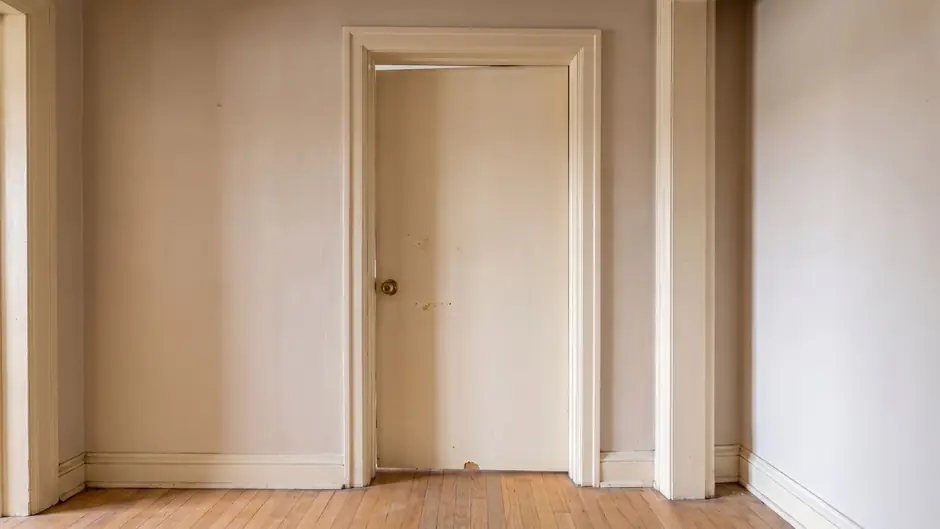
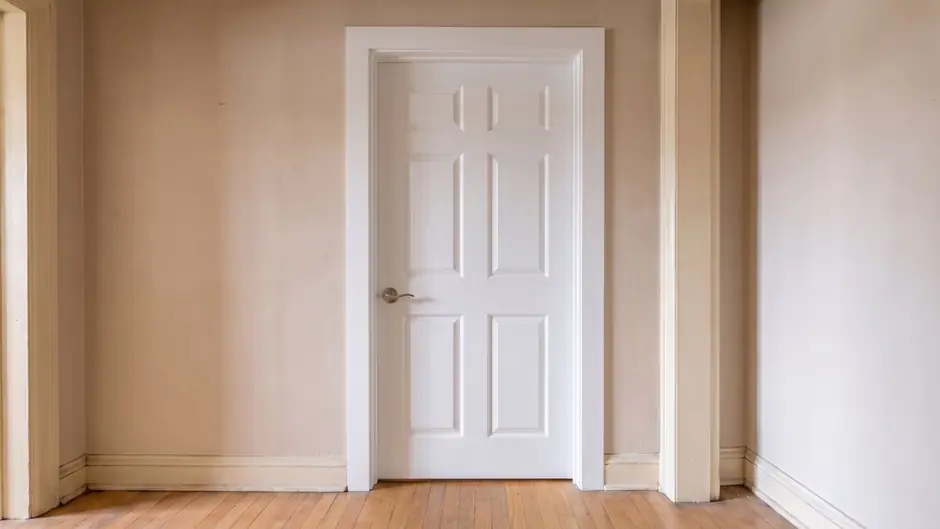
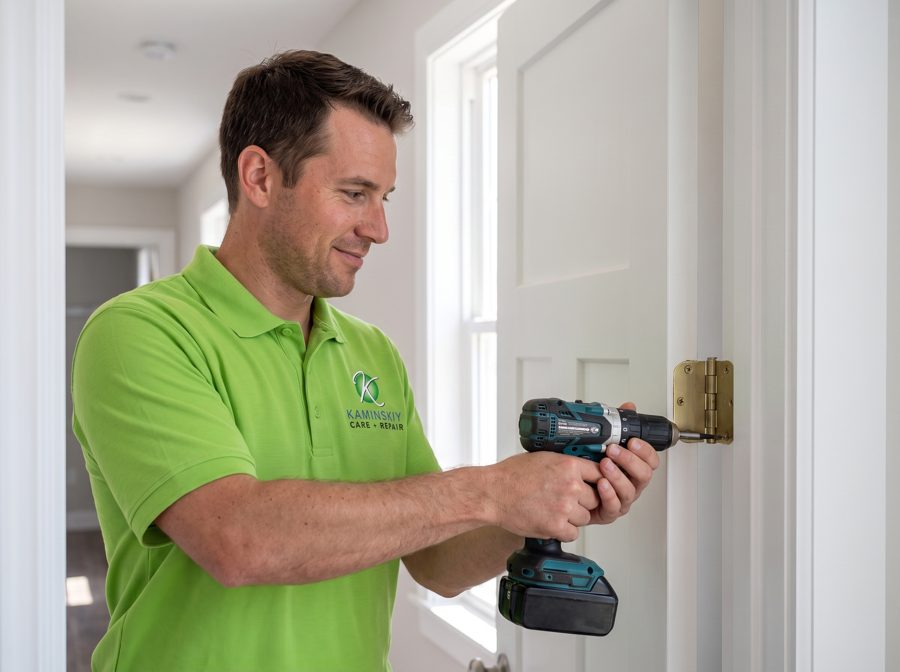
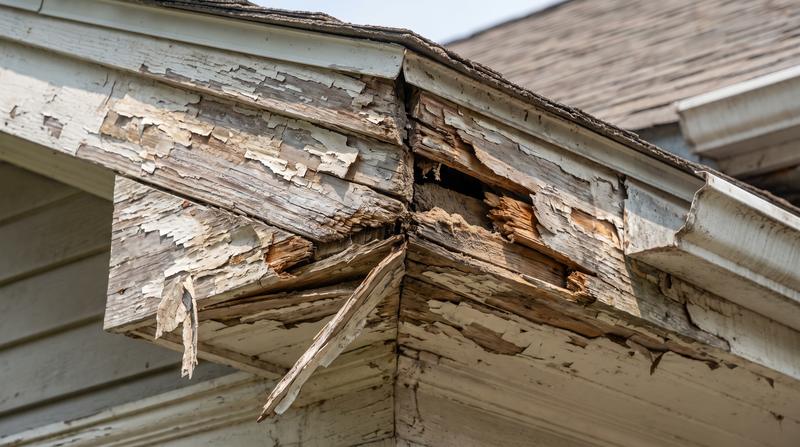
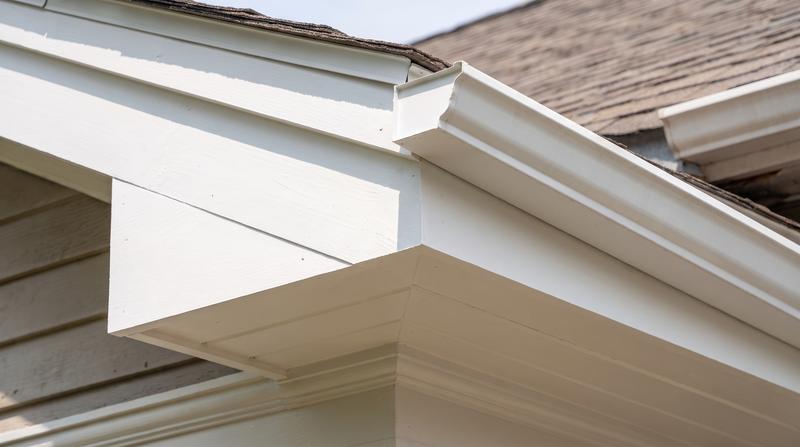
Ann Arbor doors live through fifty-seven inches of snow and a humid summer every year, and it shows: entry doors swell in July and shrink in January, storm doors sag on their closers, century-old wood doors in the Old West Side bind in frames that moved, and sills rot where the snow sat against them all winter. We plane, rehang and weatherstrip, rebuild the jamb and sill, swap the storm door, and install the new door you bought.
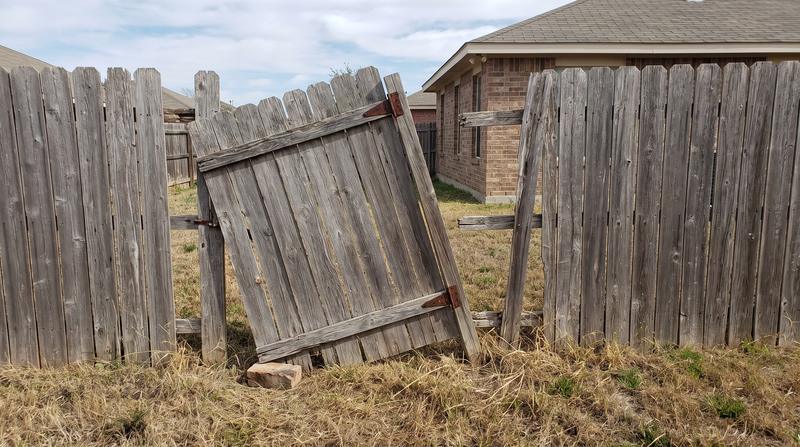
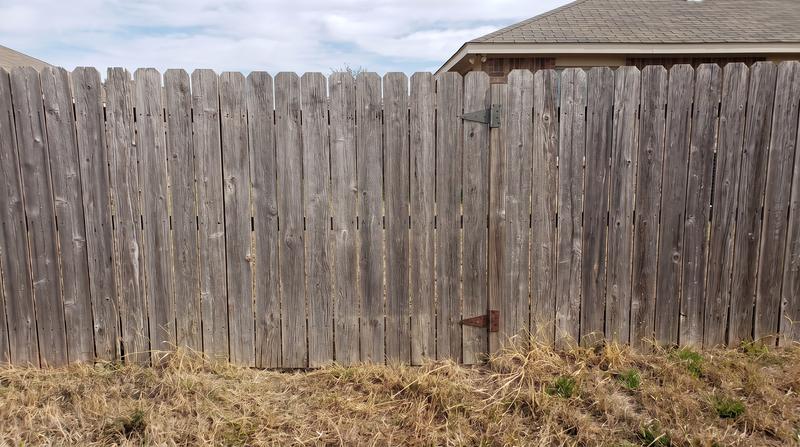 BEFOREAFTER
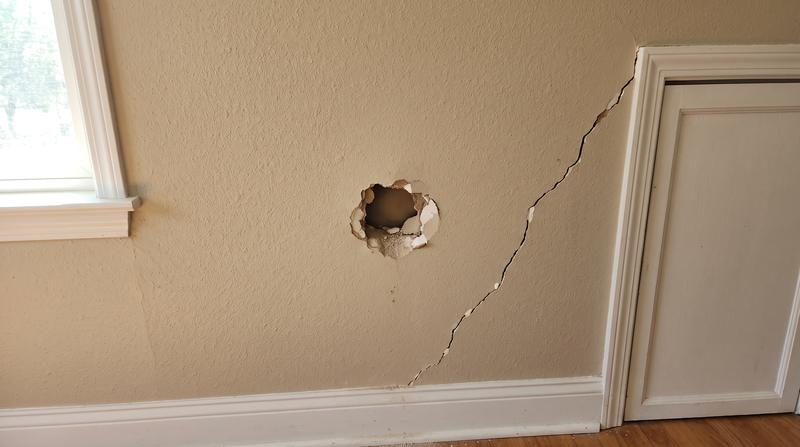
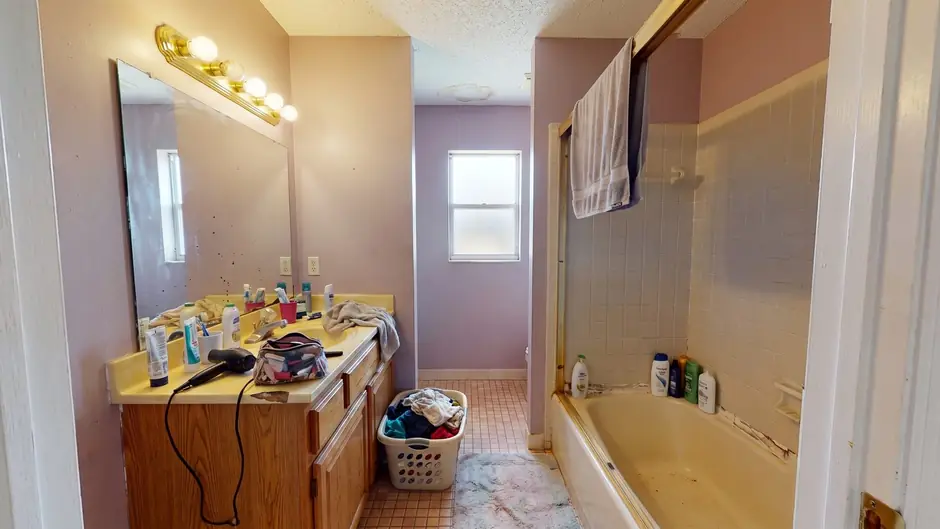
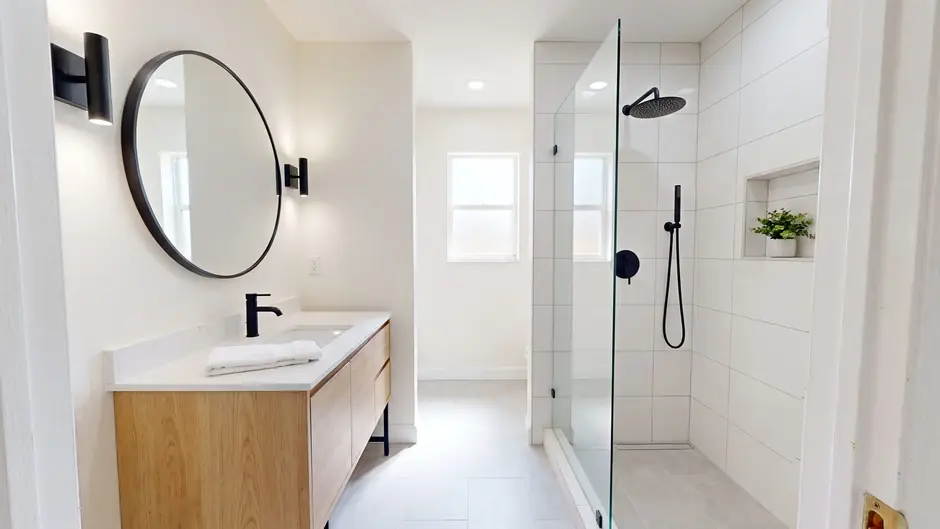
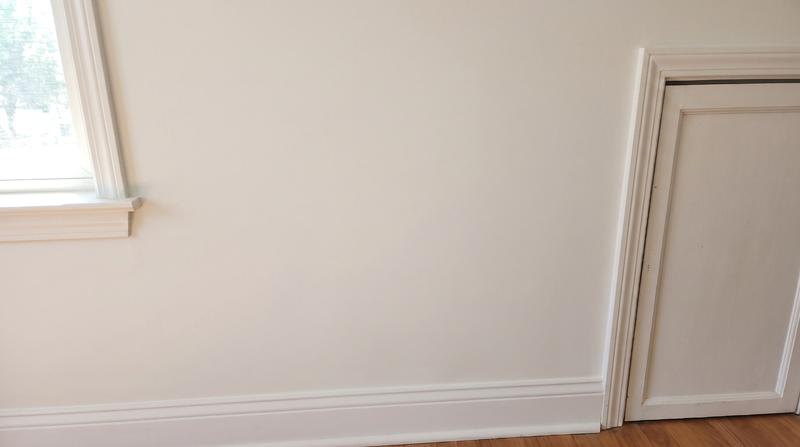 BEFOREAFTER
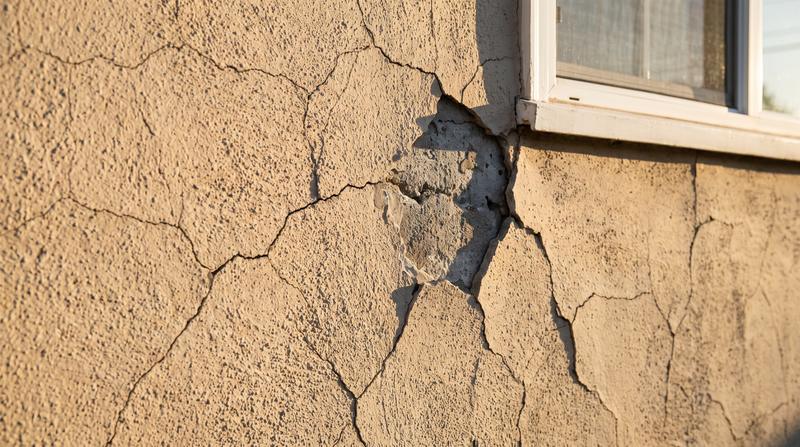
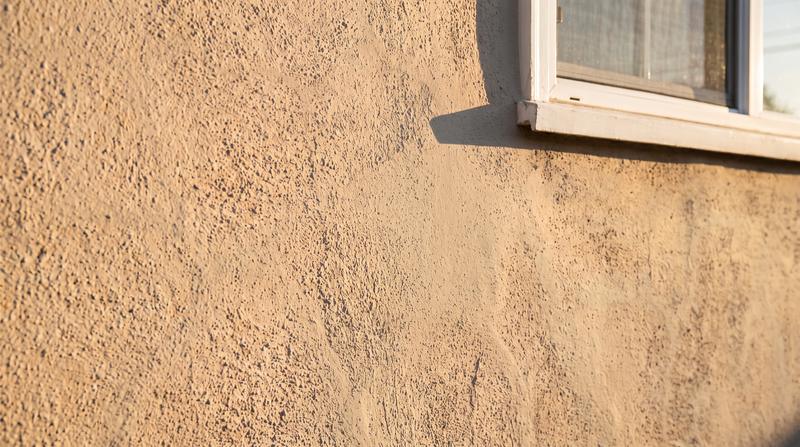 BEFOREAFTER
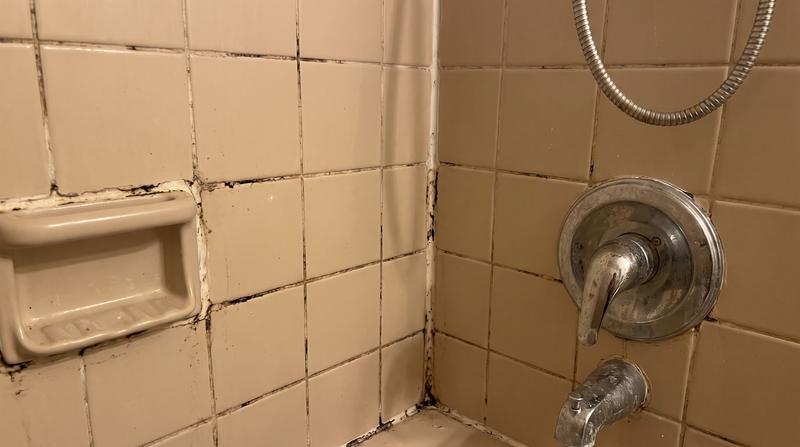
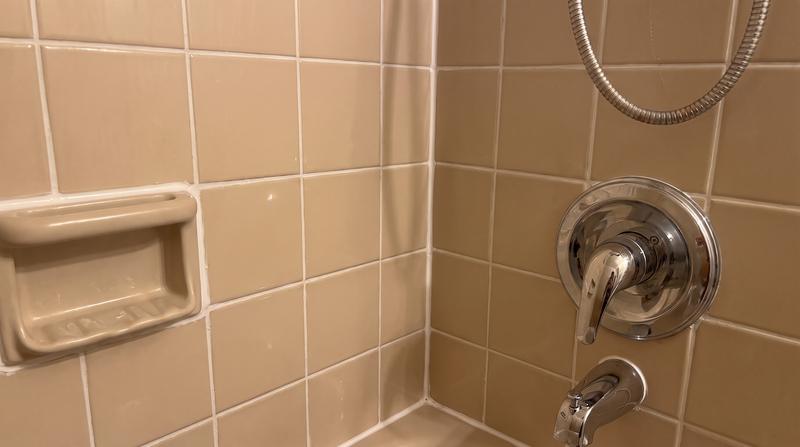 BEFOREAFTER
 BEFOREAFTER
 BEFOREAFTER
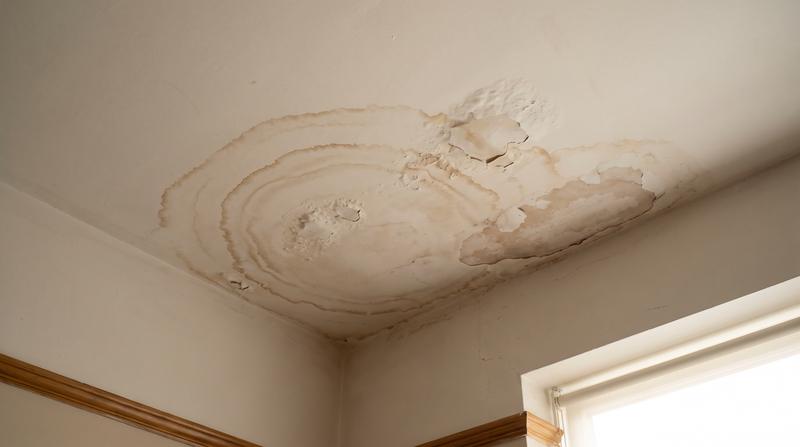
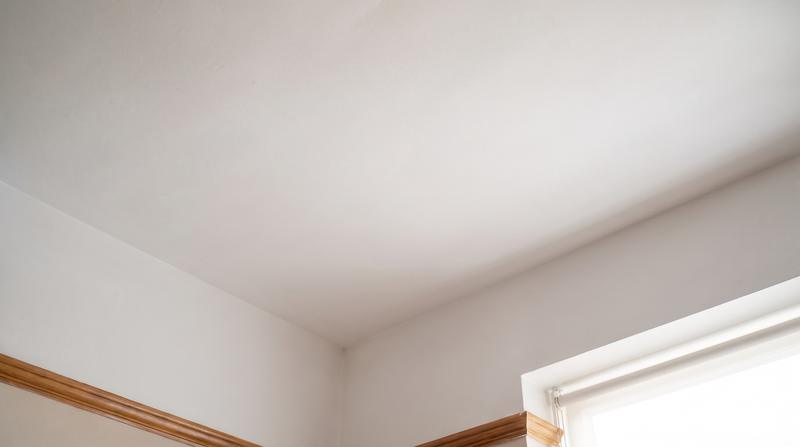 BEFOREAFTER
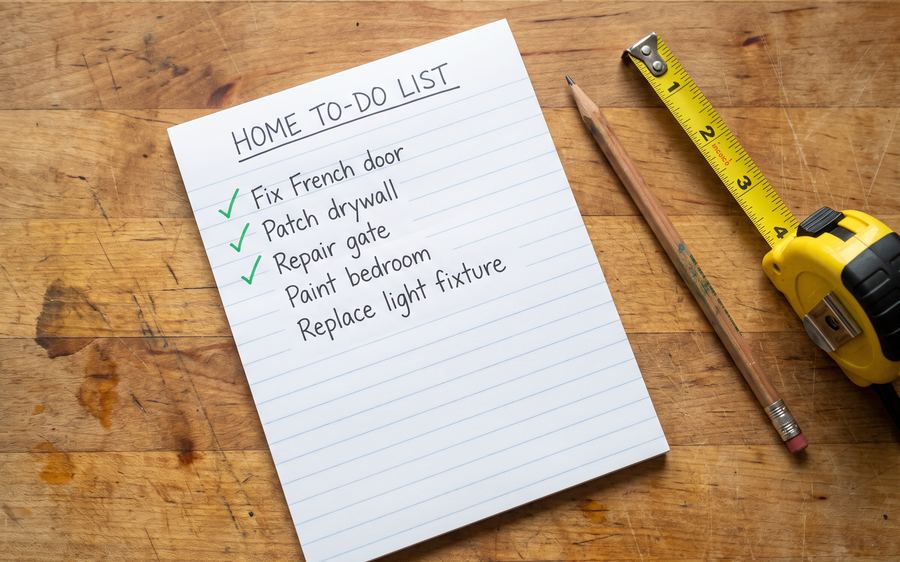
 THE LISTALL DONE
Every one of these is a job a Kaminskiy-certified technician handles every week in Michigan. Make the list, call once.

We answer in under three rings and get you priced and scheduled in minutes.

A clear, written quote with upfront pricing. You approve before work begins.

Kaminskiy-certified pros finish the job with a workmanship warranty.
Every job is backed in writing by our workmanship warranty and done by a Kaminskiy-certified, background checked technician.
Frame and brick houses from the 1860s to the 1930s, most of the Old West Side in clapboard with original wood windows and porches, and much of it inside one of the city's fifteen local historic districts. The work is sticking doors and windows, rotted sills and porch posts, plaster and drywall cracks, and repairs that have to match what is there. We splice new wood into old and keep the detail the district wants kept.
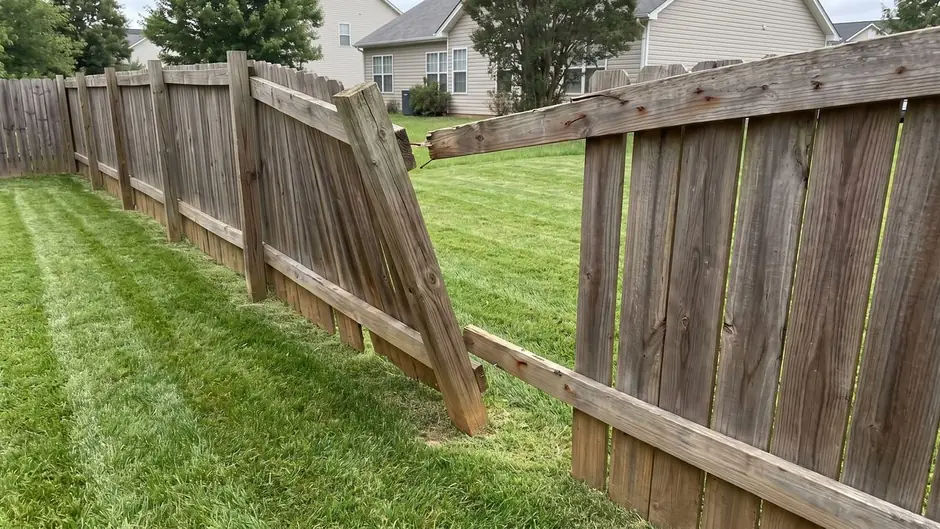
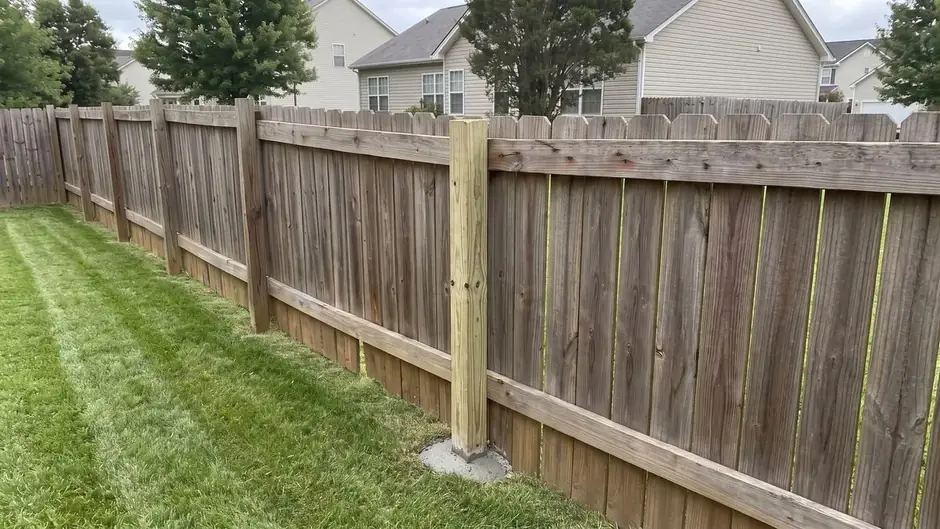
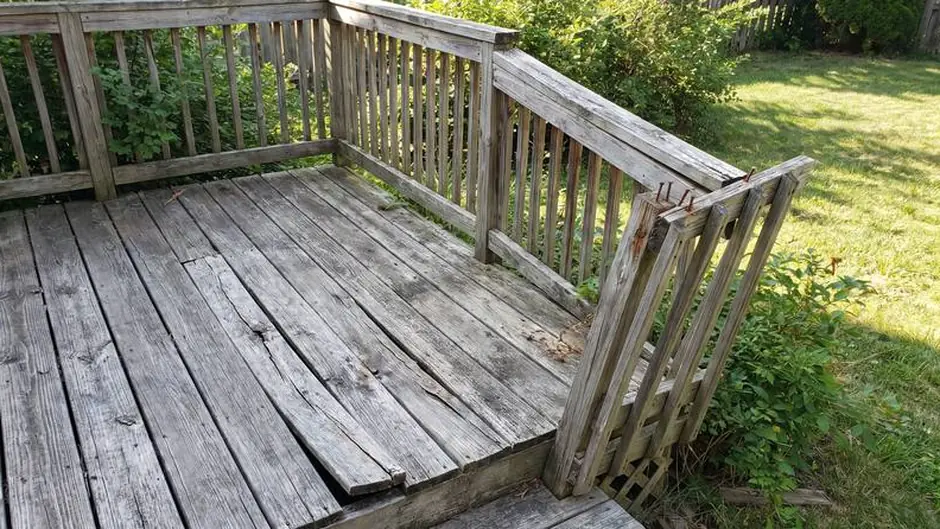
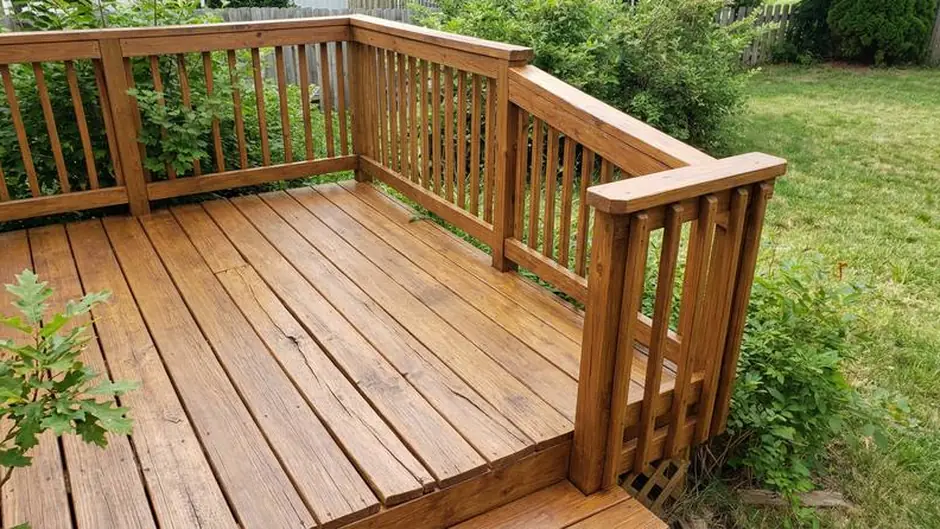
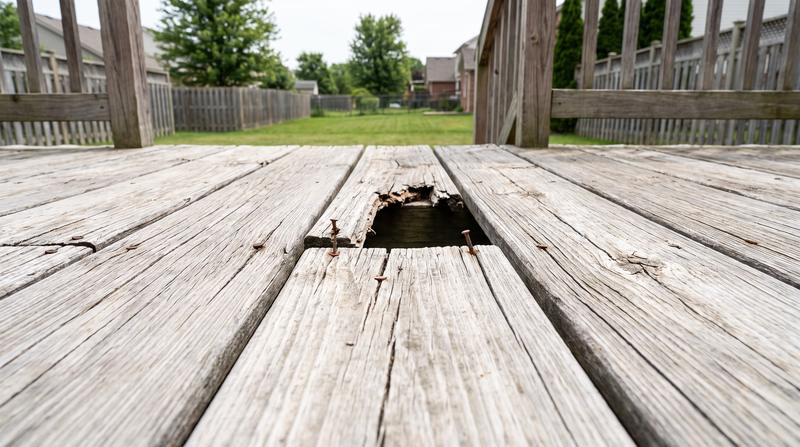
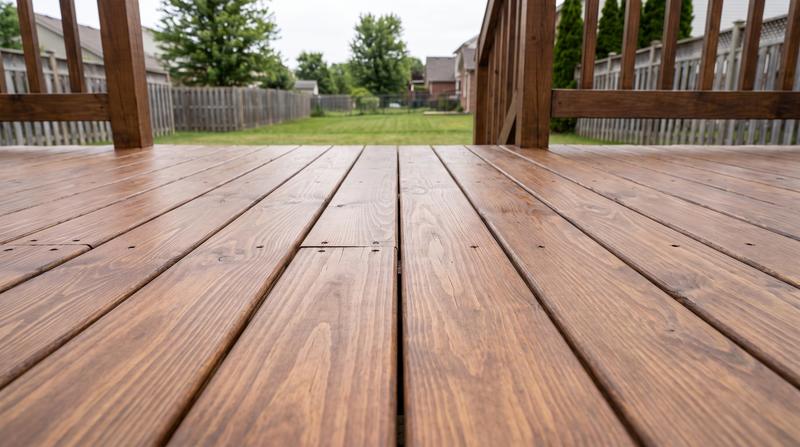
Ranches, colonials and split-levels from the 1950s to the 1970s, farther from downtown, with decks and fences added over the decades. The list is heaved fence posts, soft deck boards, sliders with worn rollers, ice-dam stains on a bedroom ceiling and a basement that took water in the spring thaw. One visit with a stocked truck clears most of it.
Village cores from the late 1800s, with Queen Anne and Italianate homes near each downtown, ringed by postwar Cape Cods and ranches and by the subdivisions of the last thirty years. Dexter is nine miles out and Chelsea fifteen; Plymouth, Northville and Birmingham are a longer drive east, so we group those calls. Gates, storm doors, decks, trim and the water damage after a hard winter are the regular calls.
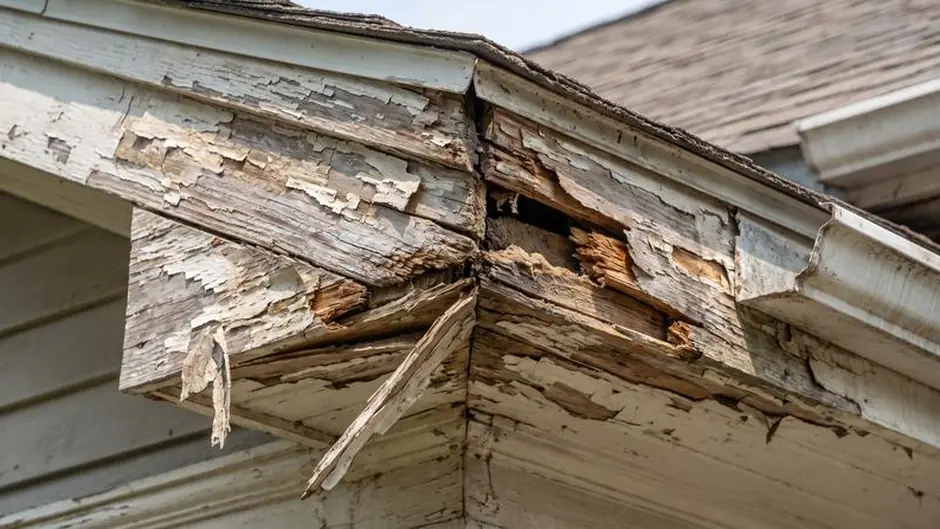
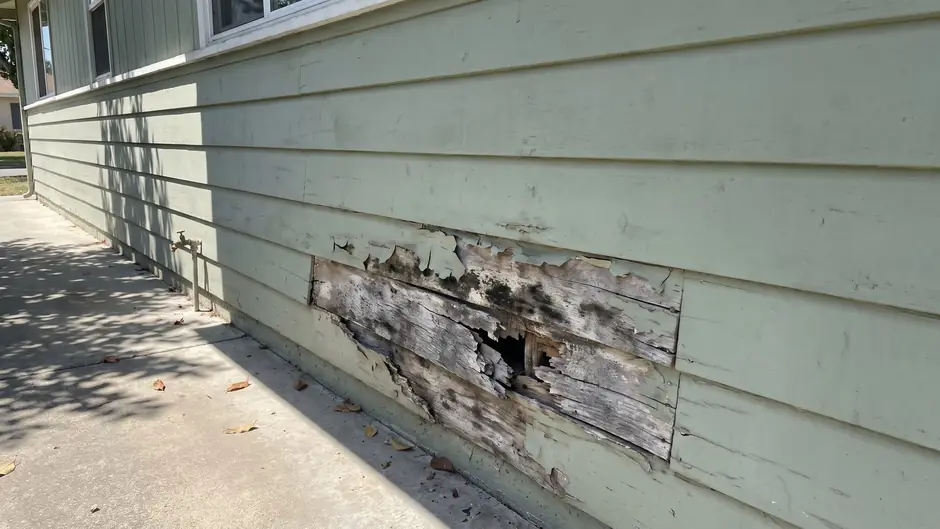
The freeze-and-thaw cycle does the damage here. Winters average twenty-seven degrees with about fifty-seven inches of snow, summers are warm and humid, and wood, paint and caulk move with every swing. Posts heave, doors swell and shrink, ice dams push water under the shingles, and the sill that sat under a snowbank all winter is soft by May. The jobs are small when they are caught early, and most of what we fix here waited one winter too long.
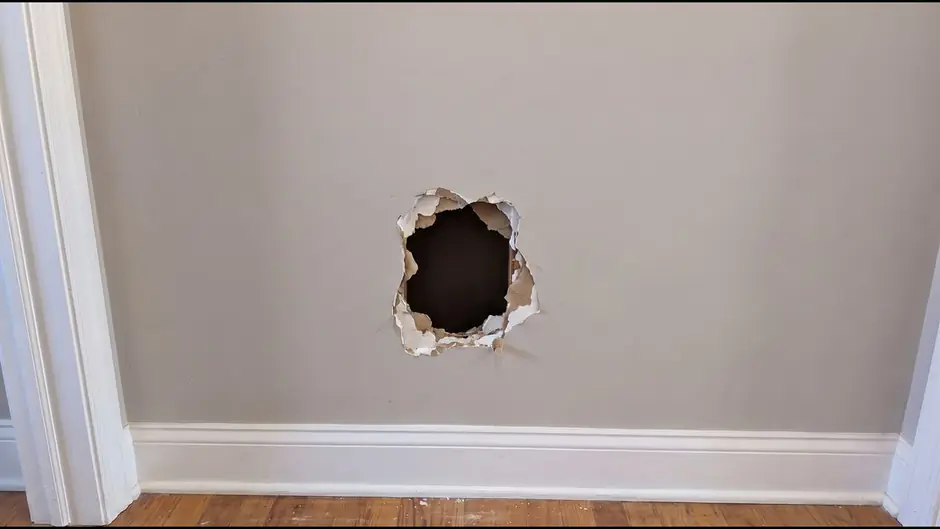
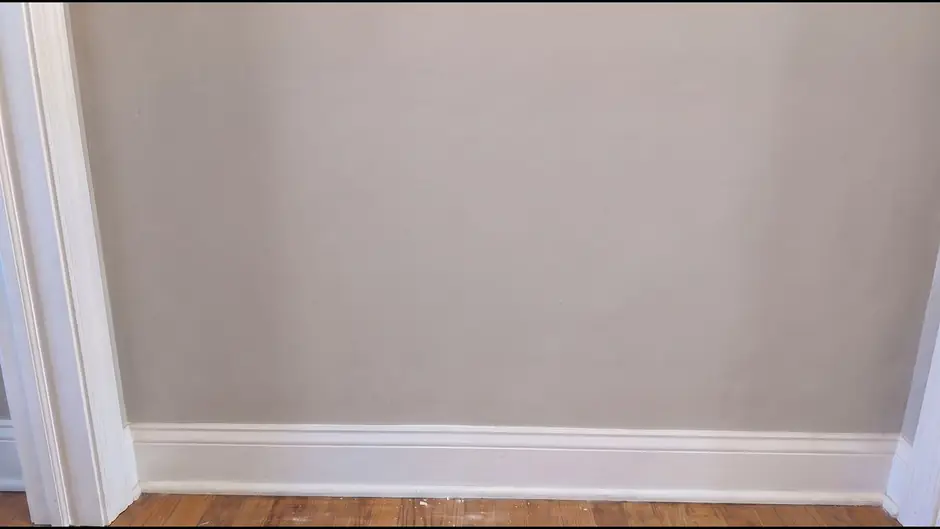
Doors, windows, drywall, trim, siding, fences, decks, rot, caulk and fixtures are ours. Michigan licenses electrical, plumbing and mechanical work separately, so a panel, a new circuit, a water line or a furnace goes to the licensed electrician, plumber or mechanical contractor, and we tell you so on the call. Rebuilding the drywall and trim after the plumber leaves is ours.
Michigan exempts painting, papering, tiling, cabinets, counters and similar finish work from a building permit, along with fences to seven feet and freestanding decks under two hundred square feet and thirty inches off the ground. In the city those fences, sheds and floating decks still take a zoning compliance permit through the city's STREAM portal. A deck attached to the house, a rebuilt porch or anything that touches framing gets a call to the Building Department before we quote, and we tell you what it said.
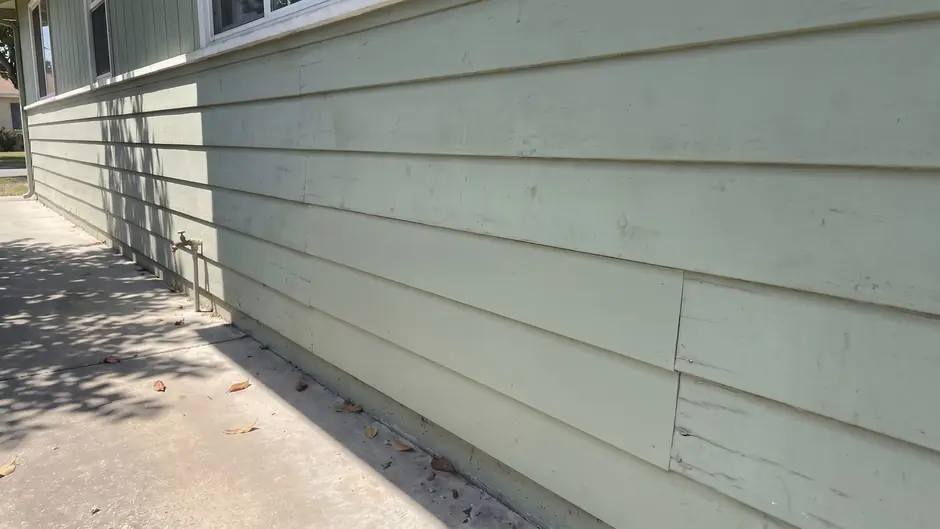
On a pre-1945 house, repair first: a stuck wood window is usually a planing and reglazing job, and inside a historic district the city expects the original windows to be kept and repaired. A rotted sill or a split clapboard run gets new wood spliced in, not a tear-off. A storm door with a bent frame, a slider with worn-out rollers and track, or a deck board that is soft through is a replacement, and we say which on the call, in writing.
Tell us the list, or text a photo of the worst item. Most small repairs are priced on the call, in writing, in under ten minutes.
A Kaminskiy-certified technician comes with a stocked truck and works through the list in one visit wherever the parts allow.
A door swap, a rotted frame or a bathroom refresh gets a visit and a written scope before anything starts. No surprises at the house.
The work area is left clean and every repair carries our one-year workmanship warranty, on paper.
Michigan's Occupational Code lets a single project under six hundred dollars, labor and materials together, be done without a license; above that the state wants a licensed residential builder or residential maintenance and alteration contractor, and the law says a job may not be split into small contracts to get under the line. Electrical, plumbing and mechanical work are licensed separately under the Skilled Trades Regulation Act and are never on our list. Kaminskiy Care and Repair is licensed, bonded and insured as a company, and the local crew we dispatch works inside that rule, with the scope and price in writing before the visit.
The Michigan Residential Code exempts finish work (painting, papering, tiling, carpeting, cabinets and counters), fences to seven feet, one-story sheds under two hundred square feet, and freestanding decks under two hundred square feet and thirty inches above grade that are not attached to the house. The City of Ann Arbor adds a zoning compliance permit for those fences, sheds and floating decks, applied for through STREAM. A like-for-like door or window swap is not on the exempt list, so for that, an attached deck or any framing we ask the Building Department first rather than guess.
Ann Arbor has fifteen local historic districts, the Old West Side, Old Fourth Ward, Division Street and Washtenaw Hill among them, and all exterior work in them needs an approved certificate of appropriateness. Staff can approve much of what a handyman does: replacing a fence, a roof in the same material, gutters, a porch rebuilt to match, a deck replaced in the same footprint, windows past repair replaced to match. Repairing a historic window needs no application at all. Front-yard fences over three feet and backyard fences over six feet go to the full commission. Outside the city, the subdivision associations in Saline, Dexter and Plymouth usually only ask that a repair match; a new color or fence line gets a form, and we put the materials in writing for it.
A local Ann Arbor crew, scheduled by phone. We have no office in Ann Arbor. Your call goes to our national line, and a local Ann Arbor crew is dispatched to the house, usually within days, with the scope and price already in writing. Call 734-999-4291, text a photo, or send the form.
Can't find your answer? Call 734-999-4291 and ask us anything.
Call 734-999-4291Usually within days. There is no Kaminskiy office in Ann Arbor; a local crew is dispatched through our national line. We answer in under three rings, price most repairs on the call, and put the visit on the calendar while you are on the phone.
Tell us the list, or text a photo of the worst item, and you get the price on the call, in writing, before anything is scheduled. There is no mystery service fee waiting at the house. A bigger job, a rotted sill, a porch rebuild or a bathroom refresh, gets a look first and a written scope.
That is how Ann Arbor homeowners use us. The storm door, the drywall crack, the heaved gate post and the ceiling fan go on one list, and one Kaminskiy-certified technician works through it with a stocked truck. Anything that needs a part we do not carry gets scheduled before we leave.
Michigan lets a single project under six hundred dollars, labor and materials, be done without a license, and asks for a licensed residential builder or maintenance and alteration contractor above that. Electrical, plumbing and mechanical work always go to that licensed trade. Kaminskiy Care and Repair is licensed, bonded and insured as a company, the local crew works inside the state rule, and every technician is Kaminskiy-certified and background checked.
Painting, patching, caulk, cabinets, counters and the inside list need no building permit under the Michigan Residential Code, and neither does a fence to seven feet or a freestanding deck under two hundred square feet and thirty inches high, though the city asks for a zoning compliance permit on those. A door or window swap, an attached deck or anything that touches framing is where we call the Building Department first and tell you what it said.
Yes. All exterior work in Ann Arbor's fifteen historic districts needs a certificate of appropriateness, and city staff can approve most of a handyman's list: a fence replaced, a roof in the same material, gutters, a porch rebuilt to match, a deck replaced in its footprint. Repairing a historic window needs no application. We tell you what needs the form before we quote and match the materials the guidelines ask for.
All of Ann Arbor, from the Old West Side and Burns Park to Ann Arbor Hills and the Northside, plus Saline, Dexter, Chelsea, Plymouth, Northville and Birmingham. Call 734-999-4291 to confirm your address and get on the schedule.
Tell us what needs fixing. We'll call you back with a price and a time. Calling is still the fastest way: 734-999-4291.
Close to one of these but not on the list? Call anyway. If we can reach you, we will.
Ready to cross it off the list? Free quotes, a local Ann Arbor crew, and a workmanship warranty on every job.
We answer in under three rings, 24/7.No price games. You get a clear written quote before any work begins, backed by our workmanship warranty.