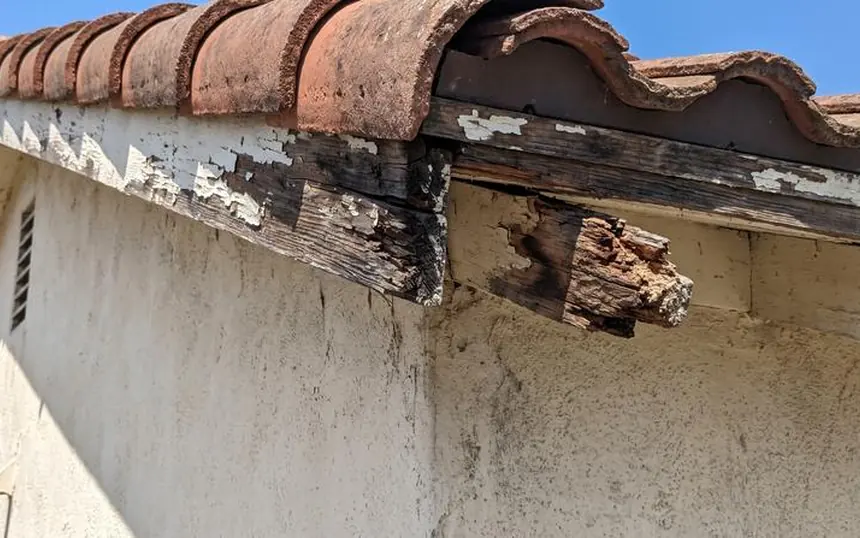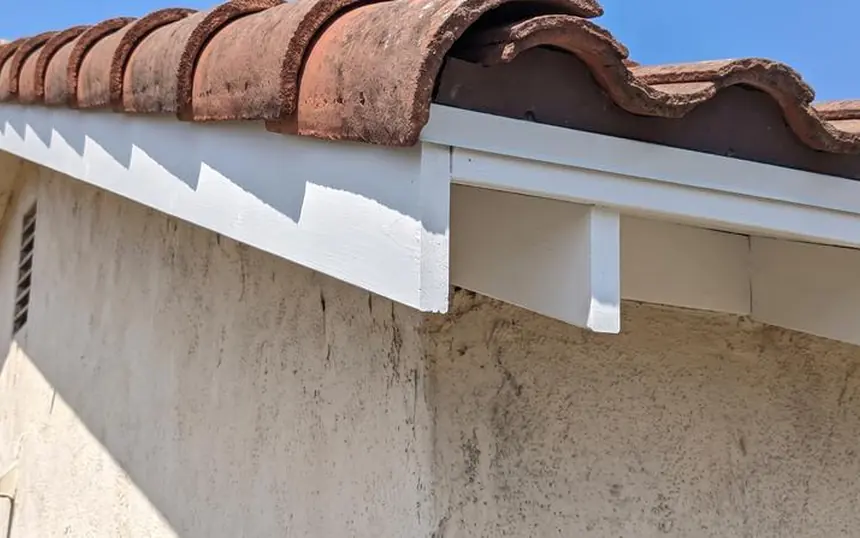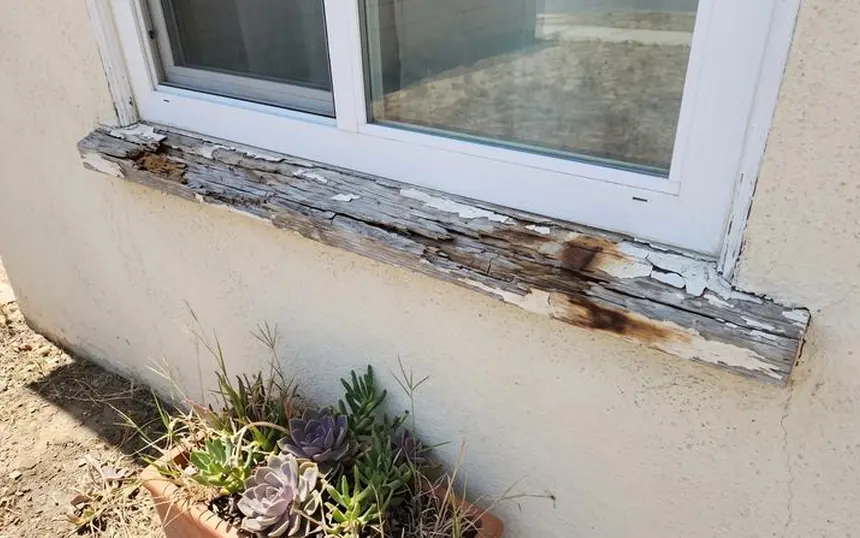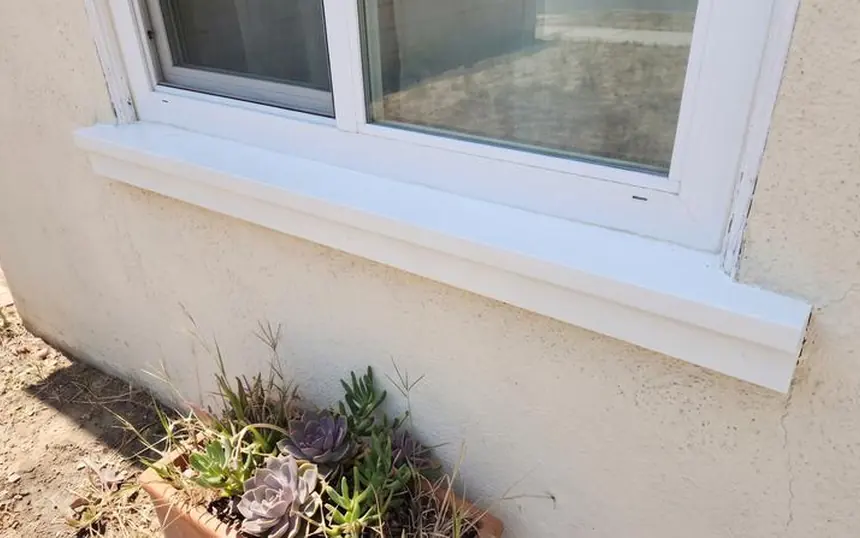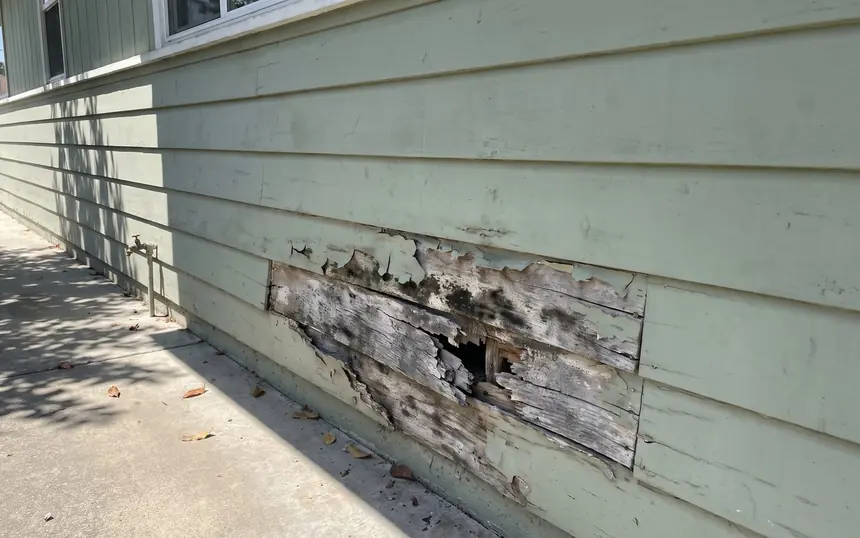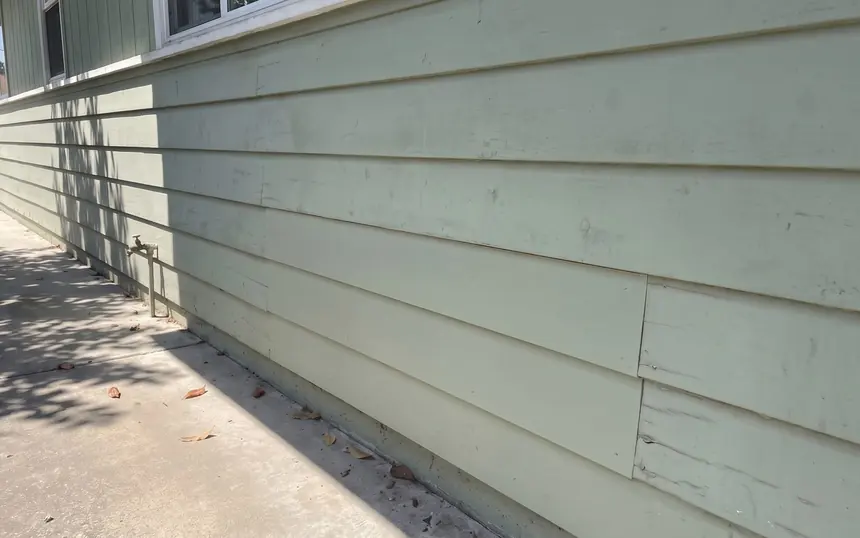
Rotted porch posts, sills, clapboard and eave boards on Ann Arbor's old wood houses replaced with sound wood to the original profile. A written price before we start.
 BBBAccredited Business
Ann Arbor calls itself Tree Town, and the trees are half the reason its wood rots: a canopy that keeps the north wall and the porch in shade until noon, gutters packed with leaves by October, and then a Michigan winter on top. Kaminskiy Care and Repair replaces what goes soft, which on an Old West Side or Burns Park house means the porch posts and stringers, the sills under the old double-hungs, the clapboard courses nearest the ground and the eave boards an ice dam soaked. The new wood is milled to the old profile, primed all round, caulked and painted to the house, and whatever let the water in, a plugged gutter, a missing drip edge, a downspout aimed at the siding, gets corrected before we pack up. Carpenter ants in the wood go to a licensed pest company first. The price is in writing before the work starts.
 Eight repairs, one crew, priced in writing before we start.
The winter opens the joints, the spring fills them, and the shade never lets them dry: that is how a hundred-year-old Ann Arbor porch post or sill goes soft. We take it out to sound wood, mill the replacement to the old profile, prime, caulk and paint, and clear the gutter or the grade that fed it.
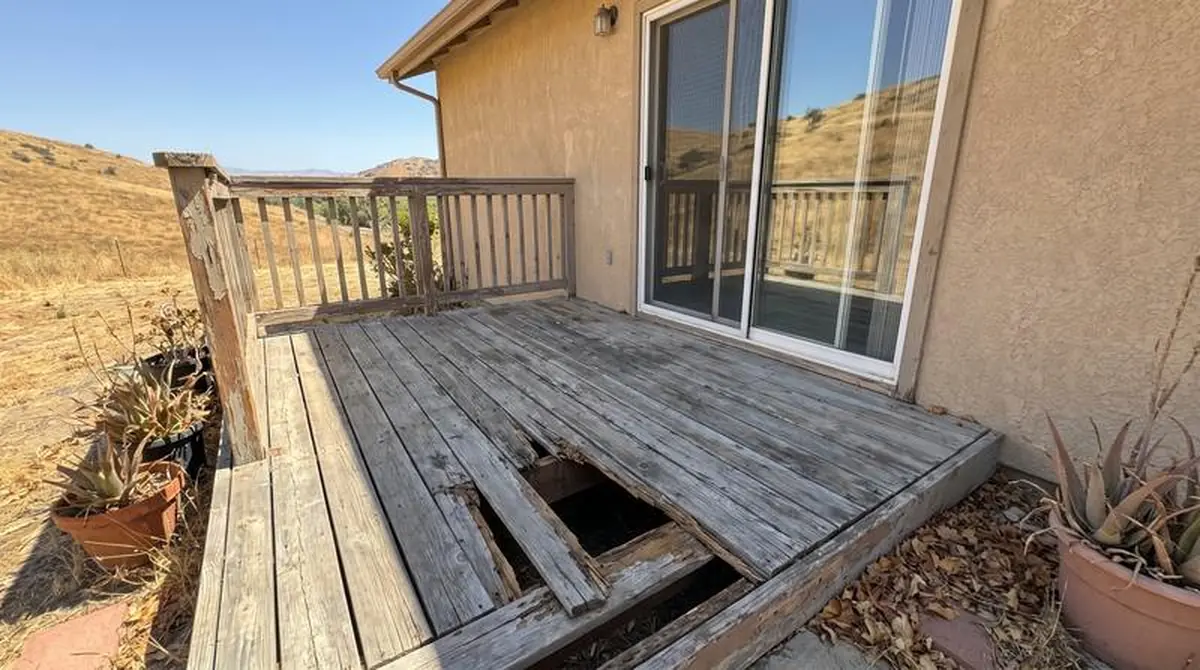
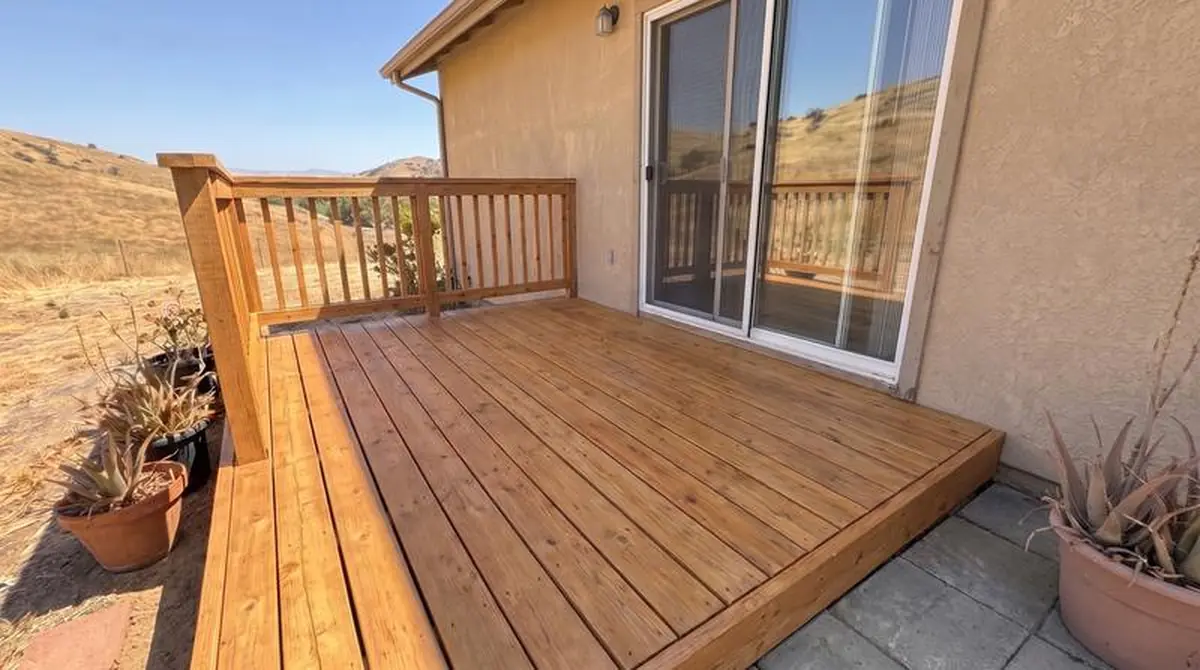 AFTERBEFORE
 Fascia & Eaves
 Window Sills
 Door Jambs & Casings
 Trim & Siding
 Termite Damage Rebuilds
 Deck Boards & Railings
 Stairs & Posts
 Primed, Painted & Sealed
The season for this is May through October, between the thaw and the freeze. A photo gets a Kaminskiy-certified technician's price on a sill, a post or a clapboard run, in writing, the same conversation; a porch rebuild is walked first, then priced.

Priced and on the calendar during the first call.

A written quote you approve before anyone drives out.

One crew, truck stocked, warranty in writing.
A one-year workmanship warranty, in writing, on every Ann Arbor rot and termite damage repair.
Ann Arbor's trees shade the north walls and the porches so they stay damp, and they fill the gutters by October so the first snow melts into an overflow instead of a downspout. Then the winter does its work: the ice dam at the eave backs water into the eave boards, thirty freeze-thaw cycles crack every paint joint on the sills and the trim, and a porch post stands in slush and road salt until March. By the time the spring rain arrives the wood is open to it. Sound wood, sealed on every face, and a cleared water path are the repair.
Open a rotted Ann Arbor sill and the insect inside is nearly always the carpenter ant, which hollows damp wood to nest in and dumps sawdust below the gallery. Subterranean termites are present in the southern Lower Peninsula and do turn up, coming up a foundation in mud tubes. Either way a licensed pest company deals with the colony and we rebuild what it hollowed out, and we dry the wood so it does not come back.
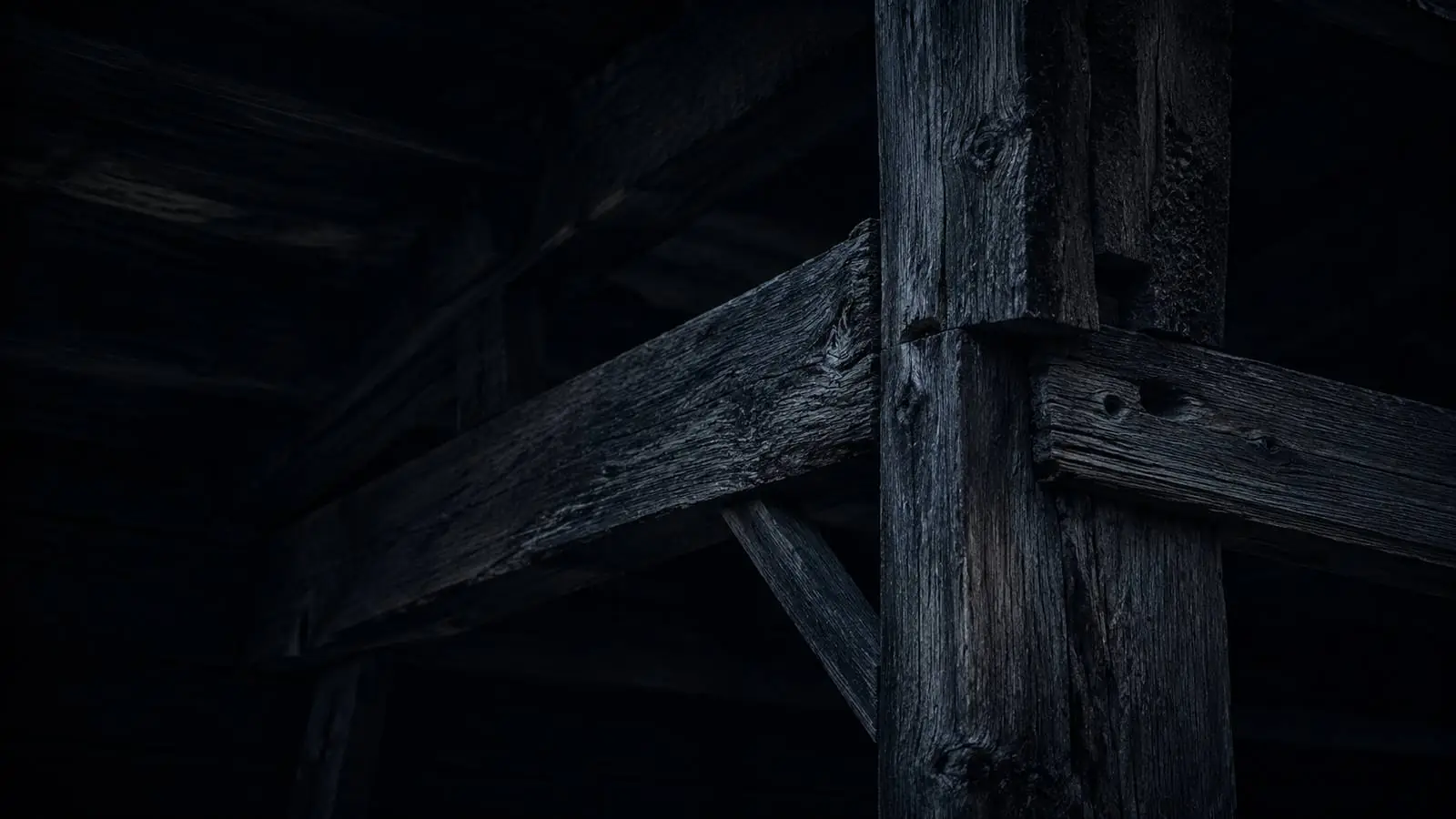
The wood on an Old West Side house has a shape, and a square replacement board shows from the street. We cut back to solid wood, mill or splice the replacement to the original sill, post base or trim profile, prime it all round, set it on a sealed base, caulk and paint. Filler does not survive the first freeze; this does.
Clean the gutters after the leaves drop and again in spring. Keep the attic cold and vented so the ice dam cannot form, and fix the drip edge. Shovel snow and salt back from the posts and the bottom courses. Prune the canopy so the north wall gets some sun. Keep mulch an inch below the siding. Repaint on a schedule, before the paint fails.
Clapboard and shingle houses from the 1870s to the 1920s with full porches, wood sills and cornices and the original double-hungs, under the Historic District Commission's eye. The post goes at the floor line, the sill under the sash, the cornice at its joints, and the eave boards wherever the ice sat. The replacement has to carry the old profile, and ours does.
Ranches and colonials of the 1950s to 1970s with lap siding, wood fascia and soffits and wood windows, all under mature trees. The damage is low and shady: the bottom courses on the north side, the fascia behind a gutter the leaves plugged, a soffit sagging at the corner, the garage jamb standing on the slab. We replace the boards, blend the paint and clear the gutter.
Newer houses with vinyl or fiber-cement walls, so the wood is the fascia, the trim, the porch columns and above all the decks. Deck boards go soft at the ends under a winter of snow, railing posts rot where water pools at the base, and the association wants an exact color, which we take from a chip.
A fascia board, a sill or a trim piece is priced on the call, in writing. A bigger rebuild gets a look first and a written price before anything starts.
We cut back to sound wood and probe how far the rot really goes. If it runs further than the photo showed, you hear it before we go further, with the price.
New wood primed on all sides, caulked, painted to match, and the water path that caused it fixed: the drip edge, the flashing, the gutter end, the sprinkler.
The work area is cleaned before we leave, and every rot repair carries our one-year workmanship warranty.
Michigan's residential code is the state's and Ann Arbor enforces it: no application or notice is needed for ordinary repairs to a structure, and the line is drawn at cutting away a wall or cutting a structural beam or bearing support. The city's own residential permit sheet is specific about the other side of that line: decks, porches and exterior stairs are permit work, while a sloped asphalt or metal re-roof needs no permit at all. A sill, a trim board or a run of clapboard is an ordinary repair. A porch or stair rebuild, or rot that has reached the framing, is a permit, and we say which on the call. In a historic district, the commission's approval comes before the permit application.
Michigan sales close without a state termite form. When a lender or a buyer asks, a pest control company licensed in Michigan inspects the house and reports on the NPMA-33 what it saw that day: termites, carpenter ants, wood-boring beetles, and the damp conditions behind them. That company treats; we rebuild. A copy of the report and the address is all we need to put a price on the sills, posts and siding it names.
The Old West Side, the Old Fourth Ward and the city's other districts put exterior work in front of the Historic District Commission, and Ann Arbor wants that approval before the permit is even applied for. Replacing a rotted sill or post with the same wood to the same profile is the straightforward case; a changed material or profile is not. We photograph the original before we cut so the new piece can be shown to match. The other rule is the canopy: a tree that shades a wall all day will rot it again, and the pruning belongs in the plan.
Can't find your answer? Call 734-999-4291 and ask us anything.
Call 734-999-4291Usually that week for a sill, a post base or a clapboard run, May through October: those are priced from a photo and go straight on the calendar. A porch or stair rebuild gets walked first. The phone is answered in under three rings either way.
After a licensed pest company has dealt with the nest, yes. We take the hollowed post out, replace it in sound wood milled to the old profile on a sealed base, go into any framing we can reach behind it, and fix whatever kept it damp enough for ants.
The post, the stringer, the sill and the siding are carpentry, which is Kaminskiy's trade, licensed, bonded and insured. The place we stop and talk is the beam above the post: if the rot has climbed into the beam that holds the porch roof, you hear that before anyone cuts, along with who should look at it.
How much wood comes out once the paint is off, how high the work is, and how much of the old profile the new piece has to carry. A sill at the floor is a short job; a cornice over the second-story bay is a different day. You get the number in writing from a photo, and if the rot runs further than the photo showed you hear that before we keep going.
For an ordinary repair, no: the state residential code asks for no notice. For a deck, porch or exterior stair rebuild, or rot in the framing, yes, on the city's own list, and in a historic district the commission signs off before the permit. We sort it out on the call.
That stripe is where the ice dam sits. The warm attic melts the snow, it refreezes at the cold eave, and the water backs under the shingles into the eave boards. We replace the boards and, with them, the drip edge, the gutter and the attic venting that let the dam form, or it is back in three winters.
All of Ann Arbor, including the Old West Side, Burns Park, Kerrytown, Water Hill, Eberwhite and Northside, plus Pittsfield Township, Scio Township, Ypsilanti, Saline, Dexter and Chelsea. Call 734-999-4291 to confirm your address.
Tell us where the wood has gone soft, or text a photo, and we call back with a written price and a time. Calling is still faster: 734-999-4291.
Priced in writing before we start, rebuilt to last, warranted in writing.
We answer in under three rings, 24/7.No price games. You get a clear written quote before any work begins, backed by our workmanship warranty.