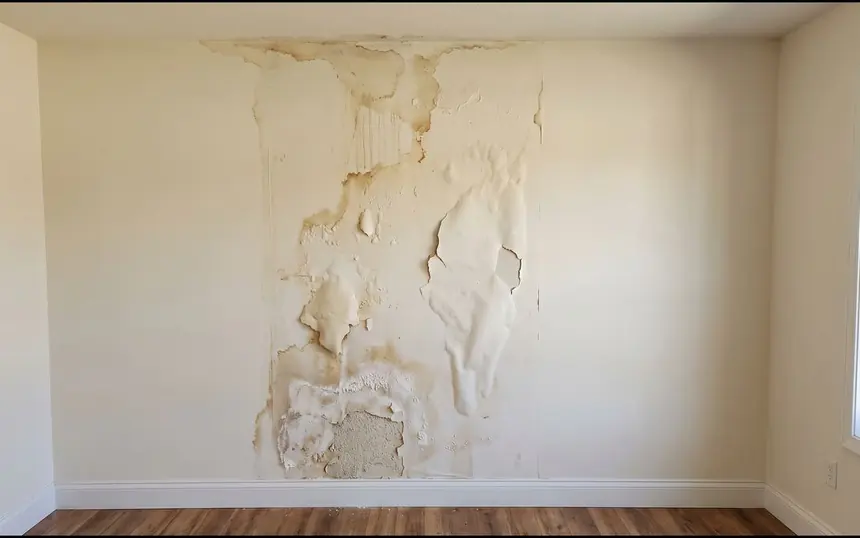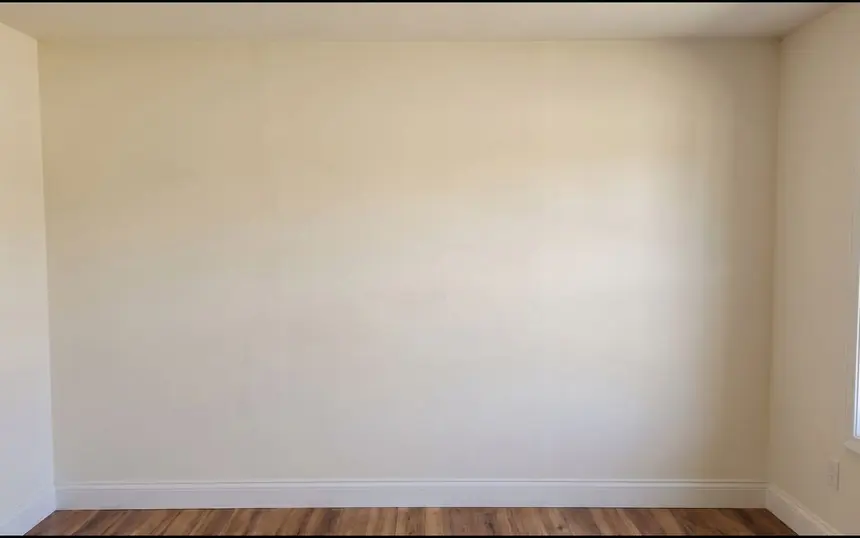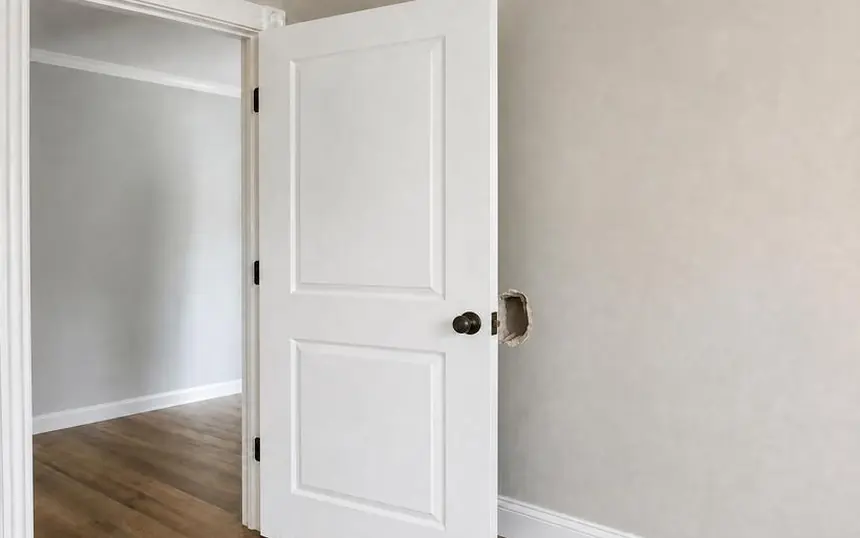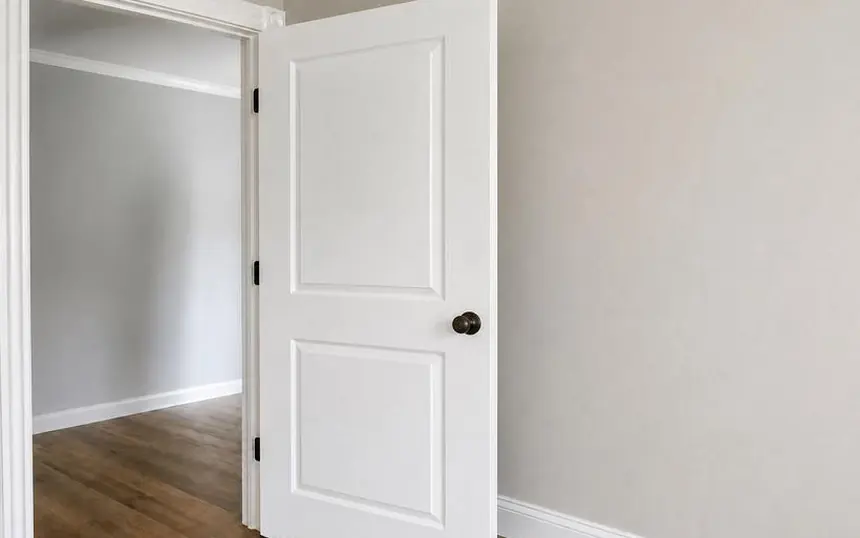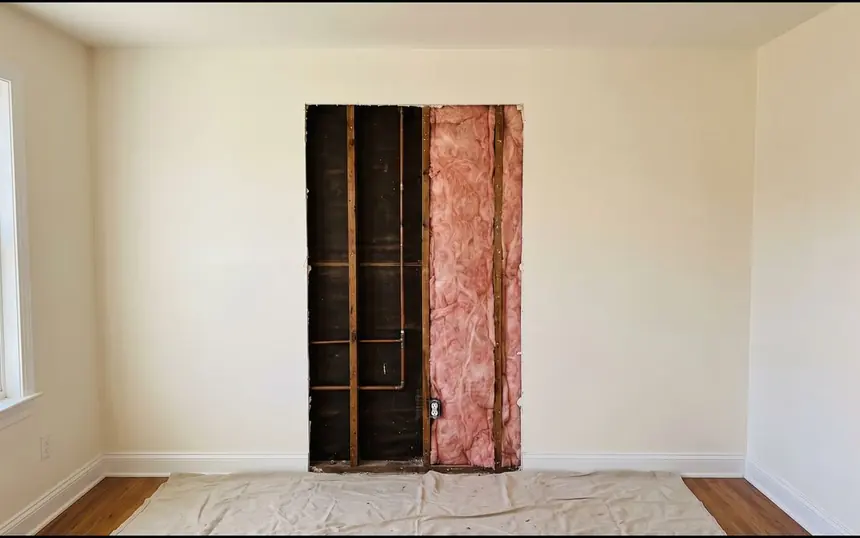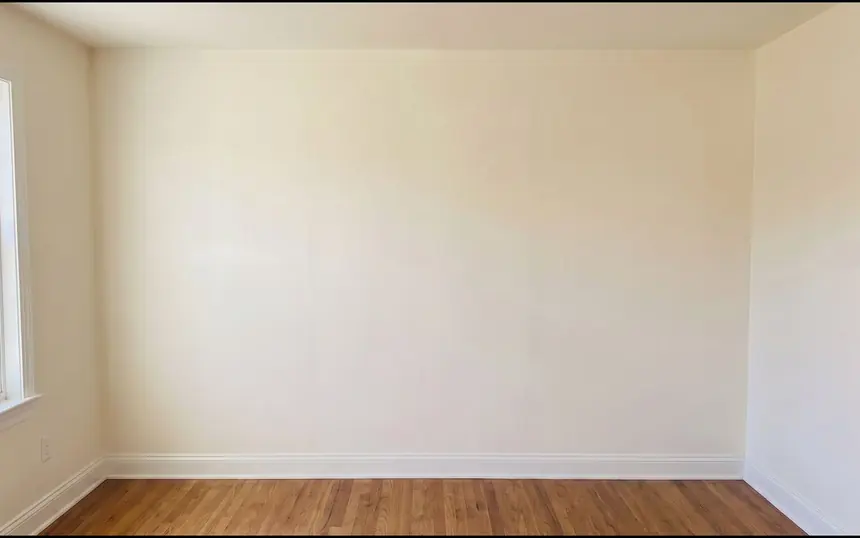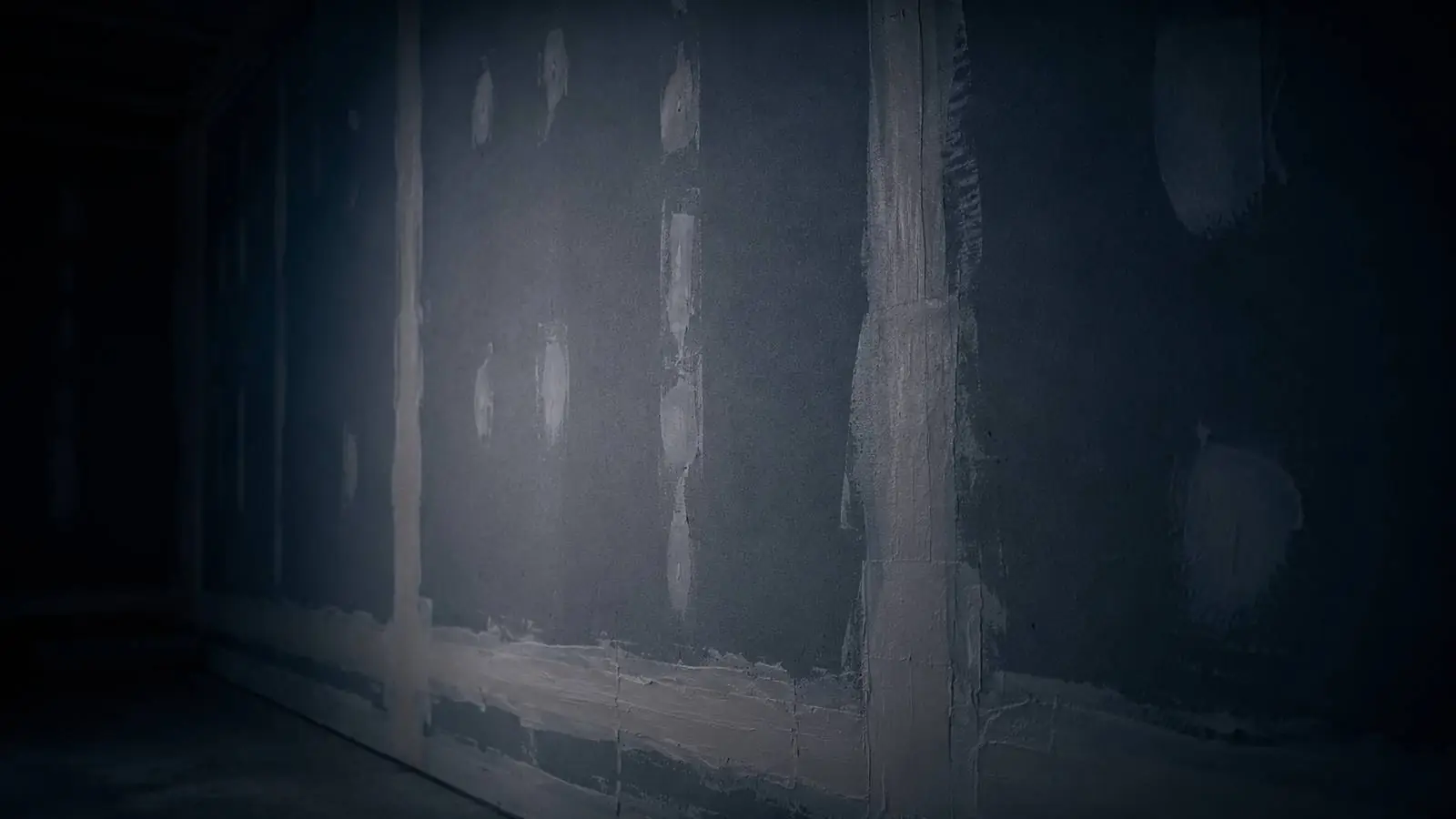
The ceiling stain under the attic air handler, the damp wall over the crawl space, the knob hole and the plaster in the bungalow, patched, textured and primed. Priced in writing on the call.
 BBBAccredited Business
Kaminskiy Care and Repair patches, finishes and texture matches walls and ceilings in Atlanta homes, where the enemy is usually water vapor rather than a flood. A July afternoon at ninety percent humidity sweats the air handler and the ducts in a Buckhead attic until the drip finds the hallway ceiling; a crawl space under a Grant Park bungalow keeps the bottom of a wall damp all summer; a thunderstorm lifts a shingle on a Decatur ranch and the stain appears a week later. Add the ordinary list, the knob hole, the nail pops, the cracked tape where a 1960s ranch has settled on red clay, the lath and plaster in an Inman Park Victorian, and the anchor holes after a Midtown lease. Each is repaired in the material it was built in, finished to match and primed. Water waits for the source to be fixed and a dry meter reading. The price is in writing on the call and most patches are finished in one visit.
 Eight repairs, one crew, priced in writing before we start.
Atlanta walls live in a steam room from May to September, and drywall shows it as a soft spot at the base of a wall over the crawl space, a ring under the attic unit, and tape that lets go at the ceiling line when the house dries out in a cold January. We dry it, replace what is soft, match the orange peel or the smooth finish and leave it primed, and we patch the plaster in the old bungalows as plaster.
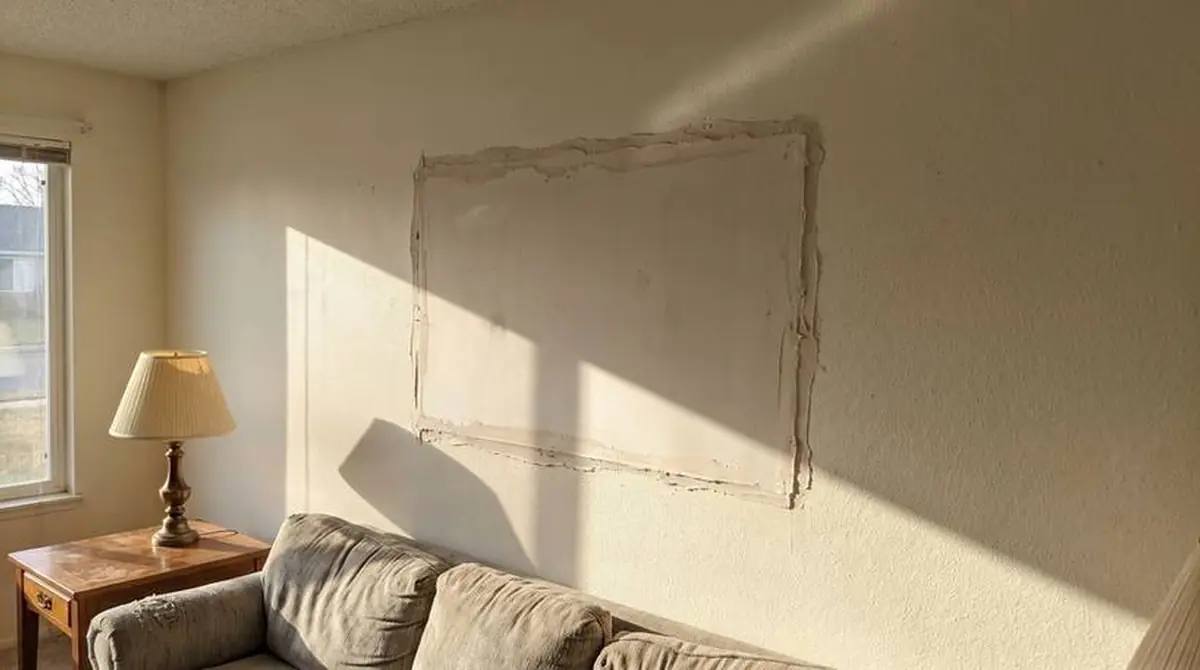
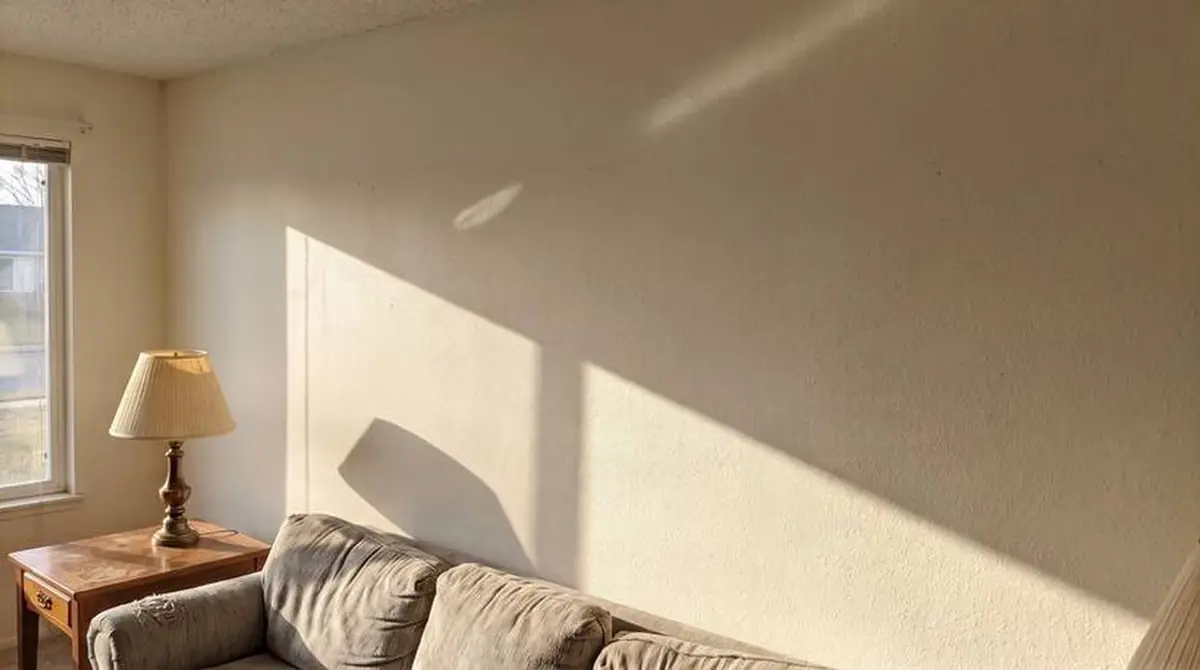 AFTERBEFORE
 Hole & Crack Repair
 Water Damage Repair
 Ceiling Repair
 Texture Matching
 Big Patches & Full Sheets
 Nail & Anchor Holes
 Corner Bead & Cracks
 Primed & Ready for Paint
Humidity, crawl spaces and old plaster are Atlanta problems and our technicians know all three. Hold your hand over the damage and say which size it is on the call; the price is in writing before anyone drives over.

We answer in under three rings and get you priced and scheduled in minutes.

A clear, written quote with upfront pricing. You approve before work begins.

Kaminskiy-certified pros finish the job with a workmanship warranty.
Every drywall repair carries our one-year workmanship warranty, in writing, and is done by a Kaminskiy-certified, background checked technician.
Atlanta drywall is attacked from the air as much as from a pipe. Humid summer air condenses on the cold ductwork and the air handler in an unconditioned attic and drips onto the ceiling below; the same air rises out of a vented crawl space and keeps the bottom foot of a wall damp until the paper face softens. Under it all is red clay that swells and shrinks with the seasons, so a 1950s or 1960s ranch settles a little each year and the tape at the corners cracks, worst in a dry January when the furnace shrinks the framing. We seal and dry first, then patch, and we tell you when the crawl space or the attic needs a fix of its own.
Inman Park, Virginia-Highland, Grant Park, Candler Park and Kirkwood are Craftsman bungalows and Victorians from the 1890s to the 1930s, and behind the paint is lath and plaster: a crack follows the lath, a section goes hollow, a corner crumbles. Plaster is patched with a bonding agent and a setting compound keyed into the lath, never a drywall patch screwed in. The brick ranches and split-levels of Buckhead, Morningside, Decatur and Smyrna from the 1950s to the 1970s carry the first drywall, a light orange peel or a smooth skim, with sprayed ceilings from before 1980 that are tested by a licensed lab before anyone sands them. The newer streets from Vinings to Alpharetta run knockdown, orange peel and smooth.
The attic unit and its drain pan, the upstairs bath over the kitchen, a thunderstorm that lifts a shingle or backs up a gutter, and the rare January freeze that bursts a supply line in an exterior wall. The air handler is the Atlanta classic: the stain appears in July and grows every afternoon. The HVAC technician, plumber or roofer fixes the source, the ceiling dries and reads dry on the meter, then we cut out the stained section and replace it. Dark growth bigger than a dinner plate is a licensed mold remediation company's job before ours, and we say so on the call.
Buckhead, Sandy Springs and the hillier streets north of the city finish the lower level as a daylight basement, drywall screwed to furring over block on the uphill side, and that is the Atlanta wall that gets wet from outside: a downspout emptying at the foundation, a clogged French drain, a summer storm that overran the grade. The water shows as a tide line a foot above the carpet and a band of soft board behind it. Once the grade or the drain is corrected and the block reads dry on the meter, the lower section is cut out, the furring and insulation are checked, new board goes in and the horizontal seam is taped and floated so no line shows. Carpet and base come off first and go back after. A wall that will not dry is a licensed remediation company's job before ours.
Craftsman bungalows and Victorians from the 1890s through the 1930s with lath and plaster walls, plaster ceilings and a vented crawl space keeping the lower wall damp through the summer. Plaster cracks along the lath, goes hollow and crumbles at the corners; the bottom of an exterior wall softens over the crawl. Plaster repaired as plaster, the crawl space named as the cause, and because every one of these houses was painted long before 1978, the lead-safe handling is done by a certified firm.
Brick ranches and split-levels from the 1950s through the 1980s: light orange peel or smooth on half-inch board, a sprayed ceiling that a licensed lab tests before anyone touches it, the attic air handler dripping on the hallway ceiling every July, settling cracks on red clay, and the daylight basement that took the storm. Three decades of patches under the paint, blended into one finish, with new bead on the corners the furniture rounded.
Homes from the 1980s on, two stories with the baths over the living rooms and the air handler in the attic: knockdown, orange peel and smooth finishes, truss lift along the upstairs ceiling in a dry winter, two-story foyers over eight feet priced after a look, and rental turnovers with anchor holes by the room. Association communities keep their schemes; the repair leaves primed for the matching color.
Hold your hand over the damage and tell us: smaller than your hand, bigger than your hand, poster-sized, or a whole sheet. We price it on the call, in writing, in under ten minutes.
Water damage is repaired after the source is fixed. If the stain is still wet we tell you who fixes the leak, and we schedule the drywall for when it is dry.
Backing where it needs it, new board cut to fit, every seam taped, three coats of compound sanded smooth, your texture matched, then primer.
Dust contained and the room left clean. Most patches are finished in one visit; a full sheet may need a short second visit for the final coat, scheduled before we leave.
The City of Atlanta Office of Buildings publishes a work-exempt-from-permit sheet that frees repair work to a house or duplex below a set value, and the Georgia residential code it enforces lists painting, papering and similar finish work and ordinary repairs as needing no permit. A drywall or plaster patch, a replaced sheet in an existing wall or a ceiling repair is that work. A new opening, a removed wall or a framing change is a permit job, and in a landmark or historic district the exemptions narrow, so we say so before anyone opens a wall.
Insurers in Georgia draw the same line the standard policy draws everywhere: the pipe that burst or the roof the storm opened is a sudden loss and tends to be paid, while the air handler that has been dripping since June, or crawl-space damp that has crept up the wall for years, tends to be refused as maintenance, and the first question is the date it started. Our advice is simple. Take dated photographs of the stain and of whatever caused it before anyone opens the ceiling, hold onto the HVAC, plumbing or roofing invoice, and let us put the drywall on an invoice line of its own so the adjuster can read it apart from theirs. The unit, the pipe and the roof belong to their own trades; our board waits for a dry meter reading.
Two Atlanta rules sit under one heading. First, age: paint applied before 1978 can contain lead and a sprayed ceiling or joint compound from before 1980 can contain asbestos, so in an older house the painted surface is handled lead-safe by a certified firm, the ceiling is sampled by a licensed lab before a sander touches it, and any abatement is a licensed contractor's job that happens before our patch, never after. Second, the garage: the residential code treats the wall and ceiling shared with an attached garage as a fire separation, half-inch gypsum on the garage face and five-eighths Type X where a bedroom sits over the garage, so a full sheet replaced there is the same thickness and type as the one that came out, and we say so on the estimate.
Can't find your answer? Call 678-658-3711 and ask us anything.
Call 678-658-3711Most of a day for most repairs: the technician arrives with the written price already agreed on the call, patches, tapes, runs the coats, textures and primes, and the room is yours again that evening. A plaster repair, a whole sheet or a ceiling that is still drying out after the attic drip needs one more short stop for the final coat, and that date is on the calendar before the first visit ends.
In Atlanta it is usually the air handler or its ductwork sweating in the summer heat and dripping on the ceiling, not the roof. An HVAC technician fixes the drain or the insulation, the ceiling dries and reads dry on the meter, then we replace the stained section, tape, three coats, texture and prime. Painted over wet, the ring is back by August.
After the damp has a reason to stop, yes. A crawl space that vents humid air all summer keeps the lower wall wet; once it is sealed, dried or conditioned, the wall dries, the soft board comes out and new board goes in. Patched while the crawl is still wet, the paper face softens again by the next summer, so we say that first.
Yes, and as plaster, not as drywall. The loose edge is cut back to sound material, a bonding agent is brushed on, a setting compound is pressed through the lath so it keys behind it, and the skim or sand finish around the repair is matched by hand. A square of drywall screwed into a plaster wall is the patch that eventually lets go, so that is the one repair we refuse. In a house that age the paint is treated as lead-bearing and the work is handled lead-safe by a certified firm.
After it is tested. A ceiling sprayed before 1980 may carry asbestos, so a licensed lab samples it first; if abatement is needed a licensed contractor does it before our repair. We never scrape or sand an untested older ceiling.
Mostly what you can see from across the room. A hole the size of a card costs less than one the size of a poster, which costs less than a whole sheet. Water adds the drying and the cutting back. Plaster is its own trade. A smooth wall takes an extra coat and a wider feather than orange peel does, and a two-story foyer takes scaffolding that an eight-foot wall does not. Tell us those things on the call and the figure comes back in writing before anyone is scheduled.
It is the call we get most from Atlanta, and the answer is yes. A single hole, one crack or one nail pop is a short visit. A rental in Midtown or Buckhead with a wall of anchor holes after a lease is its own menu item: anchors out, holes filled flush, texture matched, primer on, ready for the turnover paint.
All of Atlanta, Buckhead, Virginia-Highland, Inman Park, Grant Park, Morningside and West End, plus Decatur, Brookhaven, Sandy Springs, Dunwoody, Smyrna, Marietta and Alpharetta. Call 678-658-3711 to confirm your address.
Tell us what the wall or ceiling looks like, or text us a photo. We'll call you back with a price and a time. Calling is still the fastest way: 678-658-3711.
Priced in writing before we start. Kaminskiy-certified technicians. A one-year workmanship warranty on every job.
We answer in under three rings, 24/7.No price games. You get a clear written quote before any work begins, backed by our workmanship warranty.