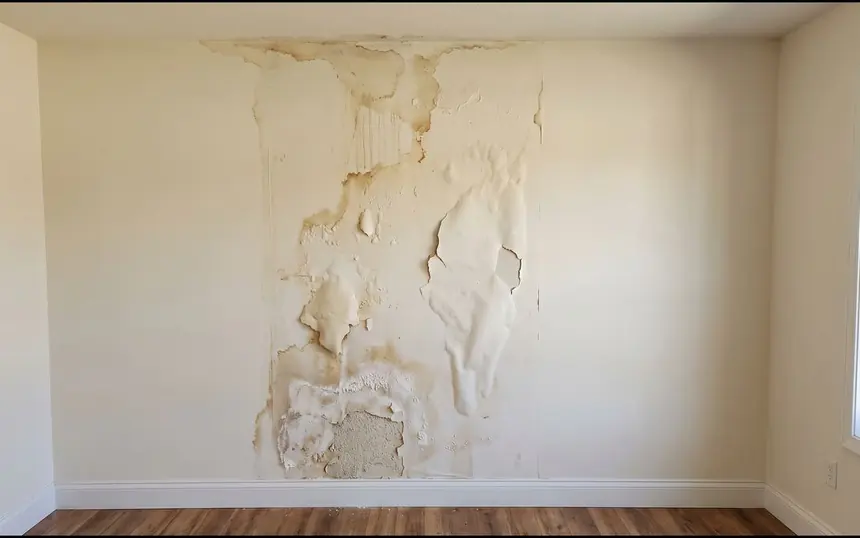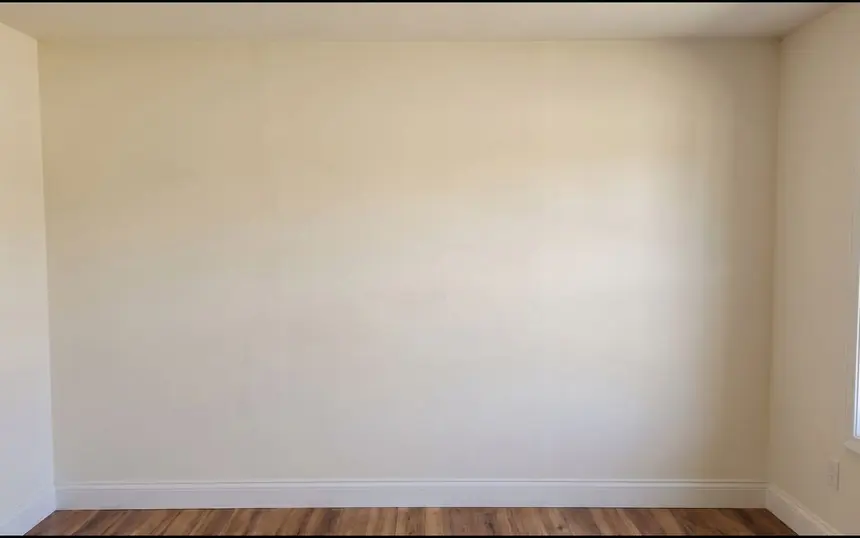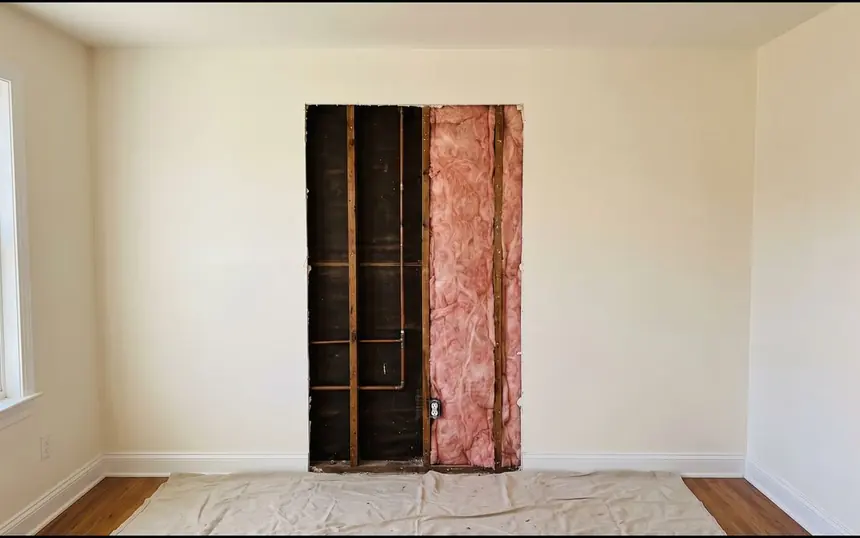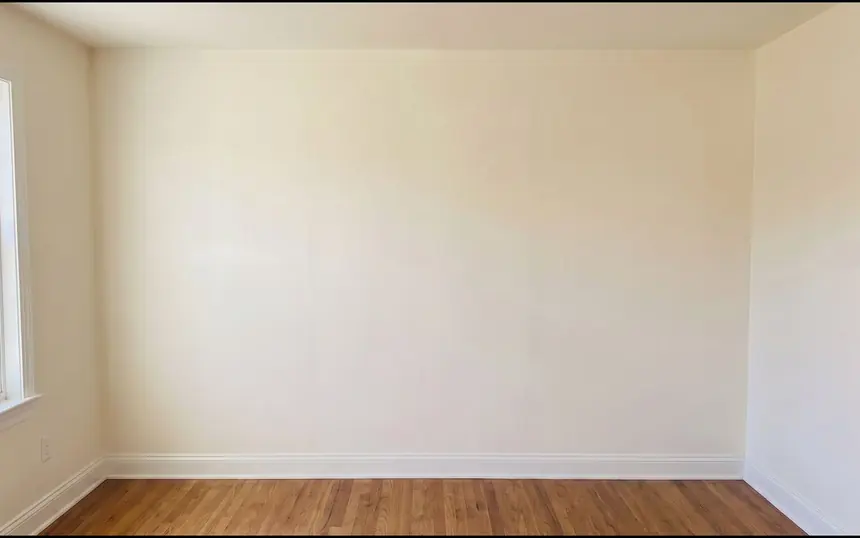
Settling cracks over the doors, the wall the January pipe burst soaked, nail pops down the stairwell and plaster in the old city, patched, textured and primed. Priced in writing on the call.
 BBBAccredited Business
Kaminskiy Care and Repair patches, finishes and texture matches walls and ceilings in Denver homes, where the ground and the air both work against drywall. Bentonite clay under much of the metro swells after a wet spring and shrinks through a dry August, so the crack over the dining room door opens and closes on a schedule; the thin, dry air at a mile high pulls moisture out of framing until the nails pop in rows and the roof trusses lift the ceiling tape every winter. Add the supply line that froze in a January cold snap and soaked a basement wall, the ice dam that stained a Park Hill bedroom ceiling in March, and the lath and plaster behind the paint in a Capitol Hill Denver Square. Each is repaired in the material it was built in, finished to match and primed. Water waits for the plumber or the roofer and a dry meter reading. The price is in writing on the call and most patches are finished in one visit.
 Eight repairs, one crew, priced in writing before we start.
Denver drywall fails from below and from above: expansive clay moves the house a little every year, and the dry air and the winter cold move the framing inside it. A crack filled with caulk opens again by the next dry season. We tape it, feather it wide, match the orange peel or the skim finish, and tell you plainly when a crack that steps across the wall is a soils question rather than a drywall one.
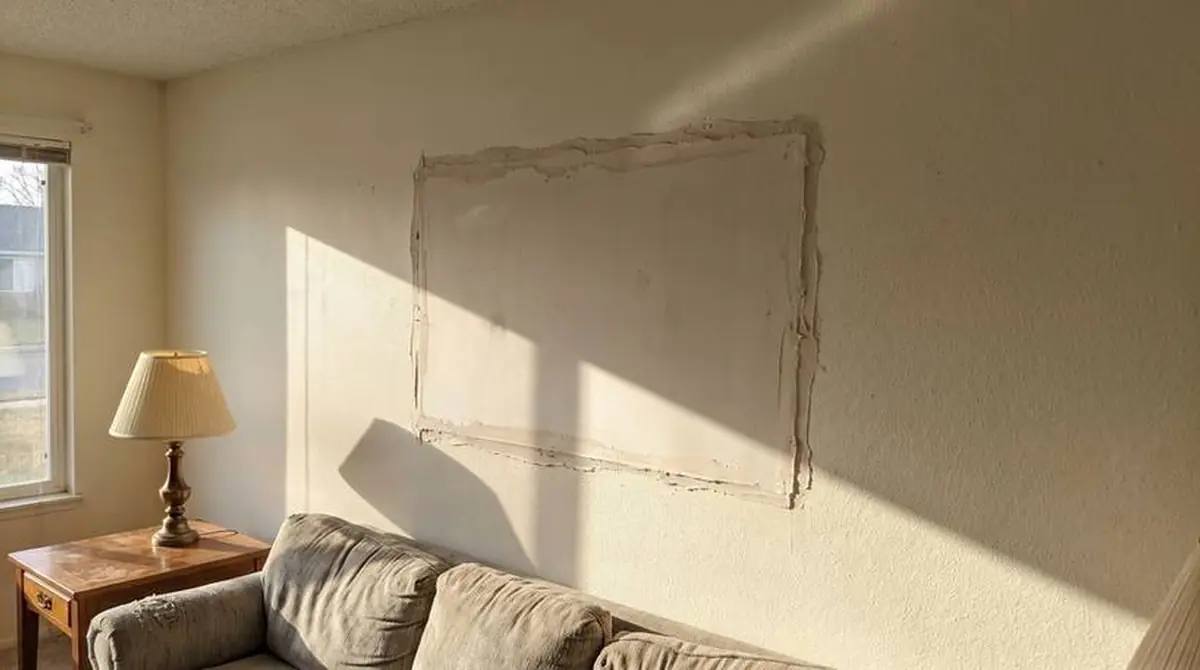
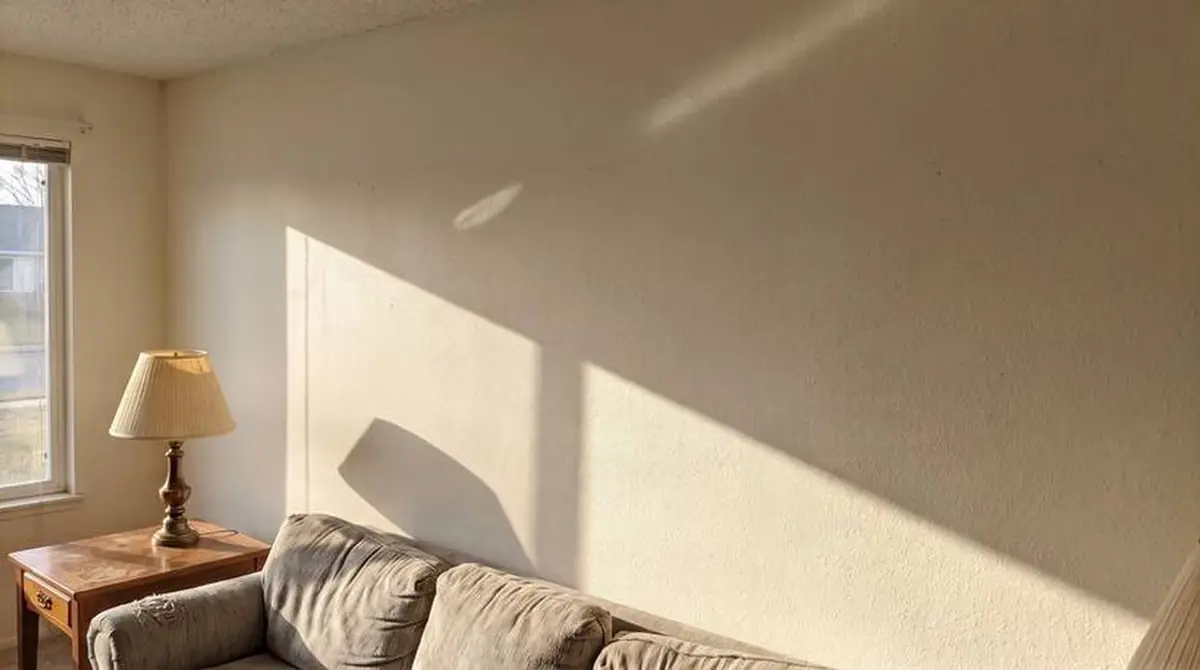 AFTERBEFORE
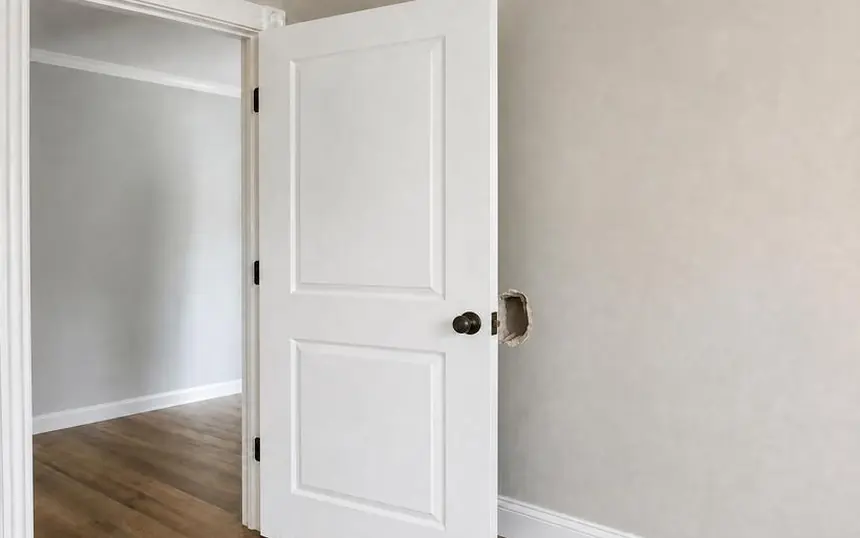
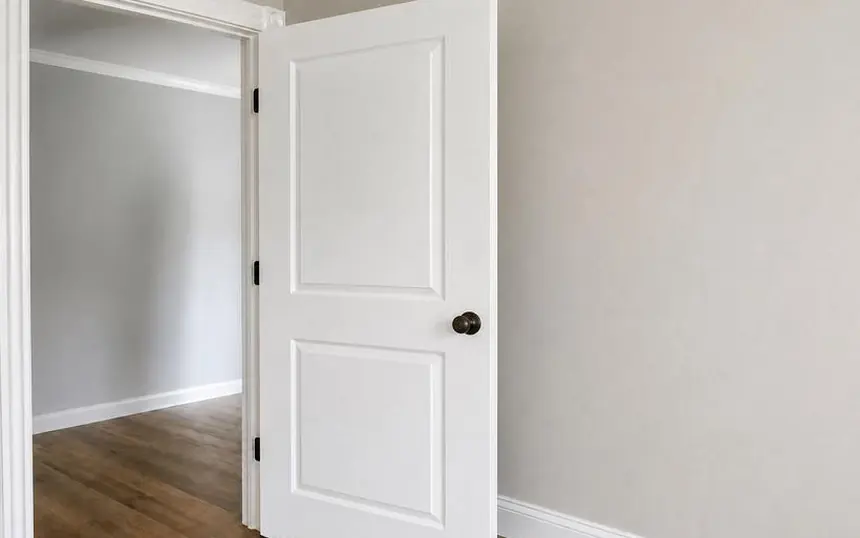
 Hole & Crack Repair
 Water Damage Repair
 Ceiling Repair
 Texture Matching
 Big Patches & Full Sheets
 Nail & Anchor Holes
 Corner Bead & Cracks
 Primed & Ready for Paint
Clay, cold and thin air are the Denver trio, and our technicians know which one your wall is showing. Say the size against your hand on the call and the price is in writing before anyone drives over.

We answer in under three rings and get you priced and scheduled in minutes.

A clear, written quote with upfront pricing. You approve before work begins.

Kaminskiy-certified pros finish the job with a workmanship warranty.
Every drywall repair carries our one-year workmanship warranty, in writing, and is done by a Kaminskiy-certified, background checked technician.
Much of Denver sits on bentonite clay that takes on water in a wet May and gives it back by late summer, so the house rises and settles a little every year and the drywall shows it at the corners of doors and windows, where the sheets were cut. The air at a mile high is dry enough to shrink framing after it is enclosed, which is why nail pops march down a stairwell and why roof trusses arch in a cold, dry attic and lift the ceiling tape off the upstairs walls each winter. Those cracks are taped and feathered so they stay closed; a floating corner or a crown line handles the truss joint. A crack that keeps widening or steps across the wall gets a straight answer about the soil, not another coat of compound.
Capitol Hill, Baker, Curtis Park, Highland and Washington Park are Victorians, Denver Squares and brick bungalows from the 1890s to the 1930s, and behind the paint is lath and plaster: a crack follows the lath, a section goes hollow when the keys break, a corner crumbles. Plaster is patched as plaster, with a bonding agent and a setting compound keyed into the lath, never with a drywall patch screwed in. The ranches of the 1950s to 1970s in Virginia Village, Harvey Park and Montclair carry the first drywall, usually a light orange peel or a skim coat, with ceilings sprayed before 1980 that are tested before anyone sands them. The newer streets in Central Park, Lowry and Green Valley Ranch run a heavier orange peel, knockdown or smooth.
Denver water damage has a calendar. A cold snap in January freezes a supply line in an exterior wall or an unheated crawl, and the burst soaks a finished basement wall from the bottom up. A March thaw after heavy snow backs an ice dam up under the shingles and the stain appears on a top-floor ceiling or at the top of an exterior wall. A summer hail storm opens the roof and the next rain finds the ceiling. The plumber or the roofer fixes the source first, the board dries and reads dry on the meter, then we cut out the stained or soft section and replace it. Dark growth bigger than a dinner plate is a licensed mold remediation company's job before ours.
Denver finishes its basements, and the basement is where the water goes: a frozen supply line, a water heater, a window well that filled in a May storm, a sump that stopped. The drywall there is screwed to furring over concrete and wicks from the bottom, so the damage is a soft band along the floor line that looks small and runs the length of the wall. Once the source is fixed and the slab and framing read dry, the bottom two feet come out as a flood cut, the furring and insulation are checked, new board goes in and the seam is taped and feathered so the line never shows. Carpet and base come off first and go back after; a soaked wall that stays wet is a licensed remediation company's job before ours.
Victorians, Denver Squares and brick bungalows from the 1890s through the 1930s with lath and plaster walls, plaster ceilings and a century of patches in three materials. Plaster cracks along the lath, goes hollow at the keys and crumbles at the corners; radiators and old supply lines leak into the wall below; the March ice dam stains the top-floor ceiling. Plaster is patched as plaster, and a pre-1978 painted surface is handled lead-safe by a certified firm.
Brick and frame ranches from the 1950s through the 1970s with the first drywall in the city: light orange peel on half-inch board, sprayed ceilings from before 1980 that get tested by a licensed lab before anyone disturbs them, nail pops from decades of dry air, and the finished basement that took the burst pipe. Fifty years of patches to match, corner bead dented by furniture, rebuilt with new bead.
Homes from the 1990s on, built on engineered pads over the same clay: settling cracks at the window corners in the first years, truss lift along the upstairs ceiling line every winter, knockdown and smooth finishes, two-story entries over eight feet priced after a look. Association communities keep their schemes; the repair leaves primed for the matching color.
Hold your hand over the damage and tell us: smaller than your hand, bigger than your hand, poster-sized, or a whole sheet. We price it on the call, in writing, in under ten minutes.
Water damage is repaired after the source is fixed. If the stain is still wet we tell you who fixes the leak, and we schedule the drywall for when it is dry.
Backing where it needs it, new board cut to fit, every seam taped, three coats of compound sanded smooth, your texture matched, then primer.
Dust contained and the room left clean. Most patches are finished in one visit; a full sheet may need a short second visit for the final coat, scheduled before we leave.
Denver Community Planning and Development issues building permits under the Denver Building and Fire Code, which is built on the International Residential Code and lists the finish work that needs no permit: painting, papering and similar finishes, and ordinary repairs that do not cut into a wall or a structural member. A drywall or plaster patch, a replaced sheet in an existing wall or a ceiling repair is that kind of work. Opening a new doorway, removing a wall or changing framing is a permit job, and we say so before anyone opens a wall, not after.
Colorado adjusters sort water losses into two piles. The pipe that split in a cold snap and the ice dam that came through the ceiling in March are sudden, and a standard policy usually pays for them, with one question first: was the house kept heated. The drip that ran under the sink all winter is maintenance, and usually it is not paid. So date your photographs of the stain and of the source before the wall is opened, file the plumber's or roofer's bill with them, and let us write the drywall as a line of its own so it stands apart from the trade that fixed the cause. The cause is theirs; the board is ours, and it goes in after the framing reads dry on the meter.
In a house built before 1978 the painted surface may carry lead, and a ceiling sprayed before 1980 may carry asbestos: the painted surface is handled lead-safe by a certified firm, and an older sprayed ceiling is sampled by a licensed lab before anyone scrapes or sands it, with abatement by a licensed contractor if it is needed, all before our patch. The wall and ceiling between the house and an attached garage are fire separation under the residential code, half-inch board on the garage side and five-eighths Type X under a room above, and a full-sheet repair there goes back with the same board.
Can't find your answer? Call 720-735-2996 and ask us anything.
Call 720-735-2996A written price inside ten minutes on the call, a visit within days, and for most patches one visit is the whole job. The exceptions are the ones that need time rather than labor: a basement wall that is still drying, a plaster repair that has to cure between coats, or a whole sheet, each of which gets a second short stop for the last coat, booked before the technician leaves.
Bentonite. The clay under much of Denver swells in a wet spring and shrinks by August, so the house moves and the drywall cracks where the sheets were cut, at the door and window corners. Taped with paper or mesh, three coats and feathered wide, the crack stays closed through the next dry season; caulk alone does not. A crack that widens year on year or steps across the wall is a soils question, and we tell you that instead of patching it twice.
Yes. Dry air shrinks the framing and pushes the nail heads out; we drive a drywall screw beside each pop, set the old nail, fill, feather and texture. A row of them down a stairwell counts as one room of nail and anchor holes on the menu.
The plumber fixes the pipe, the wall dries and reads dry on the meter, then we cut out the soft board, check the framing behind it, hang new drywall, tape, three coats, texture and prime. Patched wet, the stain and the softness come back; patched dry, it is gone.
Yes. Plaster is patched with a bonding agent and a setting compound keyed into the lath, then finished to the skim or sand finish around it. A drywall patch screwed into plaster is the repair that fails, and we do not do that one. A painted surface in a home that old is handled lead-safe by a certified firm.
How much wall, how wet, what it is made of and how high. A card-sized hole, a poster-sized section and a whole sheet are three different prices; a wall that took water adds the cutting back; plaster is slower than drywall; a vaulted ceiling or a two-story entry needs scaffolding that an eight-foot wall does not. Give us those four on the call and the number is in writing before the visit is booked.
Not for a patch, a replaced sheet in an existing wall or a ceiling repair: the Denver Building and Fire Code treats painting and similar finish work and ordinary repairs as permit-free. A new opening, a removed wall or a framing change is a permit job and we say so first.
All of Denver, Capitol Hill, Washington Park, Highland, Park Hill, Congress Park, Montclair, Virginia Village and Central Park, plus Lakewood, Aurora, Englewood, Littleton, Arvada, Wheat Ridge and Westminster. Call 720-735-2996 to confirm your address.
Tell us what the wall or ceiling looks like, or text us a photo. We'll call you back with a price and a time. Calling is still the fastest way: 720-735-2996.
Priced in writing before we start. Kaminskiy-certified technicians. A one-year workmanship warranty on every job.
We answer in under three rings, 24/7.No price games. You get a clear written quote before any work begins, backed by our workmanship warranty.