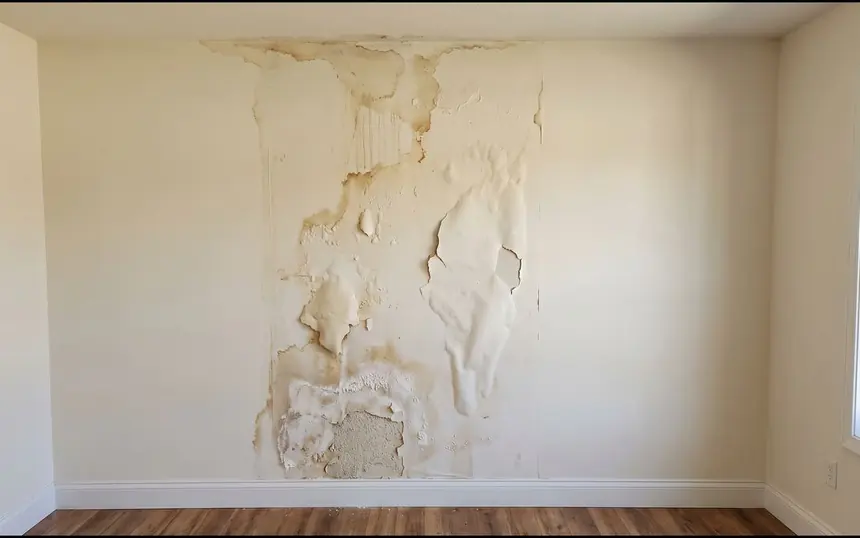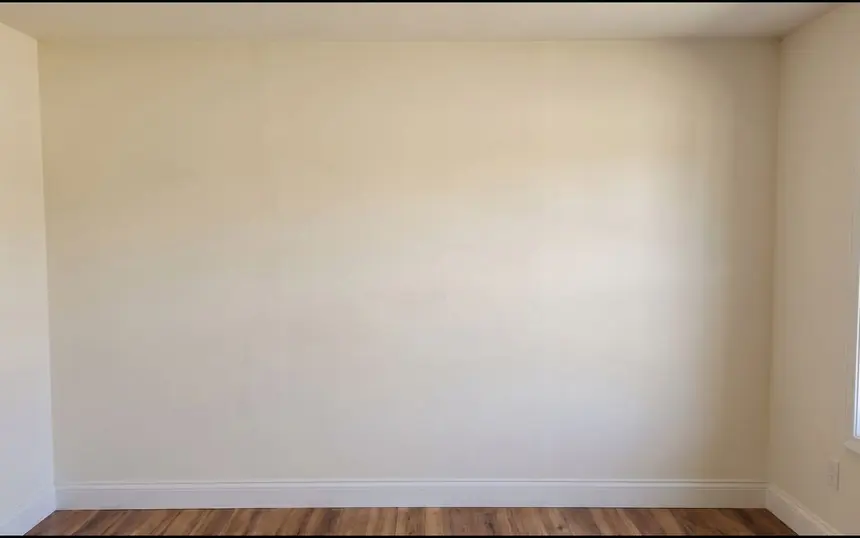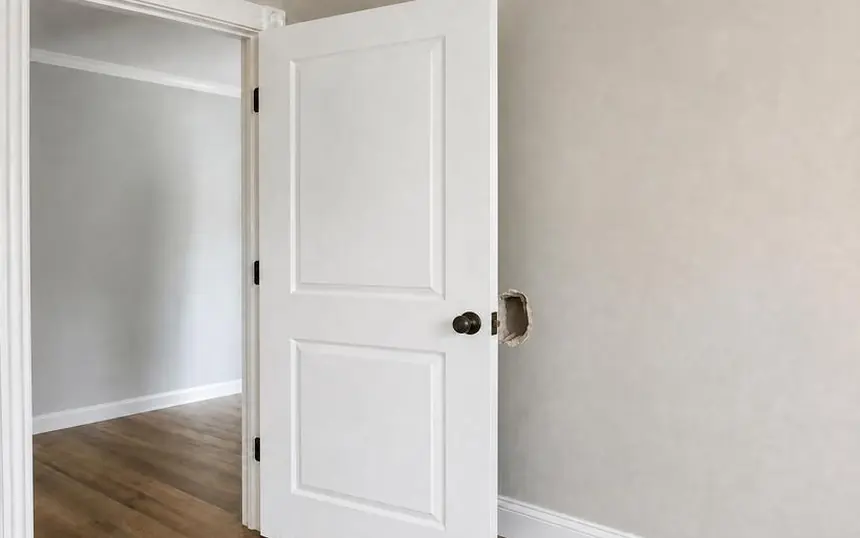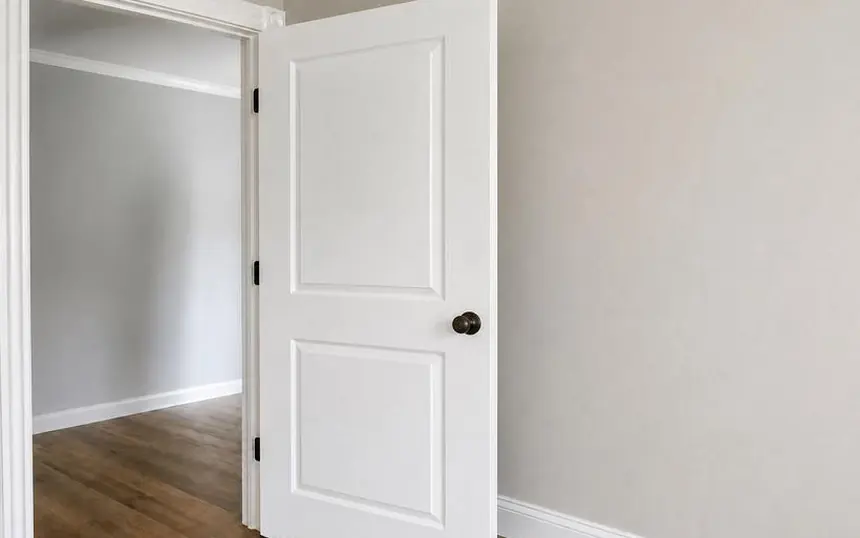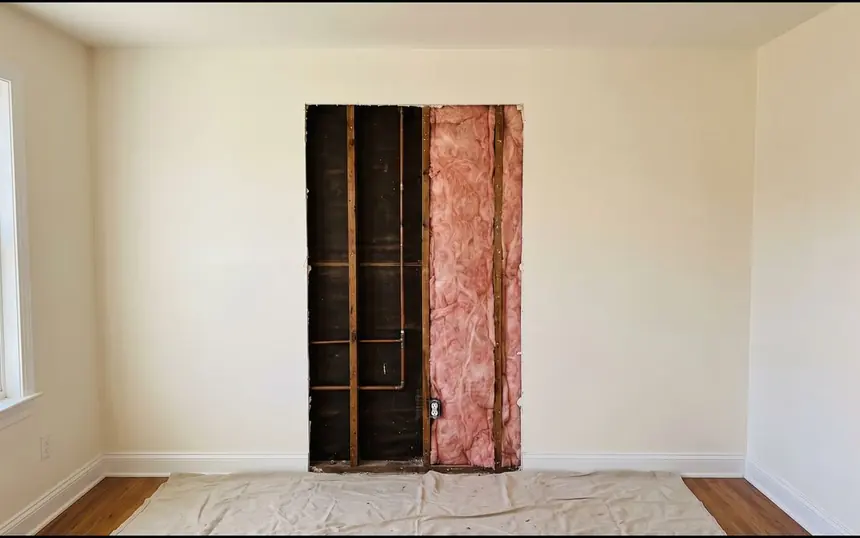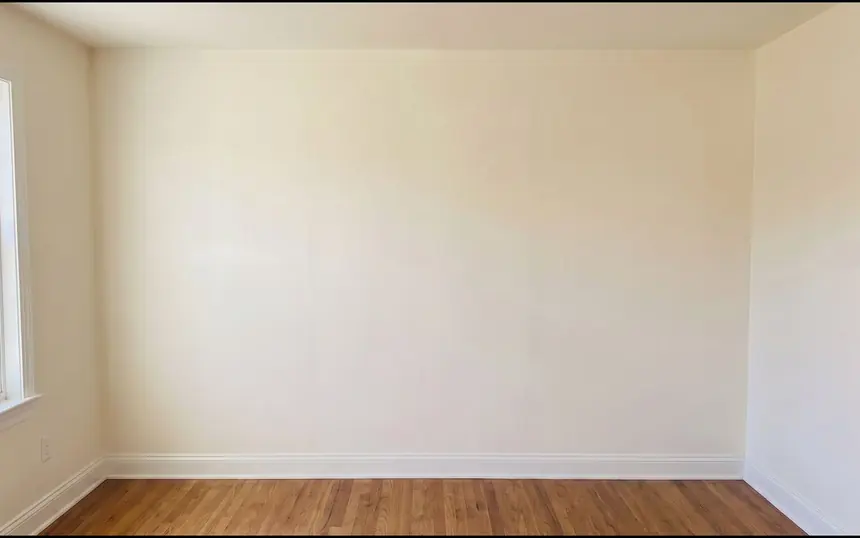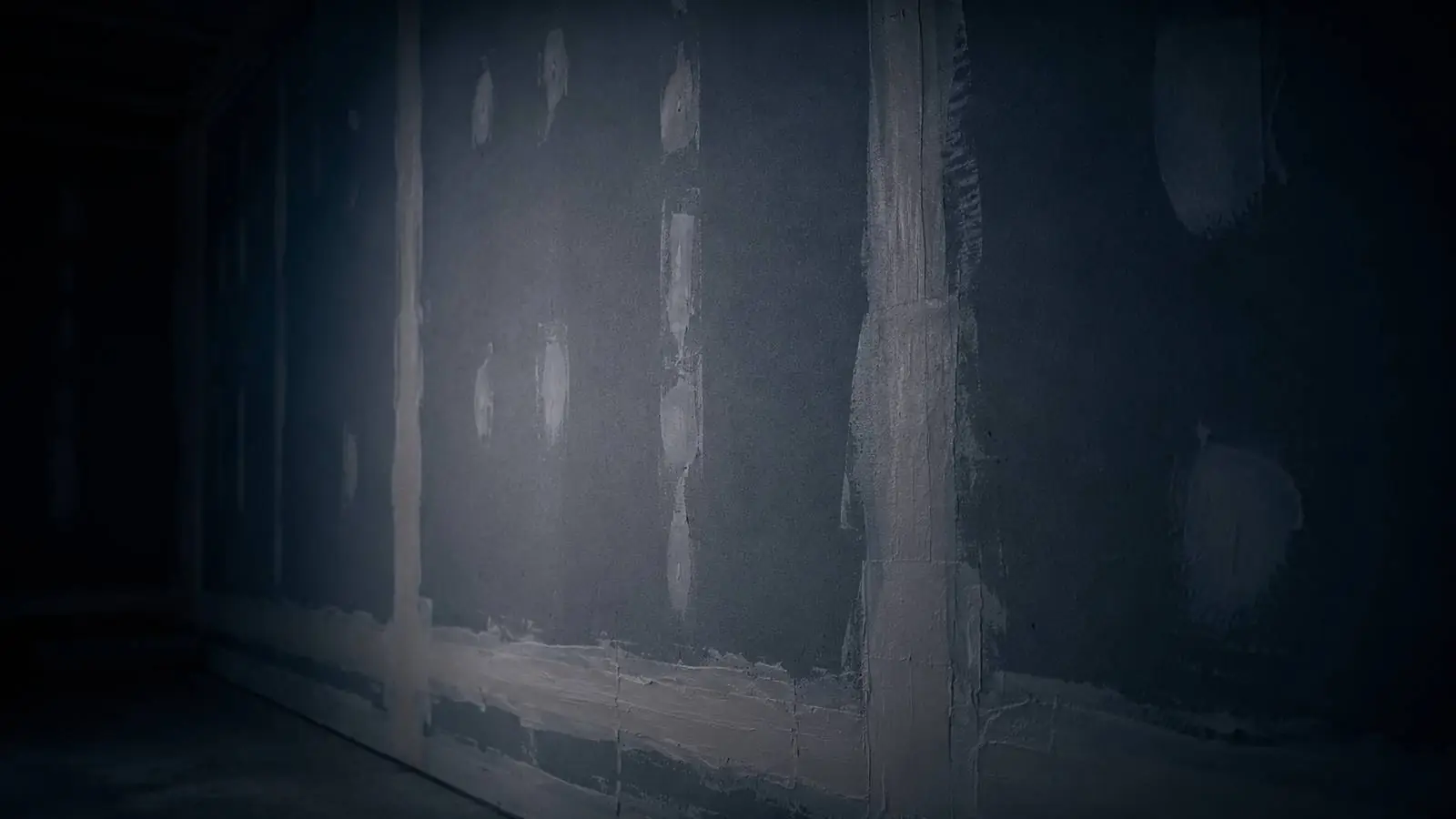
The flood cut after the water goes down, the humidity stain, the crack the gumbo clay opened, the knob hole: patched, textured and primed once the wall is dry. Priced in writing on the call.
 BBBAccredited Business
Kaminskiy Care and Repair patches, finishes and texture matches drywall in Houston homes, where the wall usually got wet first: the flood cut along the bottom of a Meyerland living room after the water went down, the ceiling under a Memorial two-story bath, the stain where the AC condensate line backed up in a Spring Branch attic, the crack a dry summer in the gumbo clay opened off a Kingwood window corner, the knob hole and the anchor holes in a Montrose rental. The board is dried and metered before anything goes back, every seam is taped, three coats, the texture matched and primer. The price is in writing on the call, and most patches are finished in one visit.
 Eight repairs, one crew, priced in writing before we start.
Houston walls fail wet. Fifty inches of rain a year, humidity that never leaves, a bayou that comes up the street every few years and an attic air handler sweating over the ceiling: the drywall swells, stains and goes soft before it ever cracks. The order of work is fixed. The water source is stopped, the board dries and reads dry on the meter, the soft section comes out, then new board, tape, three coats and the matched texture. The crack over the door from a dry summer in the clay gets the same taping and feathering as anywhere else.
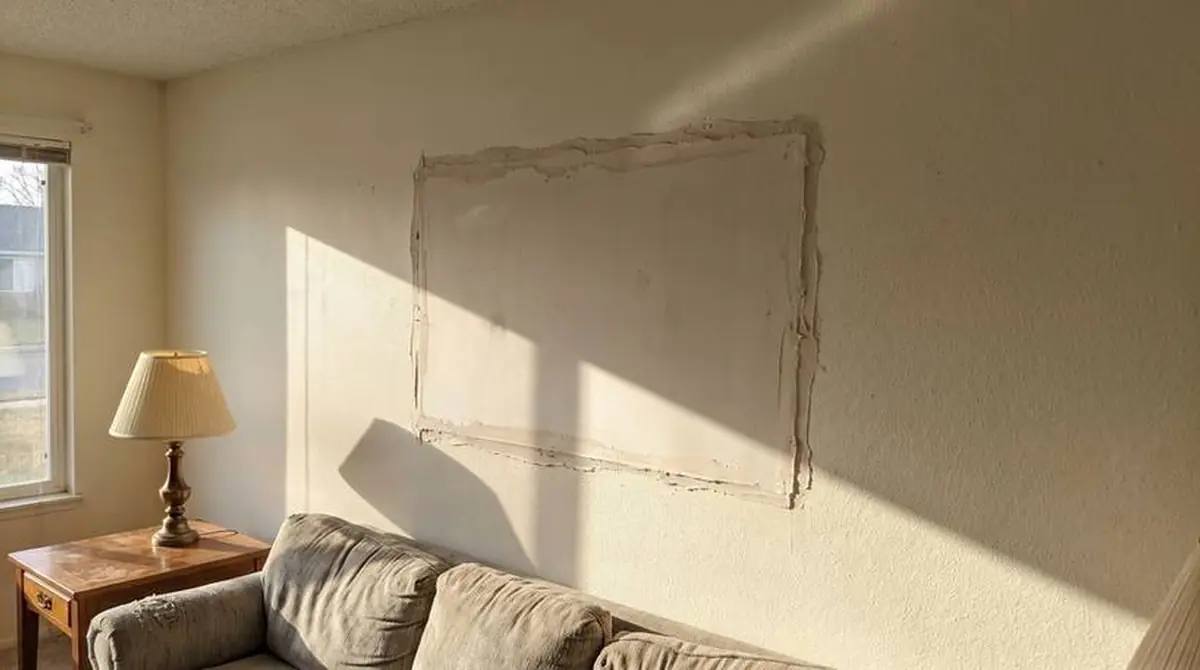
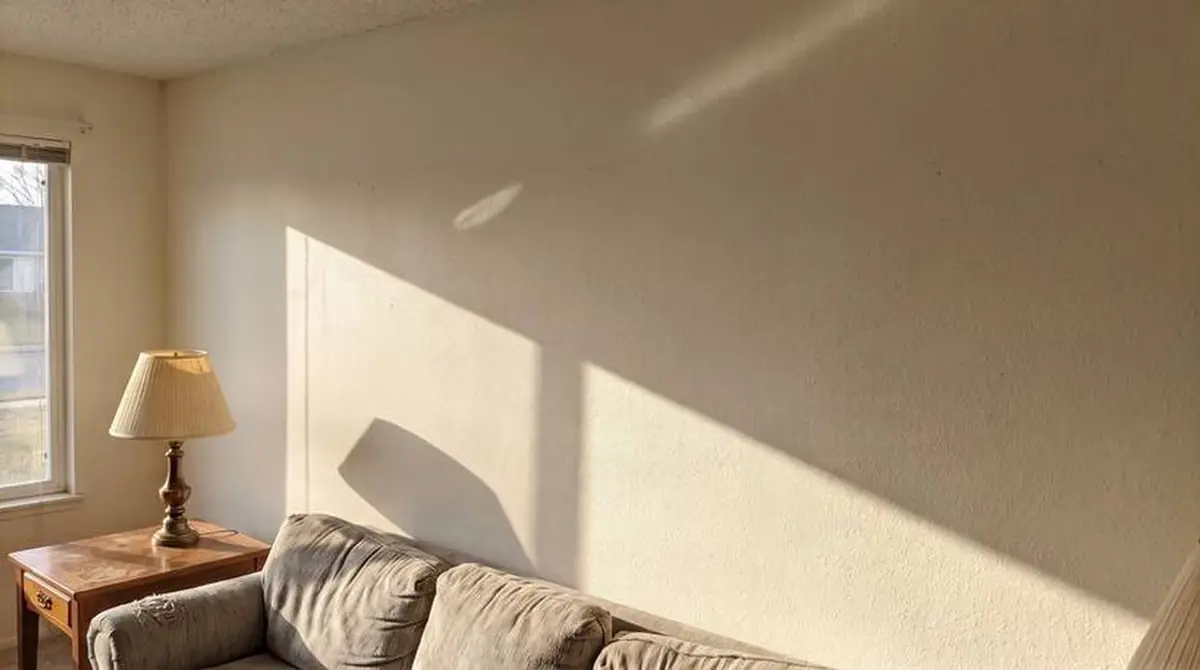 AFTERBEFORE
 Hole & Crack Repair
 Water Damage Repair
 Ceiling Repair
 Texture Matching
 Big Patches & Full Sheets
 Nail & Anchor Holes
 Corner Bead & Cracks
 Primed & Ready for Paint
Wet or dry, our Houston technicians size each of these on the call: smaller than your hand, poster-sized, a whole sheet or a flood cut by the foot, and whether it has had time to dry. The price is in writing before anyone drives out.

Priced and on the calendar during the first call.

A written quote you approve before anyone drives out.

One crew, truck stocked, warranty in writing.
A one-year workmanship warranty, in writing, on every Houston drywall repair.
When water has stood in a room, the drywall wicks it a foot or more above the waterline. The repair is the flood cut: the board is cut in a straight line a set height above the highest stain, the wet half comes out with the wet insulation behind it, the studs and the cavity dry with air movement and dehumidification until a meter says so, and only then does new board go in, taped and finished to the line. Mildew spots on dry board we cut out; a cavity that smells, or growth beyond a small dry spot, is a licensed mold remediation company's job before ours, and Houston has plenty of them.
The quieter water story is the air conditioner. The air handler in the attic sweats, its condensate line clogs or its drain pan rusts through, and a ring appears on the ceiling below every August. Exterior walls in an older house without a vapor barrier sweat too, and the board behind a headboard or a dresser on that wall spots and softens. The HVAC company or the plumber fixes the source, the board dries, then we replace the stained section and match the texture. Painting over the ring without fixing the drain buys about a month.
Houston sits on expansive clay, the black gumbo that swells in a wet spring and shrinks hard in a drought summer, and a slab-on-grade house moves with it. The drywall shows a diagonal crack off a door or window corner and a door that rubs by August. Taped with paper and feathered wide, it stays closed. A crack that widens every year, a stair-step crack in the brick outside or doors that stop latching are a foundation question, and we say so before any compound goes on.
The Heights, Montrose and Woodland Heights bungalows from the 1910s through the 1940s often carry plaster or shiplap under the drywall, and plaster is patched as plaster. The 1950s to 1970s ranches of Memorial, Meyerland and Spring Branch carry orange peel on the first drywall and sprayed ceilings that get tested by a licensed lab before anyone sands them. Katy, Cypress, Kingwood and the master-planned communities run knockdown and orange peel, matched on a test board first and sprayed with the hopper so the repair vanishes under the HOA color.
Bungalows from the 1910s through the 1940s on pier-and-beam with plaster or shiplap behind the drywall, many in historic districts, and the rental stock that turns over with the students and the medical center shifts. The damage is the plaster crack along the lath, the humidity spots on an exterior wall without a vapor barrier, the knob hole and the move-out wall. Plaster patched as plaster, the pre-1978 paint handled lead-safe under the EPA RRP rule, the sprayed ceiling tested by a licensed lab first.
Brick ranches and two-stories from the 1950s through the 1980s on slabs over gumbo clay, orange peel inside, the air handler in the attic. Meyerland and Braeswood know the flood cut from Brays Bayou; the rest know the attic condensate ring, the bath over the kitchen and the crack off a window corner in a drought summer. Dried and metered first, then new board, matched texture and primer.
Two-story homes from the 1990s through the 2020s with knockdown and orange peel, two-story entries over eight feet priced after a look, second-floor laundries over the family room, and association standards on the outside that never reach the drywall. Kingwood and Katy remember Harvey; the flood cut and the drying come first, the board after. The HOA color goes on over a primed, matched repair.
Hold your hand over the damage and tell us: smaller than your hand, bigger than your hand, poster-sized, or a whole sheet. We price it on the call, in writing, in under ten minutes.
Water damage is repaired after the source is fixed. If the stain is still wet we tell you who fixes the leak, and we schedule the drywall for when it is dry.
Backing where it needs it, new board cut to fit, every seam taped, three coats of compound sanded smooth, your texture matched, then primer.
Dust contained and the room left clean. Most patches are finished in one visit; a full sheet may need a short second visit for the final coat, scheduled before we leave.
Houston's amended residential code lists the work that needs no permit, and a repair to gypsum board on an existing wall that is not part of a fire-rated assembly, up to a hundred square feet in all, is on it, with painting and similar finish work; a patch, a replaced sheet or a ceiling repair is that. A full sheet on the wall to the garage, a bigger flood cut, a new opening or a removed wall is a permit question, and a house in the mapped floodplain goes through the Floodplain Management Office on any project under Chapter 19 of the city code; after a flood, repairs that reach the city's substantial-damage threshold against the home's value can mean elevating the house. We raise all of that before anyone opens a wall, never after.
The Texas Department of Insurance says most home policies cover sudden and accidental water damage, a burst pipe or a broken washer hose, and generally not gradual leaks or seepage; and no home policy covers a flood, which is what the separate flood policy is for. Hidden water damage usually must be reported within days of finding it, so photograph the waterline, the ceiling and the source that day, make the temporary repair and keep the receipt, and hold the permanent repair until the adjuster has looked. We write the drywall scope on its own line so it reads cleanly beside the plumber's and the drying company's.
A Heights or Montrose bungalow built before 1978 may carry lead in its paint, and the painted surface is handled lead-safe under the EPA RRP rule; a ceiling sprayed before 1980 may carry asbestos and is sampled by a licensed lab before anyone scrapes it, with abatement by a licensed contractor if it is needed, before our patch. Drying a flooded house, mold work and fixing the leak or the roof are the licensed trades' work in Houston, and we come after them: a small dry spot we cut out, and anything more we send to a licensed mold remediation company and say so on the call.
Reviewed by Sergei Kaminskiy, founder, November 7, 2026.
Can't find your answer? Call 409-254-4644 and ask us anything.
Call 409-254-4644A dry patch is priced in writing on the call and usually done within days, most in one visit. A wet wall waits for the meter: the drying comes first, then the board, and we schedule the repair for the day the cavity reads dry rather than guess.
A flood cut. The board is cut in a straight line above the highest stain, the wet half and the wet insulation come out, the cavity dries with air movement until a meter says so, then new board goes in, taped and finished to the line and textured. The drying and any mold work are a licensed remediation company's job before ours, and we tell you when the wall is ready for us.
In Houston it is usually the air handler: a clogged condensate line or a rusted drain pan dripping onto the ceiling below. The HVAC company clears the drain, the ceiling dries, then we replace the stained section, match the texture and prime it. Painting the ring without fixing the drain lasts about a month.
Yes. Most of Katy, Cypress, Kingwood and the newer suburbs carry knockdown, which is sprayed, left the right number of minutes in Houston humidity, and knocked down with the same width of knife the original finisher used. Our technicians test it on a scrap board against your wall first, every time.
Yes, gladly. One hole, one crack, one stained corner is a welcome call, and a room of nail and anchor holes after a lease is a menu item of its own. The job everyone thinks is too small is the one we are set up for.
Size, water, texture and height, and in Houston water most of all: a dry patch smaller than your hand is one price, a flood cut by the foot of wall is another, and a sagging ceiling is priced after a look. Say which on the call and the price is in writing before anything is scheduled.
Not for a patch or a replaced sheet in an ordinary wall: Houston's exempt list covers gypsum board repair on an existing wall up to a hundred square feet and similar finish work. A repair on the fire-rated garage wall, a big flood cut, a new opening or a house in the floodplain is a permit question we raise first.
All of Houston, the Heights, Montrose, Memorial, Spring Branch, Meyerland, Kingwood, Clear Lake and Bellaire, plus Pearland, Sugar Land, Katy, Cypress, Pasadena and The Woodlands. Call 409-254-4644 to confirm your address.
Describe the wall or ceiling, or text a photo, and we call back with a written price and a time. Calling is still faster: 409-254-4644.
Priced in writing before we start, matched to the wall, warranted in writing.
We answer in under three rings, 24/7.No price games. You get a clear written quote before any work begins, backed by our workmanship warranty.