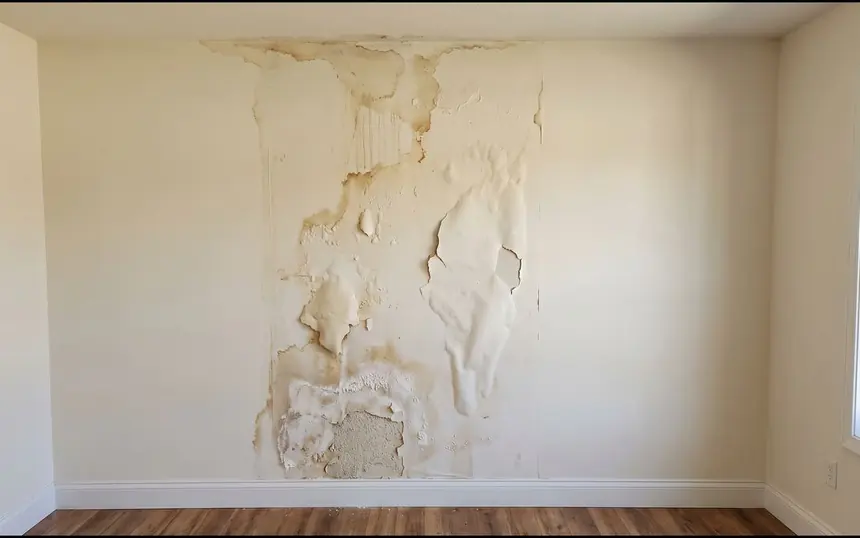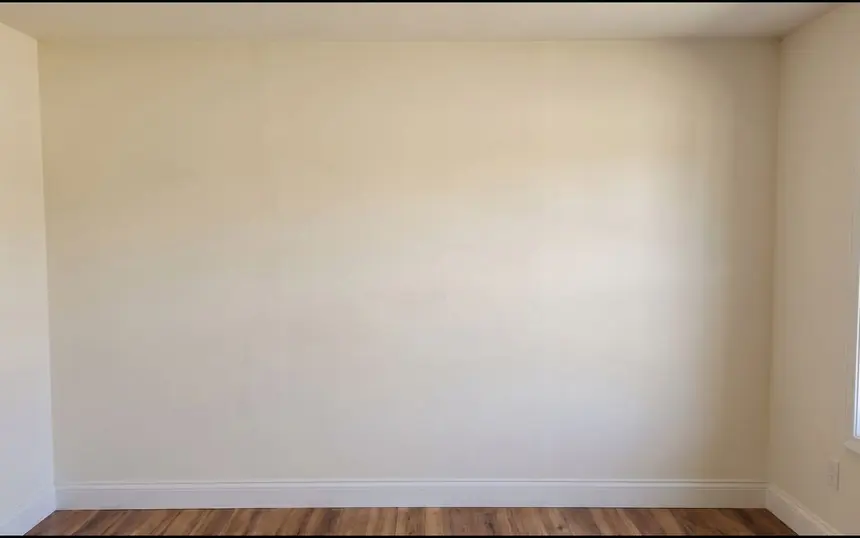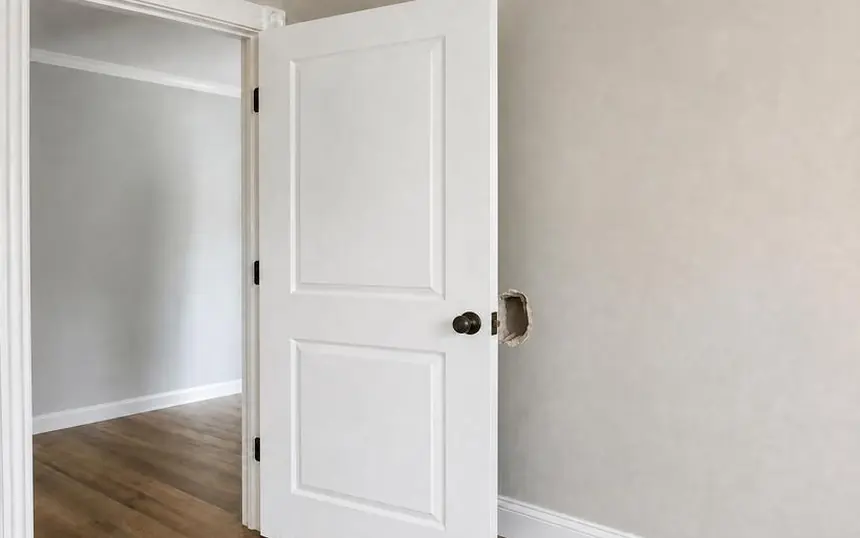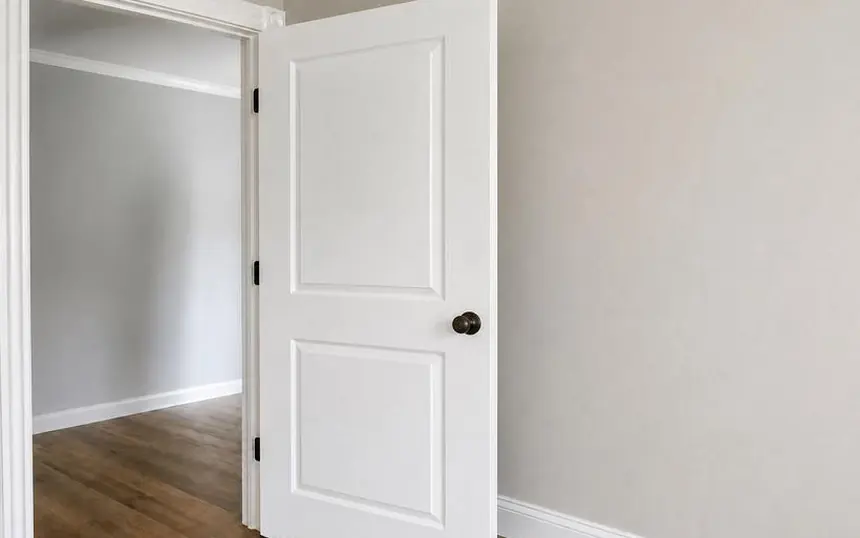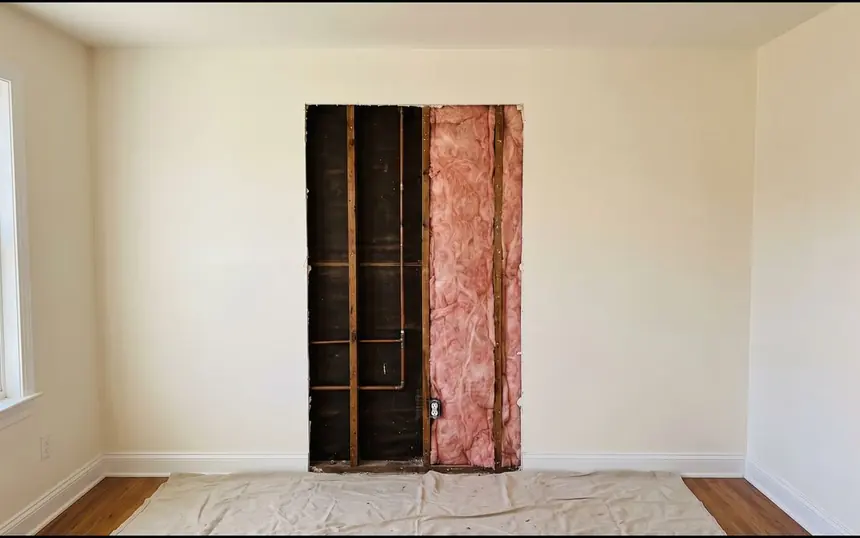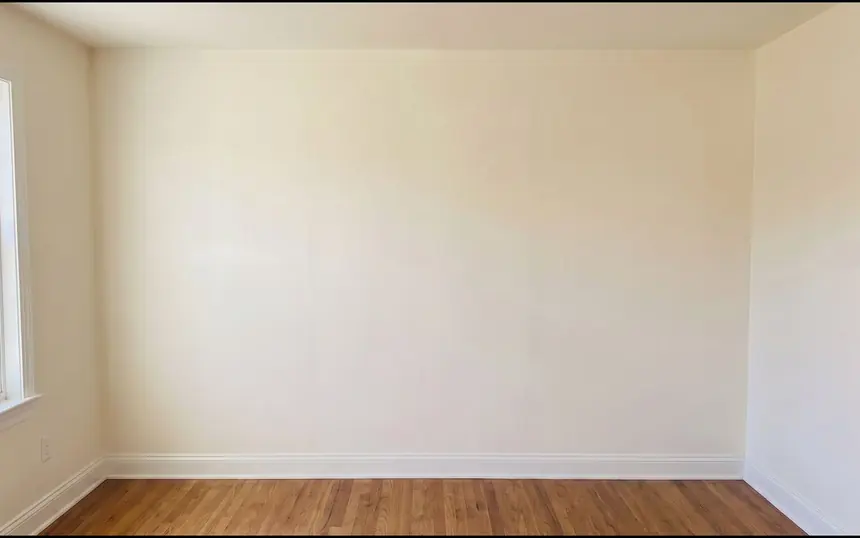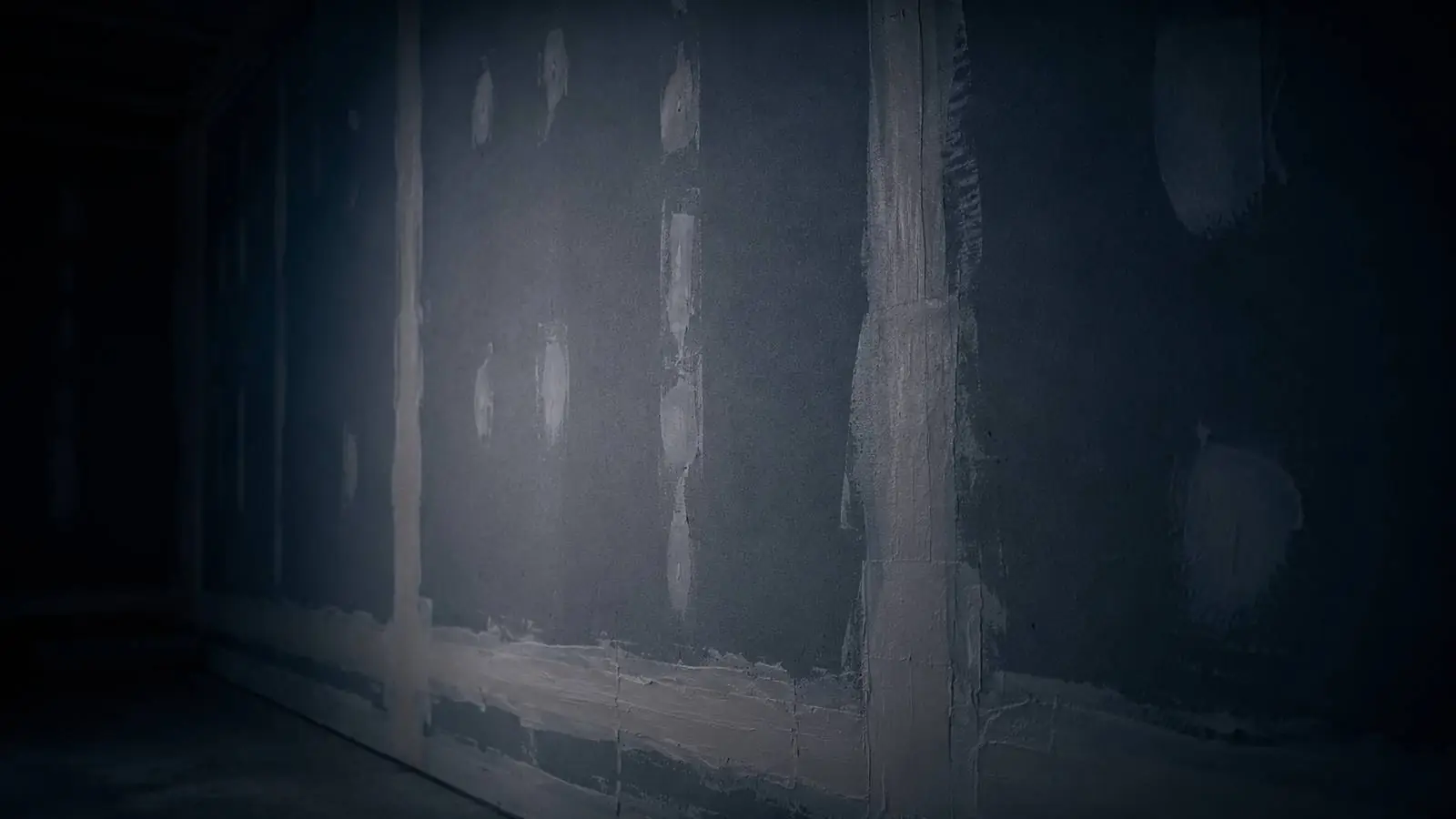
The damp lower wall over the crawl space, the ceiling under the attic unit, the storm stain, the knob hole in the rental and the plaster in the East Side bungalow, patched, matched and primed. Priced in writing on the call.
 BBBAccredited Business
Kaminskiy Care and Repair patches, finishes and texture matches walls and ceilings in Nashville homes, where the house sits over a crawl space and the summer air is wet enough to wring out. The bungalows and cottages of East Nashville, Sylvan Park and 12 South are plaster on lath over a vented crawl that keeps the bottom of a wall damp from May to September; the brick ranches of Green Hills, Donelson and Crieve Hall carry the first drywall, sprayed ceilings from before 1980 and an air handler in the attic that sweats onto the hallway ceiling every July; the hillside subdivisions from Antioch to Mt. Juliet are two-story homes with the baths over the family room and an association. Add the spring thunderstorm that lifted a shingle, the rare December freeze that split a supply line in an outside wall, and the short-term rental near Germantown with a knob hole after every third guest. Each wall is repaired in the material it was built in, finished to match and primed. Water waits for the plumber, the roofer or the HVAC technician and a dry meter reading. The price is in writing on the call and most patches are finished in one visit.
 Eight repairs, one crew, priced in writing before we start.
Nashville drywall gets wet from the ground and from the attic more than from a pipe: crawl-space air softens the lower wall, the attic unit drips on the ceiling, and a storm finds the roof. We dry it, replace what is soft, match the orange peel or the smooth finish, patch the plaster in the old bungalows as plaster, and tell you plainly when the crawl space or the attic needs its own fix before any patch will last.
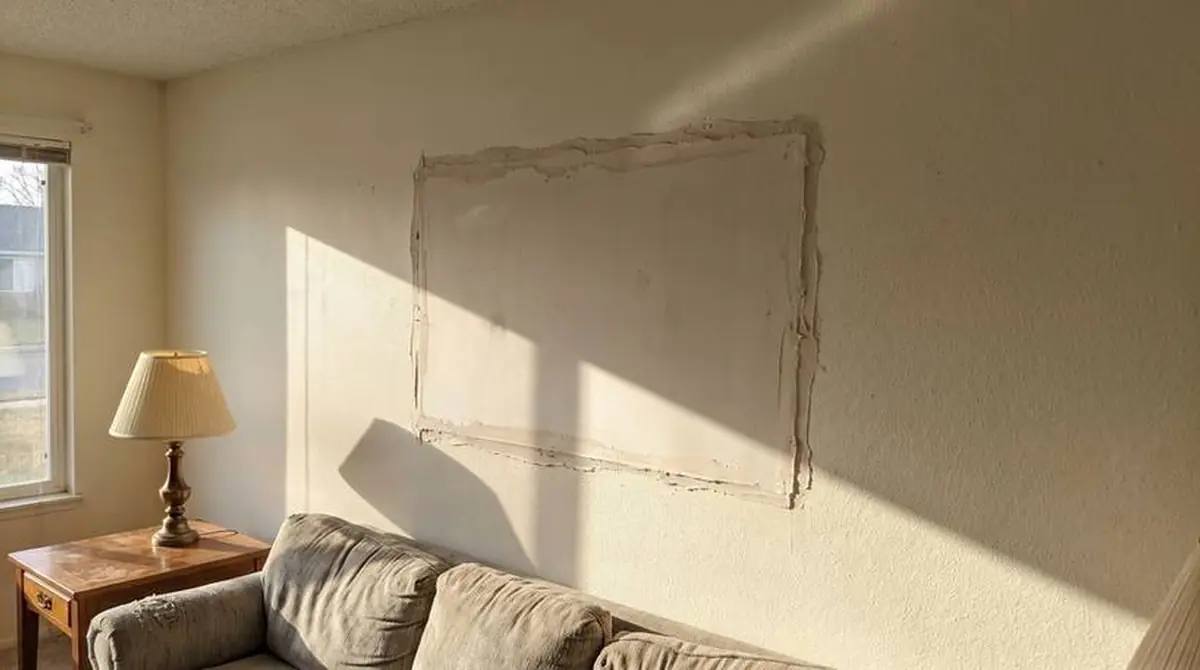
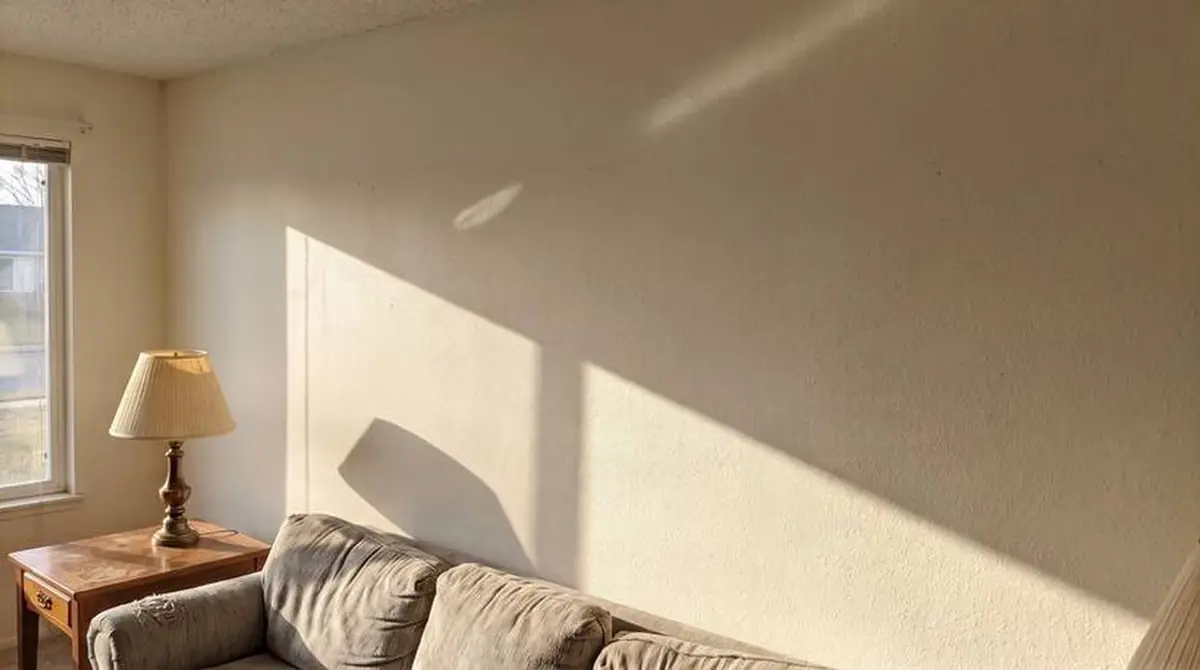 AFTERBEFORE
 Hole & Crack Repair
 Water Damage Repair
 Ceiling Repair
 Texture Matching
 Big Patches & Full Sheets
 Nail & Anchor Holes
 Corner Bead & Cracks
 Primed & Ready for Paint
Crawl spaces, attic units and old plaster are Nashville problems and our technicians know all three. Hold your hand over the damage and say which size it is on the call; the price is in writing before anyone drives over.

Priced and on the calendar during the first call.

A written quote you approve before anyone drives out.

One crew, truck stocked, warranty in writing.
A one-year workmanship warranty, in writing, on every Nashville drywall repair.
Most Nashville houses built before the 1990s sit over a vented crawl space, and from May to September the crawl breathes humid air up through the floor and into the bottom of the exterior walls. The paper face of the drywall softens, the paint peels in a band a foot off the floor, the base trim stains, and a patch put on while the crawl is still wet softens again by the next summer. The crawl space is sealed, dried or conditioned first by the crawl-space contractor, the wall dries and reads dry on the meter, then the soft band comes out as a flood cut and new board goes in with the seam taped and feathered so the line never shows.
Knock on the wall and Nashville tells you its age. Dense and solid in a Lockeland Springs or Sylvan Park bungalow is lath and plaster from the 1890s to the 1930s, repaired by cutting back the loose edge, bonding and keying a setting compound into the lath, and matching the sand or skim finish; a drywall patch screwed into it is the one that lets go. Hollow and papery with a light orange peel in a Crieve Hall or Donelson ranch is the 1950s to 1980s board, under a ceiling that was sprayed before 1980 and gets a licensed lab's test before any sanding. Knockdown or smooth in a two-story in Antioch or Bellevue is the 1990s and later, where the hard part is matching the knockdown on a test board so the repair disappears under the association's color.
Nashville water comes from three places. The air handler in an unconditioned attic sweats in the July humidity, or its condensate line clogs, and the drip finds the hallway ceiling below. A spring or summer thunderstorm lifts a shingle or backs up a gutter and the stain appears a week later. Once every few winters a hard freeze splits a supply line in an outside wall or a crawl space and the wall is soaked by morning. The HVAC technician, the roofer or the plumber fixes the source first, the board dries and reads dry on the meter, then we cut out the stained or soft section and replace it. Dark growth bigger than a dinner plate is a licensed mold remediation company's job before ours, and we say so on the call.
Germantown, East Nashville and the streets near Broadway turn over every weekend, and the walls show it: a knob hole where there is no door stop, a dented corner bead at the bottom of the stairs, a suitcase gouge in the hallway, anchor holes where the last host's art came down. Up to fifteen nail and anchor holes in a room is one menu item, the knob hole and the corner are priced by size on the same call, and a door stop goes on while we are there so the next guest does not make the same hole. The room is patched, textured and primed between one booking and the next.
Bungalows, cottages and Victorians of the 1890s to 1930s with lath and plaster walls, plaster ceilings, a vented crawl space keeping the lower wall damp through the summer, and the short-term rentals that turn over every weekend. The plaster lets go along the lath and at the corners, the lower wall softens over the crawl, and the rental hallway collects a knob hole a season. Plaster repaired as plaster, the crawl named as the cause, the surface handled lead-safe by a certified firm in anything painted before 1978.
Ranches and split-levels of the 1950s to 1980s under big trees: light orange peel on half-inch board, a sprayed ceiling that a licensed lab tests before anyone disturbs it, the attic unit dripping on the hallway ceiling every July, the gutter the leaves plugged, the den added in the 1970s whose drywall meets the original plaster at a crack that reopens every winter. Two generations of patches blended into one finish.
Two-story homes from the 1990s on with the baths over the family room and the air handler in the attic: truss lift along the upstairs ceiling line in a dry January, settling cracks at the window corners on a cut-and-fill hillside lot, knockdown and smooth finishes, two-story foyers over eight feet priced after a look, and an association that keeps the outside color. Interior repairs need no approval; the repair leaves primed for the matching color.
Hold your hand over the damage and tell us: smaller than your hand, bigger than your hand, poster-sized, or a whole sheet. We price it on the call, in writing, in under ten minutes.
Water damage is repaired after the source is fixed. If the stain is still wet we tell you who fixes the leak, and we schedule the drywall for when it is dry.
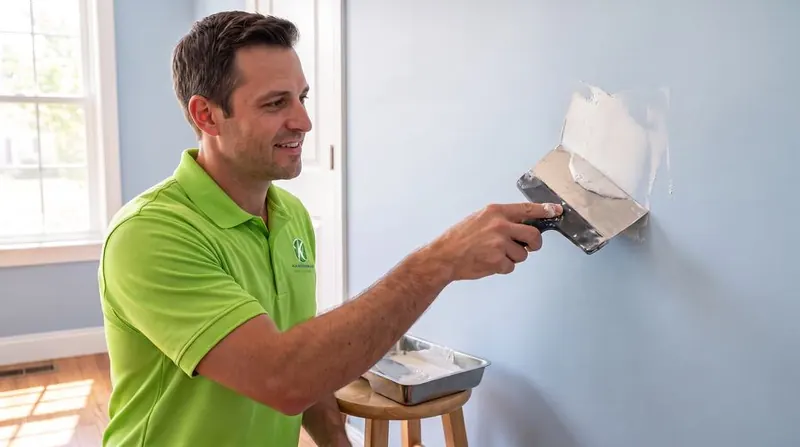
Backing where it needs it, new board cut to fit, every seam taped, three coats of compound sanded smooth, your texture matched, then primer.
Dust contained and the room left clean. Most patches are finished in one visit; a full sheet may need a short second visit for the final coat, scheduled before we leave.
Metro Nashville Codes publishes a list of which residential projects need a permit, and painting, inside or out, does not; the residential code Metro adopts lists papering, tiling and similar finish work and ordinary repairs the same way, and a plaster or drywall patch, a replaced sheet in an existing wall or a ceiling repair is that work. Replacing a structural element, a joist, a rafter or a stud, is on the permit side of the list. After a flood or a storm that opened the framing, Metro asks for a permit and a framing inspection before new drywall goes up, and we say so before anyone hangs a sheet.
A storm that opened the roof or a line that split in a freeze is a sudden loss and is usually covered; the air handler that has been dripping since June or the crawl-space damp that rises every summer usually is not, and the adjuster asks when it started. Photograph the stain and the source the day you find them, keep the HVAC, roofer or plumber invoice, and we write the plaster or drywall scope as its own line so it reads cleanly beside theirs. We do not touch the unit, the roof or the pipe; new board goes in only after the meter says the framing is dry.
A ceiling sprayed before 1980 in a Green Hills or Donelson ranch may carry asbestos and is sampled by a licensed lab before anyone scrapes it, with abatement by a licensed contractor if needed, before our patch; a painted surface from before 1978 is handled lead-safe by a certified firm. In a condominium the Tennessee Condominium Act and the declaration decide whether the association or the owner upstairs pays for the ceiling below; we repair your side and write the scope separately. In a historic or conservation overlay the interior is yours; anything that touches the street face is reviewed first.
Can't find your answer? Call 615-471-6410 and ask us anything.
Call 615-471-6410The written price comes back on the call in minutes and the visit is booked from there. Most patches are finished in one visit. A plaster repair, a whole sheet or a wall that has to dry out after the crawl space is fixed gets a short second stop for the last coat, with the date set before our technician leaves.
Crawl-space humidity. The vented crawl under most older Nashville houses breathes wet air into the bottom of the exterior walls all summer, and the drywall paper softens and the paint lets go. The crawl is sealed or conditioned first, the wall dries and reads dry on the meter, then the soft band comes out and new board goes in. Patched while the crawl is still wet, it peels again by August.
In July, usually the air handler: the unit or its ductwork sweats in the attic humidity, or the condensate line clogs, and the drip lands on the hallway ceiling. An HVAC technician fixes the drain or the insulation, the ceiling dries, then we replace the stained section, tape, three coats, texture and prime. After a storm, the roofer looks first.
Yes, between bookings. The knob hole, the dented corner, the suitcase gouge and the anchor holes are patched, textured and primed in one visit for most rooms, up to fifteen nail and anchor holes in a room is one menu item, and we fit a door stop while we are there so the next guest does not make the same hole.
Not for us. Lath and plaster is a different repair, not a harder one: the loose edge is cut back, a bonding agent goes on, a setting compound is keyed into the lath and the sand or skim finish is matched. What fails is a drywall patch screwed into a plaster wall, so we do not do that one. Paint in a house that age is handled lead-safe by a certified firm.
Once a licensed lab has sampled it, yes. A ceiling sprayed before 1980 may carry asbestos, so nobody scrapes or sands it until the test comes back; if abatement is needed a licensed contractor does that first, and then our technician replaces the stained section, finishes and primes it.
By what you can tell us on the call: hand-sized, poster-sized or a whole sheet; dry, storm-wet or crawl-space damp; plaster, orange peel, knockdown or smooth; eight feet or a two-story foyer. Those answers produce a written price in minutes, and nothing is scheduled until you have it.
All of Nashville, East Nashville, Germantown, 12 South, Sylvan Park, Green Hills, Donelson, Bellevue and Antioch, plus Brentwood, Franklin, Hendersonville, Mt. Juliet, Goodlettsville and Nolensville. Call 615-471-6410 to confirm your address.
Describe the wall or ceiling, or text a photo, and we call back with a written price and a time. Calling is still faster: 615-471-6410.
Priced in writing before we start, matched to the wall, warranted in writing.
We answer in under three rings, 24/7.No price games. You get a clear written quote before any work begins, backed by our workmanship warranty.