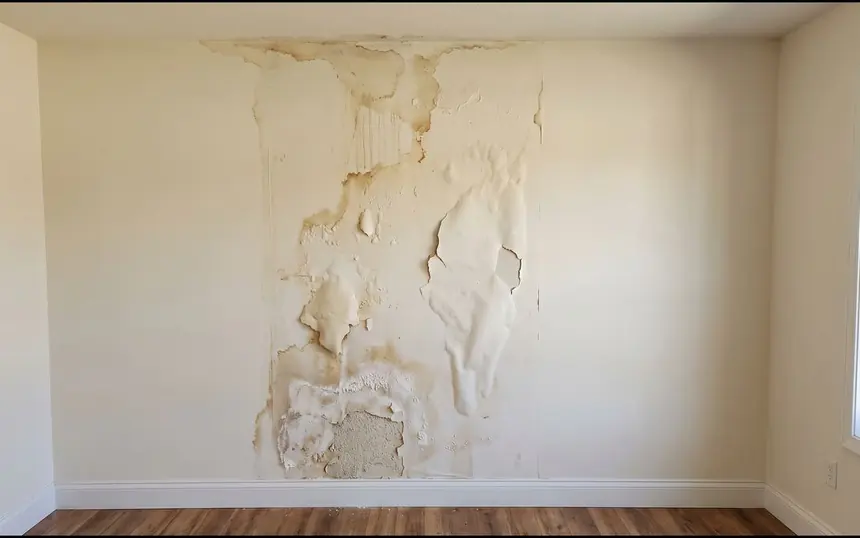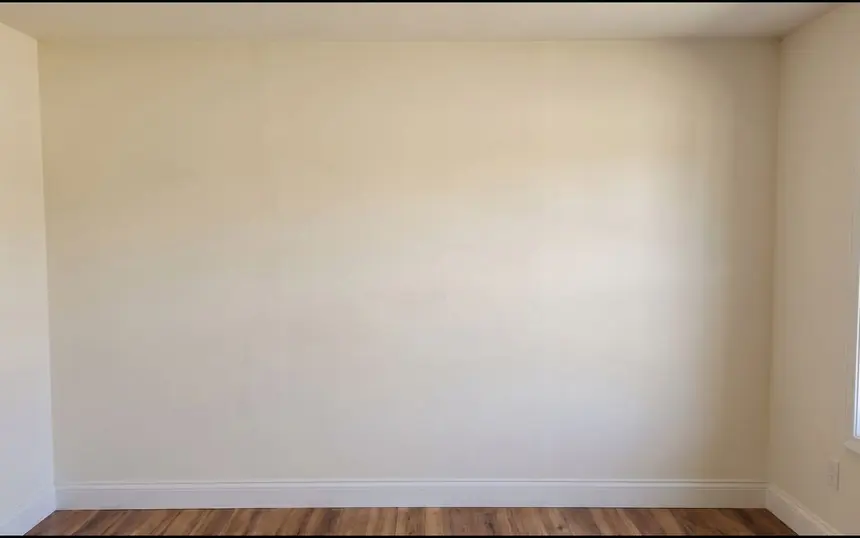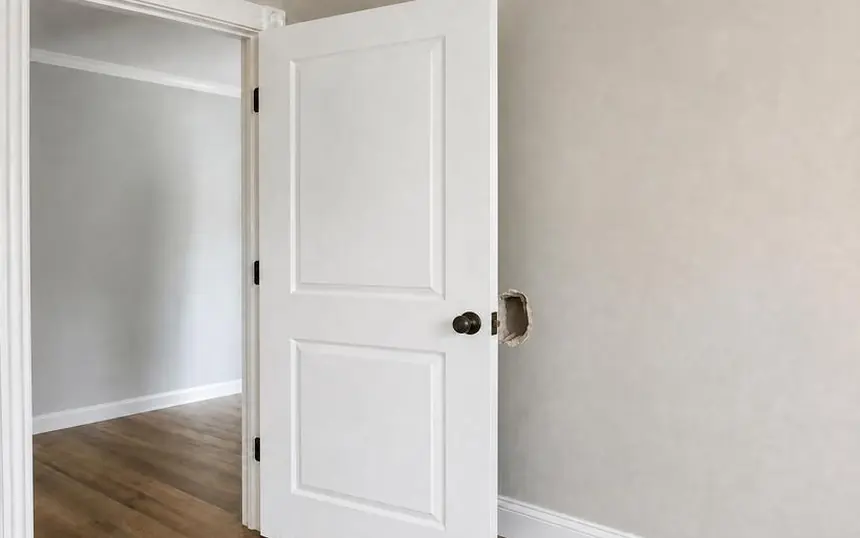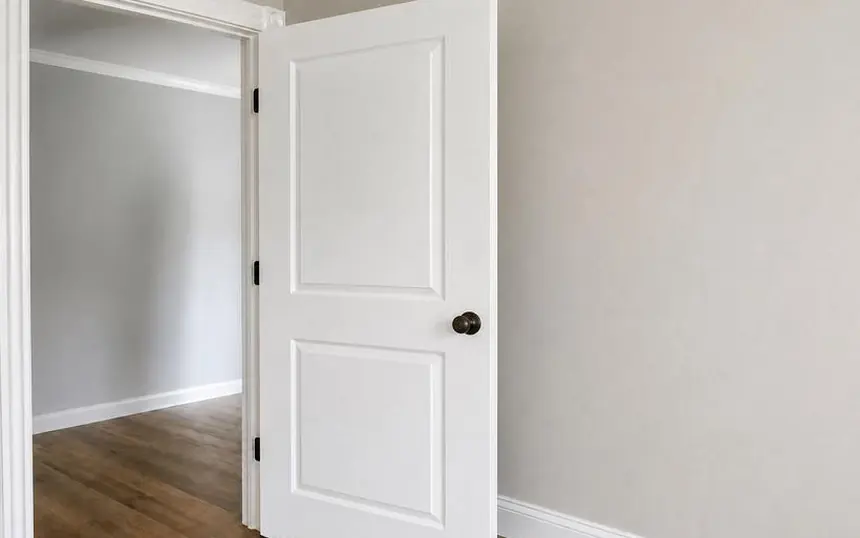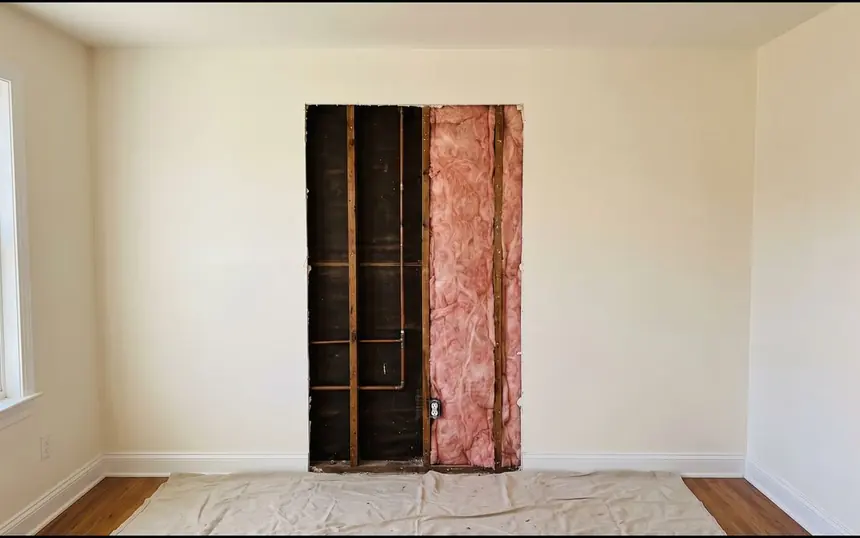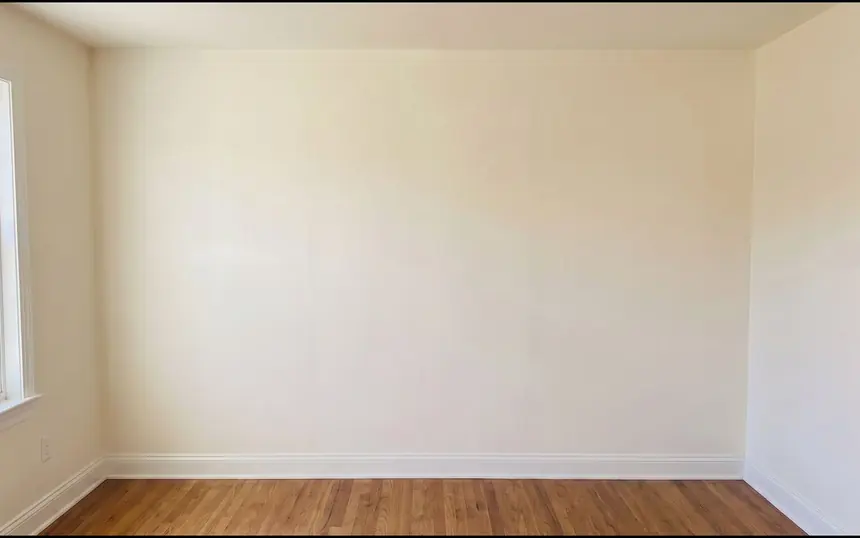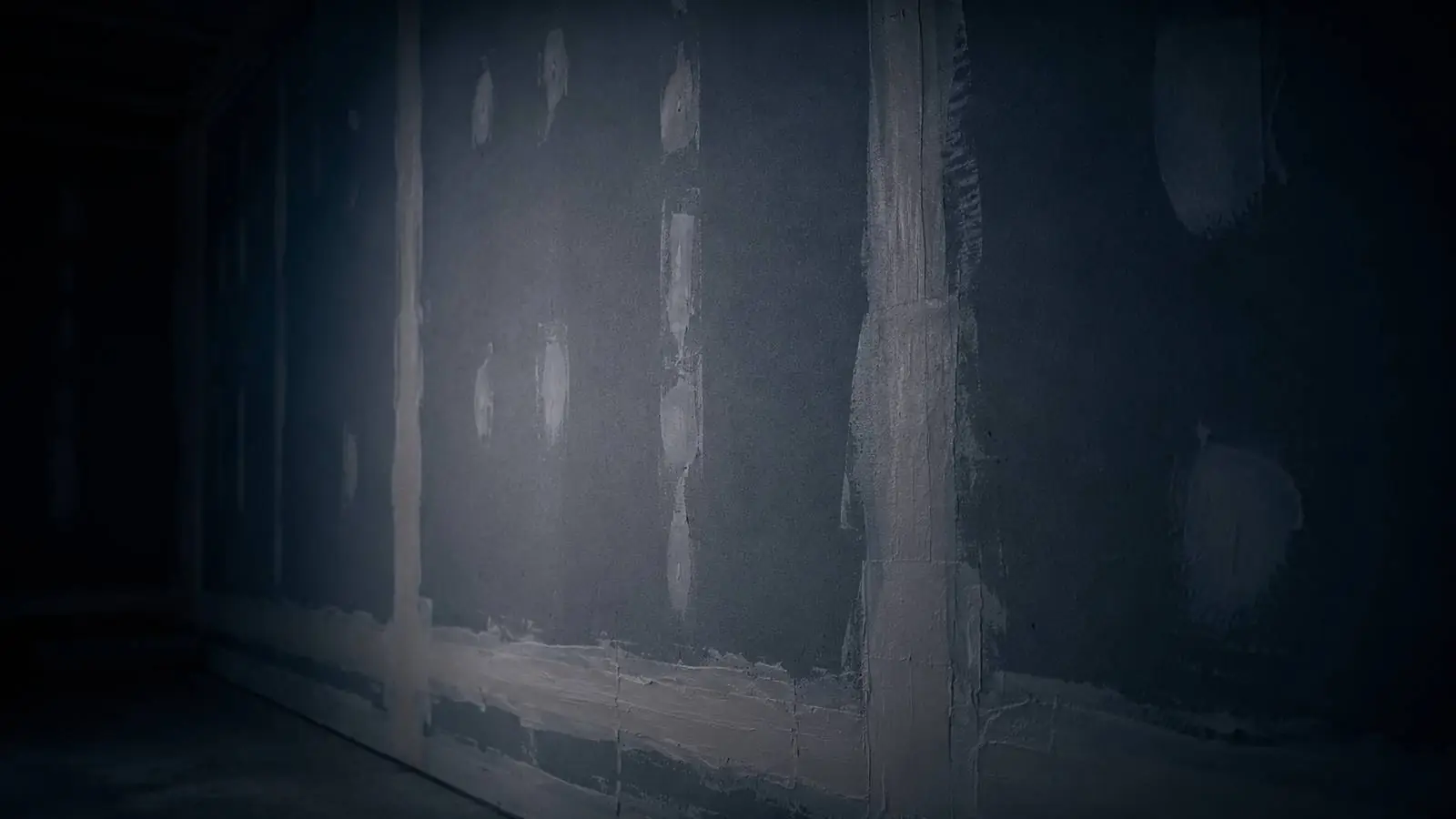
The brownstone wall below a steam riser, the plaster in a Heights two-family, the condo ceiling under the unit above and the knob hole, repaired in kind and primed. Priced in writing on the call.
 BBBAccredited Business
Kaminskiy Care and Repair repairs walls and ceilings in Jersey City homes, from the brownstones of Paulus Hook and Van Vorst Park to the two-family frames of the Heights and the townhouse communities of Society Hill and Country Village. The brownstones are plaster on brick and on lath from the 1850s to the 1900s, heated by steam risers that run inside the walls and let go in a January cold snap; the Heights and Journal Square are 1890s to 1930s wood frames with plaster and sixty years of drywall patches; the townhouse communities of the 1980s to 2000s are drywall with an association and a neighbor on the other side of the party wall. Add the condo ceiling under the shower pan upstairs, the ice dam on a flat rowhouse roof after a March nor'easter, the knob hole and the anchor holes after a lease. Each wall is repaired in the material it was built in, finished to match and primed. Water waits for the plumber or the roofer and a dry meter reading. The price is in writing on the call and most patches are finished in one visit.
 Eight repairs, one crew, priced in writing before we start.
Jersey City is rowhouses and party walls, and what happens next door happens to your wall: the neighbor's roof drain, the riser in the shared wall, the shower pan in the unit above. We repair brownstone plaster as plaster, the Heights plaster as plaster, the townhouse drywall as drywall, match the smooth skim or the light texture, and write the scope by the unit so the association or the adjuster can read it.
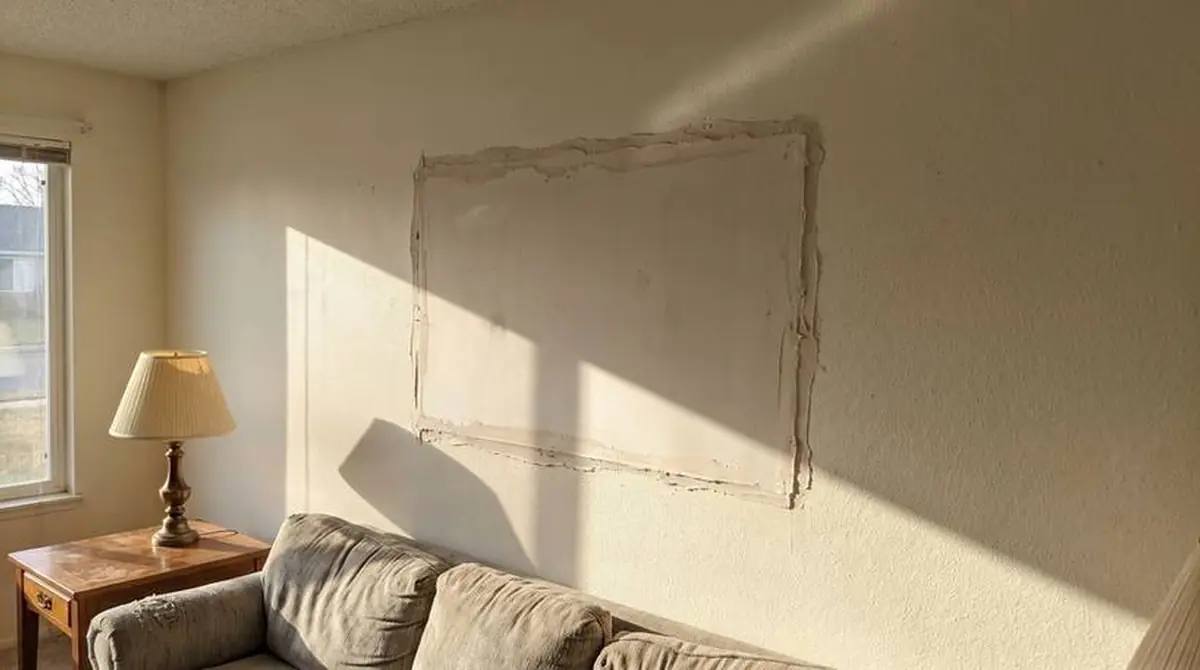
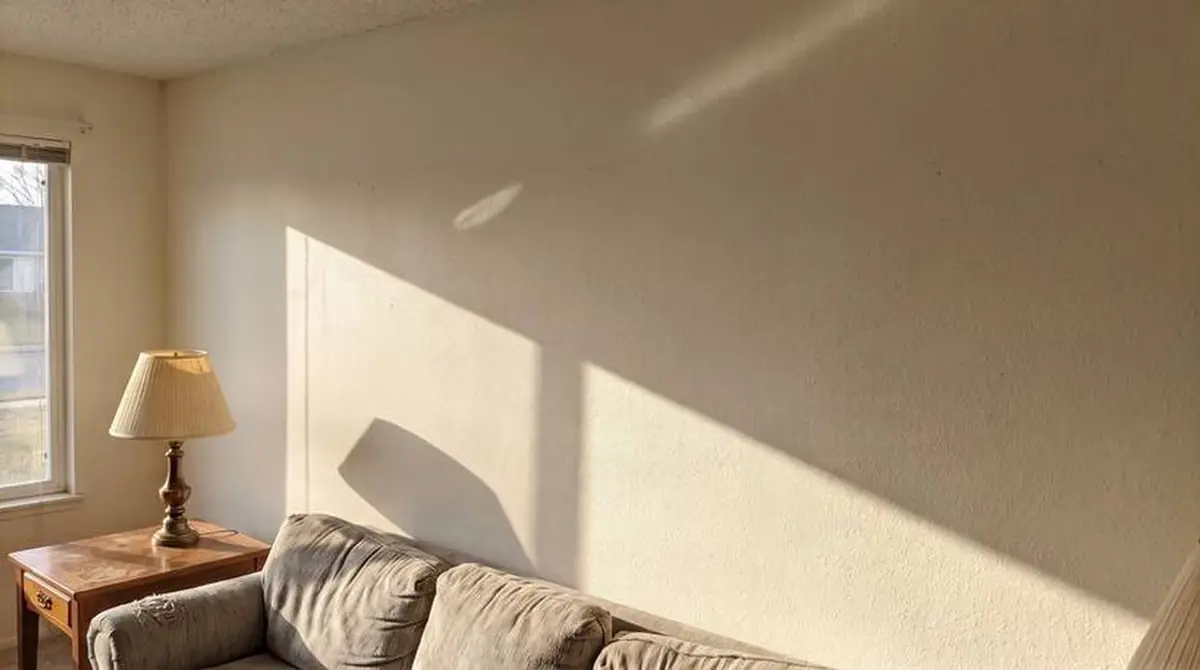 AFTERBEFORE
 Hole & Crack Repair
 Water Damage Repair
 Ceiling Repair
 Texture Matching
 Big Patches & Full Sheets
 Nail & Anchor Holes
 Corner Bead & Cracks
 Primed & Ready for Paint
Brownstone plaster, frame-house plaster and townhouse drywall are three different repairs and our technicians do all three. Say which you think you have and the size against your hand, and the price is in writing on the call before anyone drives over.

Priced and on the calendar during the first call.
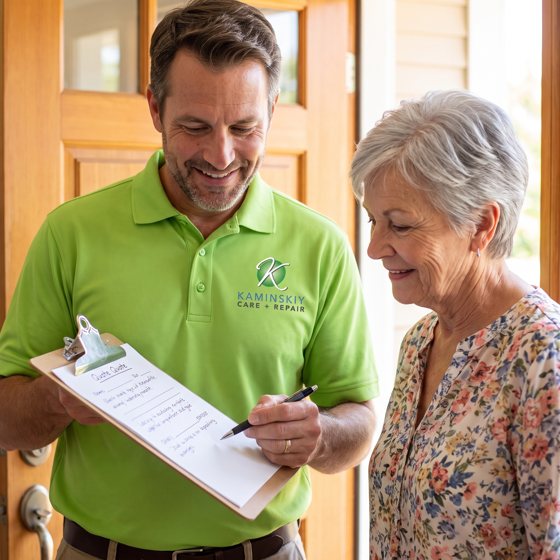
A written quote you approve before anyone drives out.
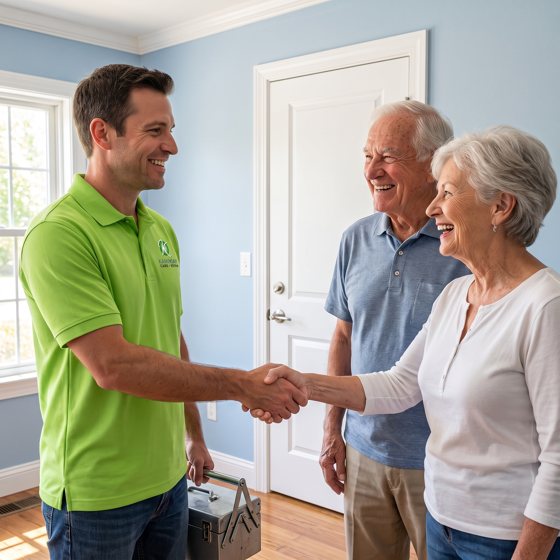
One crew, truck stocked, warranty in writing.
A one-year workmanship warranty, in writing, on every Jersey City drywall repair.
The Downtown brownstones are plastered straight onto the brick of the party walls and onto wood lath on the interior partitions, and both fail their own way: plaster on brick blisters and powders where the wall has taken water from the neighbor's side or the roof, and plaster on lath cracks along the lath and goes hollow when the keys break. The Heights, Western Slope and Journal Square frames are plaster on lath with drywall in every remodel since the 1960s. Plaster is patched with a bonding agent and a setting compound keyed to the brick or the lath, never a drywall patch screwed in; the drywall in the remodels is patched as drywall and the two finishes are blended so the line between them vanishes.
The old rowhouses heat with steam, and the risers run inside walls that were never insulated. A cold snap in January freezes a riser or a radiator valve lets go, and the plaster below it softens, stains and lets go of the lath or the brick. The plumber or the heating contractor fixes the riser; the wall dries and reads dry on the meter; then the stained plaster comes out, the brick or the lath is checked, and new plaster or new board goes in, skimmed to match. Painted over wet, the stain bleeds through by spring.
In a rowhouse the water that stains your wall often started next door: a clogged roof drain on the neighbor's flat roof, an ice dam on a shared parapet after a nor'easter, a shower pan in the condo upstairs. The roofer or the plumber fixes the source on whichever side it sits, the wall dries, then we repair your side and write the scope as its own line so the association, the neighbor or the adjuster can read it. Dark growth bigger than a dinner plate is a licensed mold remediation company's job before ours, and we say so on the call.
Society Hill, Country Village and the Greenville and West Side townhouse communities of the 1980s to 2000s are ordinary drywall on wood frame with a party wall of two layers and a fire rating between you and the neighbor. The knob hole, the dented corner bead, the crack above the slider, the anchor holes after a lease: up to fifteen nail and anchor holes in a room is one menu item, and the rest is priced by size on the same call. A repair on the party wall goes back with the same rated board, and the association's rules are read before anyone opens it.
Brownstone and brick rowhouses from the 1850s through the 1900s with plaster on brick and on lath, ornamental ceilings, steam risers in the walls, party walls that pass the neighbor's water, and condominium conversions stacking one owner's bath over another's ceiling. Plaster patched as plaster, the ornament left alone, the scope written per unit, and a pre-1978 painted surface handled lead-safe by a certified firm.
Two- and three-family wood frames from the 1890s through the 1930s with plaster on lath in the original rooms, drywall in every remodel since the 1960s, radiators and old supply lines in the walls, and landlords who need the move-out list priced by the room. Plaster cracks along the lath; the old patches show through the paint; the ceiling under the upstairs bath rings. Each repaired in its own material and blended.
Older rowhouses and two-families with plaster, and 1980s to 2000s townhouse communities in drywall with a rated party wall and an association: knob holes, settling cracks above the sliders, the ceiling under the upstairs laundry, rental turnovers with anchor holes by the room. The association's rules are read before a party wall is opened; the repair leaves primed for the matching color.
Hold your hand over the damage and tell us: smaller than your hand, bigger than your hand, poster-sized, or a whole sheet. We price it on the call, in writing, in under ten minutes.
Water damage is repaired after the source is fixed. If the stain is still wet we tell you who fixes the leak, and we schedule the drywall for when it is dry.
Backing where it needs it, new board cut to fit, every seam taped, three coats of compound sanded smooth, your texture matched, then primer.
Dust contained and the room left clean. Most patches are finished in one visit; a full sheet may need a short second visit for the final coat, scheduled before we leave.
New Jersey's Uniform Construction Code calls the repair or replacement of interior finishes in a one- or two-family house ordinary maintenance when it covers less than a quarter of the wall area, and says plainly that this includes plastering and drywall; wallpapering anywhere and the repair of a non-structural partition are ordinary maintenance too, and none of it needs a permit application. A patch, a replaced sheet or a ceiling repair in an existing wall is that work. Cutting away a load-bearing wall, removing a structural member, or refinishing most of a room's walls at once is different, and in a historic district exterior work is reviewed first, so we say so before anyone opens a wall.
New Jersey's insurance department says most homeowner policies cover sudden and accidental water damage and exclude continuous or repeated seepage, and that a frozen-pipe loss is covered only if the heat was kept on or the water shut off. Photograph the stain and the source the day you find them, keep the plumber's or roofer's invoice, and we write the plaster or drywall scope as its own line so it reads cleanly beside theirs. We do not fix the riser, the drain or the roof; new material goes in only after the meter says the wall is dry.
The New Jersey Condominium Act and the master deed decide whether the association or the owner upstairs pays for the ceiling below in a converted brownstone or a townhouse community; we repair your side, write the scope separately and leave who pays to the documents. Nearly every rowhouse was painted before 1978, so the painted surface is handled lead-safe by a certified firm, and a ceiling sprayed or a compound applied before 1980 may carry asbestos: tested by a licensed lab, abatement by a licensed contractor if needed, before our patch.
Can't find your answer? Call 201-627-9997 and ask us anything.
Call 201-627-9997The written price comes back on the call in minutes and the visit is booked from there. One visit finishes most drywall patches. A brownstone plaster repair, a reattached ceiling or a wall still drying after a riser gets a short second stop for the last coat, with the date set before our technician leaves.
Not until the riser is fixed and the wall reads dry, or the bubbling returns by spring. The plumber or the heating contractor fixes the riser, the wall dries, then the stained plaster comes out, the brick or the lath is checked, and new plaster or board goes in, skimmed to match the wall around it.
Knock on it. Dense and solid, especially on a party wall, is plaster on brick or on lath, and it is repaired as plaster with a bonding agent and a setting compound keyed to what is behind it. Hollow and papery is drywall from a remodel. Our technicians tell you which you have on the first look, because the wrong patch is the one that shows.
The master deed and the association's policy under the New Jersey Condominium Act decide that, not us. We repair the ceiling on your side once the source is fixed and the board reads dry, and we write the scope as its own line so the board and the adjusters can read it.
The drywall on your side, yes, and it goes back with the same rated board the wall was built with, because the party wall is a fire separation between you and the neighbor. The association's rules are read before anyone opens it, and the scope is written so the board can see what was done.
Material first: plaster on brick, plaster on lath or drywall. Then the size against your hand, whether water was involved, and the finish, a smooth skim or a light texture. Give us those on the call and the price is in writing before anything is scheduled.
Not for a patch, a replaced sheet or a ceiling repair: the state construction code calls interior finish repair under a quarter of the wall area, plastering and drywall included, ordinary maintenance. Cutting a bearing wall, a framing change or exterior work in a historic district is a different job and we say so first.
All of Jersey City, Paulus Hook, Van Vorst Park, Hamilton Park, the Heights, Journal Square, Bergen-Lafayette and Greenville, plus Hoboken, Bayonne, Union City, Weehawken, Kearny and Secaucus. Call 201-627-9997 to confirm your address.
Describe the wall or ceiling, or text a photo, and we call back with a written price and a time. Calling is still faster: 201-627-9997.
Priced in writing before we start, matched to the wall, warranted in writing.
We answer in under three rings, 24/7.No price games. You get a clear written quote before any work begins, backed by our workmanship warranty.