Ceiling stains under a gutter full of needles, soft walls on the shaded side, 1970s sprayed ceilings tested first, knob holes and settling cracks, patched, textured and primed. Priced on the call.
 BBBAccredited Business
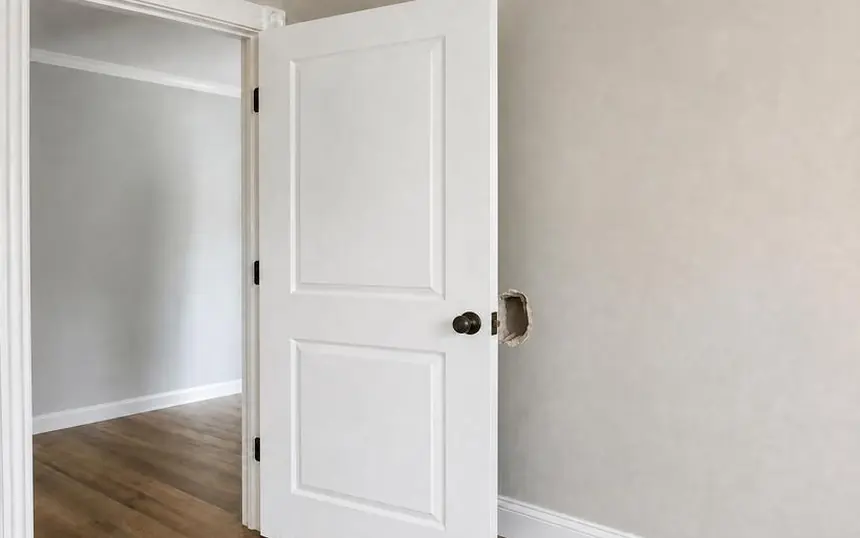
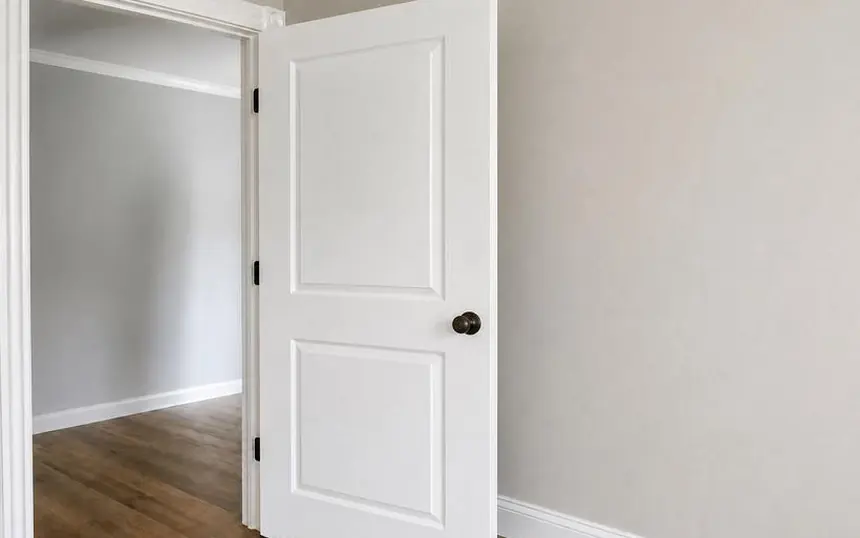
Kaminskiy Care and Repair patches and finishes drywall in Clackamas homes, from the 1960s and 1970s tracts around the Town Center to the big fir-shaded lots of Oak Grove, Jennings Lodge and Oatfield and the newer subdivisions toward Sunnyside and Carver: the ceiling stain under a gutter the needles blocked in November, the soft wall on the side of the house that stays in shade until June, the sprayed ceiling in a Milwaukie ranch that is tested before anyone touches it, the knob hole, the crack at the window corner of a Sunnyside two-story, the anchor holes after a move-out. New board where the old is soft or broken, seams taped, three coats, the texture matched and primed. Water waits for the source to be fixed and the board to read dry. The price is in writing on the call and most patches are finished in one visit.
 Eight repairs, one crew, priced in writing before we start.
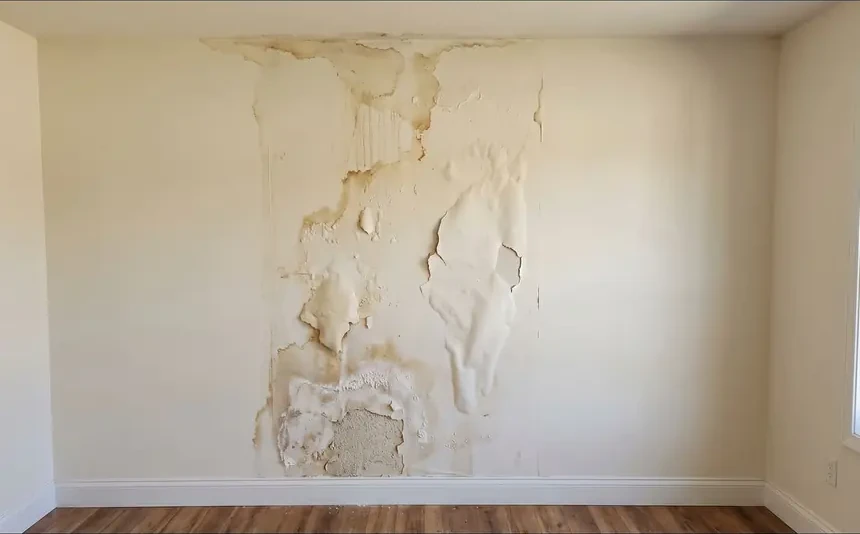
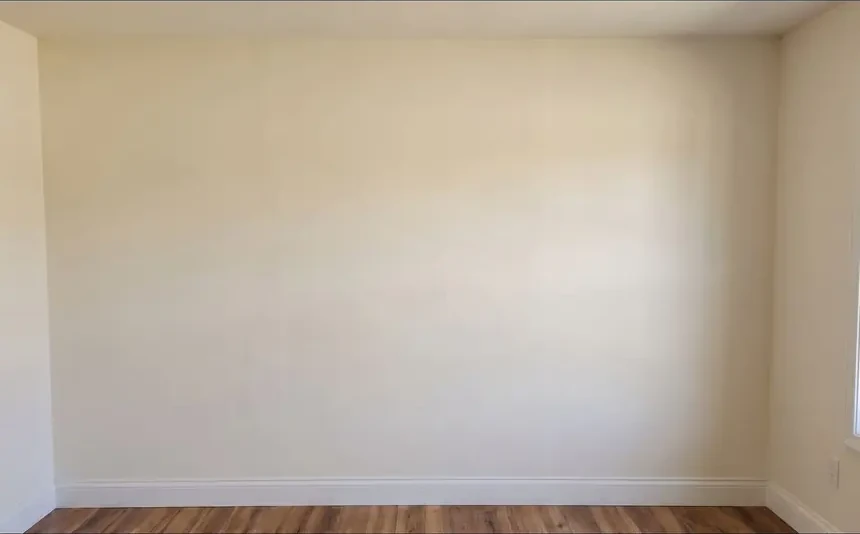
Clackamas water damage is a shade-and-needles problem: the firs keep a wall dark from October to June, the gutters fill and overflow onto the soffit and the window heads, and the stain shows on the ceiling or the top of the wall weeks later. We find the gutter or the flashing that fed it, dry and meter the wall, replace the stained board, match the orange peel of the tracts or the knockdown of the newer streets, and tell you plainly when a ceiling is a licensed lab's question before it is ours.
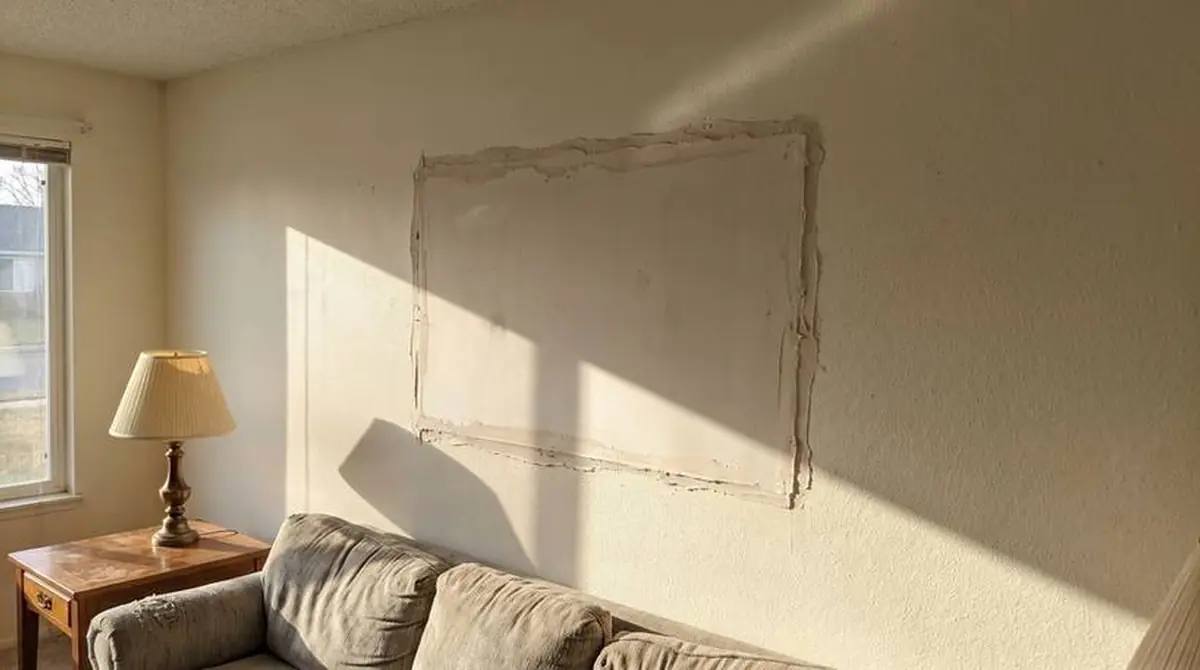
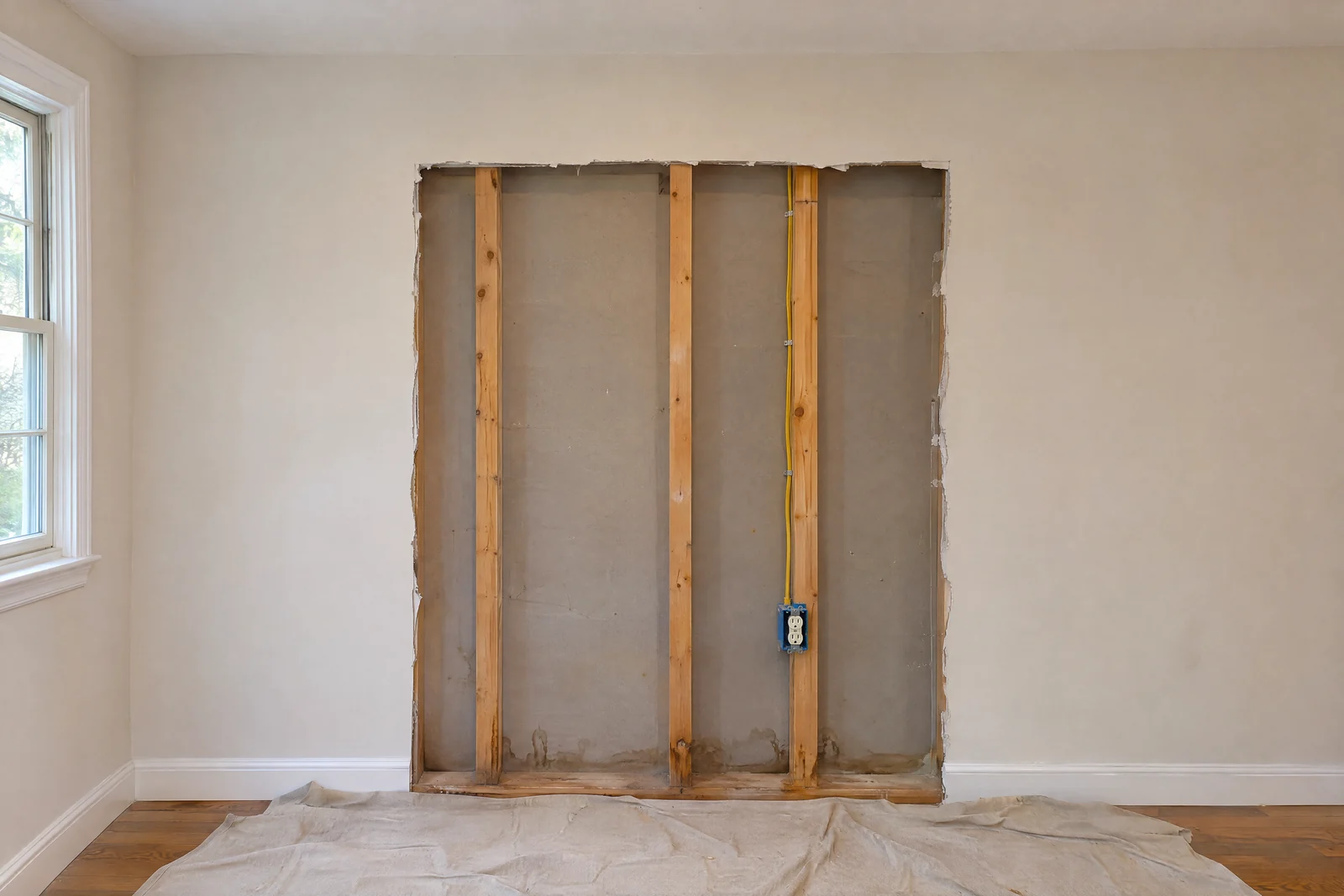
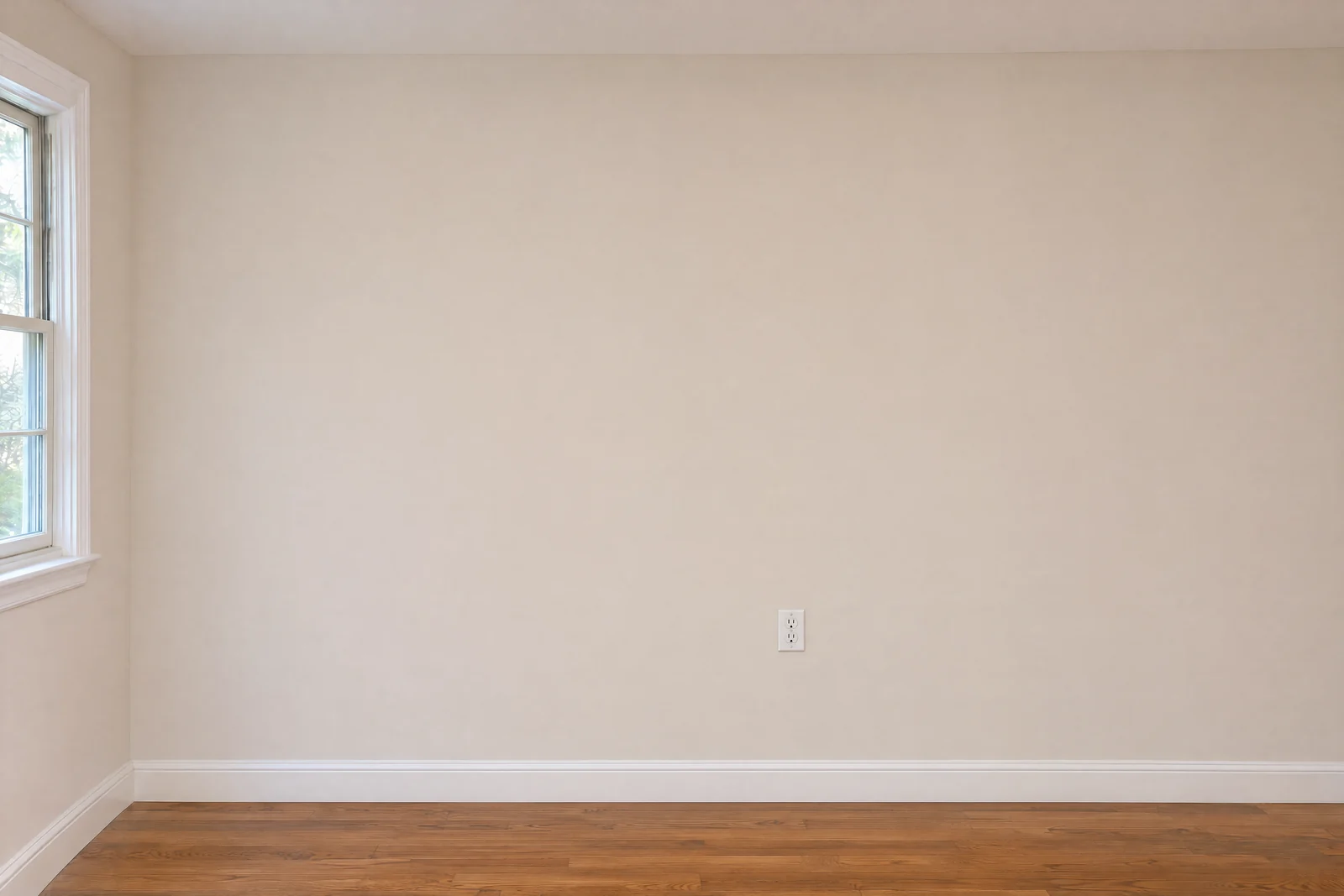
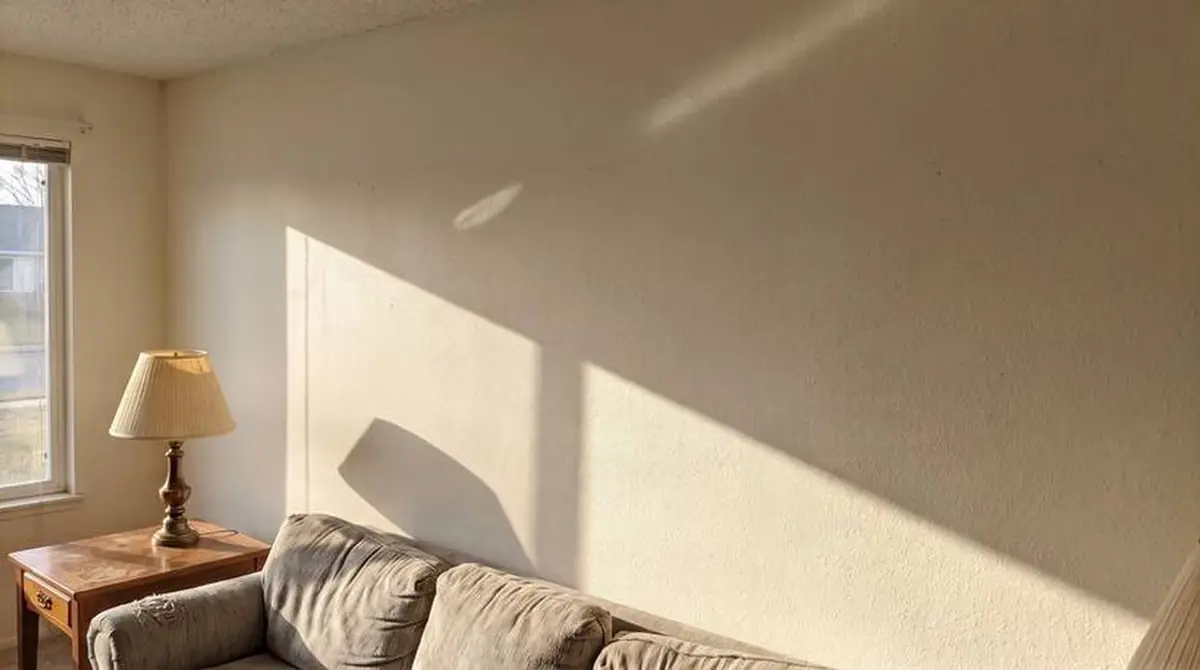 AFTERBEFORE
 Hole & Crack Repair
 Water Damage Repair
 Ceiling Repair
 Texture Matching
 Big Patches & Full Sheets
 Nail & Anchor Holes
 Corner Bead & Cracks
 Primed & Ready for Paint
Shade is slow, but it does not stop, and a stained ceiling never dries out on its own in Clackamas. A Kaminskiy-certified technician prices a patch, a section or a sheet on the call, in writing; a wet or sagging ceiling gets a look first.

Priced and on the calendar during the first call.

A written quote you approve before anyone drives out.

One crew, truck stocked, warranty in writing.
A one-year workmanship warranty, in writing, on every Clackamas drywall repair.
Needles and shade. The gutters on the river side and the older lots fill with fir needles between October and May, overflow onto the soffit and the window heads, and the water tracks inside to the top corner of a wall or the edge of a ceiling. The tree side of the house never dries, so the lower wall on that side wicks damp from the ground and the moss. Up on the newer slopes toward Sunnyside and Carver, a window flashing that laps the wrong way does the same from the top. We say which it is, and the wall is dried and metered before any board goes in.
The 1960s and 1970s tracts near the Town Center and the Milwaukie ranches carry the first drywall, a fine orange peel and sprayed ceilings from before 1980 that get sampled by a licensed lab before anyone sands them. The river-side cottages of Oak Grove and Jennings Lodge mix plaster, early drywall and three generations of patches. The 1990s and 2000s streets of Sunnyside and Carver carry knockdown and a heavier orange peel on nine-foot walls. Each is matched on a test board first.
A single-story under the firs takes water from above: a gutter, a flashing at a chimney or a vent, an ice dam in the cold snap. The same house takes it from below when the downspout empties against the foundation and the crawlspace stays wet. The roofer, the gutter crew or the drainage is fixed first; the board dries and reads dry on the meter; then we cut out the stained section, check the framing and the vapor retarder behind it, and hang new board. Dark growth beyond a dinner plate goes to a licensed mold remediation company first.
Hand-sized: a backed patch. Bigger than your hand, smaller than a laptop: a paper patch. Poster-sized: a framed backer and a new section. Water-softened, sagging or opened by the plumber: a full sheet screwed to the studs with every seam taped. All four get three coats, a sanding, the texture and primer; the filler-and-paint patch skips them and shows from the doorway.
Tracts and ranches from the 1950s to the 1970s with the first drywall, fine orange peel and sprayed ceilings, on lots where the side yard stays wet all winter. The work is the ring on the hallway ceiling from the roof, the soft wall along the baseboard on the shaded side, the knob hole and sixty years of patches to match. A sprayed ceiling is sampled by a licensed lab before anyone disturbs it.
Older homes and cottages on big lots under tall firs, some with plaster walls, most with gutters that fill with needles twice a winter. The damage is the ceiling corner under the overflow, the top of the wall below a window head, a plaster ceiling gone hollow, and the damp lower wall on the tree side. Plaster is patched as plaster; painted surfaces from before 1978 are handled lead-safe by a certified renovator.
Subdivisions from the 1990s to the 2010s on slopes, with knockdown and heavy orange peel, nine-foot walls, the bath over the family room, settling cracks at the window corners on the downhill side and association schemes that stay untouched while the repair leaves primed for the matching color. Two-story entries are priced after a look.
Clackamas is one of the metro cities the Hillsboro crew covers; the Portland drywall repair page explains the Portland permit rule, the Oregon water-damage paperwork and the lath-and-plaster houses for the whole metro.
Hold your hand over the damage and tell us: smaller than your hand, bigger than your hand, poster-sized, or a whole sheet. We price it on the call, in writing, in under ten minutes.
Water damage is repaired after the source is fixed. If the stain is still wet we tell you who fixes the leak, and we schedule the drywall for when it is dry.
Backing where it needs it, new board cut to fit, every seam taped, three coats of compound sanded smooth, your texture matched, then primer.
Dust contained and the room left clean. Most patches are finished in one visit; a full sheet may need a short second visit for the final coat, scheduled before we leave.
The unincorporated Clackamas streets are served by Clackamas County Building Codes, which administers Oregon's statewide residential code: painting, cabinets and a non-fire-rated interior wall or ceiling covering need no permit, and an ordinary repair with like materials needs no application. A drywall patch, a replaced sheet or a ceiling repair is that. Removing a wall, cutting a new opening or walling off a new bedroom is a permit, and inside Happy Valley or Milwaukie the city's building division is the one to ask; we confirm which on the call.
Oregon's insurance regulator says a sudden, accidental event such as a pipe bursting in a freeze or a leak from an ice dam may be covered, and that groundwater seepage generally is not; a gutter that overflowed all winter is usually argued about, so photograph the stain and the gutter the day you find them, call your agent before you file, and let the adjuster see it before the permanent repair. The roofer or plumber fixes the source, the board dries and meters dry, then we replace it and write the drywall scope as its own line. We do not clean gutters or fix roofs; we say who does.
A ceiling sprayed before 1980 may carry asbestos, and Oregon asks for an accredited inspector's survey before a renovation of a home built before 2004, so an older ceiling or textured wall is sampled first and abatement, if needed, is a licensed contractor's job before our patch; a house painted before 1978 is handled lead-safe by a certified renovator. The wall and ceiling between the house and an attached garage are fire separation under the state code, and a full-sheet repair there goes back with the same half-inch or five-eighths Type X board.
Can't find your answer? Call 971-571-5787 and ask us anything.
Call 971-571-5787Usually within days from our Hillsboro office. The price is in writing on the call; most patches are finished in one visit, and a ceiling section or a wall that has to dry first is scheduled in two.
Not until the gutter or the flashing that fed it is fixed and the ceiling reads dry on the meter; patched wet, the ring is back by February. Then the stained section comes out, the framing is checked, new board goes up, taped, three coats, textured and primed.
We patch it after a licensed lab has sampled it, because a ceiling sprayed before 1980 may carry asbestos. If abatement is needed a licensed contractor does it first; then the stained or loose section is replaced and the sprayed finish matched.
Yes. Knockdown is sprayed, left the right number of minutes and knocked down with the width of knife the original finisher used; our technicians test it on a scrap board against your wall before the repair is textured.
Yes. One knob hole, one crack or one nail pop is a welcome call, and a room of nail and anchor holes after a move-out is a menu item of its own.
Size, water, texture and height: hand-sized, poster-sized or a whole sheet; dry or water-damaged; orange peel, knockdown or smooth; eight feet or a two-story entry. Say which on the call and the price is in writing in under ten minutes.
Not for a patch, a replaced sheet or a ceiling repair in an existing wall: the state code the county administers treats an interior wall or ceiling covering as finish work and an ordinary repair as needing no application. A removed wall or a new opening is where a permit starts, and we tell you first.
Clackamas and the unincorporated streets around it from our Hillsboro office, the Town Center area, Oak Grove, Jennings Lodge, Oatfield, Sunnyside and Carver, plus Johnson City, Milwaukie, Gladstone, Happy Valley and Damascus. Call 971-571-5787 to confirm your address.
Describe the wall or ceiling, or text a photo, and we call back with a written price and a time. Calling is still faster: 971-571-5787.
Priced in writing before we start, matched to the wall, warranted in writing.
We answer in under three rings, 24/7.No price games. You get a clear written quote before any work begins, backed by our workmanship warranty.