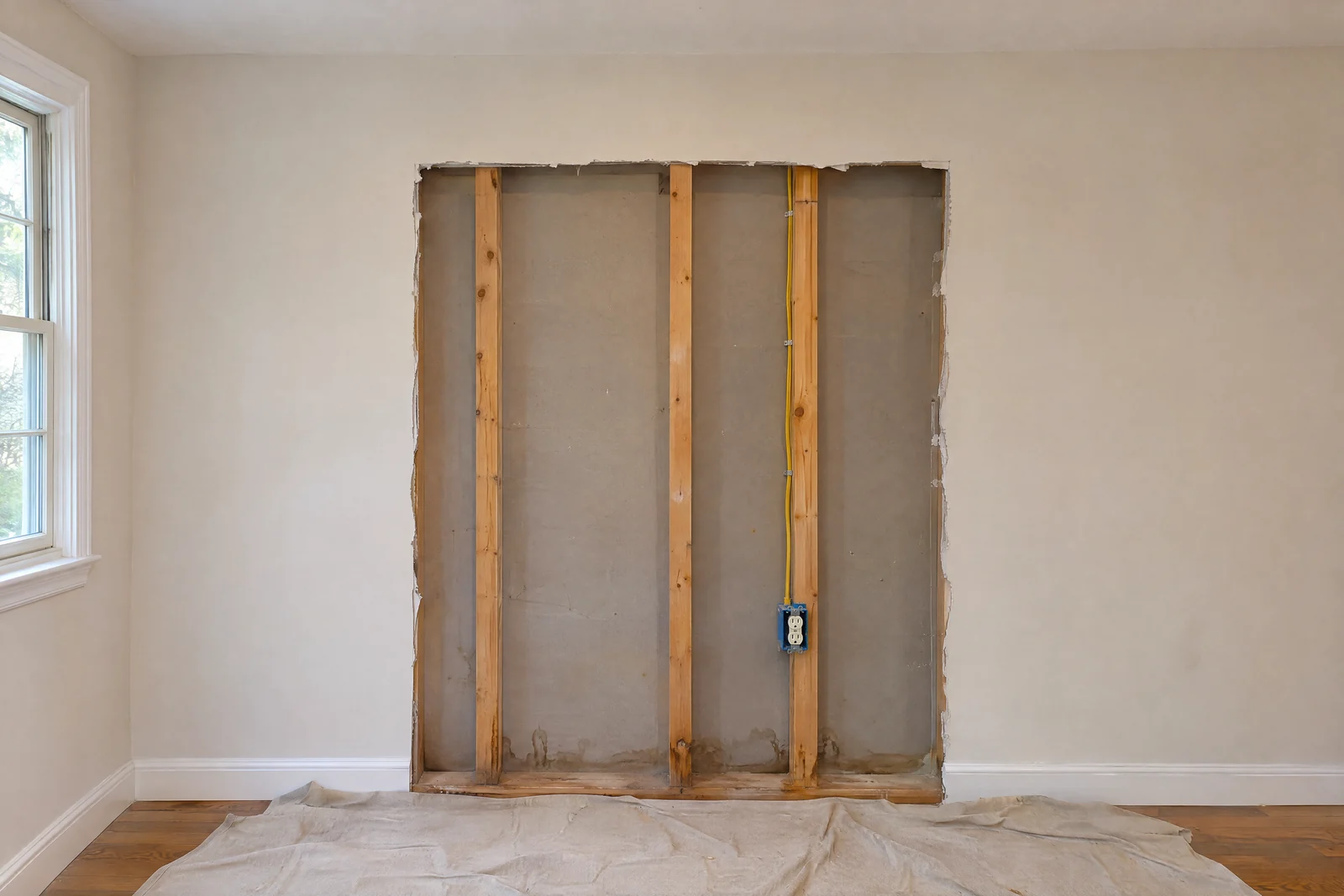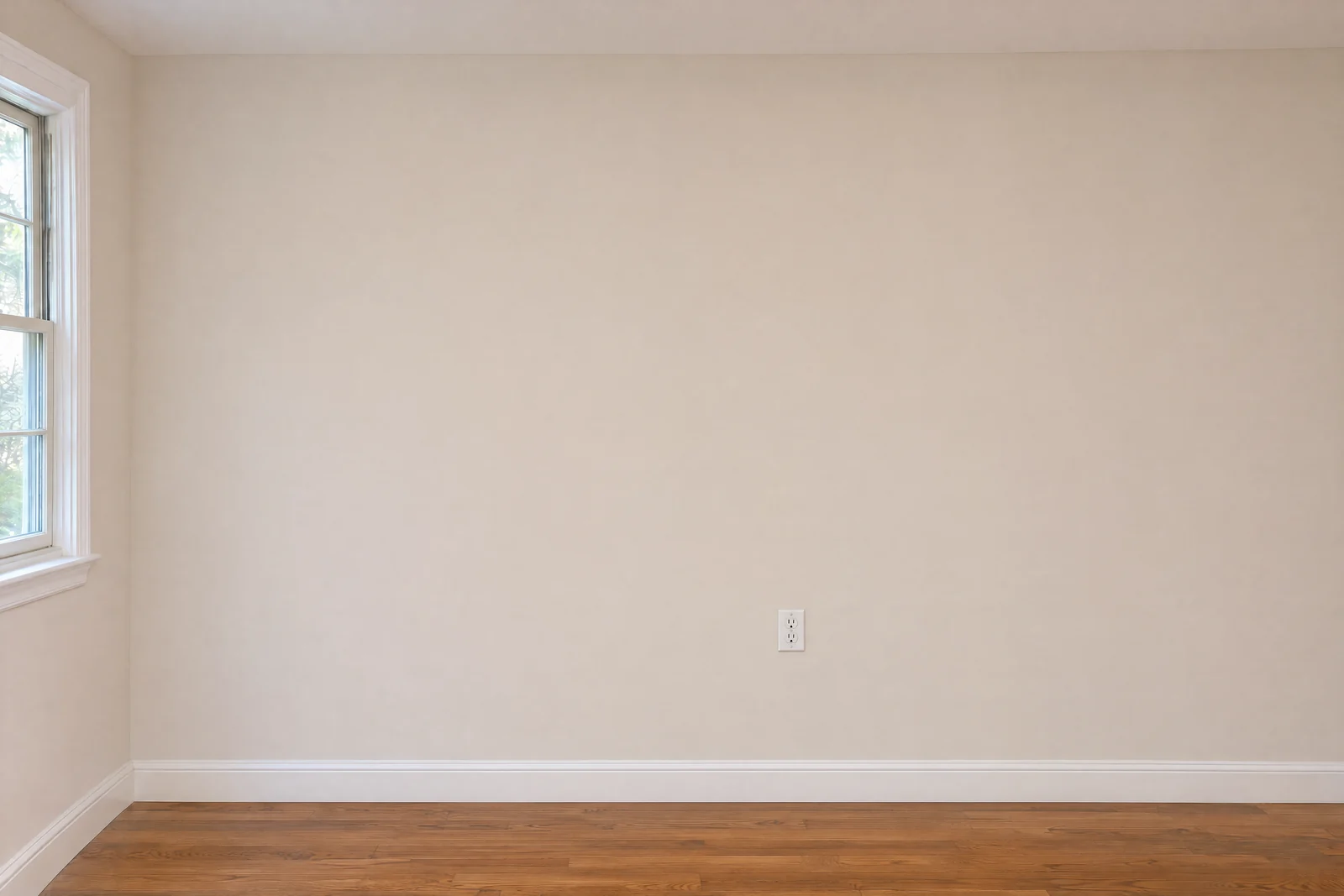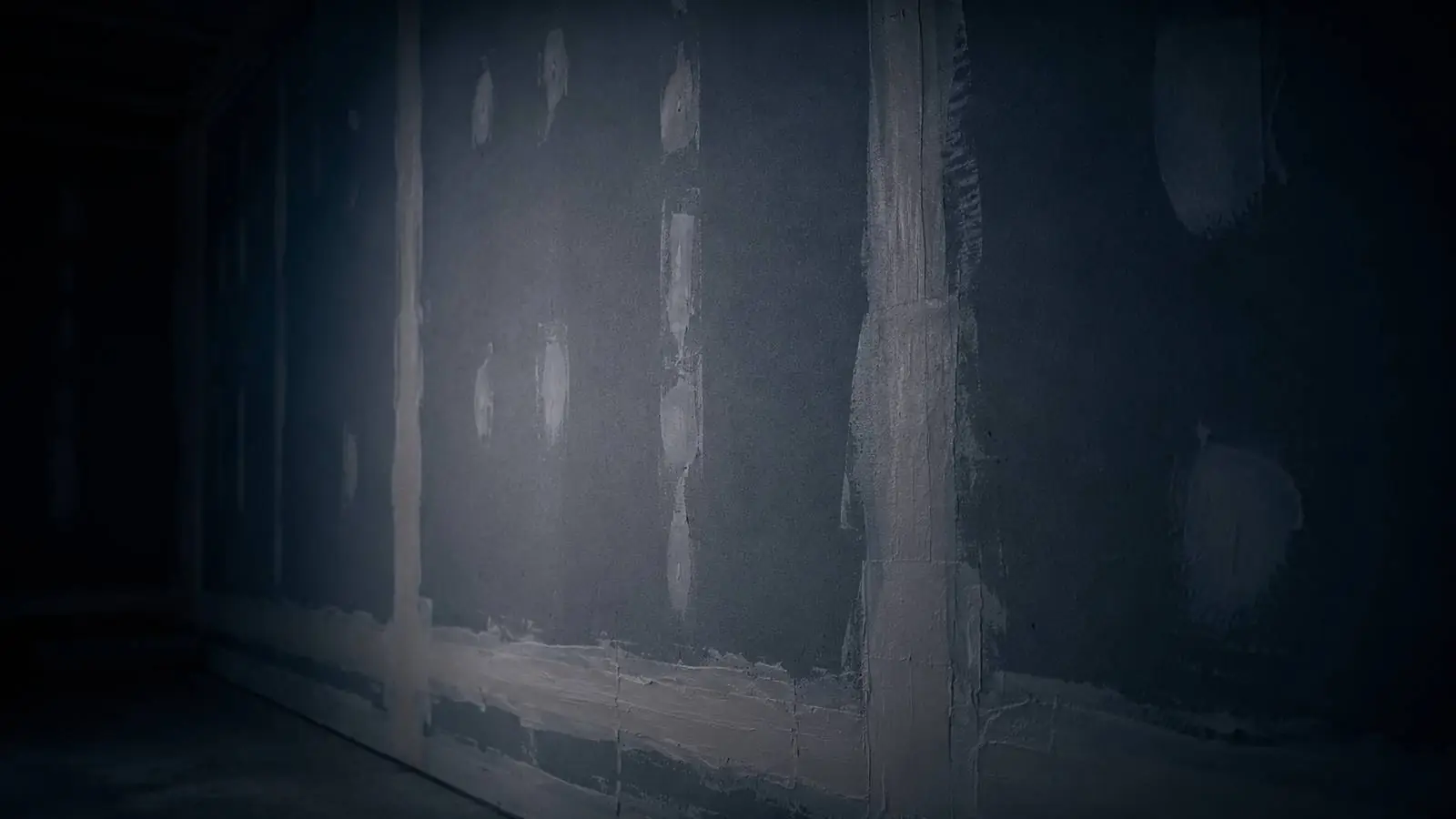
The diagonal crack on the slope side of a canyon house, the tall ceiling over the view room, the garage ceiling under the living room and the plaster in a 1920s Beachwood Spanish, patched and matched. Priced in writing on the call.
 BBBAccredited Business
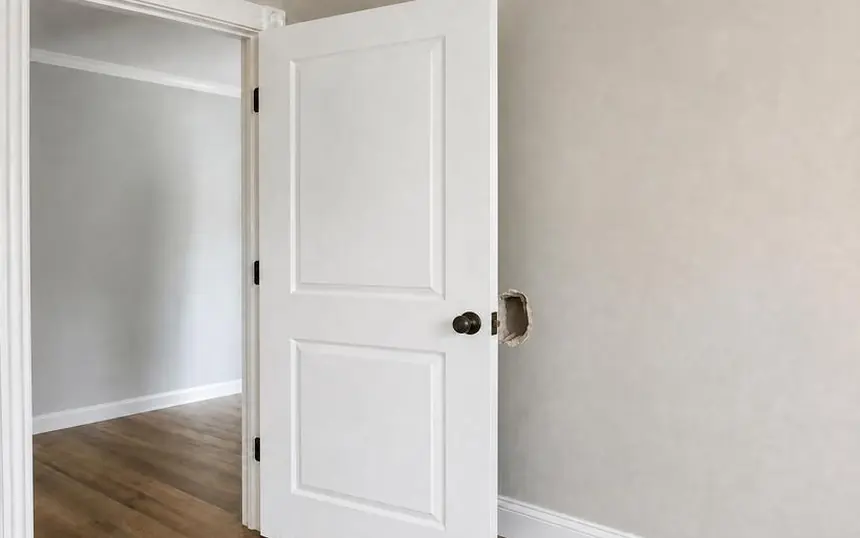
Kaminskiy Care and Repair repairs walls and ceilings in the Hollywood Hills, canyon by canyon: the diagonal crack off a window corner on the downhill side of a Laurel Canyon post-and-beam, the eleven-foot ceiling over a Bird Streets view room with a ring from a flat roof, the garage ceiling under the living room that has to go back as five-eighths fire board, the straight crack across the plaster of a 1920s Beachwood Spanish, the knob hole in an Outpost Estates hallway, the nail pops that appeared across a Mulholland ceiling after the last tremor. Each is repaired in its own material, finished to match and primed. Water waits for the roof or the hillside drain to be fixed. The price is in writing on the call, and most patches are finished in one visit.
 Eight repairs, one crew, priced in writing before we start.
A hillside house moves more than a flat one: the pad settles toward the fill, the stilts and the retaining walls shift a little every wet winter, and the earthquake left its signature off every window corner on the slope side. The repair for a cosmetic crack is tape, compound, a wide feather and the finish matched; the repair for a stepped or widening crack is an engineer's visit first, and we say which you have on the first look. Up here the ceilings are tall, the walls are smooth, and the garage is usually under the house.
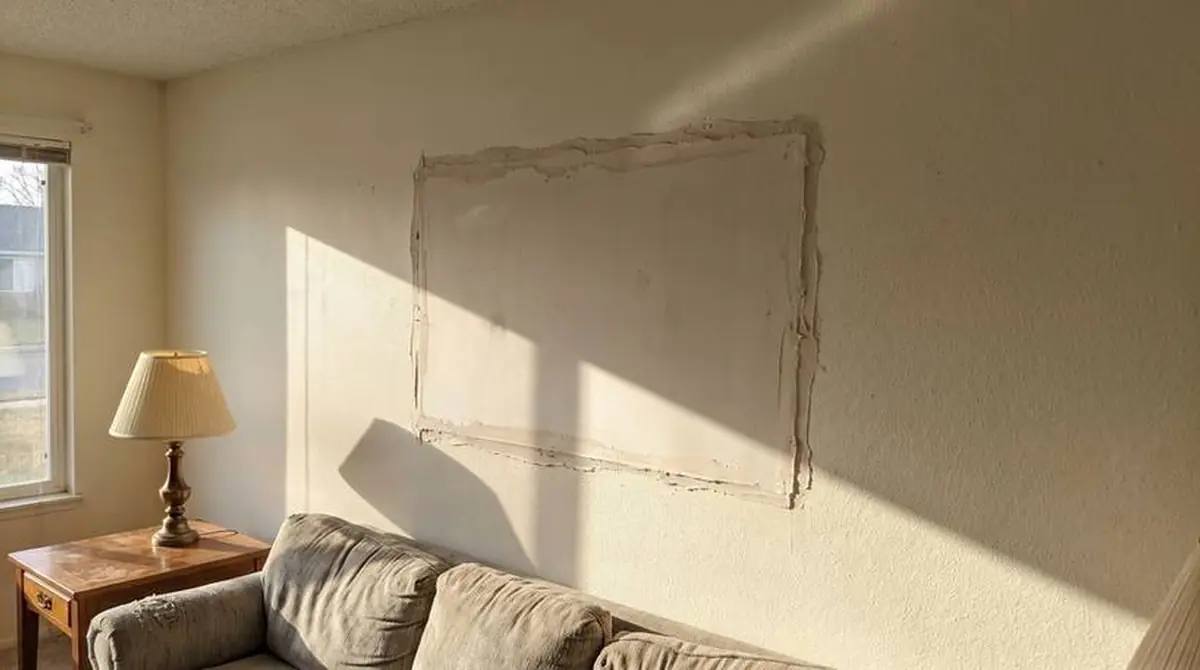
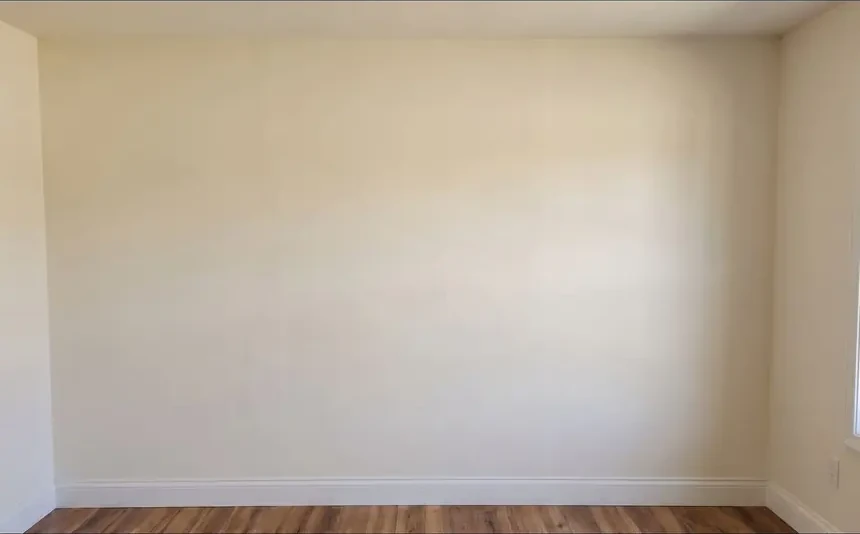
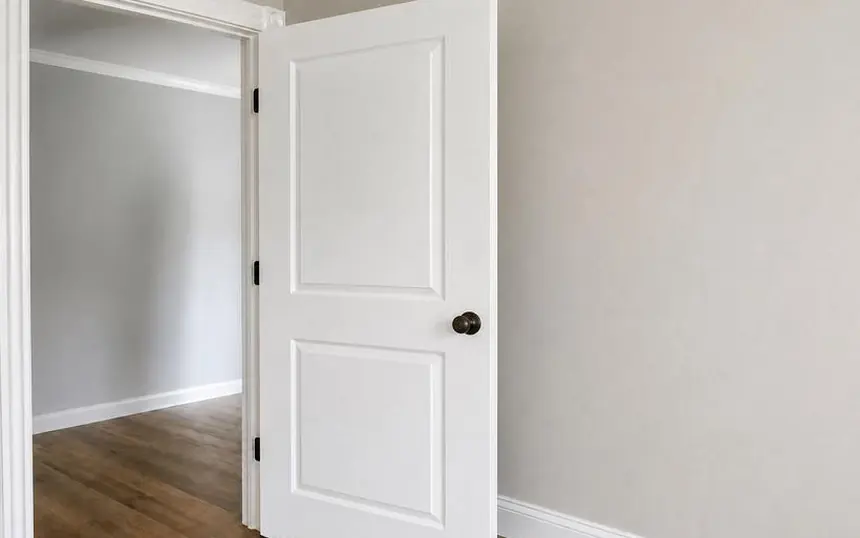
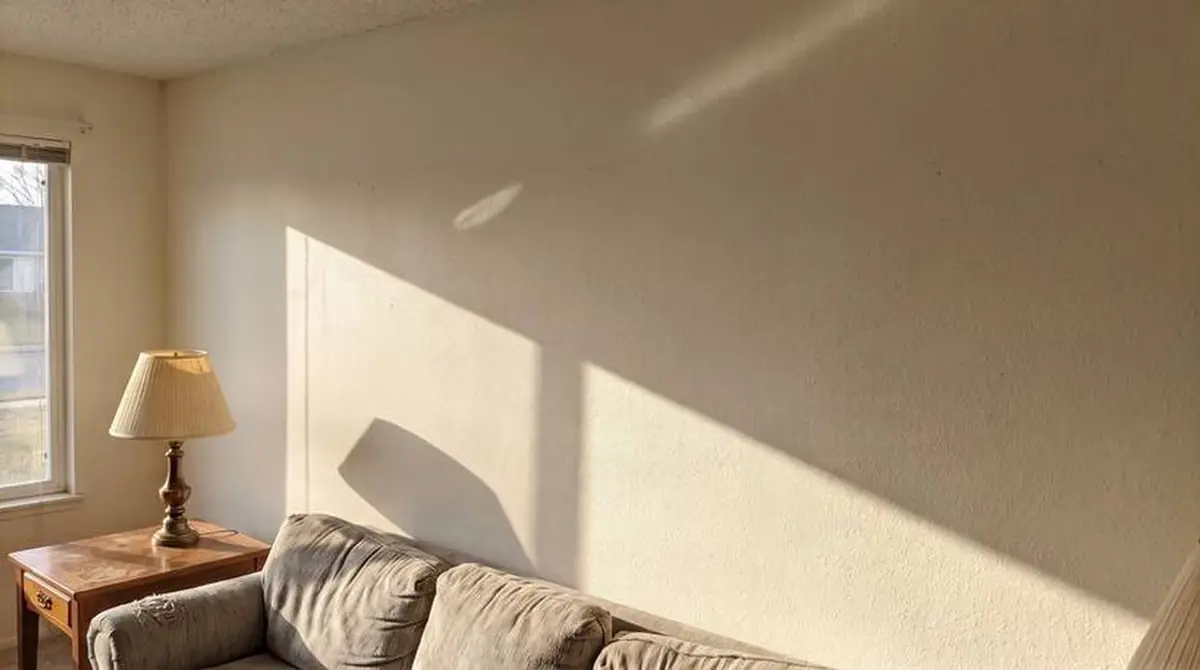 AFTERBEFORE
 Hole & Crack Repair
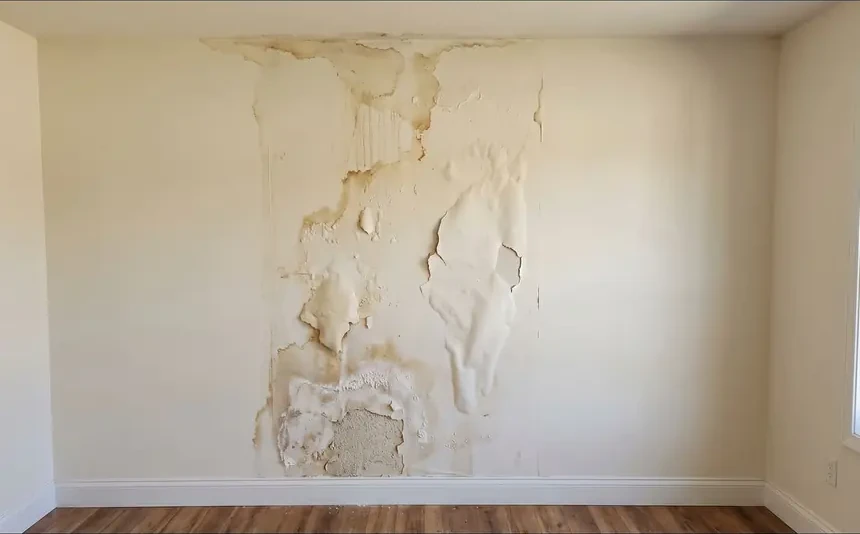
 Water Damage Repair
 Ceiling Repair
 Texture Matching
 Big Patches & Full Sheets
 Nail & Anchor Holes
 Corner Bead & Cracks
 Primed & Ready for Paint
Canyon, ridge or the old hills, our technicians drive up every week. Say which side of the house the crack is on, how high the ceiling is and size the damage against your hand; the price is in writing before anyone heads up the canyon.

Priced and on the calendar during the first call.

A written quote you approve before anyone drives out.

One crew, truck stocked, warranty in writing.
A one-year workmanship warranty, in writing, on every Hollywood Hills drywall repair.
Nearly every Hollywood Hills house sits on a pad cut from the hill on one side and filled on the other, or on stilts over the slope, and a house settles toward the fill over its first decades. The wall shows it as a diagonal crack off a window or door corner on the downhill side and a door that rubs. The 1994 quake left the same diagonal, cracked tape at the ceiling line and a row of nail pops in most houses built before it. We tape, fill, feather and finish the cosmetic ones so they stay closed; a crack with a step in it, one that is wider every winter, or one paired with a door that will not latch goes to an engineer before any compound.
The post-and-beam houses of the canyons and the ridge from the 1950s to the 1970s carry smooth walls and sprayed ceilings; the remodels and the new builds run smooth or a light skip trowel; the 1920s Spanish and storybook houses of Beachwood Canyon, Hollywoodland and Whitley Heights are lath and plaster under a sand finish or a smooth skim. Smooth gets the wide feather and the raking-light check; plaster gets a bonding agent and a setting compound keyed into the lath; a ceiling sprayed before 1980 is sampled by a licensed lab before anyone scrapes or sands it, and abatement, if needed, is a licensed contractor's job before our patch.
Up here the water comes from a flat roof or a deck above a room in the January storms, from a shower pan over the lower level, or from the hillside itself when a slope drain or a retaining wall sends it into the back wall of a room cut into the hill. Whoever owns the source fixes it first, roofer, plumber or drainage contractor; the wall then has to read dry on the meter, which on a wall cut into the hill can take a while, and only then does the stained board come out and new board go in. Dark growth across more than a dinner plate of wall is a licensed mold remediation company's job before our repair, and we say so when we see the photo.
View rooms with ten- and twelve-foot ceilings are priced on the call after a look, because the scaffold, the wider feather on a smooth finish and the longer dry times change the job; the price is still written before anything starts. The garage under the living space is fire separation under the state residential code, five-eighths Type X on the garage ceiling under a habitable room and half-inch gypsum on the garage side of the wall, and a full sheet there goes back with the same board, taped, so the separation stays what the code asks.
Post-and-beam houses from the 1950s to the 1970s on stilts and fill, and the glass-walled new builds beside them: smooth walls, tall ceilings over the view rooms priced after a look, the diagonal crack off the window corner on the downhill side, sprayed 1960s ceilings tested by a licensed lab before anyone touches them, and the garage ceiling under the living room that goes back as fire board.
1920s Spanish and storybook houses with lath and plaster walls under a sand finish, coved ceilings that crack at the line with every tremor, and ninety years of patches in three materials. Plaster patched as plaster with a bonding agent and a setting compound; the painted surfaces of a pre-1978 house handled lead-safe by a certified firm; the remodeled kitchen's smooth drywall taped into the old plaster at the seam.
Mid-century ranch and post-and-beam houses and the estates that replaced some of them: smooth walls, roof water on a high ceiling after the winter storms, nail pops across the ceilings after a tremor, and the knob hole in a long hallway. Outpost Estates and Hollywoodland have associations that need no say in an interior patch; the repair leaves primed for the house color.
The canyons are twenty minutes from the office on Wilshire; the Los Angeles drywall repair page carries the city-wide picture: the LADBS permit rule, the insurance paperwork and the plaster-or-drywall question in plain words.
Hold your hand over the damage and tell us: smaller than your hand, bigger than your hand, poster-sized, or a whole sheet. We price it on the call, in writing, in under ten minutes.
Water damage is repaired after the source is fixed. If the stain is still wet we tell you who fixes the leak, and we schedule the drywall for when it is dry.
Backing where it needs it, new board cut to fit, every seam taped, three coats of compound sanded smooth, your texture matched, then primer.
Dust contained and the room left clean. Most patches are finished in one visit; a full sheet may need a short second visit for the final coat, scheduled before we leave.
Up here the permit question is the same as everywhere in the City of Los Angeles: the building code lists painting, papering and similar work as needing no permit, and patching, taping and texturing a wall or a ceiling is that work. What LADBS does want to see is anything that changes the structure, which on a hillside includes a new opening in a wall, a removed partition, framing, and the stilts, retaining walls and decks that hold the house to the slope. We never start that kind of job without saying so, and we never confuse it with a patch.
The state insurance department's homeowner guide lists sudden and accidental water damage among the perils generally covered and seepage, slow leaks, wear and tear and neglect among those generally not, so a ring that has been growing for two winters gets a harder look from the adjuster than a burst pipe. Photograph the stain and the source the day you find them, keep the roofer's or the drainage contractor's invoice, and our drywall scope arrives as a separate line that reads cleanly next to it. Nothing is patched until the water has stopped and the board has dried.
Most hillside houses put the garage under or beside the living space, and that wall and ceiling are fire separation under the California Residential Code: the code wants half-inch board on the garage side and five-eighths Type X overhead wherever a room sits above the cars. The plumber's access hole and the water-stained section go back with the same board, screwed and taped, so the separation is what it was. In a house built before 1978 the painted surface is handled lead-safe by a certified firm, and a ceiling sprayed before 1980 is tested by a licensed lab first.
Can't find your answer? Call 310-928-6211 and ask us anything.
Call 310-928-6211Usually within days; the canyons are twenty minutes from the office on Wilshire. The price is in writing on the call in under ten minutes, and most patches are finished in one visit; a tall ceiling or a plaster repair may need a short second visit for the finish coat.
Usually not: a house on a cut-and-fill pad settles a little toward the fill, and the earthquake left the same diagonal in most hillside houses. Taped, filled, feathered and finished, it stays closed. A step in the crack, a crack that is wider each winter, or a door beside it that will not latch any more: those get an engineer's visit first, and we say so instead of patching twice.
Yes, once we have seen it. A twelve-foot ceiling needs scaffold rather than a ladder, a smooth ceiling needs a wider feather than a wall, and each coat dries slower overhead, so the price comes after a look at the height, the access and the finish, and is written before the scaffold goes up. The furniture is covered and the room is clean when we leave.
Yes, with the right board: the garage ceiling under a habitable room is five-eighths Type X fire board under the state residential code, and the wall between the garage and the house is half-inch gypsum on the garage side. The hole goes back with the same board, screwed and taped, so the separation is what the code asks.
Yes. Plaster is patched with a bonding agent and a setting compound keyed into the lath and finished to the sand or smooth skim around it; a drywall patch screwed into plaster is the repair that fails. In a house that old the painted surface is handled lead-safe by a certified firm, which is one step in the plan, not a problem.
Four things: how big the damage is against your hand, up to a whole sheet; whether water or old plaster is part of it; which finish the wall carries, smooth, skip trowel or sand; and how high the ceiling is. Give us those on the call and the written price comes back in under ten minutes, except a ceiling over eight feet, which is priced after a look.
The hillside first: a drainage contractor or the roofer fixes the slope drain, the retaining wall weep or the deck above, the wall dries and reads dry on the meter, then we cut out the stained board and replace it. Patched before the water has a reason to stop, the stain is back the next wet winter.
All of them: Laurel Canyon and Lookout Mountain, the Bird Streets and Sunset Plaza, Beachwood Canyon and Hollywoodland, Whitley Heights, Outpost Estates and the Mulholland streets, plus West Hollywood, Studio City, Los Feliz and Beverly Hills. Call 310-928-6211 to confirm your address.
Describe the wall or ceiling, or text a photo, and we call back with a written price and a time. Calling is still faster: 310-928-6211.
Priced in writing before we start, matched to the wall, warranted in writing.
We answer in under three rings, 24/7.No price games. You get a clear written quote before any work begins, backed by our workmanship warranty.