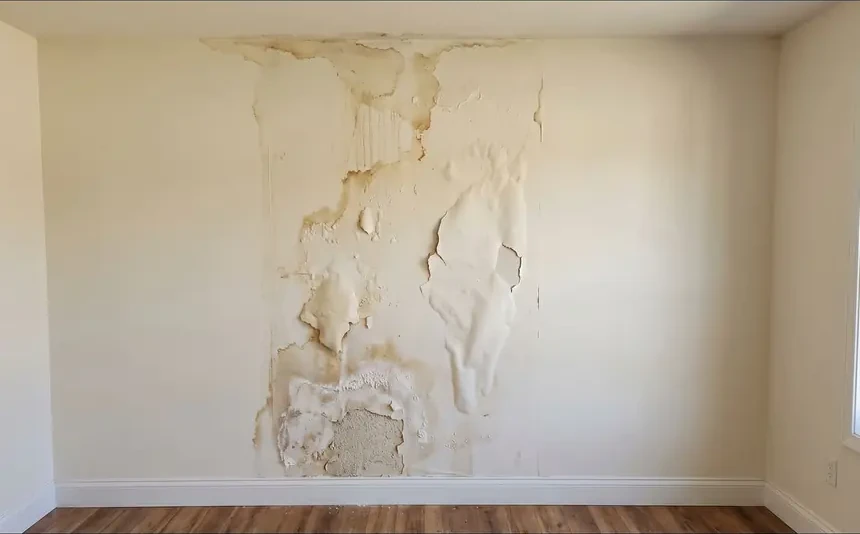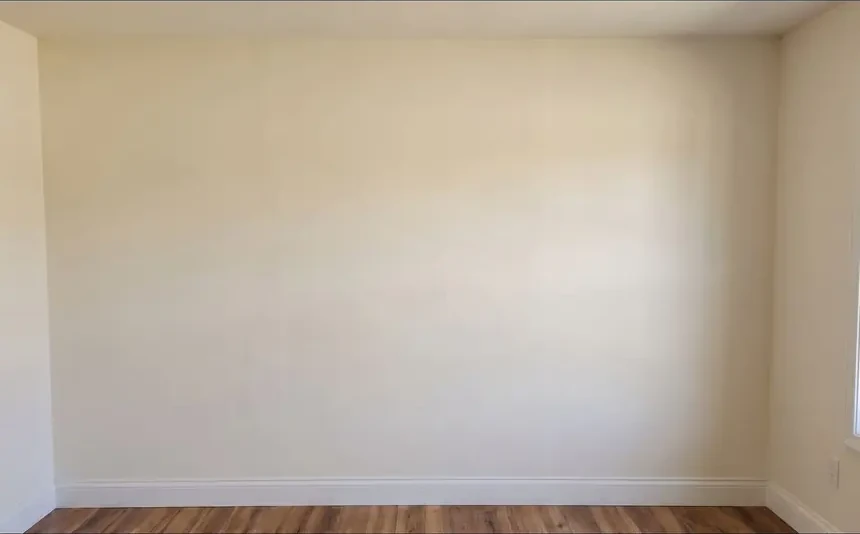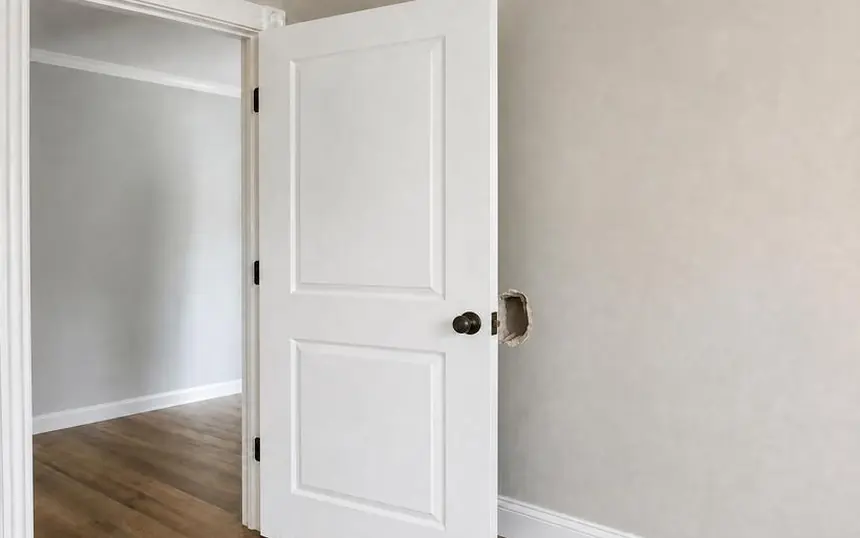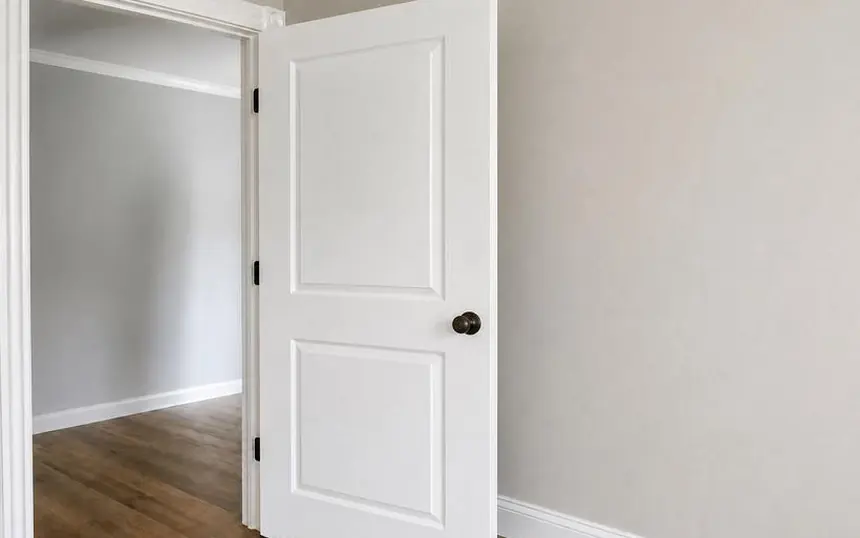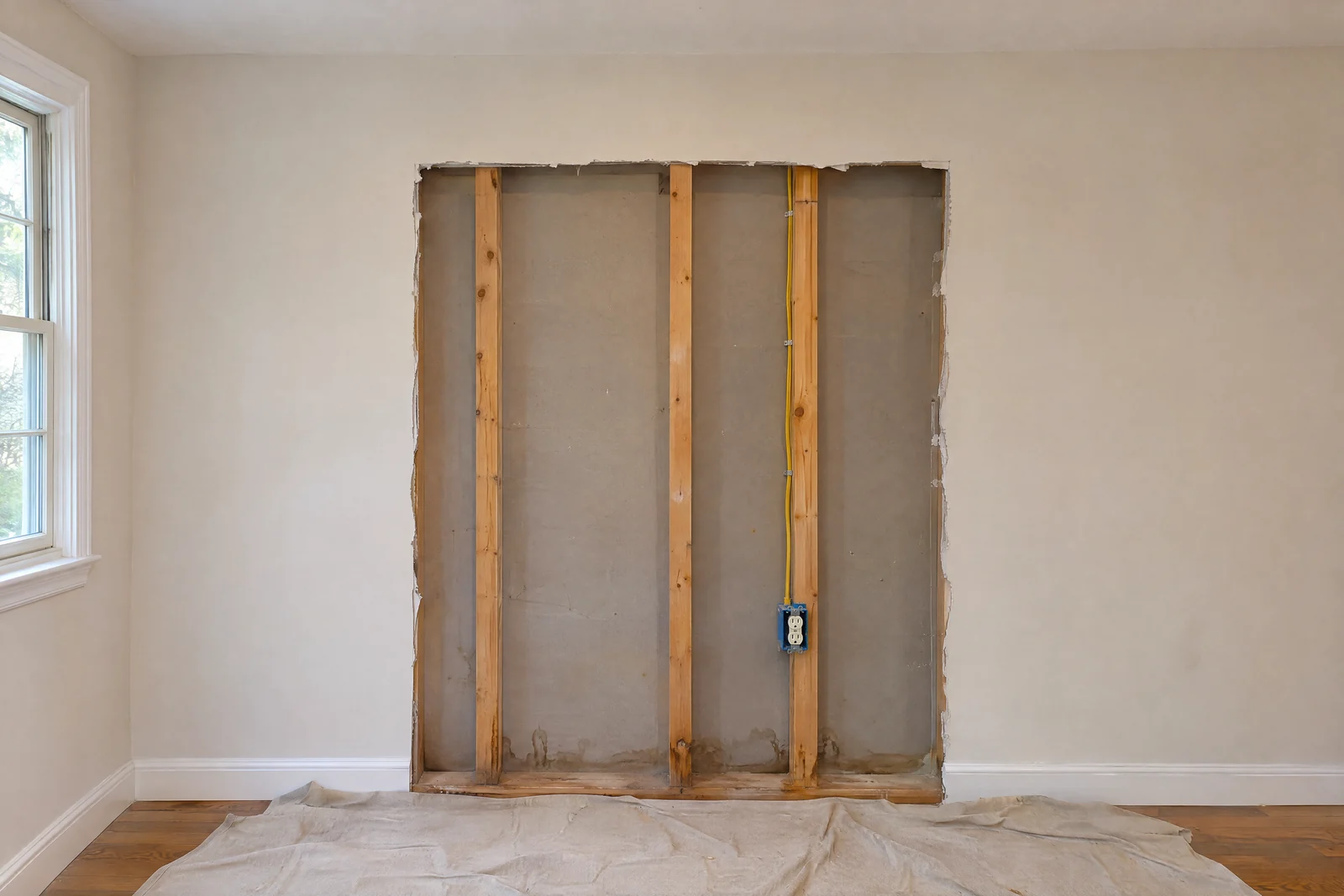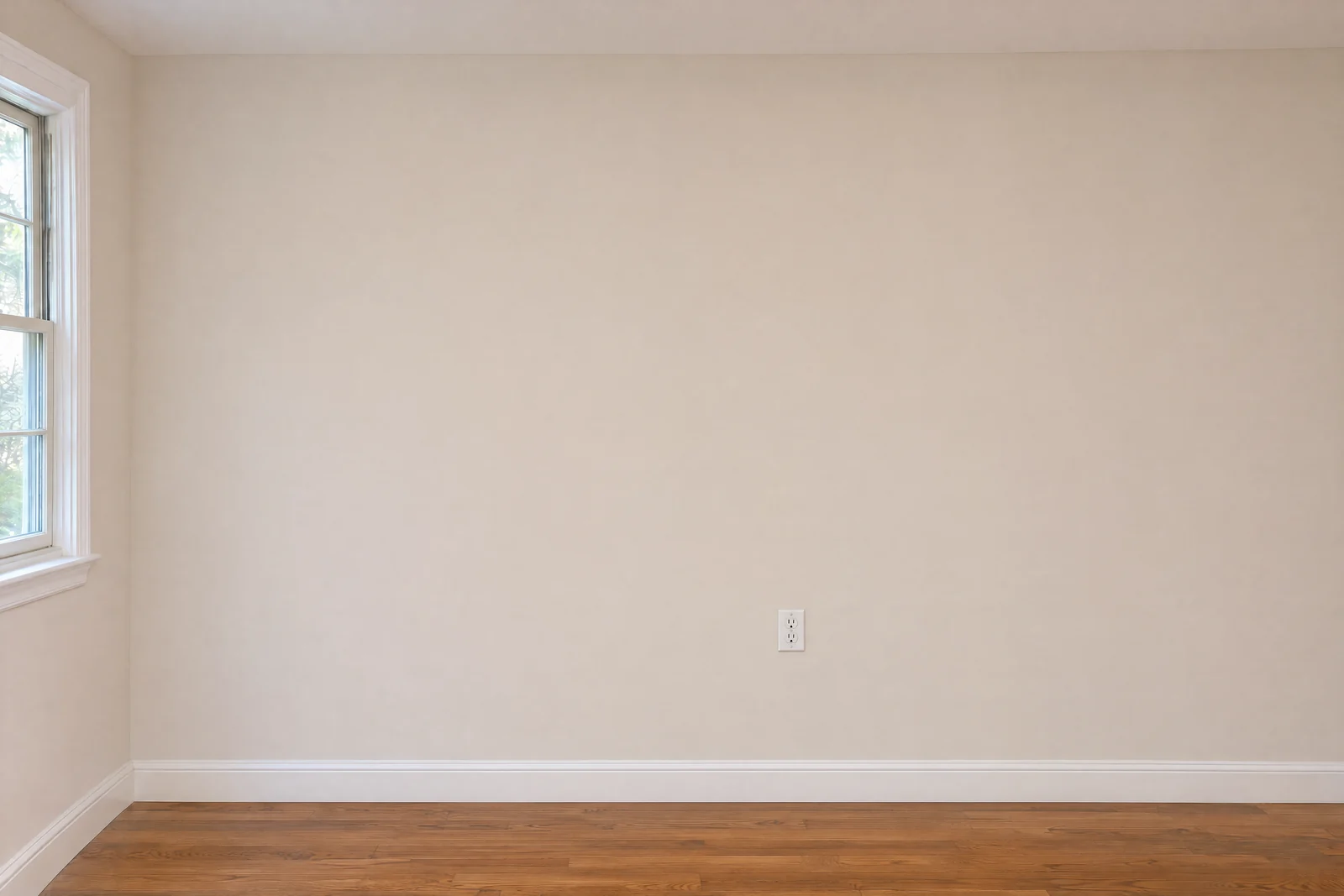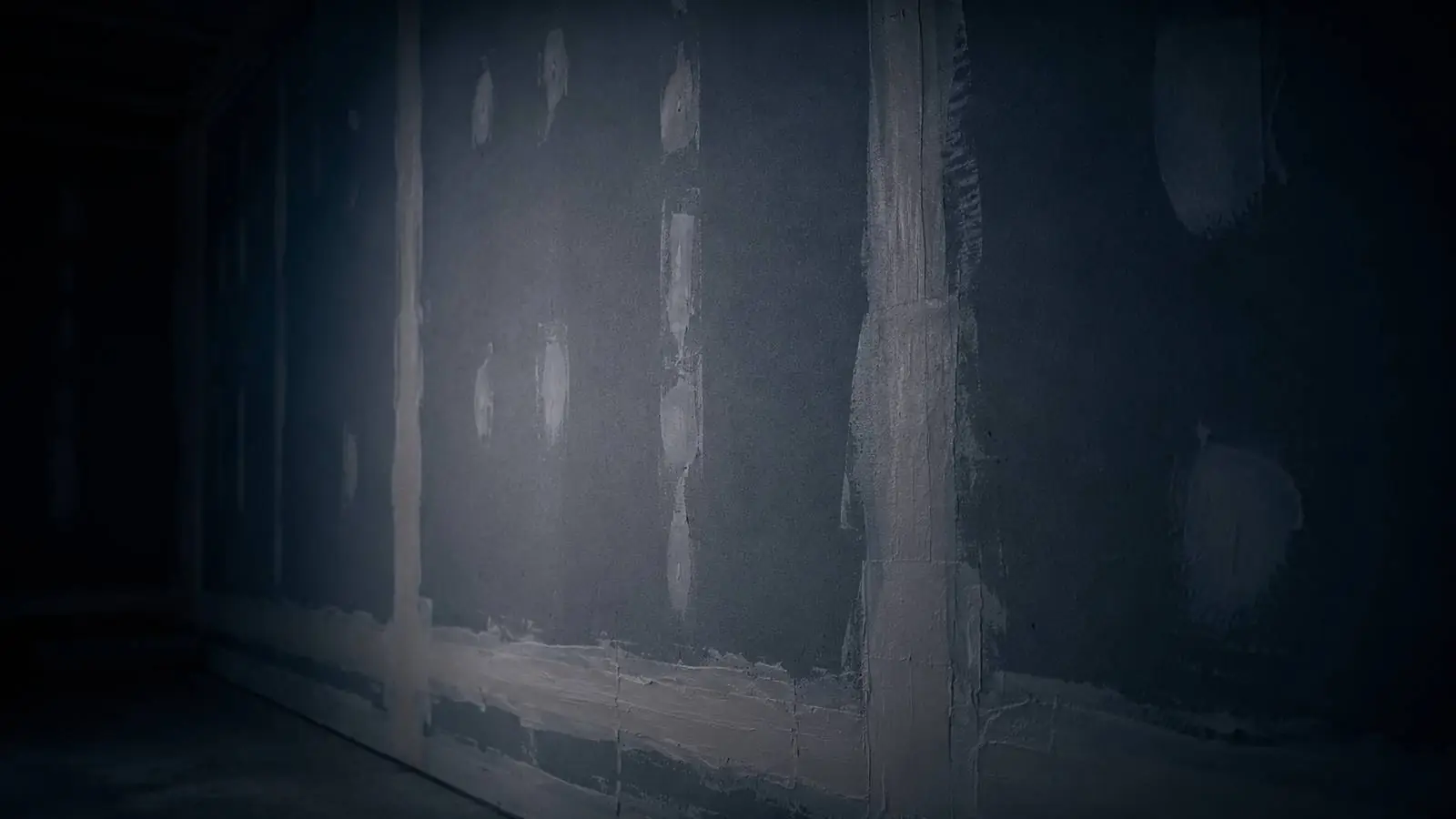
The move-out wall in a rent-stabilized unit, the ceiling under the upstairs shower in a 1960s dingbat, the shared wall, the plaster in a bungalow court, patched and matched a few blocks from the office. Priced in writing on the call.
 BBBAccredited Business
Kaminskiy Care and Repair repairs walls and ceilings in West Hollywood, a city of renters, condo owners and small landlords where the wall is usually one of four: the turnover wall in a rent-stabilized apartment with anchor holes in every room, the ceiling in a 1950s or 1960s dingbat under the upstairs shower, the shared wall between two units with a dented corner and a crack at the ceiling line, and the plaster in a 1920s bungalow court or a West Hollywood West house. We patch by the room and invoice by the room for the landlord, repair the ceiling after the building fixes the leak, patch plaster as plaster, and match the orange peel, the smooth skim or the sand finish so nothing shows under the paint. The office is a few blocks away and the price is in writing on the call.
 Eight repairs, one crew, priced in writing before we start.
West Hollywood is the densest small city in the basin, and its walls are mostly shared: a dingbat built in 1961 with eight units over a carport, a 1970s condo on Doheny with a bathroom over every bedroom, a 1920s court where six bungalows share a walk. The repairs are the same few every week: the turnover wall, the ceiling from upstairs, the corner bead in a hallway, the crack where two eras of wall meet. Our technicians do them by the room, and the office on Wilshire is a few blocks south.
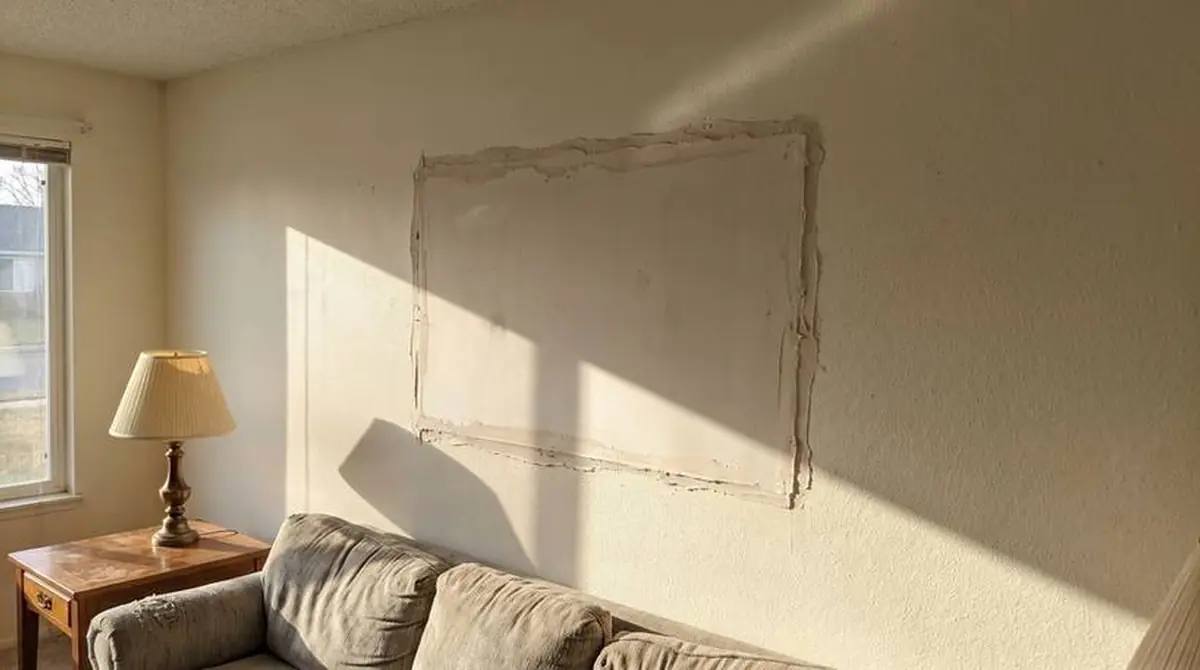
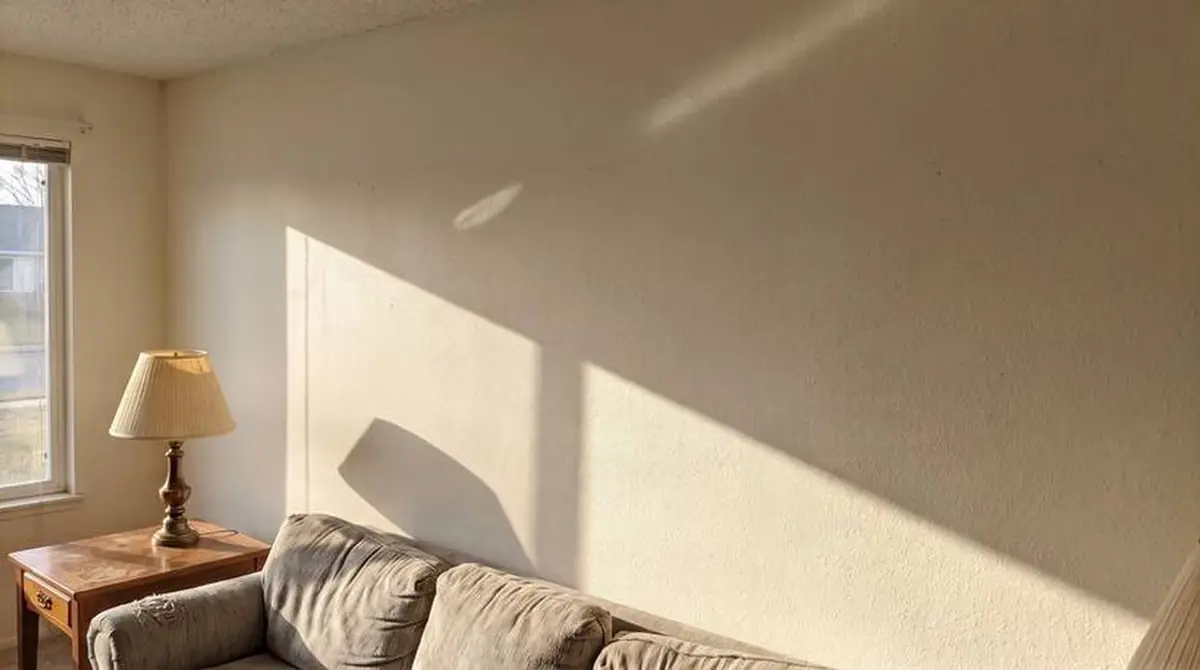 AFTERBEFORE
 Hole & Crack Repair
 Water Damage Repair
 Ceiling Repair
 Texture Matching
 Big Patches & Full Sheets
 Nail & Anchor Holes
 Corner Bead & Cracks
 Primed & Ready for Paint
Landlord, condo owner or tenant with permission, the call is the same: say which rooms, size the biggest hole against your hand, and tell us if the building is from before 1950, because the wall may be plaster. The written price comes back before anyone walks over from Wilshire.

Priced and on the calendar during the first call.

A written quote you approve before anyone drives out.

One crew, truck stocked, warranty in writing.
A one-year workmanship warranty, in writing, on every West Hollywood drywall repair.
West Hollywood was mostly built between 1920 and 1975: bungalow courts and single-family houses with lath and plaster, then the dingbats and the first condos with drywall on both sides of a shared wall and a sprayed ceiling over every unit. A shared wall is repaired on your side, with the neighbor informed and the manager or the CC&Rs read first; the sound and fire board between units goes back the same thickness. The earthquake cracked the tape at the ceiling line and the corner beads in most of these buildings, and the repair is taping and finishing, not caulk.
The apartments and condos of the 1950s through the 1980s carry orange peel on half-inch board, sometimes a knockdown in the later buildings and smooth in the remodeled units; the 1920s courts and the houses of West Hollywood West carry plaster under a sand finish or a smooth skim. Orange peel is sprayed on a test board and compared against the wall first; plaster gets a bonding agent and a setting compound keyed into the lath. We tell you which wall you have on the first look, and patch it in its own material.
In a stacked building the shower pan, the supply line or the washer upstairs shows as a ring on the ceiling below weeks later. The building or the upstairs owner fixes the source, the ceiling dries and reads dry on the meter, then we cut out the stained section and replace it, taped, finished, textured and primed. A sagging ceiling or dark growth bigger than a dinner plate goes to a licensed mold remediation company before our patch, and we say so on the call. A ceiling sprayed before 1980 is tested by a licensed lab before anyone scrapes or sands it.
A rent-stabilized unit turns over and the walls carry the last tenancy: anchors from the shelves, nail holes from the gallery, a knob hole behind the bedroom door, a dented corner in the hall. Up to fifteen nail, screw and anchor holes in a room is one menu item: anchors pulled, every hole filled flush, texture matched and primed for the turnover paint. Each room is its own line on the invoice so the deposit accounting can read it, and the unit is ready for the painter in one visit for most apartments.
Single-family 1920s and 1930s houses with lath and plaster walls, coved ceilings and remodeled kitchens in smooth drywall meeting the old plaster at a seam. Plaster cracks along the lath and goes hollow at the corners; the seam between the eras opens every summer. Plaster patched as plaster, the seam taped and finished so the two walls read as one.
Bungalow courts, duplexes and the dingbats of the 1950s and 1960s: plaster in the courts, orange peel on the first drywall in the dingbats, sprayed ceilings from before 1980 that get tested before anyone touches them, and the ceiling stain from the unit above. Turnover walls by the room, shared walls repaired on your side with the manager informed.
Older houses patched over the decades, and the 1970s and 1980s condo buildings along Doheny and below Sunset with shared walls, a bathroom over every bedroom and corner bead cracked at the ceiling line since the earthquake. The CC&Rs decide what crosses the wall; we repair your side, match the orange peel or the smooth remodel and leave it primed.
The courts and the condos are a few blocks from the office on Wilshire; the Los Angeles drywall repair page has the city-wide picture, the City of Los Angeles permit rule and the water-damage paperwork in plain words.
Hold your hand over the damage and tell us: smaller than your hand, bigger than your hand, poster-sized, or a whole sheet. We price it on the call, in writing, in under ten minutes.
Water damage is repaired after the source is fixed. If the stain is still wet we tell you who fixes the leak, and we schedule the drywall for when it is dry.
Backing where it needs it, new board cut to fit, every seam taped, three coats of compound sanded smooth, your texture matched, then primer.
Dust contained and the room left clean. Most patches are finished in one visit; a full sheet may need a short second visit for the final coat, scheduled before we leave.
West Hollywood keeps its own list of work exempt from a building permit and builds to the California codes. The state residential code needs no application for ordinary repairs to a structure and exempts painting, papering and similar finish work, which is where a drywall or plaster patch, a replaced sheet in an existing wall and a ceiling repair fall; it draws the line at cutting a wall or a structural member, so a new opening, a removed wall or any framing is a permit job. We check the city's list before a bigger job rather than guess.
The state insurance department's guide lists sudden and accidental water damage among the perils generally covered by a homeowner or renter policy and seepage, slow leaks, wear and tear and neglect among those generally not, so the date the leak began matters to every adjuster in the building. Photograph the ceiling the day the ring appears and tell the manager in writing. In a condo, California Civil Code 4775 puts the common area on the association and the separate interest on the owner unless the CC&Rs say otherwise; we repair your side after the source is fixed and the board reads dry, and write the drywall scope as its own line.
Most West Hollywood apartments in buildings occupied before mid-1979 are under the city's rent stabilization ordinance, and every turnover ends with a deposit accounting that separates ordinary wear from damage. We do not decide which is which; we patch the unit by the room, up to fifteen nail and anchor holes a room as one line, knob holes and dented corners by size, and invoice by the room so the accounting can read it. The unit leaves textured, primed and ready for the painter.
Can't find your answer? Call 310-928-6211 and ask us anything.
Call 310-928-6211The office on Wilshire is a few blocks south, so usually within days. The price is in writing on the call in under ten minutes, and most patches are finished in one visit; a full apartment turnover is scheduled room by room on the same call.
Yes, by the room. Up to fifteen nail, screw and anchor holes in a room is one menu item: anchors pulled, every hole filled flush, the orange peel matched and primed for the turnover paint. Each room is its own line on the invoice, and a knob hole or a dented corner is priced by size on the same call.
After the building or the upstairs owner has fixed the leak and the ceiling reads dry on the meter, yes: the stained section comes out, the joists are checked, new board goes up, taped, finished, textured and primed. A still-wet or sagging ceiling is priced on the call after a look. If the ceiling was sprayed before 1980 a licensed lab tests it before anyone scrapes it.
Yes. The drywall on your side is yours; the wall itself is the building's or the association's, and we tell the manager before we open it. A full-sheet repair on a wall between two units goes back with the same board thickness the building was built with, taped and finished, so the sound and fire separation stays what it was.
Yes. Plaster is patched with a bonding agent and a setting compound keyed into the lath, then finished to the sand or smooth skim around it; a drywall patch screwed into plaster is the repair that fails. Our technicians repair both and tell you which wall you have on the first look.
The size of the biggest hole against your hand, how many rooms, whether water was involved, plaster or drywall and the finish on it, and the ceiling height. Say those on the call and the price is in writing in under ten minutes; a whole unit is priced room by room.
Not for a patch, a replaced sheet in an existing wall or a ceiling repair: the state code the city builds on treats ordinary repairs and finish work as needing no application, and the city keeps its own exempt list that we check before any bigger job. A new opening, a removed wall or framing is a different job and we say so first.
All of it: West Hollywood West, the Norma Triangle, the center and the Eastside, the Doheny and Sunset condo corridors, plus Beverly Hills, the Hollywood Hills, Hollywood, Fairfax, Hancock Park and Mid-City. Call 310-928-6211 to confirm your address.
Describe the wall or ceiling, or text a photo, and we call back with a written price and a time. Calling is still faster: 310-928-6211.
Priced in writing before we start, matched to the wall, warranted in writing.
We answer in under three rings, 24/7.No price games. You get a clear written quote before any work begins, backed by our workmanship warranty.