 BBBAccredited Business

Kaminskiy Care and Repair patches stucco cracks and chips and matches the existing texture so the repair blends in. Hairline cracks are cosmetic; widening or bulging ones deserve a call, and the quote is free either way. We serve Burbank and the surrounding California communities.
Ten minutes from our office. Sun-split stucco on the flats and slope hairlines on the hillside.
Burbank stucco is postwar: 1940s and 1950s bungalows and ranch homes in Magnolia Park and the Media District with a sand-finish wall that has baked through seventy summers, and 1950s to 1970s hillside homes above Glenoaks with a hairline over every door from a little slope movement. We cut and fill the cracks, patch the chips, cut a hollow section back to the lath and bring it back in three coats, then match the sand finish and the color. Sills, caps and the weep screed get checked on the same scope.
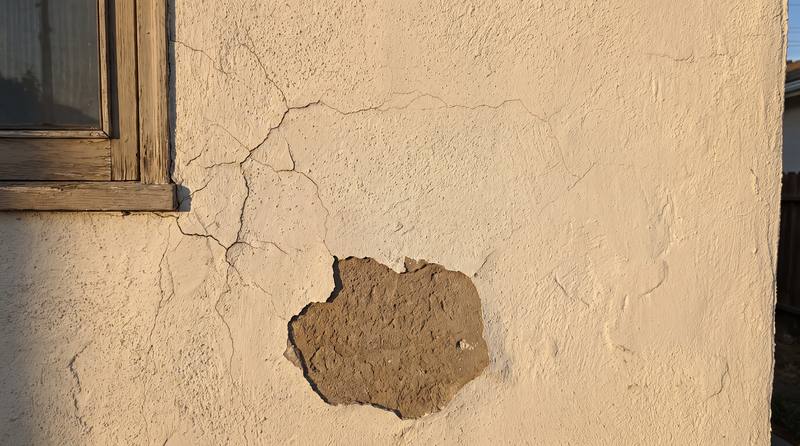
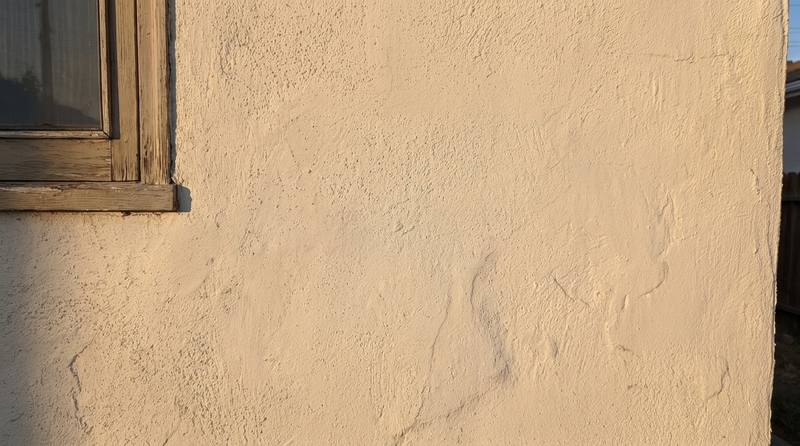 AFTERBEFORE
A Kaminskiy-certified technician crosses the 134 from our Glendale office for any of these. The look and the scope are quick; the patch is three coats, and each one cures before the next goes on.

Priced and on the calendar during the first call.

A written quote you approve before anyone drives out.

Three coats, each one cured, warranty in writing.
A one-year workmanship warranty, in writing, on every Burbank stucco repair.
Heat first. Burbank summers run among the hottest in the county, and a stucco wall facing south or west expands and shrinks every day for months; the hairlines at the window corners are the wall working. Then water: sprinklers that have wet the same two feet of wall for decades, planters built against the house, a downspout that drops onto the base. On the hillside, the lot moves a little and the frame with it. None of it is dramatic, and all of it is cheaper this summer than next.
A hairline that stays a hairline is maintenance: cut, fill, seal, paint. The ones to call about are a crack that takes a coin, a crack that has widened since you last painted it, a wall that sounds hollow over an area bigger than a dinner plate, a rust streak from the corner bead, or a horizontal crack along the base where the stucco meets the slab. If a crack runs from the corner of a header that has dropped or follows the foundation, an engineer looks first and we patch after.
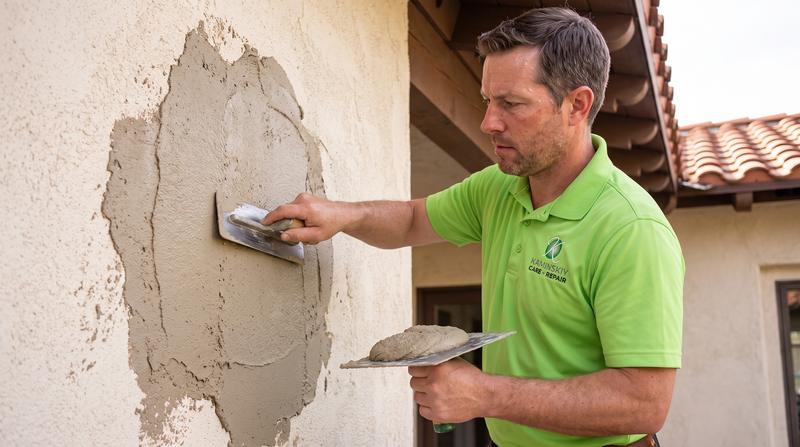
A real patch is cut back to sound stucco and lath, the torn paper and rusted lath are replaced, and a scratch coat goes on and cures. The brown coat follows, floated flat with the wall, and cures. The finish coat is the last visit: worked to the sand finish of the wall around it and tinted or painted to match. The work is about a day, spread across visits, because a coat that is covered before it cures shrinks and cracks the patch you paid for.
Move the sprinkler heads so the spray lands on the lawn and not the wall, and pull the planter soil down below the weep screed so the stucco can drain. Keep paint or a fog coat on the south and west walls, caulk the window and door perimeters before the summer, and look at the base of the wall and the garage corners once a year. The hose-bib hole and the old cable penetrations want a proper patch, not more caulk.
Postwar bungalows and ranch homes with a sand-finish stucco that was troweled once in 1950 and painted a dozen times since. The south and west walls craze in the heat, the base goes soft wherever a sprinkler or a planter meets it, and the hose-bib and dryer-vent holes have been patched with whatever was in the garage. We cut the failures back to sound lath, rebuild them in three coats and work the sand finish until the patch disappears under the paint.
Horse properties where the house wall doubles as the back of a wash rack or a corral, hosed down daily and leaned on by something heavy. The stucco at the base is wet year round, the corner beads rust and bleed, and the lower courses go hollow. We cut the soft stucco out, replace the paper and lath, re-stucco in three coats and get the water running away from the wall before the finish coat goes on.
Larger 1950s to 1970s homes on slope lots that move a little each year, so a crack opens over the slider or at the corner of a window and reopens through every coat of paint. Most of these are the frame working and get cut, filled with a flexible repair and refinished. A crack that keeps widening or follows the foundation line is measured and photographed, and an engineer looks before we patch it.
Call 747-298-8227 or text a close photo of the crack or the hollow spot and one of the whole wall from the yard. A range on the call and a date for the look is the usual Burbank start, any day from eight to eight.
A technician taps out the hollow areas, measures the cracks, checks the weep screed, the sills, the caps and the water path, and writes the scope: what gets cut and filled, what gets re-lathed, how the finish will be matched and how many visits the coats need. The price goes on the scope before a single cut.
The failed stucco comes off to sound material, new paper and lath go in, and the scratch coat is applied and left to cure. The brown coat follows on the next visit, floated flush with the wall, and cures before the finish.
The finish coat is worked to the sand finish of the wall and tinted or painted to the house. The debris leaves with us and the one-year workmanship warranty is on the invoice at the price you approved.
California allows a job under a small set amount to be done without a license when it needs no permit and no employees; a stucco patch with new lath and three visits on the calendar is past that line. Kaminskiy Care and Repair holds License #1106209, is bonded and insured, its technicians are Kaminskiy-certified and background checked, and anything over the state's written-contract threshold goes on paper before the first cut.
Burbank keeps its own section of work exempt from a permit in its building code and its Building Division hands out a sheet of common projects that need none. The state residential code the city builds to asks no application for an ordinary repair to a structure and exempts painting and similar finish work, which is where crack repair, patching, matching the finish and resetting a sill cap sit. Stripping a large area of wall to the studs and re-lathing it, or any repair that reaches a structural member, is the line, and we check the city's sheet or ask the Building Division before a job like that.
On the hillside the city asks for a Hillside Development Permit before an addition or a remodel in the designated hillside area; a stucco patch that matches the house is not that. Most of Burbank has no association; the condo and townhome communities that do approve exterior changes, and a patch matched to the existing color is rarely one. In the Rancho a wall shared with a neighbor's corral is worth a word with the neighbor first, and we put the finish and the color in writing for it.
Ten minutes from the office. Your Burbank crew dispatches from our Glendale office on Brand Boulevard, across the 134 from the Media District, so most calls are scheduled within days. Call 747-298-8227, text a photo, or send the form, any day from eight to eight.
Can't find your answer? Call 747-298-8227 and ask us anything.
Call 747-298-8227Three coats with a cure between each: the first visit cuts out the failed stucco, replaces the paper and lath and applies the scratch coat; the brown coat goes on after it has cured; the finish coat with the texture and color comes last. Call it a day of work spread across visits from our Glendale office, and the written scope tells you how many before we start.
Most Burbank walls are a sand or light dash finish, and we work the finish coat with the same float and the same aggregate until it reads like the wall beside it, then tint or paint to the house. A wall that has faded through seventy summers can show a fresh patch as slightly brighter until it weathers in; we tell you that at the look, and a fog coat or a repaint of the elevation is the answer when it matters.
A hairline at a window corner on a postwar Burbank house is the wall moving with the heat, and it is normal. It still wants filling and sealing so water stays out of the paper and lath behind it. Call about a crack that has widened since the last paint job, that takes a coin, that runs along the base of the wall, or that comes down from a header that has dropped; if it follows the structure an engineer looks before we patch.
No. EIFS is foam board with a thin base coat and finish, a different system from three-coat stucco, and repairs have to follow the manufacturer's method, so we refer it to the system's certified installer. We will tell you at the look which kind of wall you have; most Burbank homes are the traditional kind.
It turns on how much is cracks and how much is hollow stucco that needs new lath. Send photos and the call gives you a range; after the look the written scope lists the cutting, the lath, the three coats and the matching, priced before anything is cut, and the invoice reads the same as the scope you approved.
Yes. Every stucco repair carries a one-year workmanship warranty in writing and is done by Kaminskiy-certified, background checked technicians under California contractor License #1106209, bonded and insured.
Yes. The office is open every day from eight to eight, photos and the address can come by text, we can work from a lockbox or with whoever is home, and we send pictures as each coat goes on. Since the patch is spread across visits anyway, the visits fit around your call times.
All of Burbank from our Glendale office: Magnolia Park, the Media District, the Rancho, Sunset Canyon and the hillside above Glenoaks, plus Glendale, Toluca Lake, North Hollywood, Sun Valley and Studio City. Call 747-298-8227 to confirm your address.
Send a photo of the wall and the address. We call back with a written price and the visits it takes. Calling is still fastest: 747-298-8227.
Priced on the call, blended to match, warranted in writing.
We answer in under three rings, 24/7.No price games. You get a clear written quote before any work begins, backed by our workmanship warranty.
