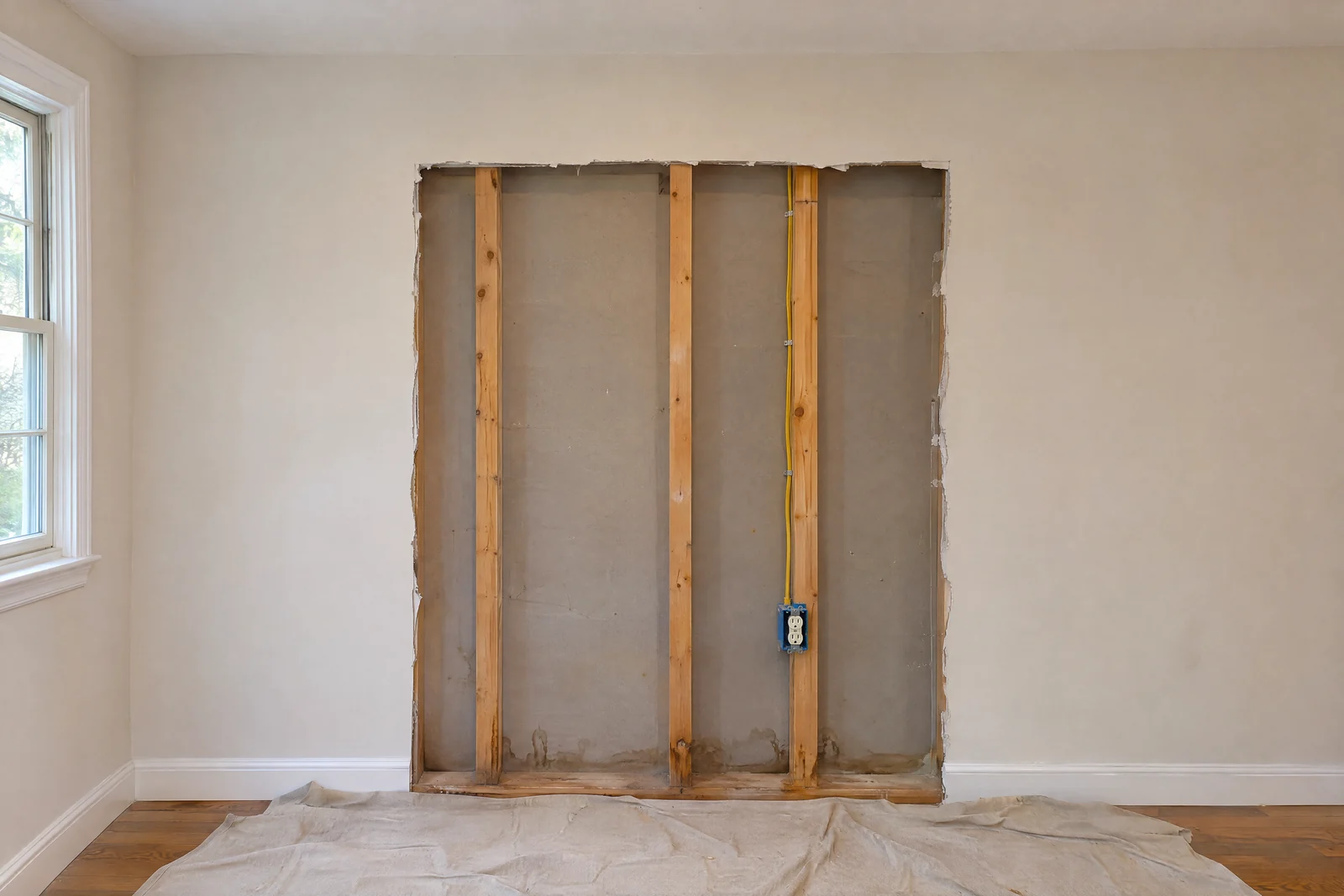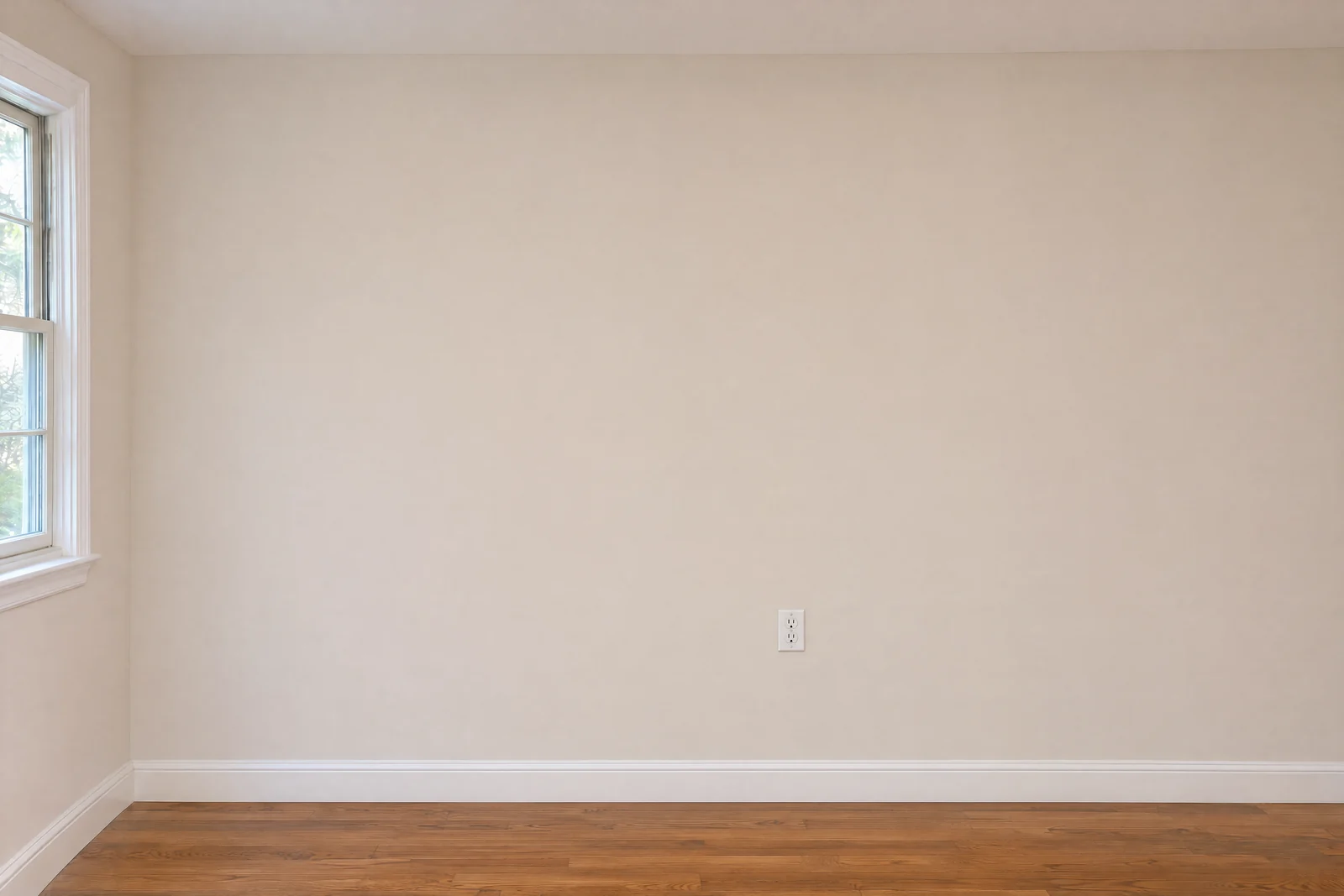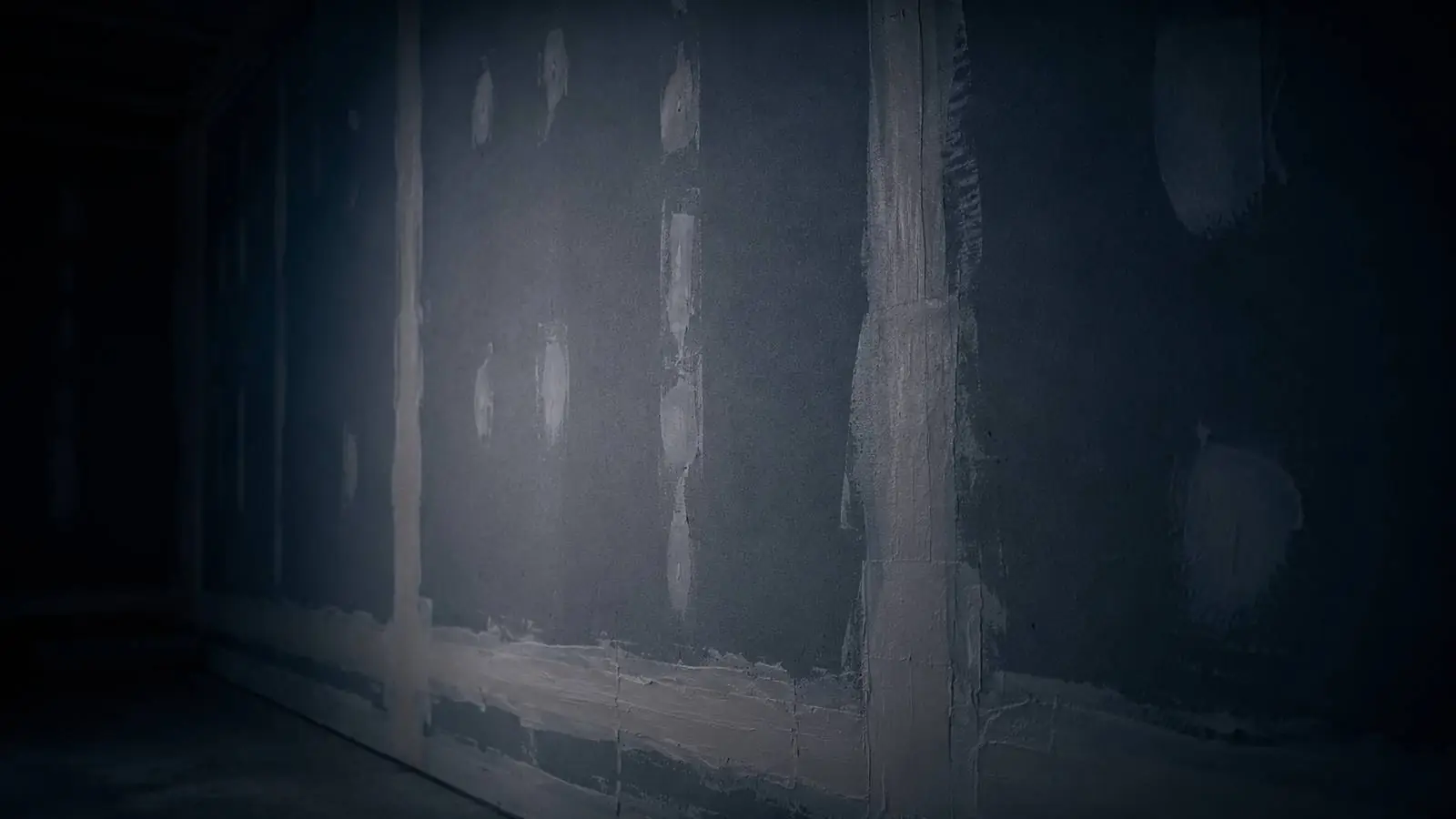
Plaster in Willow Glen, sprayed ceilings in Cambrian, truss cracks in Almaden, condo ceilings downtown and the move-out wall, patched in the right material and primed. Priced in writing on the call.
 BBBAccredited Business
Kaminskiy Care and Repair patches and finishes drywall across San Jose from an office on Murphy Avenue in Sunnyvale: the crack along the lath in a Willow Glen, Rose Garden or Naglee Park house, the sprayed 1960s ceiling in Cambrian or Blossom Valley that is tested before anyone sands it, the crack along the upstairs ceiling line of an Almaden or Evergreen two-story that opens every August, the ceiling in a downtown or North San Jose condo after the unit above leaked, the garage wall opened for a water heater line, the wall of a garage conversion the city asked to see, and the forty anchor holes after a tech lease ends. New board where the old is broken or soft, taped seams, three coats, the texture matched, primer. Water waits for the source to be fixed and the board to dry. The price is in writing on the call and most patches are finished in one visit.
 Eight repairs, one crew, priced in writing before we start.
San Jose has every kind of wall built since 1900: plaster on lath in Willow Glen, the Rose Garden, Naglee Park and Japantown; the first drywall with orange peel and sprayed ceilings in the 1950s and 1960s tracts of Cambrian, Blossom Valley, Alum Rock and West San Jose; knockdown and truss-lift cracks in the 1970s through 1990s two-stories of Almaden, Berryessa, Evergreen and Santa Teresa; smooth walls and a neighbor above in the condos of downtown and North San Jose; and the Eichlers of Fairglen with drywall on the walls only. We match each finish and test each older ceiling first.
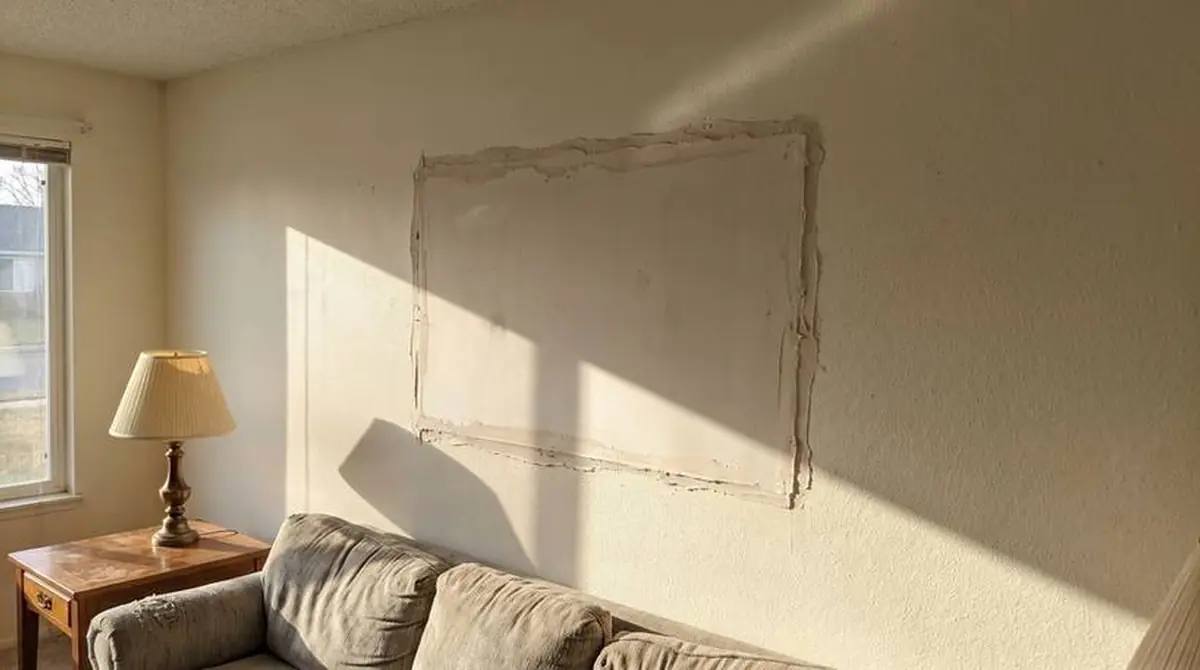
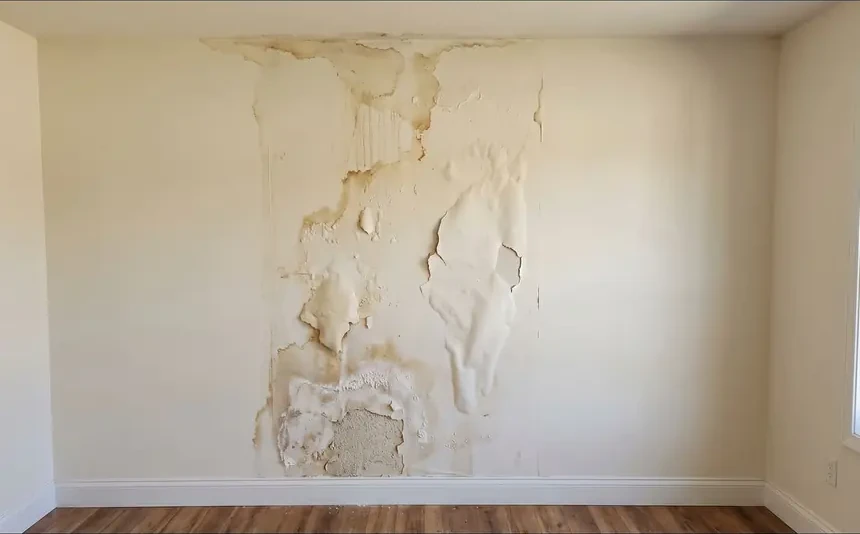
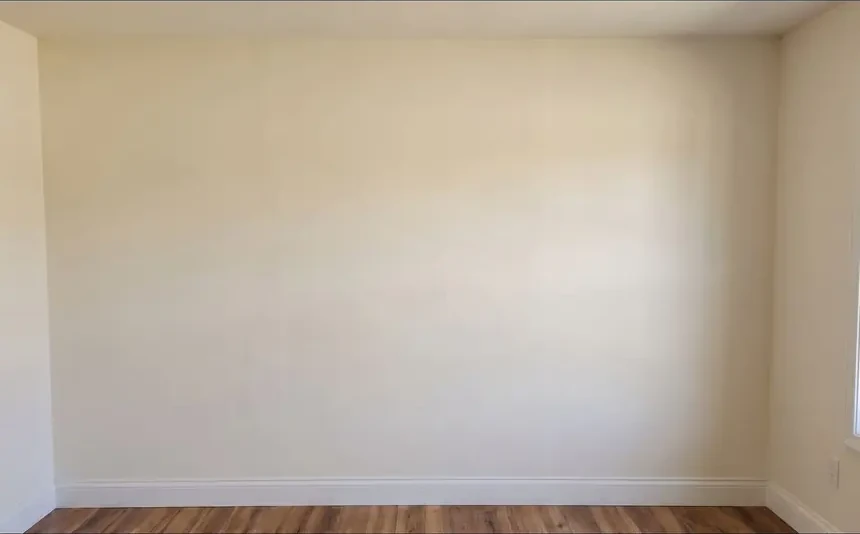
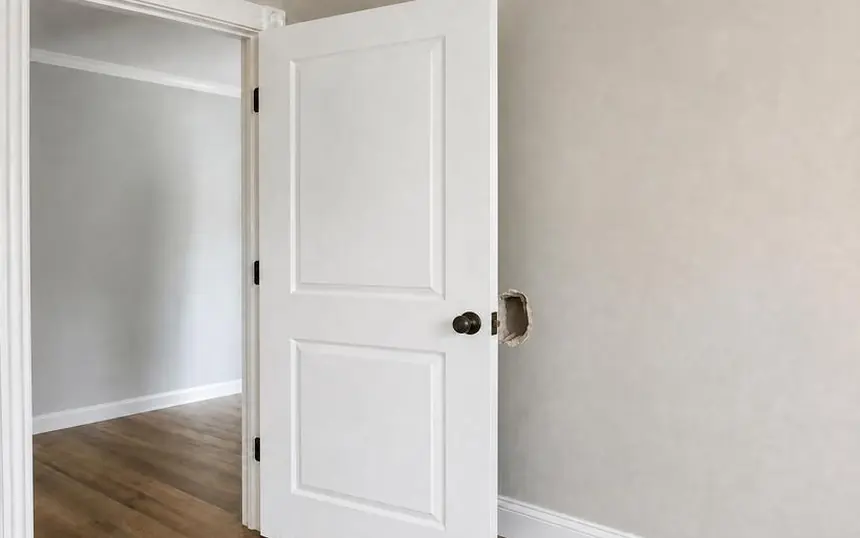
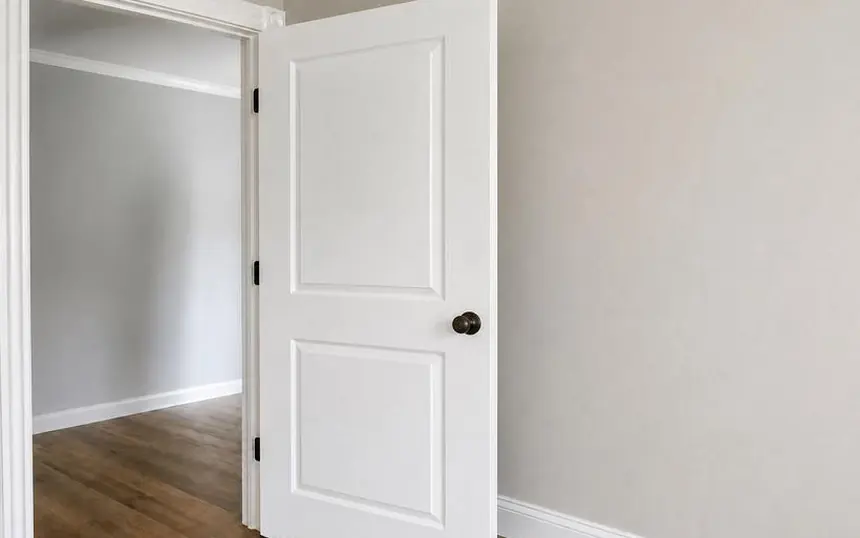
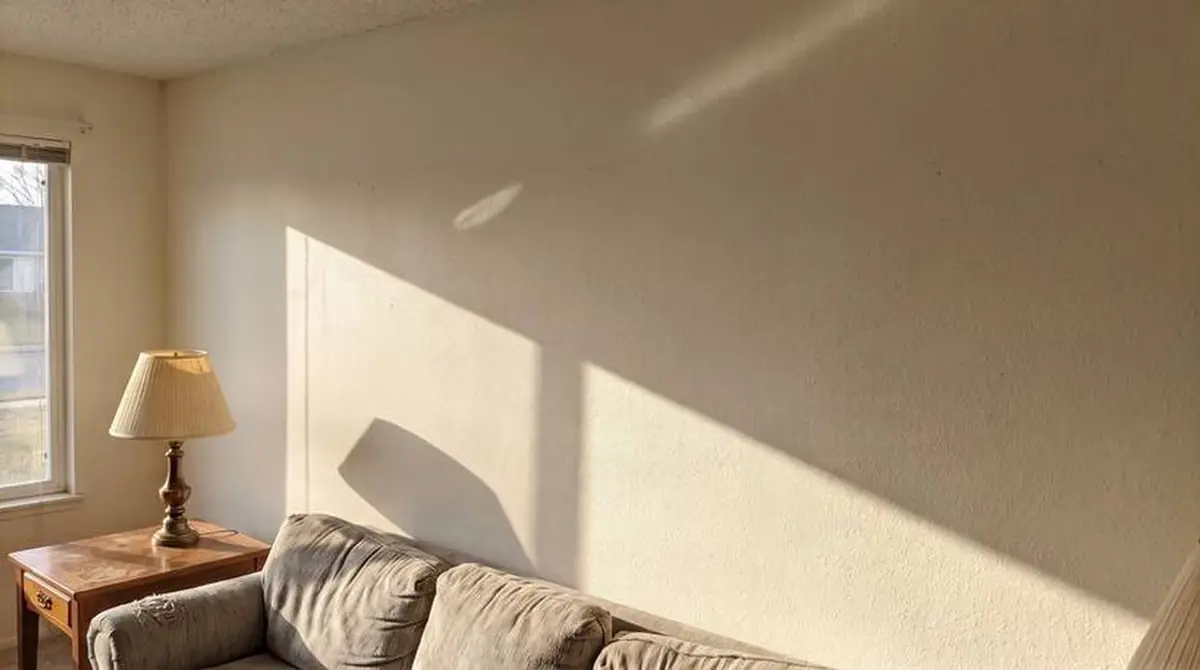 AFTERBEFORE
 Hole & Crack Repair
 Water Damage Repair
 Ceiling Repair
 Texture Matching
 Big Patches & Full Sheets
 Nail & Anchor Holes
 Corner Bead & Cracks
 Primed & Ready for Paint
Willow Glen plaster, a Cambrian ceiling or an Almaden truss crack, each is routine for our technicians, and the office is twenty minutes up the freeway. Say which part of town and the size against your hand, and the price is in writing before anyone drives over.

Priced and on the calendar during the first call.

A written quote you approve before anyone drives out.

One crew, truck stocked, warranty in writing.
A one-year workmanship warranty, in writing, on every San Jose drywall repair.
It depends on the decade. The pre-war neighborhoods crack because plaster ages: the keys break, a section goes hollow, a crack follows the lath. The 1950s and 1960s tracts crack along sixty years of patches and nail pops. The 1970s through 1990s two-stories of Almaden, Berryessa, Evergreen and Santa Teresa crack along the upstairs ceiling line every August, when the roof trusses arch in the attic heat and lift the ceiling off the wall; caulk fails every year, and a floating corner or a crown line lets the joint move. On the hillside lots of Almaden and Evergreen the diagonal crack from a window corner is the fill side settling. And a hard shake on the Hayward or Calaveras fault opens hairlines at the door corners across the whole city at once.
Willow Glen, the Rose Garden, Naglee Park and Japantown carry plaster on lath with a sand or smooth finish, patched with a bonding agent and a setting compound keyed into the lath. Cambrian, Blossom Valley, Alum Rock and West San Jose carry orange peel on half-inch board and a sprayed ceiling sampled by a licensed lab before anyone sands it if it dates from before 1980. Almaden, Berryessa, Evergreen and Santa Teresa run a heavier peel or a knockdown. The downtown and North San Jose condos and the Fairglen Eichlers are smooth, where the repair gets the wider feather and the raking-light check. Each is matched on a test board first.
A single-story ranch takes its water from a roof flashing in a January storm. A two-story takes it from the hall bath over the kitchen or the laundry upstairs. A 1980s tract with the plastic supply lines of its decade takes it from a slab leak that soaks a wall from the bottom. A condo takes it from the unit above. Whoever owns the leak fixes it, a meter reading says the framing is dry, and then we cut, hang, tape and texture. Dark growth that a dinner plate would not cover goes to a licensed mold remediation company ahead of us, and we say so on the first call.
San Jose has more garage conversions and backyard units than any city around it, and the drywall in them has rules of its own. The wall and ceiling between a house and its attached garage are fire separation: half-inch board on the garage side, five-eighths Type X under a living space, and a full-sheet repair there goes back with the same board. Converting the garage or finishing an ADU is a permit job, and the city inspects the fire-rated board; we patch and finish the rated wall to match what the permit asked for, and we send you to the permit center before a conversion, not after.
Craftsman, Spanish and Tudor houses from the 1900s through the 1940s with lath and plaster walls, coved ceilings and corners that crumble, beside downtown condos with smooth walls and a neighbor above. Plaster patched as plaster, smooth finished smooth, a pre-1978 painted surface handled lead-safe by a certified firm, and the Fairglen Eichlers off Willow Glen with drywall on the walls only, finished smooth between the beams.
Single-story ranches from the 1950s and 1960s on the former orchards: orange peel on the first drywall, sprayed ceilings from before 1980 that get tested by a licensed lab before anyone disturbs them, nail pops along the studs, the roof flashing that stains a hallway ceiling in January, and garages converted to rooms with the fire wall to match. Sixty years of patches to match and corner bead to rebuild.
Two-story stucco homes from the 1970s through the 1990s with truss lift along the upstairs ceiling line every August, the hall bath over the kitchen, slab leaks in the 1980s streets, knockdown to match and association schemes that stay untouched; and the condos and townhomes of North San Jose with shared walls, the leak from above, smooth finishes and rental turnovers with anchor holes by the room.
San Jose is the big end of a South Bay crew that works the whole Bay; the Bay Area drywall repair page puts the ranch tracts, the plaster towns, the Eichlers and the East Bay side by side, with every permit desk and the water-damage paperwork explained.
Hold your hand over the damage and tell us: smaller than your hand, bigger than your hand, poster-sized, or a whole sheet. We price it on the call, in writing, in under ten minutes.
Water damage is repaired after the source is fixed. If the stain is still wet we tell you who fixes the leak, and we schedule the drywall for when it is dry.
Backing where it needs it, new board cut to fit, every seam taped, three coats of compound sanded smooth, your texture matched, then primer.
Dust contained and the room left clean. Most patches are finished in one visit; a full sheet may need a short second visit for the final coat, scheduled before we leave.
San Jose's permit page lists painting and drywall, including taping the joints, among the surface improvements that need no building permit, with one exception: fire-rated sheetrock still needs one. The municipal code's exempt list carries the state's words, painting, papering, tiling, carpeting, cabinets, counter tops and similar finish work, and the California Residential Code adds ordinary repairs. So a patch, a replaced sheet in an existing wall or a ceiling repair needs no permit; a full-sheet repair on the garage fire wall, a new opening, a removed wall or a garage conversion does, and we say so before anyone opens a wall.
The state's insurance department lists sudden and accidental water damage as typically covered by a homeowners policy and water damage from seepage or leaks as generally not; a slab leak that ran for a season is the second kind, and the adjuster will ask. Photograph the stain and the source the day you find them, keep the plumber's or roofer's invoice, and we write the drywall scope on its own line so it reads cleanly beside theirs. The source is fixed, the board dries and meters dry, then we replace it; we never touch the plumbing or the roof.
In the downtown and North San Jose condos the leak above and the ceiling below belong to different owners: California Civil Code 4775 puts the common area on the association and the unit on the owner unless the CC&Rs say otherwise, and we repair your side and write the scope separately. In the ranch tracts and the pre-war neighborhoods a ceiling sprayed before 1980 may carry asbestos and the paint of a pre-1978 house may carry lead: the ceiling is sampled by a licensed lab before anyone scrapes it, abatement if needed is a licensed contractor's job, and the painted surface is handled lead-safe by a certified firm.
Can't find your answer? Call 408-916-4022 and ask us anything.
Call 408-916-4022Usually within days from our office on Murphy Avenue in Sunnyvale, twenty minutes up the freeway. The price is in writing on the call, and most patches are finished in one visit; a full sheet, a plaster repair or a ceiling section may need a short second visit for the final coat.
Yes. Those houses are plaster on wood lath, patched with a bonding agent and a setting compound keyed into the lath and finished to the sand or smooth surface around it. A drywall patch screwed into plaster fails within a year, and we do not do that one. We tell you which wall you have on the first look.
Truss lift, on a calendar. The trusses in a 1970s through 1990s two-story arch as the attic heats, lift the ceiling off the upstairs walls and tear the corner tape through every bead of caulk. A floating corner or a crown line lets the joint move and ends it; we tell you which fits your ceiling on the call.
Tested, then patched. A licensed lab samples a ceiling sprayed before 1980 because it may carry asbestos; a licensed abatement contractor goes ahead of us if the lab says so; then we replace the section and match the ceiling. We never put a scraper or a sander on an untested older ceiling.
Yes, and the wall between the house and the garage is fire-rated, so a full-sheet repair there goes back with the same half-inch or five-eighths Type X board and, in San Jose, a permit. A patch on it is finish work. Converting the garage is a permit job from the start, and we send you to the permit center before it, not after.
We repair the drywall on your side after the leak is fixed and the board reads dry. The bill is a CC&Rs question, with California Civil Code 4775 as the default, and the scope we write on its own line is what the board and the adjusters work from.
Material, size, water and height: plaster or drywall; hand-sized, poster-sized or a whole sheet; dry or water-damaged; eight feet or a two-story entry. Say which on the call and the price is in writing in under ten minutes.
All of San Jose, Willow Glen, the Rose Garden, Naglee Park, Japantown, Downtown, Cambrian, Blossom Valley, Almaden Valley, Santa Teresa, Evergreen, Berryessa, Alum Rock, West San Jose and North San Jose, plus Campbell, Santa Clara, Milpitas, Los Gatos and Saratoga. Call 408-916-4022 to confirm your address.
Describe the wall or ceiling, or text a photo, and we call back with a written price and a time. Calling is still faster: 408-916-4022.
Priced in writing before we start, matched to the wall, warranted in writing.
We answer in under three rings, 24/7.No price games. You get a clear written quote before any work begins, backed by our workmanship warranty.