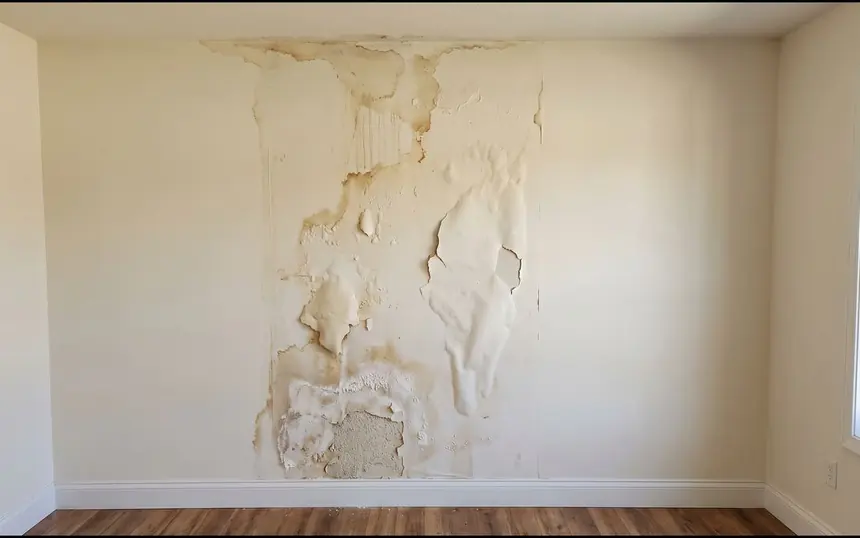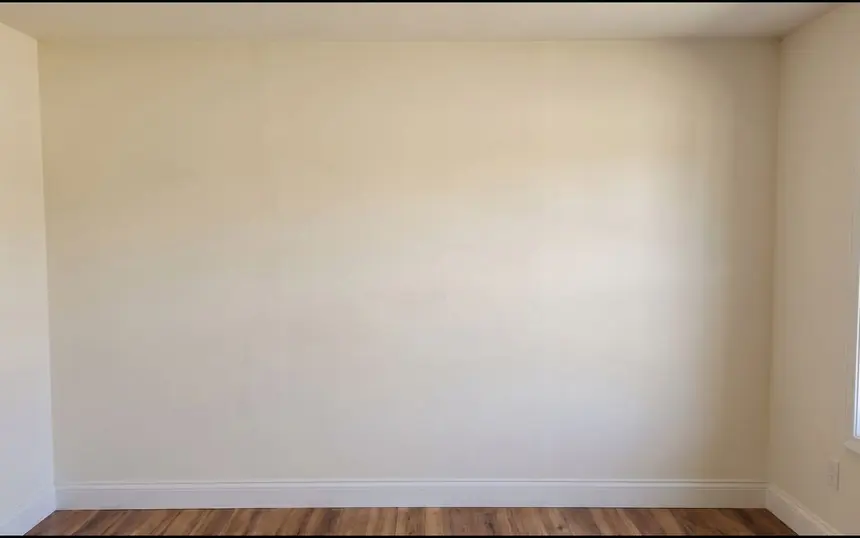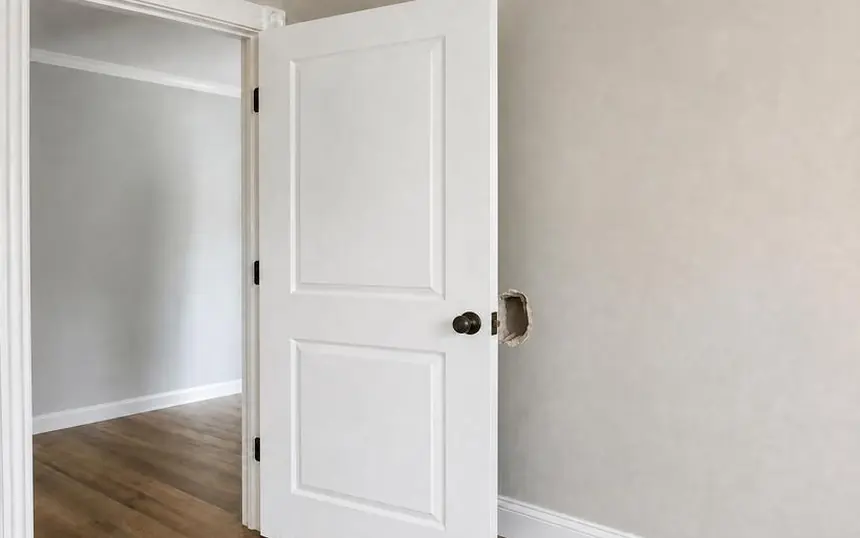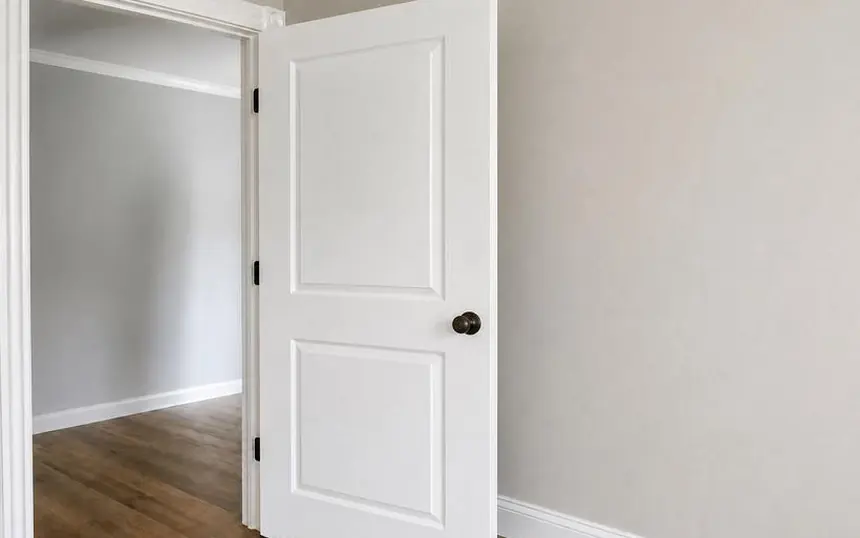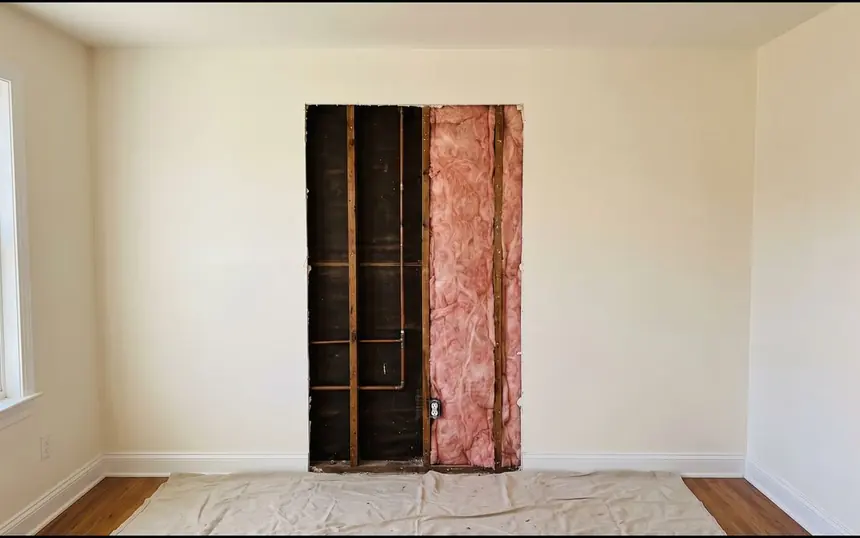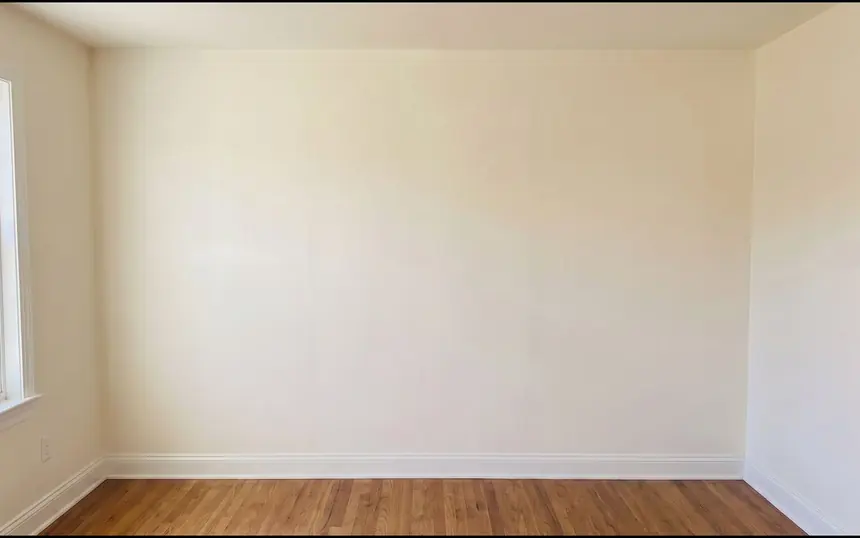
Diagonal cracks off the door corners, knob holes, the ceiling the frozen pipe soaked, plaster in the old bungalows: patched, textured and primed. Priced in writing on the call.
 BBBAccredited Business
Kaminskiy Care and Repair patches, finishes and texture matches drywall in Austin homes: the diagonal crack running off the top corner of a door frame in a Circle C two-story after a dry August, the knob hole in a Steiner Ranch hallway, the ceiling under the attic pipe that burst in the February 2021 freeze, the plaster wall in a Hyde Park bungalow, the anchor holes a tenant left in a West Campus rental. New board where the old is broken or soft, taped seams, three coats of compound, the texture matched to the wall around it and primer. Water damage waits for the plumber and a dry meter reading. The price is in writing on the call, and most patches are finished in one visit.
 Eight repairs, one crew, priced in writing before we start.
Austin sits on clay that swells with the spring rains and shrinks hard by late summer, and a slab-on-grade house rides that movement. The drywall tells on it first: a crack angling up from a door or window corner, a door that rubs in August and swings free in January. We tape the crack with paper, not caulk, feather it wide, match the orange peel or knockdown the house was finished in, and we tell you plainly when the pattern is a foundation question rather than a drywall one.
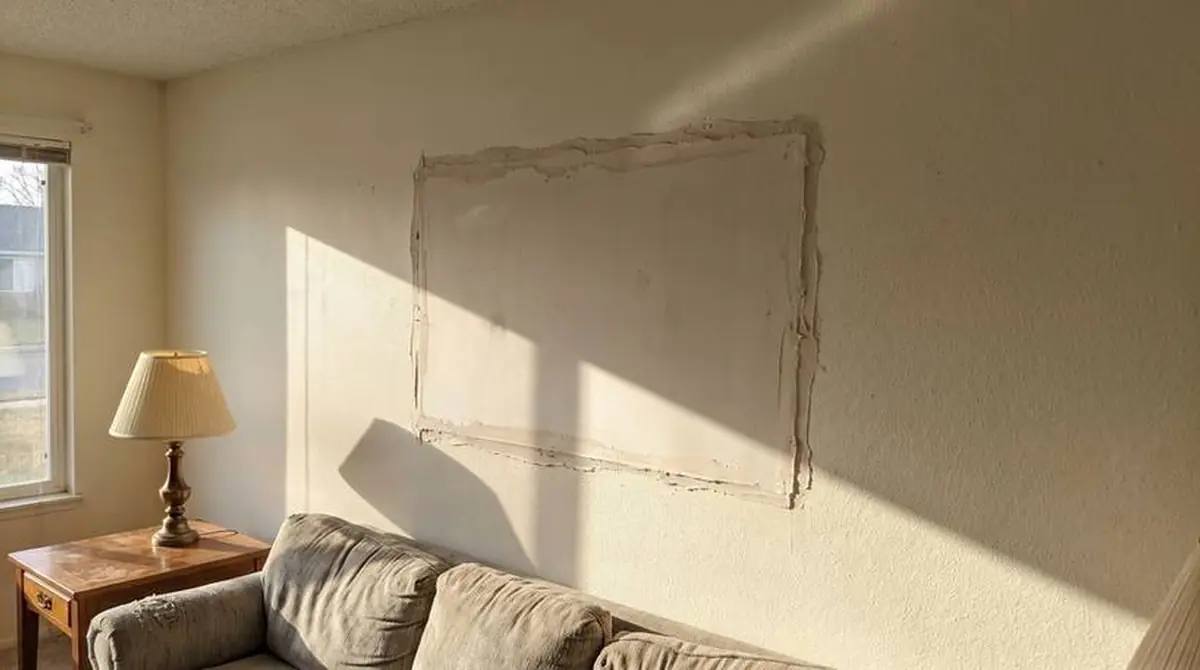
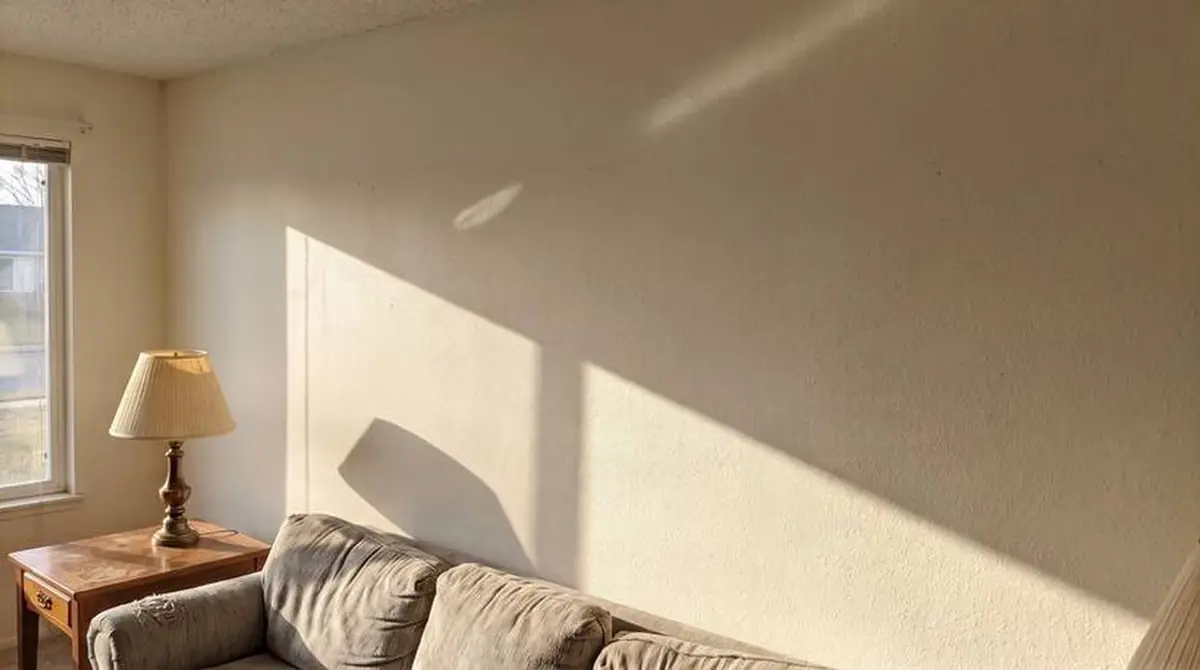 AFTERBEFORE
 Hole & Crack Repair
 Water Damage Repair
 Ceiling Repair
 Texture Matching
 Big Patches & Full Sheets
 Nail & Anchor Holes
 Corner Bead & Cracks
 Primed & Ready for Paint
Each of these is routine for our Austin technicians, bungalow or tract house. Say on the call whether the damage is smaller than your hand, poster-sized or a whole sheet, and whether water was involved; the price is in writing before anyone drives out.

Priced and on the calendar during the first call.

A written quote you approve before anyone drives out.

One crew, truck stocked, warranty in writing.
A one-year workmanship warranty, in writing, on every Austin drywall repair.
Most of the city east of Mopac sits on Blackland clay, and west of it the limestone with a thin clay cap moves less but still moves. Clay swells with the spring rains and shrinks through a dry summer, and a slab-on-grade house settles and lifts a little with it, so the drywall cracks diagonally from the corners of doors and windows where the sheets were cut. We tape, fill and feather those so they stay closed. A crack that widens every year, steps across the wall in a stair pattern or comes with doors that will not latch is a foundation question first, and we say so before any compound goes on.
The bungalows of Hyde Park, Clarksville and Travis Heights from the 1920s through the 1940s often carry lath and plaster, which cracks along the lath and goes hollow where the keys break; plaster is repaired with a bonding agent and a setting compound keyed into the lath, never with a drywall patch screwed into it. The 1950s to 1970s ranches in Allandale and Crestview carry the first drywall, with sprayed ceilings that get tested by a licensed lab before anyone sands them. Circle C, Steiner Ranch and the 1990s and later subdivisions run orange peel and knockdown, matched on a test board first.
Every Austin homeowner remembers February 2021, when pipes in attics and exterior walls froze and burst and the ceilings came down with the thaw. The water story here is that one, plus the ordinary ones: the upstairs bath over the kitchen, a water heater in the attic, a slab leak in a 1970s house with the original copper. The plumber fixes the pipe, the board dries and reads dry on the meter, then we cut out the stained or sagging section and replace it. A small dry spot of discoloration we cut out; anything larger is a licensed mold remediation company's job before our patch, and we say so on the call.
The estimate conversation is about size. A hole you can cover with your hand gets a backed patch. One bigger than your hand but smaller than a laptop gets a paper patch. Poster-sized damage gets a framed backer and a new section. Anything larger, and anything water has softened, gets a full sheet screwed to the studs with every seam taped. The three coats, the sanding, the texture and the primer are the same for all four, and they are the four steps the spackle-and-paint patch from the hardware store skips, which is why that one shows.
Bungalows from the 1920s through the 1940s with lath and plaster, and the 1950s and 1960s ranches where the first drywall went up over pier-and-beam floors. Plaster cracks along the lath and crumbles at the corners; the early drywall carries sixty years of patches and ceilings sprayed before 1980 that a licensed lab tests before anyone sands. Plaster is patched as plaster, drywall as drywall, and painted surfaces in a home built before 1978 are handled lead-safe under the EPA RRP rule.
Brick veneer two-stories from the 1980s through the 2010s on slab foundations over clay, orange peel and knockdown inside, most of them in an association. The damage is the diagonal crack off a door or window corner after a dry summer, truss lift along the upstairs ceiling line, the bath over the kitchen, and the attic water heater or pipe that let go in the freeze. Texture matched with the hopper, primed, the HOA color untouched.
Custom homes on limestone and cut-and-fill lots with tall ceilings, smooth and skip-trowel finishes and big west-facing glass. The cracks run from the tall window corners when the fill side settles, and a smooth wall shows every edge of a patch in the afternoon light, so the repair gets the wider feather, the extra coat and a raking-light check before primer. Ceilings over eight feet are priced after a look.
Hold your hand over the damage and tell us: smaller than your hand, bigger than your hand, poster-sized, or a whole sheet. We price it on the call, in writing, in under ten minutes.
Water damage is repaired after the source is fixed. If the stain is still wet we tell you who fixes the leak, and we schedule the drywall for when it is dry.
Backing where it needs it, new board cut to fit, every seam taped, three coats of compound sanded smooth, your texture matched, then primer.
Dust contained and the room left clean. Most patches are finished in one visit; a full sheet may need a short second visit for the final coat, scheduled before we leave.
Austin publishes its own list of work exempt from a building permit, and it names gypsum board repair up to 128 square feet along with painting and similar finish work; a patch, a replaced sheet or a ceiling repair in an existing wall is on that list. The list excludes a repair to a fire-resistance-rated assembly or a shear wall, so a full sheet on the wall to the garage is a permit question we raise before the job. A new opening, a removed wall or any framing change always is.
The Texas Department of Insurance says most home policies cover sudden and accidental water damage, a burst pipe included, and generally not gradual leaks or seepage; floods need their own policy. Hidden water damage usually has to be reported within days of finding it, so photograph the ceiling and the pipe the day you see them, keep the plumber's invoice, and hold the permanent repair until the adjuster has looked. We write the drywall scope on its own line. The plumber stops the water, the board dries and meters dry, then we replace it.
The wall and ceiling between the house and an attached garage are fire separation under the residential code Austin adopts: half-inch board on the garage side, five-eighths Type X under a room above, and a full-sheet repair there goes back with the same board. In a bungalow built before 1978 the paint may carry lead and is handled lead-safe under the EPA RRP rule; a ceiling sprayed before 1980 may carry asbestos and is sampled by a licensed lab before anyone scrapes it, with abatement by a licensed contractor if it is needed, before our patch.
Can't find your answer? Call 512-846-7414 and ask us anything.
Call 512-846-7414The price is in writing on the call, usually in under ten minutes, and the visit is scheduled within days. Most patches are finished in one visit; a full sheet or a ceiling section may need a short second visit for the final coat, booked before we leave.
Maybe, and we will tell you. A single diagonal crack off a door corner that opens in a dry August and closes with the fall rain is clay movement showing in the drywall, and taped with paper and feathered wide it stays closed. A crack that widens year on year, a stair-step crack in the brick outside or doors that stop latching are a foundation question, and we say that instead of patching it twice.
Yes. Orange peel and knockdown in the subdivisions, smooth and skip trowel in the hill homes, a sand finish on old plaster. Our technicians spray a test on a scrap board, hold it to your wall in raking light and only then texture the repair, feathering past the edge so there is none.
No. A licensed plumber fixes the pipe, the ceiling dries and reads dry on the meter, then we cut out the stained or sagging section, check the joists, hang new board, tape, three coats, texture and prime. A still-wet ceiling is priced on the call after a look, not from the menu.
If the house is from before about 1950 and the wall sounds dense when you knock, it is probably lath and plaster, and yes. Plaster is patched with a bonding agent and a setting compound keyed into the lath and finished to the sand or skim around it. A drywall patch screwed into plaster is the repair that fails.
Four things you can measure yourself: the size against your hand (hand, poster or sheet), whether water was involved, the texture or plaster to match, and the ceiling height. Tell us those on the call and the written price comes back in under ten minutes.
Not for a patch or a replaced sheet in an ordinary wall: Austin's exempt list covers gypsum board repair up to 128 square feet and similar finish work. A repair on the fire-rated wall to the garage, a new opening or a removed wall is different, and we tell you before the job.
All of Austin, Hyde Park, Clarksville, Travis Heights, Tarrytown, Allandale, Circle C, Steiner Ranch and Westlake, plus Round Rock, Cedar Park, Pflugerville, Lakeway, Buda and Kyle. Call 512-846-7414 to confirm your address.
Describe the wall or ceiling, or text a photo, and we call back with a written price and a time. Calling is still faster: 512-846-7414.
Priced in writing before we start, matched to the wall, warranted in writing.
We answer in under three rings, 24/7.No price games. You get a clear written quote before any work begins, backed by our workmanship warranty.