Kaminskiy Design & Remodeling performs the inspection, Kaminskiy Care and Repair does the repairs it lists: rental buildings under SB 721, the condominium associations of the Coachella Valley under SB 326, one team and one file.
 BBBAccredited Business
More than half of Palm Desert's homes are attached or stacked rather than detached, and nearly a third of all of them stand empty part of the year as seasonal places, so California's two balcony laws reach this city mostly through its condominium associations and its rental corridors. SB 721 (Health and Safety Code 17973) covers the apartment buildings of three or more units along Highway 111, Fred Waring Drive and Country Club Drive; our sister company Kaminskiy Design & Remodeling, a B general building contractor since 2008 (CSLB #922807), performs that inspection and signs the written report. SB 326 (Civil Code 5551) covers the country-club and resort condominiums, where the association's engineer or architect inspects and hands the board a report. Either way Kaminskiy Care and Repair (CSLB #1106209) prices every finding in writing, files the permit with the City's Building and Safety Division and completes the balcony, stair and walkway repairs for the permit final. The repair crew runs from our office on Highway 111, and the inspection is booked through it.
 Rental corridors, club condos, resort associations.
A rental building of three or more units in Palm Desert owes the state three things: a qualified inspection of every wood-supported balcony, deck, exterior stair and walkway that stands more than six feet above the ground, a written report kept with the building's records through two inspection cycles, and the repairs that report lists finished inside the statute's deadlines. We cover all three. The element types on the building are counted, at least 15 percent of each is inspected from above and below, the report with photos reaches you inside 45 days, and then each finding gets its own written price, a permit filed through the City's portal, and a crew from Highway 111 that finishes the work for the permit final.
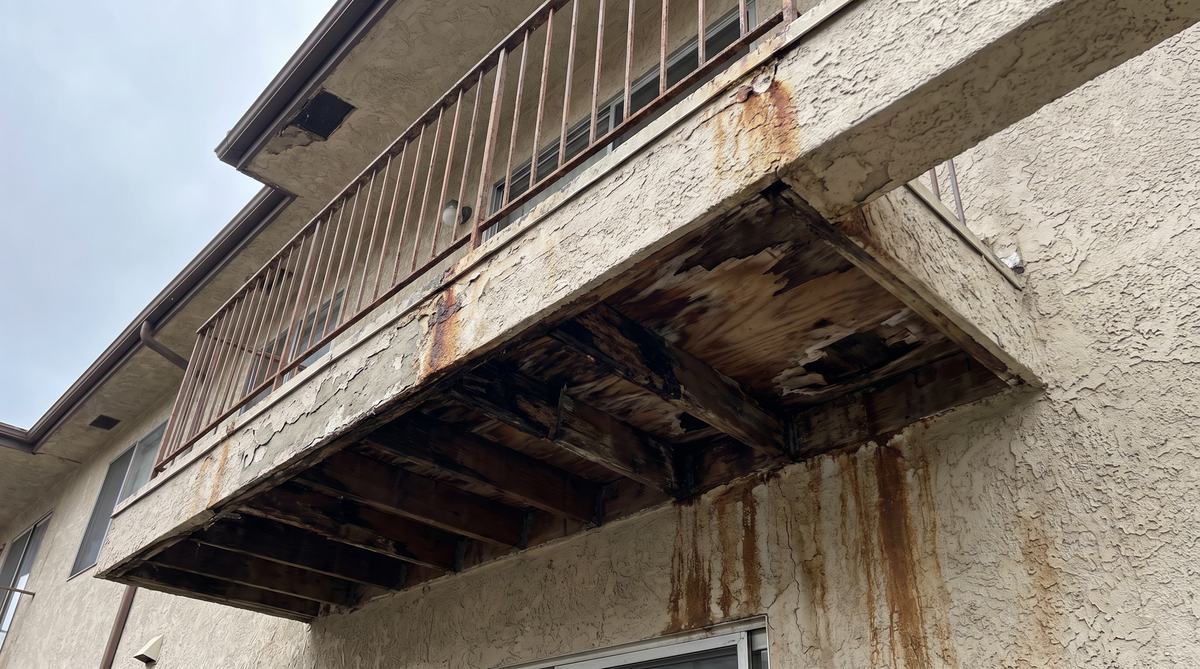
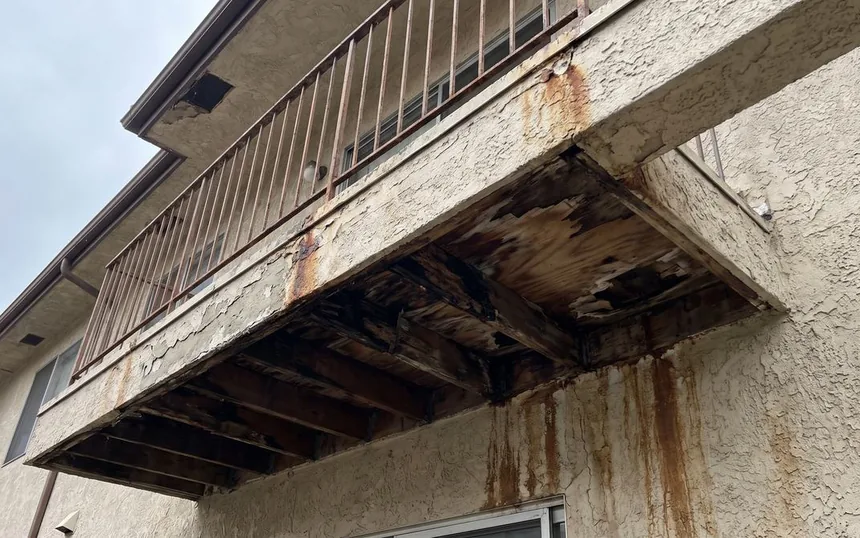
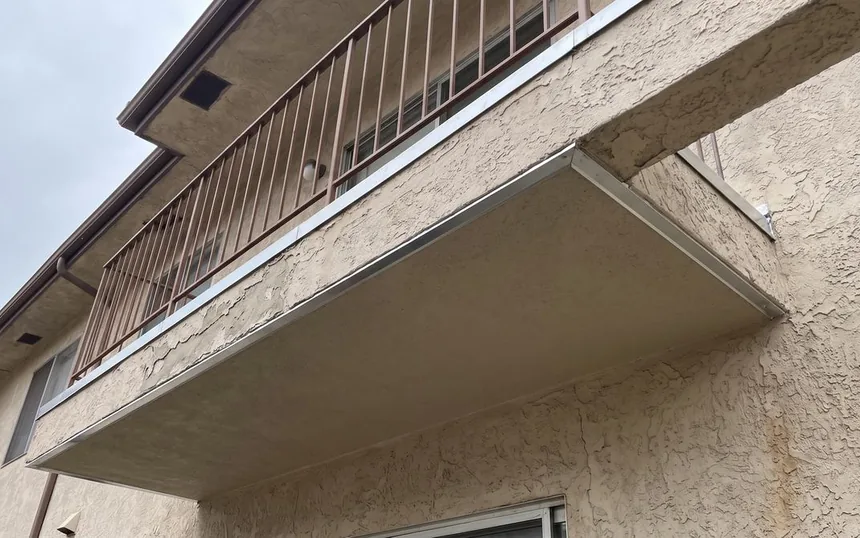
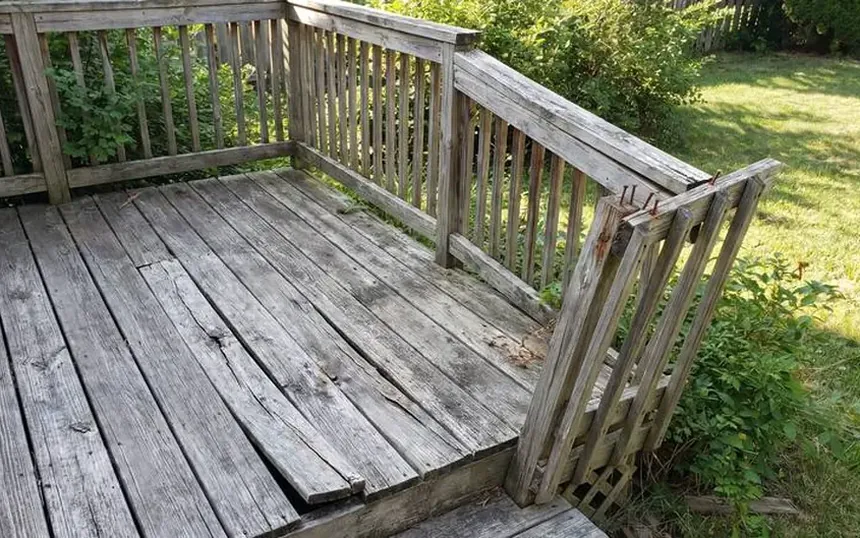
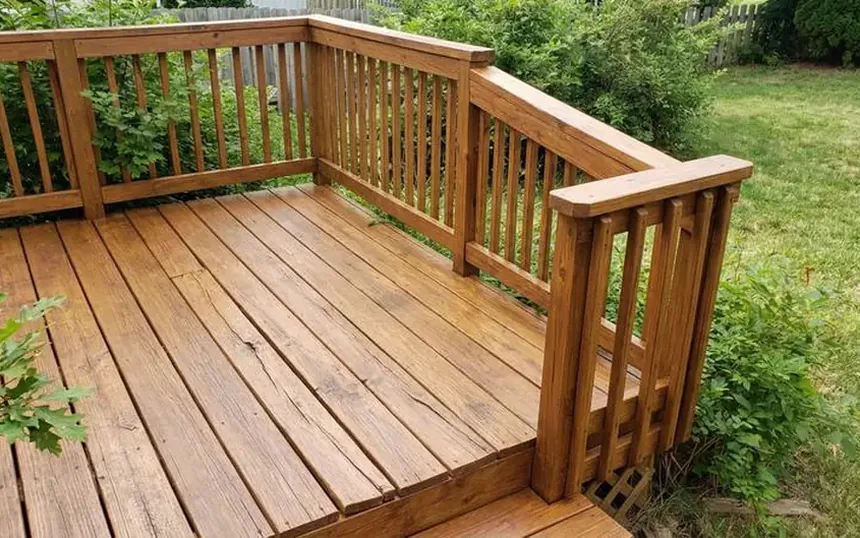
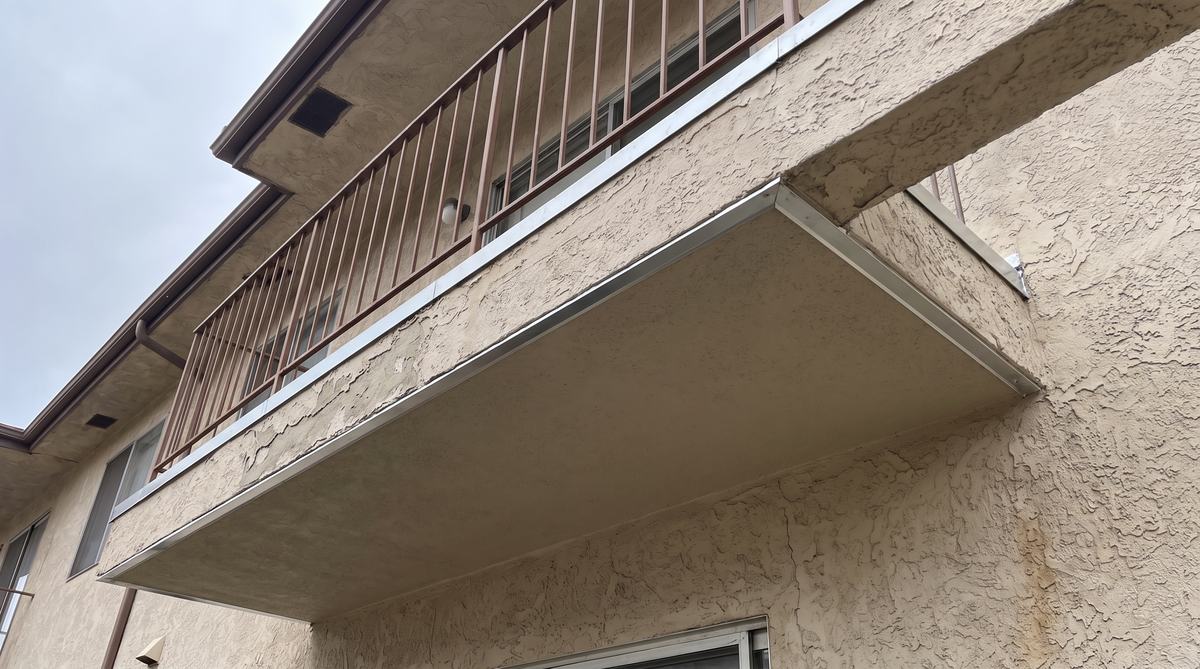 AFTERBEFOREThe SB 721 Inspection
 The Written ReportRotted Joists & Ledgers
 Coatings Baked by the Sun
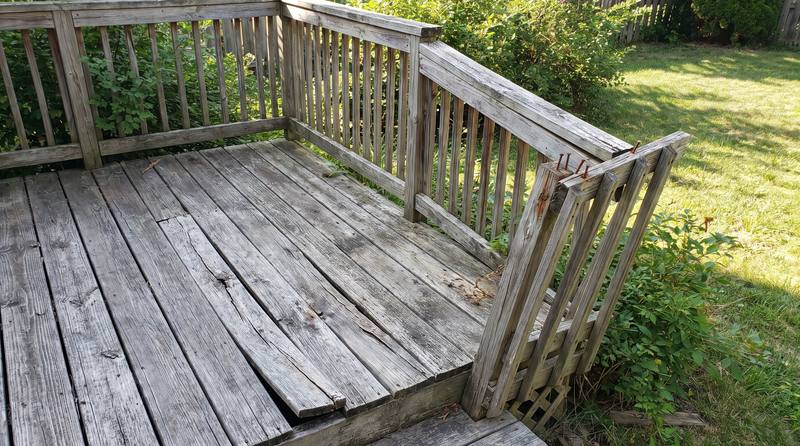 Guardrails & Handrails
 Exterior Stairs & Walkways
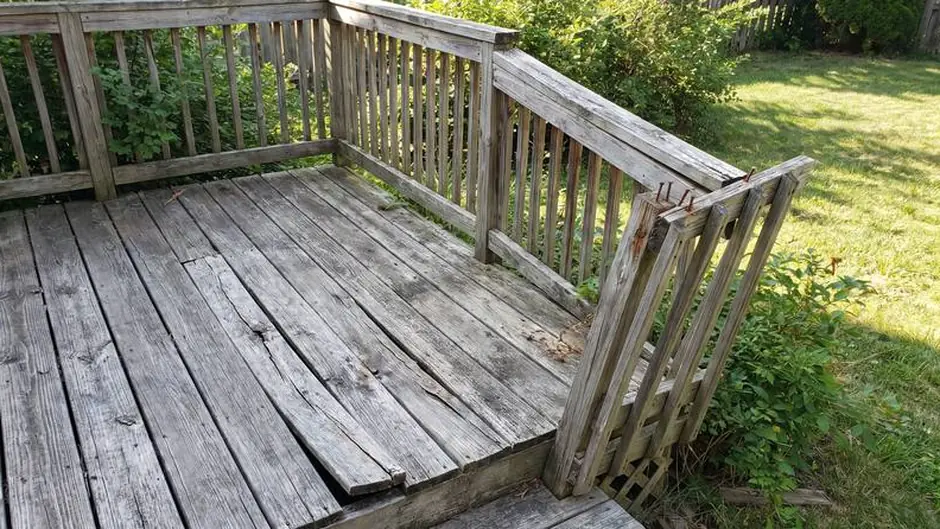 Immediate-Threat Shoring
 Permit Final & Records
Each of these is a call the Highway 111 office takes. The inspection goes on the calendar within days, a report with findings gets a written price per item and a permit plan before the deadlines close in, and anything tagged an immediate threat is closed off and shored ahead of everything else.

Tell us the street, the unit count and whether the building is rental or association-run. We say which law applies and put the inspection price in writing on that call.

Kaminskiy Design & Remodeling inspects a sample of every element type and signs the report, with photos and the repair list, inside the 45 days.

Kaminskiy Care and Repair prices each finding on its own line, files the permit with the City inside 120 days, does the work from Highway 111 and documents it for the final.
Every job is backed in writing by our workmanship warranty and done by a Kaminskiy-certified, background checked technician.
Wood dries fast in Palm Desert, so rot moves slower here than on the coast, but the layers that keep water off the wood fail faster. Ultraviolet chalks and splits a deck coating in a few summers, the sealant at the door threshold and the wall opens, and then the lawn sprinklers, a drip emitter aimed at a post base and the monsoon downpours of August put water into a joint that no longer sheds it. The inspector reads the coating, the flashing, the scuppers and the guardrail anchors first, then meters or opens the framing where the stucco hides it.
A rental building with three or more units is under SB 721 (Health and Safety Code 17973): first inspection due January 1, 2026, then every six years, and a general contractor with the right license may inspect it. A condominium project with three or more units, which is most of the stacked housing behind a Palm Desert club gate, is under SB 326 (Civil Code 5551): due January 1, 2025, then every nine years, and only a licensed structural or civil engineer or an architect may inspect it. A club whose units are all single-story may have no elevated element at all, and the engineer's report says so; a club with upstairs units has balconies and stairs to count.
A report with findings opens the first window: the owner applies to the City for the repair permit within 120 days. The permit opens the second: the repairs are finished within 120 days of its issue. An element tagged an immediate threat skips both, is closed off at once and is reported to the Building and Safety Division within 15 days. If the repairs are still open 180 days after the report, the inspector must tell the City, and 30 days after that notice the daily penalty starts.
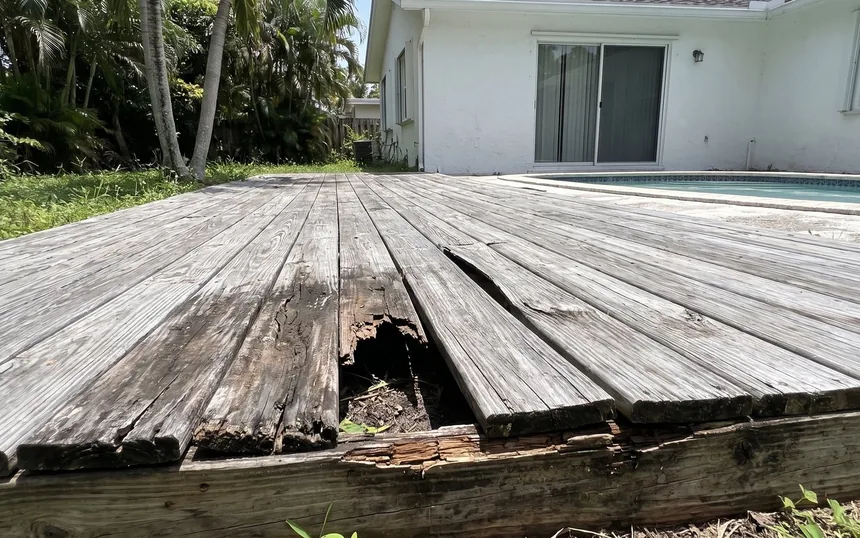
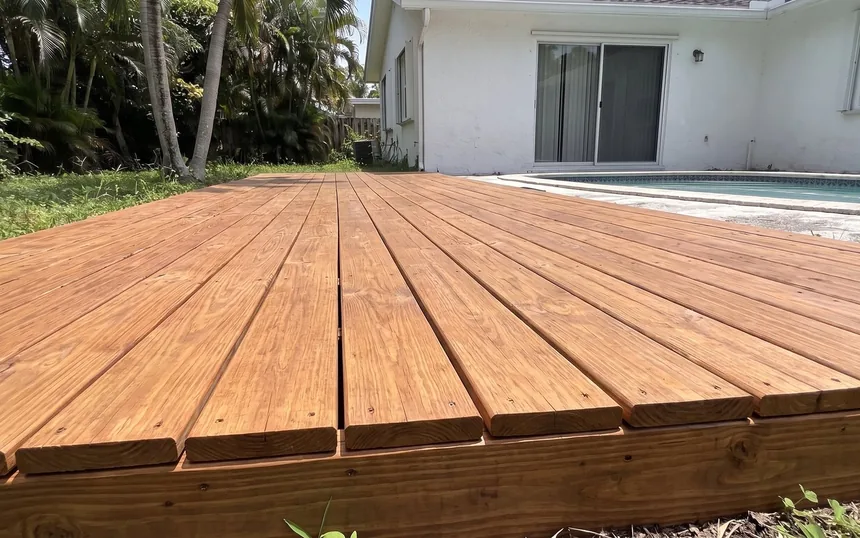
Rot held to a joist end, a post base or a short run of ledger is cut back to sound wood, sistered or replaced and flashed. Rot across the ledger or through most of the joists, or termite galleries that have hollowed the rim, means the balcony comes off and goes back on new framing. Either way the coating is redone edge to edge with a system rated for the heat, because a patched membrane on a west-facing Palm Desert balcony splits again by the second summer.
Palm Desert counts close to forty thousand homes, and the city's own housing study puts a third of them in buildings of two units or more, a fifth in buildings of five or more, and nearly a third of all of them empty part of the year as seasonal places. Most of that stock went up between 1970 and 1999, in the decades the country clubs were built out. Where a building sits, and who holds the title, decides which law it is under and what the inspection finds.
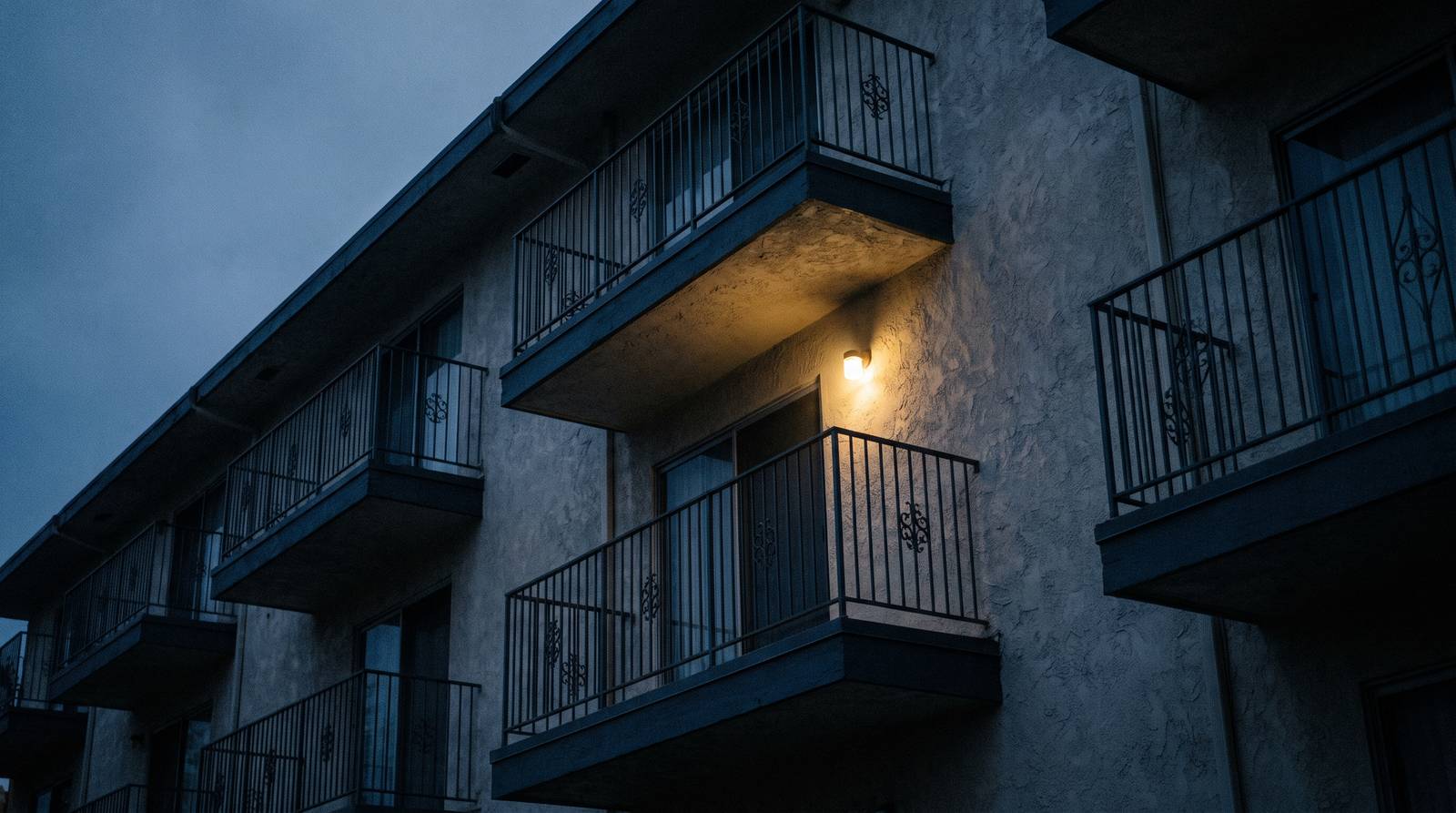
The rental buildings SB 721 reaches first: two-story stucco garden apartments and small walk-ups of ten to thirty units from the 1960s through the 1980s, with cantilevered balconies on the street side and an open stair and a second-floor walkway serving the upper units at the back. Fifty desert summers have chalked and split every original coating, the guardrail sleeves are rusted inside the stucco, and the stair stringers stay dark where the courtyard sprinklers reach them. The finding we see most is a joist end gone soft behind a soffit that looks fine from the parking lot; the repair is new joist ends and flashing, a coating rated for the heat, and the rails re-set into sound wood, scheduled around year-round tenants.
Hundreds of attached and stacked condominiums behind each gate, built mostly in the 1970s and 1980s, run by an association under SB 326 and owned in large part by people who are elsewhere from May to October. The engineer or architect inspects; the board brings us the report. The upper units carry the balconies and the open stairs, and the findings follow the sun: the south and west coatings split first, the sealant at the slider threshold opens, the balcony-to-wall joint takes the monsoon rain, and a post base in an irrigated planter goes soft. We price the repairs line by line for the board, match the club's color and profile for the architectural committee, and phase the work so the stairs stay open and the heavy carpentry is done before the owners fly back for the season.
The larger garden complexes of the 1980s and 1990s along Country Club Drive and Hovley Lane, which house many of the College of the Desert renters, have the most elements to count on any building in the city: corridor walkways, stair towers and rows of balconies, in the windiest part of the valley, where blowing sand packs the scuppers and grinds the coating at the door sills. North of them is the newest rental stock, including a 330-apartment community on Technology Drive that opened in 2025 and a 269-unit one on Explorer Drive. A building whose permit was issued on or after January 1, 2019 runs on its own clock, an inspection within six years of its certificate of occupancy, so those owners are planning a first inspection now rather than catching up on one.
Count the units and look at how they are held. Three or more rental units under one roof puts the building under SB 721: the first inspection was due January 1, 2026 and it repeats every six years. A condominium project of three or more units, which is how most of the stacked housing in the Palm Desert clubs is held, is under SB 326: due January 1, 2025, every nine years, and inspected by a licensed structural or civil engineer or an architect. A duplex and a detached house are outside both laws. An investor who owns several condominiums inside one association is still under the association's SB 326 duty, not SB 721. Send us the address and we settle it on the call.
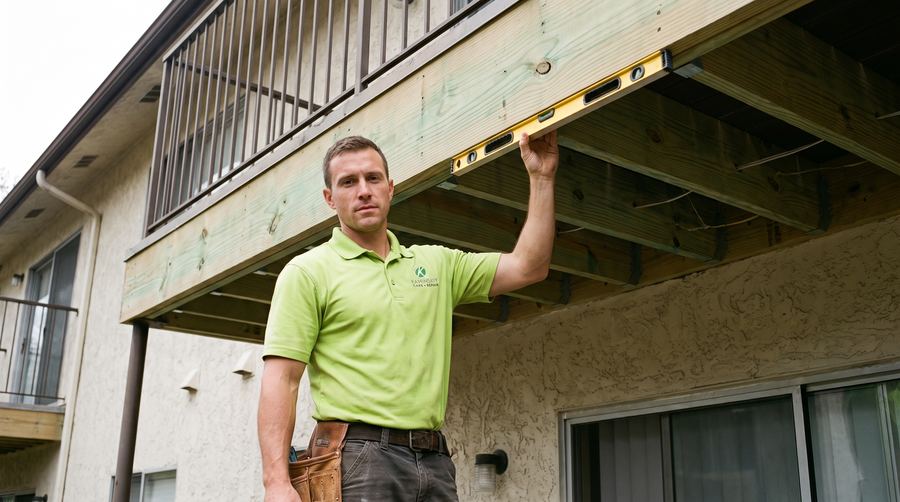
The inspector lists every type of exterior elevated element on the building, then examines at least 15 percent of each type by direct visual inspection or a comparable method: the walking surface and its coating, the flashing at the door and the wall, the scuppers and drip edge, the guardrail and its anchors, and the framing beneath, read with a moisture meter or a borescope or opened at the soffit where the stucco encloses it. The report records each element's current condition, its expected remaining service life, whether anything needs a closer look, and which elements, if any, are an immediate threat to the people using them.
Health and Safety Code 17973 allows four kinds of inspector: a licensed architect, a licensed civil or structural engineer, a general contractor holding an A, B or C-5 license with at least five years as a license holder constructing multistory wood-frame buildings, or an individual certified as a building inspector or building official. The inspector may not be employed by the City while doing the inspection. In Palm Desert the inspection is performed by Kaminskiy Design & Remodeling, our sister company, a B general building contractor since 2008 (CSLB #922807), and the repairs by Kaminskiy Care and Repair (CSLB #1106209).
The inspection is one figure for the whole building, set on the call by how many elements there are, how many types, and whether the framing is open underneath or closed behind stucco, and confirmed in writing before a date is set. Repairs are priced from the report, one line per finding: a sistered joist end and a flashing patch is a short line, a recoated and re-sloped walkway is another, a balcony framed again with a new guardrail is a longer one. The owner or the board sees every line before any work is scheduled, and the report is written so the repairs can be put out to bid if that is how the association works.
We confirm SB 721 or SB 326, count the element types from the street view and any plans or the association's reserve study, and give the inspection price in writing on the call.
Tenants or the manager get notice, the sample is examined from the deck and from below, enclosed framing is metered or opened at a soffit, and every element is photographed and numbered. In summer we start early and finish before the heat.
Signed by Kaminskiy Design & Remodeling, with photos, findings, service-life estimates and a repair list, plus the 15-day notice to the City if any element is an immediate threat.
A written price per finding, the permit filed on the City's portal within 120 days of the report, shoring first where it is needed, the repairs within the permit window by the crew from Highway 111, and a close-out letter with photos for your file and the association's.
Subdivision (a) of Health and Safety Code 17973 names the inspectors the state accepts: a licensed architect, a licensed civil or structural engineer, a general contractor with an A, B or C-5 license and five years as a license holder in multistory wood-frame construction, or a certified building inspector. Subdivision (g) governs the repairs: a qualified and licensed contractor, working to the inspector's recommendations, the state Building Standards Code and the City's rules. Nothing in the section stops the inspecting company's group from being that contractor. The owner contracts the inspection directly with Kaminskiy Design & Remodeling, as the statute requires, and the repairs separately with Kaminskiy Care and Repair, so the report stands on its own if the board or the owner takes the work elsewhere.
The local enforcement agency is the City of Palm Desert's Development Services Department, Building and Safety Division, at the Permit Center on Fred Waring Drive. Applications go through the City's online permit portal with digital plans; its express list (panel upgrades, water heaters, reroofs, window replacements) does not include balcony, stair or walkway work, so a repair that touches framing, a ledger, a guardrail or the waterproofing is filed as a standard building permit with the inspector's report and the repair detail attached, and a rebuilt cantilever or a changed guardrail needs drawings. Work filed since January 2026 is built to the 2025 California Building Code the City adopted that month, and the contractor needs a City business license before the permit issues. Palm Desert publishes no separate SB 721 page, form or portal; the report stays in the owner's records, and an element tagged an immediate threat is reported to Building and Safety within 15 days. Bermuda Dunes and Sun City Palm Desert are unincorporated, so their permits and threat reports go to Riverside County's desert counter on El Duna Court, and each neighboring city has its own building division and the same state clock.
January 1, 2026 was the first SB 721 deadline (AB 2579 moved it back a year from January 1, 2025) and the cycle from there is six years, with a building permitted on or after January 1, 2019 inspected within six years of its certificate of occupancy instead. A report with findings gives the owner 120 days to apply for the permit and 120 days from the permit to finish. If the repairs are still open 180 days after the report, the inspector notifies the City, which sends a 30-day notice; after that a civil penalty of one hundred to five hundred dollars per day runs until the work is done, and the City may record a building safety lien to collect it. Each report is kept through two inspection cycles and handed to the buyer when the building sells.
The office is on Highway 111, in the middle of the valley. The repair crew starts the day at 74-710 Highway 111 and the inspection is booked through that office, so a Palm Desert building is usually on the calendar within days and a board has its scope the week the report arrives, with Rancho Mirage, Indian Wells, La Quinta, Palm Springs and Cathedral City all inside a short drive. Call 760-284-6993, text a photo of the letter or the balcony, or send the form.
Can't find your answer? Call 760-284-6993 and ask us anything.
Call 760-284-6993It is the inspection California requires of the exterior elevated elements on a rental building with three or more units: balconies, decks, porches, stairways, walkways and entry structures that stand more than six feet above grade and rely substantially on wood for support, with their railings and waterproofing. A qualified inspector lists each element type, examines at least 15 percent of each, and signs a written report with photographs inside 45 days. The first inspection was due January 1, 2026, and it repeats every six years; a building permitted on or after January 1, 2019 is inspected within six years of its certificate of occupancy.
Health and Safety Code 17973 accepts four: a licensed architect, a licensed civil or structural engineer, a general contractor holding an A, B or C-5 license with at least five years as a license holder constructing multistory wood-frame buildings, or an individual certified as a building inspector or building official, none of them on the City's payroll for the job. In Palm Desert the inspection is performed by Kaminskiy Design & Remodeling, our sister company, a B general building contractor since 2008 (CSLB #922807); Kaminskiy Care and Repair (CSLB #1106209) does the repairs.
Two licensed companies in one group do it: Kaminskiy Design & Remodeling performs the inspection and signs the report under its own contract with you, and Kaminskiy Care and Repair contracts the repairs separately. The statute does not forbid the inspector's group from repairing; it asks that a qualified, licensed contractor do the work to the inspector's recommendations, the building code and the City's requirements. Every finding in our report carries a photograph and a description, so a board that wants three bids can hand the report to anyone and it reads the same.
One figure for the building, set on the call by the number of elements, how many types there are and whether the framing is open underneath or closed behind stucco, so a ten-unit building off Fred Waring Drive and a 300-apartment community on Technology Drive are very different numbers. Repairs are priced per finding from the report, in writing, before anything is scheduled, and an SB 326 board that already has its engineer's report gets the repair pricing alone. Call 760-284-6993.
Book the inspection now and keep the booking confirmation with the building's records. The daily penalty in the statute attaches to repairs left undone after a report and a 30-day notice, not to a late first inspection, and the Building and Safety Division has no reason to pursue an owner who is already moving. If the inspection finds an immediate threat, that balcony or stair is closed and shored that day and reported to the City within 15 days; every other finding goes onto the 120-day permit window.
On a condominium project the association carries the SB 326 duty: it hires the licensed structural or civil engineer or the architect, and under most governing documents it maintains the load-bearing framing and the waterproofing as common area, while an exclusive-use balcony is divided the way the CC&Rs divide it. In the Palm Desert clubs that is the board and its manager. The engineer writes the report; Kaminskiy Care and Repair prices and completes the carpentry, coating and railing work it lists, phased so residents keep their stairs, with the paperwork the board needs for the reserve study and the architectural committee.
The inspection is usually on the calendar within days of the call, and the signed report is in your records well before the 45 days the law allows are up. Repairs then keep to the statute's two clocks: a written price per finding, the permit filed with the City within 120 days of the report, and the work within 120 days of the permit, with the crew starting early in summer. An immediate-threat element is closed and shored the day it is found, ahead of everything else.
All of Palm Desert from the Highway 111 office, including Palma Village, Shadow Mountain, Cahuilla Hills, the country clubs along Country Club Drive and Hovley Lane, University Park and Desert Willow, plus Rancho Mirage, Indian Wells, La Quinta, Palm Springs, Cathedral City, Indio, Bermuda Dunes, Thousand Palms and Sun City Palm Desert. Call 760-284-6993 with the building's address and we confirm it on the call.
Send the address, the unit count and whether the building is rental or association-run, and we call back with a price and a date. The phone is faster: 760-284-6993.
A qualified inspection, a signed report inside 45 days, and every repair it lists, from the Kaminskiy team on Highway 111.
We answer in under three rings, 24/7.No price games. You get a clear written quote before any work begins, backed by our workmanship warranty.