
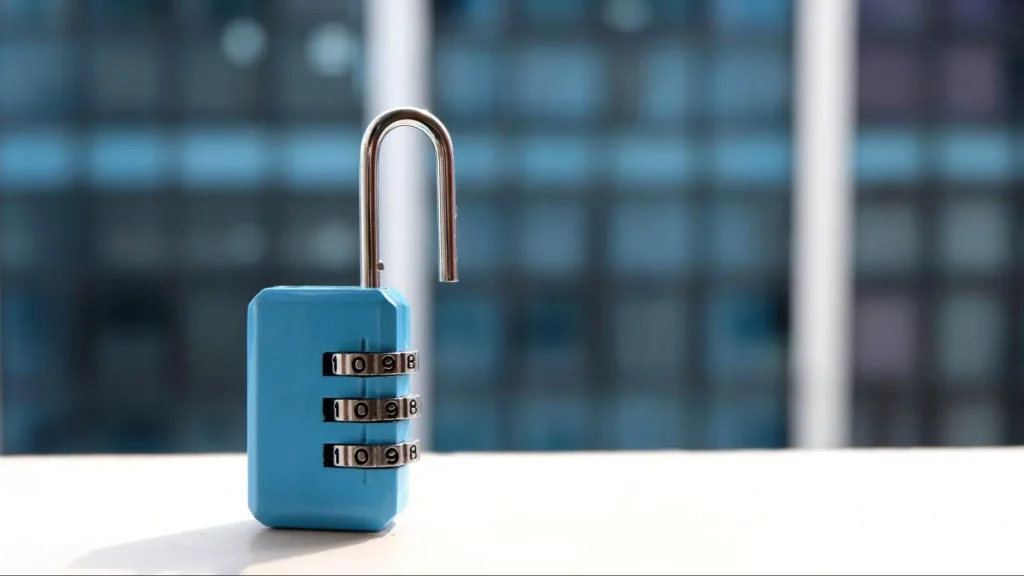
When it comes to securing your home, nothing is more fundamental than choosing the right lock. From guarding your family’s safety to protecting your valuables, locks form the frontline of defense against intruders. However, with the myriad of lock types available on the market, selecting the most suitable one can be overwhelming. This guide will walk you through the top five lock types, outlining their features, benefits, and best-use scenarios. We aim to empower you with the knowledge to make an informed decision and fortify your home with confidence.
1. Deadbolt Locks
Deadbolt locks are renowned for their robust security. Unlike spring-bolt locks that can be easily retracted, deadbolts offer an extra layer of protection because they can only be unlocked by rotating the key. This feature makes them exceptionally resistant to forced entry.
Types of Deadbolt Locks
- Single-Cylinder Deadbolt: Operated with a key from the outside and a thumb turn on the inside, this is the most common type of deadbolt.
- Double-Cylinder Deadbolt: Requires a key to unlock from both sides, offering extra security, particularly if your door has nearby windows.
- Keyless Deadbolt: Uses a keypad or smart technology instead of a traditional key, adding convenience to the mix.
Best Use Cases
- Main entrance doors
- Backdoors
- Garage entry doors
2. Mortise Locks
Mortise locks are a classic option known for their versatility and durability. Installed within a mortised pocket in the door, they include a lock body, lever, and key cylinder. Their comprehensive design allows them to be tailored to specific security requirements.
Features of Mortise Locks
- High Security: Mortise locks often have a stronger internal mechanism, making them resistant to tampering.
- Versatility:They come with various locking functions such as privacy (bathroom), passage (hallway), or keyed entry (front doors).
- Aesthetic Appeal: Mortise locks usually have elegant, classic hardware that adds a stylish touch.
Best Use Cases
- Front doors
- Interior doors requiring secure entry
- Apartment or commercial building doors
Bathrooms
With high humidity levels, bathrooms benefit from paint that can resist moisture to prevent mold and mildew. A semi-gloss finish is ideal for walls in this environment, ensuring surfaces are more water-resistant and durable in the long term.
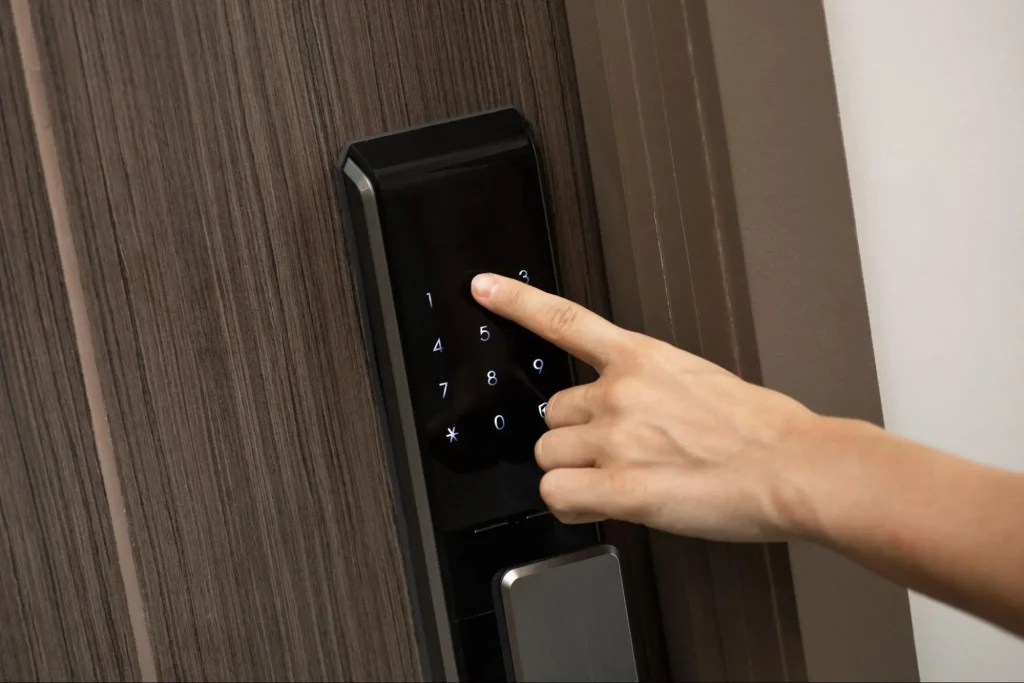
3. Smart Locks
As technology continues to evolve, smart locks are becoming increasingly popular. They offer remote control via mobile apps, voice assistants, or even biometric recognition, blending convenience and security seamlessly.
Features of Smart Locks
- Keyless Entry: Unlock your door with codes, fingerprints, or through your phone’s Bluetooth or Wi-Fi connection.
- Remote Access: Control access from anywhere, allowing you to let in guests or service providers.
- Activity Logs: This key feature monitors who comes and goes through activity logs sent to your smartphone.
- Integration with Smart Home Systems: Coordinate your locks with other smart devices like doorbell cameras and security alarms.
Best Use Cases
- Busy families who require flexible access
- Vacation rental properties
- Smart home enthusiasts
4. Keyless Entry Padlocks
Keyless entry padlocks offer a modern solution to securing outdoor structures without traditional keys. These locks use combination dials or smart technology, making them a convenient option for external security.
Features of Keyless Entry Padlocks
- No Keys Needed: Avoid the inconvenience of lost or forgotten keys.
- Tamper-Resistant: Most keyless entry padlocks are designed to resist cutting and sawing attempts.
- Flexible Use: Perfect for locking gates, sheds, garages, and storage units.
Best Use Cases
- Backyard sheds
- Exterior gates
- Garages
- Storage lockers
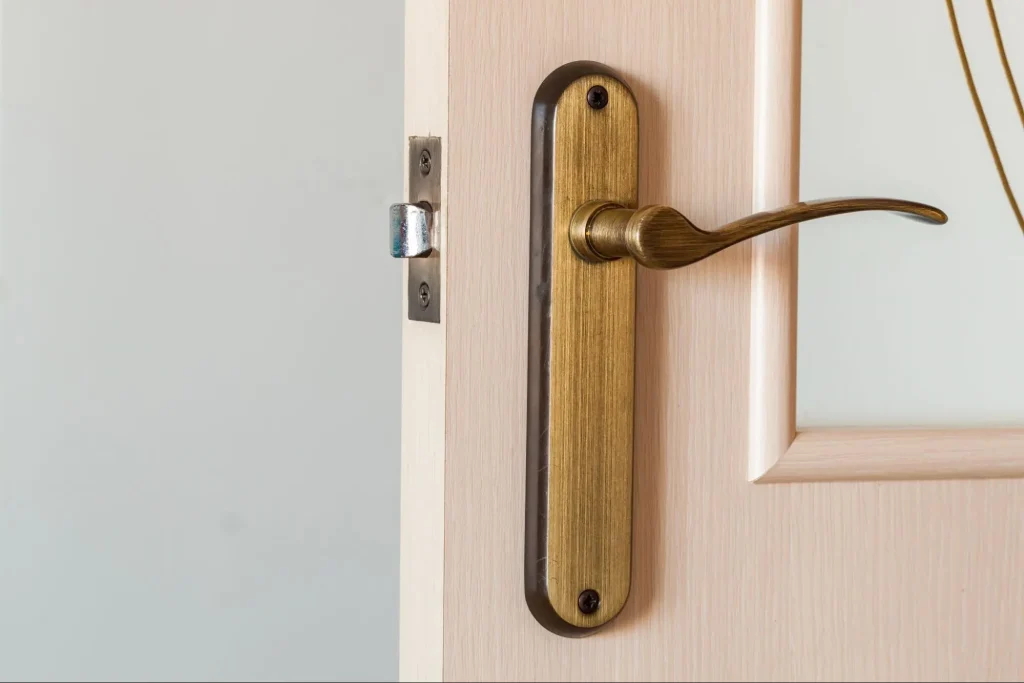
5. Lever Handle Locks
Lever handle locks combine functionality and aesthetic appeal, featuring a simple push-down handle mechanism. They are popular for home interior doors where ease of use is essential.
Features of Lever Handle Locks
- Ergonomic Design: Lever handles are user-friendly, especially for children and people with limited hand mobility.
- Dual Locking Mechanism: Some models combine lever handles with a deadbolt or other locking system for added security.
- Variety of Styles: Available in a range of styles and finishes to match your decor.
Best Use Cases
- Interior doors such as bathrooms and bedrooms
- Office doors
- Closet doors
Key Takeaways
- Deadbolt locks are an excellent choice for external doors due to their resistance to forced entry.
- Mortise locks offer versatility and durability, making them suitable for both residential and commercial use.
- Smart locks provide convenience, remote control, and integration with other smart home systems.
- Keyless entry padlocks are ideal for securing outdoor structures without the hassle of traditional keys.
- Lever handle locks are user-friendly and offer style and security for interior doors.
Summary
Selecting the right lock type is critical in safeguarding your home and family. Each lock type has its distinct advantages and ideal use cases. Understanding these differences allows you to match the right lock to your security needs. Kaminskiy Care and Repair is your trusted partner in achieving optimal security for your home. Our expert team provides comprehensive consultation, installation, and maintenance services for all lock types to ensure your peace of mind. Whether you are upgrading to smart locks or need guidance on traditional lock systems, we are here to help. Contact us today and start building a secure future.
Frequently Asked Questions
A deadbolt is operated by a key or thumb turn and cannot be retracted unless manually unlocked, making it more secure. A spring-bolt lock uses a spring to hold the bolt in place and can be easily manipulated using tools.
While smart locks can be susceptible to hacking, choosing a high-quality lock with strong encryption and regular firmware updates significantly minimizes risks.
Yes, many homeowners use different lock types for various entry points depending on their security needs. For instance, deadbolts for main entrances, keyless entry padlocks for outdoor sheds, and lever handle locks for interior rooms.
It’s advisable to change locks every few years or after significant events like moving into a new home or losing a key. Periodic upgrades to newer lock technologies can also enhance security.
Rather have it handled? Call 855-695-1195 and we price the job over the phone. We answer in under three rings.