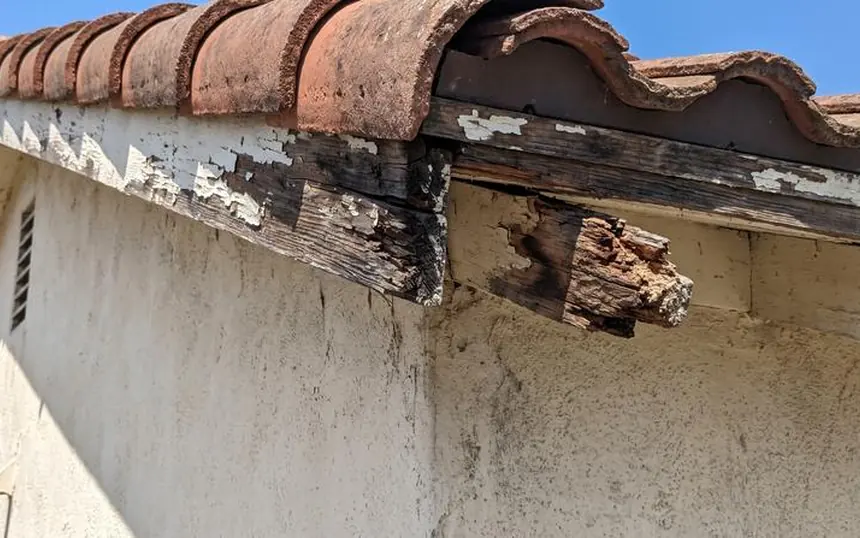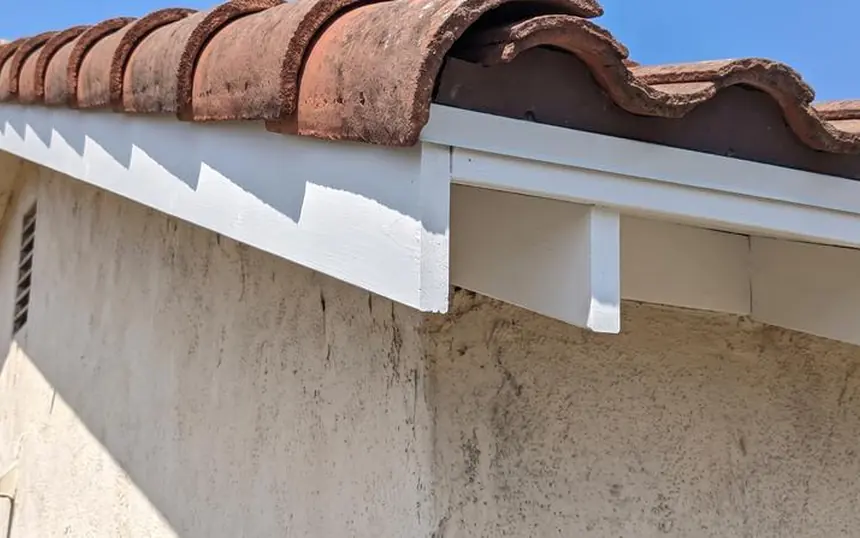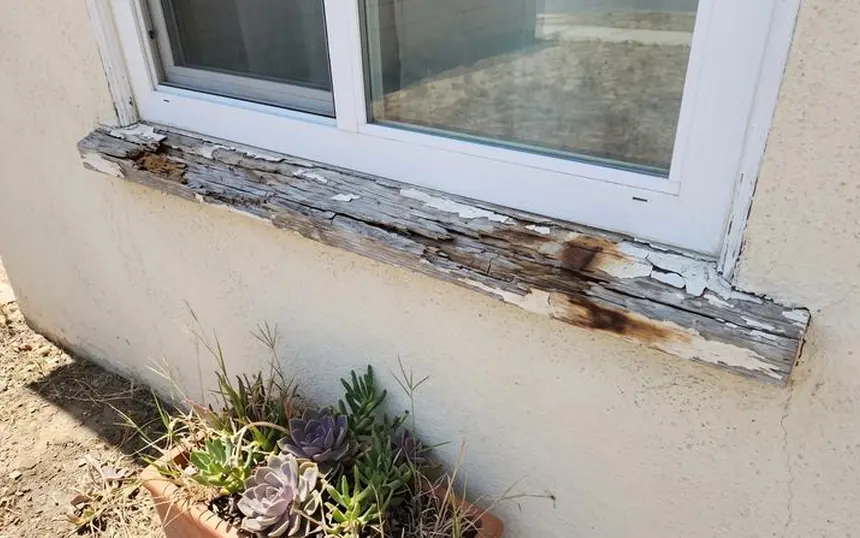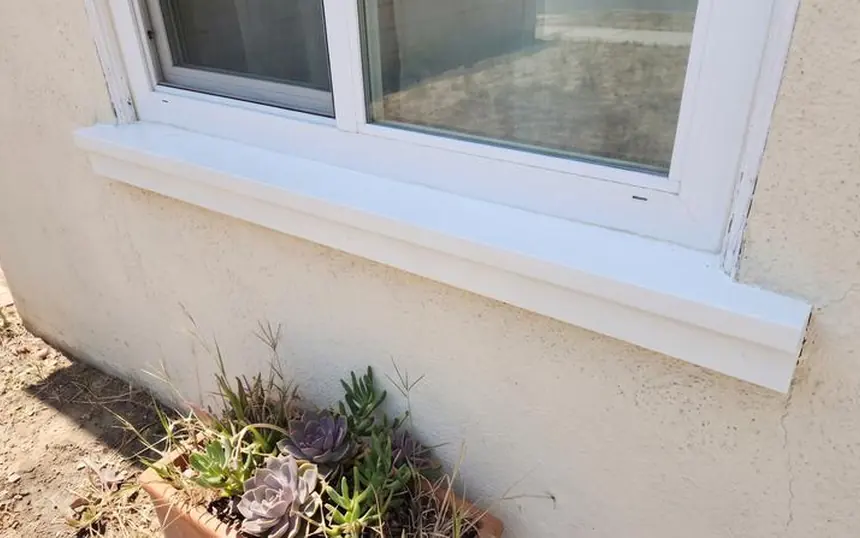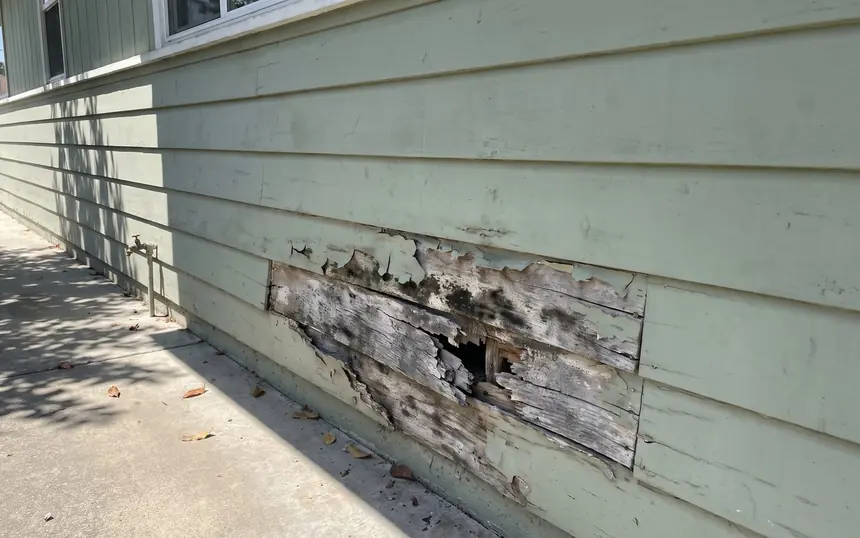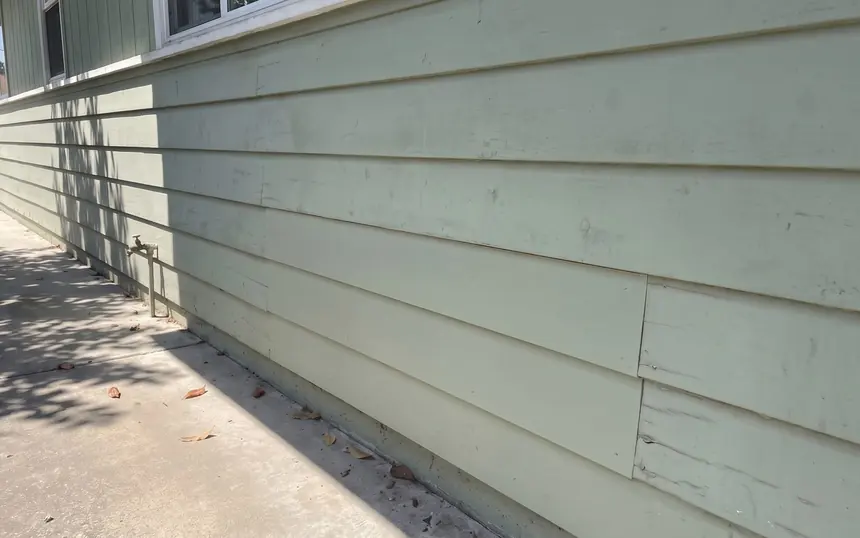
Bungalow porches, lap siding, window sills, fascia, deck boards and termite damage cut back to sound wood and rebuilt, from the old streetcar neighborhoods to the newest subdivisions. Priced in writing before we start.
 BBBAccredited Business
Kaminskiy Care and Repair rebuilds rotted and termite-damaged wood across Charlotte, from the 1920s bungalows of Dilworth, Plaza Midwood, Elizabeth and Wilmore, where the porch floors, tapered columns and lap siding have taken a century of humidity under the oaks, to the brick ranches of Cotswold and SouthPark with their wood fascia and sills, and the 1990s and 2000s streets of Ballantyne, Steele Creek and Highland Creek, where the rot is a trim board without flashing or a deck ledger against the band board. Each is cut back to sound wood, primed, painted and sealed in matching material. A licensed pest company treats termites first; the rebuild after is ours. The price is in writing before anything starts.
 Eight repairs, one crew, priced in writing before we start.
Charlotte wood rots under the oaks: a century of shade and humidity on the bungalow porches, storms that drop limbs and overflow gutters, and the eastern subterranean termite in every yard from Wilmore to Highland Creek. We open it up, cut back to sound wood, rebuild in matching material, prime and paint, and fix what kept it wet.
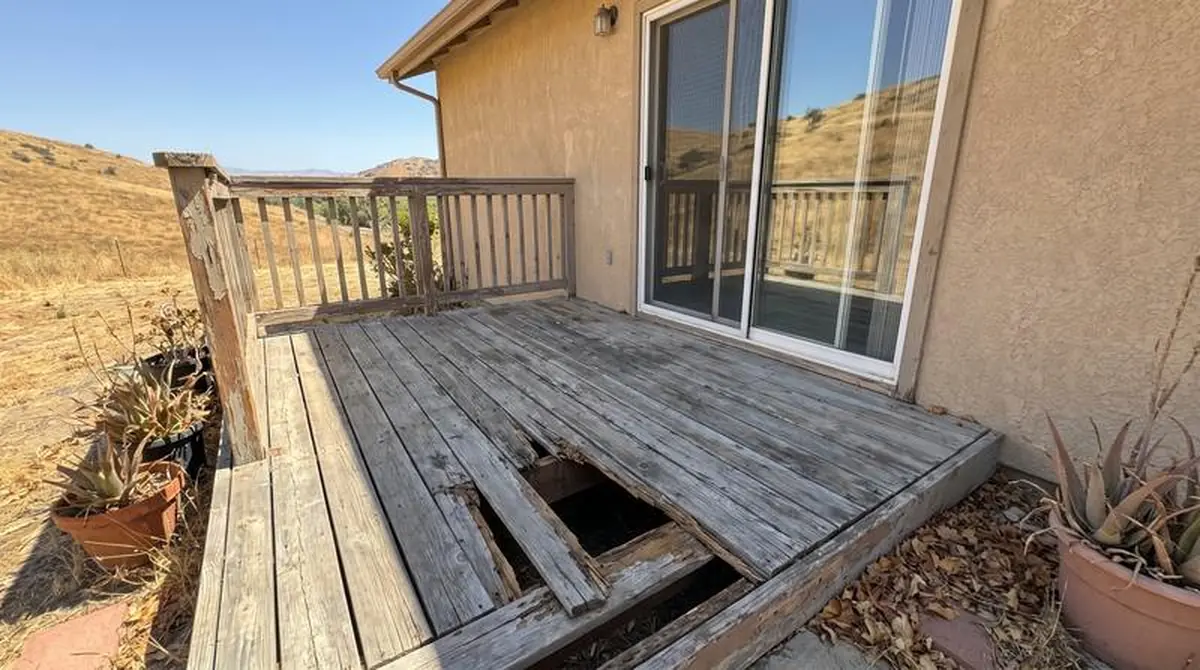
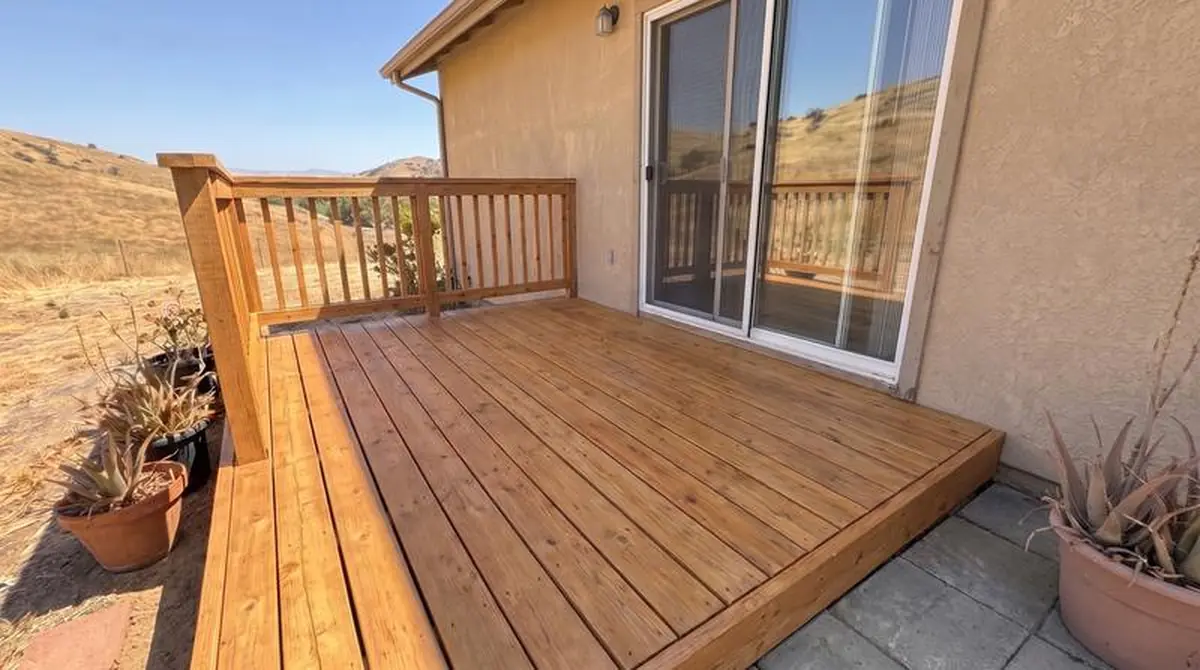 AFTERBEFORE
 Fascia & Eaves
 Window Sills
 Door Jambs & Casings
 Trim & Siding
 Termite Damage Rebuilds
 Deck Boards & Railings
 Stairs & Posts
 Primed, Painted & Sealed
A bungalow porch is the first thing a buyer sees and the first thing a storm tests. A Kaminskiy-certified technician prices most Charlotte siding, sill, fascia and trim repairs on the call, in writing; a porch floor, a column or a deck gets a written scope after a look.

Priced and on the calendar during the first call.

A written quote you approve before anyone drives out.

One crew, truck stocked, warranty in writing.
A one-year workmanship warranty, in writing, on every Charlotte rot and termite damage repair.
Oaks, humidity and storms. The streetcar neighborhoods were planted with oaks a century ago, and the shade they throw keeps a bungalow's north wall and porch damp from May to October while the gutters fill with their leaves. The humid summer keeps wood above the moisture where decay fungi grow, and the storms that come through, as Helene did in 2024, drop limbs on porch roofs and overflow every gutter at once. On the newer streets the rot is a builder detail. We fix the detail or the drainage along with the wood.
North Carolina's termite is the eastern subterranean, and NC State Extension finds it in every county. It lives in the soil, builds mud tubes up the brick foundation and the crawl space piers, and reaches the sill, the porch framing and the siding behind the foundation shrubs; a dirt-filled porch is a hidden highway for it. Swarms come on a warm wet day in late winter. Carpenter bees drill the unpainted porch ceilings and fascia. A licensed pest company treats and reports; we rebuild what was eaten.
A 1920s porch does not want a catalog column. We support the roof, cut the column back to sound wood, splice a new base to the original taper, replace the porch flooring in the same width, match the lap siding profile and reveal, prime every face and paint to match. In the historic districts that in-kind match is what keeps the repair on the maintenance side of the commission's rule.
Clean the gutters after the oaks drop, and again after a storm. Keep the porch floor painted and its drip edge clear. Trim the shrubs and the ivy off the siding, keep the mulch below the bottom course, and keep untreated wood eight inches off the soil. Look at the brick foundation and under the porch for mud tubes every spring, before the swarmers do.
Bungalows and foursquares from the 1900s to the 1940s with lap siding, deep porches on brick piers, tapered columns and wood-framed windows under old oaks. Porch floors, column bases and the bottom siding courses rot first, and in the local historic districts the repair is matched in kind. We splice new wood into old with the same profile and keep the repair to what was there.
Brick ranches of the 1950s and 1960s in Cotswold and SouthPark with wood fascia, sills and carport posts, and 1990s and 2000s subdivisions in Ballantyne and Steele Creek with siding, wood trim and decks. Fascia rots behind the gutters on the ranches; trim corners and deck ledgers fail on the newer streets. We rebuild the trim, match the association's scheme and name a ledger problem first.
Family streets from the 1980s on with hardboard and fiber cement siding, wood trim, porches and decks on red clay that holds water. The siding swells at its bottom edge, the window trim goes dark at the corners, and the porch posts rot at the base. We replace the rotted runs and the post bases, sealed on the end grain and matched to the finish.
A fascia board, a sill or a trim piece is priced on the call, in writing. A bigger rebuild gets a look first and a written price before anything starts.
We cut back to sound wood and probe how far the rot really goes. If it runs further than the photo showed, you hear it before we go further, with the price.
New wood primed on all sides, caulked, painted to match, and the water path that caused it fixed: the drip edge, the flashing, the gutter end, the sprinkler.
The work area is cleaned before we leave, and every rot repair carries our one-year workmanship warranty.
Mecklenburg County Code Enforcement permits and inspects for the City of Charlotte, and its rule follows the state's: a repair or replacement under a set cost in a single-family home may need no permit unless it involves the addition, repair or replacement of a load-bearing structure, and the state statute spells out that replacing windows, doors, exterior siding and the boards, railings and stair treads of porches and decks needs none. A rebuilt column base, sill, fascia board or run of siding is that kind of repair. A rotted porch beam, joist or sill plate is load-bearing and needs a permit no matter the cost, and we check with the county before a bigger job.
A Charlotte sale comes with a Wood-Destroying Insect Information Report, the WDIR 100, from a company licensed by North Carolina's Structural Pest Control Division. It reports the visible evidence of termites, powderpost beetles, old house borers and carpenter ants on the day, and it says in its own words that it is not a structural damage report and does not report wood rot. The pest company treats and reports; the home inspection finds the rot; we repair both lists, in kind on the old houses, with the invoice for closing.
Dilworth, Fourth Ward, Plaza Midwood, Wilmore, Wesley Heights and Charlotte's other local historic districts need a Certificate of Appropriateness before exterior changes, but the city treats normal repair and maintenance in kind as work that generally needs no approval. A porch floor, a column base or a siding course rebuilt in matching material is that kind of repair, and we write the scope so it reads that way; a change of material or design goes to the commission's staff first, and we tell you before we start.
Can't find your answer? Call 704-703-9760 and ask us anything.
Call 704-703-9760We answer in under three rings and price most siding, sill, fascia and trim repairs on the call, with the visit usually within days. A porch floor, a column or a deck gets a look first and a written scope before anything starts, so a bungalow porch is sized before anyone lifts a board.
Yes, once a licensed pest company has treated. Subterranean termites work low, so the damage is usually the sill, the porch framing, the band board and the bottom of the siding. We cut out what was eaten, rebuild what we can reach, and tell you first if a beam or a joist needs more than a splice.
Yes. Porch flooring, column bases, lap siding, sills, fascia and trim are carpentry, and Kaminskiy is licensed, bonded and insured, so supporting the porch roof while we splice a column is routine. A rotted porch beam or a joist is named before anyone opens the floor, and we tell you who needs to look at it.
How much old wood comes out and the match it has to make. A fascia board on a Cotswold ranch is a short visit; a tapered column and a porch floor in Dilworth, matched in kind, is not. Text a photo and the price is in writing before anything is scheduled; if the rot runs further than the photo showed, you hear it before we go further.
Not for a like-for-like repair of siding, a sill, trim, a door frame, deck boards or a railing under the state's cost line, which is how Mecklenburg County reads it. Rot in a porch beam, a joist or a sill plate is load-bearing work and needs a permit no matter the cost, and we check with the county before a bigger job.
In-kind repair and maintenance generally does not. We match the lap profile, the reveal and the paint, replace only the courses that went soft, and write the scope as the repair it is. If the better fix changes the material or the design, we tell you first so the commission's staff sees it before we start.
Longer than the original did. New wood is primed on every face before it goes in, the end grain is sealed, the joints are caulked, and the gutter or the drip edge that soaked the old board is fixed with it. A limb through the porch roof is a different call, and we take that one too.
All of Charlotte, including Dilworth, Myers Park, Elizabeth, Plaza Midwood, Wilmore, NoDa, SouthPark, Cotswold, Ballantyne, Steele Creek, University City and Highland Creek, plus Matthews, Mint Hill, Pineville and Huntersville. Call 704-703-9760 to confirm your address.
Tell us where the wood has gone soft, or text a photo, and we call back with a written price and a time. Calling is still faster: 704-703-9760.
Priced in writing before we start, rebuilt to last, warranted in writing.
We answer in under three rings, 24/7.No price games. You get a clear written quote before any work begins, backed by our workmanship warranty.