Budgeting for handyman services is a smart way to ensure your home remains in excellent condition without unexpected expenses. By planning, you can keep your home in tip-top shape while staying within your financial limits. To start, you should set aside a handyman budget each year specifically for home maintenance tasks.
Working with a skilled handyman can help you identify the most critical areas of your home that need regular check-ups. This includes plumbing, roofing, HVAC, and other essential systems. A good guideline is to save about $1 per square foot of your home to cover these necessary services.
Regular maintenance not only preserves the value of your property but also minimizes costly emergency repairs. By sticking to a well-organized home maintenance plan, you will help prevent small issues from becoming big problems. This proactive approach can save you time and money in the long run.
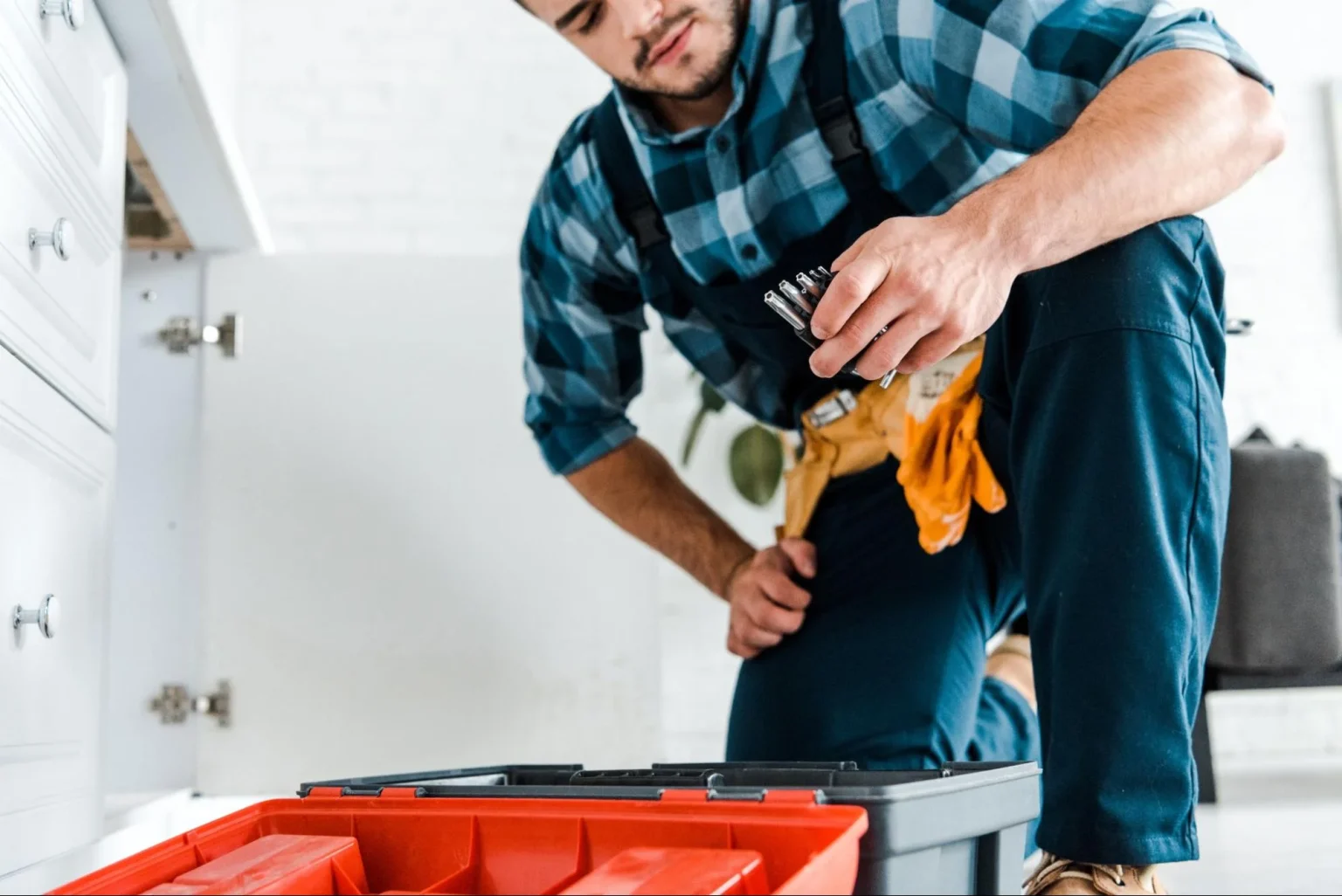
Assessing your home maintenance needs involves understanding the basics, determining necessary handyman services, evaluating repair costs, and scheduling regular inspections. This ensures your home stays in good shape throughout the year.
Start by knowing the essential areas of home maintenance. Systems and appliances like your HVAC system, plumbing, and electrical setups need regular checks. Exterior parts such as the roof, gutters, and windows also require attention. In older homes, these parts are prone to quicker wear and tear, while newer homes might need less frequent care. Lawn care, pest control, pool maintenance, and landscape maintenance are vital for outdoor upkeep.
To determine what handyman services you need, consider your home’s age, size, and condition. Evaluate if certain tasks like gutter cleaning, interior painting, or exterior painting can be done. Extreme weather conditions in your location may demand more frequent checks and repairs, such as roof repairs or plumbing fixes. Emergency repairs are often essential in areas prone to bad weather.
Understanding what you’ll spend on repairs helps in budgeting. Costs vary, with roof replacement typically being higher than other fixes. Common repairs include water heater replacement, window replacement, and HVAC system replacement. Material costs and labour costs differ based on location and the repair’s complexity. Homeowners spend between $4,000 and $22,000 yearly on upkeep, including both regular maintenance and unexpected repairs.
Scheduling regular maintenance keeps problems at a manageable level. Have a home maintenance inspection at least once a year. This includes checking the roof, gutters, HVAC system, electrical systems, and plumbing. For pool maintenance, inspect and clean filters and systems regularly. Being proactive, like setting up a lawn care schedule, helps in managing both interior maintenance and exterior maintenance needs efficiently.
When budgeting for home maintenance, it’s crucial to consider various factors such as the size and age of your home. You should also plan for unexpected costs and monitor your budget regularly to make necessary adjustments.
The size and age of your home greatly influence maintenance costs. A common rule of thumb is to budget 1% to 4% of your home’s value per year for maintenance.
Newer homes often have lower average annual maintenance costs. For example, if your home is valued at $350,000, you might budget $3,500 annually, or 1% of its value.
For older homes, maintenance costs might be higher due to frequent repairs. Additionally, larger homes with more square footage generally require more funds for upkeep. Carefully considering the size and age of your home helps in accurate financial planning.
Unexpected repairs can strain your budget, so it’s wise to set aside additional funds.
An emergency fund can cover costs like emergency plumbing or roof shingle repairs. For instance, roof repairs could range from $350 to $1,500, while plumbing emergencies might cost $120 to $300 per hour.
Create a savings plan that includes setting aside funds specifically for unexpected repairs to avoid using credit cards or loans, which could lead to high-interest payments.
Using a home warranty can also help manage unexpected expenses. This could be another layer of financial protection, especially for older appliances and systems.
Regularly reviewing your budget is essential. Track spending on professional services like handyman labour, which can have variable hourly rates.
Regular updates to your budget ensure you account for increased property taxes, rising utilities, and inflation.
Make necessary adjustments by watching for tax implications related to home improvements and maintenance costs. Keeping an eye on monthly credit card bills and other financial commitments helps maintain a balanced budget.
Using a home equity line of credit might be an option for larger projects or unexpected repairs, but it’s important to monitor interest rates and repayment terms.
By staying vigilant and proactive, you can handle home maintenance effectively while avoiding financial pitfalls.
Budgeting for handyman services is crucial for efficient home maintenance. It’s important to identify which tasks need professional help. This helps you allocate funds adequately.
Breaking down costs, time, and resources can ensure you’re prepared for unexpected issues. Proper budgeting helps prevent your home from falling into disrepair.
Regularly review and update your maintenance schedule to stay ahead of potential problems.
A home maintenance subscription usually covers regular inspections and minor repairs. This might include services like HVAC checks, plumbing inspections, and electrical safety tests. Some plans also offer discounts on major repairs. It’s essential to read the contract details to know exactly what’s included.
You can estimate your annual home repair and maintenance costs by using rules of thumb like budgeting 1% to 3% of your home’s value yearly. Another method is the square footage rule, which suggests setting aside $1 per square foot of your property per year. These estimates help you plan financially.
When setting a budget for home maintenance, consider the age, size, and condition of your home. Older homes often require more frequent repairs, while larger homes may need more maintenance work. Location can also affect costs, with some areas having higher labour and material expenses.
Scheduling regular maintenance tasks monthly can help you catch issues early and avoid expensive repairs. Routine tasks might include changing air filters, checking smoke detectors, and cleaning drains. Creating a monthly maintenance calendar keeps you organized and on top of these chores.
As a property manager, you are responsible for ensuring that your properties are properly maintained and repaired promptly. This can be a daunting task, especially if you have multiple properties to manage. One way to simplify the process is to hire a professional handyman service.
Handyman services can provide a wide variety of services, from minor repairs to major renovations. They can help you keep your properties in top condition, which can help you attract and retain tenants. In this guide, we will discuss the most valuable handyman services for property managers. We will also provide tips on how to choose the right handyman service for your needs and answer some frequently asked questions.
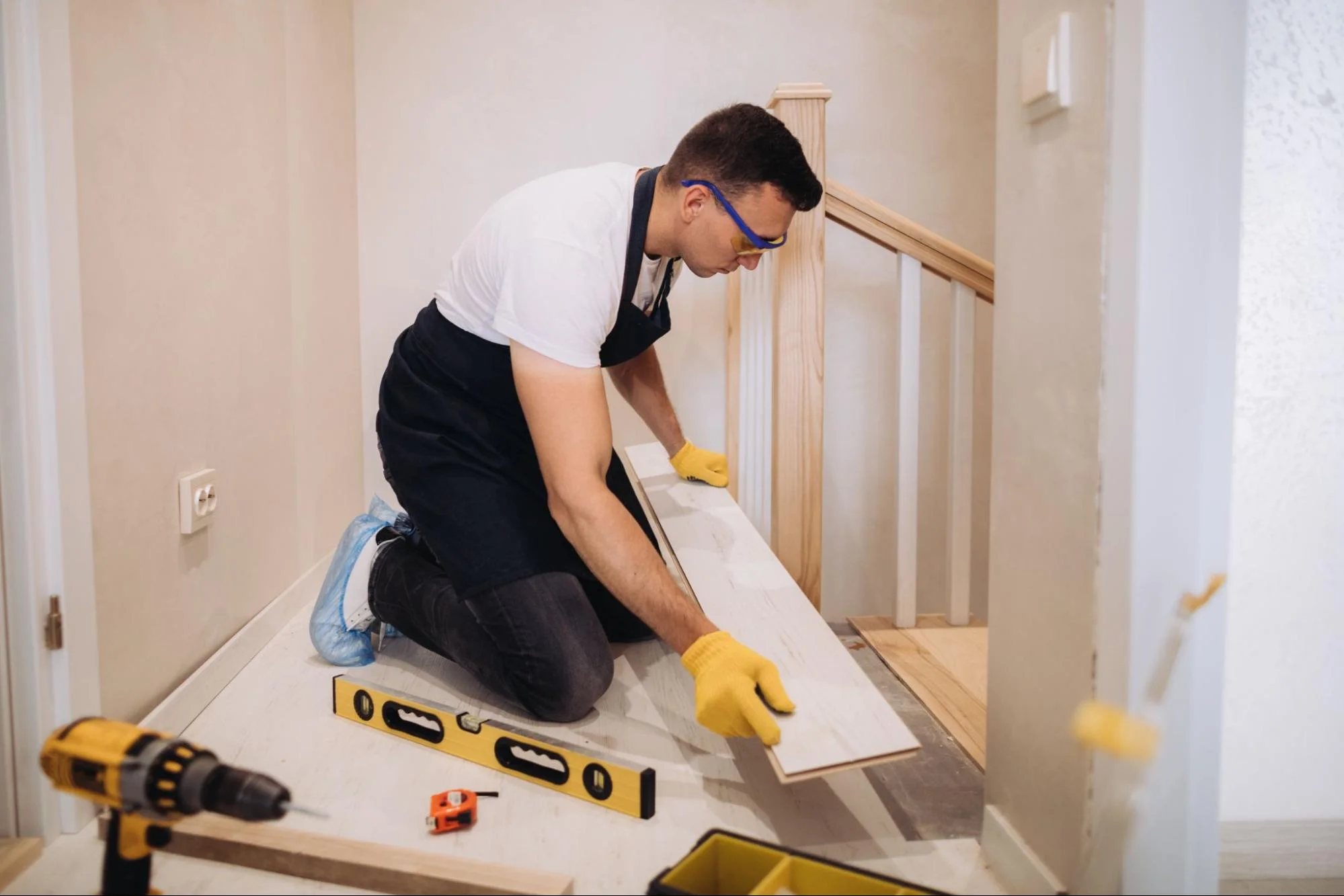
As a property manager, you know that maintaining a property can be a full-time job. That’s why it’s important to have a skilled handyman on call to handle essential maintenance and repair services, as well as upkeep and improvement strategies. Here are some of the key handyman services that are essential for effective property management.
When it comes to maintenance and repairs, there are a few key areas that a handyman should be proficient in. These include plumbing, electrical work, painting, flooring, window repairs, wall repairs, and appliance repairs. They should also be able to handle minor carpentry tasks, such as installing cabinets and shelving.
In addition to basic maintenance and repairs, a skilled handyman can also help with upkeep and improvement strategies. This can include outdoor maintenance, such as cleaning gutters and maintaining landscaping, as well as indoor upgrades, such as lighting installations and furniture assembly. By keeping your property in top condition, you can attract high-quality tenants and increase your revenue.
If you manage multiple properties, it’s important to have a reliable handyman network in place. This can help you save time and money, as you can negotiate better rates and ensure quality work across all of your properties. When choosing a handyman, be sure to do your due diligence and check their certifications and guarantees. You should also consider their availability, budget, and timeline to ensure that they can meet your needs.
Overall, hiring a skilled handyman is an essential part of property maintenance and management. By outsourcing maintenance tasks and upgrades, you can save time and money, while ensuring that your properties are in top condition.
As a property manager, you understand the importance of providing reliable and efficient handyman services to your tenants. However, managing the business side of handyman services can be challenging. In this section, we will discuss some key aspects of managing the business side of handyman services.
One of the primary concerns of property managers is budgeting and cost efficiency. When it comes to handyman services, it is important to strike a balance between quality work and cost efficiency. To achieve this, you need to carefully consider the materials and labor costs of each project. You should also consider the rent and revenue generated by the property when budgeting for handyman services.
To ensure that you provide your tenants with the best possible handyman services, it is important to build a network of trusted professionals. This means partnering with certified and licensed specialists who have a proven track record of providing quality work. You should also consider feedback from past clients and customer reviews when building your network of professionals.
In today’s digital age, technology can be a valuable tool for managing handyman services. You can use online booking systems to schedule appointments and communicate with your handyman team. You can also use software to track the availability of your technicians and ensure that you have the right specialist for each job. By leveraging technology, you can improve communication and efficiency in your handyman services.
In conclusion, managing the business side of handyman services requires careful consideration of budgeting and cost efficiency, building a network of trusted professionals, and leveraging technology for coordination. By implementing these strategies, you can provide your tenants with reliable and efficient handyman services, while also ensuring the profitability of your commercial property.
As a property manager, you know the importance of maintaining your properties to keep them in top condition and attract new tenants. One of the best ways to do this is by hiring a handyman service that can take care of all your property maintenance needs.
When it comes to finding the most valuable handyman services for property managers, there are several key factors to consider. First and foremost, you want to work with a reputable company that has a proven track record of providing high-quality services at reasonable prices.
Another important factor to consider is the range of services offered by the handyman service. Ideally, you want to work with a company that can handle everything from minor repairs and maintenance tasks to larger renovation projects. This will save you time and money in the long run, as you won’t have to hire multiple contractors for different tasks.
In addition to these factors, you should also look for a handyman service that is responsive and reliable. You want to work with a company that will be there when you need them, and that will respond promptly to any issues that arise.
Overall, by working with a reputable and reliable handyman service like Kaminskiy Care and Repair, you can rest assured that your properties are always in top condition and that you are providing your tenants with the best possible living experience. Contact us today
As a property manager, you may encounter a wide range of repair needs, from minor fixes to major renovations. Some of the most common repair services that property managers require include plumbing repairs, electrical work, HVAC maintenance, and carpentry.
Finding reliable handyman services can be a challenge, but there are several ways to go about it. One option is to ask for referrals from other property managers or real estate professionals. You can also search online for local handymen and read reviews from previous clients. Finally, you can contact a reputable property management company that offers handyman services as part of their suite of offerings.
When hiring a handyman to work with your property management company, it’s important to look for someone with a wide range of skills and experience. Ideally, your handyman should have experience with plumbing, electrical work, carpentry, and general maintenance tasks. They should also have a valid license and insurance, as well as a strong work ethic and attention to detail.
While there are no specific industry certifications for handymen, property managers may look for candidates with relevant training or certifications in specific areas, such as plumbing or electrical work. Additionally, property managers may prefer to work with handymen who have experience working with commercial properties or multi-unit residential buildings.
If you or someone you know is living with a disability, you may be wondering how to make your home more accessible. Home adaptations can be vital for those with disabilities, allowing them to live more independently and comfortably. However, knowing where to start or what modifications are necessary can be challenging. That’s where a professional handyman can help.
Handymen are skilled professionals who can assist with various home adaptations for disabilities. They can assess your needs and recommend modifications that will make your home more accessible and safer. From installing grab bars in the bathroom to widening doorways and ramps, a handyman can help you create a living space that meets your unique needs.
If you’re considering home adaptations for disabilities, it’s essential to understand the process and what to expect. This article will provide an overview of how handymen can help with home adaptations for disabilities, including common modifications, financial considerations, and legal compliance issues. With this information, you’ll be better equipped to create a living space that is safe, comfortable, and accessible.

When adapting homes for disabilities, it’s important to understand the different types of disabilities and their corresponding needs. By making the necessary modifications, you can help create a safe and comfortable living space that promotes independence.
Various types of disabilities require different home adaptations. Here are some common disabilities and their corresponding needs:
Home adaptations for disabilities can provide numerous benefits, including:
Overall, understanding the specific needs of individuals with disabilities and the corresponding home adaptations can help you create a safe and comfortable living space that promotes independence and enhances quality of life.
When it comes to home adaptations for disabilities, it is important to assess the specific needs of the individual to ensure that the right adaptations are made. This assessment can be done by a professional or by the individual, with the guidance of a professional.
Handymen who specialize in home adaptations for disabilities can assess your home and provide recommendations for adaptations that will make your living space more accessible and safer. They can evaluate your home’s layout, entryways, and other features to determine what adaptations are necessary. This can include adding wheelchair ramps, grab bars, and stair lifts, among other things.
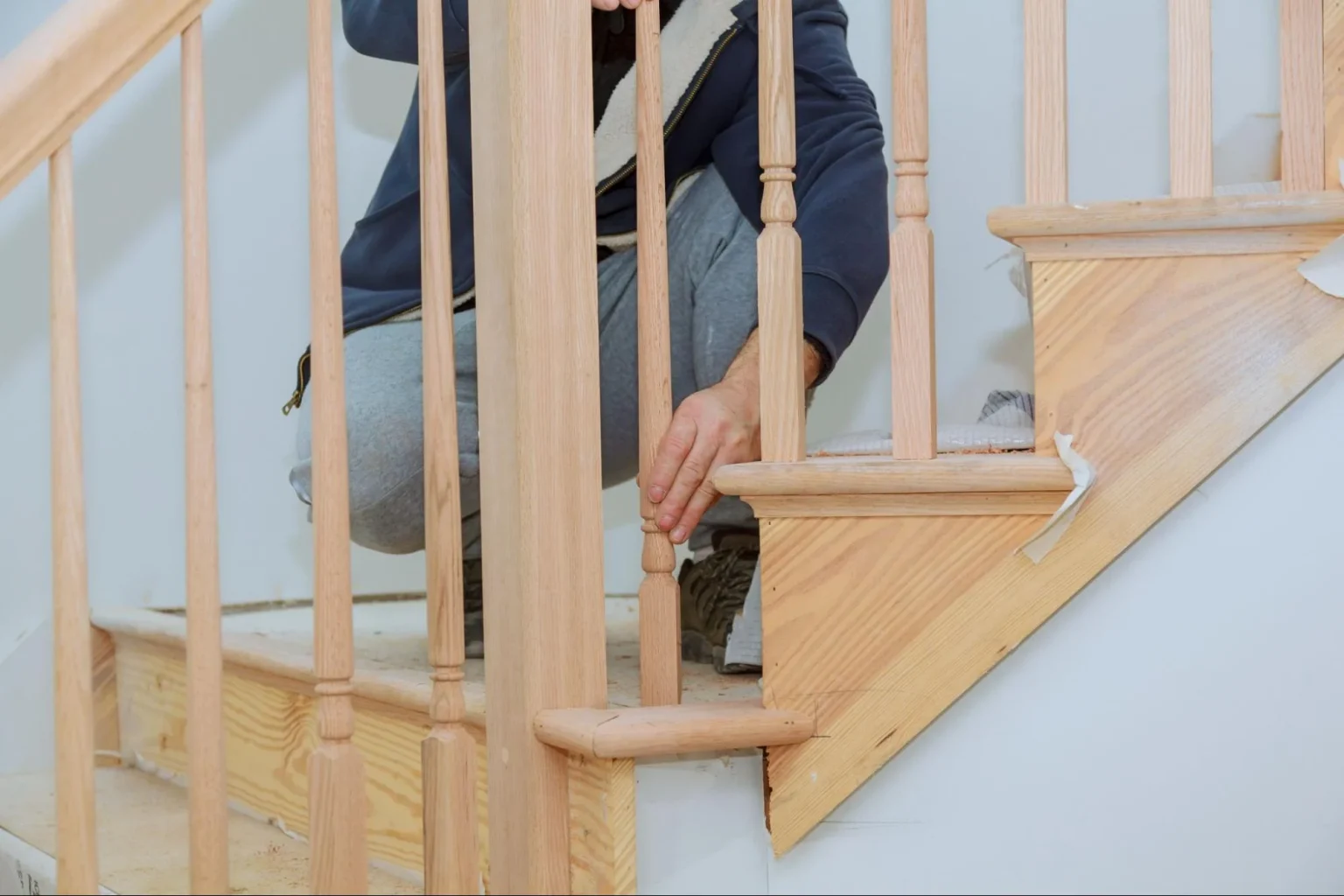
Handymen can help individuals with disabilities by making their homes more accessible and safe. Here are some common home adaptations that can make a big difference:
Accessibility modifications can make it easier for individuals with disabilities to navigate their homes. Some common accessibility modifications include:
Safety features and equipment can help reduce the risk of accidents and injuries in the home. Some common safety features and equipment include:
Adaptive technology integration can help individuals with disabilities live more independently. Some common adaptive technology integration options include:
By offering these common home adaptations, you can help individuals with disabilities live more independently and safely in their homes.
If you or a loved one is living with a disability, you may need to make home adaptations to improve accessibility and safety. A handyman can be an invaluable resource in this process. Here are some ways a handyman can help with home adaptations for disabilities.
A handyman can install and customize a variety of adaptations to make your home more accessible. For example, they can install grab bars, handrails, and ramps to make it easier to navigate the home. They can also customize cabinets and shelves to make them more accessible for those in wheelchairs or with limited mobility.
Once adaptations are installed, it’s important to maintain and repair them to ensure they continue to function properly and remain safe. A handyman can provide regular maintenance and repairs for adaptations such as grab bars, handrails, and ramps. They can also make adjustments to ensure that these adaptations continue to meet your needs as your mobility changes over time.
Overall, a handyman can play a crucial role in helping you or a loved one live more comfortably and independently with a disability. With their expertise in installation, customization, maintenance, and repair, they can help you create a safe and accessible home environment.
Home adaptations for individuals with disabilities can make a significant difference in the quality of life for individuals with disabilities. Handymen can help make these adaptations by installing entryway ramps, stair lifts, raised-height toilets, non-slip flooring, and bathroom grab bars.
It is important to keep in mind that each individual has unique needs, so it is important to work closely with your handyman to determine the best adaptations for your specific situation.
Overall, by providing home adaptations for disabilities, you can make a significant impact on the lives of individuals with disabilities. For your home improvement and accessibility needs, contact Kaminskiy Care and Repair Today!
There are several types of home modifications available for individuals with disabilities. Common modifications include installing an entryway ramp, a stair lift, raised-height toilets, non-slip flooring, bathroom grab bars, and widened doorways. These modifications can help make your home easier to navigate and less risky for individuals with disabilities. Handyman Solutions offers a variety of services and products to make your home more accessible. They can install grab bars, handrails, and ramps to make it easier to get around your home.
Maintaining your home isn’t just about fixing what’s broken; it’s about preventing future problems. Preventative maintenance is key to extending the life of your house and saving money in the long run. Regular upkeep can help you catch minor problems before they become major headaches, ensuring your home remains a safe and comfortable place to live.
You don’t have to be a professional handyman to handle most of these tasks. Simple checks and fixes, like lubricating door hinges or inspecting weather stripping, can make a big difference. By taking a proactive approach, you can avoid costly repairs and keep your home looking its best.
Whether it’s seasonal tasks like touching up exterior paint or routine checks like replacing HVAC air filters monthly, a little bit of effort goes a long way. A well-maintained home not only adds to your property’s value but can also improve your quality of life.
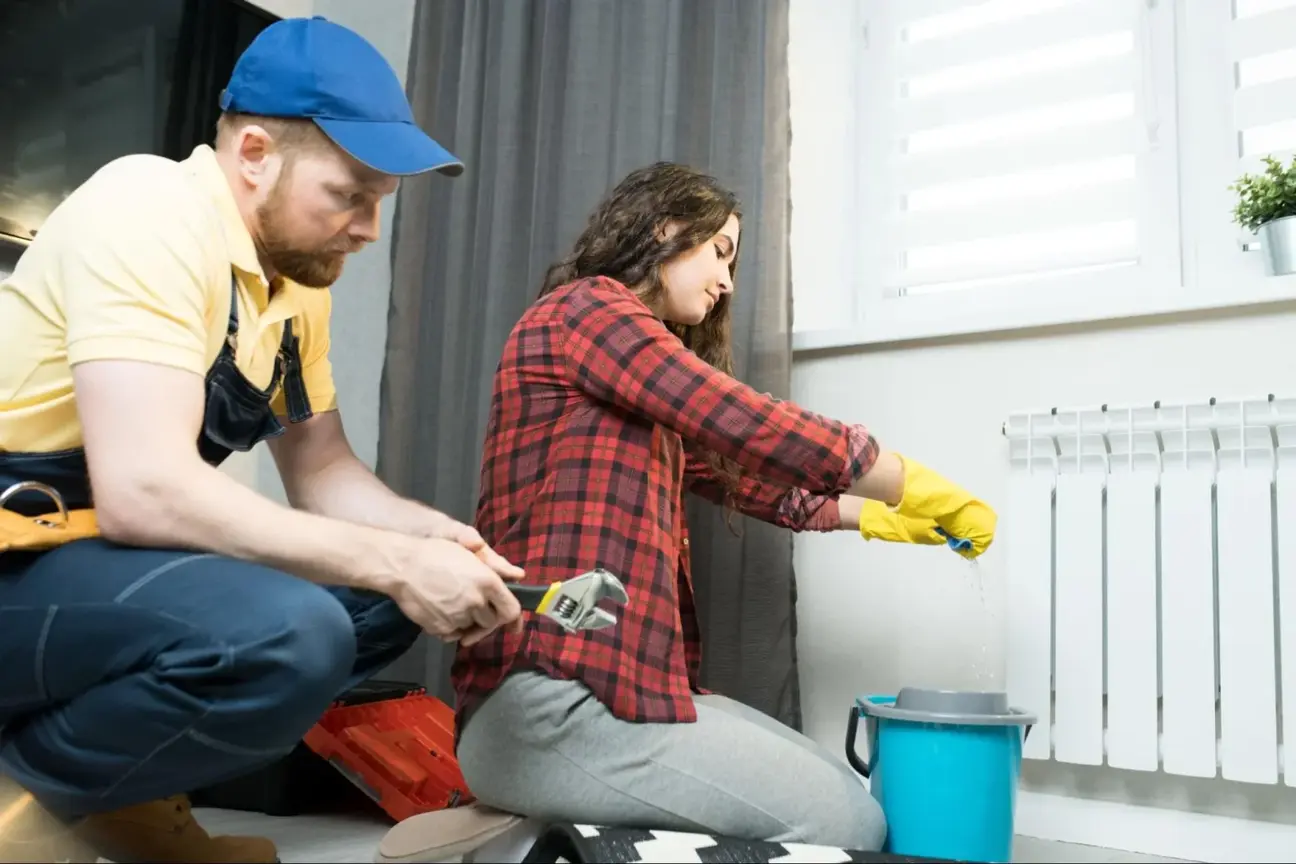
Regular home maintenance and timely seasonal checks can save you stress and money. By keeping up with simple tasks like cleaning gutters or inspecting HVAC systems, you ensure your home remains efficient and comfortable year-round.
Spring is the perfect time to get your home ready for the warmer months ahead. Start by inspecting your gutters and downspouts to ensure they are clear of debris. Clogged gutters can lead to water damage. Next, clean or replace your air filters to improve indoor air quality and system efficiency.
Check your AC units to ensure they are working correctly before the heat of summer. Don’t forget to inspect exterior walls for any damage, and use a pressure wash to remove any grime that has accumulated over the winter months. Lastly, assess your landscaping needs, trimming any overgrown bushes and trees to keep your home’s exterior looking neat.
Summer maintenance focuses on keeping your home cool and functional. Replace HVAC filters regularly and inspect the AC for any issues. Clean and inspect window screens to ensure they keep bugs out while letting fresh air in. Inspect outdoor lighting for any burned-out bulbs or wiring issues.
Ensure your outdoor spaces are ready for enjoyment by cleaning patios, decks, and any seating areas. Pressure washing these areas can make a significant difference in appearance. Check exterior walls for any signs of deterioration that might have occurred during the spring showers. Investing in shade solutions like awnings can also enhance your outdoor comfort.
As temperatures drop, preparing your home for winter becomes crucial. Start by checking windows and doors for drafts and seal any gaps to improve energy efficiency. Inspect and service your heating system and water heater to ensure they operate smoothly all winter.
Clean your gutters to prevent water damage from fallen leaves. Ensure your roof is in good condition and free from damage. Inspect exterior walls for cracks or damage that could worsen in the winter months. Ensure that all outdoor plumbing is insulated, and any water hoses are disconnected and stored away to prevent freezing.
Winter maintenance is about keeping your home warm and preventing any damage from cold weather. Check your home’s insulation to maintain heat efficiently. Inspect the boiler or heating system for any signs of wear and schedule service as needed.
Reverse your ceiling fans to distribute warm air more effectively. Consider adding weather stripping around doors and windows to prevent drafts. Clear any snow and ice from driveways and walkways to prevent slips and falls. Prepare an emergency kit in case of power outages, including blankets and non-perishable food items.
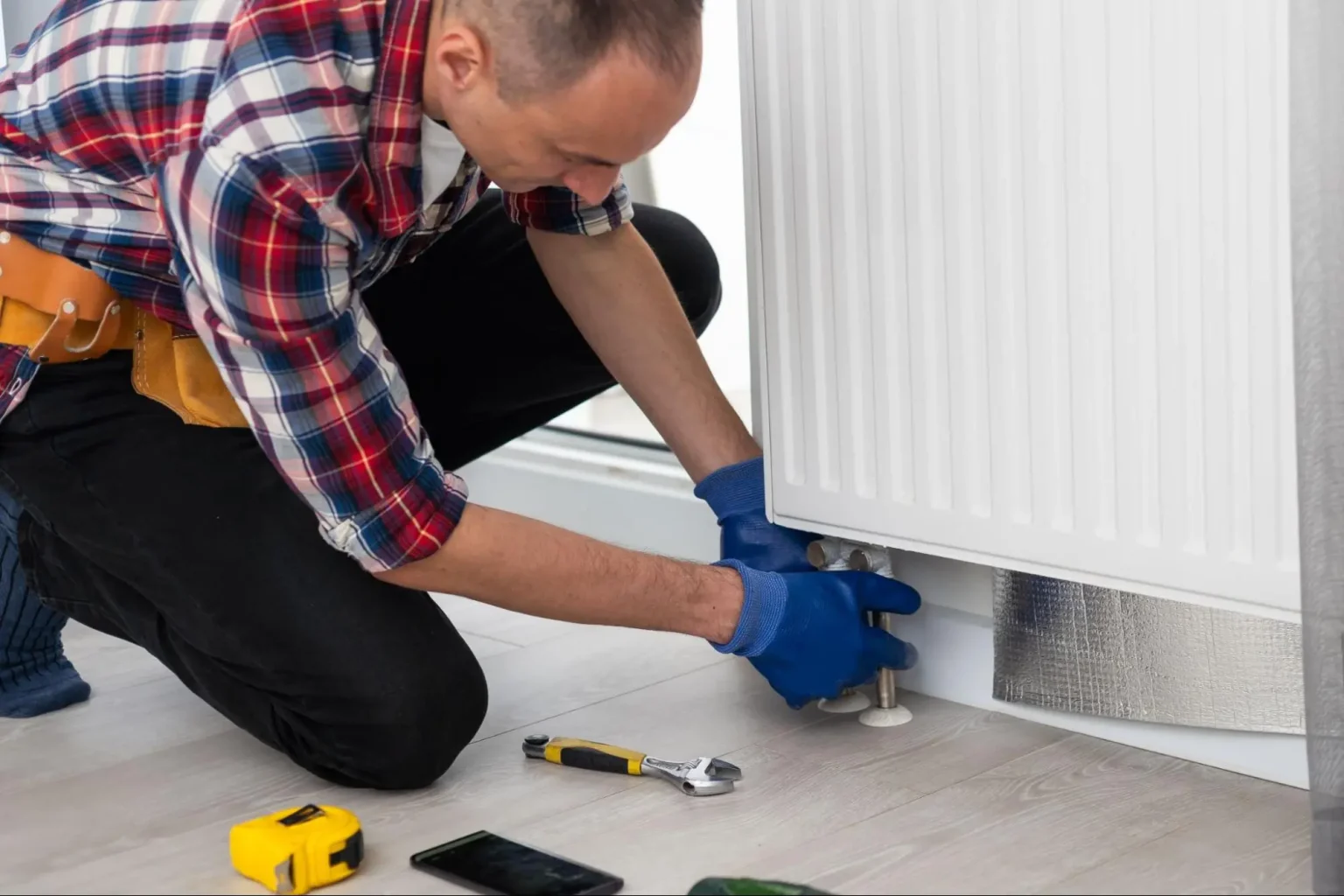
Regular maintenance can save you from costly repairs and keep your home safe and efficient. This guide covers how to take care of your home systems, structural elements, and important safety upgrades.
Your HVAC system needs regular filter changes to run efficiently. Change the furnace filter monthly to keep air quality high and reduce wear and tear on the system. Check HVAC systems for unusual noises or poor performance, which may signal larger issues.
In the plumbing system, watch for leaky faucets and running toilets. Address minor repairs promptly to avoid water damage and increased water bills. Water filters should be replaced every few months to ensure clean water.
Electrical systems should have regular inspections by qualified handyman services. Check all wiring for wear and tear and replace faulty outlets and switches. Make sure to test and replace batteries in carbon monoxide detectors and smoke alarms regularly.
Inspect your home’s foundation for any cracks or signs of shifting. Minor repairs can prevent extensive damage, which can be very costly. The basement should be kept dry and free of pests. Use a dehumidifier if needed to reduce moisture.
Examine the roof for missing, loose, or damaged shingles. Regular outdoor maintenance can prevent leaks and water damage. Look at the attic for signs of leaks or insulation issues.
The exterior of your house should be maintained too. Touch up siding and trim with paint to prevent rot or insect damage. Clean and repair weatherstripping around doors and windows to improve energy efficiency and prevent drafts.
Improving your home’s safety and efficiency can protect your family and reduce costs. Install energy-efficient windows to save on heating and cooling bills. Seal around doors and window frames to avoid air leaks.
Regularly clean the dryer vent to prevent fire hazards and improve dryer efficiency. Inspect and maintain outdoor faucets to prevent leaks, which can cause damage to your home’s exterior.
Upgrades such as new carbon monoxide detectors and energy-efficient appliances can make your home safer and more efficient. Investing in handyman services for minor repairs can extend the life of your home and protect against future problems.
Make sure to thoroughly check your house for any signs of pests and perform regular maintenance to keep your home in top condition. This includes cleaning gutters, inspecting the roof, and trimming trees and shrubs around the house.
Preventative maintenance is key for keeping your home or apartment in good shape. Regular maintenance helps you avoid costly repairs and ensures everything runs smoothly. Whether you do the tasks yourself or hire professionals, staying on top of maintenance is essential.
Using a checklist can help. These checklists guide you through tasks like inspecting your HVAC system, checking for leaks, and maintaining appliances.
Focus on the basics. Tasks like changing air filters, cleaning gutters, and inspecting the roof should be part of your routine. These small actions can prevent bigger issues down the line.
Don’t forget seasonal tasks. For instance, winter requires preparing your heating system, while summer focuses on cooling. Preventative maintenance also includes exterior upkeep. Regularly checking and repairing your building’s exterior ensures that your property remains safe and attractive.
By staying proactive, you extend the life of your property’s components and systems. This makes your home safer and more efficient and often saves you money in the long run. Keep a regular schedule and use reliable checklists to stay organized and thorough.
Include tasks like checking smoke detectors, inspecting plumbing and electrical systems, and examining exterior features like roofs and gutters. Make sure to test heating and cooling systems and look for any signs of wear and tear that could lead to bigger issues.
Routine maintenance should be done seasonally. For example, check heating systems before winter and cooling systems before summer. Monthly tasks include testing smoke detectors and examining plumbing for leaks.
Consider the age and condition of the property, local climate, and specific tenant needs. Seasonal changes and manufacturer recommendations for equipment maintenance should also guide your schedule.
Rust is a common problem that can damage and weaken metal objects, tools, and equipment. It is formed when iron or steel reacts with oxygen and moisture in the air. Rust can be unsightly, dangerous, and costly to repair. However, there are ways to prevent and treat rust to keep your metal items in good condition.
To deal with rust effectively, it is important to understand how it forms and what factors contribute to its development. Rust is a chemical reaction that occurs when iron or steel is exposed to oxygen and water. The reaction creates iron oxide, which is the reddish-brown substance we commonly refer to as rust. Factors that can accelerate rust formation include exposure to saltwater, acidic substances, and high humidity.
Fortunately, there are several ways to combat rust and prevent it from forming or spreading. One effective method is to apply a protective coating to metal surfaces, such as paint, oil, or wax. Another option is to use a rust converter, which chemically converts rust into a stable compound that can be painted over. Regular cleaning and maintenance can also help prevent rust from forming or spreading.
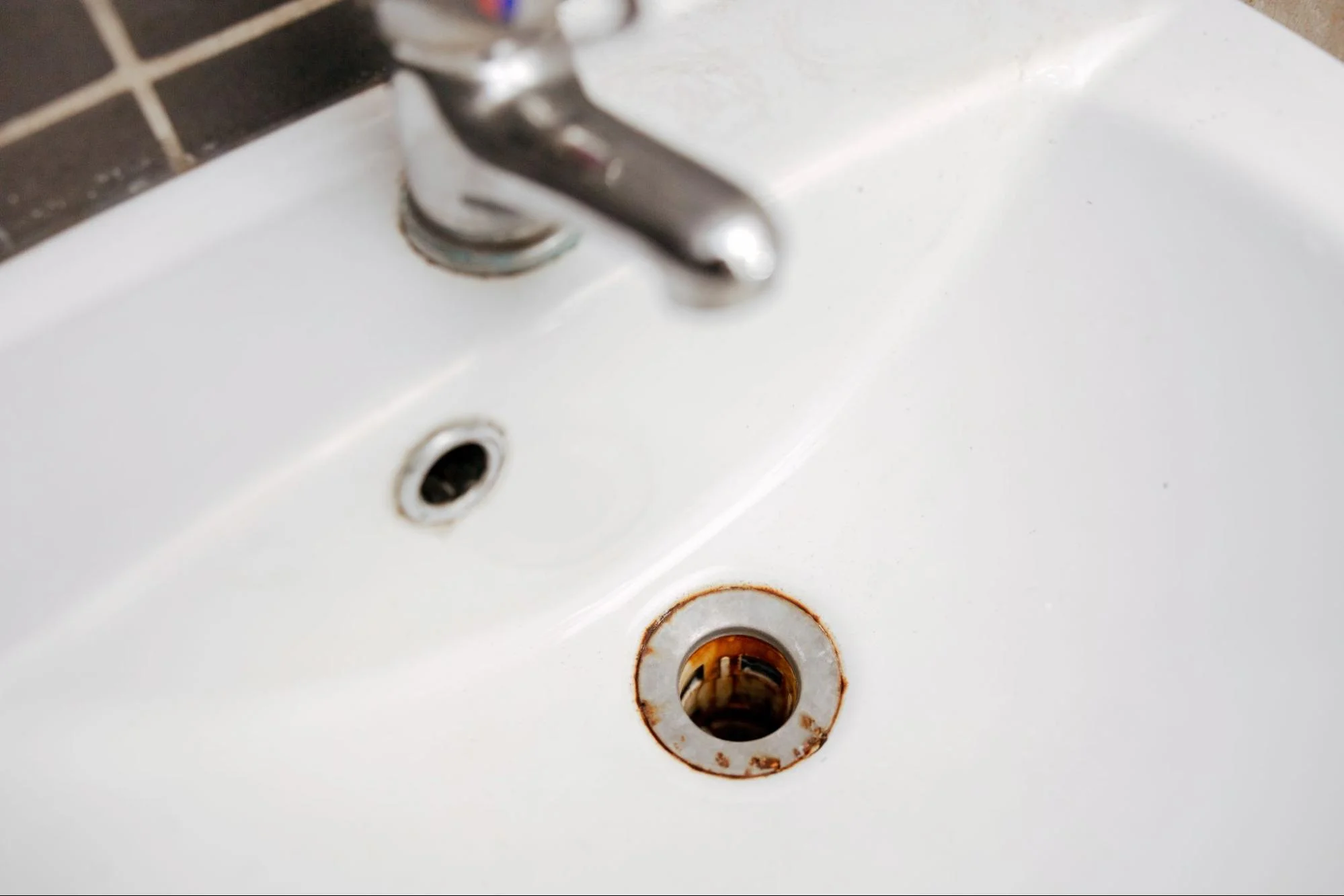
Rust is a common problem that affects metals, especially iron and steel. It is the result of a chemical reaction between iron, oxygen, and water, which forms iron oxide, commonly known as rust. Rust can cause significant damage to metal surfaces, leading to corrosion, weakening of the metal, and even structural failure.
Rust is a type of corrosion that occurs when iron or steel is exposed to oxygen and moisture. This process is called oxidation, and it involves the transfer of electrons from the iron atoms to the oxygen atoms. When water is present, it acts as an electrolyte, facilitating the transfer of electrons. The result is the formation of iron oxide, which is a reddish-brown compound that weakens the metal surface and causes it to flake off.
Several factors can contribute to the formation of rust. These include:
Understanding the science behind rust formation and the common factors that contribute to it is crucial for preventing and treating rust. By taking proactive measures to prevent rust, such as applying protective coatings or keeping metal surfaces dry, you can avoid costly repairs and ensure the longevity of your metal objects.
Rust is a common problem for metal objects, and it can cause significant damage if not addressed promptly. Fortunately, there are several ways to combat rust, including preventive measures, rust removal techniques, and protective coatings and sealants.
Prevention is the best way to combat rust. Here are some preventive measures to keep rust at bay:
If rust has already formed on a metal surface, you can use the following techniques to remove it:
Protective coatings and sealants can help prevent rust from forming on metal surfaces. Here are some options:
By taking preventive measures, using rust removal techniques, and applying protective coatings and sealants, you can combat rust and keep your metal objects looking great for years to come.
Rust is a common problem that affects metal surfaces, but it can be prevented and treated. In this article, we have discussed several tips for preventing and treating rust, including using rust inhibitors, applying protective coatings, and keeping metal surfaces dry.
One effective way to prevent rust is to use a rust inhibitor. Rust inhibitors work by forming a protective barrier on the surface of the metal, preventing moisture and oxygen from coming into contact with the metal and causing rust. Kaminskiy Care and Repair recommends using a rust inhibitor such as Rust-Oleum Rust Inhibitor Spray, which can be applied to metal surfaces to prevent rust from forming.
Another way to prevent rust is to apply a protective coating to the metal surface. Protective coatings such as paint, wax, and oil can help to protect the metal from moisture and oxygen, preventing rust from forming. Kaminskiy Care and Repair recommends using a high-quality paint or coating, such as Rust-Oleum Stops Rust Protective Enamel, to protect metal surfaces from rust.
Finally, it is important to keep metal surfaces dry to prevent rust from forming. Moisture is a key factor in the formation of rust, so keeping metal surfaces dry can help to prevent rust from forming. By following these tips for preventing and treating rust, you can keep your metal surfaces looking great and free from rust for years to come.
There are several effective methods for preventing rust on metals. One of the most important is to keep the metal dry and free from moisture. This can be achieved by storing the metal in a dry place and using a dehumidifier if necessary. Another effective method is to apply a protective coating or paint to the metal surface. This will create a barrier between the metal and the surrounding environment, preventing rust from forming.
There are several effective treatments available for removing rust. One of the most effective is using a rust remover product. Rust removers work by dissolving the rust from the metal surface. Another effective method is to use an abrasive material, such as sandpaper or a wire brush, to physically remove the rust from the metal surface.
Several coatings and paints are recommended to prevent rust on surfaces. One of the most effective is a zinc-rich primer. Zinc-rich primers work by creating a barrier between the metal and the surrounding environment, preventing rust from forming. Another effective coating is an epoxy coating. Epoxy coatings are highly resistant to corrosion and can be used on a variety of surfaces.
Yes, several household items can be used to prevent or treat rust. One of the most effective is vinegar. Vinegar can be used to remove rust from metal surfaces. Another effective household item is baking soda. Baking soda can be used to create a paste that can be applied to rusted metal surfaces to remove rust.
If you’re someone who loves DIY projects or is a handyman, choosing the right materials for your project can be a daunting task. With so many options available in the market, it can be overwhelming to decide which material to use for your project. However, choosing the right materials is crucial for the success of your project. The materials you choose can impact the durability, cost, and overall look of your project.
Understanding the materials and tools you need for your project is the first step toward choosing the best materials. You need to consider factors such as the type of project, the environment the project will be in, and your budget. Once you have a clear understanding of the materials and tools you need, you can start planning and executing your project.
In this guide, we will take you through the process of choosing the best materials for your handyman projects. We will cover everything from understanding materials and tools to project planning and execution. We will also answer some frequently asked questions to help you make informed decisions. So, let’s get started!
When it comes to selecting materials and tools for your handyman projects, it’s important to have a good understanding of the different options available to you. Here are some key factors to consider when choosing materials and tools for your DIY projects.
Woodworking is a popular DIY project, and selecting the right wood is essential for ensuring a durable and high-quality finished product. Softwoods like pine and cedar are great for outdoor projects, while hardwoods like oak and maple are better suited for indoor projects. Plywood is a versatile option that can be used for a variety of projects and is available in different grades and thicknesses.
In addition to wood, there are a variety of metal and synthetic materials available for DIY projects. Steel is a durable and versatile material that can be used for a variety of projects, while vinyl and plastic are great options for outdoor projects that require weather-resistant materials. Concrete is another option for outdoor projects like patios and walkways, and metal roofing is a durable and long-lasting option for roofs.
Having the right tools is essential for any DIY project. Some essential hand tools include a hammer, tape measure, and utility knife, while power tools like a cordless drill, circular saw, and jigsaw can help make your projects more efficient. An air compressor and nail gun can also be useful for larger projects, and a miter saw and table saw can help you make precise cuts. A router and paint sprayer are also useful for adding finishing touches to your projects.
Overall, selecting the right materials and tools for your handyman projects is essential for ensuring a successful and high-quality finished product. Be sure to take into account factors like durability, safety, and organization when selecting materials and tools, and always follow proper safety procedures when using power tools.

When starting a home improvement project or home repairs, it is important to plan and execute it properly. This ensures that the project is completed in a timely manner, within budget, and to your satisfaction. Here are some important factors to consider when planning and executing your project.
Before starting any project, it is important to determine your budget. This will help you to plan and prioritize your project and ensure that you don’t overspend. When budgeting for your project, consider the cost of materials, tools, and labor. You can also save money by doing some of the work yourself, but be sure to factor in the cost of any necessary tools and safety gear such as safety glasses.
When choosing materials for your project, consider maintenance and durability. Some materials require more maintenance than others, so choose materials that best fit your lifestyle and needs. For example, if you live in a climate with harsh winters, choose materials that can withstand extreme temperatures and weather conditions. You should also consider the longevity and quality of the materials to ensure that they will last for many years to come.
Your home improvement project should not only improve the aesthetics of your home but also on its functionality. Consider installing energy-efficient windows, doors, and insulation to save money on your energy bills. You can also enhance your home’s curb appeal by adding new siding, solar panels, or landscaping. When choosing materials for your project, consider the aesthetic appeal as well as the functionality.
Remember, safety should always be a top priority when planning and executing your project. If you are not a DIY enthusiast, consider hiring a reliable general contractor to ensure that the project is completed safely and efficiently. Additionally, be sure to follow all safety guidelines and wear appropriate safety gear such as safety glasses.
By following these tips and considering important factors such as budget, cost, maintenance, durability, aesthetics, and safety, you can ensure that your home improvement project or home repairs are executed properly and to your satisfaction.
Choosing the best materials for your handyman projects can be a daunting task, but with the right knowledge and approach, it can be made easier. By considering factors such as cost, practicality, aesthetics, and longevity, you can make informed decisions that will ensure your projects are successful.
When it comes to cost, it’s important to strike a balance between affordability and quality. While it may be tempting to opt for the cheapest materials available, this can often lead to subpar results. Instead, consider investing in high-quality materials that will stand the test of time.
Aesthetics are also important, especially if you’re working on a project that will be on display. Consider the overall look and feel you’re trying to achieve and choose materials that complement this. For example, if you’re working on a rustic project, you might want to opt for natural wood materials.
Finally, longevity is key. You want to choose materials that will last for years to come, saving you time and money in the long run. Look for materials that are resistant to wear and tear, and that are easy to maintain.
At Kaminskiy Care and Repair, we understand the importance of choosing the right materials for your handyman projects. That’s why our handyman services ensure your home projects are done with the best materials giving you peace of mind. Contact us today to handle your home repair projects perfectly.
When selecting materials for your handyman projects, it is important to consider the durability and performance of the materials. Factors such as the intended use of the project, environmental conditions, and the load-bearing capacity of the materials should be taken into account. Additionally, the quality of the materials and their resistance to wear and tear should be evaluated.
Assessing the quality of materials is essential to ensure the longevity and safety of your project. Look for materials that are certified by reputable organizations and have undergone testing for quality assurance. You can also consult with experts in the field or read reviews from other DIY enthusiasts to get a better understanding of the quality of the materials.
Environmental factors such as temperature, humidity, and exposure to the elements can have a significant impact on the choice of building materials. For example, materials that are resistant to water damage are ideal for projects located in areas with high humidity or frequent rainfall. Additionally, materials that are resistant to mold and mildew are recommended for projects located in damp environments.
Safety should always be a top priority when selecting materials for a construction project. Consider the potential hazards associated with the materials, such as toxicity and flammability.
Every home encounters annoying issues like wood rot, porcelain stains, and stubborn fingerprint marks. You don’t always need expensive solutions; many common home problems can be fixed quickly and inexpensively. Whether you are dealing with minor repairs or regular maintenance, a few clever tricks can save you both time and money.
Imagine handling most home problems on your own, with solutions that are simple yet effective. From stopping leaks to fixing squeaky doors, these hacks are essential for any homeowner. Many tasks will feel manageable with just a bit of knowledge and the right tools.
You’ll discover that owning a home doesn’t have to be stressful when you know some practical handyman hacks. These tips and tricks can transform your approach to household maintenance, making your life easier and your home more enjoyable.
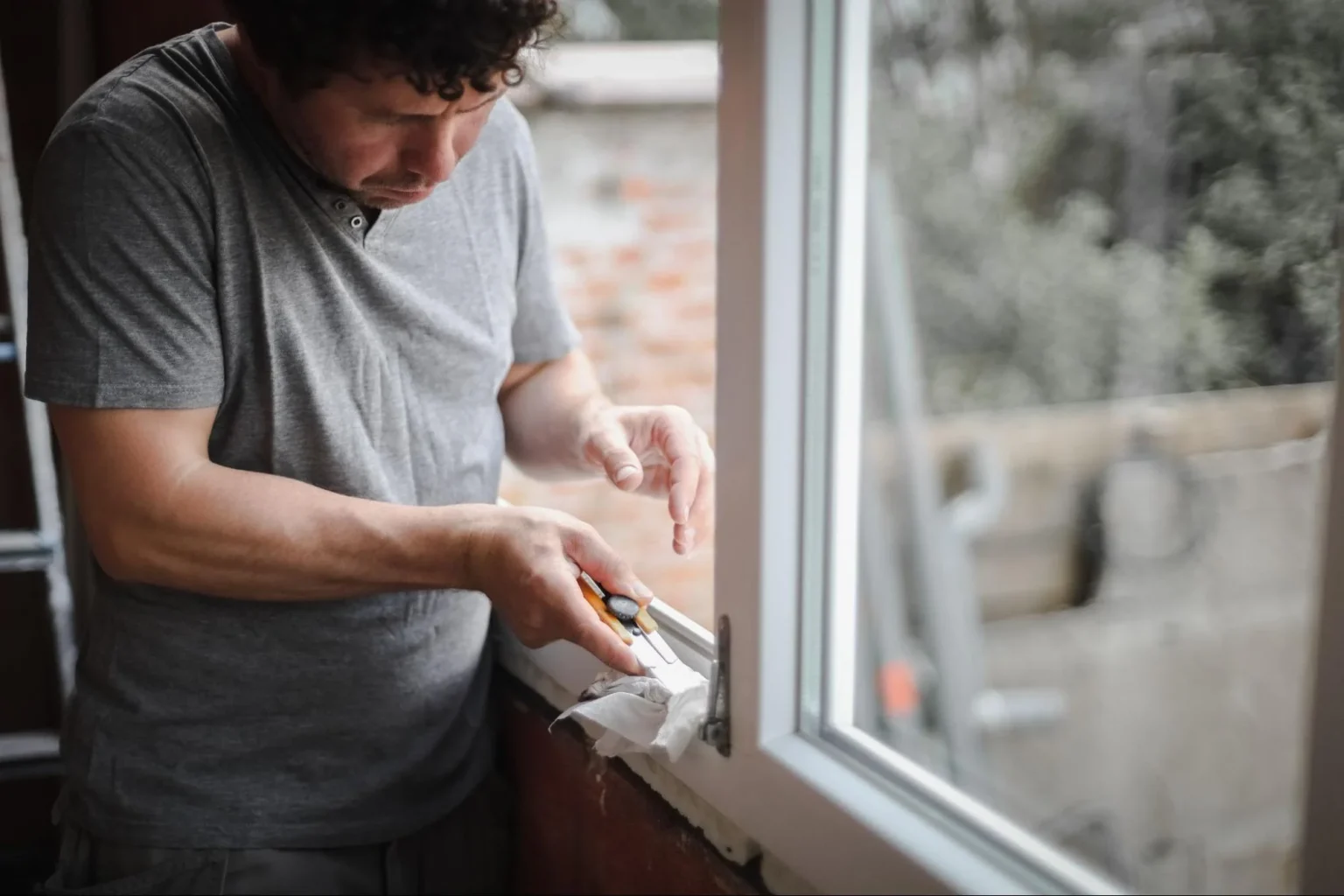
Every homeowner faces common problems like wear and tear on furniture, stuck items, and clogged drains. Below are practical solutions using everyday items and simple tools to tackle these issues efficiently.
To fix scratches on wooden furniture, use clear nail polish. Apply it to the scratch and let it dry.
For minor dents in wooden surfaces, place a damp cloth over the dent and use a hot iron over the cloth. The steam will help the wood swell back into place.
Use a rubber band around the lid of a stripped screw to get a good grip and remove it with a screwdriver.
To prevent spills when pouring paint, cut off the top of a plastic bottle and use it as a funnel.
Cover up small holes in your walls with toothpaste. It’s a quick way to fill holes left by nails and screws.
Use vinegar and baking soda to clean your clogged drains. Pour the baking soda down the drain first, followed by vinegar. Let it fizz for a few minutes, then flush with hot water.
For stuck zippers, rub a graphite pencil on the teeth to free the zipper.
To remove a pin from a door hinge, tap a nail upward into the pin to push it out, then pull it the rest of the way.
Unclog drains by using a mixture of baking soda and vinegar. Pour baking soda down the drain first, followed by vinegar. Wait for it to fizz, then flush with hot water.
Using these simple yet effective hacks can make home repairs quicker and easier, saving you both time and money.
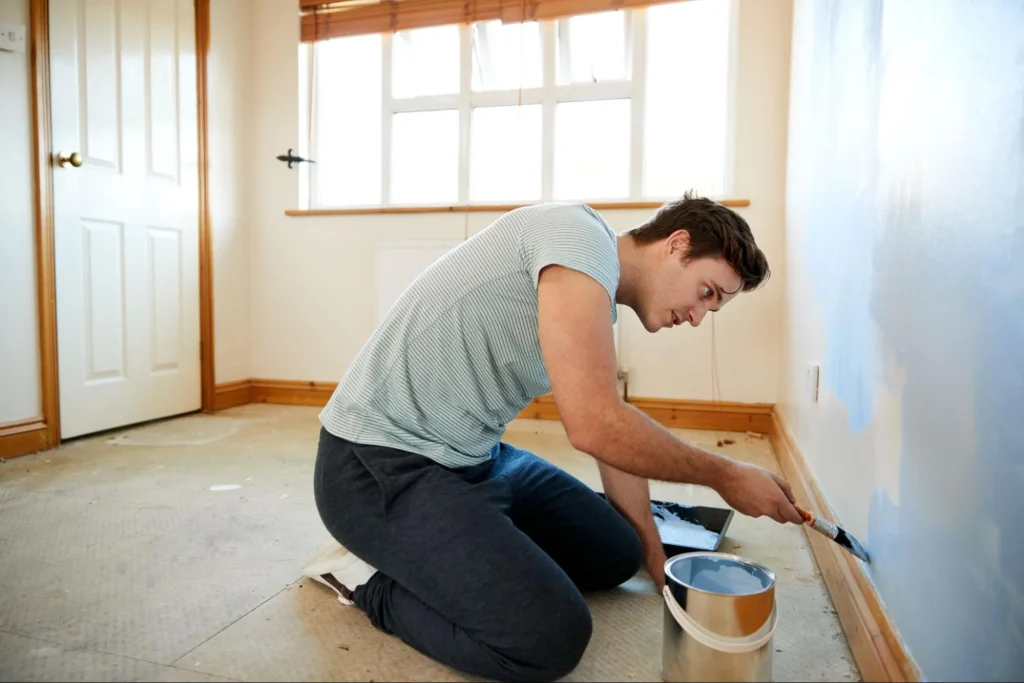
Proper maintenance and lubrication can keep your home running smoothly. Graphite powder or silicon-based lubricants are often best for lubricating locks, hinges, and other moving parts. Avoid using oil-based products as they can attract dust and grime.
If a hinge is squeaky, remove the pin and apply a small amount of lubricant. This will keep it moving smoothly and quietly. Use graphite powder for locks to avoid gumming up the mechanism.
For stripped screws, you can use a rubber band for extra grip. Place the band over the screw head and slowly turn it with a screwdriver. This simple trick can often save you from replacing the screw entirely.
Proper sealing and reinforcement can add years to the life of many household items. For cracks or gaps, use a high-quality sealant designed for your specific need. Silicone-based sealants are excellent for bathroom showers and kitchens because they are waterproof and mold-resistant.
If you have doors or windows that are drafty, install weather stripping. This not only improves energy efficiency but also prolongs the life of your HVAC system.
To reinforce furniture, consider using wood glue or metal brackets. Secure loose joints to prevent the furniture from becoming wobbly. If you need to fill in holes, use wood filler before sanding and painting over it.
By following these tips, you can ensure the longevity and proper functioning of many household items.
Handyman hacks can save you time and money on common household problems. Simple solutions often solve these issues without needing professional help.
For clogged drains, pour 1/2 cup of baking soda followed by 1/2 cup of white vinegar. Let it sit for about an hour before rinsing with hot water.
To restore cloudy headlights, use toothpaste. Apply a small amount to a damp cloth and rub in circular motions. Rinse and buff dry for better visibility.
For peeling wallpaper, use a small paintbrush to apply glue to the underside. Press it firmly against the wall and smooth out any bubbles.
When painting, prevent spills by using a cut plastic bottle top as a lid. This helps you pour paint without mess and keeps the edges of the can clean.
Each of these hacks is simple to execute and can be done with items you usually have at home. If you’re looking for more professional help, contact Kaminskiy Care and Repair.
Using baking soda and white vinegar to unclog drains is an easy and effective solution. Just pour ½ cup of each down the drain and let it sit for 30 minutes to an hour. For stuck screws, try a rubber band over the screw head to improve grip when turning it.
To restore cloudy headlights, apply toothpaste to a damp cloth and rub it in circular motions, then rinse. Baking soda can be used to clean tough stains in the kitchen and bathroom. Just sprinkle on the area, let it sit, and scrub.
Under-bed storage containers make good use of otherwise wasted space. Use vertical shelving units to maximize storage in small rooms. Over-the-door organizers can hold shoes, cleaning supplies, or even pantry items.
Fix small plumbing issues yourself, like clogged drains or leaky faucets, using simple tools. Repaint old furniture instead of buying new pieces. Seal drafts around windows and doors with weatherstripping to save on heating and cooling costs.
When it comes to maintaining your home, gutters often get overlooked. Regular seasonal gutter maintenance is essential to protect your property from water damage and costly repairs. From a handyman’s perspective, keeping your gutters clean and functional isn’t just a matter of aesthetics; it’s a crucial part of home upkeep.
Different seasons pose unique challenges for your gutter system. In the spring, you may deal with leftover debris from the winter, while the fall brings an abundance of leaves that can quickly clog your gutters. During the summer, high temperatures can cause damage to your gutters, making it critical to perform routine checks and repairs.
By investing a little time and effort every season, you can ensure your gutters work efficiently year-round. A well-maintained gutter system will channel rainwater away from your home, preventing potential damage to your foundation, walls, and landscaping.
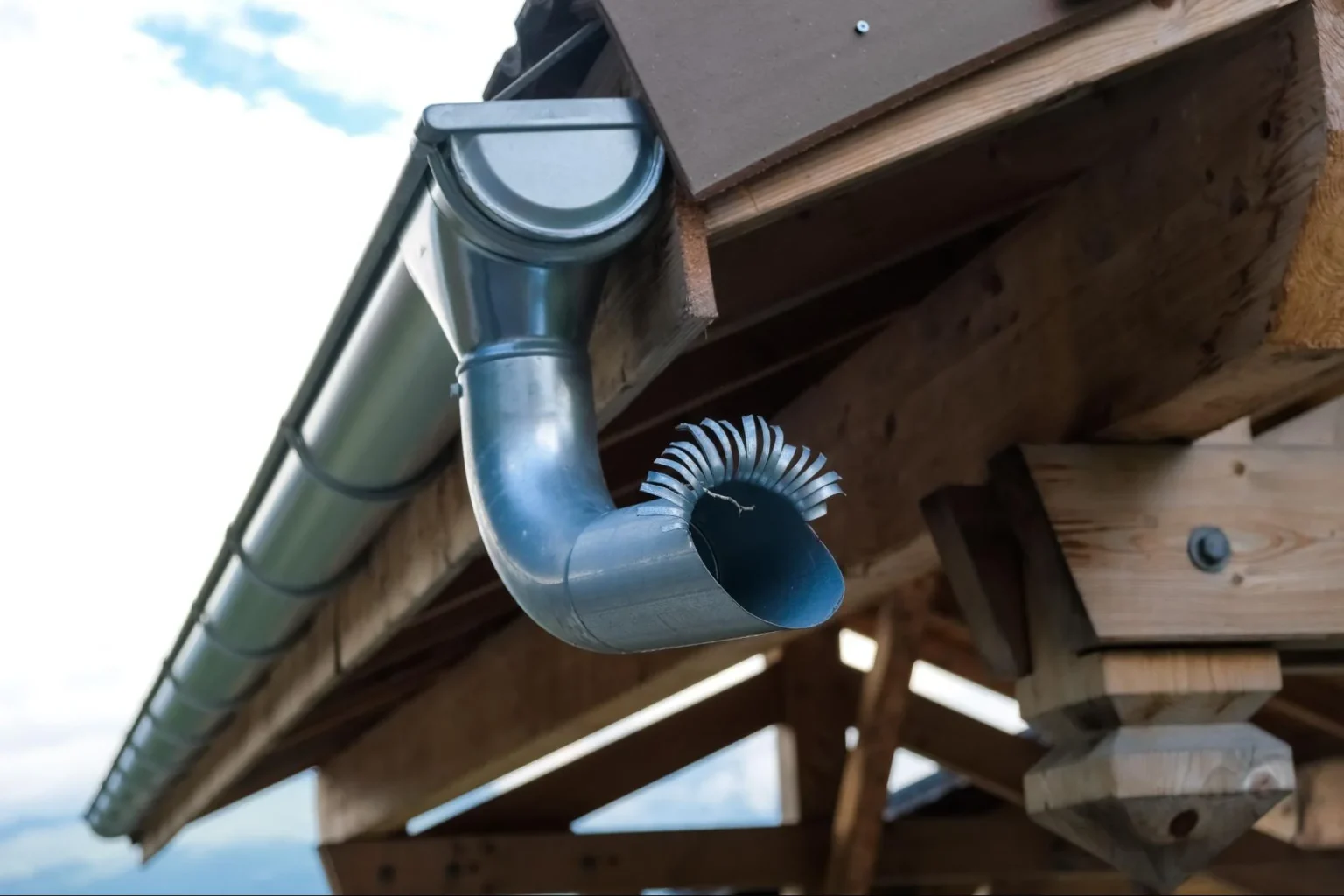
Regular gutter maintenance is essential to avoid costly repairs and damage to your home. By understanding how gutters work and common issues, you can develop a proactive maintenance schedule that keeps your home safe and sound.
Gutters direct rainwater away from your home, protecting your roof, foundation, and soil from water damage and erosion. When assessing your gutters, check for leaks, blockages, and sagging.
Clogged gutters lead to water overflow, which can damage the structure and cause water to pool around the foundation. Sagging gutters often indicate that they cannot support the weight of accumulated debris or standing water, risking further structural integrity. Regular inspection helps identify potential damage early, avoiding severe water damage and pest infestations. By knowing these common issues, you can address them promptly.
Creating a gutter maintenance schedule involves planning regular cleaning and inspections throughout the year. Seasonal gutter maintenance is a crucial task for every handyman. Conduct a thorough inspection and cleaning in the spring to clear away debris from winter. Summer maintenance focuses on ensuring gutters are secure and free of blockages to handle heavy rains.
In autumn, clear falling leaves to prevent clogs. Winter maintenance includes checking for ice dam formations and ensuring gutters are free of debris to avoid damage from freezing water. By scheduling cleanings and inspections at least twice a year, you can maintain your gutters’ functionality and extend their lifespan. Regular attention prevents water damage and keeps your home safe from structural problems.
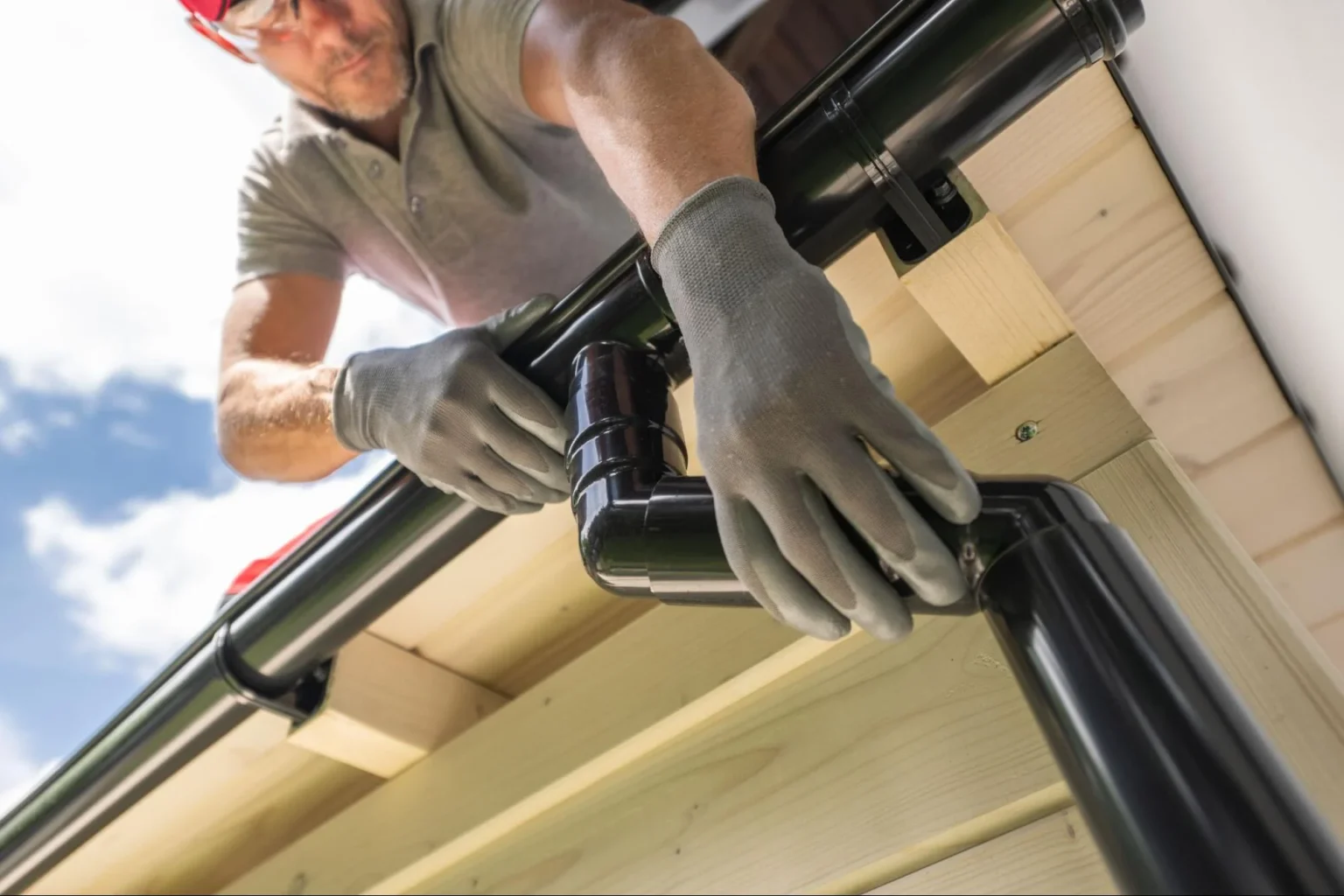
To keep your gutters functional and avoid costly repairs, it’s essential to keep them clean and well-maintained. This section covers practical steps for cleaning gutters, preventive measures to avert future problems, and the importance of safety during the process.
Begin by gathering your tools: a sturdy ladder, safety glasses, and a gutter scoop. Clear leaves, twigs, and debris from the roof edges and gutters.
Use a garden hose to flush out the gutters and downspouts, ensuring water flows freely. Check for blockages and remove any residual build-up. Inspect gutter hangers and fasteners, tightening or replacing them as needed.
Apply gutter sealant to fix any leaks. Regularly inspect for issues that could lead to basement flooding or mold growth. Maintaining clean gutters helps prevent mosquitoes and other pests by eliminating standing water.
Consider installing gutter guards or screens to reduce leaf and debris build-up. These protective shields can minimize the need for frequent cleaning, saving time and effort.
Regular inspections are crucial. Check your gutters at least once each season for clogs, damaged sections, or loose fasteners. Ensure proper attachment to avoid water damage to your home’s foundation.
Using high-quality materials like sturdy hangers and gutter sealant enhances longevity and functionality. This proactive approach helps maintain your home’s value and curb appeal while avoiding expensive repairs.
For personal safety, always use a sturdy ladder positioned on level ground. Wearing safety glasses prevents eye injuries from debris. If you’re uncomfortable with heights or lack experience, consider professional gutter cleaning services.
Professionals have the proper training, tools, and insurance to perform the job safely and effectively. They can also offer additional services like checking for potential ice dams or providing a detailed inspection and maintenance plan.
Hiring experts ensures peace of mind, knowing your gutters are well-maintained and your home is protected.
Keeping up with seasonal gutter maintenance is key to protecting your home from water damage. Simple tasks like cleaning and repairing your gutters ensure they work efficiently all year long.
Spring: Clear out winter debris like branches and twigs. This is a good time to inspect for any damage caused by the winter weather.
Summer: Focus on doing deeper cleanings. Flush out the downspouts and make sure they’re clear. You might also need to look for algae or mold growth due to the humid weather.
Fall: This is the busiest time for gutter maintenance. Leaves and other debris can quickly clog your gutters. Clean them out regularly to prevent any blockages that can cause water to overflow and damage your home.
Winter: Gutters are prone to ice dams during winter. Ensure they’re free of blockages to prevent ice from forming. This can also be a good time to install gutter guards to reduce maintenance effort.
Regular checks and cleaning extend your gutter’s lifespan. Keep in mind, that maintaining clean and functional gutters prevents costly repairs to your home’s structure. Spending a little time each season can save you a lot of trouble down the road.
For a seamless experience, consider professional help from Kaminskiy Care and Repair. We can handle everything from cleaning to repairs, ensuring your gutters remain in top shape through every season.
It’s ideal to clean your gutters twice a year: once in the spring and once in the fall. This ensures that any debris from winter or summer storms is removed, and your gutters are clear before the heavy rainfalls of spring and autumn.
Gutters should be inspected and maintained at least twice a year. Besides regular cleaning, check for signs of wear, leaks, and blockages. If your home is surrounded by trees, more frequent inspections might be necessary to remove leaves and debris.
Neglecting gutter maintenance can lead to clogged gutters, which in turn can cause water damage to your roof, fascia, and foundation. Over time, this can result in structural issues, mold growth, and costly repairs.
Effective communication with your handyman is essential for a smooth and successful project. Whether you’re dealing with home repairs or renovations, clear, concise communication ensures your needs and expectations are met. Start by discussing your project details and goals before any work begins; this helps set a mutual understanding from the beginning.
Don’t hesitate to ask questions throughout the project. A good handyman values transparency and will keep you informed. Regular updates can prevent misunderstandings and ensure the project stays on track. Keep the lines of communication open, making it easier to address any issues that may arise.
In addition to verbal communication, written notes, emails, or messages can be helpful. These tools provide a record of discussions and decisions made during the project. Ultimately, effective communication leads to higher satisfaction and a better working relationship with your handyman.
When working with a handyman, establishing clear communication is crucial for a successful project. You need to convey your expectations, understand their expertise, and discuss the details of the repair process.
To ensure effective communication with your handyman, you must convey your expectations. Start by outlining the scope of work, including the specific tasks and the desired outcome. Highlight any special requirements or preferences you might have.
Be specific about the timeline. If you need the job done by a certain date, mention it early. This helps the handyman plan accordingly and sets a mutual understanding of deadlines.
It’s also important to ask questions. If you’re unsure about any aspect of the work, don’t hesitate to seek clarification. This prevents misunderstandings and helps in aligning your vision with the handyman’s approach.
Understanding the expertise of the handyman is key. Each handyman may have different skills and experience. Ask about their background in specific areas like construction, plumbing repairs, or electrical work.
Professionals should be able to provide solutions and suggestions based on their experience. Discuss their problem-solving skills and how they handle complex tasks. This not only builds trust but also gives you insight into their approach.
Listen attentively, and focus on their explanations. This can also help you gauge their professionalism and determine if they are the right fit for your project.
Discussing the details of the repair process is necessary for smooth cooperation. Clarify the steps involved, the materials required, and the tools that will be used.
Ask the handyman to explain each phase of the project. This helps you understand what to expect and prepares you for any potential disruptions. Ensure you cover all aspects, from start to finish, including any maintenance steps required after the repair.
By focusing on these particulars, you can prevent confusion and streamline the repair process, leading to better outcomes for all parties involved.
When managing a handyman project, it is crucial to set clear expectations, address any concerns promptly, and ensure quality and professionalism throughout. Staying organized and proactive helps keep the project on track.
Create a detailed timeline for your project. This includes start and end dates as well as major milestones. Share this schedule with your handyman and make sure they agree with it. Using a written contract can clarify expectations and deadlines.
Include specific timelines and deadlines for each part of the job. Discuss any potential delays and how they will be handled. This way, both parties know what to expect, reducing misunderstandings.
Regular check-ins are essential for managing concerns. Schedule brief meetings to go over progress and address any issues. Be open and direct about any feedback you have.
Encourage your handyman to communicate the challenges they face. Work together to find solutions quickly. Effective problem-solving can prevent small issues from becoming major setbacks.
Make sure your handyman has the right credentials and insurance. Verify their reputation and past work quality. Trust and reliability play a significant role in the success of your project.
Discuss upfront what materials and methods will be used to ensure quality workmanship. If your project requires special permits or approvals, make sure these are obtained before work begins. Clear communication aligns both parties on what constitutes quality and professional work.
By taking these steps, you ensure a smooth execution of your handyman project, building a dependable relationship and achieving the results you expect.
When communicating with your handyman, it’s important to be clear and concise. Follow this guideline for an effective experience
By following these steps, you create a good working relationship with your handyman, leading to successful project completion. Kaminskiy Care and Repair offers expert handyman service that meets the specifications and expectations of your home projects. Contact us today!
Regularly scheduled meetings to discuss progress.
Written agreements outlining expectations.
Use of visual aids like drawings or photos.
Miscommunication can lead to costly errors.
Clear updates keep the project on schedule.
Honest feedback ensures
Text messages for quick updates.
Phone calls for detailed discussions.
Emails to document agreements and changes.
Navigating the world of handyman insurance can be tricky, but having the right coverage is crucial for protecting your business and gaining peace of mind. Key types of insurance for handymen include general liability insurance, workers’ compensation, and professional liability coverage. Each type serves a unique purpose, helping you manage risks and safeguard against unexpected financial setbacks.
You’ll find that general liability insurance is often the most essential, covering damages or injuries that might occur during a job. This protection ensures you can handle claims without severely impacting your business finances. On the other hand, workers’ compensation is vital if you have employees, as it covers medical expenses and lost wages in case of work-related injuries.
Understanding these insurance options allows you to make informed decisions that could save your business from significant financial loss. By exploring different policy options and their benefits, you can ensure complete coverage tailored to your specific needs, fostering trust with your clients and providing peace of mind in your operations.
Handyman insurance includes a variety of coverage options to protect against risks such as bodily injury, property damage, and equipment loss. These policies are designed to safeguard your business from significant financial losses due to accidents or unforeseen events.
General liability insurance is a must-have for every handyman. This coverage protects you from claims related to third-party bodily injury and property damage. For instance, if a client trips over your tools and suffers an injury, this insurance helps cover the medical expenses and legal fees.
Policies often include liability coverage limits ranging from $300,000 to $1,000,000 per claim. Annual aggregate limits can go up to $2,000,000. The Forbes article mentions that these policies also cover advertising injury claims. Deductibles can range from $0 to $1,000, potentially impacting your out-of-pocket expenses when filing a claim.
Property and equipment coverage is essential for protecting your tools and inventory. This insurance covers damages or theft of your tools, whether on-site or off-site. Commercial property insurance generally covers the physical location and the contents within it.
Inland marine insurance can protect your tools and equipment while in transit or at temporary job sites. Equipment coverage ensures you can replace stolen or damaged items without crippling your business operations. Premiums for these policies vary depending on the value of the covered items and your claims history.
Several specialized insurance types offer additional layers of protection. Workers’ compensation insurance is vital if you have employees, covering medical expenses and lost wages due to work-related injuries. Commercial auto insurance protects vehicles used for business purposes.
Professional liability insurance covers errors and omissions that could occur during your work. Cyber liability insurance safeguards against data breaches, while umbrella insurance provides extra liability protection beyond standard policy limits. Business interruption insurance covers lost income due to unforeseen events that halt your operations. Lastly, employment practices liability insurance covers claims related to wrongful termination, discrimination, or harassment.
The cost of handyman insurance can be influenced by several factors. Your business type, risk level, and efforts to reduce costs play significant roles in determining your premium.
Insurance companies assess your risk level to determine pricing. Factors like your business location and the types of services you offer affect your risk for accidents and liability claims.
Handymen who work in high-risk areas or handle hazardous tasks might face higher premiums. Your annual revenue and experience also play a role. A more experienced handyman with fewer past claims might be seen as less risky, potentially leading to lower insurance costs.
The size and structure of your business also impact insurance costs. Self-employed handymen may pay less than those with employees due to fewer potential liabilities. If you have employees, you’ll need more coverage, which increases your premium.
Policy limits and deductibles are key considerations. Higher limits offer more protection but cost more. Conversely, choosing a higher deductible can lower your monthly premium. Balancing coverage with affordability is crucial.
Loyalty and safe practices can lead to discounts. Insurance providers often reward businesses with consistent, claim-free histories. Bundling policies, such as combining general liability with tools and equipment insurance, can also lower costs.
Implementing risk management strategies and safe practices can reduce your chances of claims and accidents, which insurance companies may reward with lower premiums. Always ask your provider about available discounts.
Choosing the right insurance for your handyman business is crucial. There are several types of insurance you should consider.
Consider these common needs and risks when selecting handyman insurance. Specific coverage can provide peace of mind and keep your business running smoothly. Each type ensures you’re prepared for various scenarios, from accidents to equipment issues.
Kaminskiy Care and Repair benefits from the right protection making it a top choice for handyman services. Ensuring proper insurance can help you avoid financial pitfalls.
Handyman insurance generally ranges from $400 to $1,200 annually. The exact cost depends on factors like coverage amount, location, and the specific services provided.
A typical handyman insurance policy includes general liability, property coverage, and sometimes workers’ compensation. You can expect liability coverage between $300,000 and $1,000,000 per claim, with annual aggregate limits going up to $2,000,000. Check specific policies for details.
Handyman insurance protects clients and property owners by covering accidental damages to property and injuries caused during work. It helps to pay for medical expenses and repairs, reducing the risk for everyone involved.
Unlicensed handymen face various restrictions, which vary by state. In many states, unlicensed handymen can only perform small, non-structural repairs. Larger projects often require a licensed contractor. Check your state laws for specific limitations on unlicensed work.
No price games. You get a clear written quote before any work begins, backed by our workmanship warranty.