Managing rental properties can be a challenging task. One of the key players in this process is the handyman. A reliable handyman is crucial for maintaining your rental properties and keeping your tenants satisfied. They are responsible for a variety of tasks, from minor repairs to major improvements, ensuring that everything runs smoothly.
Not only do handymen handle repairs, but they also play a vital role in maintaining positive relationships between landlords and tenants. They act as intermediaries, addressing tenant concerns promptly and effectively. This helps in preventing small issues from escalating into major problems.By hiring a skilled handyman, you can significantly enhance the value and appeal of your rental properties. Well-maintained properties attract quality tenants and can lead to higher rental income. This makes the role of a handyman indispensable in property management.
A handyman plays a crucial role in managing rental properties. You will rely on their skills for routine maintenance, emergency repairs, and ensuring compliance with various landlord-tenant laws.
Routine maintenance is vital to keep your rental property in good condition. A handyman can take care of everyday tasks like inspecting HVAC systems, cleaning gutters, and maintaining plumbing.
Their experience and versatility allow them to fix issues like leaky faucets, broken appliances, and faulty wiring. This prevents minor problems from becoming major headaches.
Recognizing when to call a handyman helps to resolve household problems quickly and efficiently. Whether it’s a burst pipe or an electrical short circuit, having a professional ready to respond can save time and money.
Keeping your property looking its best is important for attracting and retaining tenants. A handyman can perform light carpentry, paint walls, and repair doors and windows. These small improvements help maintain the aesthetic appeal of your property.
They also ensure that everything is functional. Fixing broken locks, aligning doors, and patching up drywall are some tasks that contribute to overall tenant satisfaction.
A well-maintained property shows respect for your tenants, fostering trust and encouraging longer leases. Regular upkeep of common areas, such as hallways and outdoor spaces, enhances the property’s appeal further.
Staying compliant with landlord-tenant laws is essential for avoiding legal troubles. Handymen can help ensure your property meets safety standards, from installing smoke detectors to ensuring proper electrical wiring.
Their expertise includes knowing what repairs and maintenance are legally required. For example, providing heating during winter or fixing water leaks promptly.
By keeping your property compliant, you demonstrate professionalism and respect for your tenants’ rights. This fosters a trustworthy relationship and reduces the risk of disputes. Working with a reliable handyman ensures you meet all regulatory requirements efficiently.

The handyman plays a vital role in bridging the gap between tenants and landlords, ensuring smooth communication and conflict resolution. This role is crucial for maintaining tenant satisfaction and retention.
A handyman serves as a communication conduit between you and your tenants. When repairs are needed, tenants can report issues directly to the handyman. This helps in dealing with problems more quickly.
By having your handyman communicate with tenants, trust and respect are fostered. The handyman listens to tenant concerns without questioning them, which can prevent disputes from escalating. This effectively reduces conflicts and maintains a harmonious relationship.
A reliable handyman enhances tenant satisfaction significantly. Prompt repairs and maintenance show tenants that their comfort and safety are priorities. This can lead to higher tenant retention rates.
Regular interactions with a handyman also strengthen tenant relations. When tenants see that their home is being cared for, it increases their likelihood to renew their lease agreements. Therefore, a skilled handyman becomes an asset in managing rent collection and handling security deposits efficiently.
Maintaining your rental property well can increase its value and appeal to tenants. A reliable handyman plays a key role in this effort, providing necessary repairs and improvements.
Regular property inspections are crucial. They help you spot and address issues early, preventing costly repairs. A handyman can check for common problems like leaks, electrical issues, and structural damage.
Inspections should cover all areas, including the roof, plumbing, and appliances. By addressing wear and tear promptly, you can keep your property in good shape and ensure tenant satisfaction.
Professional inspections can also identify potential emergency repairs before they become urgent. This proactive approach protects your real estate assets and maintains the investment’s long-term health.
Enhancing your property can justify rent increases and improve rental marketing efforts. A handyman can handle minor renovations, painting, or landscaping, making your property more attractive.
Improvements like modern kitchen fixtures or updated bathrooms can increase property value and appeal to renters willing to pay higher rent. Clear and consistent communication about these upgrades can also improve tenant retention.
By investing in regular maintenance and minor upgrades, you can remain competitive in the rental market. This supports better ownership of your investment properties and helps manage rent increases effectively.
A handyman plays a crucial role in keeping your rental properties in good shape. Regular maintenance and timely repairs help prevent small issues from turning into big problems. This not only protects your investment but also keeps tenants satisfied.
Key Benefits of Hiring a Handyman
Common Tasks Handymen Perform
Maintaining your rental properties with the help of a skilled handyman can lead to long-term benefits. Your properties will remain attractive and functional, keeping tenants happy and protecting your investment.
Kaminskiy Care and Repair provides professional handyman services that ensure your property gets expert and reliable maintenance. Contact us today
A handyman handles various repair and maintenance tasks. This includes fixing plumbing issues, repairing electrical problems, and conducting minor carpentry work. Ensuring the property is in good condition is their primary duty.
A reliable handyman quickly addresses maintenance issues, making tenants feel valued and fostering a positive living experience. Prompt repairs and upkeep help in retaining tenants and reducing vacancy rates.
Typical services include general repairs, painting, appliance maintenance, and exterior upkeep like lawn care. A skilled handyman can also handle minor HVAC repairs and basic plumbing and electrical tasks.
Routine maintenance checks should be performed at least quarterly. These checks help in identifying and addressing potential issues before they become major problems, ensuring the property remains in good condition.
Keeping your home repair tools organized means you’ll always be ready for any project. A well-organized tool collection saves time and reduces frustration. You don’t want to waste valuable time searching for the right tool when a repair needs urgent attention.
Start by assessing and categorizing your tools. This involves grouping similar items, such as screwdrivers, hammers, and pliers. Once you know what you have, it’s easier to create a dedicated storage space that fits your needs. Using vertical storage solutions like pegboards or wall hooks can help keep your tools visible and accessible.
Additionally, investing in the right storage options is key. Consider using toolboxes, drawers, and racks to store your tools properly. Labeling each storage compartment can further enhance your organization, making it quicker to find exactly what you need for any task.
Organizing your DIY tools properly makes them easier to find, protects them from damage, and improves your work efficiency. This section covers the best storage solutions, labeling methods, and practices to keep your tools in order.
Selecting proper storage solutions is crucial. Toolboxes and tool chests provide a compact way to store and transport tools. Pegboards can keep tools like a utility knife or tape measures easily accessible in a garage or workshop.
Toolboxes and Tool Chests: Portable and versatile, these are ideal for small tools. They often come with subdividers to help organize your tools efficiently.
Pegboards: These are perfect for hanging tools and saving workbench space. Hooks and other attachments can hold a variety of tools, like wrenches and levels.
Garage Cabinets: Large and sturdy, these offer plenty of space for both small tools and bigger equipment. Consider adding shelves for better organization. Magnetic Strips: Attach these to the side of workbenches or inside cabinets. Perfect for holding small metal tools securely in place.
Labels can save you time and help maintain order. Label every drawer, shelf, and section dedicated to specific tools.
Tool Cases and Drawers: Label each compartment with the specific tools it contains. For example, one drawer can be labeled for screws, while another is labeled for wrenches.
Pegboard Outlines: Draw outlines around each tool on a pegboard. This way, you can see immediately which tool goes where and if anything is missing.
Color Coding: Use different colored labels or tapes to categorize tools. For example, blue is used for measuring tools, and red is used for cutting tools. Digital Inventory: Consider creating a digital inventory using barcode labels and a scanner. This can be especially useful for large garages or workshops.
Regular Cleaning: Clean your tools and storage spaces regularly. Dust and grime can damage tools over time.
Tool Maintenance: Keep your tools in good condition. Oiled and correctly stored tools will last longer. For instance, keep a level in a flat position to maintain its accuracy.
Accessible Arrangement: Arrange tools based on how frequently you use them. Store frequently used tools like a utility knife or tape measure at the front or on top for easy access.
Avoid Overcrowding: Don’t cram tools into a single storage space. Overcrowding can cause damage and make tools harder to find.
Properly organizing your tools with these essentials can transform your workspace into a more efficient and safer environment.
Having a well-organized tool setup can save you time and make any DIY project easier. Here, you’ll learn how to categorize your tools, create specialized storage, improve accessibility, and explore innovative storage ideas.
Start by sorting your tools into categories based on their use. For example, group all your hammers, pliers, screwdrivers, and wrenches together. This way, you know exactly where to find what you need when you’re in the middle of a project.
You can further break it down by separating gardening tools from woodworking tools. Keep items like drill bits and zip ties in small containers or drawers. This not only makes your workspace tidier but also allows you to quickly grab the right tool for the job.
Power tools require special care and storage due to their size and value. Use hanging storage or wall-mounted racks for larger items like drills and saws. Cordless power tools and their chargers can be stored together on wire shelving or in a specific tool chest to keep everything charged and ready.
If you have limited space, consider stacking toolboxes or using a toolbox with compartments to store various power tools and accessories. Adding lockable storage ensures your expensive tools stay secure.
The most frequently used tools should be easily accessible. For instance, keep your most-used screwdrivers, pliers, and wrenches within arm’s reach. A magnetic strip mounted on the wall is perfect for holding metal tools like screwdrivers and wrenches.
Tools you use less often can be stored in higher compartments or at the back of drawers. By organizing this way, you minimize the time spent searching for tools and keep your workspace clean. Use sliding shelves or drawer inserts to maximize your storage and keep smaller parts organized.
Try new ideas to make your tool storage even more efficient. Pegboards are great for hanging a variety of tools, such as gardening tools or hand tools. You can customize the layout to fit your needs and easily see all your tools at a glance.
Consider installing cubbyholes or a long-handled tool rack for items like shovels, rakes, and other large tools. Use small bins for drill bits and fasteners, and label everything clearly. Finally, don’t underestimate the usefulness of zip ties and Velcro straps for keeping cords and smaller items securely bundled together.
Follow these tips to create an efficient tool organization system. This makes your repair tasks more manageable and keeps your tools in good condition for longer use.
When space is limited, using a pegboard to hang your tools can free up floor space and keep everything visible. Attach hooks, baskets, or shelves to hold smaller tools and accessories. Magnetic strips are also useful for storing metal tools like screwdrivers and wrenches.
To make the most of your tool chest, separate tools by type and size using drawer dividers. Label each drawer to quickly find what you need. Frequently used tools should be kept in the top drawers for easy access, while less-used tools can be stored in lower drawers.
Use a combination of storage solutions like pegboards, tool chests, and wall-mounted racks. Shelving units with clear bins can help organize small parts and accessories. Consistently putting tools back in their designated spots will keep your workspace clean and functional.
The changing seasons bring different home maintenance tasks that can be perfect for a handyman. Whether it’s clearing leaves in the fall or cleaning gutters in the spring, these jobs ensure your property stays in top shape year-round. Planning and executing seasonal handyman jobs efficiently can save time and prevent small issues from becoming big problems.
Summer is often a busy time for outdoor projects. Lawn care, deck repairs, and exterior painting are common tasks that handymen are frequently hired to complete. Each season offers various opportunities for home maintenance, so staying organized and planning is crucial. This ensures the necessary tools and skills are ready when needed.
Licensing and insurance are important considerations for any handyman business. Depending on your state, you may need to have certain certifications or coverage to legally offer your services. Being prepared can help avoid legal complications and boost your business’s reputation.
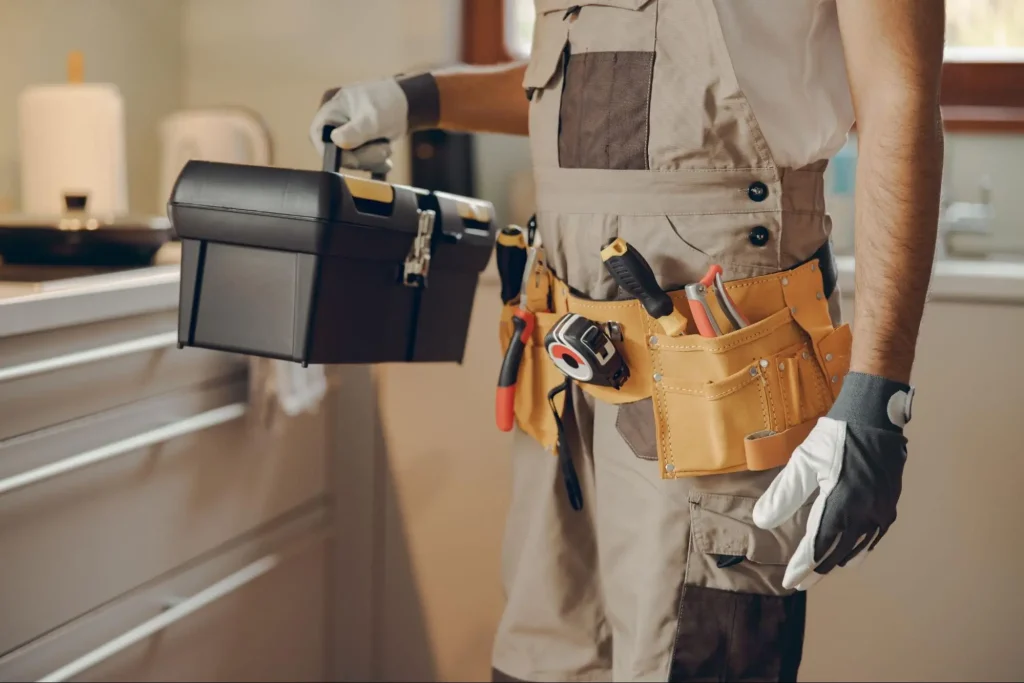
Planning and executing seasonal handyman jobs requires an understanding of seasonal demands, essential tools and materials, safety and insurance considerations, and a strategic approach to job scheduling and efficiency.
Having the right tools and materials is crucial for each job. For summer tasks, this may include lawnmowers, ladders, and paint rollers. During the colder months, you might need indoor tools like paint rollers, drop cloths, and furniture covers. Ensure you have all the necessary items before starting a job to avoid delays. Proper tool maintenance also extends the life and efficiency of your equipment, making your job easier and more professional.
Safety should always be a top priority. Use protective gear and ensure all tools are in good working order. Accidents can happen, so consider obtaining handyman insurance to protect yourself and your clients. Many handyman insurance companies offer plans tailored to seasonal work. Check your coverage options to ensure they fit the specific requirements of the tasks you undertake. This will provide peace of mind and show clients that you are a responsible professional.
Effective scheduling is crucial for maximizing your availability and efficiency. Use a calendar to plan your tasks, and communicate clearly with clients to set expectations. Balancing multiple jobs can be tricky, but a well-thought-out schedule helps you to manage your time effectively. Offer flexible hours to accommodate client needs and use your experience to estimate job durations. Keeping track of your hourly rate and improving your workflow leads to repeat business and successful handyman service.
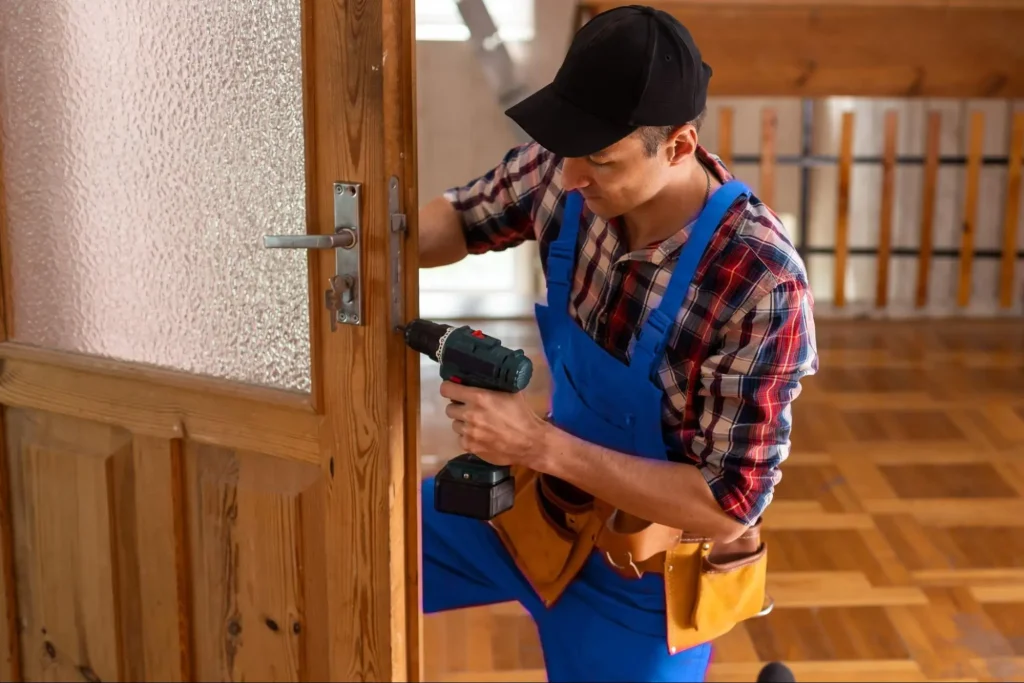
When planning for handyman services, it’s important to know the wide range of tasks that can be addressed. Knowing which services are available can help you schedule and budget effectively.
Interior maintenance services often include painting, drywall installation and repair, and minor electrical work. Painting improves the look of your home, while drywall repairs fix holes and cracks. Drywall installation provides a new layer of smooth, even walls. Minor electrical tasks such as installing light fixtures or fixing switches and outlets require some expertise but usually don’t need a full electrician. Tiling for bathrooms and kitchens, and plumbing services like fixing leaky faucets, are also common. Handymen often handle caulking to seal gaps and prevent water damage.
Exterior upkeep involves pressure washing, carpentry, and gutter cleaning. Pressure washing keeps your home’s exterior clean, removing dirt, mildew, and mold. Carpentry work includes repairing decks and other wooden structures, as well as siding repairs.
Gutter cleaning ensures that rainwater flows properly, preventing water damage. Exterior painting protects your home from the elements and improves curb appeal. Deck repairs address issues like loose boards or damaged railings, making outdoor spaces safe and attractive.
Specialized services are tasks that require more specific skills or tools. These include plumbing services like unclogging drains and repairing fixtures. Electrical services might involve more complex work, like wiring a new room. Fixing broken windows is another specialized task.
For seasonal maintenance, consider air conditioner servicing to ensure it runs efficiently. These specialized tasks often need proper licenses and expertise to perform safely and correctly.
Handymen also offers installation and assembly services, such as furniture assembly and window coverings installation. These tasks can be time-consuming and complicated, making professional help valuable. Door hardware installation includes fitting new door locks or handles for better security.
Other common services are hanging pictures and mirrors, which require precise measurement and a steady hand. These types of installations improve your home’s functionality and appearance without you having to worry about the details.
Understanding the various services handymen offer can help you plan and budget for both routine maintenance and specialized tasks, ensuring your home remains in good condition.
Planning for seasonal handyman jobs is essential. By understanding the common tasks for each season, you can be better prepared and more efficient.
Spring handyman jobs include: Gutter Cleaning, Lawn and garden prep, and Deck maintenance
Summer handyman jobs include: Exterior painting, Fence repair, and Window sealing
Fall handyman jobs include: Roof inspection, Weatherproofing, and Tree trimming
Winter handyman jobs include: Snow removal, Insulation checks, and Indoor maintenance
To ensure a smooth workflow, create a checklist for each season. You should also consider the timing of each task. For example, schedule roof inspections in the fall to prepare for winter weather.
Using a planner or app can help you manage these tasks efficiently. Regular updates and reminders will keep you on track. Prioritize safety. By organizing your tasks seasonally, you will save time and ensure that each job is completed efficiently and safely.
For professional handyman services, Kaminskiy Care and Repair offers a range of comprehensive handyman services for every season ensuring your home projects are completed efficiently and safely. Contact us today to schedule an appointment.
In the summer, you might find requests for lawn care, deck repairs, and flooring installation. Spring often brings requests for gutter cleaning and window repairs. Fall usually involves prepping homes for winter, including weatherproofing and furnace maintenance. Winter may see demands for snow removal and indoor repairs like plumbing and electrical work.
High-paying jobs vary by season. Summer often brings profitable opportunities in deck building and roofing. During the fall, weatherproofing and insulation are common high-paying tasks. In winter, heating system maintenance and indoor renovations can be lucrative. Springtime jobs like exterior painting and window installations can also command higher rates due to increased demand.
Life at home can come with its fair share of annoyances, from leaking faucets to sticky locks. Learning a few quick handyman secrets can save you time, money, and frustration. Imagine the satisfaction of fixing a slow-draining sink or a stripped screw without having to call in a professional. With just a little effort and the right approach, many common household problems can be tackled with ease.
One simple trick includes using baking soda and vinegar to clear stubborn clogged drains. By mixing equal parts and pouring them down the drain, you can avoid harsh chemicals and still get effective results.
Having the right tools on hand is also essential. A screw extraction kit, for example, can be a lifesaver when dealing with a stripped screw. Knowing the basics of home maintenance doesn’t just help in emergencies; it also empowers you to keep your home running smoothly and efficiently. Dive in and discover more ways to handle household hassles with minimal fuss.

Learn how to tackle common household issues like plumbing problems, electrical repairs, and basic carpentry fixes. These tips and techniques will help you handle various repairs efficiently.
Plumbing problems can be frustrating. A leaky faucet is one of the most common issues. To fix it, you’ll need to turn off the water supply first. Next, dismantle the faucet to replace worn-out washers or O-rings.
For a clogged drain, a plunger is your best friend. Alternatively, you can use a mixture of vinegar and baking soda to break down the clog. For a running toilet, check the flapper valve. Most likely, it needs a simple adjustment or replacement.
Electrical repairs can be daunting, but there are simple fixes you can handle. Always start by turning off the circuit breaker to ensure safety. If you’re dealing with a malfunctioning light fixture, make sure the connections are tight. Check for any burned-out bulbs and replace them as needed.
For other small appliance repairs, a screwdriver is often all you need. Tighten loose screws and ensure all parts are functioning correctly. Sometimes, identifying the issue can help reduce your utility bills.
Carpentry fixes are essential for maintaining your home. Squeaky doors can often be fixed with a bit of lubrication on the hinges. If you’ve got a damaged wall, use a putty knife and spackling compound to fill minor holes or cracks.
For larger repairs, you might need to cut a piece of wood to replace damaged sections. Smooth out the surface with sandpaper before painting over the repaired area.

Learn how to optimize your home through clever DIY tactics and preventative measures to ensure long-term care. Perfect for tackling those tricky household issues that require a bit of expertise.
Using vinegar: Vinegar is great for cleaning hard-water buildup. Simply apply it to the area with a cloth or sponge.
Applying silicone spray: Silicone spray can be used on sliding doors and windows to keep them moving freely.
WD-40 for creaky hinges: Spray a little WD-40 on door hinges to eliminate creaks.
Utility knife: Use this tool for precise cutting, such as trimming weatherstripping or caulking.
Toothpicks for loose screws: Insert toothpicks into the hole to give the screw something to grip.
Dripping faucet repair: This usually involves replacing a worn O-ring. Turn off the water supply, disassemble the faucet, and replace the O-ring.
Weatherstripping and caulking: These help seal gaps around windows and doors, reducing drafts and moisture infiltration.
Lubricant for moving parts: Use powdered graphite or silicone spray to keep locks and moving parts functioning smoothly.
Fix leaky pipes: Regularly check pipes for any signs of leaks. Tighten connections and use sealant as needed to prevent water damage.
Tackle moisture issues: Use a dehumidifier in damp areas like basements to prevent mold growth.
Clean clogged drains: Use a drain snake to clear blockages. Avoid using harsh chemicals that can damage pipes.
Roof maintenance: Inspect shingles for damage and replace them as necessary. This will prevent leaks and extend the life of your roof.
Using these advanced tactics and preventive measures, you can handle most household issues effectively and maintain your home in top condition.
For a slow-draining sink, try a mix of baking soda and vinegar instead of chemical cleaners. Pour the mixture down the drain, cover with a cloth, and let it sit for 15 minutes.
Fixing a stripped screw can be challenging. A screw extraction kit can be a worthwhile investment. It makes removing stubborn screws easier and quicker.
Addressing leaky faucets can save water and prevent further damage. Often, replacing a worn-out washer or tightening a loose part can stop the leak.
For drywall repairs, use a joint compound to fill small holes or cracks. Sand the area smooth after it dries, and paint over for a seamless finish.
These quick fixes can help you handle common household problems more effectively. When tackling common household issues, these simple tricks can save you time and money. However, if you need professional assistance, Kaminskiy Care and Repair offers practical solutions for these annoyances tackling your home repairs effectively. Contact us today
You can use household items like cooking oil or petroleum jelly to silence a squeaky door hinge. Apply a small amount directly onto the hinge and move the door back and forth to work the lubricant in.
A simple mix of baking soda and vinegar can clear most drain clogs. Pour half a cup of baking soda down the drain, followed by half a cup of vinegar. Wait about 15 minutes, then flush with hot water.
For small holes in drywall, you can use spackling paste. Apply the paste over the hole with a putty knife, smooth it out, let it dry, and then sand it lightly until it’s flush with the wall.
You can fix a loose floor tile by applying adhesive. Carefully lift the tile or pry it up slightly if it’s already loose. Apply ceramic tile adhesive underneath and press the tile back into place, ensuring it’s level with the surrounding tiles.
A leaky faucet often needs a new washer or O-ring. Turn off the water supply, disassemble the faucet, replace the worn parts, and reassemble it. This simple repair can stop the drip.
DIY enthusiasts often find themselves in need of reliable handyman services, whether it’s for a quick fix, a major renovation, or expert advice. The digital age has brought about many handyman apps that make finding the right handyman easier. Let’s explore some of the best handyman apps available today.
TaskRabbit is a popular app that connects users with local handymen for various tasks, including home repairs, furniture assembly, and cleaning services. It boasts a user-friendly interface, allowing you to find skilled professionals quickly. You can read reviews, check rates, and book services directly through the app.
Thumbtack is another excellent app for DIY enthusiasts. It provides access to local professionals for a variety of tasks, from home improvement to event planning. Thumbtack allows you to compare prices, read reviews, and directly communicate with service providers.
KnockNok is an innovative app designed for quick and reliable handyman services. It offers on-demand services, ensuring that you get help when you need it the most. KnockNok emphasizes quality and speed, making it perfect for urgent repairs.
Angi, formerly known as Angie’s List, is a well-established platform that helps users find local professionals for home improvement projects. Angi offers extensive resources, including reviews, cost guides, and articles to help you make informed decisions.
Handy is a go-to app for home cleaning and handyman services. It connects users with professionals for various tasks, ensuring high-quality service. Handy’s straightforward interface makes booking a handyman a breeze.
Homee is an app that provides on-demand handyman services, connecting users with nearby professionals for immediate assistance. It is ideal for urgent repairs and offers a hassle-free experience.
Neighborly offers a network of local service professionals for home repairs and maintenance. The app ensures that you get reliable and experienced handymen for your DIY projects, with a focus on quality and customer satisfaction.
While exploring these fantastic apps, it’s worth mentioning the Kaminskiy Care and Repair handyman service. Kaminskiy Care and Repair stands out for its exceptional quality, reliability, and customer service. Whether you’re tackling a minor repair or a major renovation, our team of experienced professionals is ready to assist.
For DIY enthusiasts, finding the right handyman can make all the difference in the success of a project. These apps provide a convenient and efficient way to connect with skilled professionals, ensuring that your home improvement tasks are completed to the highest standards. Whether you choose TaskRabbit, Thumbtack, Angi, or any of the other apps mentioned, you can be confident in finding the right help for your needs. So, download these apps, get your tools ready, and embark on your next DIY adventure with the confidence that expert help is just a tap away!
Kaminskiy Care and Repair is also a top-notch option for those seeking reliable and high-quality handyman services. Our commitment to excellence and customer satisfaction makes us a standout choice in the industry. Contact us today!
Building your first deck or fence can be an exciting yet challenging project. Whether you’re looking to create a cozy outdoor space or increase the privacy and security of your backyard, proper planning and execution are key. A well-designed deck or fence not only adds value to your home but also enhances your outdoor living experience.
Start by envisioning the perfect addition to your home and consider factors such as materials, size, and location. It’s important to follow local regulations and property lines to avoid any future issues. Familiarize yourself with basic construction techniques and gather the necessary tools to ensure a smooth building process.
By committing to this DIY project, you can customize your backyard to suit your unique style and needs. With the right planning and a bit of effort, you’ll soon enjoy the fruits of your labor.
Proper planning and designing your deck or fence involves considering its purpose, choosing the right materials, and understanding local regulations and layout intricacies. Clear steps will guide you in creating a structure that meets your needs and enhances your property’s value.
Clearly defining the purpose of your deck or fence will help shape the design. For a deck, consider whether it will serve as an entertainment space, a quiet relaxation area, or a functional extension of your home.
For a fence, decide if you need a privacy fence, security features, or simply an aesthetic enhancement. Your chosen style should complement the architectural design of your home. Whether you opt for a picket fence, a modern horizontal slat design, or a traditional wood fence, ensuring your structure reflects your personal taste and home’s style is crucial.
Choosing the right materials is vital for durability, maintenance, and budget alignment. Wood remains a popular choice for both decks and fences due to its natural appeal and versatility. Common wood types include cedar, pine, and redwood.
If low maintenance is a priority, consider materials like vinyl or composite. For fences, materials such as aluminum and steel offer robust security. Consider using concrete for the footings to enhance stability, especially in areas with harsh weather conditions.
Your deck or fence layout requires meticulous planning. Start by measuring the area and determining the property lines to avoid disputes. For fences, plan the locations for the posts and gates. Ensure your layout accounts for necessary setbacks from property lines to comply with zoning regulations.
For decks, sketch the design, marking the placement of footings, beams, and joists. Use tools like deck design software to help visualize the layout. Ensure you’ve planned for essential elements like stairs, railings, and any built-in features like benches or planters.
Compliance with local regulations is mandatory to avoid future issues. Before you begin, familiarize yourself with the local building codes and obtain the necessary permits. The regulations might include specific requirements for fence height, setback distances, and materials.
Check if you need to dig below the frost line for footings and be prepared for inspections by a building inspector at various stages of construction. Zoning laws can have specific requirements based on the purpose and placement of your deck or fence, so consulting with local authorities ensures your project adheres to all legal standards.

When planning and building your first deck or fence, understanding the essential construction principles can make a significant difference. From site preparation to maintenance, each stage plays a crucial role in ensuring a durable and visually appealing structure.
Before starting construction, you need a properly prepared site. Clear the area of any debris or vegetation that might obstruct the build. Assess the ground condition, ensuring it is stable and level. For a deck, mark the deck’s perimeter using stakes and string. For a fence, spray paint the fence line.
Check local building codes and regulations to avoid legal issues. Knowing your property’s boundaries and any zoning or permit requirements is crucial. For example, fence posts should typically be spaced 6 to 8 feet apart.
Accurate installation techniques ensure your deck or fence will last. Begin by digging post holes for both decks and fences. Use a post hole digger or auger to create holes 2-3 feet deep. Add gravel for drainage and stability before setting posts in concrete for sturdiness.
For decks, construct the frame using pressure-treated wood. Ensure the frame is square and level before adding joists and deck boards. For fences, attach rails and pickets securely. For chain-link fences, stretch the fabric tightly.
Having the right tools and handling materials efficiently is crucial. Essential tools include a tape measure, hammer, circular saw, nail gun, and post hole digger. Use a level to ensure accuracy. Keep safety gear like gloves, safety glasses, and ear protection handy.
Quality materials are key. Choose pressure-treated wood for long-lasting decks. For fences, options like chain-link, wood, or wrought iron cater to different needs. Storing materials properly and using them as needed reduces waste and keeps the site organized.
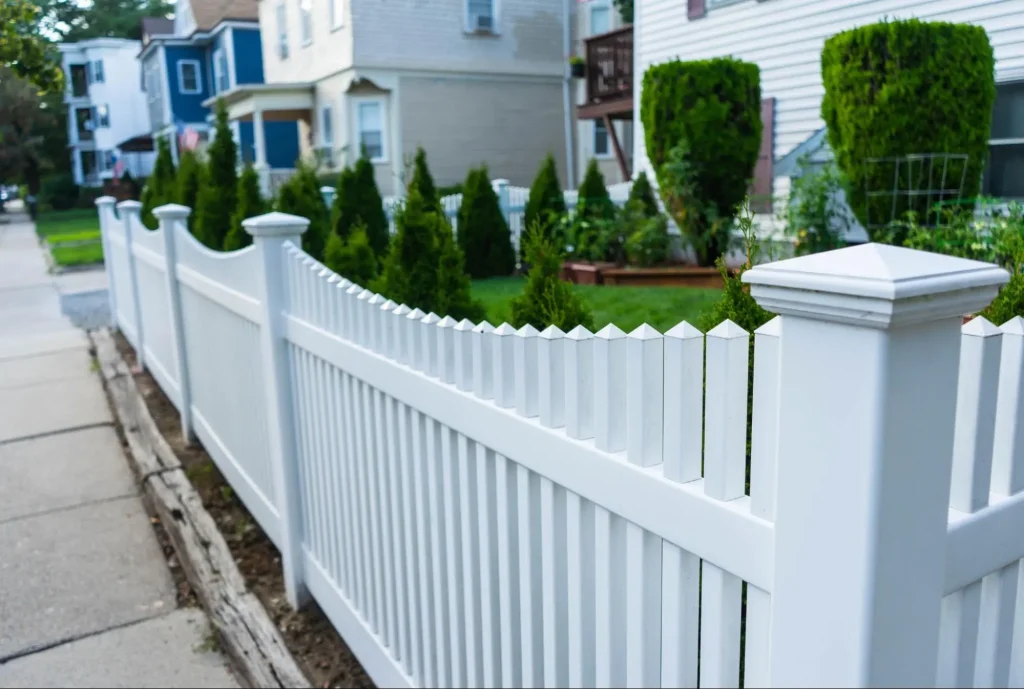
Finishing touches protect and enhance the structure. For decks, apply a sealant or stain to guard against water damage and UV rays. Similarly, sealing or painting fences extends their lifespan. Conduct regular maintenance checks to spot repairs early.
For wood fences, check for rot or damage and replace parts as necessary. Steel or wrought-iron fences may need rust treatment. Keep an eye on fence rails and pickets for any loosening. Proper finishing and maintenance ensure your investment stands up to time and weather effectively.
When planning and building your first deck or fence, careful consideration of materials, design, and local building codes is essential. Start by deciding on the purpose and location. Whether enhancing curb appeal or creating a private sanctuary, clarity in objectives will guide the project.
Steps to Consider when planning your deck:
Remember, meticulous planning, quality materials, and adherence to guidelines will lead to a successful and beautiful outdoor addition.
For professional fence and deck installation, Kaminskiy Care and Repair provides expert fence installation handyman service giving your outdoor space the appeal it deserves. Contact us today!
First, check local zoning laws and obtain necessary permits. Determine property boundaries and discuss plans with neighbors. Choose your materials and design. Finally, measure and mark your site, dig post holes, set posts, and attach fence panels.
Start with the largest, most permanent features. Patios and decks should be completed first as they serve as the foundation for the overall design. Installing fences can follow to define space and provide privacy. Ending with smaller elements such as plant beds ensures they won’t be damaged during larger installations.
Calculate the total linear footage needed and multiply by the material cost per foot. Include costs for posts, concrete, and any tools you might need.
Using cost-effective materials like pressure-treated wood or chain-link can save money. Doing the labor yourself instead of hiring professionals can also reduce expenses. Review price comparisons for different materials and consider the longevity and maintenance costs before making a decision.
Obtain necessary permits and check local building codes. Choose your deck design and materials. Ensure the ground is properly leveled and that you have all the required tools. You must also plan for utilities like water or electricity if needed.
When a home emergency strikes, it can be overwhelming to know where to turn for immediate help. Problems like burst pipes, electrical failures, or jammed doors require fast solutions to prevent further damage or risks to your safety. One of the best steps you can take is to contact an emergency handyman service. These professionals are well-equipped to handle urgent household repairs, giving you peace of mind and ensuring your home is safe and functional.
Identifying the type of emergency and getting the right assistance promptly is crucial. If you’re dealing with a water leak, electrical issue, or structural damage, look for local handyman services that offer emergency support. Knowing when to call a professional handyman can make a significant difference during stressful times, helping you avoid costly and prolonged damage.
Quality and safety should be your top priorities when hiring for emergency repairs. Make sure the handyman service you choose has a good reputation and skilled professionals. You can find these services by asking for recommendations from friends and neighbors or searching online for handyman services with high ratings and reviews.
When an emergency strikes, knowing how to identify the problem and who to call is critical. Immediate help can make a big difference in protecting your home and ensuring everyone’s safety.
Gas Leaks: If you smell gas, it’s important to leave your home immediately. Do not use any electrical appliances, including light switches, as they may ignite the gas. Call your gas company and a professional immediately.
Burst Pipes: Water damage from burst pipes can be extensive. Turn off the main water supply and call a plumber immediately.
Plumbing Issues: Minor leaks or clogged drains can escalate quickly. If you can’t control the water, call an emergency handyman or plumber.
Electrical Problems: Flickering lights or outlets that spark can indicate serious electrical issues. Avoid using the affected outlets and call an electrician immediately.
Handyman Services: For general repairs, an emergency handyman can often handle multiple issues. Look for those with qualified professionals who are insured and licensed.
Plumbers: A specialized plumber is essential if you’re dealing with water-related issues. Quick response time is crucial to prevent water damage.
Electricians: Electrical issues require specialized knowledge. Make sure the electrician you contact is certified and has good reviews from previous customers.
Online Directories: Use online resources to find a handyman near me who can respond quickly. Check their credentials and reviews to ensure they are reliable.
First Responders: In case of major emergencies, don’t hesitate to contact first responders for immediate help. They can provide crucial assistance and advice on what to do next.
Knowing who to call and how to act during a home emergency can save you a lot of trouble and ensure your home stays safe.
When faced with an urgent home repair, ensuring the quality and safety of the work is crucial. You need to check the handyman’s credentials, understand the costs involved, and maintain your home once the repair is complete.
Before hiring a handyman, confirm that they have the proper licenses and certifications. This guarantees they are trained and qualified for the job. Ask for their insurance information as well. A trustworthy handyman will have liability insurance to cover any possible damages during the repair.
Read reviews and recommendations from previous clients. Positive feedback and ratings are important indicators of the handyman’s reliability and professionalism. Ensuring they have a solid track record gives you peace of mind.
Understanding the costs of emergency repairs is essential. Request a detailed estimate from the handyman before work begins. This should include labor, materials, and any additional fees. Being clear on costs helps prevent unexpected expenses.
Plan your finances accordingly. Setting aside an emergency fund for home repairs ensures you’re prepared for urgent situations. Knowing the average costs of common repairs can also help you budget effectively.
After the repair, regular maintenance is key to preventing future emergencies. Inspect repaired areas frequently to ensure they are holding up. Address any new issues promptly to avoid larger problems later.
Keep a detailed record of all repairs performed. This helps track the condition of your home and provides valuable information for future handymen. Additionally, following any maintenance tips provided by the handyman can prolong the life of the repairs and maintain your home’s safety and functionality.
When you face a home emergency like a broken water pipe or faulty electrical wiring, it’s crucial to get immediate help. Emergency handyman services provide quick solutions.
Be sure to choose reliable and certified professionals. Certified services ensure quality work and peace of mind.
Reasons to Call a Handyman:
Advantages of Professional Help:
DIY solutions might be tempting but can lead to more issues. Always rely on professionals like Kaminskiy Care and Repair for quick and expert handyman services. Contact us today!
Home security is more important than ever with the rise in residential burglaries across the United States. By taking simple steps to secure your home, you can significantly reduce the risk of break-ins. From installing cameras to using smart locks, many options can help you create a secure environment.
Burglars often seek easy targets, so even basic measures like locking doors and windows can make a difference. You can also invest in advanced systems like two-way audio cameras or security alarms to keep intruders at bay. Modern security systems can alert you immediately if anything suspicious occurs, adding an extra layer of protection.
Don’t forget about maintaining security when you’re away from home. Setting timers for lights, ensuring mail doesn’t pile up, and having neighbors check in can make it look like someone is always at home.
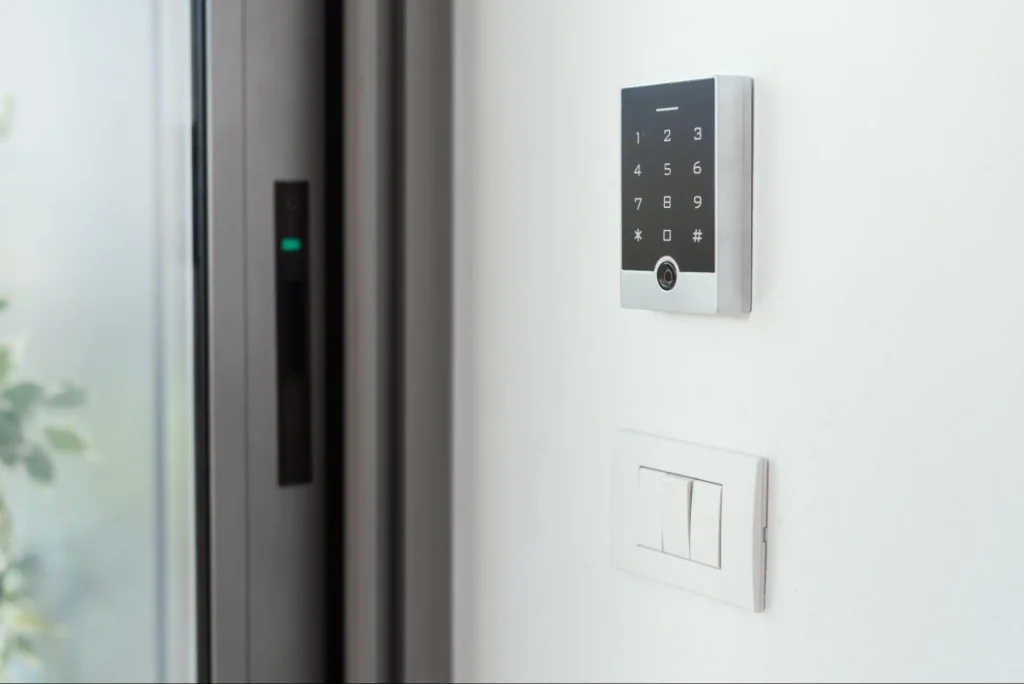
Securing your home starts with knowing your vulnerabilities and ensuring your entry points are properly safeguarded. This involves assessing weak spots at your doors and windows and choosing the best locks and security measures for your home.
Identifying potential weak points in your home’s security is crucial. Start by inspecting doors and windows. Check if they are solid and have strong frames. Ensure that all windows, especially on the ground floor, have functional locks.
Pay special attention to the front door and garage door. These are favorite entry points for burglars. Make sure the front door is made of solid wood or metal and fitted with a peephole or camera. For the garage door, confirm it locks securely and consider adding a secondary lock or reinforcing bar.
High-quality door locks and deadbolts are essential. Ensure that all exterior doors have a deadbolt lock. A deadbolt is harder to break compared to standard door locks. Consider double-cylinder deadbolts for added security, especially on doors with glass panels.
For windows, install locks that can be secured from the inside. Sliding windows can be reinforced with a rod or a security bar to prevent them from being opened from the outside.
A comprehensive security system is also vital. Look for systems that include motion detectors, cameras, and alarms. These help deter burglars and provide peace of mind knowing that every entry point is monitored. Always ensure your security system is activated, even when you’re at home.
Integrating advanced security systems can significantly improve your home’s protection. Key areas include selecting the right system, automating your smart home for security, and setting up surveillance.
When selecting a security system, consider different options like wired and wireless systems. Wireless systems are easier to install and often feature remote control capability. These systems include security cameras, smart locks, motion sensors, and alarm systems. Look for systems offering real-time alerts and mobile app integration..
Integrating smart home automation into your security setup can enhance safety. Smart locks allow you to lock and unlock doors remotely, adding an extra layer of security. Geofencing can automatically arm or disarm your system based on your location, ensuring that your security is always active when needed.
Connect security cameras and doorbell cameras with other smart home devices. This could include lights, smart thermostats, and even smart speakers. By creating routines, such as turning on lights and triggering alarm systems when motion is detected, you can deter potential intruders effectively.
Surveillance cameras play a crucial role in home security. Wireless security cameras offer flexibility in placement and ease of installation. They should cover key areas like entrances, backyards, and blind spots. Home security cameras and video doorbells should have features like night vision, two-way audio, and high-definition recording.
Effective home security involves strategic lighting, safeguarding valuables, and fostering community security. These actions can help deter potential burglars and protect your property.
Keeping your home well-lit is crucial in deterring burglars. Install motion-activated lights around dark areas of your property. This sudden burst of light can surprise and possibly scare off intruders.
Indoor lights on timers give the impression that someone is home. Set these timers to turn on lights during typical evening hours when you are away.
Consider using smart lighting systems that you can control remotely. These systems offer flexibility to adjust lighting based on your schedule and activities, enhancing your security measures.
Always use a safe to store your most valuable items, such as jewelry, important documents, and cash. A safe should be well-hidden and securely bolted to the floor or wall to prevent theft.
Avoid leaving spare keys outside, as burglars know common hiding places. Instead, leave a spare key with a trusted neighbor.
Be cautious about sharing too much information on social media, especially about vacations or expensive purchases. This can reduce the risk of break-ins when you are away.
Having trusted neighbors can significantly improve your home’s security. Participate in neighborhood watch programs and get to know your neighbors. They can help keep an eye on your property when you are not around.
Encourage neighbors to maintain their properties by trimming overgrown trees and bushes. This reduces hiding spots for burglars and enhances visibility.
Consider installing a security mailbox to protect against mail theft. Regular communication about suspicious activities can keep everyone informed and alert.
Creating a culture of awareness and cooperation within your community can greatly reduce the risk of property crime. A vigilant neighborhood is one of the most powerful deterrents against burglaries.
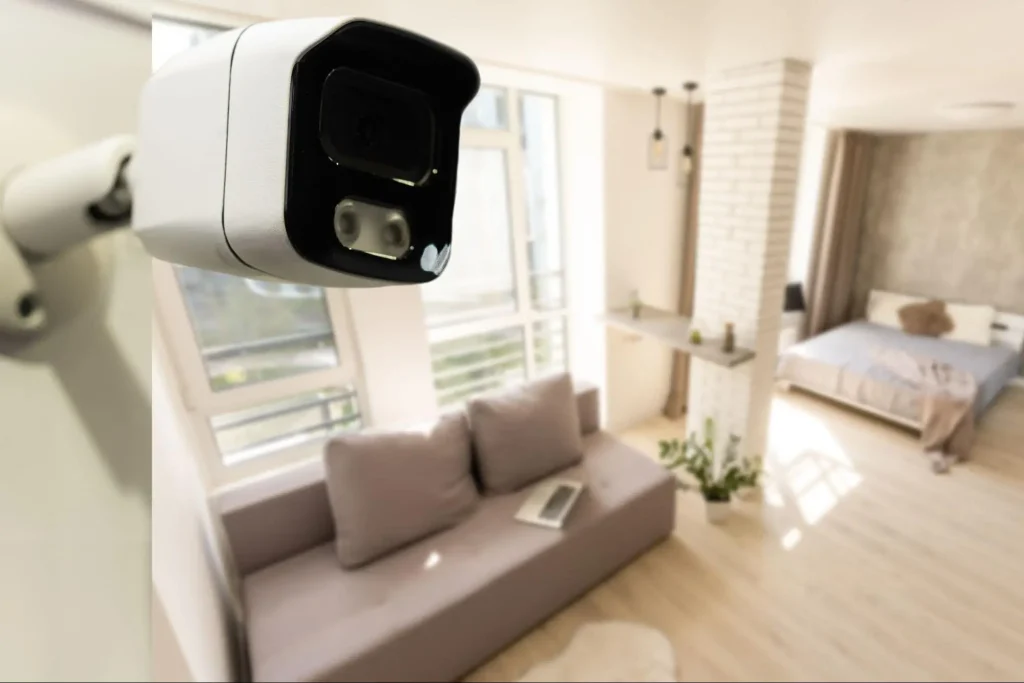
When you’re on vacation, it’s crucial to ensure your home remains secure. Key strategies include locking all entry points, using technology for remote monitoring, and creating the illusion that someone is home.
Before you leave for your vacation, make sure all doors and windows are locked. It’s a simple step but very effective. Don’t forget your garage and any other access points, like fences and gates.
Installing sturdy locks can also make a big difference. High-quality locks on entry doors and windows make it harder for burglars to break in. Consider upgrading to smart locks for even better access control.
Smart lights are another great tool. Setting up lights that turn on and off automatically can make it seem like someone is home, deterring potential thieves.
Guard dogs can offer an added layer of protection. Even if you don’t own a dog, placing signs indicating a dog is on the property can be a deterrent.
Smart home systems can let you monitor and control your home environment remotely. These systems often include features like interior lights that can be turned on or off using your smartphone. This can maintain the illusion that someone is home.
Consider systems that include sirens. Loud noises can quickly drive away someone trying to break in.
Finally, make sure your vacation plans remain private according to Consumer Reports. Don’t advertise on social media that you will be away, as it can be an invitation for burglars.
Protecting your home from break-ins involves several essential steps. Secure your doors and windows by using strong locks, and consider adding deadbolts. Replace hollow-core doors with solid ones to make them harder to kick open.
Install a home security system. Homes without security systems are three times more likely to be broken into. Additionally, security cameras with two-way audio and timely alerts also help.
Burglars often look for easy entry points such as unlocked doors and windows. Ensure all entry points are locked, and consider using additional security like window bars. Common tricks burglars use include entering through these unlocked points.
Incorporate security habits into your routine. Regularly check and update security measures to stay ahead of potential threats.
By following these practices, you can reduce the risk of break-ins and protect your home effectively. For professional assistance, Kaminskiy Care and Repair provides expert advice and handyman services for door and window installation. Contact us today.
Securing your home against break-ins can involve cost-effective measures, improving nighttime security, and strategies for when you’re away. Understanding what deters burglars and knowing affordable options can make a big difference.
Simple actions can make your home less attractive to burglars. For instance, installing security cameras and using strong rods or dowels on sliding doors can significantly enhance security without breaking the bank. Ensure all entry points are well-lit and use timers on lights to make your home appear occupied.
Nighttime security is crucial. Set up motion-sensor lights around your property to deter any unwanted visitors. Ensure that all doors and windows are locked securely before bedtime. Adding sirens to home security devices can also help alert you to any potential intrusions.
When traveling, make your home look occupied. Arrange for someone to collect your mail or use hold services. Set timers on lights and consider leaving a car in the driveway. Inform trusted neighbors of your travel plans so they can keep an eye on your property.
Making home repairs can feel overwhelming, but it doesn’t have to break the bank. By learning a few DIY home improvement skills, you can tackle common problems yourself and save money. Investing time in understanding these basic repairs can add significant value to your home while keeping costs low.
There are many simple and affordable solutions for common household issues. For instance, unclogging a dryer vent is a task you can accomplish on your own by following a few straightforward steps. This not only reduces the risk of fire but also helps your dryer run more efficiently. Other repairs, like fixing sticky doors or leaky faucets, are similarly manageable with a little effort and the right tools from the guide. When certain repairs require professional help, there are still ways to keep expenses reasonable. Hiring a handyman for more complex tasks can ensure high-quality work without the high costs associated with specialized contractors. With these strategies, you can maintain a safe and comfortable home without overspending.
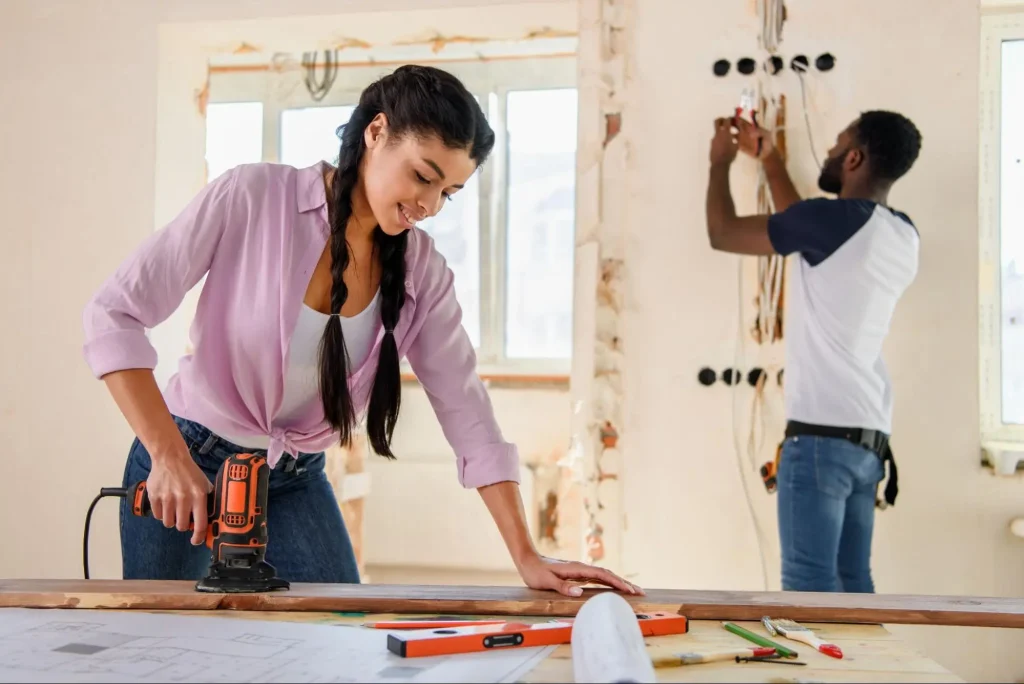
Taking on home maintenance tasks yourself can be both rewarding and cost-effective. With the right tools, resources, and safety measures, you can handle many common household issues efficiently.
Having the right DIY handyman tools is crucial for any home project. Start with a basic toolkit that includes:
Additionally, invest in a paint roller and brushes for touch-ups, vinegar and baking soda for cleaning, and epoxy for repairing cracks. These tools make it easier to maintain your home and address issues as they arise.
There are plenty of resources to help you improve your DIY skills. Online tutorials and videos can show you step-by-step processes, making it easier to follow along. Websites like MSN provide useful information on various projects.
Join DIY communities and forums where you can ask questions and share experiences. Books and magazines dedicated to home improvement can also offer detailed guides. Always use high-quality supplies to ensure your repairs last longer and are more effective.
Safety should always be your top priority when working on any DIY project. Before starting, make sure you have the proper safety gear like gloves, goggles, and masks. These protect you from dust, chemicals, and sharp objects.
Ensure your workspace is well-lit and free of clutter to avoid accidents. Always follow the instructions on the tools and materials you are using, such as epoxy or grout, to avoid mishaps. If you are working with electrical systems, turn off the power at the main breaker to prevent shocks.
Remember, taking a bit of extra time to set up safely can prevent injuries and costly mistakes.
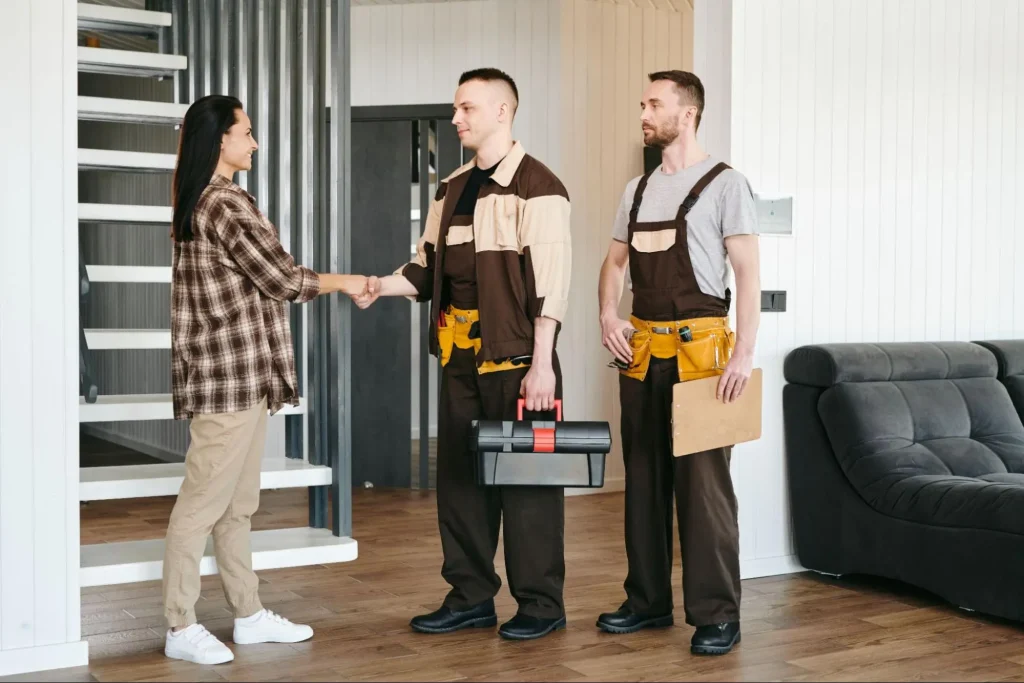
Engaging the right professionals for your home repairs can save you both time and money. This section will help you understand when to call a handyman versus specialized contractors, the value of expertise, and effective strategies for small businesses to retain clients in the home repair sector.
Deciding between a handyman and specialized contractors depends on the complexity of the task. For small repairs or maintenance needs, hiring a handyman is often more cost-effective. Handymen are versatile and can handle a variety of tasks, from fixing a leaky faucet and electrical issues to painting a room.
The expertise of service professionals adds significant value to home repairs. When you hire experts, you benefit from their specialized skills and experience. This leads to more efficient and higher-quality repairs. For example, hiring an HVAC technician to fix your cooling system ensures it’s done correctly and safely.
Experts diagnose problems quickly and offer lasting solutions, minimizing future breakdowns. This reduces long-term costs associated with repeated repairs. Expertise also increases property value by ensuring home improvements meet industry standards.
When looking for cost-effective handyman solutions, focusing on preventive measures and DIY fixes can save you both time and money. Simple actions like checking for gaps around windows and door installation can reduce energy costs. Using caulk and weather-stripping materials is an affordable way to maintain an energy-efficient home.
Regular maintenance is key to avoiding expensive repairs. For instance, unclogging drains with a mixture of baking soda and white vinegar can prevent bigger problems. This method is both eco-friendly and wallet-friendly.
These tips address common issues without the need for costly professional intervention. The right mix of DIY skills, regular maintenance, and occasional professional help will keep your home in good shape without breaking the bank.
In certain situations, hiring a professional handyman can be a good investment. Kaminskiy Care and Repair offers professional handyman services that ensure repairs are done right the first time, reducing the risk of further damage.
To estimate the cost of repairs, start by identifying the materials and tools needed. Check prices online or at your local hardware store. Additionally, consider the time required for the task. For professional estimates, some websites and apps can help you calculate approximate costs based on the type of repair.
Focus on repairs that can prevent larger, more expensive issues later. For example, fixing a leaky faucet can prevent water damage. Addressing minor electrical problems early can avoid potential hazards. Regular maintenance tasks, like cleaning gutters and servicing HVAC systems, can also help you avoid costly repairs.
Before hiring a handyman, check their credentials and experience in the specific repairs you need. Read reviews and ask for references. Get detailed quotes from multiple handymen to compare prices. Ensure they are insured and licensed to protect yourself from liability and ensure quality work.
Yes, there are several tasks you can handle yourself. Unclogging drains with baking soda and vinegar, tightening loose screws, and replacing light bulbs or air filters are easy tasks. Regularly inspect and clean your home to spot small issues before they become bigger problems. These simple tasks can reduce the need for professional help.
As winter approaches, preparing your home is crucial to avoid unexpected issues and costly repairs. Ensuring your house is ready for the cold weather helps keep your family safe and comfortable. From checking for drafts to inspecting heating systems, there’s a lot to consider.
You may need to address both the exterior and interior aspects of your home. Tasks like gutter cleaning, insulating pipes, and weatherproofing windows can protect your home from winter’s harsh elements. At the same time, interior systems like your furnace and smoke detectors need your attention too.
To make sure nothing is overlooked, having a detailed home maintenance checklist can be a lifesaver. It can help you systematically tackle each area of your home, ensuring you’re fully prepared for the winter season.

As winter approaches, preparing the exterior and structural parts of your home is key. This includes ensuring your roof and gutters are clear, windows and doors are sealed, and the foundation and exterior walls are in good condition.
Start by removing any debris from your roof and gutters. Pay attention to shingles and ensure none are damaged or loose. Clear gutters and downspouts to prevent blockages. Check the chimney for cracks or blockages, and verify that the flashing around it is secure. Inspect shingles, clear out debris, and check the chimney. Make sure water can flow freely through your gutters and downspouts. This helps prevent ice dams, which can cause water damage.
Inspect all windows and doors for drafts and replace any damaged weatherstrips. Ensure caulking around windows and doors is intact. Seals that are worn out should be replaced to keep the cold air out.
You can also install storm windows to provide extra insulation for the winter months. These additions help keep your home warm and reduce heating costs.
Check the foundation for cracks and ensure exterior walls are free of damage. Small cracks might seem minor, but they can expand with freezing and thawing, leading to larger problems.
If you have siding, inspect it for any loose panels and secure them properly. Insulate pipes along exterior walls to prevent them from freezing. Ensuring walls and the foundation are well-maintained helps avoid structural issues during the harsh winter months.
Maintain a clear inspection schedule to address any issues early, ensuring a warm and safe home for the season.
Prepare the interior of your home and its systems for winter to ensure comfort and safety. Focus on improving heating and insulation, protecting plumbing, and enhancing safety and efficiency to keep your home warm and secure during the cold months.
Check your furnace and heating system to ensure they are working efficiently. Replace old filters and clean vents to improve performance. Consider scheduling an HVAC maintenance check to avoid any issues when temperatures drop. Look for air leaks around windows and doors, and seal them to prevent drafts from increasing your energy bills.
Attic insulation is crucial to keep the warm air inside. Inspect your attic and add more insulation if needed. This will prevent cold air from entering and keep your home warmer. Don’t forget to reverse your ceiling fans to push warm air downwards, helping distribute heat more evenly throughout your home.
Winterize your home’s plumbing and pipes to prevent leaks and bursts. Disconnect and store any outdoor hoses, and shut off the water supply to exterior faucets. Pipe insulation is vital; wrap pipes in unheated spaces like the basement or crawlspaces to avoid freezing.
Check that your sump pump is functioning correctly. It helps prevent water buildup that can lead to frozen pipes. Drain and insulate your water tank to ensure it doesn’t freeze and damage the pipes. Keeping your pipes protected will help avoid costly repairs and water damage.
Install or check carbon monoxide detectors and smoke detectors to ensure they are working correctly. These can save lives by alerting you to potential hazards like gas leaks and fires. Test them regularly and replace batteries as necessary.
Keep your fireplace in good condition by having the chimney cleaned. This reduces the risk of creosote buildup, which can cause chimney fires. Consider using a programmable thermostat to reduce energy usage and maintain a comfortable temperature efficiently. This helps manage energy bills while keeping your home safe and warm during winter.
Following these tips will help you build a robust winterization checklist for your home’s interior and systems, ensuring a safe and cozy winter season.
Before winter arrives, it’s essential to ensure your home is ready for the colder months. This involves a variety of handyman tasks to keep everything in top shape.
Start by inspecting windows and doors. Look for any cracks or leaks and replace weather stripping if needed. Prevent drafts to maintain warmth.
Next, check exterior pipes for proper insulation. Pipes on outer walls are prone to freezing and can burst if not adequately protected. Fireplace maintenance is crucial. Clean the chimney and inspect it for any blockages to ensure it’s safe to use throughout winter.
Make sure to disconnect water hoses and drain any residual water in outdoor pipes and equipment to prevent freezing and damage. Gutter cleaning is another important task. Clear out any debris to avoid blockages that could cause ice dams and leaks during snow or heavy rain.
If these tasks seem overwhelming or time-consuming, you can always reach out to professionals like Kaminskiy Care and Repair for handyman services. Our team of experts is ready to ensure your home is winter-ready. Contact us today
Preparing your home for winter includes cleaning gutters, checking weather stripping, and ensuring windows and doors are sealed to prevent drafts. You should also test your smoke and carbon monoxide detectors.
To winterize plumbing, insulate exposed pipes, especially those in unheated areas like attics or crawl spaces. Disconnect and drain outdoor hoses, and consider using heat tape for added protection.
No price games. You get a clear written quote before any work begins, backed by our workmanship warranty.