 BBBAccredited Business

Kaminskiy Care and Repair repairs water damage and mold damage on drywall, ceilings, trim and cabinets: the leak confirmed stopped, wet material removed, the area dried and treated, then rebuilt and painted to match. Large scale remediation and air testing are referred to a licensed specialist, and we handle the rebuild after. We serve Concord and the surrounding California communities.
Fifteen minutes from our office on Quail Court. Galvanized lines, crawl spaces and winter rain write the Concord list.
Concord's 1950s and 1960s ranch houses were plumbed in galvanized steel, and sixty years on those lines weep inside the walls. The raised ones have a crawl space that hides a leak for months; the slab ones have copper under the concrete and a warm floor when it pinholes. Add winter rain on a fascia the eaves kept wet and a hillside draining toward the house. We find the water, have the licensed plumber or roofer stop it, take out what stayed wet, dry the cavity and rebuild to match.
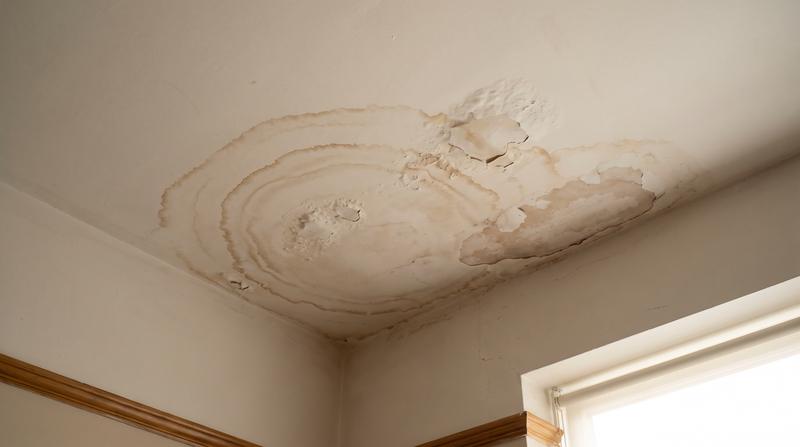
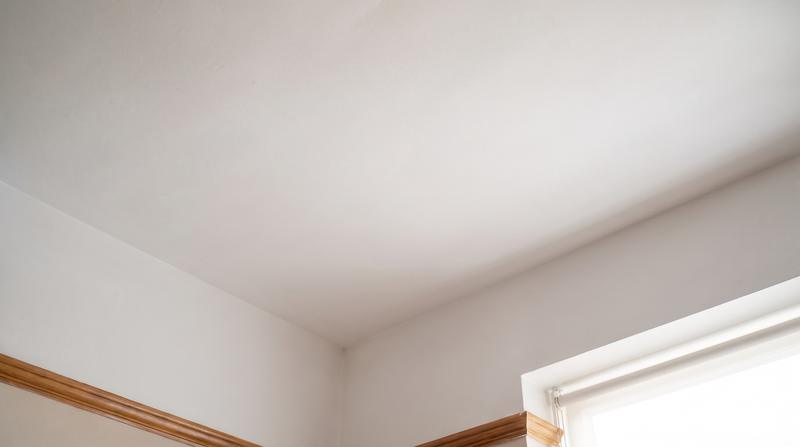 AFTERBEFORE
Every one of these is a dry-out and a rebuild for a Kaminskiy-certified technician dispatched from Quail Court. One call, one written scope, one crew for the tear-out, the drying equipment, the drywall and the paint.

Priced and on the calendar during the first call.

A written quote you approve before anyone drives out.

One crew, the whole list, warranty in writing.
A one-year workmanship warranty, in writing, on every Concord water damage repair.
Because the water is still arriving. In Concord that is a galvanized line that weeps a little every time a tap opens, a fascia the eaves never let dry, a slab line with a pinhole, a hillside that sends every storm against the same wall, or a crawl space that holds water all winter under a floor that looks fine. Paint over the ring bleeds through within weeks. We trace the source, have the right licensed trade stop it, and run drying equipment until the meter says the cavity is dry before anything is closed.
Drywall that got damp once and is still firm can be dried, sealed with a stain-blocking primer and refinished. Drywall that stayed wet for days, swelled at the joints or sagged comes out with the insulation behind it, and baseboard that swelled is replaced. A subfloor over a crawl space that took a winter of water is probed from below: boards that dry flat stay, delaminated plywood goes, and a joist that stays soft goes to the engineer first. We meter at the look, and the written scope says which.
California issues no license for mold remediation, so there is no licensed remediation company to look up on a state list; the state's guidance is to remove visible growth and fix the moisture behind it. A small surface spot on drywall, trim or grout we remove with the material and treat. Growth across a wall, inside a cavity, across the underside of a floor over a wet crawl space, or in a home where someone has breathing trouble calls for a remediation company with industry certification and containment, and the air or surface testing is theirs too. We say so at the look, point you to companies we have rebuilt behind, and return after their clearance.
Have the licensed plumber replace the last galvanized run before it closes on its own, and swap rubber washer hoses for braided steel. Clear the gutters before November and have the fascia on the sunny side checked for splits. Grade the yard away from the house, keep the sprinkler heads off the stucco, and put a pan and a shutoff on the water heater. In a raised ranch, look under the floor once a year; the crawl space tells you about a leak months before the wall does.
Ranch houses with wide eaves, wood fascia, board or plywood siding, the original galvanized supply lines and, on many streets, a raised floor over a crawl space. The galvanized line corrodes shut and weeps into the wall; a cast iron drain cracks under the bath and the subfloor goes soft; a fascia board the eaves kept wet splits and the rain runs behind the gutter into the wall; the crawl space collects all of it and nobody looks until the floor gives. We cut the drywall back to dry studs, dry the cavity and the crawl space below it, replace the subfloor where it failed, and rebuild the wall, the baseboard and the paint once the licensed plumber or roofer has stopped the source. A pre-1980 ceiling gets a sample tested for asbestos before we sand or cut it.
Two-story homes from the 1970s to the 1990s on the open space, many in associations, with the baths and the laundry upstairs, decks over living space and a hillside that drains toward the downhill wall in a wet winter. A toilet supply line or a washer hose fails and the family room ceiling takes it; a deck door sill leaks in a storm off the hills; the downhill wall reads damp from December to March. We take out the wet ceiling and insulation, dry both floors, rebuild and paint to the association's interior scheme, and name the drainage problem that started it so the right licensed trade fixes it before we close.
Stucco family homes from the 1960s and 1970s on slabs, with copper under the concrete, pool yards, a water heater in the garage and sprinklers along every wall. The slab line pinholes and the tile warms; the heater lets go and the garage wall drinks it; the sprinklers keep the stucco wet until the drywall inside reads damp along the bottom. We open the wall or the floor the licensed plumber needs, dry the slab edge and the framing, rebuild the drywall, the baseboard and the flooring edge, and get the grade and the heads back off the wall.
Call 925-302-5955 or text a photo of the stain, the soft wall or the floor that gives. Most jobs get a range on the call and a date for the look within days.
A technician follows the water with a moisture meter, checks the framing and, in a raised house, the crawl space, and writes the scope: what comes out, how long the drying runs, which licensed trade stops the source, what goes back, and the price.
The source is stopped first by the licensed plumber or roofer on our calendar. We cut out the wet drywall, insulation and trim, dry the cavity to a meter reading, treat the framing, then hang, tape, texture and paint, usually a few visits across a week.
The dated photos of the open wall and the meter log go into your file for the adjuster. The debris goes out with us, and the invoice carries the one-year workmanship warranty.
A small repair under a set amount can be done in California without a license when no permit is needed and nobody is employed to do it; a water damage rebuild is past that line once the first sheet of drywall comes out. Kaminskiy Care and Repair holds License #1120648, is bonded and insured, and its technicians are Kaminskiy-certified and background checked, and every job over the state's written-contract threshold goes on paper before it starts. The leak is a licensed trade's: a galvanized run, a slab line or a cast iron drain to the licensed plumber, the roof and the fascia joint to the licensed roofer, and we schedule them.
Concord publishes its own bulletin on work that needs a permit, and it lists decks, patio covers, re-roofs and window replacements and says the list is not complete; there is no row for drywall or a subfloor patch. The state residential code Concord builds to asks no application for ordinary repairs to a structure and exempts painting and finish work, never the cutting of a structural beam or a load-bearing support. A patched ceiling or a wall put back in kind is that; a joist or a rim the water softened is a permit and often an engineer, and for a room's worth of wall we call the Building Division before we quote rather than guess. The plumber's replaced line and the roofer's work carry their own permits.
A burst line, a failed water heater or a storm through a sound roof is the sudden kind of loss most policies cover; a galvanized line that wept for a season, a crawl space that flooded from the yard and hillside ground water usually are not, and the policy and the adjuster decide, not us. We photograph the open wall, keep the meter log and write the scope so your adjuster can follow it; negotiating the claim is a public adjuster's work, licensed by the Department of Insurance, not ours. Most of Concord has no association; in Crystyl Ranch, Turtle Creek and some Clayton Valley streets a rebuild painted to the scheme needs no form. In a condominium along the Monument corridor or Treat Boulevard California's common-interest law makes the association responsible for the common area and you for your unit unless the CC&Rs say otherwise, and whose wall the leak lives in is settled with the manager before the scope is final.
Fifteen minutes from your door. Your Concord crew dispatches from our East Bay office on Quail Court in Walnut Creek, down Treat Boulevard or the 680, so a Concord call is usually scheduled within days. Call 925-302-5955, text a photo, or send the form.
Can't find your answer? Call 925-302-5955 and ask us anything.
Call 925-302-5955No, that is a remediation company's trade. We cut out and replace the drywall, trim, insulation and cabinet panels the water ruined, treat the framing, and a small surface spot comes out with the material. Growth across a wall, inside a cavity, under a floor over a wet crawl space or in the ducts, and any air or surface testing, belong to a remediation company with industry certification; California licenses none, so we tell you who we trust and rebuild after their clearance.
Nearly always. In Concord the usual suspects are a galvanized supply line in a 1950s wall, a cast iron drain under the bath, a copper line under a 1970s slab, a split fascia behind the gutter, a washer hose or a toilet line upstairs in the hill tracts, and the yard draining toward the house. We trace the path with a moisture meter, look in the crawl space where there is one, and the licensed plumber or roofer confirms and fixes it before anything is closed.
Yes. The 1950s ranches are smooth or lightly textured, the 1970s stucco houses are orange peel, and the hill tracts are knockdown. We rebuild with the same drywall thickness, match the texture across the patch, prime with a stain-blocking primer and paint to the corner so the repair disappears. A pre-1980 ceiling gets a sample tested before we sand or cut it.
It depends on how far the water ran, how long it sat and whether a crawl space or a subfloor is part of it. Text a photo and you get a range on the call; after the look you get a written scope with the tear-out, the drying, the rebuild and the licensed trade priced before anything starts. The approved price holds at the house, and the scope is laid out so the adjuster can follow it.
Usually when the loss was sudden, a burst line, a heater that let go, a storm through a sound roof. A line that wept for a season, seepage, a crawl space flooded from the yard and deferred maintenance usually are not covered, and the policy and the adjuster decide. We hand you dated photos, the meter readings and an itemized scope; adjusting the claim is not ours, and a public adjuster licensed by the state does that if you want one.
The floor above it and the drying are; the water getting in is not. We probe the subfloor from below, dry the cavity and the framing with equipment, replace the boards that delaminated and rebuild the floor and the wall above, and we name what let the water in, a yard that drains toward the house, a missing vapor barrier, a line that dripped all winter, so the licensed plumber or the drainage contractor fixes it before we close. A joist that stays soft goes to the engineer first.
All of Concord from our Walnut Creek office: Dana Estates, Holbrook, Sun Terrace, Todos Santos, Clayton Valley, Crystyl Ranch, Ygnacio Valley, Walnut Country and Colony Park, plus Clayton, Pleasant Hill, Martinez, Bay Point and Pittsburg. Call 925-302-5955 to confirm your address.
Tell us where the stain or soft spot is. We'll call you back with a price and a time. Calling is still the fastest way: 925-302-5955.
Dried out, rebuilt and painted to match, warranted in writing.
We answer in under three rings, 24/7.No price games. You get a clear written quote before any work begins, backed by our workmanship warranty.
