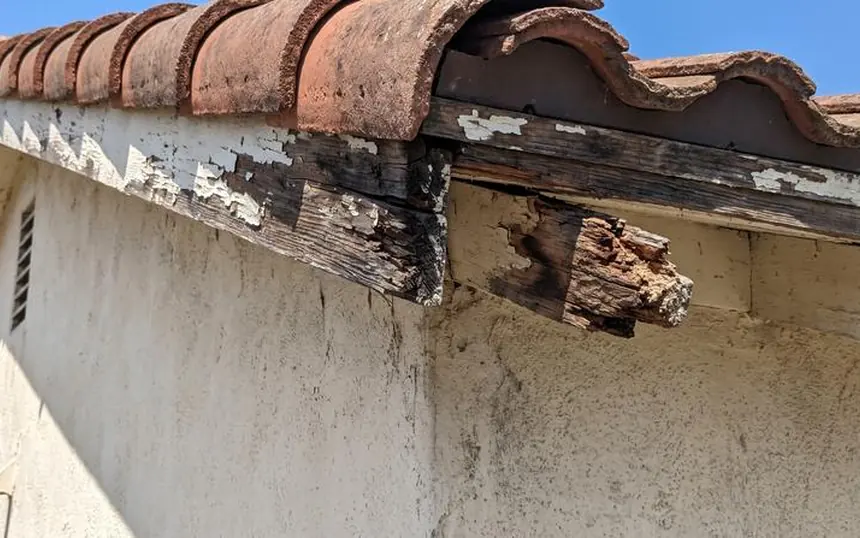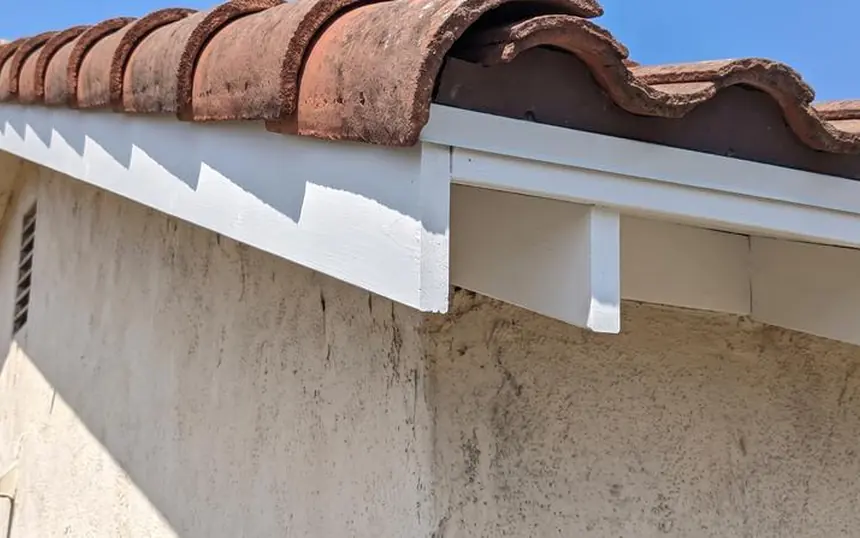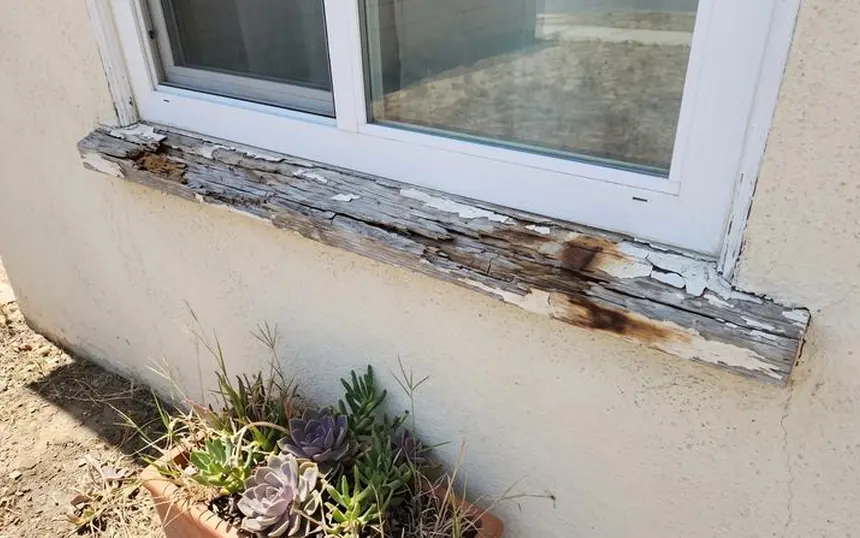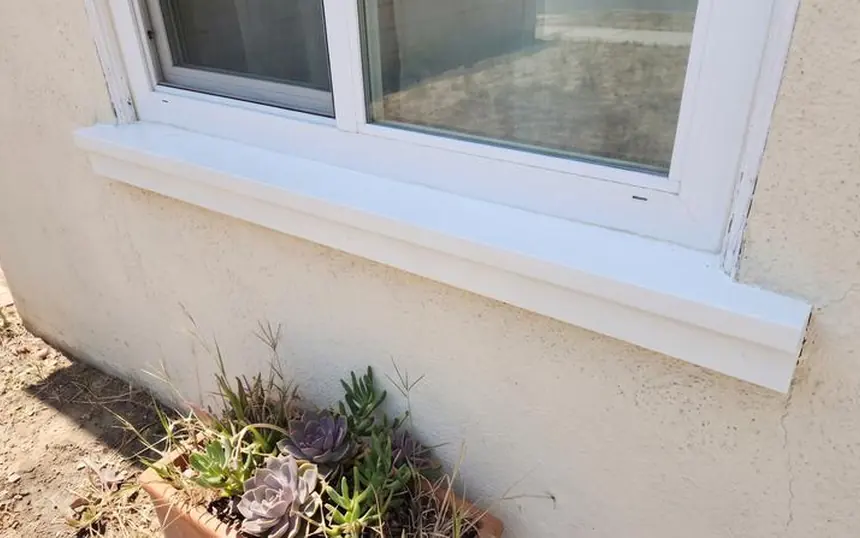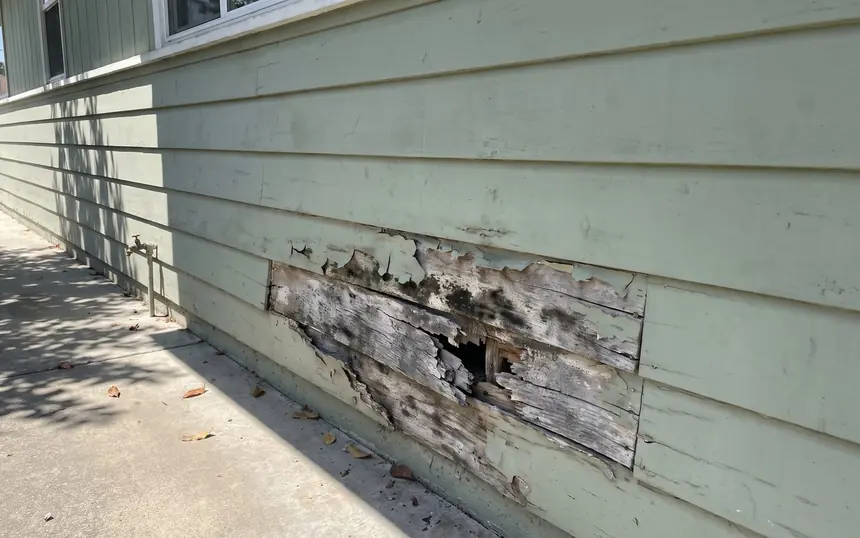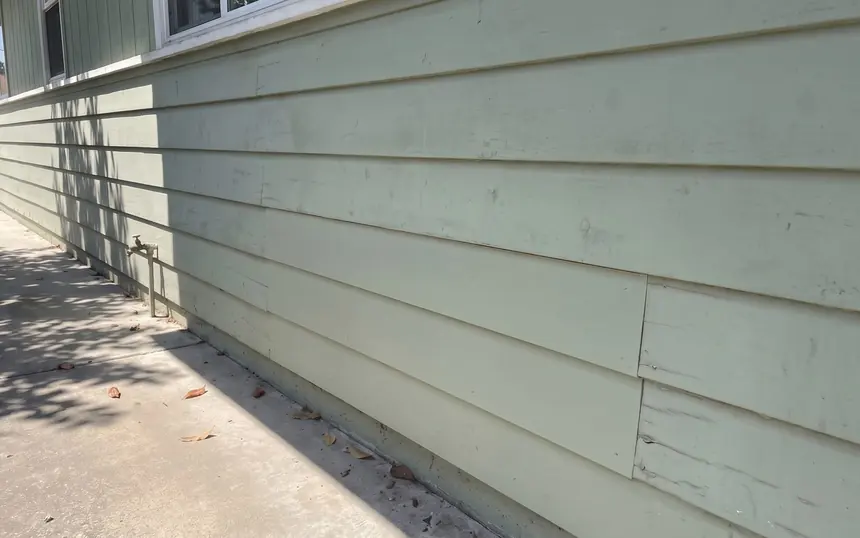
Cedar and fir siding, sills, fascia, deck boards and post bases cut out and rebuilt with sound wood, sealed against the rain. Priced in writing before we start.
 BBBAccredited Business
Kaminskiy Care and Repair cuts out dry rot and wood rot on Vancouver homes and rebuilds it with sound wood: the bottom courses of cedar siding on the Hough and Arnada craftsmans, the T1-11 and hardboard on the east-side tracts, window sills that face the Gorge wind, fascia under a plugged gutter, deck ledgers and post bases that never dry. Every rebuild is primed on all sides, painted to match and sealed, with the gutter end, the flashing or the grade that started it fixed. Carpenter ants and dampwood termites get a licensed pest company first; the carpentry is ours. The price is in writing before anything starts, from our office on Park Plaza Drive. Since 2024 our technicians have completed 268 repair visits on 106 Vancouver homes.
 Eight repairs, one crew, priced in writing before we start.
Forty inches of rain from October to May, moss on the north wall, the east wind off the Gorge driving water into every joint on the east face: that is how Vancouver wood goes soft. We cut back to sound wood, splice or replace, prime every face, paint and seal, and fix the water path, so the rebuild outlasts the original.
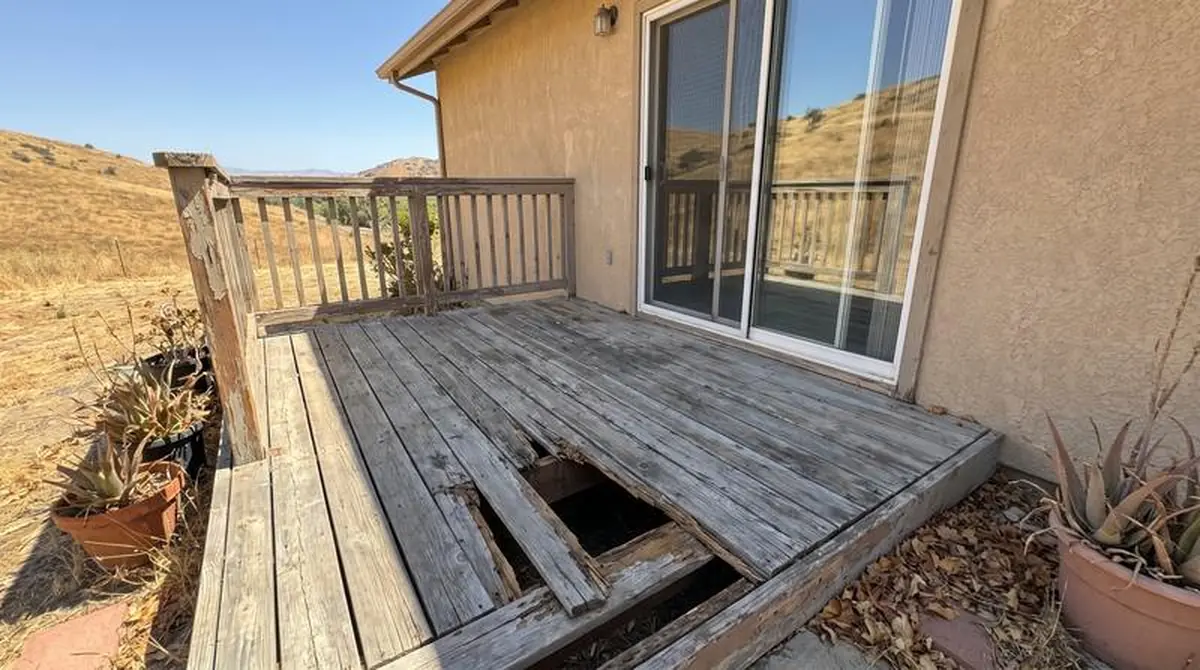
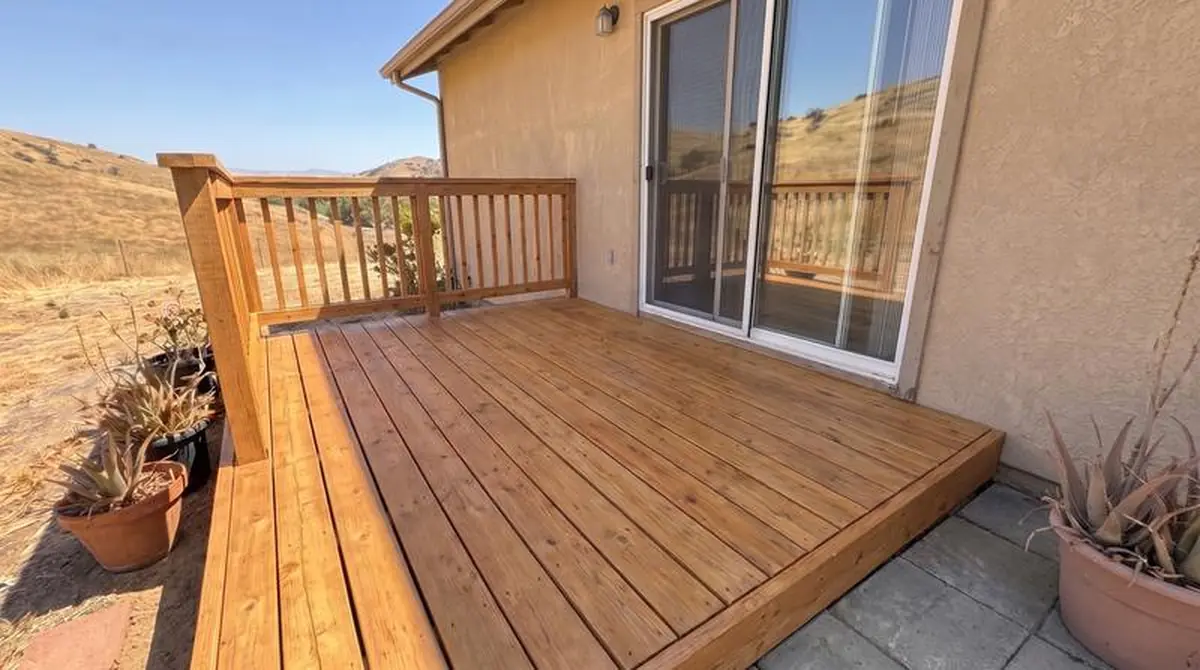 AFTERBEFORE
 Fascia & Eaves
 Window Sills
 Door Jambs & Casings
 Trim & Siding
 Termite Damage Rebuilds
 Deck Boards & Railings
 Stairs & Posts
 Primed, Painted & Sealed
Rot in Vancouver is slow and then sudden: the wood stays wet from the first fall storm to June, and one spring it gives. A Kaminskiy-certified technician prices most siding, sill, fascia and trim repairs on the call, in writing; a deck ledger, a post run or a whole elevation gets a written scope after a look.

We answer in under three rings and get you priced and scheduled in minutes.

A clear, written quote with upfront pricing. You approve before work begins.

Kaminskiy-certified pros finish the job with a workmanship warranty.
Every rot and termite damage repair carries our one-year workmanship warranty, in writing, and is done by a Kaminskiy-certified, background checked technician.
Water that never leaves. Vancouver gets its rain in a seven-month stretch, the north side of a house stays in shade and moss from October to June, and the east wind off the Columbia River Gorge drives rain into the siding joints and sill corners on the east face. Fir and cedar can take a lot of wet if they dry between storms; here they do not. The rot starts where water stops: the bottom course of siding, the sill horns, the fascia under a plugged gutter, the post base on the patio slab.
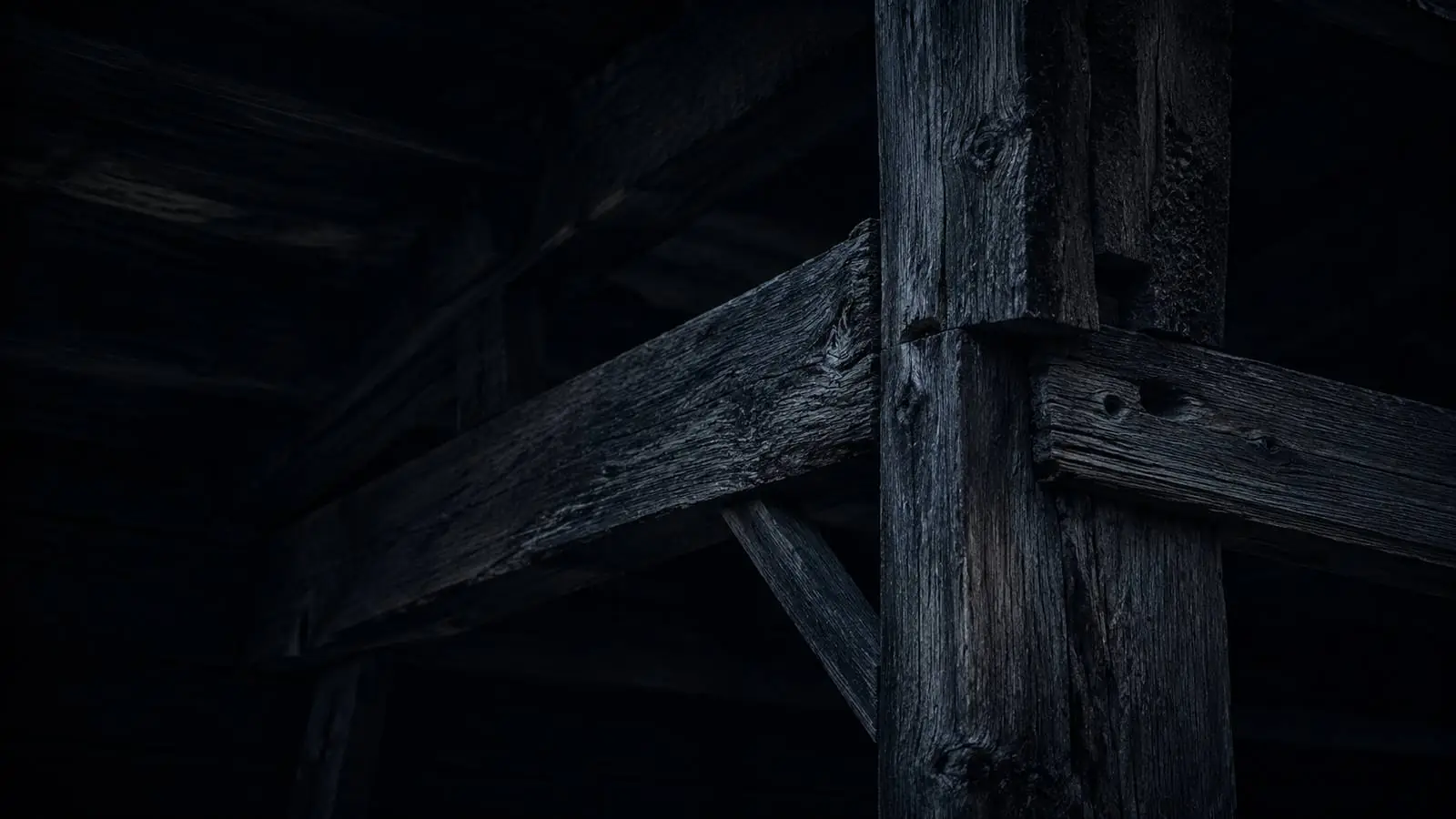
The wood destroyer that calls us most in Vancouver is the carpenter ant: it does not eat wood, it excavates wet wood for a satellite nest, and the frass pile under a sill or a deck is the sign. The dampwood termite lives only in wood that is already wet or rotting, so finding one means the moisture problem came first. Subterranean termites are here but less common on this side of the Cascades. A licensed pest company treats whichever it is; we rebuild the wood and take away the damp that invited them.
Filler in a soft sill or a rotted siding course lasts until the next wet season, because the wood around it is still wet. We cut back until the probe stops sinking, splice in new material with the same profile and reveal, back-prime it, set it over intact building paper and flashing, caulk and paint. The repair should disappear from the sidewalk and stay dry from the inside.
Clean the gutters after the fir needles drop in November and again in spring. Keep the moss off the north-wall siding and the deck. Pull the soil, bark and planters back from the bottom course. Cut the shrubs back so the east wall can dry after a storm. Repaint the east and south faces before the paint fails, not after.
Craftsman and bungalow houses from the 1900s to the 1930s with cedar lap siding, fir trim, wood-sash windows and deep porches. Rot lives at the bottom courses, the porch post bases, the sill horns and the fascia behind a gutter that has not drained in years. We match the siding profile and the reveal, splice the porch posts and keep every sound board.
Wartime and mid-century houses with cedar, hardboard and later T1-11 siding, aluminum windows set in wood bucks, and carports with posts on the slab. The T1-11 wicks at the bottom edge, the window bucks rot behind the metal, and the carport posts go at the concrete. We cut the sheet back to sound wood, flash the cut and rebuild the post bases.
Tracts from the 1980s to the 2000s with hardboard and engineered lap siding, wood-clad sills, trim boards at the corners and decks on ledgers. The east wind drives rain into the east face, the trim rots at the butt joints and the deck ledger is the thing to check. We rebuild the trim, reflash the sill and name a ledger problem before the deck comes apart.
A fascia board, a sill or a trim piece is priced on the call, in writing. A bigger rebuild gets a look first and a written price before anything starts.
We cut back to sound wood and probe how far the rot really goes. If it runs further than the photo showed, you hear it before we go further, with the price.
New wood primed on all sides, caulked, painted to match, and the water path that caused it fixed: the drip edge, the flashing, the gutter end, the sprinkler.
The work area is cleaned before we leave, and every rot repair carries our one-year workmanship warranty.
Vancouver asks for a residential building permit for construction, alteration and repair of a house, and lists what it leaves alone: painting and similar finish work, a fence to six feet, a low deck, a small shed. The state residential code it builds on adds the ordinary-repairs clause: no application for an ordinary repair, never the cutting of a structural beam or a load-bearing support. A rebuilt sill, a run of siding or a fascia board is an ordinary repair; a ledger or a rafter tail is the call we make with the Permit Center before we open it, and the permit goes into the written scope.
When a Vancouver house sells or refinances, Washington requires a complete wood destroying organism inspection by a WSDA-licensed structural pest inspector, with an inspection control number on the report. It lists the findings by organism, carpenter ants to dampwood termites to wood decay fungi, and the conducive conditions: earth against wood, a dead gutter, failed caulk, vegetation on the wall. The inspector inspects and the pest company treats. We rebuild the damaged wood on the list and fix the conditions that are carpentry, and the buyer gets a clean reinspection.
Washington's residential code wants new siding over a water-resistive barrier with a way for water that gets behind it to drain out, which is why a full re-side is a permit and a different job. A like-for-like rot repair is not that: we lap the new piece into the paper and flashing that is there, so the wall drains the way it did when it was built. Most of west and central Vancouver has no association; many east-side streets do, and a repair painted to match rarely needs a form.
Can't find your answer? Call 360-347-2002 and ask us anything.
Call 360-347-2002A siding course, a sill or a fascia board is priced on the call and usually scheduled within days from the Park Plaza Drive office. A deck ledger, a post run or a whole east wall gets a look first and a written scope before anything starts. We do not promise a finish date before the wood is open.
Yes, after a licensed pest company has treated. We cut out the excavated sill, trim or framing we can reach, rebuild it, and take away the wet wood that drew them. The treatment and the inspection report belong to the pest company; the carpentry belongs to us.
Siding, sills, trim, fascia, jambs, deck boards and post bases are carpentry, and Kaminskiy is licensed, bonded and insured, so a splice into a rafter tail or a stud is fine too. If the rot has reached a beam or a deck ledger, you hear that first and we tell you who needs to look at it.
How far the rot runs once the siding is off, how high the work is, and what the new wood has to match: a cedar bevel on a Hough craftsman is not a hardboard lap in Cascade Park. Text a photo and the price is in writing before anything is scheduled; if the rot runs further than the photo showed, you hear it before we go further.
Paint over soft wood seals the water in, and in Vancouver the wood is wet until June anyway. We rebuild the piece, back-prime it, set it, caulk and paint, so the paint is protecting sound wood.
Not for an ordinary repair: the state code Vancouver builds on asks for no application for ordinary repairs or finish work. A full re-side, a rafter tail or a deck ledger is a different question, and we ask the Permit Center before a bigger job rather than guess.
We repair the wood-damage items and the carpentry-side conducive conditions, siding to sills to deck boards to the grade at the wall. The inspector reinspects and the pest company treats anything live. Send us the report with the address and we price from it.
All of Vancouver from Park Plaza Drive, including Esther Short, Hough, Arnada, Bagley Downs, Ogden, Cascade Park and Fisher's Landing, plus Hazel Dell, Salmon Creek, Felida, Orchards, Camas and Washougal. Call 360-347-2002 to confirm your address.
Tell us where the wood has gone soft, or text us a photo. We'll call you back with a price and a time. Calling is still the fastest way: 360-347-2002.
Priced in writing before we start. Kaminskiy-certified technicians. A one-year workmanship warranty on every job.
We answer in under three rings, 24/7.No price games. You get a clear written quote before any work begins, backed by our workmanship warranty.