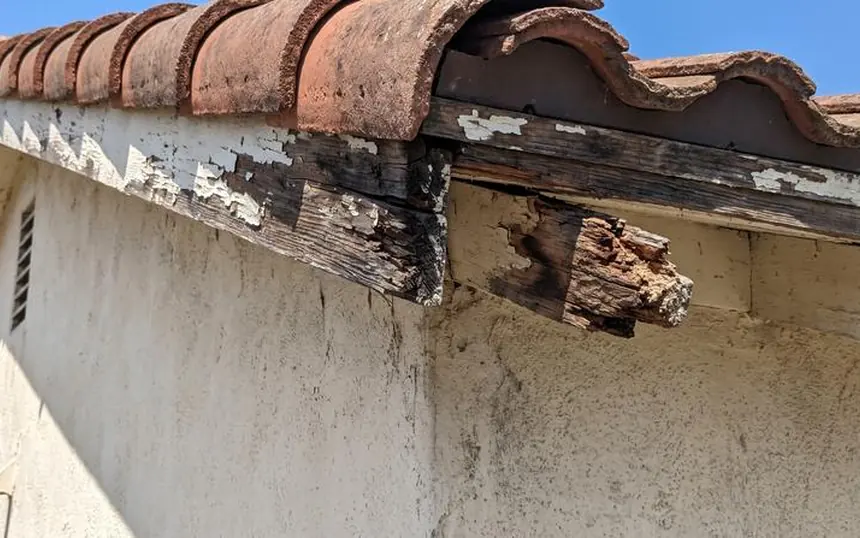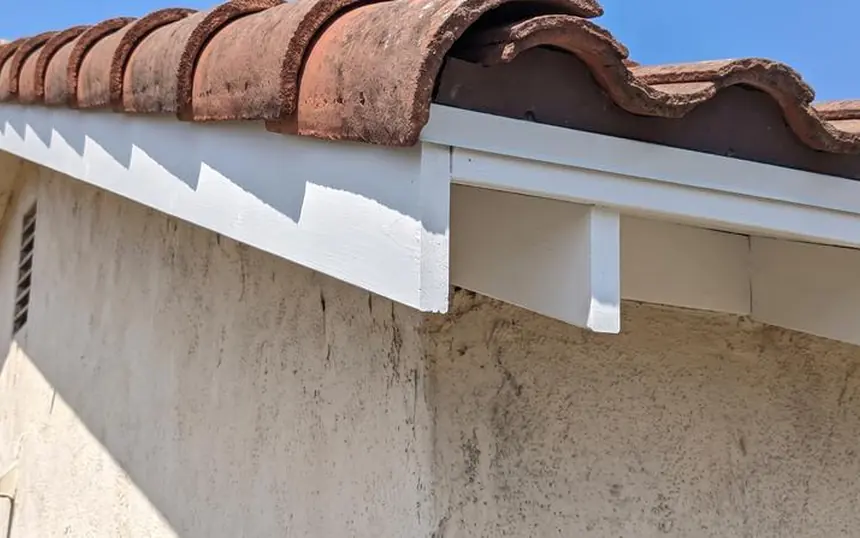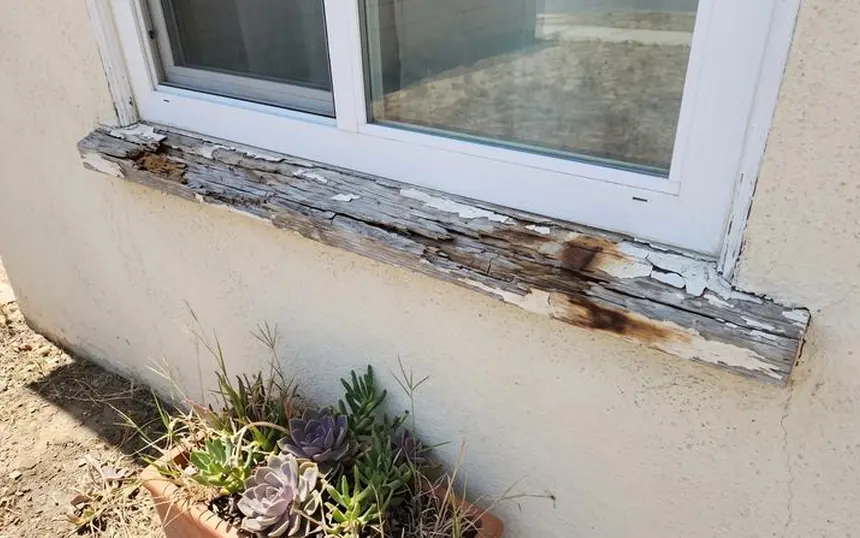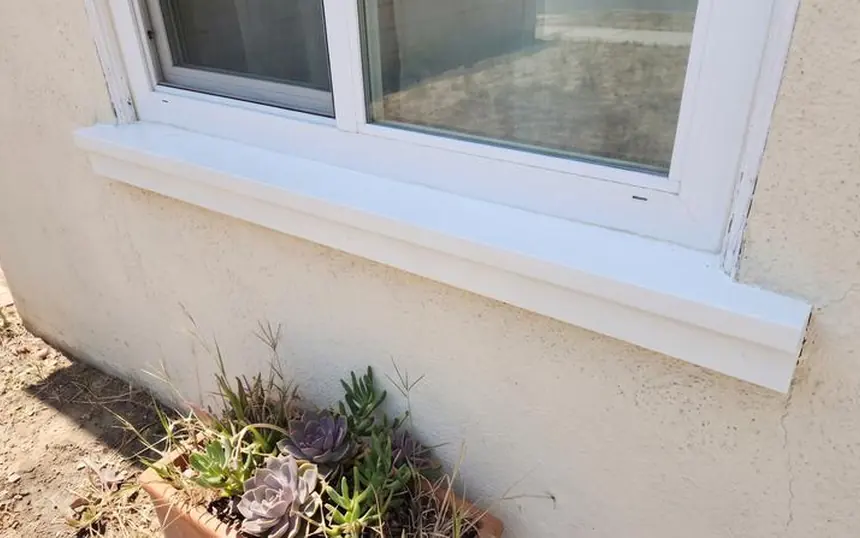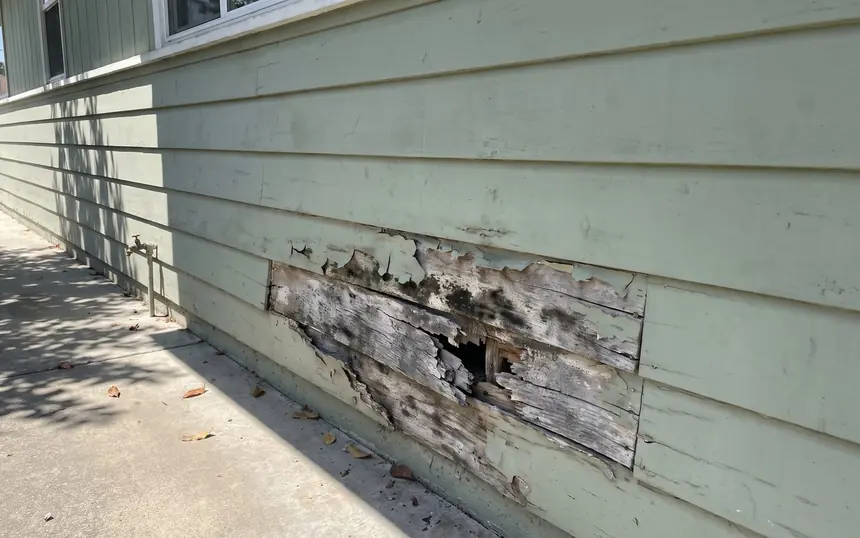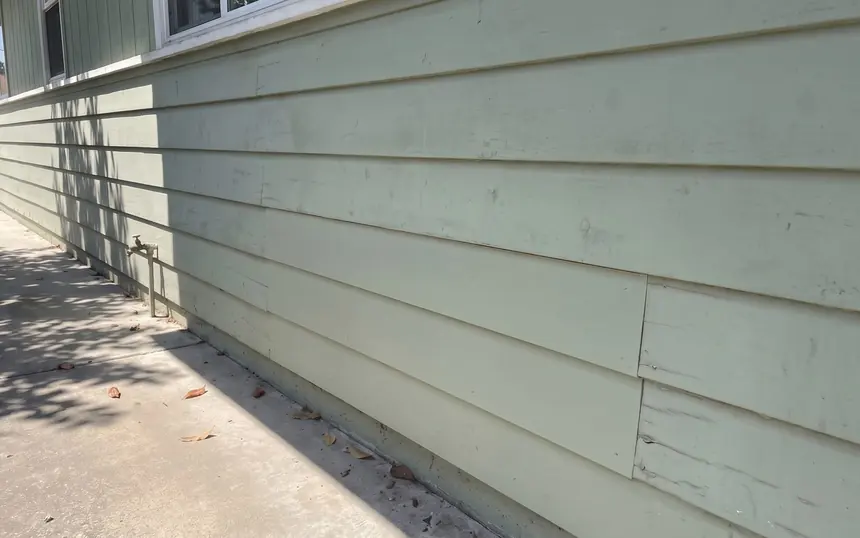
Rotted cedar siding, fir sills, window trim, porch posts and deck boards cut out and rebuilt with sound wood, primed on every face, painted to match. Priced in writing before we start.
 BBBAccredited Business
Kaminskiy Care and Repair cuts out dry rot and wood rot on Portland homes and rebuilds it with sound wood: the bottom courses of cedar siding, the fir window sills and trim on the weather side, the porch posts and stair stringers that stand in the splash, the fascia behind a gutter that has overflowed since October, the deck boards and ledgers out back. Every piece is primed on all faces, caulked, painted to match and the water path that caused it is fixed. If carpenter ants or dampwood termites are in the wood, a licensed pest company treats first and we rebuild after. The price is in writing before anything starts, from our office on Tanasbourne Drive. Since 2024 our technicians have completed 1,112 repair visits on 430 Portland homes, Sellwood to St. Johns.
 Eight repairs, one crew, priced in writing before we start.
Nine months of rain, moss on the north wall, a hundred-year-old fir sill that never dries: that is how Portland wood goes soft. We cut back to sound wood, splice or replace with the same profile, back-prime everything and seal the joint, then fix the gutter, the flashing or the grade that fed it.
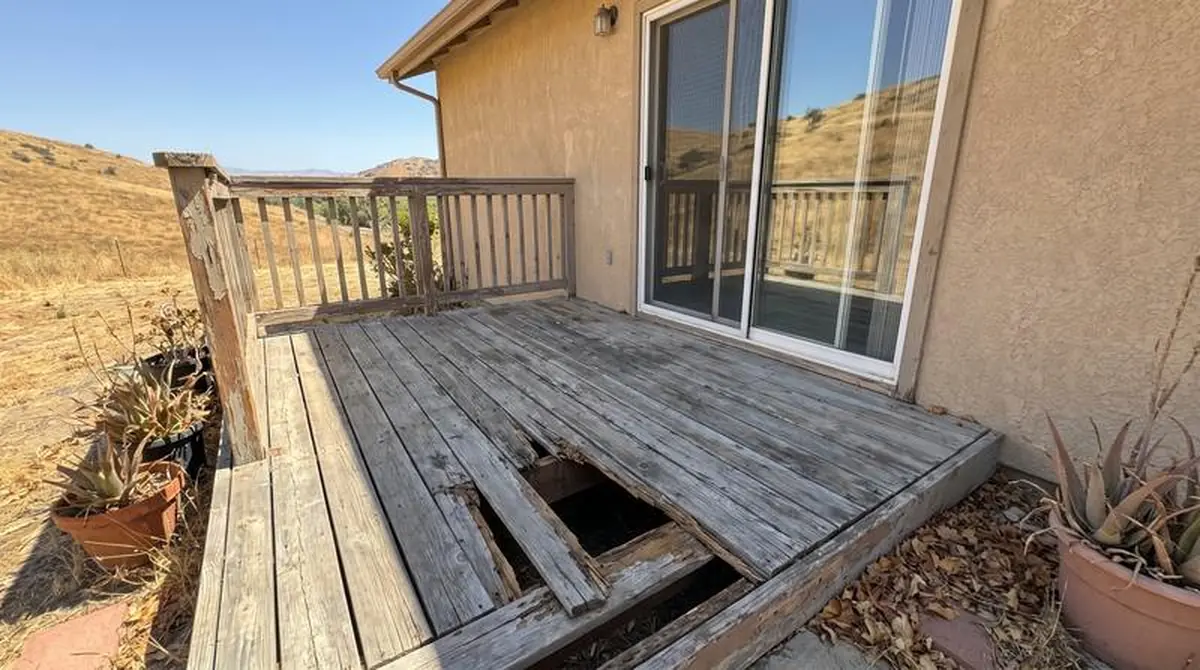
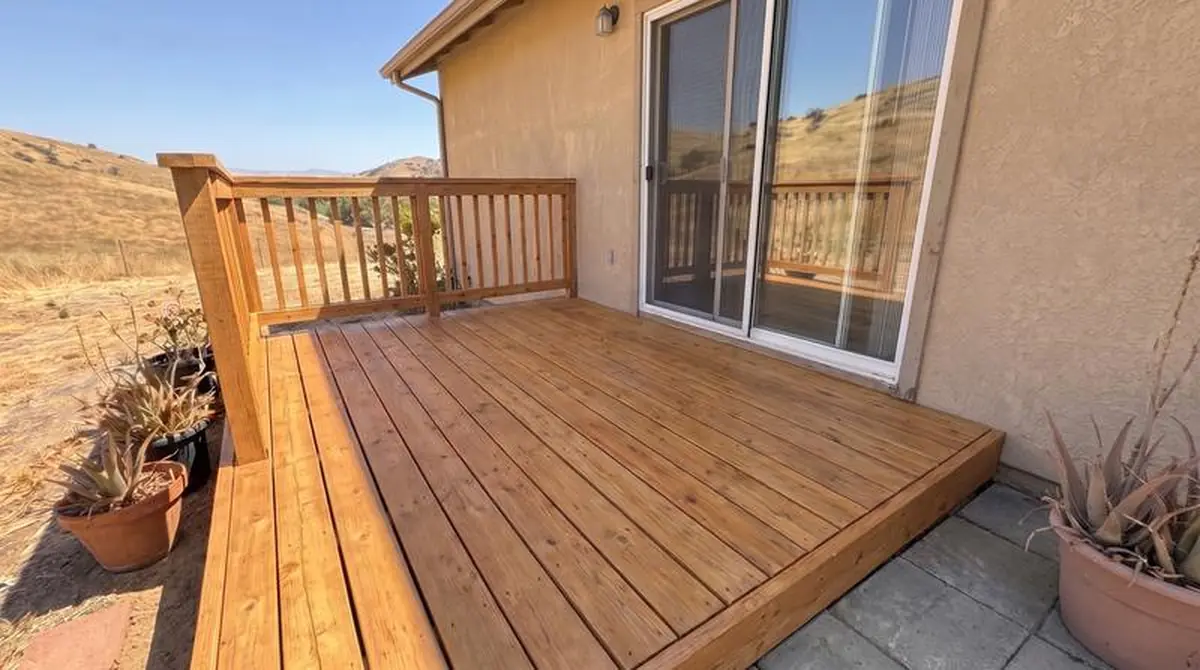 AFTERBEFORE
 Fascia & Eaves
 Window Sills
 Door Jambs & Casings
 Trim & Siding
 Termite Damage Rebuilds
 Deck Boards & Railings
 Stairs & Posts
 Primed, Painted & Sealed
None of these dry out on their own in Portland. A Kaminskiy-certified technician prices a sill, a run of siding or a porch post on the call, in writing; a deck, a stair or a whole elevation gets a look first and a written scope.

We answer in under three rings and get you priced and scheduled in minutes.

A clear, written quote with upfront pricing. You approve before work begins.

Kaminskiy-certified pros finish the job with a workmanship warranty.
Every rot and termite damage repair carries our one-year workmanship warranty, in writing, and is done by a Kaminskiy-certified, background checked technician.
Water that never leaves. Nearly all of the year's rain falls between October and May, the north and east walls sit in shade under big trees, and moss holds the wet against the wood. Old-growth fir sills and cedar siding on the pre-war houses lasted a century because they were painted and drained; once the paint fails or a gutter overflows, the end grain drinks for nine months a year. Rot in Portland is a north-side, bottom-course, behind-the-gutter problem, and that is where we look first.
The Northwest's wood destroyers are not the termites California worries about. Carpenter ants do not eat wood; they carve nests in wood that is already wet, and the sawdust pile under the trim is the sign. Pacific dampwood termites nest inside moist, water-damaged wood, so they show up where the rot already is. Subterranean termites exist here but are rarer, and their soil tubes on a foundation are the clue. A licensed pest company treats the colony; we fix the water and rebuild the wood, because no treatment holds while the wood stays wet.
Paint over soft wood seals the water in, and in Portland the wood stays wet behind it until June. A rebuild cuts back to sound wood, splices or replaces the board with the same profile and reveal, primes every face including the end grain, caulks the joint and paints over it, so the repair sheds water instead of holding it.
Clean the gutters in October and again after the leaves finish. Keep the moss off the shaded wall and the shrubs a foot off the siding so it can dry between showers. Keep soil and bark dust below the bottom course. Repaint the north and east walls before the paint fails, not after, and recaulk the sill joints when the line opens.
Craftsman and bungalow houses from the 1900s to the 1940s with cedar lap siding or shingles, fir trim, fir window sills and open porches. The bottom courses rot above a bed that was mulched too high, the sills go soft at the corners where the paint split, and the porch posts and stair stringers rot where they stand in the splash. We splice new wood into the old, match the profile and the reveal, and leave the sound boards alone.
Midcentury and 1970s to 1990s homes on slopes under firs, with cedar siding, T1-11 on the garages and decks facing the weather. Under the trees nothing dries, so the shaded wall goes first, deck boards go soft at the ends, railing posts rot at the base and a ledger can hide damage behind the siding. We rebuild boards, rails and siding where they stand, and name a ledger problem before anyone opens the wall.
Younger buildings with less exposed wood, so the rot hides where water was never drained: behind window flashing, at deck ledgers, at the bottom of a door jamb on the slab, behind siding installed before Oregon required a drainage gap. The repair is smaller and the detail matters more: the flashing and the gap are corrected so the rebuild is the last one.
A fascia board, a sill or a trim piece is priced on the call, in writing. A bigger rebuild gets a look first and a written price before anything starts.
We cut back to sound wood and probe how far the rot really goes. If it runs further than the photo showed, you hear it before we go further, with the price.
New wood primed on all sides, caulked, painted to match, and the water path that caused it fixed: the drip edge, the flashing, the gutter end, the sprinkler.
The work area is cleaned before we leave, and every rot repair carries our one-year workmanship warranty.
Portland's own list says no building permit to replace or repair siding that is not required to be fire-resistant, to replace a window or a door in the same-size opening, to paint, or for a deck or stair at or below 30 inches above grade; Oregon's residential code adds that an ordinary repair with like materials needs no application at all. A deck or an exterior stair over 30 inches, a resized opening, or rot that has reached a beam or a load-bearing post is past that line, and we tell you on the call.
Oregon does not require a termite report on a sale. What a Portland buyer orders is a pest and dry rot inspection from a licensed inspector, on its own or as part of the whole-home inspection, and it lists the soft sills, the rotted siding, the ant damage and the deck boards. We repair what the report lists, in writing, and the buyer's inspector rechecks before closing. Send the report with the address and we price from it.
In Irvington, Ladd's Addition, the Alphabet District and the other historic and conservation districts, repair and maintenance are exempt from historic review: repainting, re-roofing, a rotted board replaced in kind. Replacing a whole window or a run of siding with a different material is an alteration and may need review first, and we tell you when a job is close to that line.
Can't find your answer? Call 971-571-5787 and ask us anything.
Call 971-571-5787A sill, a run of siding or a porch post is priced on the call and usually scheduled within days; we work between showers and the painting waits for a dry stretch. A deck, a stair or a whole elevation is sized after a look, with the scope in writing before anything starts.
Yes. After a licensed pest company treats the colony, we cut out the carved-out trim, siding and the framing we can reach, fix the water source that drew the ants in, and rebuild. The treatment is theirs; the rebuild is ours.
Yes. Siding, sills, trim, jambs, porch posts and deck boards are carpentry, and Kaminskiy is licensed, bonded and insured, so a splice into a stringer or a rim joist is fine too. A beam, a ledger or a post that carries the porch roof is named before anyone opens a wall.
How far the rot runs once the board is opened, how high and how reachable it is, and whether the siding profile is still milled or has to be matched. Text a photo and the price is in writing before anything is scheduled; if it runs further than the photo showed, you hear it before we go further.
Usually. We match the profile, the exposure and the reveal, replace only the courses that went soft, back-prime and paint. When a profile is no longer milled, we say so and show you the closest match before we start.
Not for siding repair, a same-size window or door, painting or a low deck: the city's own list and the state code both say so. Rot that reaches a structural beam, a load-bearing post or a deck over 30 inches is where a permit starts, and we tell you on the call.
Usually just the bottom. Rot climbs from where the water sits, so the bottom two or three courses and the sill go first while the rest is sound. We probe up the wall, cut back to where the screwdriver stops, and leave everything sound in place.
Portland and the west-side suburbs from our Hillsboro office, including Sellwood, Woodstock, Hawthorne, Alberta, St. Johns, Hillsdale and Multnomah Village, plus Beaverton, Hillsboro, Tigard, Tualatin, Lake Oswego, West Linn, Milwaukie and Clackamas. Call 971-571-5787 to confirm your address.
Tell us where the wood has gone soft, or text us a photo. We'll call you back with a price and a time. Calling is still the fastest way: 971-571-5787.
Priced in writing before we start. Kaminskiy-certified technicians. A one-year workmanship warranty on every job.
We answer in under three rings, 24/7.No price games. You get a clear written quote before any work begins, backed by our workmanship warranty.