Making home repairs can feel overwhelming, but it doesn’t have to break the bank. By learning a few DIY home improvement skills, you can tackle common problems yourself and save money. Investing time in understanding these basic repairs can add significant value to your home while keeping costs low.
There are many simple and affordable solutions for common household issues. For instance, unclogging a dryer vent is a task you can accomplish on your own by following a few straightforward steps. This not only reduces the risk of fire but also helps your dryer run more efficiently. Other repairs, like fixing sticky doors or leaky faucets, are similarly manageable with a little effort and the right tools from the guide. When certain repairs require professional help, there are still ways to keep expenses reasonable. Hiring a handyman for more complex tasks can ensure high-quality work without the high costs associated with specialized contractors. With these strategies, you can maintain a safe and comfortable home without overspending.

Taking on home maintenance tasks yourself can be both rewarding and cost-effective. With the right tools, resources, and safety measures, you can handle many common household issues efficiently.
Having the right DIY handyman tools is crucial for any home project. Start with a basic toolkit that includes:
Additionally, invest in a paint roller and brushes for touch-ups, vinegar and baking soda for cleaning, and epoxy for repairing cracks. These tools make it easier to maintain your home and address issues as they arise.
There are plenty of resources to help you improve your DIY skills. Online tutorials and videos can show you step-by-step processes, making it easier to follow along. Websites like MSN provide useful information on various projects.
Join DIY communities and forums where you can ask questions and share experiences. Books and magazines dedicated to home improvement can also offer detailed guides. Always use high-quality supplies to ensure your repairs last longer and are more effective.
Safety should always be your top priority when working on any DIY project. Before starting, make sure you have the proper safety gear like gloves, goggles, and masks. These protect you from dust, chemicals, and sharp objects.
Ensure your workspace is well-lit and free of clutter to avoid accidents. Always follow the instructions on the tools and materials you are using, such as epoxy or grout, to avoid mishaps. If you are working with electrical systems, turn off the power at the main breaker to prevent shocks.
Remember, taking a bit of extra time to set up safely can prevent injuries and costly mistakes.

Engaging the right professionals for your home repairs can save you both time and money. This section will help you understand when to call a handyman versus specialized contractors, the value of expertise, and effective strategies for small businesses to retain clients in the home repair sector.
Deciding between a handyman and specialized contractors depends on the complexity of the task. For small repairs or maintenance needs, hiring a handyman is often more cost-effective. Handymen are versatile and can handle a variety of tasks, from fixing a leaky faucet and electrical issues to painting a room.
The expertise of service professionals adds significant value to home repairs. When you hire experts, you benefit from their specialized skills and experience. This leads to more efficient and higher-quality repairs. For example, hiring an HVAC technician to fix your cooling system ensures it’s done correctly and safely.
Experts diagnose problems quickly and offer lasting solutions, minimizing future breakdowns. This reduces long-term costs associated with repeated repairs. Expertise also increases property value by ensuring home improvements meet industry standards.
When looking for cost-effective handyman solutions, focusing on preventive measures and DIY fixes can save you both time and money. Simple actions like checking for gaps around windows and door installation can reduce energy costs. Using caulk and weather-stripping materials is an affordable way to maintain an energy-efficient home.
Regular maintenance is key to avoiding expensive repairs. For instance, unclogging drains with a mixture of baking soda and white vinegar can prevent bigger problems. This method is both eco-friendly and wallet-friendly.
These tips address common issues without the need for costly professional intervention. The right mix of DIY skills, regular maintenance, and occasional professional help will keep your home in good shape without breaking the bank.
In certain situations, hiring a professional handyman can be a good investment. Kaminskiy Care and Repair offers professional handyman services that ensure repairs are done right the first time, reducing the risk of further damage.
To estimate the cost of repairs, start by identifying the materials and tools needed. Check prices online or at your local hardware store. Additionally, consider the time required for the task. For professional estimates, some websites and apps can help you calculate approximate costs based on the type of repair.
Focus on repairs that can prevent larger, more expensive issues later. For example, fixing a leaky faucet can prevent water damage. Addressing minor electrical problems early can avoid potential hazards. Regular maintenance tasks, like cleaning gutters and servicing HVAC systems, can also help you avoid costly repairs.
Before hiring a handyman, check their credentials and experience in the specific repairs you need. Read reviews and ask for references. Get detailed quotes from multiple handymen to compare prices. Ensure they are insured and licensed to protect yourself from liability and ensure quality work.
Yes, there are several tasks you can handle yourself. Unclogging drains with baking soda and vinegar, tightening loose screws, and replacing light bulbs or air filters are easy tasks. Regularly inspect and clean your home to spot small issues before they become bigger problems. These simple tasks can reduce the need for professional help.
As winter approaches, preparing your home is crucial to avoid unexpected issues and costly repairs. Ensuring your house is ready for the cold weather helps keep your family safe and comfortable. From checking for drafts to inspecting heating systems, there’s a lot to consider.
You may need to address both the exterior and interior aspects of your home. Tasks like gutter cleaning, insulating pipes, and weatherproofing windows can protect your home from winter’s harsh elements. At the same time, interior systems like your furnace and smoke detectors need your attention too.
To make sure nothing is overlooked, having a detailed home maintenance checklist can be a lifesaver. It can help you systematically tackle each area of your home, ensuring you’re fully prepared for the winter season.

As winter approaches, preparing the exterior and structural parts of your home is key. This includes ensuring your roof and gutters are clear, windows and doors are sealed, and the foundation and exterior walls are in good condition.
Start by removing any debris from your roof and gutters. Pay attention to shingles and ensure none are damaged or loose. Clear gutters and downspouts to prevent blockages. Check the chimney for cracks or blockages, and verify that the flashing around it is secure. Inspect shingles, clear out debris, and check the chimney. Make sure water can flow freely through your gutters and downspouts. This helps prevent ice dams, which can cause water damage.
Inspect all windows and doors for drafts and replace any damaged weatherstrips. Ensure caulking around windows and doors is intact. Seals that are worn out should be replaced to keep the cold air out.
You can also install storm windows to provide extra insulation for the winter months. These additions help keep your home warm and reduce heating costs.
Check the foundation for cracks and ensure exterior walls are free of damage. Small cracks might seem minor, but they can expand with freezing and thawing, leading to larger problems.
If you have siding, inspect it for any loose panels and secure them properly. Insulate pipes along exterior walls to prevent them from freezing. Ensuring walls and the foundation are well-maintained helps avoid structural issues during the harsh winter months.
Maintain a clear inspection schedule to address any issues early, ensuring a warm and safe home for the season.
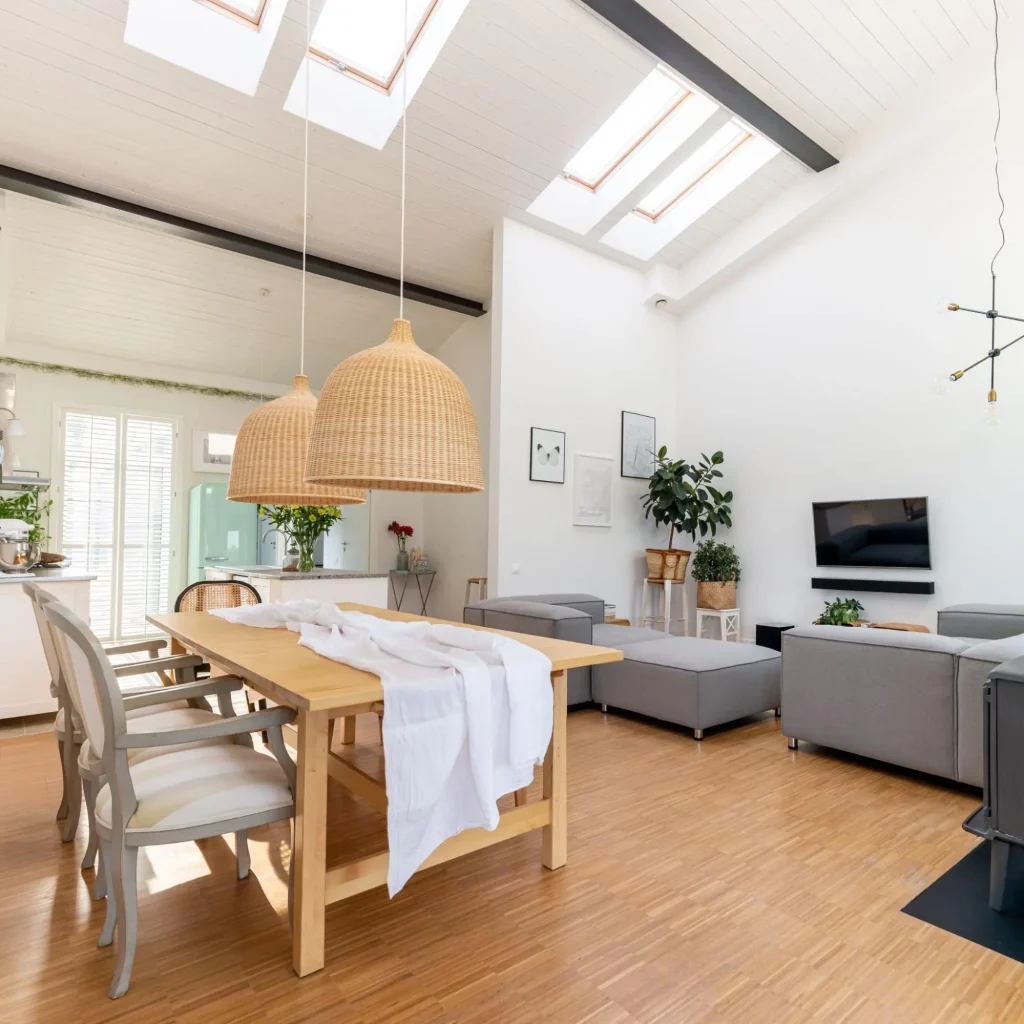
Prepare the interior of your home and its systems for winter to ensure comfort and safety. Focus on improving heating and insulation, protecting plumbing, and enhancing safety and efficiency to keep your home warm and secure during the cold months.
Check your furnace and heating system to ensure they are working efficiently. Replace old filters and clean vents to improve performance. Consider scheduling an HVAC maintenance check to avoid any issues when temperatures drop. Look for air leaks around windows and doors, and seal them to prevent drafts from increasing your energy bills.
Attic insulation is crucial to keep the warm air inside. Inspect your attic and add more insulation if needed. This will prevent cold air from entering and keep your home warmer. Don’t forget to reverse your ceiling fans to push warm air downwards, helping distribute heat more evenly throughout your home.
Winterize your home’s plumbing and pipes to prevent leaks and bursts. Disconnect and store any outdoor hoses, and shut off the water supply to exterior faucets. Pipe insulation is vital; wrap pipes in unheated spaces like the basement or crawlspaces to avoid freezing.
Check that your sump pump is functioning correctly. It helps prevent water buildup that can lead to frozen pipes. Drain and insulate your water tank to ensure it doesn’t freeze and damage the pipes. Keeping your pipes protected will help avoid costly repairs and water damage.
Install or check carbon monoxide detectors and smoke detectors to ensure they are working correctly. These can save lives by alerting you to potential hazards like gas leaks and fires. Test them regularly and replace batteries as necessary.
Keep your fireplace in good condition by having the chimney cleaned. This reduces the risk of creosote buildup, which can cause chimney fires. Consider using a programmable thermostat to reduce energy usage and maintain a comfortable temperature efficiently. This helps manage energy bills while keeping your home safe and warm during winter.
Following these tips will help you build a robust winterization checklist for your home’s interior and systems, ensuring a safe and cozy winter season.
Before winter arrives, it’s essential to ensure your home is ready for the colder months. This involves a variety of handyman tasks to keep everything in top shape.
Start by inspecting windows and doors. Look for any cracks or leaks and replace weather stripping if needed. Prevent drafts to maintain warmth.
Next, check exterior pipes for proper insulation. Pipes on outer walls are prone to freezing and can burst if not adequately protected. Fireplace maintenance is crucial. Clean the chimney and inspect it for any blockages to ensure it’s safe to use throughout winter.
Make sure to disconnect water hoses and drain any residual water in outdoor pipes and equipment to prevent freezing and damage. Gutter cleaning is another important task. Clear out any debris to avoid blockages that could cause ice dams and leaks during snow or heavy rain.
If these tasks seem overwhelming or time-consuming, you can always reach out to professionals like Kaminskiy Care and Repair for handyman services. Our team of experts is ready to ensure your home is winter-ready. Contact us today
Preparing your home for winter includes cleaning gutters, checking weather stripping, and ensuring windows and doors are sealed to prevent drafts. You should also test your smoke and carbon monoxide detectors.
To winterize plumbing, insulate exposed pipes, especially those in unheated areas like attics or crawl spaces. Disconnect and drain outdoor hoses, and consider using heat tape for added protection.
Choosing the right handyman for your home projects can be a challenging task, but the benefits of finding a skilled professional are well worth the effort. A good handyman can save you time, money, and the hassle of dealing with unfinished or poorly executed repairs. Before you start your search, it’s essential to identify the specific tasks you need help with, whether it’s repairs, small plumbing jobs, or electrical fixes.
To find the best handyman, begin by gathering recommendations from friends, family, or online reviews. Look for someone with a track record of reliability and quality work. It’s also crucial to verify their credentials and ask for references to ensure past clients were satisfied with their services.
After narrowing down your options, discuss the details of your project with the potential handyman. Make sure to get a clear estimate and timeline for the work. By taking these steps, you can ensure that your home improvement projects are completed efficiently and to a high standard.
To choose the right handyman, it’s vital to identify what needs fixing or upgrading in your home. This helps determine whether a task can be done by yourself or requires professional help.
Start by walking through your home and noting everything that needs attention. This includes minor tasks like fixing leaky faucets or replacing light fixtures and larger projects like painting rooms or repairing drywall.
Write down all the issues, no matter how small or big. This comprehensive list will help you prioritize tasks based on urgency and complexity. It’s also useful when discussing projects with a professional handyman, ensuring nothing is overlooked.
Some home repair tasks are simple and safe enough to handle on your own. Basic DIY projects include replacing cabinet knobs, patching small holes in walls, or re-caulking the bathroom. These tasks generally don’t require specialized skills or tools.
Conversely, if the job involves electricity, plumbing, or structural changes, it’s best to hire a professional handyman. They have the knowledge and tools to perform the job safely and correctly. For instance, major repairs like fixing electrical wiring or large maintenance tasks like roof repairs should always be left to a professional. Consider your skill level, the time you have available, and the potential cost of mistakes when deciding to DIY or hire a professional. This ensures the job is done right and helps you stick to your budget.

To find a reliable handyman, it’s essential to make use of online directories, evaluate reviews and referrals, and verify their qualifications and expertise. These steps help ensure your chosen handyman can handle your home projects effectively and professionally.
Finding a reliable handyman starts with knowing where to search. Online directories like Yelp, Angie’s List, and Thumbtack are good places to begin. These platforms have comprehensive lists of local handymen along with customer reviews.
Word-of-mouth referrals are also valuable. Ask friends, family, and neighbors if they have recommendations. They can share their personal experiences and inform you about reliable handyman services they have used.
Local community boards or neighborhood social media groups often have listings or recommendations for handymen. People in your area may have already worked with professionals who they trust and can vouch for.
Reviews and referrals provide insights into a handyman’s reliability and quality of work. On online review sites, look for handymen with high ratings and read through customer comments to identify common themes, such as punctuality, professionalism, and quality.
Be cautious of reviews that seem overly positive or negative. Sometimes, an overly glowing review can be misleading. Instead, focus on consistent patterns in feedback.
Referrals from friends or family members are particularly useful because they are based on direct experience. Trust these recommendations, but still take the time to ask specific questions about the handyman’s work habits and performance.
Qualifications and expertise are crucial factors in choosing the right handyman. Ensure the handyman has experience with the specific type of work you need. For example, if you require electrical or plumbing work, the handyman should have relevant skills.
Check if the handyman has any formal certifications or has completed training in particular areas. This ensures they have the foundational knowledge necessary for technical jobs.
Ask for examples of past projects or a portfolio, if available. This helps you gauge the handyman’s proficiency and see if their previous work aligns with your project requirements. Additionally, a professional handyman should be willing to share client testimonials or references.
When choosing a handyman for your home projects, it’s important to ensure they have the right qualifications and a solid reputation. This involves confirming they have proper licenses and insurance and verifying their past work by checking references.
To avoid potential liabilities, ensure your handyman is both licensed and insured. Licensing confirms the handyman has met local regulations and standards. Check with your local government to verify their credentials.
Insurance coverage is also crucial. This protects you from damages or injuries that might occur during the project. Ask for proof of insurance and verify its validity with the issuing company.
Unlicensed or uninsured handymen might offer lower rates, but they pose higher risks. It’s safer to hire someone who meets all legal requirements.
Reviewing references from previous clients gives an insight into the handyman’s reliability and quality of work. Ask for a list of recent clients and contact them to discuss their experience.
Evaluate previous work by requesting photos or even visiting completed projects if possible. This provides a clear idea of their craftsmanship and attention to detail.
Online reviews and ratings on sites like Yelp and Google can also provide useful information. A handyman with a strong reputation supported by positive feedback is more likely to deliver satisfactory results.
Taking these steps helps ensure you’re hiring a qualified handyman who is capable of delivering quality work, on time and within budget.

When finalizing your choice, focus on comparing estimates, discussing timelines and expectations, and setting clear communication and payment terms. These steps ensure you hire a handyman who meets your needs and budget.
It’s essential to get detailed quotes from multiple handymen. Having a range helps you understand the average cost for your project. Look for transparent pricing to avoid any hidden costs.
Ask about the specific services each estimate covers. Ensure it includes labor, materials, and any possible additional fees. Comparing these elements can help you find a trustworthy and fair-priced handyman.
Being thorough with this process prevents unexpected expenses and ensures you get the best value for your money.
Discussing timelines upfront is crucial. Make sure the handyman is punctual and can start and complete the project within your desired timeframe.
Ask about their availability and any potential delays that might occur. Setting clear expectations helps in avoiding misunderstandings later.
It’s also essential to discuss what happens if the project runs over the agreed time, such as additional costs or rescheduling. Clear timelines ensure the project stays on track and meets your needs.
Establishing how you’ll communicate throughout the project is vital. Clear and regular communication can make a significant difference in the project’s success.
Agree on the frequency and methods of updates. Discussing payment terms upfront is equally important. Decide on when and how payments will be made, whether it’s in installments or upon completion.
Make sure all terms are put in writing to avoid any potential disputes. This clear agreement ensures both parties are on the same page and fosters a smooth working relationship.
When choosing the right handyman for home projects, it’s crucial to do your research and take the time to make an informed decision. Start by listing the tasks you need help with. This will help you find the right professional. Secondly, ask friends or family for referrals. Recommendations from those you trust can lead you to reliable handymen. Check credentials to ensure the handyman has the necessary licenses and insurance. This is essential for your protection and to guarantee quality work.
Online reviews and ratings on different platforms can help you verify the credibility and quality of work of a handyman. More experienced handymen will likely handle your tasks more efficiently.
By following these steps, you can hire a skilled and reliable handyman who will complete your home projects to a high standard. Kaminskiy Care and Repair is a trusted name for quality handyman service that guarantees peace of mind. Contact us today!
Choosing the right handyman involves evaluating qualifications, experience, and reliability. It’s important to ask the right questions and prepare your home before the handyman arrives.
Look for experience in similar projects and positive reviews from past clients. Check if they have the tools and skills needed for your specific tasks. A good handyman should also offer a clear estimate of costs and a timeline.
Check online reviews and ratings on sites like Yelp. Ask for references from previous clients and contact them to inquire about their satisfaction. Visiting the handyman’s website or professional profiles can also provide insight into their reliability.
Ask about their experience with similar projects and confirm if they are licensed and insured. Inquire about their availability, estimated project duration, and cost. It’s also helpful to ask for a detailed breakdown of the work process.
Clear the work area of any personal items or obstacles. Ensure that the handyman has easy access to the necessary parts of your home. If you have pets, secure them in a safe area to avoid any disruptions.
Choosing the right flooring for every room in your home can be a daunting task. With so many options available, it can be challenging to determine which flooring material is best suited for each room in your home. The right flooring can enhance the function and style of each room, while also fitting within your budget.
Factors to consider when selecting flooring include the function of the room, the style of your home, and your budget. For example, if you have children or pets, you may want to consider a flooring material that is durable and easy to clean, such as vinyl or tile. On the other hand, if you are looking to create a cozy and inviting atmosphere, carpet may be the best option for your bedroom or living room.
When it comes to selecting the right flooring for your home, it’s essential to weigh the pros and cons of each material and consider the installation and cost considerations. In this article, we will explore the different types of flooring materials available, and specific recommendations by room.
When it comes to selecting flooring for your home, there are several factors to consider to ensure that you choose the right type of flooring for each room. Some of the key factors to consider include the room function and location, foot traffic and durability, moisture levels, and maintenance and cleaning requirements.
The function and location of the room is an important factor to consider when selecting flooring. For example, a kitchen will require a flooring material that is waterproof and can withstand high levels of moisture. On the other hand, a bedroom or living room may not require such a high level of durability and moisture resistance.
The level of foot traffic and durability needed for each room will also play a role in selecting the right flooring material. High-traffic areas such as hallways, entryways, and living rooms will require more durable flooring materials such as hardwood or tile. On the other hand, low-traffic areas such as bedrooms may be able to use less durable materials such as carpets.
Moisture levels are another important factor to consider when selecting flooring. Rooms with high levels of moisture such as bathrooms, laundry rooms, and kitchens will require a flooring material that is waterproof and can withstand moisture. Tile, vinyl, and concrete are all good options for these types of rooms.
The maintenance and cleaning requirements of each flooring material should also be considered when making your selection. For example, hardwood floors require regular cleaning and maintenance to keep them looking their best, while carpets may require more frequent cleaning to prevent stains and odors from setting in. Tile and vinyl are both easy to clean and maintain, making them good options for busy families and pet owners.
By considering these factors, you can choose the right type of flooring for each room in your home, ensuring that you have a beautiful and functional space that meets your needs and fits your lifestyle.
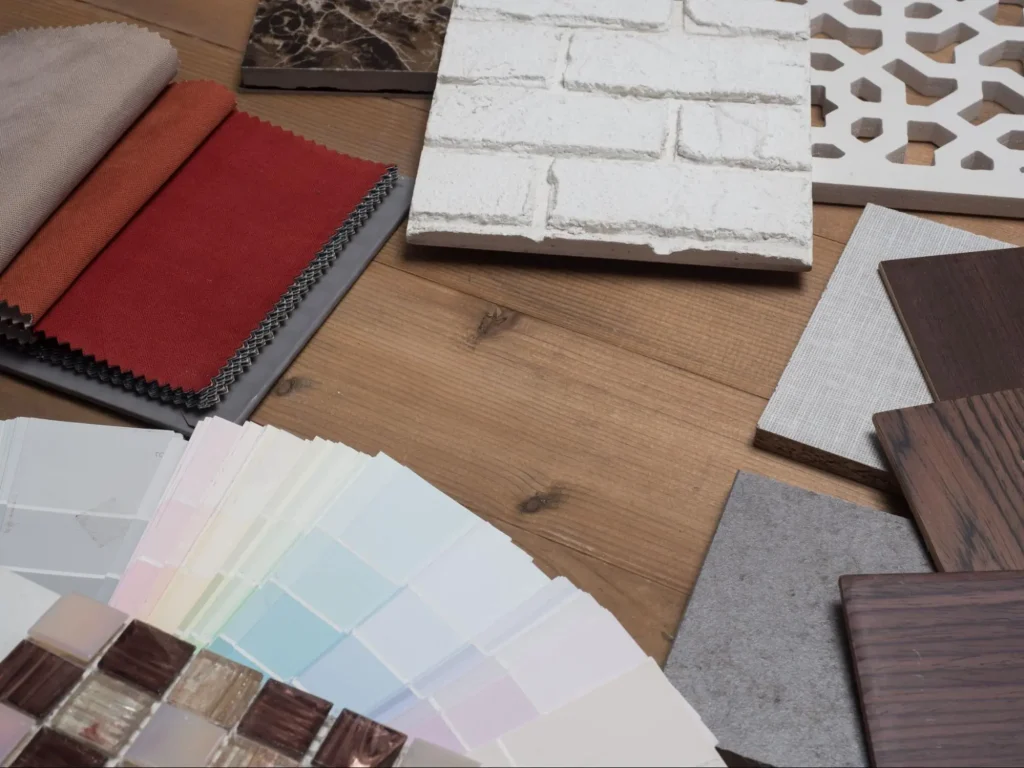
When it comes to choosing the right flooring for your home, there are several types of flooring materials to consider. Each type has its own unique characteristics, advantages, and disadvantages. Here are some of the most popular types of flooring materials to help you make an informed decision.
Hardwood flooring is a classic, timeless choice that adds warmth and elegance to any room. It is durable, easy to clean, and can last for decades with proper care. Engineered wood flooring is a more affordable alternative to solid hardwood flooring. It is made of layers of wood veneer that are glued together, making it more stable and less susceptible to moisture damage. Both hardwood and engineered wood flooring come in a variety of wood species, finishes, and widths to suit any style and budget.
Laminate flooring is a budget-friendly option that mimics the look of hardwood, tile, or stone. It is easy to install, durable, and low maintenance. Vinyl flooring is another affordable option that is available in a variety of styles, including luxury vinyl tile (LVT) and planks. It is waterproof, scratch-resistant, and easy to clean, making it a popular choice for bathrooms, kitchens, and other high-moisture areas.
Tile flooring is a versatile option that comes in a variety of materials, including ceramic, porcelain, and natural stone. It is durable, easy to clean, and can be used in any room of the house. Ceramic and porcelain tiles are affordable and come in a wide range of colors and patterns. Natural stone tiles, such as marble, granite, and slate, are more expensive but add a luxurious, high-end look to any space.
Carpeting is a soft, comfortable option that adds warmth and insulation to any room. It is available in a variety of materials, colors, and styles, making it a versatile choice for bedrooms, family rooms, and playrooms. However, it can be difficult to clean and may not be the best choice for high-traffic areas or homes with pets. Soft surfaces, such as area rugs and runners, are a great way to add color and texture to any room without committing to wall-to-wall carpeting.
In conclusion, when choosing the right flooring for your home, it is important to consider your lifestyle, budget, and design preferences. By weighing the advantages and disadvantages of each type of flooring material, you can make an informed decision that will enhance the beauty and functionality of your home for years to come.
When it comes to installing new flooring in your home, there are a few things to consider. Two of the most important factors are whether you want to do the installation yourself or hire a professional, and how much you are willing to spend.
One of the first decisions you will need to make is whether you want to install the flooring yourself or hire a professional. While DIY installation can save you money, it can also be time-consuming and require a certain level of skill. On the other hand, professional installation can be more expensive, but it can also ensure that the job is done correctly and efficiently.
If you do decide to go the DIY route, make sure you have all the necessary tools and materials before you begin. You should also do your research and make sure you understand the installation process. Some types of flooring, such as hardwood, can be more difficult to install than others, such as vinyl or laminate.
Another important consideration is how much you are willing to spend on new flooring. The cost of flooring can vary widely depending on the type of material, the quality, and the size of the space you are covering.
For example, vinyl flooring is generally one of the most affordable options, with costs averaging around $3.42 per square foot according to Consumer Reports. On the other hand, hardwood flooring can be much more expensive, with costs ranging from $8 to $14 per square foot.
When budgeting for new flooring, it’s important to consider both the cost of the materials and the cost of installation. If you are hiring a professional, make sure to get multiple quotes and compare them to find the best deal. You may also want to consider financing options, such as a home equity loan or line of credit, to help cover the cost of the project.
In summary, when choosing new flooring for your home, it’s important to consider both the installation process and the cost. Whether you decide to do the installation yourself or hire a professional, and whether you opt for a more affordable material or a more expensive one, make sure to do your research and budget accordingly.
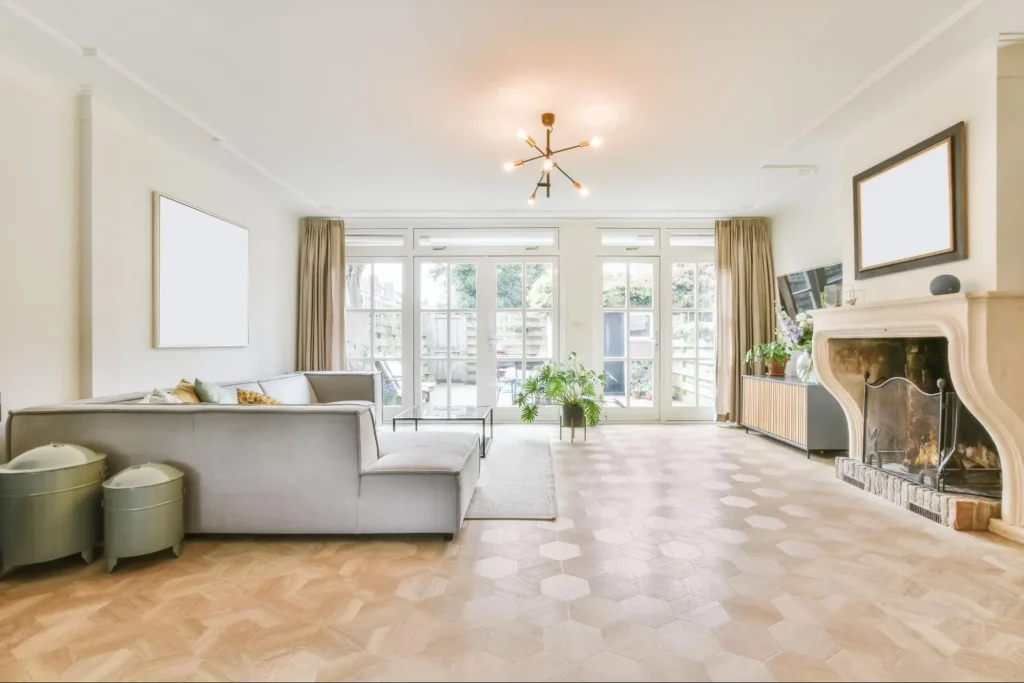
When choosing flooring for your kitchen and bathroom, it is important to consider the high levels of moisture and foot traffic these areas typically experience. Water-resistant and easy-to-clean flooring options are ideal for these rooms.
Vinyl flooring is a popular choice for both kitchens and bathrooms because it is affordable, water-resistant, and can handle high humidity levels. According to Consumer Reports, vinyl planks and tiles come in at around $3.42 per square foot, on average, making it an affordable option. Porcelain or ceramic tiles are also a good choice for kitchens and bathrooms, as they are durable, water-resistant, and easy to clean. Natural stone flooring, such as slate or marble, can add value to your home and provide a luxurious look, but it requires more maintenance than other options.
Living and family rooms are typically low-moisture areas that require comfortable and soft flooring options. Carpet is a popular choice because it provides warmth, insulation, and a soft underfoot feel. It is available in various materials, colors, and styles, making it a versatile choice. Alternatively, hardwood flooring provides a classic, timeless look and can add value to your home. If you prefer a more budget-friendly option, laminate flooring is a good alternative to hardwood flooring.
Bedrooms and low-traffic areas require comfortable and soft flooring options. Carpet is a popular choice because it provides warmth, insulation, and a soft underfoot feel. It is available in various materials, colors, and styles, making it a versatile choice. Hardwood flooring is also a good option for bedrooms, as it provides a classic, timeless look and can add value to your home. If you prefer a more budget-friendly option, laminate flooring is a good alternative to hardwood flooring.
Overall, when choosing flooring for specific rooms in your home, it is important to consider factors such as moisture, foot traffic, comfort, and style. By taking these factors into account, you can find the perfect flooring option for each room in your home.
Choosing the right flooring for every room in your home can be a daunting task. However, with a little knowledge and research, you can make an informed decision that suits your needs and budget.
When selecting flooring, consider the room’s function and traffic. For example, high-traffic areas such as entryways, hallways, and kitchens require durable flooring that can withstand wear and tear. Hardwood, laminate, and tile are excellent options for these areas.
On the other hand, bedrooms, living rooms, and dining rooms are low-traffic areas that require comfortable and cozy flooring. Carpet is a popular choice for these rooms as it provides warmth and insulation.
Bathrooms and laundry rooms require flooring that can handle moisture and provide a safe, non-slip surface. Vinyl and tile are excellent options for these areas.
When choosing flooring, consider your lifestyle and maintenance preferences. For example, if you have pets or children, consider flooring that is easy to clean and maintain. Additionally, if you’re looking for eco-friendly options, consider bamboo, cork, or reclaimed hardwood.
In summary, selecting the right flooring for every room in your home requires careful consideration of several factors, including function, traffic, lifestyle, and maintenance preferences. With the right knowledge and research, you can make an informed decision that suits your needs and budget.
When it comes to installation, it’s essential to work with a reputable company such as Kaminskiy Care and Repair. We offer professional flooring installation services and can help you choose the right floor for your home. Contact us today!
When selecting flooring for high-traffic areas such as entryways, hallways, and living rooms, it is important to choose materials that are durable and can withstand heavy foot traffic. Some of the most durable flooring options include ceramic or porcelain tile, hardwood, and vinyl plank flooring. These materials are resistant to scratches, stains, and wear and tear, making them ideal for high-traffic areas.
Pets can be tough on flooring, so it’s important to choose materials that can withstand scratches, stains, and other damage. Some of the best flooring options for homes with pets include vinyl, tile, and laminate flooring. These materials are durable and easy to clean, making them ideal for pet owners.
When selecting flooring for a kitchen and living room combo, it’s important to choose materials that are both durable and stylish. Some of the best options include hardwood, tile, and vinyl plank flooring. Hardwood adds warmth and elegance to a space, while tile and vinyl are water-resistant and easy to clean.
Updating your home doesn’t have to be a big, expensive project. With some simple handyman skills, you can transform your living space over a weekend. These upgrades are not only affordable but also easy to do, even for beginners. Small changes like adding a fresh coat of paint, updating cabinet hardware, or installing new light fixtures can make a significant difference.
For instance, consider changing the handles on your kitchen cabinets or upgrading your bathroom fixtures. These projects cost less than $100 and can dramatically improve the look and feel of your home. You don’t need to be an expert to achieve professional results; many of these tasks require just basic tools and a little patience.
Outside your home, you can tackle projects to enhance curb appeal. Installing new house numbers, painting the front door, or adding flower boxes can boost the exterior aesthetic. Even arranging your outdoor space with new planters or a small seating area can make your home more inviting.
Updating your home on a budget is achievable with some simple DIY handyman projects. From painting to clever storage solutions, you can transform your living spaces without spending a fortune.
Repainting is one of the cheapest ways to refresh a room. Painting can instantly remove dirt and stains, giving walls a clean, updated look. Choose bold or soothing colors based on the ambiance you want to create. Another great idea is using wallpaper for an accent wall. Modern wallpapers come in peel-and-stick varieties, making them easy to install and remove.
For a playful touch, consider a chalkboard wall in a child’s room or kitchen. It’s functional and interactive. Adding trim or crown molding can also enhance any room’s elegance without breaking the bank.
Lighting can dramatically change a room’s feel. Swap out old light fixtures for modern ones to create an updated look. String lights can add a cozy vibe, perfect for living rooms or bedrooms. Additionally, blinds, curtains, or shades can alter the light in a room and add a decorative touch.
Shutters are another great option. They are stylish and can be customized to fit any window. Simple upgrades in window treatments can also provide better insulation, saving on energy bills

Walls, floors, and ceilings often take the most wear and tear in a home. Updating these elements can make a big difference. Vinyl flooring is an affordable and durable option that now comes in styles mimicking wood or stone. Removing old carpets and replacing them with vinyl or tiles can modernize a space.
Add a fresh coat of paint to the ceiling to make rooms feel taller and brighter. Crown molding can bring a sophisticated finish to ceilings and walls.
Effective storage is both functional and aesthetic. Installing floating shelves can declutter and display personal items stylishly. Built-in bookshelves not only provide ample storage but also become a focal point in a room.
Organizing and decluttering are key to maintaining a fresh look. Make use of storage bins and labeled containers to tuck away items neatly. Budget-friendly storage solutions can enhance your home’s aesthetic while keeping things orderly and easy to find.

Your backyard can become an extension of your indoor space. Install a backyard patio to enhance your outdoor experience. A patio offers a place for barbecues, family gatherings, and relaxation.
Landscaping is another effective method to boost curb appeal and create a serene environment. Add mulch to flowerbeds to make your garden vibrant and neat.
Landscape lighting can make your yard usable at night and highlight landscape features. This could involve solar lights along pathways or spotlights on trees and structures.
The garage is often underutilized. Install a pegboard organizer to store tools and equipment efficiently. This keeps items off the floor, reducing clutter and increasing safety.
Upgrading the garage door can improve insulation and security. Modern doors with better insulation can keep the space warmer in winter and cooler in summer, making it more functional for projects.
Adding built-in storage solutions, like cabinets and shelves, maximizes space for power tools, auto supplies, and more. This ensures you have organized and accessible storage for all your DIY projects.
Built-in features add both function and aesthetics to your home. A window seat can provide a cozy reading nook while maximizing space.
Built-in bookshelves not only offer storage for books and artwork but also make a room feel custom-designed and polished.
Consider adding raised garden beds to your yard. These provide a dedicated space for growing flowers, vegetables, and herbs, optimizing your gardening area.
Pressure washing your home’s exterior can improve its appearance quickly. It removes dirt, mold, and stains from your house siding, deck, and driveway, giving your home a fresh look.
Making simple handyman updates to your home can be an effective way to refresh its appearance without a full remodel. You can start by painting various rooms or areas. A fresh coat of paint can make a significant difference.
Changing your lighting fixtures is another impactful update. New light fixtures can brighten up spaces and add a modern touch.
Consider adding or changing hardware, such as cabinet knobs or door handles. Small changes like these can make a big impact.
Plants also add a touch of nature and can improve the ambiance of any room. Try placing potted plants in living spaces or hanging them near windows.
In certain rooms, removing the carpet may be a necessary update. Installing hardwood or laminate flooring can provide a cleaner, more modern appearance.
For DIY enthusiasts, projects like building a wall-mount bedside table can be a fun and cost-effective way to enhance your space. For professional upgrades, Kaminskiy Care and Reair offer top-notch handyman service that can help you transform your home into a beautiful haven. Contact us today!
Budget-friendly DIY projects like painting, upgrading light fixtures, and adding new hardware to cabinets can significantly improve your home’s value. Simple landscaping efforts such as planting flowers or adding a new mailbox also go a long way in boosting curb appeal.
Avoid projects like installing extravagant home theaters, excessive wallpaper in every room, or overly personalized renovations. These often don’t appeal to a wide audience and might not increase your home’s resale value.
A fresh coat of paint, new fixtures, and decluttering your space can give your home a modern feel. Updating your kitchen backsplash or adding peel-and-stick wallpaper to accent walls can add modern touches without a hefty price tag.
Updating your kitchen doesn’t have to drain your savings. With a few smart and budget-friendly strategies, you can give your kitchen a fresh and modern look without spending a fortune. Small changes like new lighting, painting cabinets, and updating backsplashes can make a big impact. These updates not only enhance the aesthetic appeal of your kitchen but also increase the functionality and comfort of your cooking space.
Start by planning your kitchen makeover with a clear budget and prioritize the updates that will give you the most value. Focus on revamping areas like cabinets, countertops, and lighting. Repainting cabinets or replacing cabinet hardware can instantly refresh the room. Additionally, peel-and-stick tiles are an affordable and easy option to update your backsplash, providing a quick facelift with minimal effort.
Don’t forget to consider flooring and walls in your updates. These elements can drastically change the look and feel of your kitchen. Whether you decide to add a new coat of paint, install budget-friendly vinyl flooring, or incorporate statement lighting, these efforts combined will result in a stunning transformation that stays within your financial constraints.
Planning a budget kitchen update involves setting a realistic budget, prioritizing key upgrades, and exploring DIY options to save money. By organizing your plan effectively, you’ll ensure that your kitchen redesign aligns with current trends while staying practical.
First, assess how much you can afford to spend. Consider all the potential costs, including materials, tools, and any professional help you might need. Make a list of what you want to achieve and then research the costs involved.
Create a budget plan that outlines each expense. Hold yourself accountable by tracking your spending against this plan. Use tools like spreadsheets or budgeting apps to keep everything organized.
It’s essential to allow for a small contingency fund. Unexpected costs can arise, so having a buffer ensures that you can handle these surprises without derailing your project.
Identify which areas of your kitchen need the most attention. Prioritize upgrades that will have the largest impact on both aesthetics and functionality. For example, updating cabinets can be more influential than minor decorative changes.
Consider the following list:
Determine which upgrades fit within your budget and focus on these first. It’s better to complete a few impactful projects rather than spreading your budget too thin and not finishing any of them.
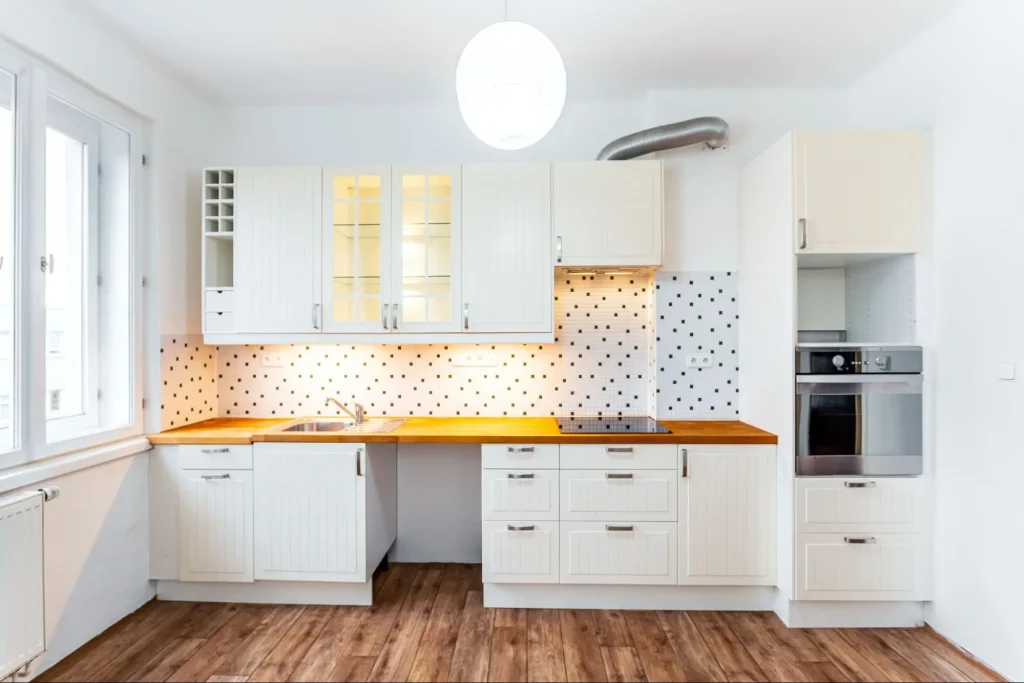
Updating your kitchen can be budget-friendly and transformative. Focus on inexpensive upgrades like painting your cabinets, installing new hardware, and selecting affordable countertops to achieve a fresh look.
Painting kitchen cabinets is a cost-effective way to refresh your space. Choose a quality primer and paint specifically for cabinets to ensure durability. Light colors, like white or soft gray, can create an open and bright atmosphere. Before you begin, clean and sand the cabinets to remove any grease or finish.
Use a brush or a roller to apply the primer and let it dry completely. Follow up with at least two coats of paint for even coverage. Consider replacing the cabinet doors if they are too worn out, but otherwise, a good paint job can make old cabinets look new and stylish.
Swapping out old hardware for new handles and knobs can make a big difference. Choose styles that match your kitchen’s overall aesthetic. For a classic look, consider brushed nickel or stainless steel. For a more modern approach, matte black or brass might be ideal.
Measure the existing hardware holes before purchasing new ones to ensure a proper fit. Installing the new hardware is simple and usually only requires a screwdriver. This small change can significantly improve the look of your kitchen without breaking the bank.
Countertops can be upgraded on a budget by selecting materials like laminate or butcher block. Laminate is available in various colors and patterns, mimicking more expensive materials like granite or marble. It is durable, easy to install, and cost-effective.
Butcher block countertops add a warm, natural touch and are often less expensive than stone options. They do require regular maintenance, such as oiling to prevent drying out, but they can be sanded and refinished if damaged.
If replacing countertops isn’t feasible, consider using peel-and-stick countertop covers. These can provide a fresh look temporarily until a more permanent upgrade is possible.
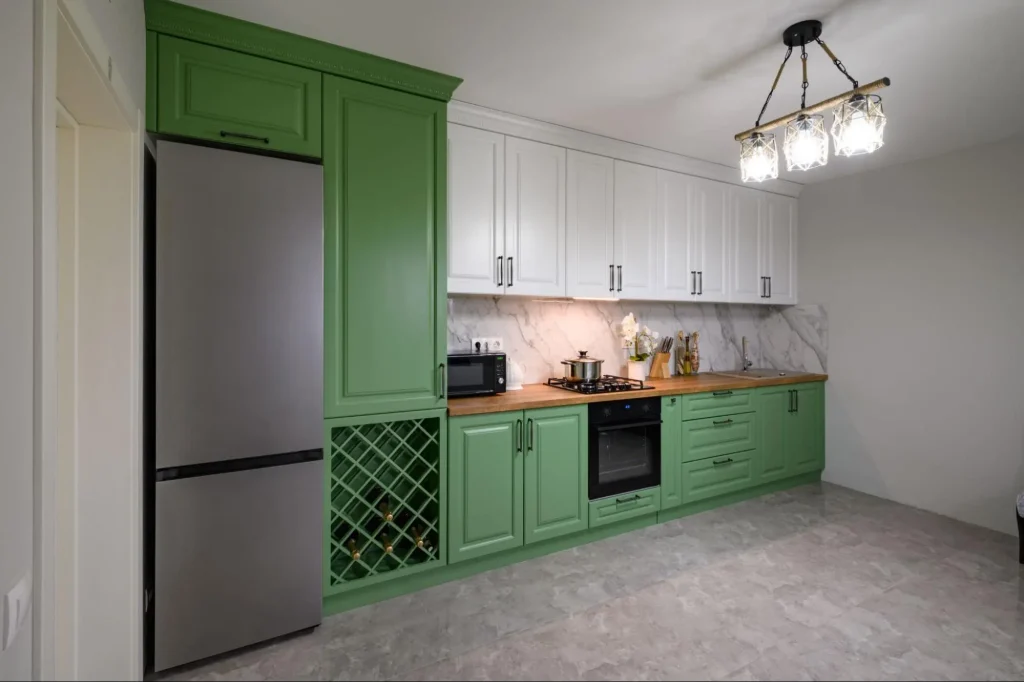
Proper lighting and smart accessory choices can transform your kitchen into a more functional and welcoming space. You can integrate solutions like under-cabinet lighting and energy-efficient fixtures, and incorporate stylish accessories to enhance design and usability.
Under-cabinet lighting brightens your countertops and illuminates your workspace. LED strip lights are an excellent, energy-efficient choice that can be easily installed and customized to fit your cabinet length. You can also invest in puck lights for a more focused lighting effect. These lights come in various colors and brightness levels, allowing you to create the perfect ambiance for cooking and dining. Additionally, under-cabinet lighting makes it easier to see and access items, thereby improving kitchen efficiency.
Switching to energy-efficient light fixtures like LED bulbs reduces your energy consumption and cuts down on electricity bills. Look for fixtures with adjustable brightness settings to suit different tasks such as cooking, eating, or entertaining. Modern LED fixtures are available in various designs, from sleek pendant lights to elegant chandeliers, allowing you to pick one that complements your kitchen’s style. Many of these fixtures also have long lifespans and require less maintenance, making them a cost-effective choice for homeowners.
Incorporate accessories that blend functionality with aesthetic appeal. Add sleek hooks and racks to organize utensils and pots, freeing up counter and cabinet space. Invest in stylish floating shelves to display decorative items like plants or cookbooks, adding a personal touch to your kitchen. Choose accessories that match your kitchen’s design, whether it’s modern, rustic, or traditional. For instance, stainless steel hooks pair well with contemporary designs while wooden racks might suit a farmhouse-style kitchen. Accessorizing thoughtfully ensures your kitchen remains both beautiful and practical.
Improving your kitchen doesn’t have to be expensive. Opting for budget-friendly kitchen flooring, adding an accent wall, or using peel-and-stick tiles can make a huge difference.
Kitchen Flooring can change the look and feel of your kitchen significantly. Vinyl flooring is an excellent choice for a budget-friendly update. It’s durable, water-resistant, and comes in many styles that mimic more expensive materials like wood or stone. Installing vinyl is often a DIY project, making it cheaper than hiring professionals.
Laminate flooring is another option. It’s cost-effective and mimics hardwood but is easier to install and maintain. Choose high-quality laminate to ensure it stands up to kitchen spills and daily traffic.
An accent wall can make your kitchen pop without a big expense. You can use paint to create a bold backdrop that contrasts with your cabinets and countertops. Choose a color that complements your kitchen’s theme.
Wallpaper is another way to make an accent wall stand out. Modern wallpapers come in peel-and-stick varieties, making them easier to apply and remove. Apply it to an open wall, or inside glass-front cabinets, to add visual interest.
Tiles can also be used to create a stunning accent wall. You might choose a backsplash design that goes beyond the counter area and covers an entire wall. This can add texture and color to your kitchen.
Peel-and-stick tiles are a simple and cost-effective way to update your kitchen walls. They can mimic the look of more expensive tiles and are easy to install. You can use them for a backsplash or cover an entire wall, instantly upgrading the space.
These tiles are also great for temporary updates. If your style changes or you move out, they can be removed without damaging the wall underneath. Choose styles that match your kitchen’s color scheme and overall design for a cohesive look.
Updating your kitchen on a budget is doable with some thoughtful planning and creativity. One effective way is to refresh your existing cabinet doors, which has a big impact without a high cost. Deep cleaning can also make a huge difference. Clearing everything out and cleaning surfaces you normally don’t reach helps make the kitchen feel new. A tip from this guide suggests a thorough scrub before making any changes.
Paint is your best friend for budget makeovers. Adding a fresh coat to your cabinets, walls, or even floors quickly gives your kitchen a new look. Consider updating your backsplash or countertops with peel-and-stick tiles or designer contact paper. These materials are affordable and easy to install. lastly Swapping out old hardware like knobs and handles for new ones can instantly modernize your kitchen. Choose styles that match your overall décor.
These simple and budget-friendly updates can make your kitchen feel fresh and inviting. Whether it’s a deep clean or a new paint job, small changes add up to make a big impact. Kaminskiy Care and Repair is your reliable partner for kitchen repair and upgrades. Our experienced professional can give your kitchen the facelift it deserves. Contact us today!
Simple changes like painting walls or cabinets can have a big impact. Updating your backsplash with peel-and-stick tiles, or using decorative contact paper, adds color and texture cheaply.
You can transform your cabinets by painting them a new color. Replacing old hardware like handles and knobs with modern ones is another cost-effective option. Consider using vinyl wraps for a fresh veneer look without the need for expensive replacements.
Hang decorative hooks to organize utensils and cutting boards. Add open shelves to display dishes or cookbooks. Use inexpensive rugs and curtains to add color and style.
Focus on key areas like countertops, cabinets, and lighting. Replace outdated countertops with budget-friendly materials. Update hardware on cabinets and install new light fixtures to create a modern feel without major construction.
When it comes to home improvement projects, having the right tools and supplies is essential. For residents of Orange County, CA, finding reliable hardware stores that cater to handyman needs can make all the difference in the success of your projects. Whether you’re a professional handyman or a DIY enthusiast, having access to a well-stocked hardware store ensures you have the necessary resources to complete your projects efficiently and effectively.
Orange County boasts a variety of hardware stores, each offering unique selections of tools, materials, and services. From well-known chains to local gems, these stores provide everything a handyman could need. Let’s dive into some of the best hardware stores in Orange County and what they offer.
Dana Point Hardware is a beloved fixture in Orange County, known for its extensive inventory and exceptional customer service. This family-owned business has been serving the community for years, offering a wide range of products that cater to both professionals and DIY enthusiasts. From basic tools and fasteners to high-end power tools and specialty items, Dana Point Hardware has it all.
One of the standout features of Dana Point Hardware is its knowledgeable staff. The employees are always ready to provide expert advice and help customers find exactly what they need. Whether you’re looking for a specific type of screw or need guidance on a larger project, the team at Dana Point Hardware is there to assist.
Harbor Freight Tools is a popular destination for those looking for quality tools at discounted prices. Located conveniently in Orange County, this store offers a wide range of tools and equipment that are perfect for any handyman project. From power tools and hand tools to generators and air compressors, Harbor Freight Tools has a comprehensive selection of products.
What sets Harbor Freight Tools apart is their commitment to affordability without compromising on quality. The store frequently offers sales and promotions, making it an excellent choice for budget-conscious handymen. Additionally, their customer loyalty program provides even more savings and exclusive deals.
Home Depot is a household name in home improvement, and its Orange County location lives up to the brand’s reputation. Known for its extensive inventory, Home Depot offers everything from basic hand tools to advanced power tools, building materials, plumbing supplies, and more. This makes it a one-stop shop for all your handyman needs.
Home Depot also offers a range of services that can be incredibly beneficial for handymen. These include tool rental, key cutting, and even workshops that provide training on various DIY projects. The knowledgeable staff is always available to help, whether you need advice on the best products for your project or assistance finding specific items.
McFadden-Dale Hardware, while primarily known for industrial supplies, also offers a wide range of plumbing components that can be challenging to find elsewhere. Located in Orange County, this store provides an extensive selection of specialty plumbing items, including unique fittings, valves, and connectors.
The knowledgeable staff at McFadden-Dale Hardware can assist with locating hard-to-find plumbing components and offer expert advice on their applications. The store’s commitment to quality and customer service makes it a valuable resource for specialized plumbing projects.
Rockler Woodworking and Hardware is a go-to destination for woodworking enthusiasts in Orange County. This store offers a wide range of specialized tools and supplies, including woodworking machinery, hand tools, hardware, and finishing materials. Rockler is known for its high-quality products and exceptional customer service, making it a favorite among local craftsmen and hobbyists.
The staff at Rockler are woodworking experts and can provide valuable advice and recommendations for your projects. Whether you’re building custom furniture or completing a small repair, Rockler Woodworking and Hardware has the tools and expertise you need.
Orange Coast Hardware and Lumber is another excellent option for handymen in Orange County. This store offers a comprehensive range of products, including lumber, building materials, tools, and hardware. Whether you’re working on a major renovation or a small repair, Orange Coast Hardware and Lumber has the supplies you need to get the job done.
The knowledgeable staff at Orange Coast Hardware and Lumber is always available to provide expert advice and help you find the right products for your project. The store also offers delivery services, ensuring you get the materials you need directly to your job site.
Kaminskiy Care and Repair is a trusted name in Orange County, offering a comprehensive range of handyman services. While we do not sell hardware supplies, our expertise and professional service make us an invaluable resource for your home improvement projects. Kaminskiy provides top-notch repair, installation, and maintenance services, ensuring that your projects are completed efficiently and effectively.
Finding the right hardware store is crucial for any handyman looking to complete projects efficiently and effectively. Orange County offers a variety of excellent hardware stores, each with its strengths and specialties. Whether you prefer the extensive selection and knowledgeable staff at Dana Point Hardware, the discounted prices at Harbor Freight Tools, or the comprehensive services at Home Depot, you’ll find the perfect store to meet your needs. Additionally, Kaminskiy Care and Repair Handyman Services provide a range of professional handyman services in Orange County to assist with any project. By exploring these top hardware stores and service providers, you can ensure you have access to the best tools, supplies, and expertise for all your handyman projects in Orange County.
Setting up a home office can be challenging, especially if you’re not sure where to start. That’s where a handyman comes in. A handyman can help you design and organize your home office space, ensuring it’s functional and comfortable for your work needs. By assisting with furniture assembly, electrical setup, and even custom shelving, they can make your workspace more efficient and productive.
In addition to setting up your home office, a handyman can install essential devices like dual monitors or USB hubs. Dual monitors provide more screen space, making it easier to manage multiple tasks at once. A USB hub or charging station can be crucial for keeping your devices powered and connected, making your workflow smoother.
Creating a productive work environment is more than just setting up electronics. A handyman can also help install proper lighting or a light bar to reduce eye strain and create a pleasant ambiance. With these enhancements, your home office will not only look professional but also improve your productivity and comfort while working from home.

A well-designed home office space is essential for productivity and comfort. Key elements include selecting the right location, ensuring natural light, and choosing functional furniture.
Identifying the best location for your home office is crucial. A quiet space like a spare room is ideal, minimizing distractions. If that’s not possible, a well-defined corner of your living room or bedroom can work too. Proximity to a window provides natural light and fresh air, enhancing your well-being.
Considering noise levels is essential. An area away from high-traffic zones—like the kitchen or main living area—helps maintain focus. Use rugs or curtains to dampen sound if needed. Creating a physical separation, even with a room divider, can signal this is a workspace, not part of your leisure space.
Natural light boosts mood and productivity. Position your desk near a window to take advantage of this free resource. If possible, orient your desk to face the window. This setup not only improves lighting but also offers a pleasant view, which can be a refreshing mental break.
If your space lacks sufficient natural light, consider full-spectrum lighting that mimics natural light. Avoid placing your computer screen directly in front of or behind the light source to minimize glare and eye strain. Adding plants near your workspace can also enhance the environment, making it more vibrant and soothing.
Choosing the right furniture is essential for a functional home office. An ergonomic chair ensures comfort during long work hours, preventing back and neck pain. Your desk should have ample surface area for your laptop, monitors, and other essentials.
Consider a desk with built-in storage or add a desk shelf for extra organization. Filing cabinets are helpful for storing documents out of sight, reducing clutter. Ensure your chair is adjustable and paired with an ergonomic desk setup to maintain good posture.
Opt for furniture pieces in colors that are calming and not overly stimulating. Prioritizing functional pieces while maintaining a clean aesthetic will help you feel more organized and productive in your workspace.

Investing in ergonomic furniture is crucial for long-term comfort and productivity. Choose a desk and chair that support good posture and reduce strain. Standing desks are popular because they allow you to alternate between sitting and standing, which can help prevent fatigue.
Ensure your chair has lumbar support to protect your lower back. Use an ergonomic keyboard and mouse to reduce wrist strain. A good desk lamp can prevent eye strain by providing adequate lighting.
Keeping your workspace tidy reduces stress and increases efficiency. Use desk drawers and organizers to keep your supplies in order. Having a clutter-free environment helps you focus better on tasks.
Consider noise-canceling headphones to block out distractions. Set boundaries if you share your home with others to ensure uninterrupted work time. Task lighting can also help by providing focused light that reduces eye strain and boosts concentration.
Technology can streamline your workflow and boost productivity. Use project management tools to keep track of tasks and deadlines. A comfortable and adjustable electric height adjustable computer desk can improve your posture and comfort.
Consider using the Pomodoro technique for better time management. This involves working in 25-minute intervals with 5-minute breaks, followed by a longer break after a few cycles. This method helps maintain focus and prevent burnout.
A well-organized home office can boost your productivity. Handymen can assist in setting up this space effectively. Let’s take a final glance at the benefits of a handyman home office set-up.
It’s a smart move to involve professionals who understand the precise requirements of a functional home office. This reduces the risk of errors and optimizes your workspace.
For a professional home-office setup, Kaminskiy Care and Repair offers services tailored to your needs. You can avoid the hassle of assembling furniture or installing equipment. By hiring a handyman, you ensure that everything is set up properly and safely. Contact us today for professional assistance with your home office setup.
A handyman can assemble your desk and ensure it is stable and level. They can also install wall-mounted shelves securely, making sure they can support the weight of your office supplies and equipment without damaging your walls.
Before the handyman arrives, clear the area where you want the work done. Have all furniture and materials ready for assembly or installation. Make a list of tasks you need help with to ensure nothing is forgotten during the visit.
Seek a handyman with good reviews and experience in home office setups. Check credentials, ask for references, and ensure they have the necessary tools. Clear communication about your needs and expectations is key to a successful setup.
If you’re looking to give your home a fresh new look, painting is a great way to do it. But if you’re not a professional painter, getting that professional-grade finish can be a challenge. Fortunately, with the right DIY painting tips and techniques, you can achieve a flawless finish that will make your home look like it was painted by a pro.
To get started, you’ll need to prepare your space and materials. This includes everything from cleaning your walls to selecting the right paint and tools. Once you’ve got everything ready, it’s time to start painting. But don’t just start slapping paint on the walls! There are a number of techniques you can use to ensure a smooth, even finish that will make your walls look like they were painted by a pro.
In this article, we’ll walk you through all the steps you need to take to get that professional-grade finish you’re looking for. We’ll cover everything from preparing your space and materials to executing the right painting techniques.
Before you start painting, it’s important to prepare your space and materials. This will ensure that you have a smooth and professional-looking finish. In this section, we’ll cover two important aspects of preparation: surface preparation and choosing the right tools and paint.
Surface preparation is crucial to achieving a flawless paint job. Start by cleaning the surface you’ll be painting. Remove any dirt, dust, or grease with a damp cloth. If there are any holes or cracks in the surface, fill them with spackle and sand them down until they are smooth.
If you’re painting a previously painted surface, sand it down lightly to remove any loose paint and create a rough surface for the new paint to adhere to. If you’re painting a new surface, apply a coat of primer to help the paint stick better.
Protect any surfaces that you don’t want to get paint on, such as flooring or furniture, by covering them with drop cloths or dust sheets. Use painter’s tape to mask off any areas that you don’t want to paint, like trim or windows.
Choosing the right tools and paint is just as important as surface preparation. Use high-quality brushes and rollers to ensure a smooth and even finish. Synthetic brushes are great for latex paint, while natural bristle brushes are better for oil-based paint.
When selecting paint, opt for a high-quality, durable brand that will last for years. Mix your paint thoroughly before use to ensure an even color. Use a paint tray and bucket to make the process easier and less messy.
Wear gloves and use adhesive sealant to protect your skin and prevent paint from getting on your hands. Use a scraper and sandpaper to remove any old paint or rough spots on the surface.
By following these tips and using the right tools and paint, you’ll be able to achieve a professional-looking finish that will last for years.

When it comes to painting, mastering the right techniques can make all the difference in achieving a professional-looking finish. First, make sure to prepare your walls properly by filling any holes and sanding down any imperfections. You can also use filler to smooth out any rough spots. Once your walls are ready, it’s time to start painting.
When painting walls, it’s important to maintain a wet edge to avoid lap marks and ensure even coverage. To do this, start at the top of the wall and work your way down in sections, painting from left to right. Be sure to apply enough paint to cover the area, but not so much that it drips or creates brush marks. If you need to take a break, cover your paint tray with rosin paper and your brush or roller with plastic wrap to keep the paint from drying out.

After you’ve painted the walls, it’s time to apply the final touches. This includes painting the trim, ceiling, and any furniture that you want to match the room. When painting the trim, use a smaller brush to ensure that you don’t get paint on the walls. For the ceiling, use a roller with an extension pole to reach the higher areas. Be sure to maintain a wet edge when painting the ceiling to avoid lap marks.
When it comes to applying multiple coats of paint, wait for the first coat to dry completely before applying the second coat. This will ensure that the paint adheres properly and doesn’t flake off. If you’re painting a room with sockets or skirting boards, be sure to tape them off before painting to avoid getting paint on them.
When it comes to exterior painting, make sure to choose a paint that is specifically designed for outdoor use. You’ll also want to make sure that the surface is clean and dry before painting. Use a sanding sponge to smooth out any rough spots and ensure that the paint adheres properly.
Finally, when you’re finished with your DIY painting project, be sure to store any leftover paint in an airtight container. This will help to maintain the quality of the paint for future touch-ups.
Painting your home can be a daunting task, but with the right tips and techniques, you can achieve a professional-grade finish.
Before you begin, it is important to prepare the surface properly. This includes cleaning the surface with soap and water, sanding and filling any holes or cracks, and using a primer to ensure the paint adheres properly.
When it comes to painting, it is important to use the right tools. A high-quality brush or roller can make all the difference in achieving a smooth and even finish. For smooth results, use a synthetic brush for latex paint and a natural bristle brush for oil-based paint. Additionally, using a paint sprayer can save time and provide a flawless finish.
Another important tip is to use the right technique when painting. This includes cutting in around the edges with a brush before using a roller, using even strokes, and avoiding overloading the brush or roller with paint. The best practice is to use a “W” or “M” pattern when using a roller to ensure even coverage.
Finally, take your time and be patient when painting. Rushing the process can lead to mistakes and an uneven finish. By following these DIY tips and solutions, you can achieve a professional-grade finish and transform your home with confidence.
If you need professional help with your painting project, Kaminskiy Care and Repair offers expert handyman painting services to give your walls a pristine look. Contact us today
To achieve a smooth finish in interior painting, it is essential to prepare the surface properly. This includes cleaning the walls, repairing any holes or cracks, and sanding the surface. Use high-quality paint and apply it in thin, even coats. Avoid overloading the brush or roller, which can cause drips and uneven coverage. Finally, use a high-quality brush or roller to achieve a smooth finish.
One professional trick for cutting in is to use a high-quality angled brush. Dip the brush into the paint and then tap off the excess. Hold the brush at a slight angle and use short, smooth strokes to paint along the edge. To avoid brush marks, use a high-quality brush and apply the paint in thin, even coats. Avoid overloading the brush, which can cause drips and uneven coverage.
The step-by-step process to paint interior walls like a pro includes the following:
1. Prepare the surface by cleaning the walls, repairing any holes or cracks, and sanding the surface.
2. Apply painter’s tape to any areas you want to protect.
3. Apply a coat of primer to the walls.
4. Apply the paint in thin, even coats, using a high-quality brush or roller.
5. Allow the paint to dry completely before applying a second coat (if necessary).
6. Remove the painter’s tape while the paint is still wet.
Assembling flat-pack furniture can feel like a daunting task, but it doesn’t have to be. With a few simple tips, you can turn it into a smooth and even enjoyable experience. The key to success is preparation and knowing the right techniques. When you take the time to set up your workspace and organize components, you’re already halfway to a stylish new addition to your living space.
Creating adequate space is essential. Clear the area where you’ll be assembling the flat-pack furniture, and ensure it’s close to where you intend to place the final product. This helps in managing the parts and directions more efficiently. Using the appropriate tools, like screwdrivers, rubber mallets, and sometimes even a power drill, will make the job simpler and prevent damage.
Don’t forget to follow the provided instructions closely while keeping screws only partially tightened at first. This allows you to make necessary adjustments, ensuring everything aligns properly and maintains stability. With these strategies in mind, you’re set up for success.
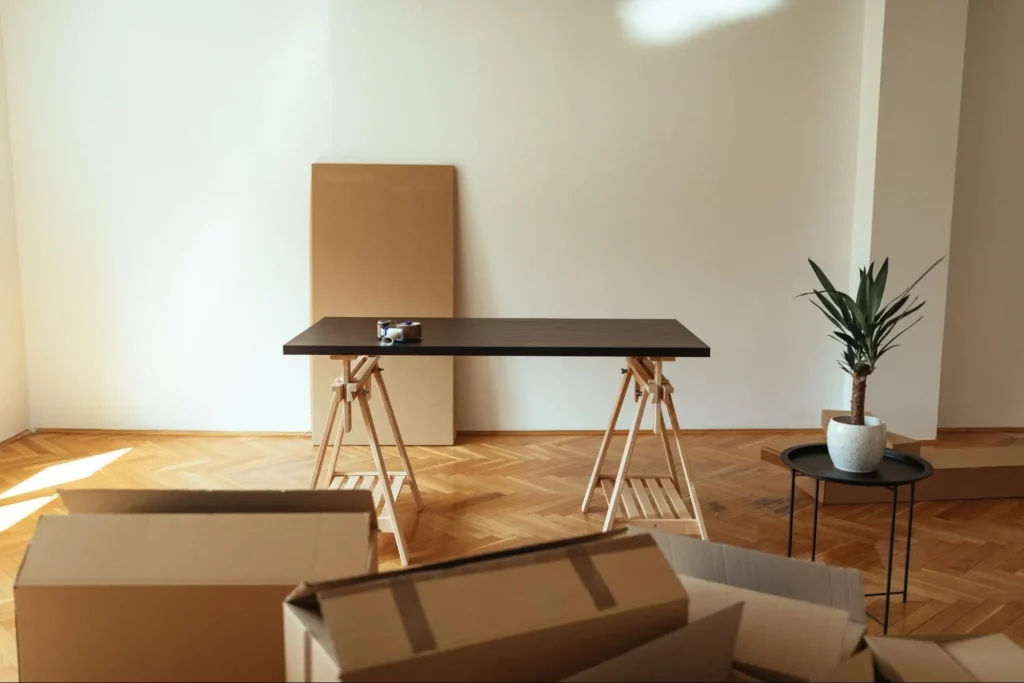
Before starting your flat-pack furniture project, it’s crucial to organize your workspace, understand the assembly instructions, and gather all necessary tools. These steps help ensure a smooth and efficient assembly process.
Create a clear and spacious area for assembly. Remove any clutter and lay down a blanket or mat to protect the furniture pieces from scratches. This will make finding screws and small components easier. Make sure there is enough room to work around the furniture you are assembling.
Use a table or another flat surface to place parts and tools where they are easily accessible. Adequate lighting is essential to avoid errors and misplaced pieces. Good organization ensures a quicker and less stressful assembly process.
Read the instructions thoroughly before beginning. This might include diagrams, illustrations, or step-by-step guides provided by the manufacturer. Knowing the sequence of steps beforehand prevents mistakes and rework.
Each piece usually corresponds to a numbered step in the instructions. Familiarize yourself with the parts and hardware by comparing them to the list or diagram in the instructions. If any part is missing, contact the manufacturer through the provided email or phone number before starting. Planning ahead saves time and ensures a smoother assembly.
Have all the necessary tools ready before you start. Common tools include a screwdriver, hammer, and various hand tools. Some projects might require specific tools like power tools for more complex tasks.
Keep a list of the tools you’ll need, which is usually indicated in the instructions. Make sure these tools are in good working order. For example, a soft blanket can prevent parts from getting scratched during assembly. Planning and having the right tools on hand are key to efficient assembly.
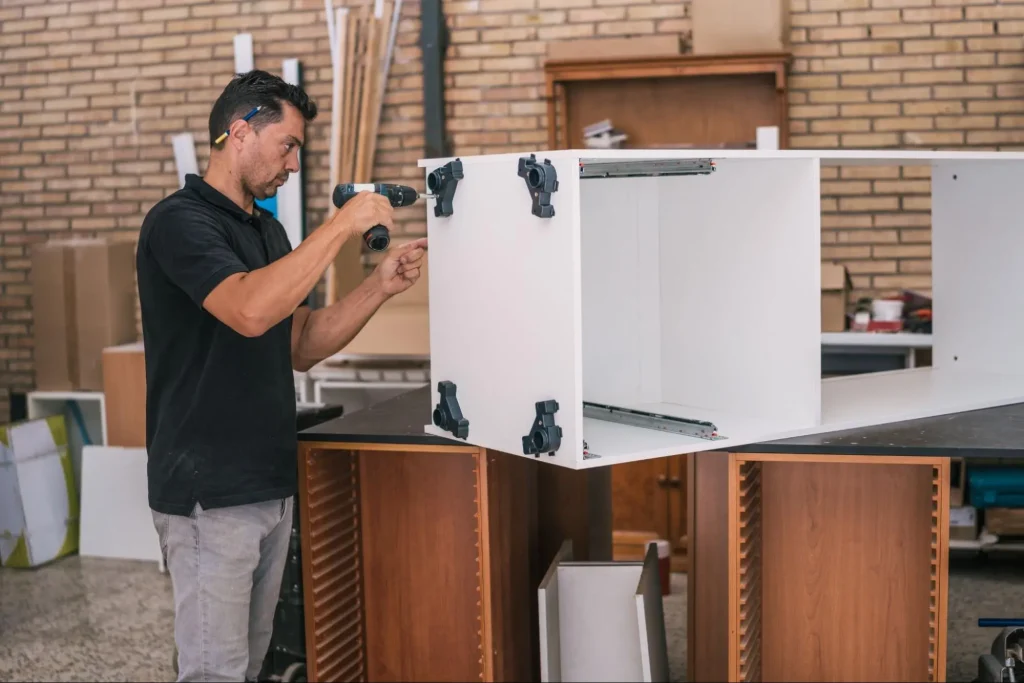
Putting together flat-pack furniture involves various crucial steps, from following assembly instructions to making sure the finished piece is stable and safe. You’ll need patience, attention to detail, and sometimes even professional help.
Start by laying out all the pieces on a clean, level surface. Sort the hardware, such as screws and bolts, into small containers. Begin the assembly by following the instructions step-by-step. Sub-assembly parts separately before combining them into the main structure.
Use the Allen key provided to tighten screws without over-tightening. Pay attention to misaligned holes and make adjustments as needed. If you encounter any issues, don’t force parts together. Double-check the instructions and ensure all pieces are correctly aligned.
Stability is key in self-assembly furniture. Ensure each connection is tightened securely. Check for sturdiness by lightly shaking the piece once assembled. Attach any wall attachments provided to prevent the furniture from tipping over.
Follow all safety precautions outlined in the instructions. If the piece seems wobbly despite following the steps correctly, consider asking for assistance. Professional assembly ensures that the piece is both stable and safe to use.
Once the main assembly is complete, focus on the finishing touches. Use touch-up paint to cover any scratches. Feel free to customize your furniture according to your preferences; adding handles, painting, or applying decals can make the piece unique.
Ensure all joints are tight and secure. Go over the instructions again to verify that no steps were missed. Sometimes small details such as filing down rough edges can significantly enhance the overall appearance and functionality.
Common issues with flat-pack furniture include misaligned holes, missing parts, and difficulty in tightening screws. Check that all hardware parts are included before starting. If you encounter misaligned holes, gently adjust the placement of the parts or use a small file for a better fit.
If screws are not tightening properly, ensure you’re using the correct tool and that threads are not stripped. In case of any persistent problems, consider reaching out to customer support for assistance or checking online forums for solutions. The Flat Pack King and other professional services can also provide helpful tips and troubleshooting methods.
For complex pieces, hiring a professional assembly service might be the most cost-effective solution to save time and ensure perfect assembly.
Assembling flat-pack furniture involves a few key steps to ensure a smooth and efficient process. First, create a spacious and clutter-free workspace. This will help you stay organized and make assembly easier.
Next, sorting and organizing the components by type and size can prevent confusion later. This simple step can save you time and frustration.
Choose the right tools for the job. Most flat-pack kits include basic tools like screwdrivers and Allen wrenches, but having a power drill or rubber mallet on hand can make things easier.
Follow the provided instructions carefully, tightening screws partially at first to allow for adjustments. This method ensures proper alignment and maintains the stability of your furniture.
If you’re new to assembling flat-pack furniture, consider seeking help from professionals like Kaminskiy Care and Repair. We offer expert handyman installation and maintenance services for your home projects and can save you time and potential headaches.
It’s essential to have a basic toolkit with you. Screwdrivers (both flat-head and Phillips), an Allen wrench set, a hammer, and a small drill with bits of various sizes are crucial. A rubber mallet can help with securing dowels without damaging the surface.
Using wood glue on dowels and joints can add extra stability. Tighten screws and bolts gradually and evenly, ensuring that connections are secure but not over-tightened. Double-check all connections when you’re done to make sure everything is solidly in place.
Take your time and don’t rush the process. Lay out all the pieces in an organized manner. Make sure to not mix up screws or other hardware. If something doesn’t fit right, don’t force it—double-check the instructions. Measure twice, especially when aligning larger pieces.
No price games. You get a clear written quote before any work begins, backed by our workmanship warranty.